Rotala macrandra 'Mini Type 4'
Rotala macrandra
Rotala macrandra 'Mini Type 4' is a captivating aquatic plant, prized for its vibrant foliage and compact growth, making it ideal for midground placement. With a fast growth rate, this plant quickly transforms an aquarium with its intense coloration and dense structure.
Water Temperature
18 - 30 °C
pH Value
4.5 - 7
Water type
Freshwater
Light
Medium to High
CO2
High
Expected height
15 cm
Expected width
6 cm
KH
0 - 12 dKH

Species description
Geographical Origin and Habitat: The Rotala macrandra, from which the 'Mini Type 4' cultivar is derived, originates from the marshy and aquatic regions of Southeast Asia, where it thrives in environments with abundant sunlight and nutrient-rich substrates. While the wild form is larger, this "Mini" variant has been selectively bred in nurseries for its reduced size and dense growth habit. It does not occur in this specific form in nature, but it inherits the resilience and ecological preferences of its parent species, adapting well to stable submerged conditions.
Taxonomy & Genetics: Belonging to the Lythraceae family, Rotala macrandra 'Mini Type 4' is a specific cultivar developed for aquascaping, distinguishing itself from other forms of Rotala macrandra by its smaller leaf size and shorter internodes. This makes it an excellent choice for nano aquariums or as an advanced foreground and midground plant in larger setups. Its 'Mini Type 4' designation indicates a particular phenotypic selection that maintains stable characteristics of compactness and intense color.
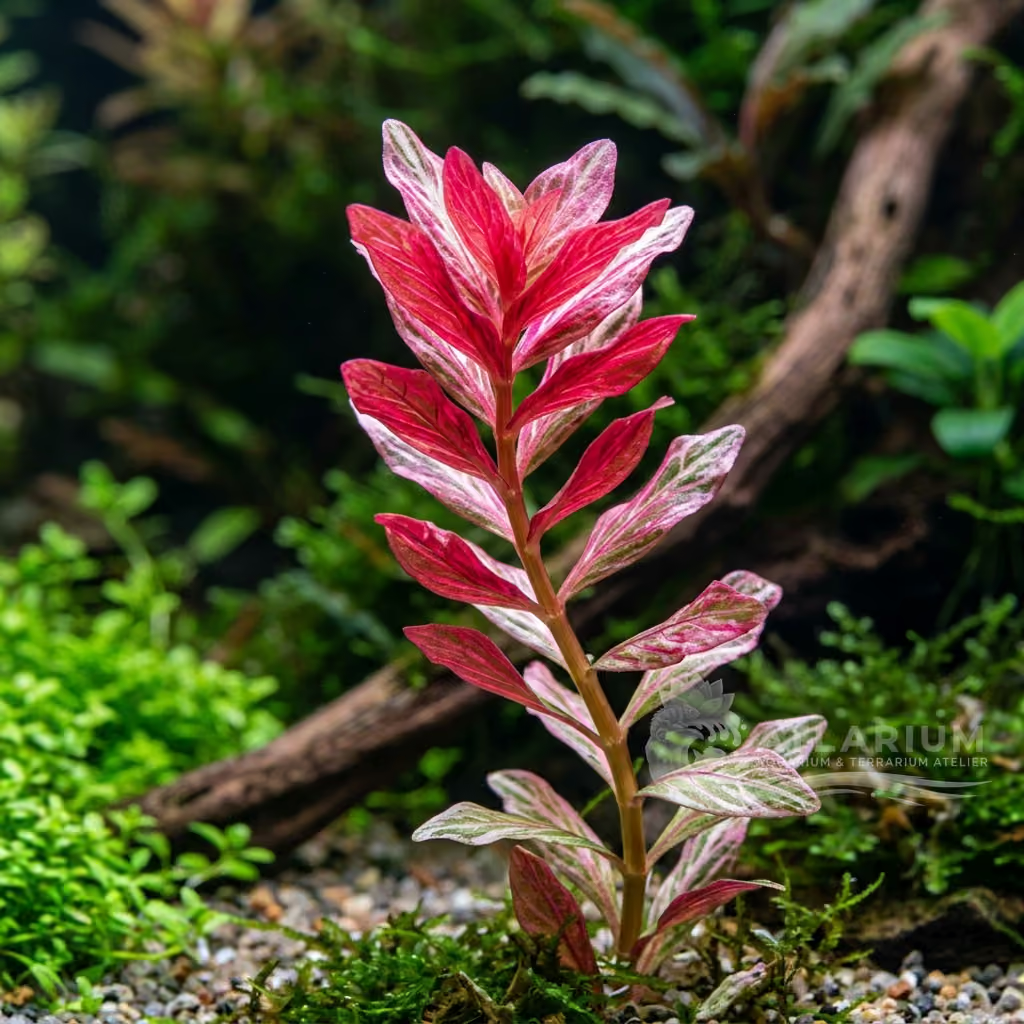
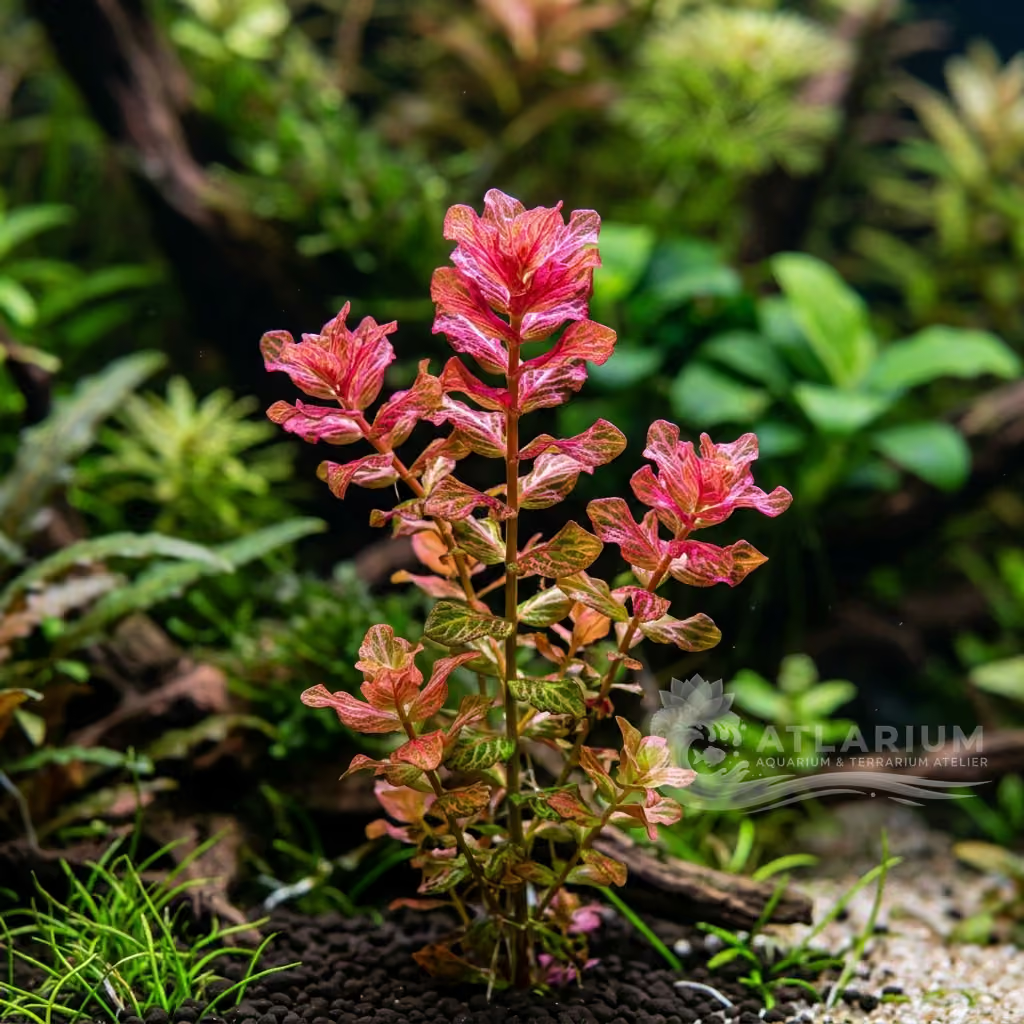
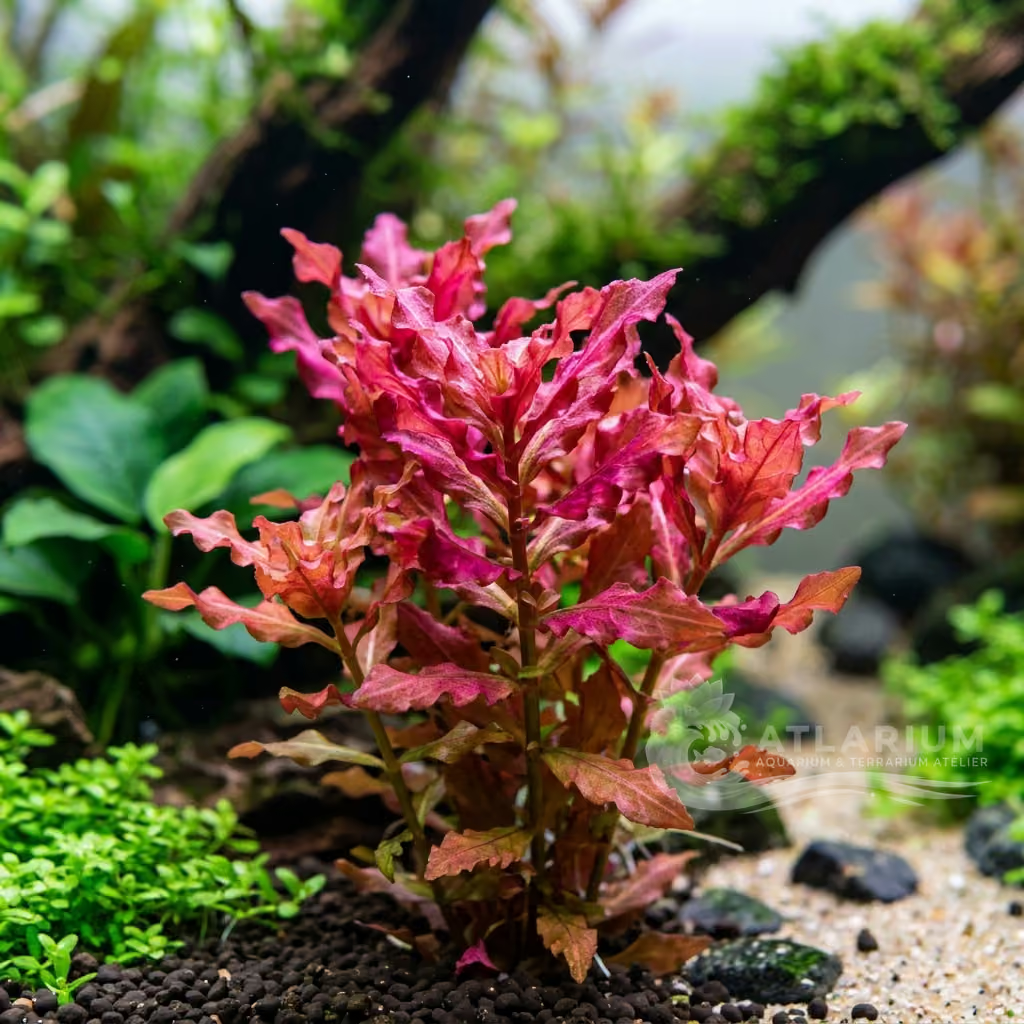
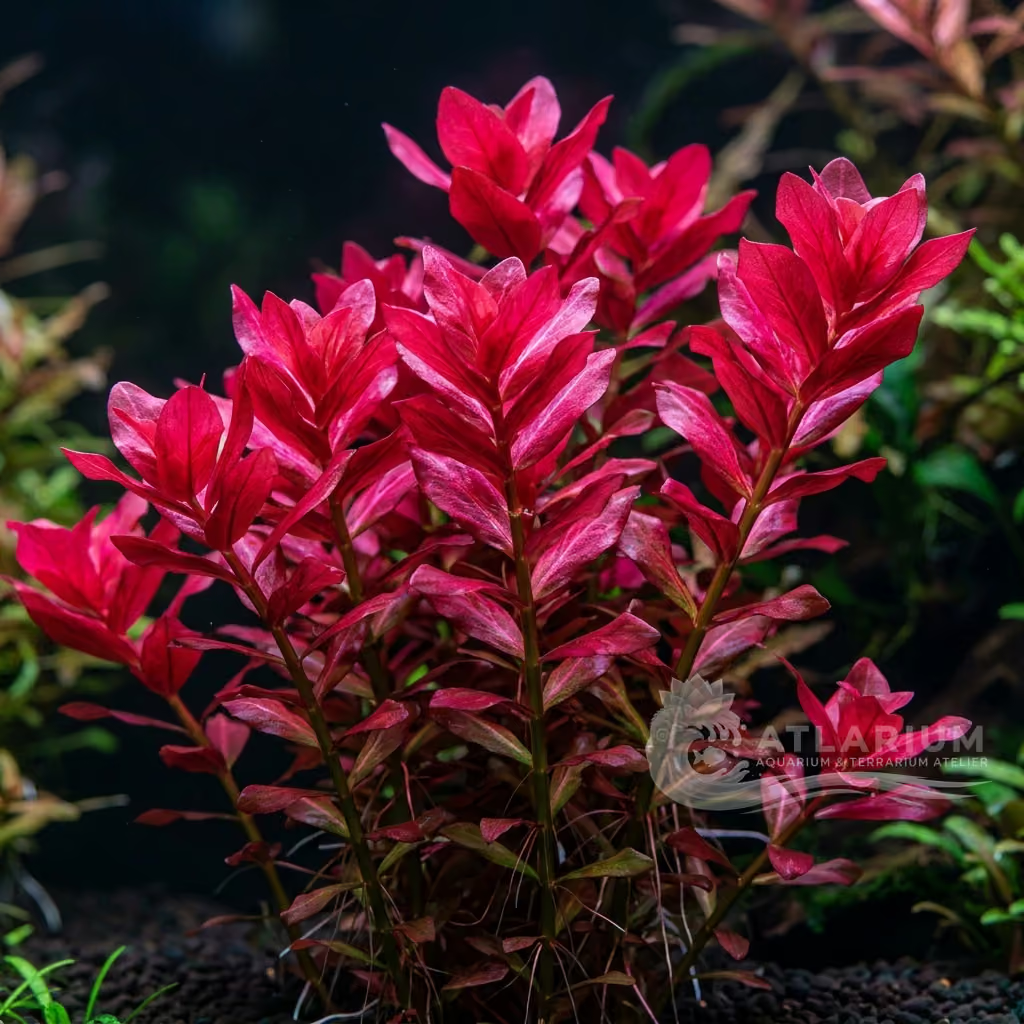
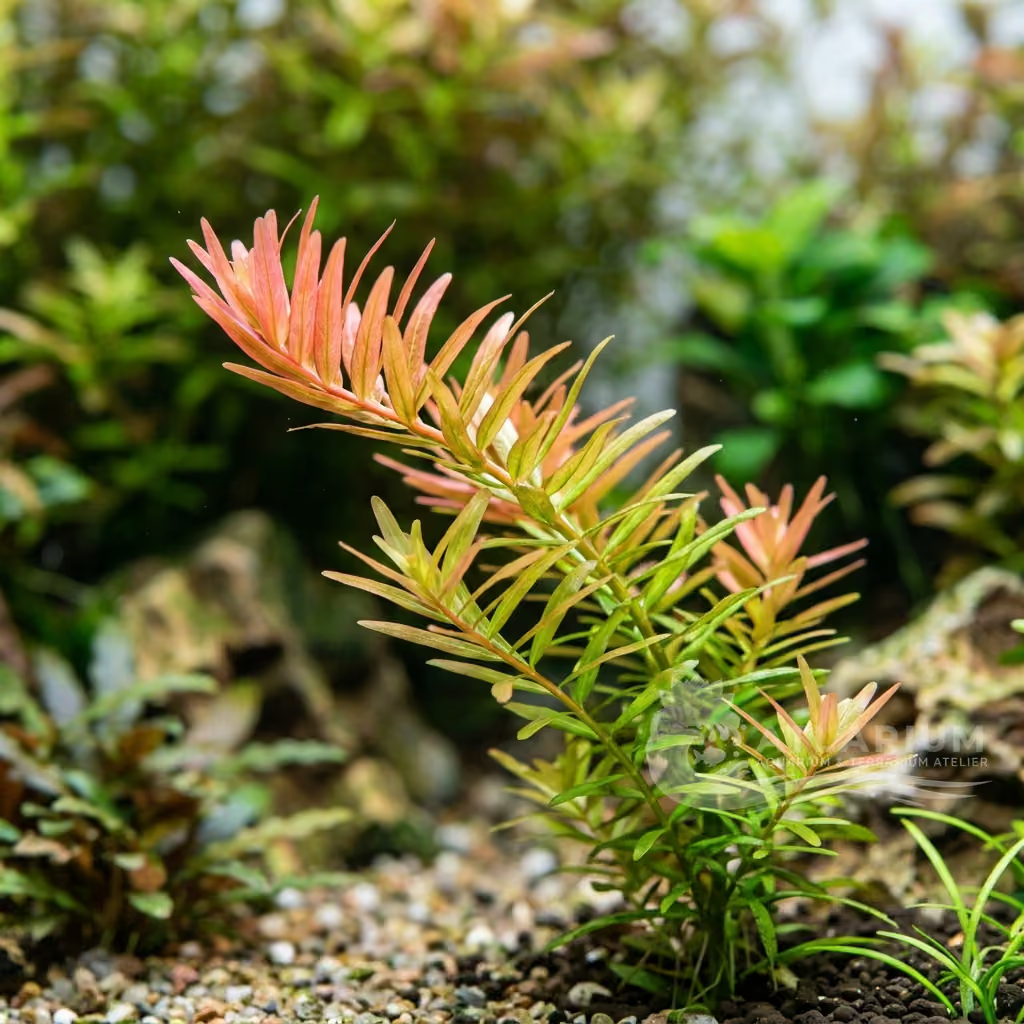
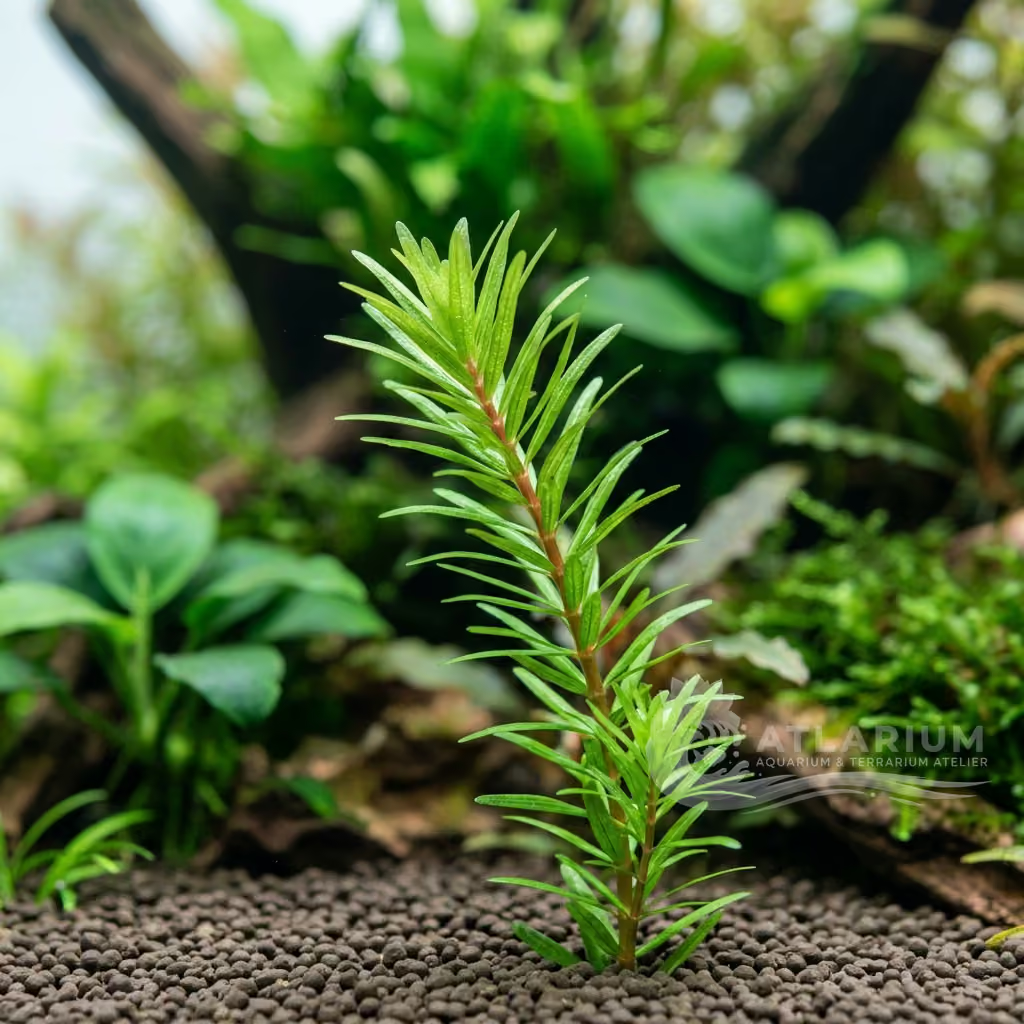
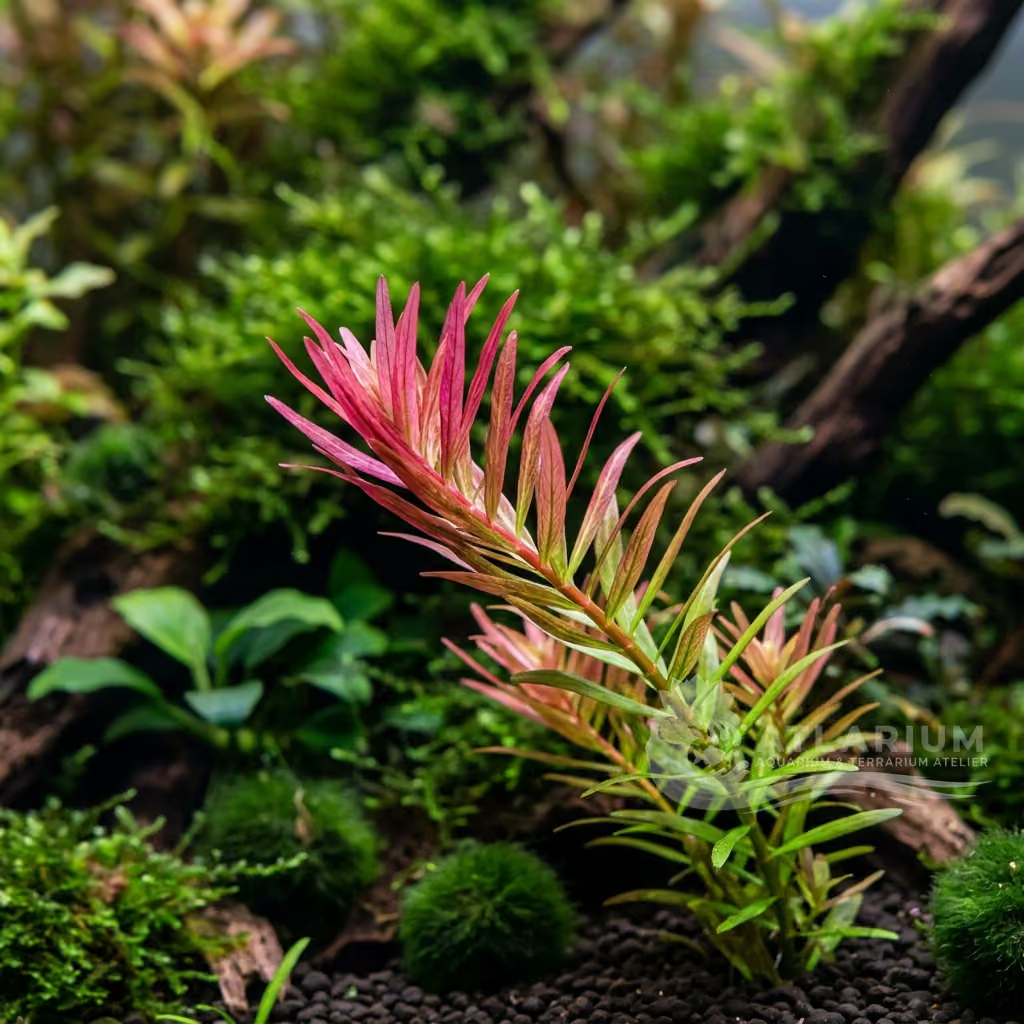
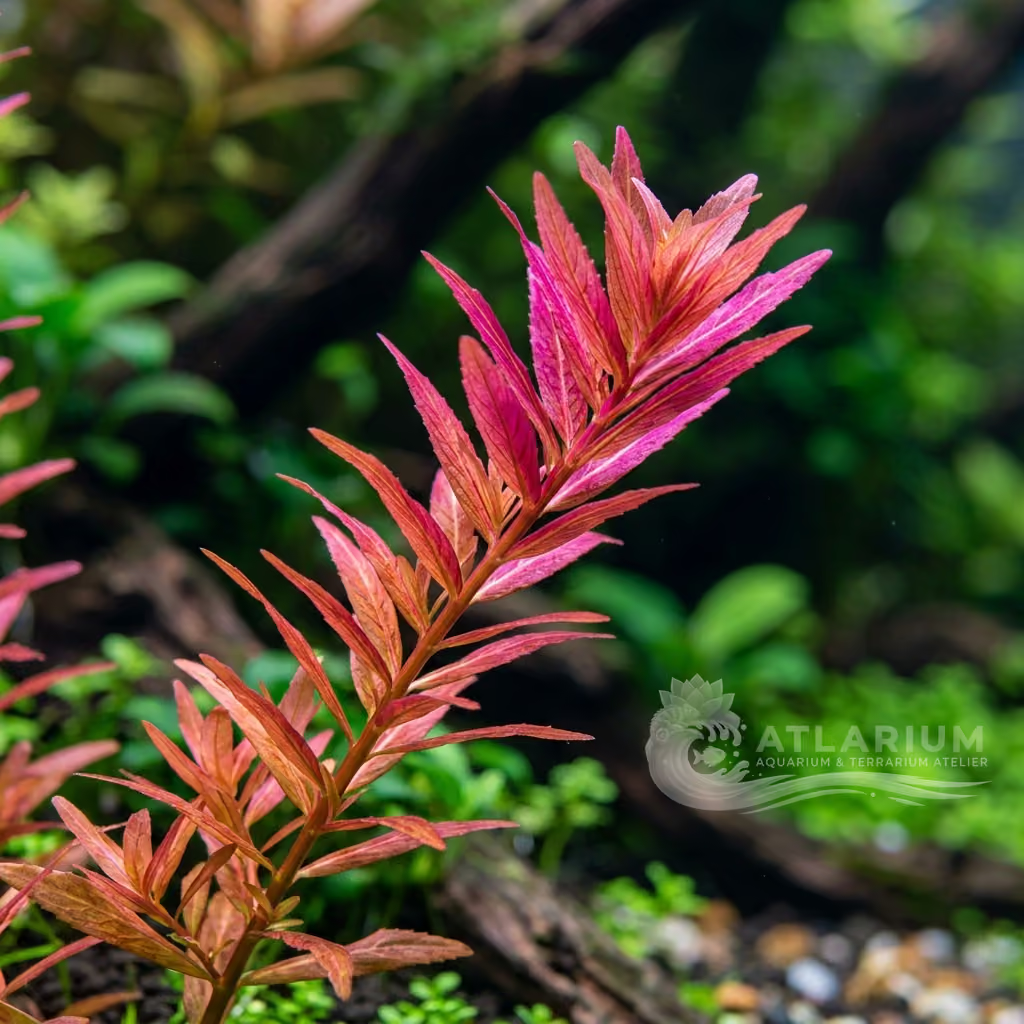
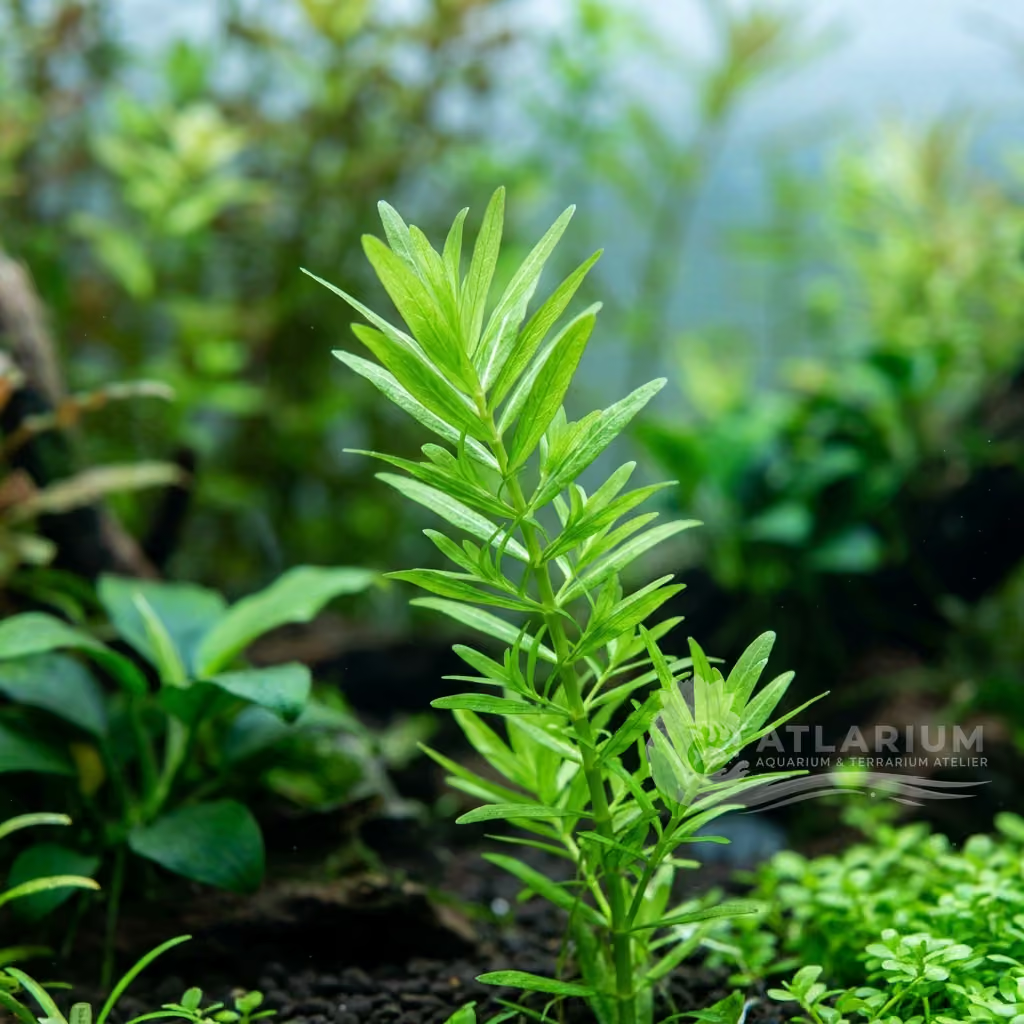
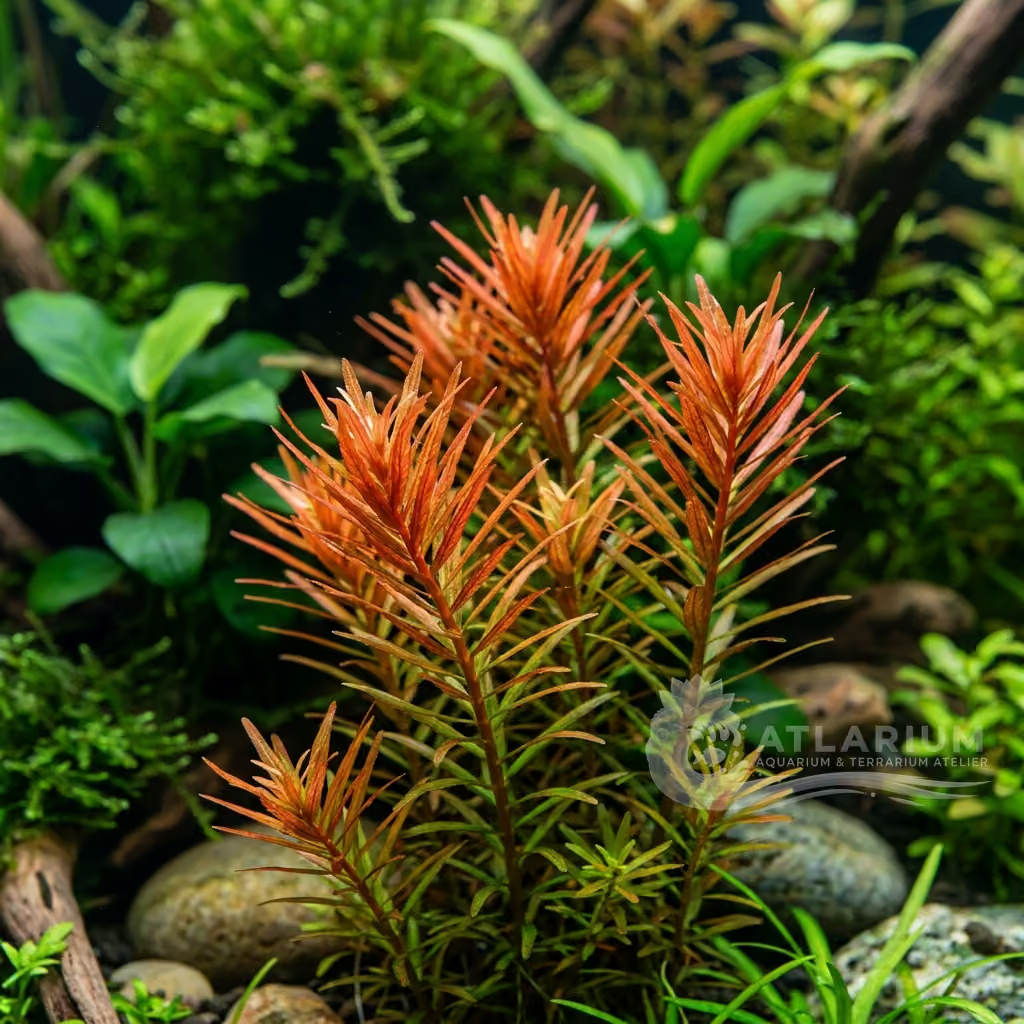
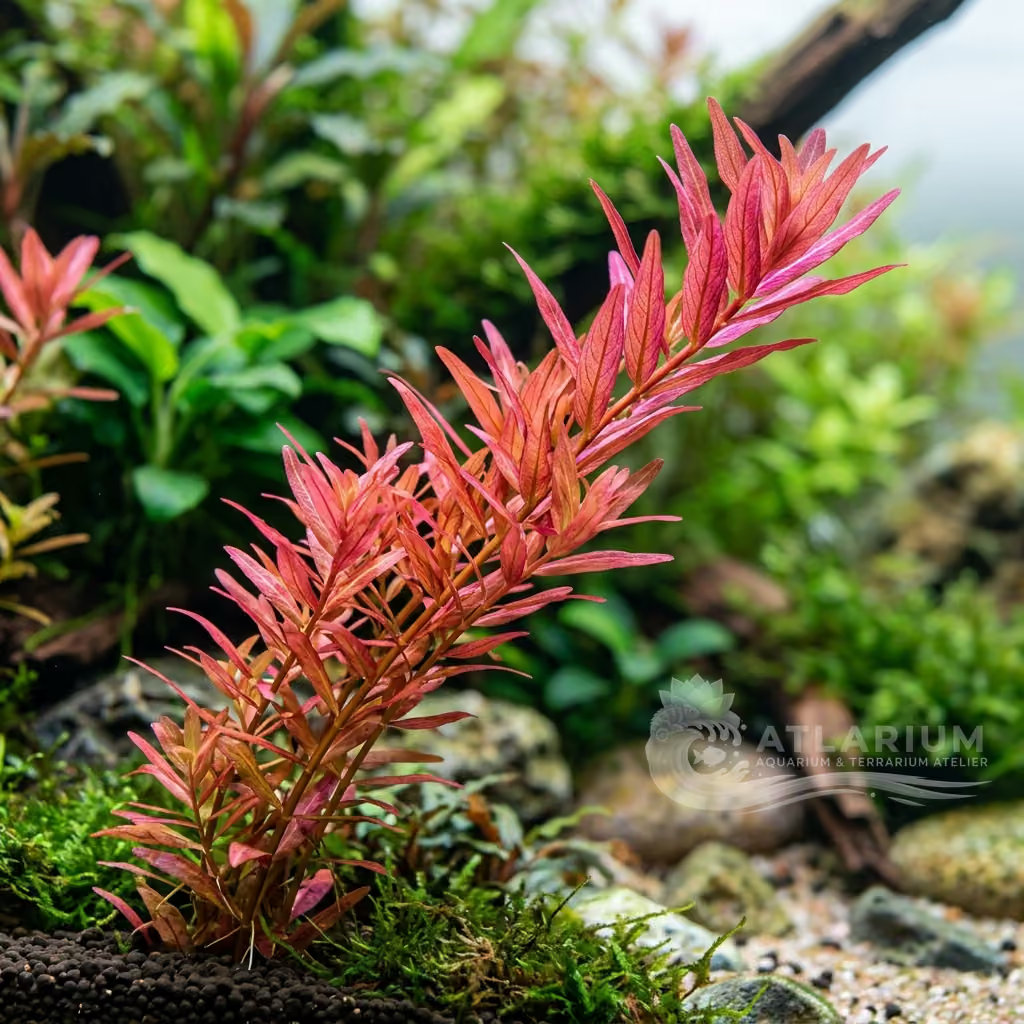
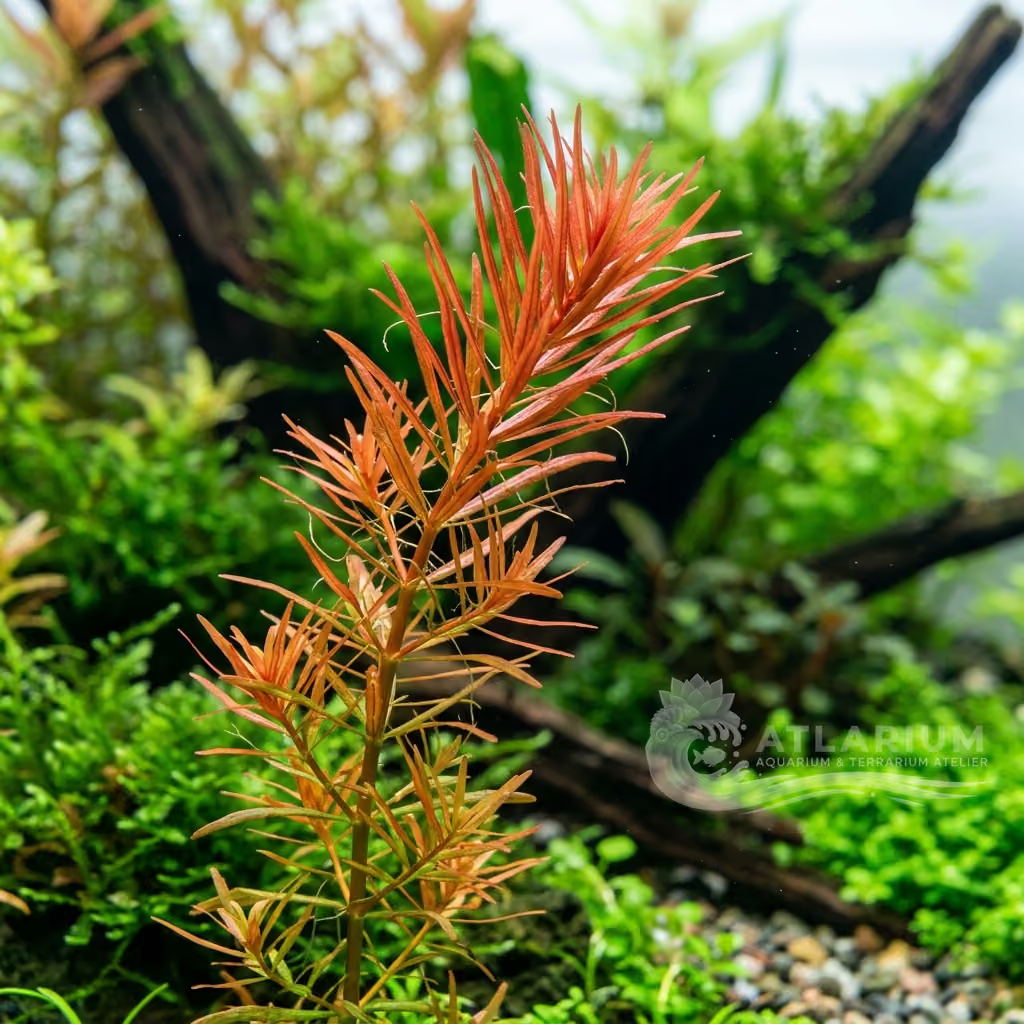
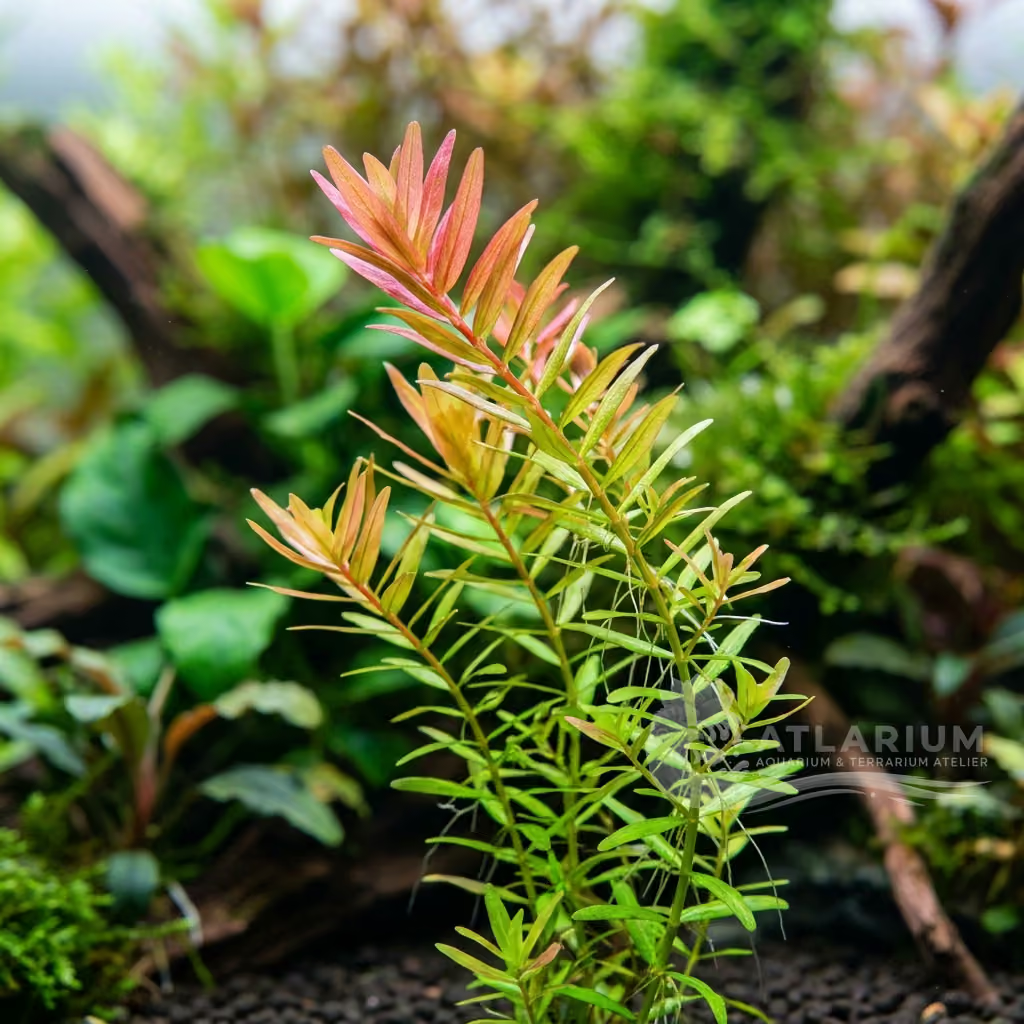
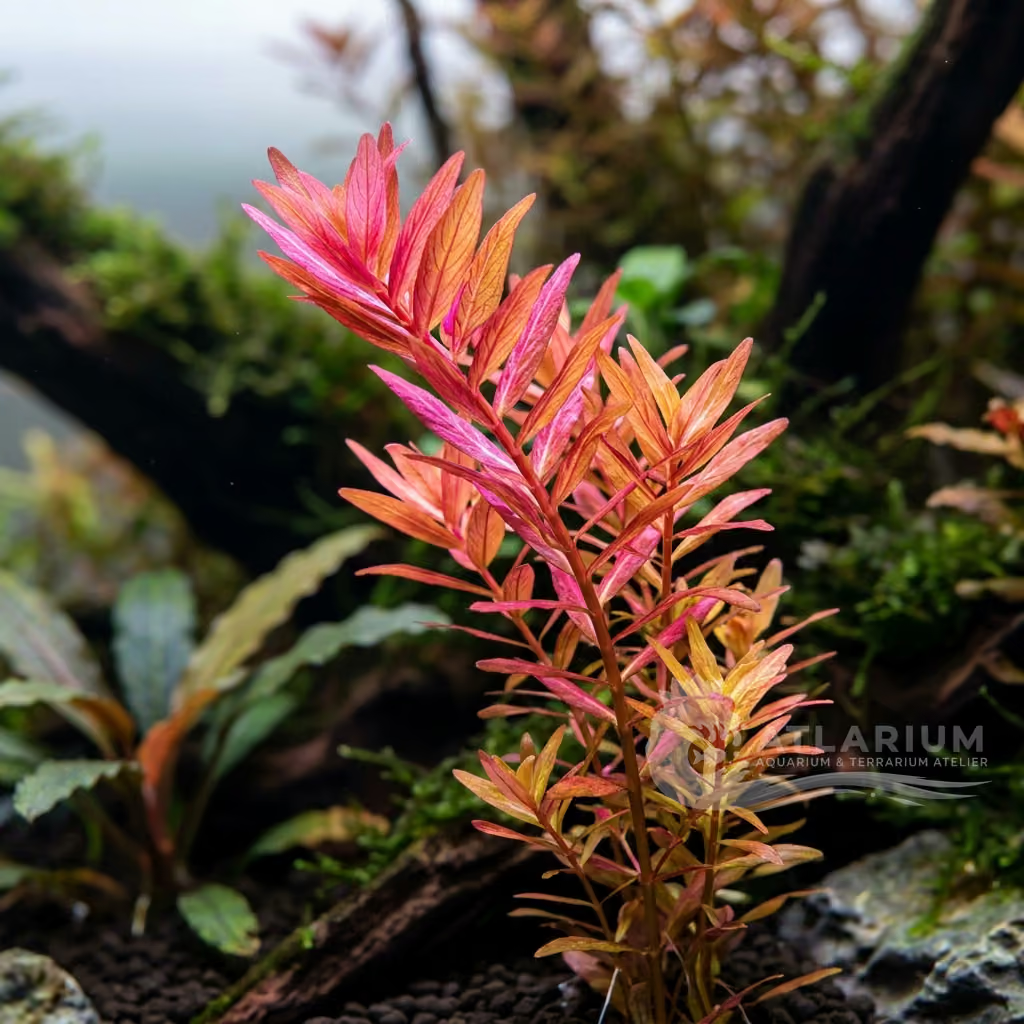
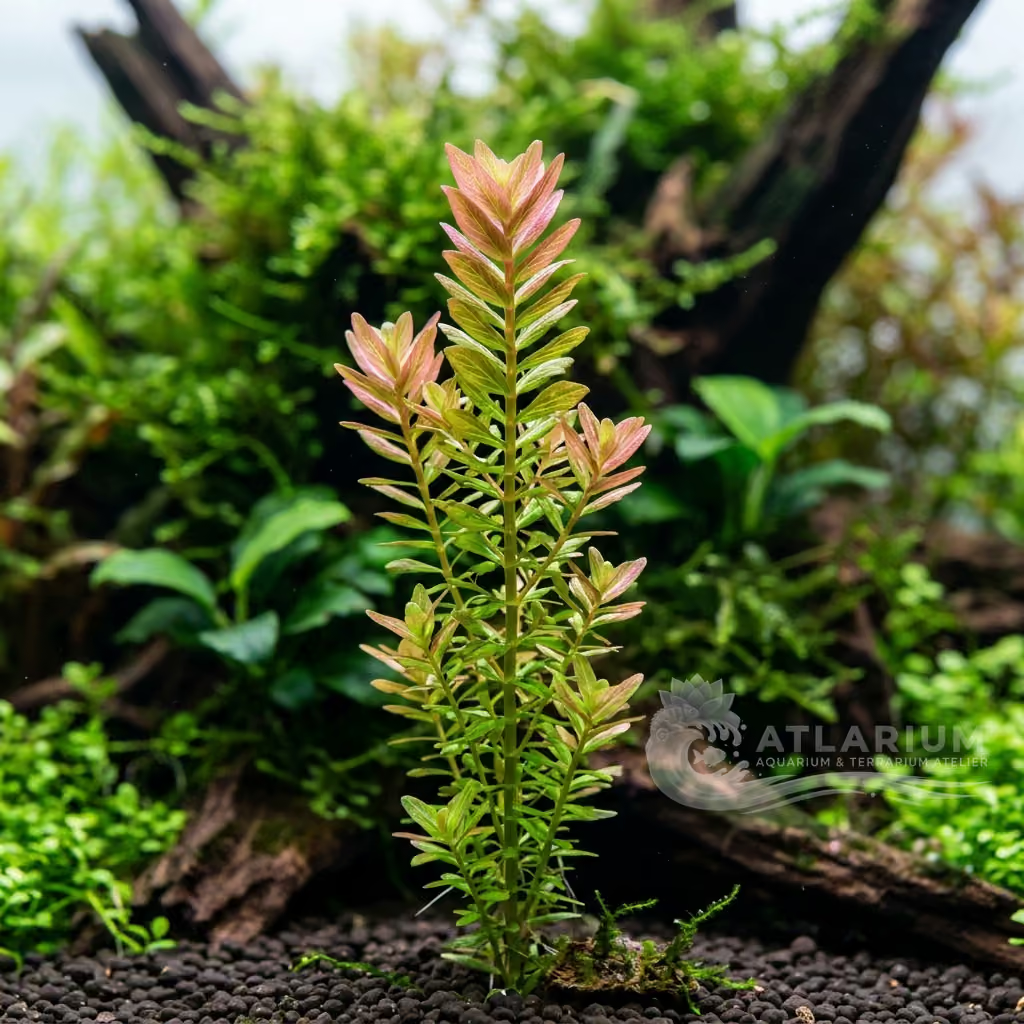
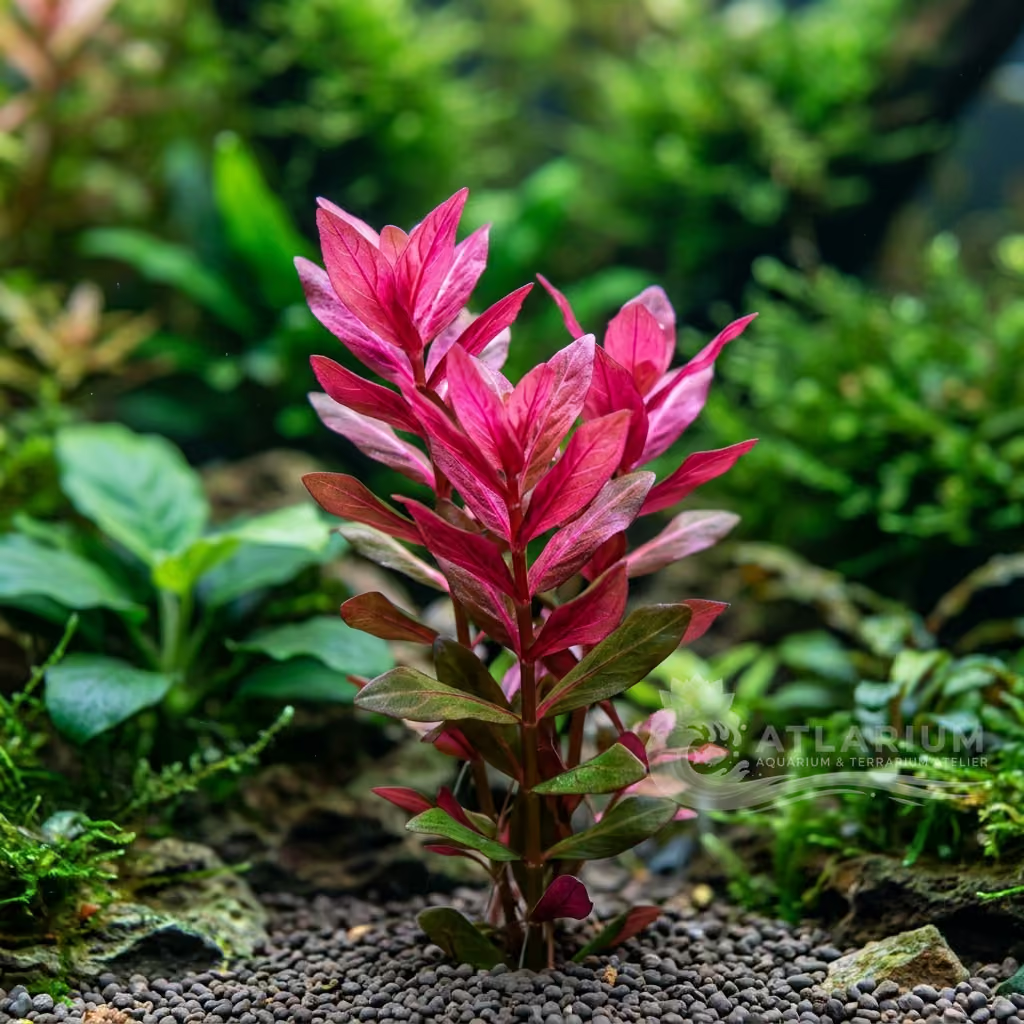
Physical Structure: The 'Mini Type 4' is characterized by its slender yet robust stem, from which small, lanceolate leaves emerge in whorls. Under optimal conditions, the internodes remain very short, giving the plant an extremely dense and bushy, almost velvety appearance. Its structure allows for the creation of compact carpets or clusters that add visual depth to the aquarium, standing out from other Rotala species due to its contained size.
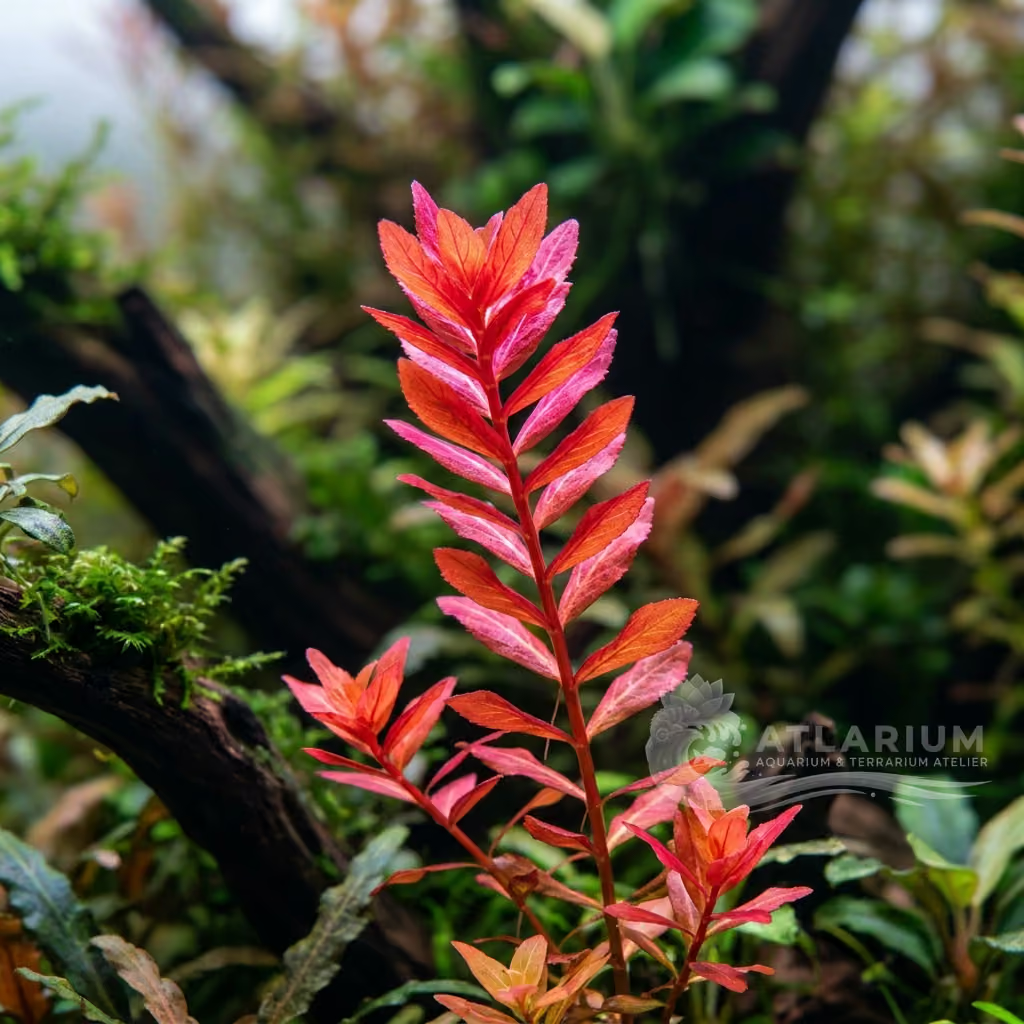
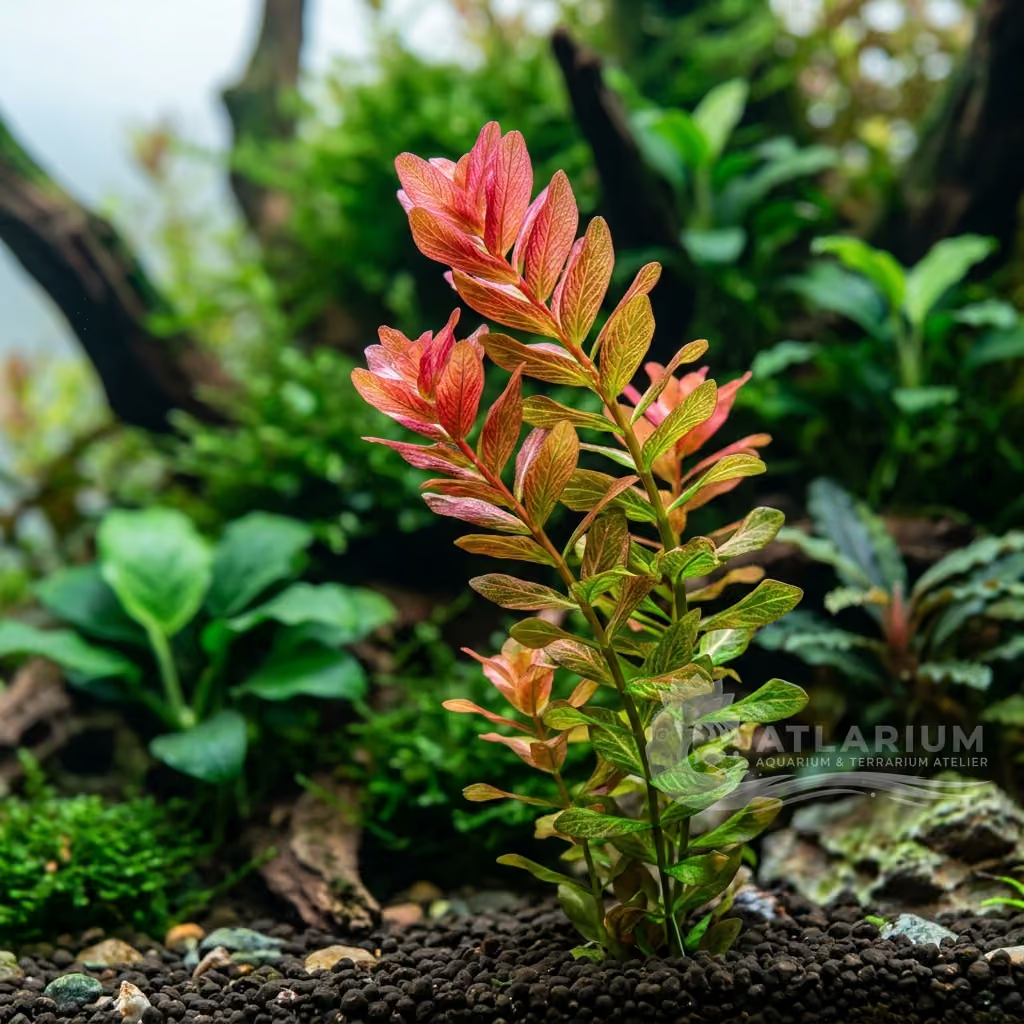
Color & Texture: The color of Rotala macrandra 'Mini Type 4' is its most distinctive and desirable trait, ranging from intense red to brilliant red-orange, especially under strong lighting and with proper nutrient supplementation. The hue can intensify to a deep crimson with the addition of iron and carefully controlled nitrate limitation. The texture of the leaves is delicate yet resilient, creating an appealing visual contrast with other plants featuring green foliage or coarser textures, contributing to a sense of luxury and sophistication in the aquascape.

Care, breeding and tankmates
Lighting & CO2: To achieve the brilliant red coloration that makes Rotala macrandra 'Mini Type 4' so sought after, it is essential to provide medium to high-intensity lighting, preferably with a spectrum suitable for plant growth. Carbon dioxide (CO2) injection is crucial; a consistent and optimal supply (20-30 ppm) not only promotes a fast growth rate but also intensifies the production of red pigments. Without adequate CO2, growth will be stunted, and colors will be less vivid, tending towards reddish-green or even green hues.
Nutrition & Substrate: This plant benefits from a nutrient-rich substrate abundant in micronutrients, but it can also thrive in inert substrates with adequate liquid fertilization of the water column. It is particularly sensitive to iron deficiency, which can manifest as yellowing of younger leaves and reduced intensity of red color. Balanced fertilization, including macronutrients (NPK) and a full range of micronutrients, is essential to support its rapid growth rate and maintain its extraordinary coloration.
Water Chemistry: Rotala macrandra 'Mini Type 4' prefers soft, slightly acidic water, with a pH ranging from 4.5 to 7.0 and carbonate hardness (KH) between 0.0 and 12.0. Maintaining these parameters stably is crucial to prevent plant stress, which could manifest as leaf drop or melting. Water temperature should be kept in a range between 18.0 and 30.0 °C, although the plant exhibits optimal growth at warmer temperatures, around 24-26 °C, provided other factors are well-controlled.
Space Management & Placement: Thanks to its compact growth and bushy appearance, Rotala macrandra 'Mini Type 4' is ideally placed in the midground of the aquarium, where it can form dense thickets that serve as a focal point or a transition between foreground and background plants. Its contained size also makes it versatile for use in nano aquariums, where it can play a more dominant role. It is important to consider the space it will occupy, as rapid growth requires regular pruning to prevent it from suffocating nearby plants or creating excessive shaded areas.
Pruning: Regular pruning is essential to maintain the desired shape and promote healthy, lush growth of Rotala macrandra 'Mini Type 4'. Without pruning, the lower part of the plant may begin to shed leaves due to lack of light, compromising its aesthetic appeal. Trimming stems just above a node encourages lateral branching, creating a denser, more compact appearance, and the trimmed tops can be replanted to propagate the plant or expand existing clusters.
Risks & Diseases: Like many demanding stem plants, Rotala macrandra 'Mini Type 4' is susceptible to various issues if conditions are not optimal. CO2 and nutrient deficiencies can lead to stunted growth and loss of color, making leaves pale or yellowish. Insufficient lighting will cause internodes to stretch and lower leaves to drop. It is also vulnerable to algae if the balance of light, CO2, and nutrients is not well managed, particularly Black Brush Algae (BBA) can attack its delicate leaves.

Geographic origin and distribution
The Rotala macrandra, from which the 'Mini Type 4' cultivar is derived, originates from the marshy and aquatic regions of Southeast Asia, where it thrives in environments with abundant sunlight and nutrient-rich substrates. While the wild form is larger, this "Mini" variant has been selectively bred in nurseries for its reduced size and dense growth habit. It does not occur in this specific form in nature, but it inherits the resilience and ecological preferences of its parent species, adapting well to stable submerged conditions.
Origin
South and Southeast Asia

Plant profile
- Placement
- Midground
- It is best placed as a focal point in the midground or background, where its bright colors can stand out against green plants. Ensure it is planted in an area with unobstructed, intense lighting. Planting in small, loose groups rather than dense bunches helps ensure that lower leaves receive adequate light and water flow.
- Botanical form
- Stem
- This 'Mini Type 4' variant features miniature, compact red leaves foliage. This species features large, slightly wavy, ovate leaves that develop a deep, translucent red to magenta color under intense light. The stems are fragile and can easily snap if handled roughly. Its large, colorful leaves make it one of the most striking stem plants available in the hobby.
- Growth
- Fast
- Under ideal high-tech conditions, it exhibits a very fast growth rate, quickly reaching the water surface. However, if conditions are sub-optimal, its growth will stall, and the plant will deteriorate rapidly. The fast growth necessitates regular, careful trimming to maintain its shape and health.
- Substrate
- High
- The exceptionally delicate *Rotala macrandra* 'Mini Type 4' achieves its best potential when cultivated in a premium, fine-granule aqua soil that is rich in micro-nutrients. Due to its very fragile stems, its roots need a soft, highly permeable substrate to anchor safely without being crushed by heavy gravel. A depth of 4 to 5 centimeters perfectly accommodates its shallow but demanding root network. Continuously enriched substrate conditions are critical, as this variant draws the majority of its essential minerals straight from the soil bed.
- Column fertilization
- Recommended
- Liquid fertilization must be heavily maintained, focusing on a strong supply of micronutrients and iron. It absorbs most of its needed nutrients directly from the water column through its delicate leaves. Maintaining lower nitrate levels relative to phosphate can sometimes enhance its deep red pigmentation.
- Root fertilization
- None
- While it feeds primarily from the water column, a nutrient-rich active soil substrate is highly recommended. The soft substrate allows its delicate roots to anchor securely and provides a backup source of essential minerals. Root tabs can be beneficial in older setups where the soil has depleted.
- Trimming
- Occasional
- Trimming must be done with extreme care using sharp scissors, as the stems are easily bruised or crushed. Replant the healthy top cuttings to maintain the thicket, as the lower cut stems may sometimes struggle to branch out if light is poor. Removing old, bare lower stems entirely is often preferred to topping.
- Propagation
- Cuttings
- Propagation is done by taking top cuttings and carefully planting them into soft, active soil. The cuttings will root within a few days under high light and stable CO2 conditions. Handle the cuttings gently by the very bottom of the stem to avoid crushing the delicate tissues.
- Sensitivity
- Moderate
- This is one of the most sensitive plants in the hobby, prone to melting if water parameters, CO2, or light levels fluctuate. It easily drops its lower leaves if shaded or if water circulation is inadequate. It is also highly susceptible to algae if the tank's nutrient balance is slightly off.
- Layout role
- Midground, accent
- Rotala macrandra is the ultimate red focal point plant for Dutch style and high-tech Nature Aquariums. Its intense coloration and large leaves provide a dramatic contrast against light green carpeting plants or delicate background stems. It requires careful placement to ensure it doesn't overshadow other delicate species.

Related species
Recommendations grouped by close relatives, companion choices, and similar care.