Staurogyne stolonifera
Staurogyne stolonifera
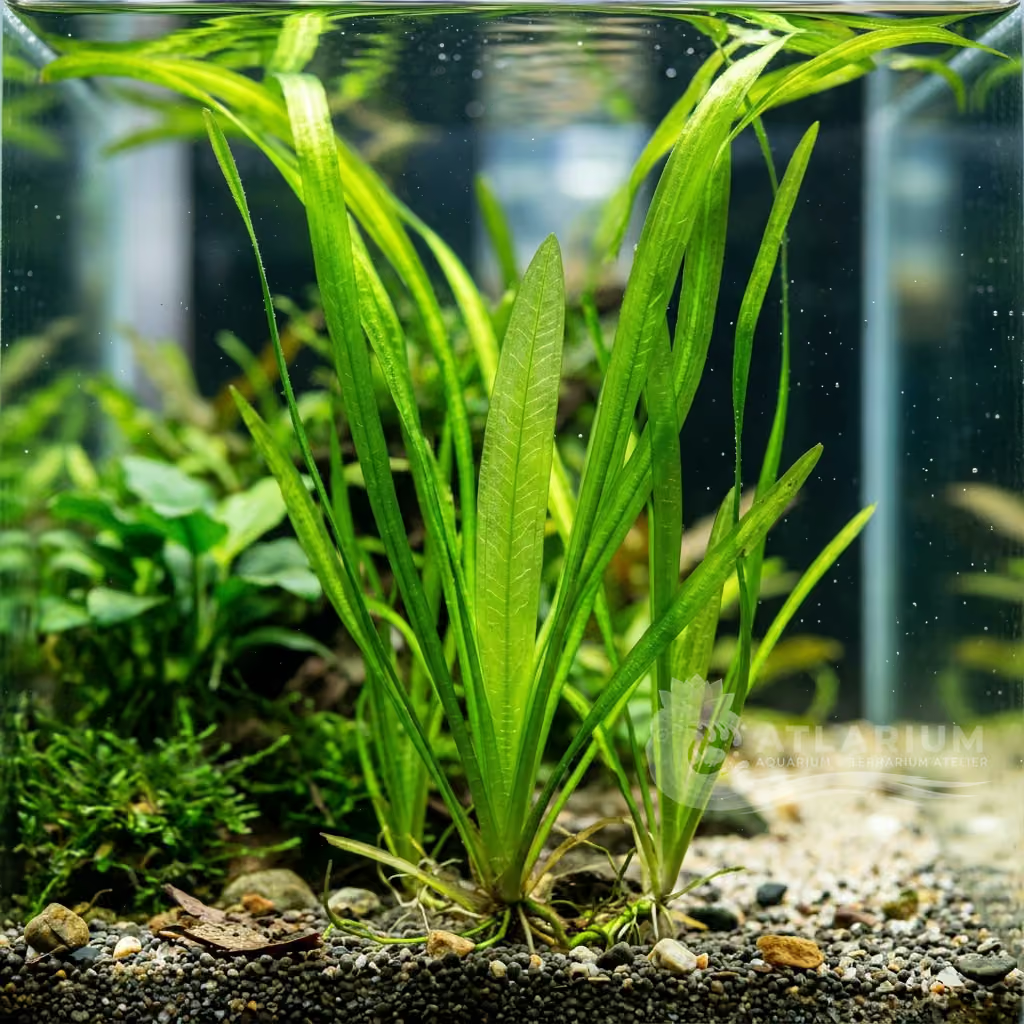
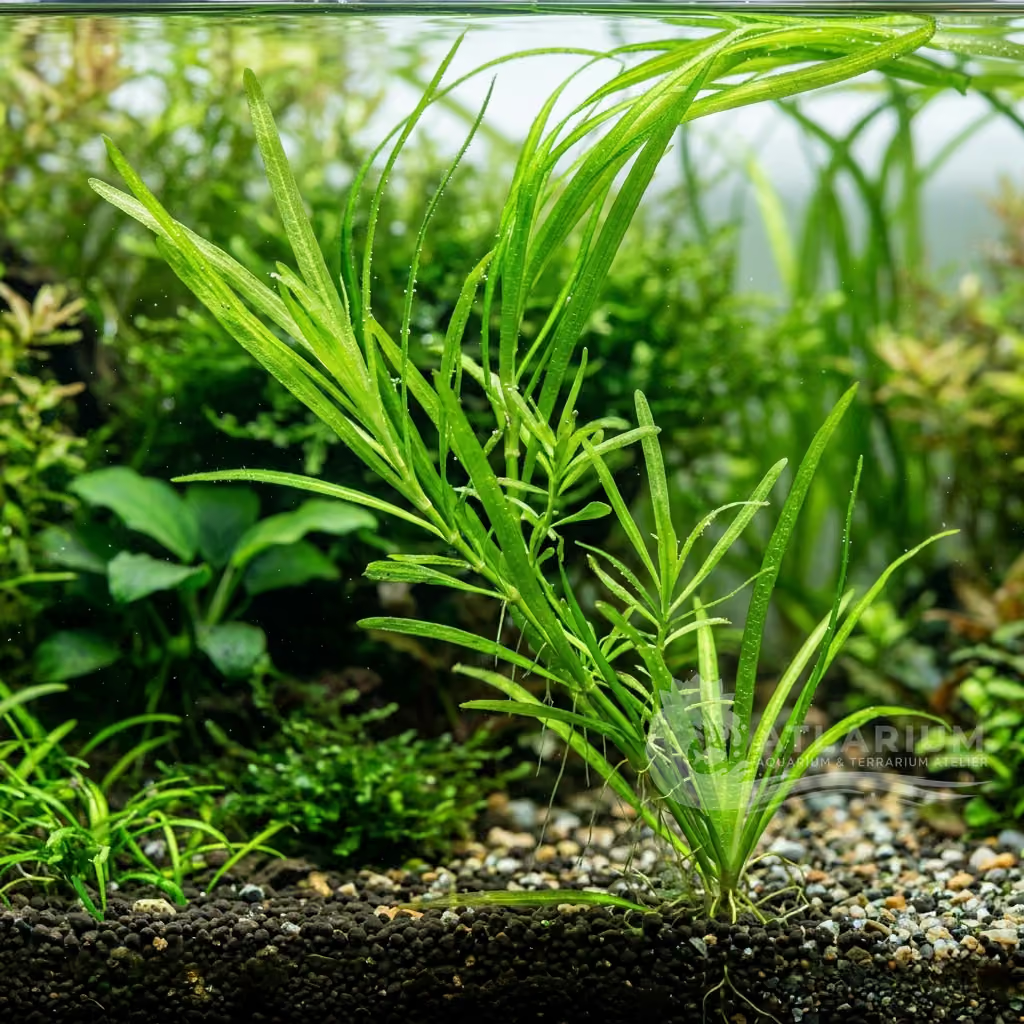
Staurogyne stolonifera is an excellent aquarium plant for the midground, known for its fast growth rate and ability to form dense bushes or carpets. It adds a vibrant green hue and intricate texture to any aquascape, establishing itself as a robust and visually appealing element.
Water Temperature
20 - 30 °C
pH Value
5 - 7.5
Water type
Freshwater
Light
Medium to High
CO2
Low - High
Expected height
20 cm
Expected width
10 cm
KH
0 - 14 dKH

Species description
Geographical Origin and Habitat: Staurogyne stolonifera originates from the tropical regions of South America, particularly Brazil, where it is frequently found growing submerged or semi-emerged along the banks of rivers and streams. Its natural habitat typically consists of clear waters with moderate currents and a fertile substrate rich in organic matter. This natural provenance makes it well-adapted to varied aquatic conditions in an aquarium, though it thrives best in stable and well-maintained environments to reach its full potential.
Taxonomy & Genetics: Belonging to the Acanthaceae family, Staurogyne stolonifera shares its genus with other popular aquarium species, such as the well-known Staurogyne repens. Its specific name, "stolonifera," derives from its propensity to produce stolons, which are creeping stems that root at the nodes and generate new plants. While genetically distinct, it exhibits morphological similarities to its congeners, differing primarily in a generally more upright growth habit and leaf size, but maintaining the characteristic opposite arrangement of leaves along the stem.
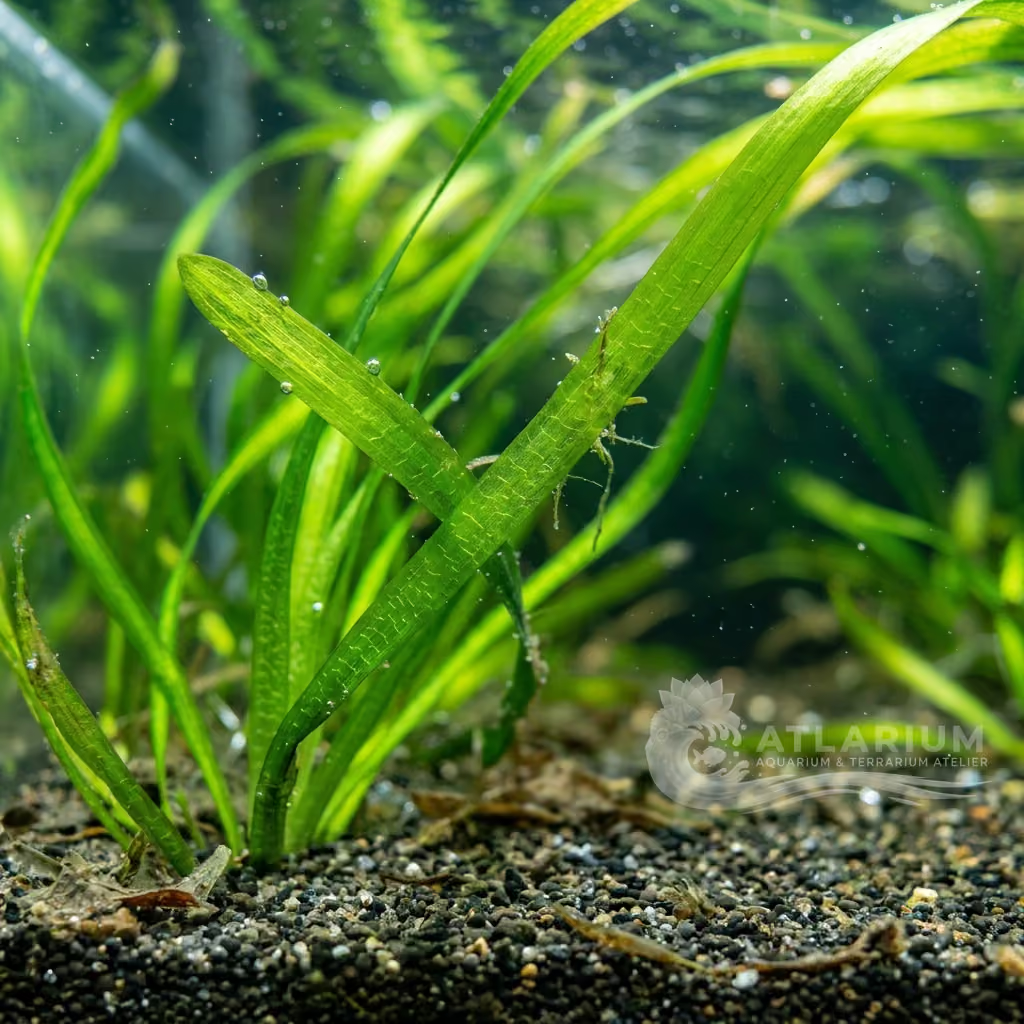
Physical Structure: The physical structure of Staurogyne stolonifera is characterized by robust, upright stems adorned with lanceolate to oblong leaves arranged oppositely. The leaves are sessile or short-petiolate and feature a slightly rounded or acute tip. Depending on growth conditions, the stems can reach a moderate height, making it ideal for the foreground or midground of an aquarium. Under optimal conditions, the plant develops lateral branches and, as its name suggests, can produce stolons at its base, allowing it to spread horizontally and form dense carpets.
Color & Texture: The predominant color of Staurogyne stolonifera is a vibrant and intense green, which can range from lighter to darker shades depending on light intensity and nutrient availability. Under very strong illumination and rich micronutrient fertilization, the leaf tips and new shoots may develop reddish or bronze tints, adding an interesting chromatic contrast. The texture of the leaves is generally smooth, but can appear slightly velvety or matte, lending it a refined and natural aesthetic.

Care, breeding and tankmates
Lighting & CO2: Staurogyne stolonifera requires medium to high lighting to fully thrive and maintain compact, bushy growth. Insufficient lighting can lead to excessive stem elongation (etiolation) and faded leaf coloration, compromising its beauty. CO2 injection is highly recommended for this species, as it significantly boosts photosynthesis, accelerating growth and encouraging the development of a dense, robust canopy. A consistent and adequate supply of carbon dioxide prevents stunted growth and algae accumulation on the leaves.
Nutrition & Substrate: For optimal growth, Staurogyne stolonifera greatly benefits from a nutrient-rich substrate containing essential trace elements and nutrients, particularly iron. The use of a specialized aquatic plant substrate or supplementing with root tabs in the substrate is strongly advised to support robust root and foliar development. Liquid fertilization, providing a balanced blend of macro (N, P, K) and micronutrients, is also crucial for vibrant coloration and vigorous growth, especially in high-light, CO2-injected aquariums.
Water Chemistry: This plant exhibits remarkable tolerance regarding water parameters, thriving within a temperature range of 20.0 to 30.0 °C, making it suitable for many tropical aquariums. The ideal pH range is between 5.0 and 7.5, while carbonate hardness (KH) can vary from 0.0 to 14.0. Although adaptable, it generally prefers slightly acidic to neutral and stable water conditions. It is crucial to avoid drastic fluctuations in these values, as stability significantly contributes to the plant's overall health.
Space Management & Placement: Staurogyne stolonifera is exceptionally versatile and well-suited for use in the foreground or midground of an aquarium, depending on the desired effect. When planted in dense groups, it can create a lush, bushy effect that serves as an excellent focal point. Its ability to spread horizontally also makes it suitable for forming a compact carpet, especially in larger aquariums. It is advisable to position it in areas where it can receive ample light and is not excessively shaded by other plants, to encourage uniform and compact growth.
Pruning: Regular pruning is a crucial aspect of caring for Staurogyne stolonifera, especially given its fast growth, to maintain the desired shape and prevent excessive elongation. Cutting stems just above a node will encourage lateral branching, making the plant denser and bushier. Cuttings obtained from pruning can be easily replanted into the substrate, helping to expand coverage or propagate new plants, making layout maintenance very efficient. Consistent pruning also helps prevent shading of underlying plants and maintains good water circulation among the leaves.
Risks & Diseases: Staurogyne stolonifera is generally a robust plant, but it can be susceptible to certain issues if conditions are not optimal. CO2 or nutrient deficiencies, combined with intense lighting, can promote algae growth on its delicate leaves. A sudden change in water parameters or a transition from emersed to submerged cultivation can cause temporary "melting" of the leaves. It is important to carefully monitor the plant for signs of deficiencies, such as yellowing or pinholes on leaves, which may indicate the need for specific nutrient supplementation.

Geographic origin and distribution
Staurogyne stolonifera originates from the tropical regions of South America, particularly Brazil, where it is frequently found growing submerged or semi-emerged along the banks of rivers and streams. Its natural habitat typically consists of clear waters with moderate currents and a fertile substrate rich in organic matter. This natural provenance makes it well-adapted to varied aquatic conditions in an aquarium, though it thrives best in stable and well-maintained environments to reach its full potential.
Origin
Extra-Amazon South America

Plant profile
- Placement
- Midground
- It is best suited for the midground, where its low-growing, slightly creeping and bushy habit can be fully appreciated. It can also be used in the foreground of very large tanks. Keep it out of shaded areas, as it requires intense, direct light.
- Botanical form
- Stem
- It features narrow, lanceolate leaves with a slightly wavy margin and a prominent central vein. Under optimal conditions, the leaves shift from olive green at the base to a rich reddish-brown or purple at the tips. The stems tend to creep before growing upright.
- Growth
- Fast
- The growth rate is generally slow to moderate, unlike many true Hygrophila species. It requires patience to form a dense group. CO2 injection significantly boosts its growth speed and enhances its reddish coloration.
- Substrate
- High
- Staurogyne stolonifera thrives best when provided with a highly fertile, fine-grained substrate that supports the formation of its characteristic runners. A soft aqua soil allows its delicate but numerous roots to establish firmly and draw up vital nutrients. A minimum substrate depth of 4-5 cm ensures healthy, vigorous expansion across the aquarium floor.
- Column fertilization
- Recommended
- Consistent liquid fertilization is important due to its relatively slow growth; nutrient dips can cause stunting. Trace elements and iron are crucial for maintaining its unique coloration. Good flow is needed to ensure nutrients reach the dense bush.
- Root fertilization
- Recommended
- It roots deeply and benefits tremendously from a nutrient-rich substrate. Using a quality aquasoil or root tabs will encourage stronger stems and more vibrant leaf colors. A good root base is essential for its long-term health.
- Trimming
- Regular
- Trimming involves cutting the upright stems to maintain a bushy shape. The plant responds well to pruning by developing multiple side shoots from the remaining stem. Replant the cut tops to thicken the cluster.
- Propagation
- Cuttings
- Propagation is easily done by taking stem cuttings. The creeping runners can also be divided and replanted. The cuttings root relatively quickly in a soft, fertile substrate.
- Sensitivity
- Moderate
- It is quite sensitive to poor lighting and lack of CO2, which will cause it to stay green and drop its lower leaves. It prefers softer water and slightly acidic conditions. It does not tolerate being shaded by faster-growing plants.
- Layout role
- Foreground, Midground, group, Nano
- Its dark, reddish-purple hues and narrow leaves provide a stunning focal point or contrast in the midground. It breaks up expanses of green very effectively. It is a favorite in Dutch-style aquascapes for its unique texture and color.

Related species
Recommendations grouped by close relatives, companion choices, and similar care.