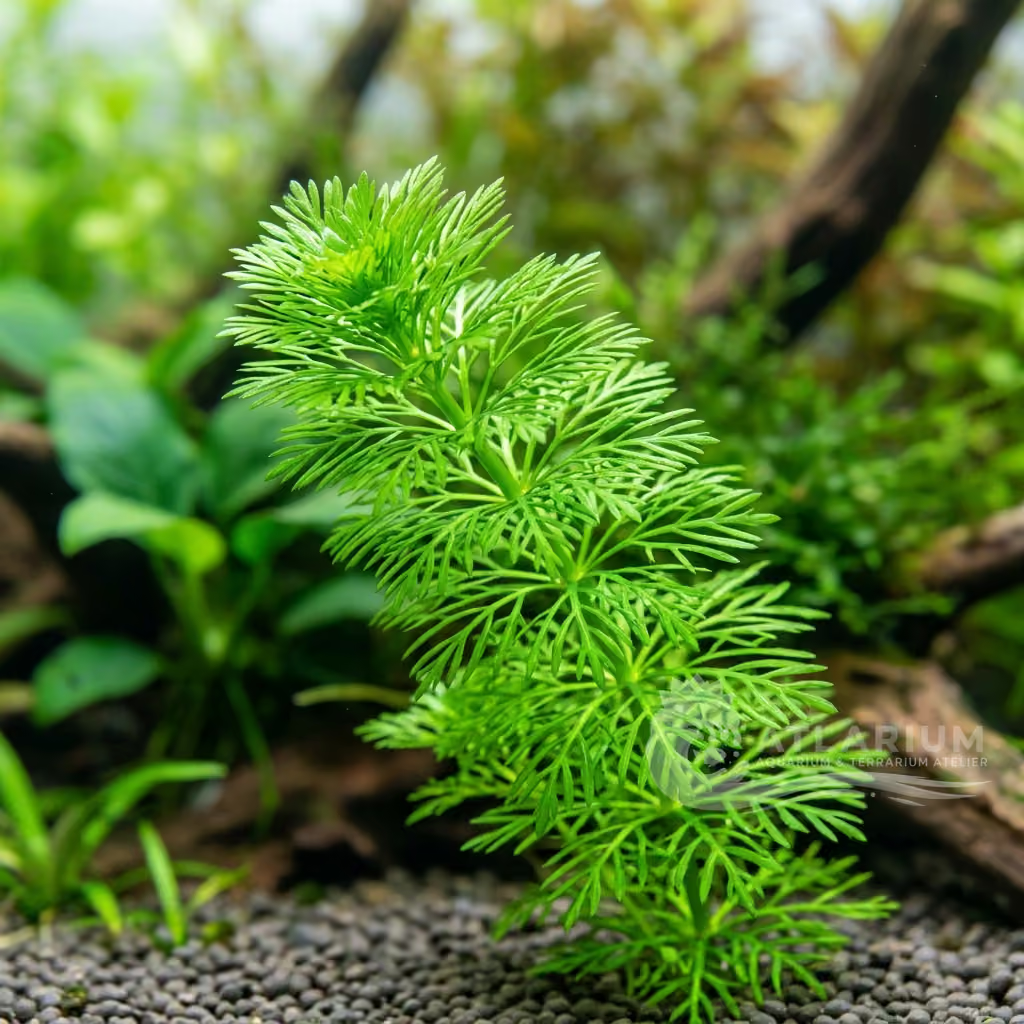
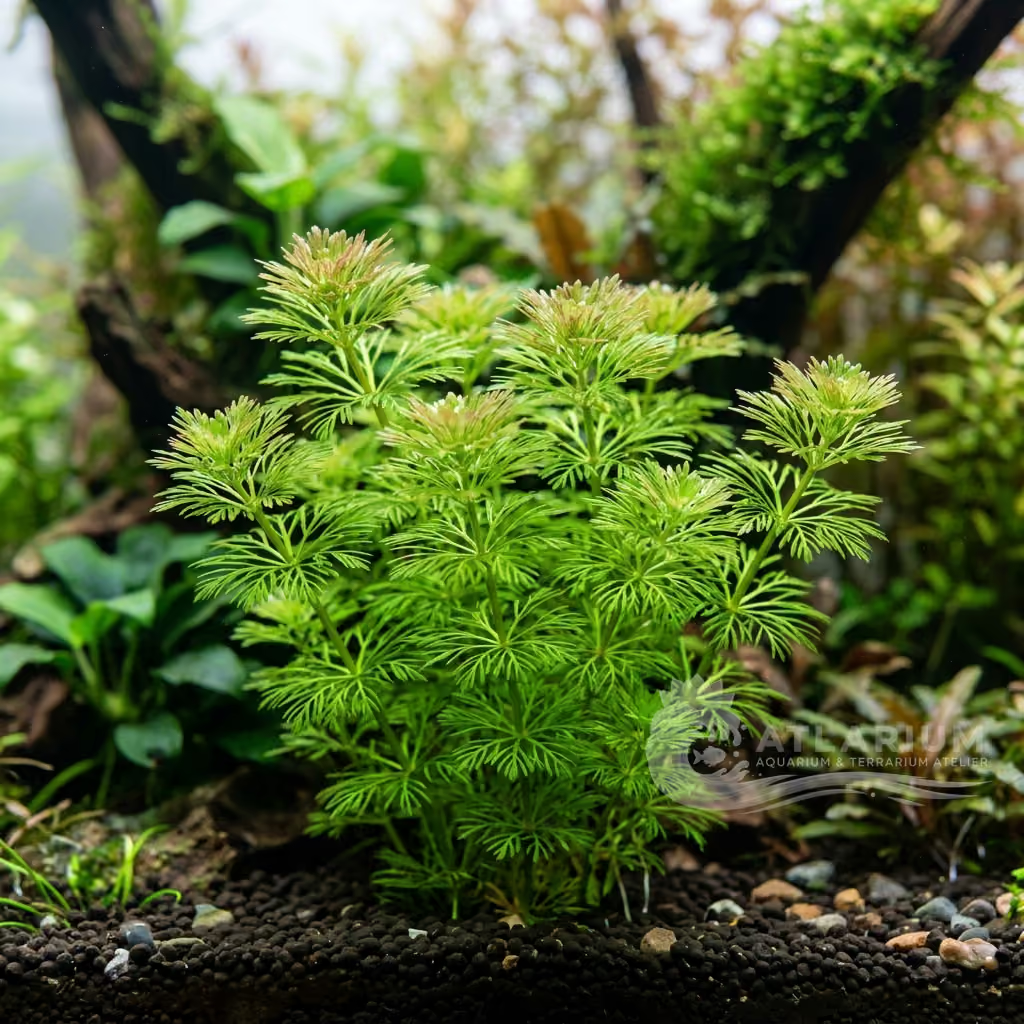
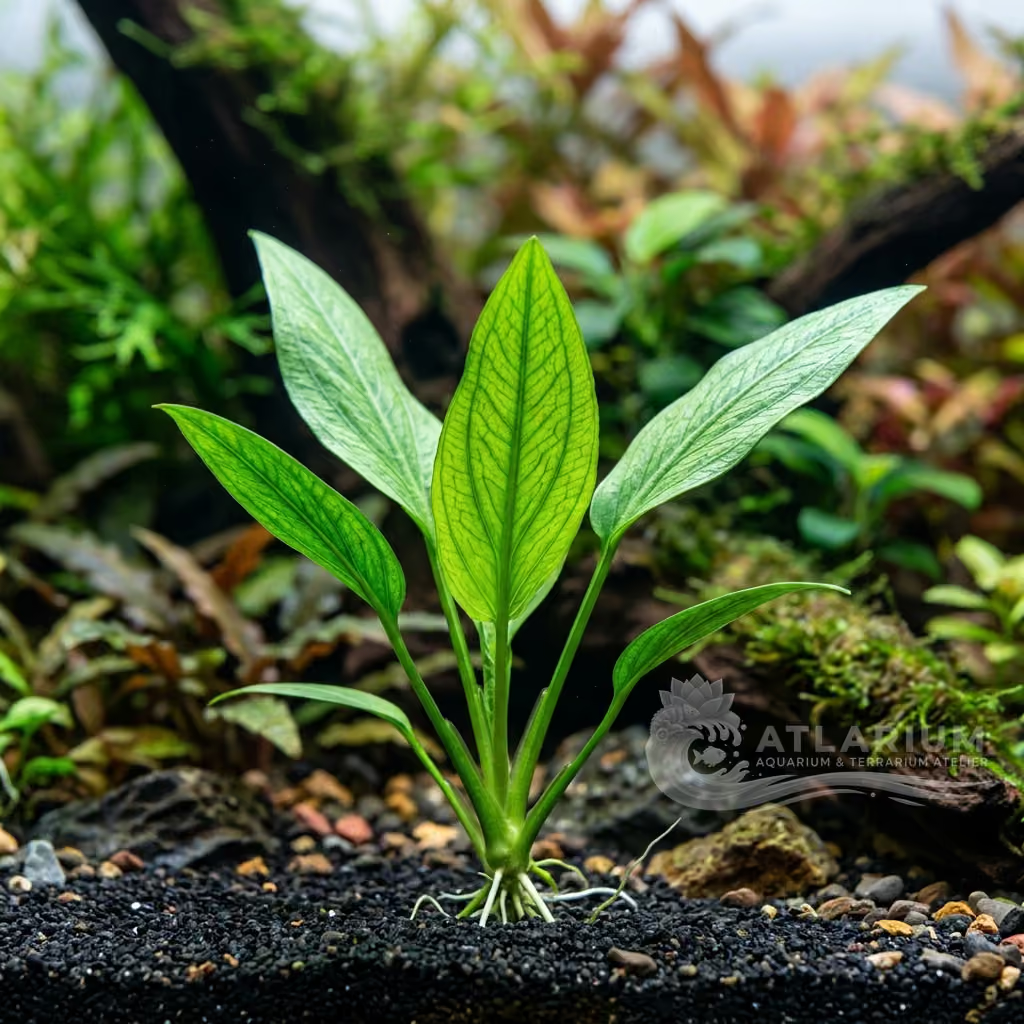
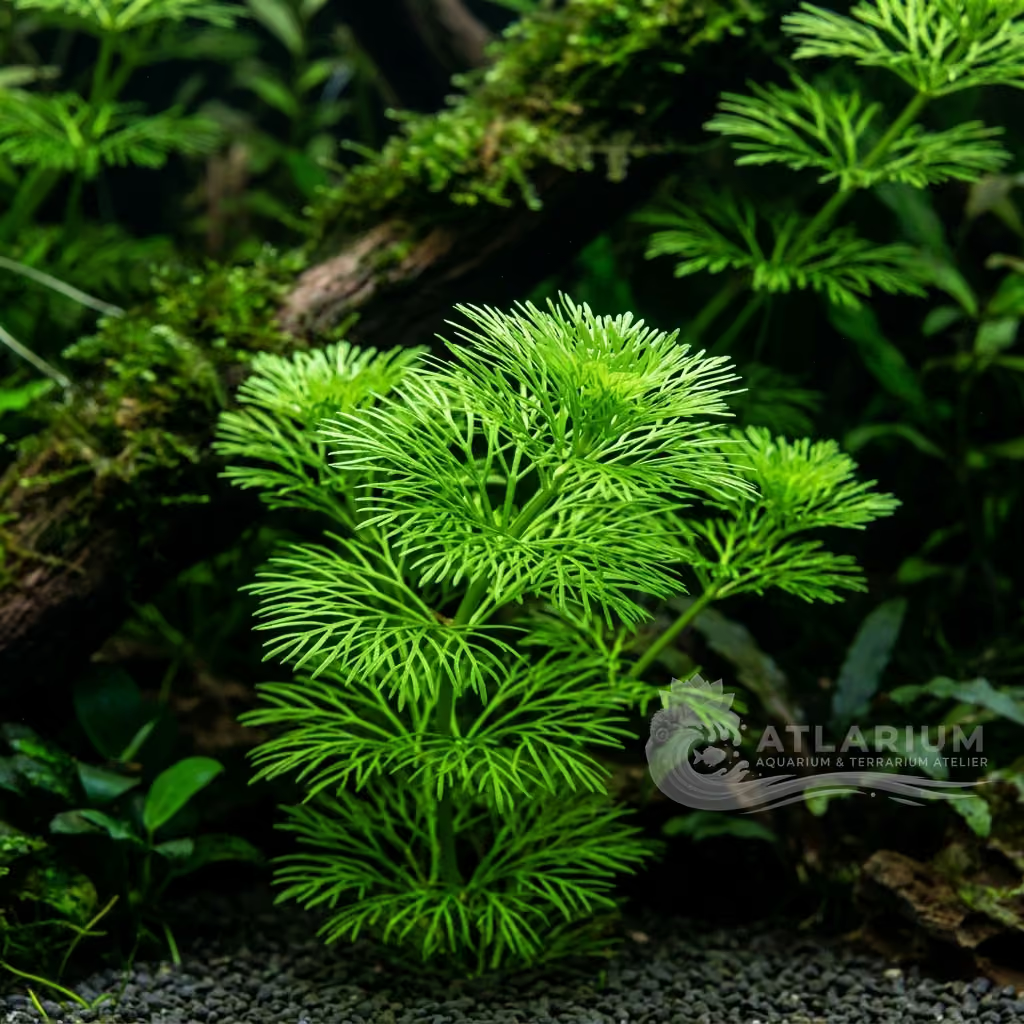
Hygrophila stricta
Hygrophila corymbosa
Also known as Giant Hygrophila, this tall, robust plant features large, sturdy green leaves. Highly adaptable and easy to grow, it makes an excellent background filler for larger aquariums.
Water Temperature
20 - 28 °C
pH Value
6 - 7.5
Water type
Freshwater
Light
Medium - High
CO2
Low to Medium
Expected height
50 cm
GH
4 - 20 dGH
KH
2 - 15 dKH

Species description
Geographical Origin and Habitat: This classic aquarium plant is native to Southeast Asia, where it is widely distributed in countries like Thailand, Indonesia, and Malaysia. In nature, it populates freshwater wetlands, marshes, ditches, and the shores of slow-flowing channels and rivers. It grows spontaneously both submerged and emersed on the wet soils of alluvial plains, showing extraordinary adaptability to seasonal environmental transitions.
Taxonomy & Genetics: Hygrophila stricta belongs to the Acanthaceae family and is often considered a variant or synonym of Hygrophila corymbosa (commonly referred to as Hygrophila corymbosa 'Stricta'). Its genetics are exceptionally stable and characterized by a marked rusticity. No complex selection is necessary to maintain its broad leaves and thick stem, making it one of the most stable plants in the hobby.
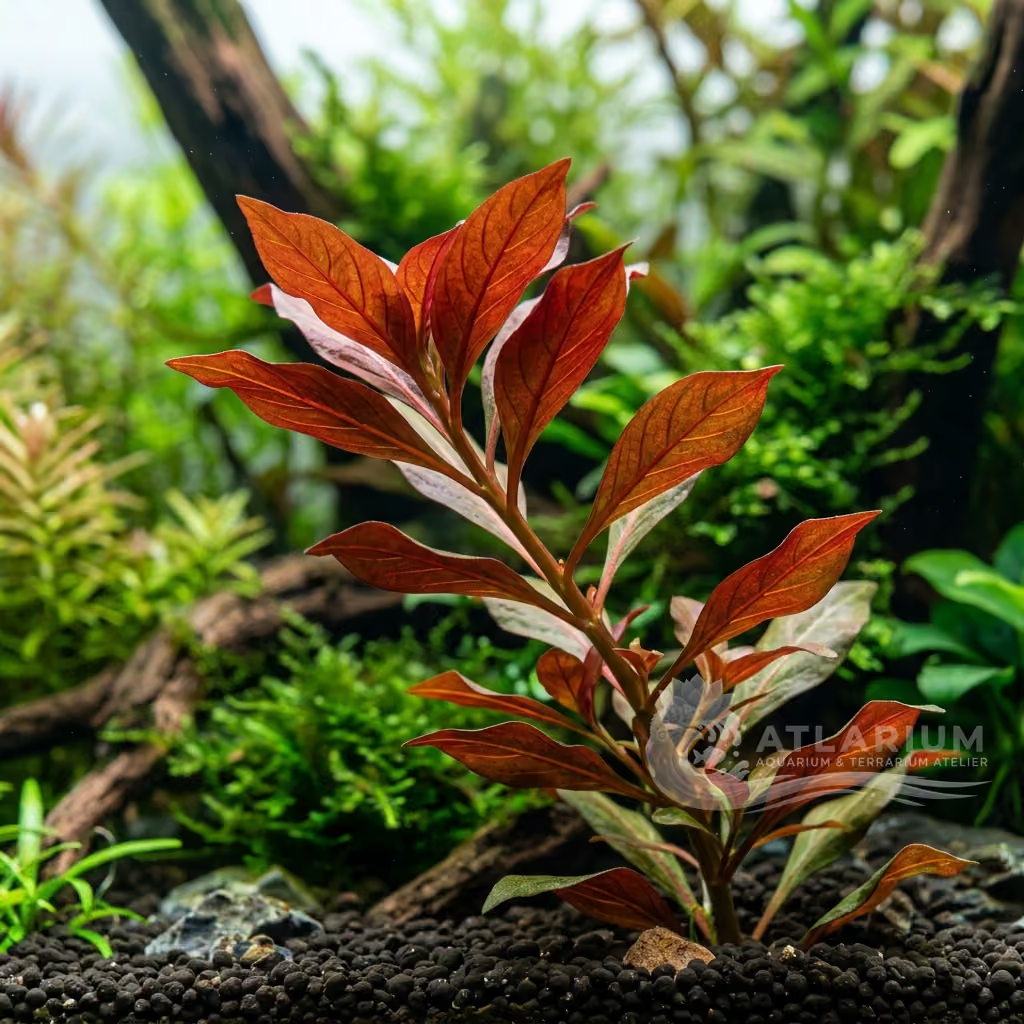
Physical Structure: It develops very thick, rigid, and robust vertical stems, which can reach considerable heights of up to 40-50 cm in the aquarium. The leaves grow in opposite pairs along the stem and are large, lanceolate or elliptical, with pointed tips and entire margins. The plant has a robust and majestic habit, which quickly fills the available vertical space.
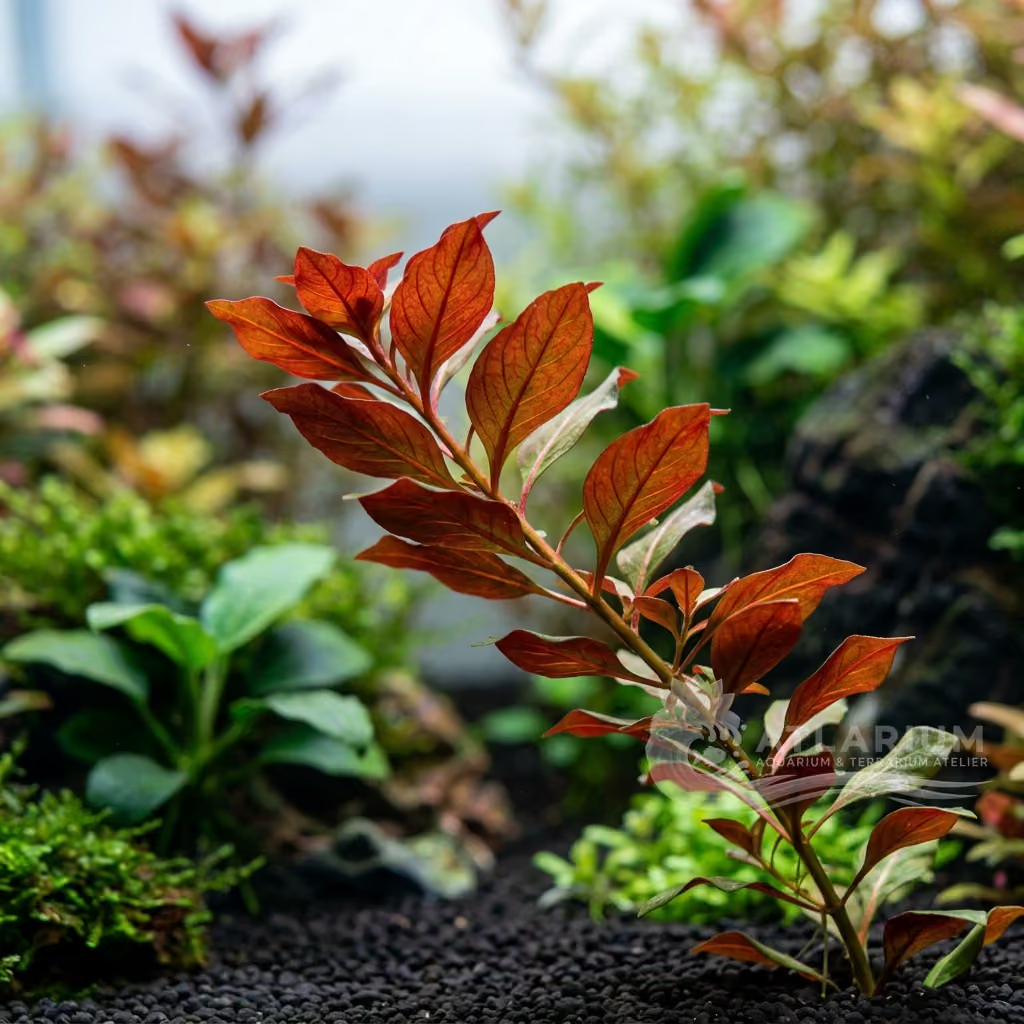
Color & Texture: The color of the leaves is a very fresh and saturated apple green or bright green. Under strong lighting and with adequate iron-based fertilization, the upper tops of the leaves can assume warm coppery or bronze hues. The leaf texture is smooth, with very evident light green main veins that create a light geometric pattern on the blade surface.

Care, breeding and tankmates
Lighting & CO2: Grows optimally under moderate lighting, but responds positively to intense light by producing more compact leaves and coppery colorations. CO2 supplementation is not mandatory for its survival, making it perfect for low-tech setups for beginners, although it accelerates vegetative development.
Nutrition & Substrate: Being a vigorous and medium-fast growing plant, it requires a good supply of nutrients. A fertile substrate helps the development of its imposing root system, but regular liquid fertilization of the
Water Chemistry: Shows exceptional tolerance to chemical parameters, adapting to pH levels between 6.0 and 7.5 and to both soft and hard water. The ideal water temperature is between 18°C and 28°C. Regular water changes promote healthy growth and keep the water clean, avoiding the sedimentation of debris on the broad foliage.
Space Management & Placement: Its natural placement is in the background of the aquarium. Due to its large leaves and robust stems, it must be planted in large areas and not in the foreground. It is advisable to space the stems a few centimeters apart to allow light to penetrate to the base of the stem.
Pruning: Pruning is done by cutting the top of the stems. The remaining stem will quickly produce two or more lateral branches from the node below the cut, creating a denser bush. Cut tops can be replanted directly in the substrate to propagate the species.
Risks & Diseases: The most common problem is potassium deficiency, which manifests quickly as small round holes on older leaves leading to their drop. Also, if the plant reaches the water surface, it will start to grow in emersed form, producing darker, stiffer leaves and purple flowers in the leaf axils, but shading the submerged part.

Geographic origin and distribution
This classic aquarium plant is native to Southeast Asia, where it is widely distributed in countries like Thailand, Indonesia, and Malaysia. In nature, it populates freshwater wetlands, marshes, ditches, and the shores of slow-flowing channels and rivers. It grows spontaneously both submerged and emersed on the wet soils of alluvial plains, showing extraordinary adaptability to seasonal environmental transitions.
Origin
South and Southeast Asia

Plant profile
- Placement
- Midground
- This plant is best suited for the midground to background of the aquarium. Its relatively fast growth and larger leaf size make it a great focal point. It should be planted in small groups to create a dense, bushy appearance. Ensure it has enough space so lower leaves receive adequate light.
- Botanical form
- Stem
- It features elongated, lanceolate leaves with a somewhat rugged texture. The stems are robust and grow upright towards the surface, seeking light. Its overall form adds a very natural, wild look to the aquascape. Under strong light, the upper leaves may display subtle color changes.
- Growth
- Medium
- It exhibits a fast growth rate, especially under optimal conditions. High light and CO2 injection will significantly accelerate its vertical growth. In lower tech setups, the growth is more subdued but remains steady. Regular maintenance is required to keep its size in check.
- Substrate
- Medium
- Hygrophila stricta requires a sturdy, nutrient-rich substrate to accommodate its thick stems and extensive, fast-growing root system. A high-quality aqua soil or clay-based substrate promotes robust vertical growth and thicker, more resilient leaves. A planting depth of at least 5 to 7 centimeters is ideal to prevent these large, buoyant stems from becoming uprooted and to allow their roots to access deep nutrient reserves efficiently.
- Column fertilization
- Recommended
- Liquid column fertilization is highly recommended for this stem plant. It absorbs a majority of its nutrients directly from the water column through its leaves. A comprehensive liquid fertilizer applied regularly will yield the best results. Watch for signs of nutrient deficiencies on new growth.
- Root fertilization
- None
- While it feeds heavily from the water column, a nutrient-rich substrate provides an excellent secondary nutrient source. Root tabs help establish a strong root system quickly. The roots help anchor the sturdy stems firmly in place. However, root feeding is not strictly mandatory if column dosing is high.
- Trimming
- Occasional
- Regular trimming is essential to encourage lateral branching and a bushier shape. Cut the stem right above a node to promote new shoots. The trimmed tops can be easily replanted to propagate the plant. Avoid letting it overgrow and block light from shorter foreground plants.
- Propagation
- Cuttings
- Propagation is straightforward and typical of most stem plants. Simply cut a healthy top portion and replant it directly into the substrate. The cutting will quickly develop new roots and continue growing. Leaving the bottom rooted portion will also result in new side shoots.
- Sensitivity
- Moderate
- This species is generally hardy but can be sensitive to sudden changes in water parameters. It may melt if transitioned too quickly from emersed to submersed growth. It can also be susceptible to algae growth on its older leaves if flow is poor. Ensure good water circulation around the plant.
- Layout role
- Background
- It serves excellently as a contrasting background or midground accent. Its unique texture breaks up monotonous green areas effectively. It pairs well with fine-leaved plants or different textures. It can also be used to hide aquarium equipment effortlessly.

Related species
Recommendations grouped by close relatives, companion choices, and similar care.