Hygrophila lancea "Sarawak"
Hygrophila lancea "Sarawak"
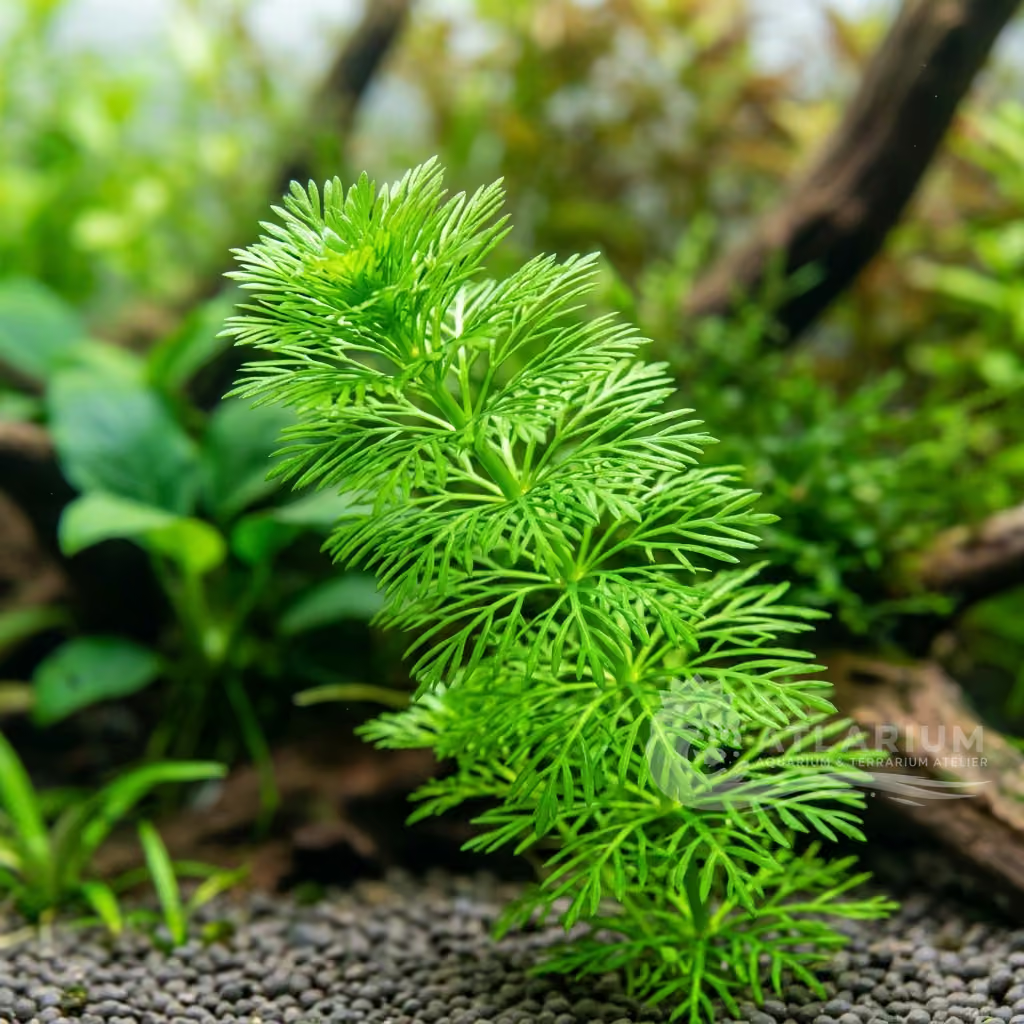
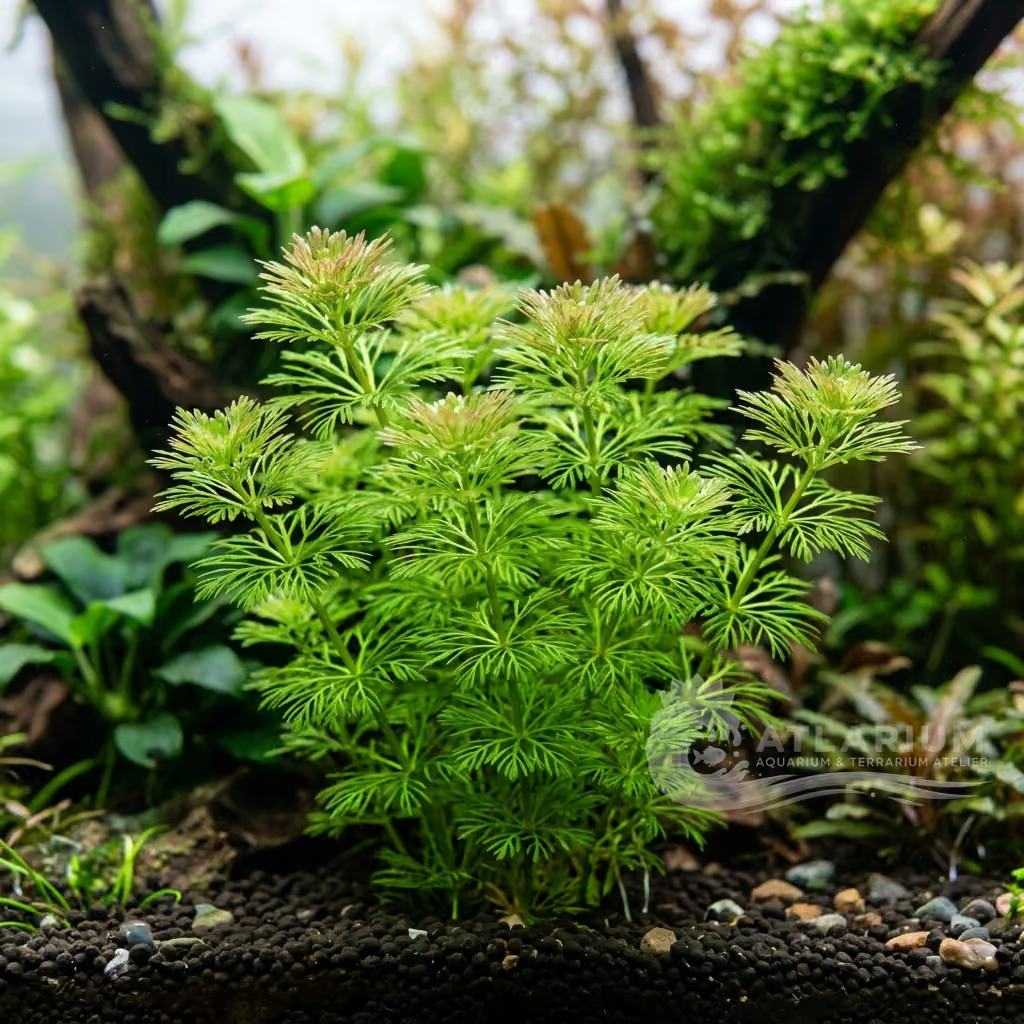
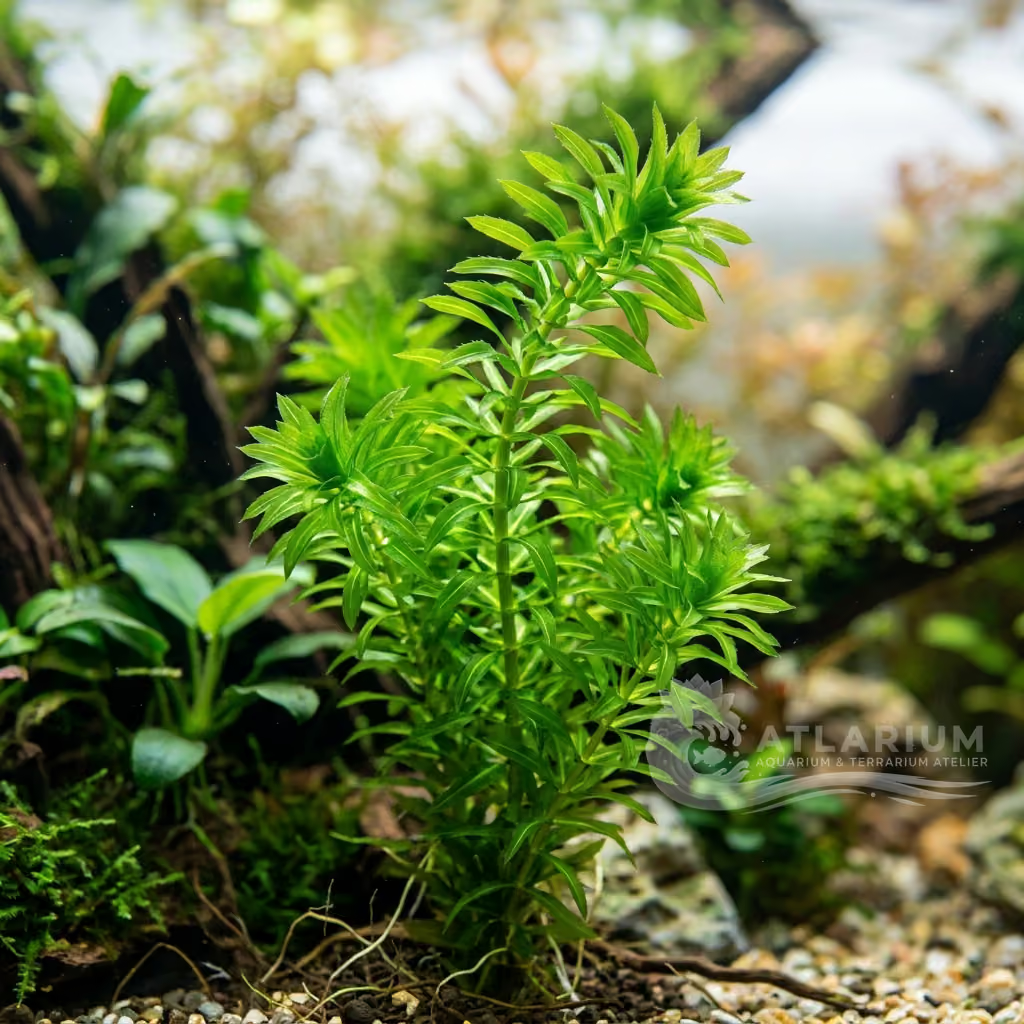
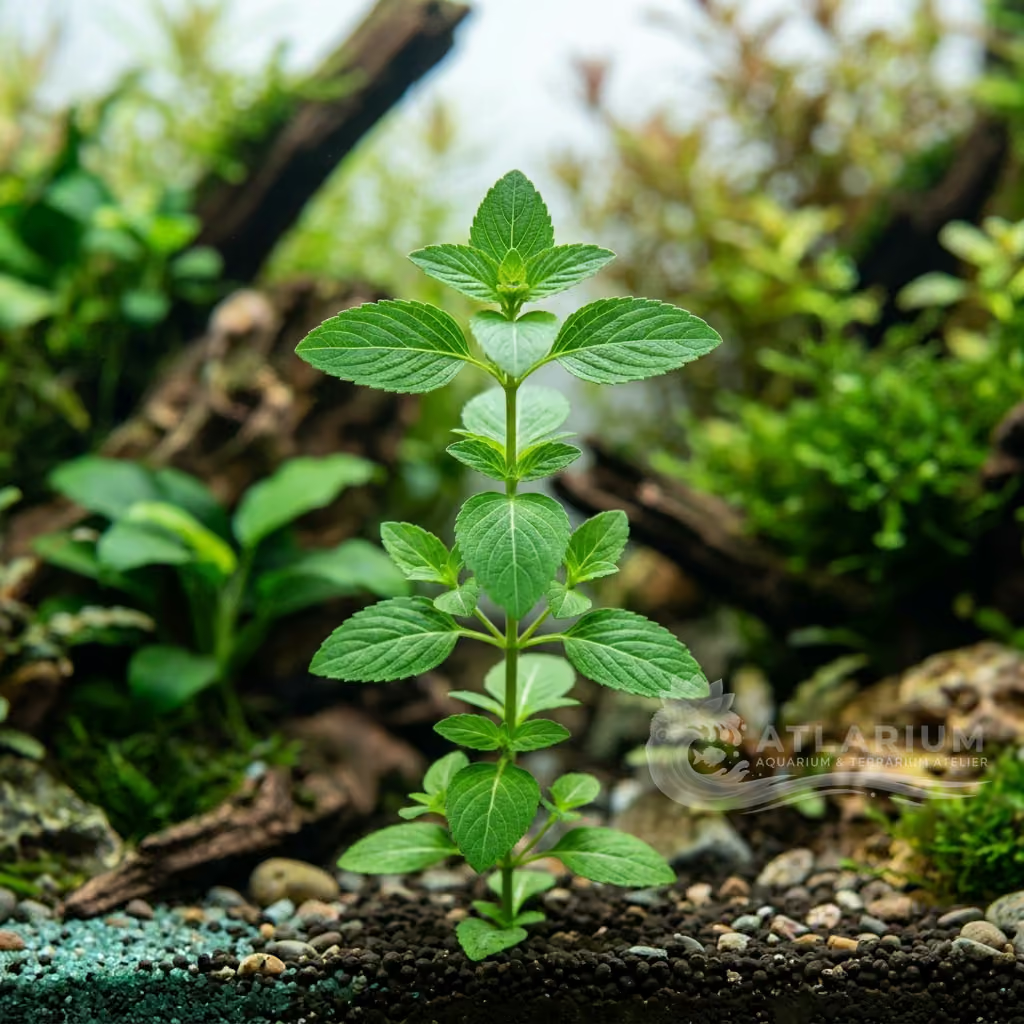
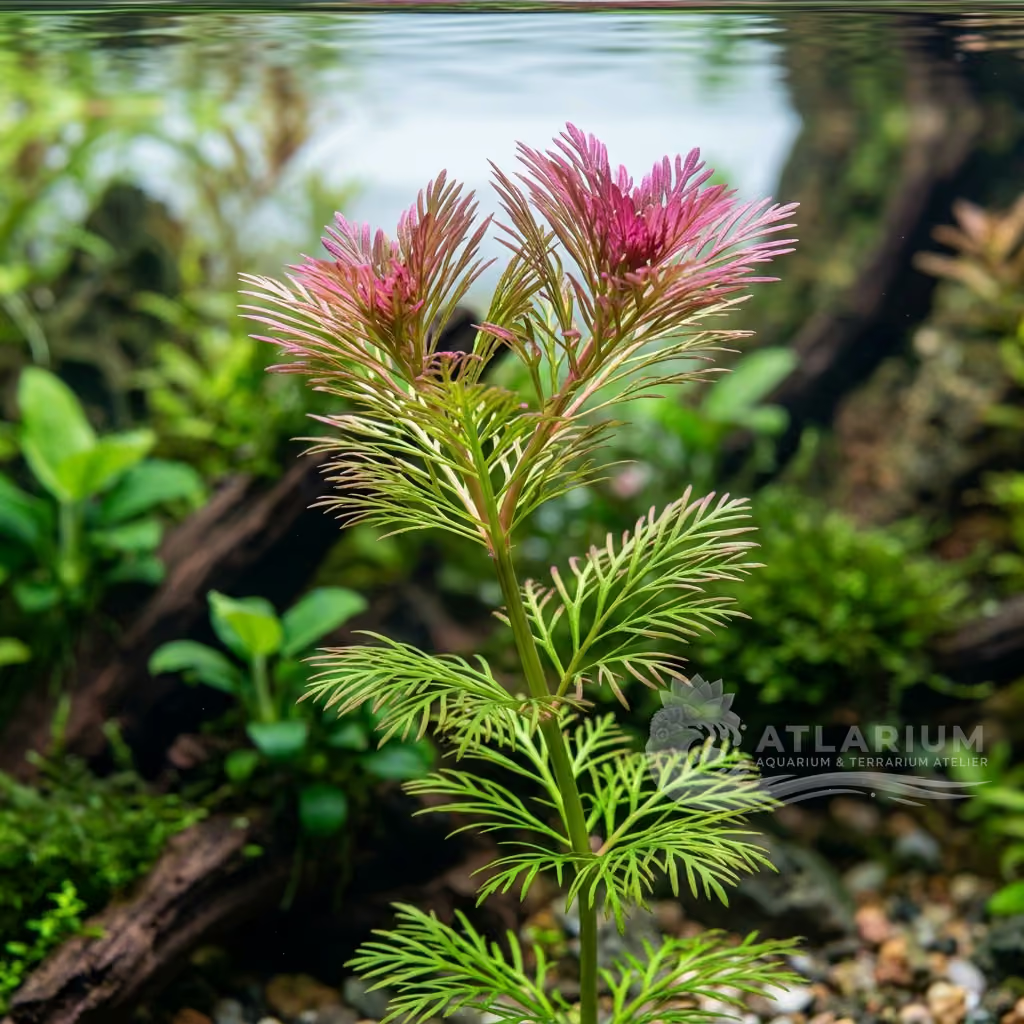
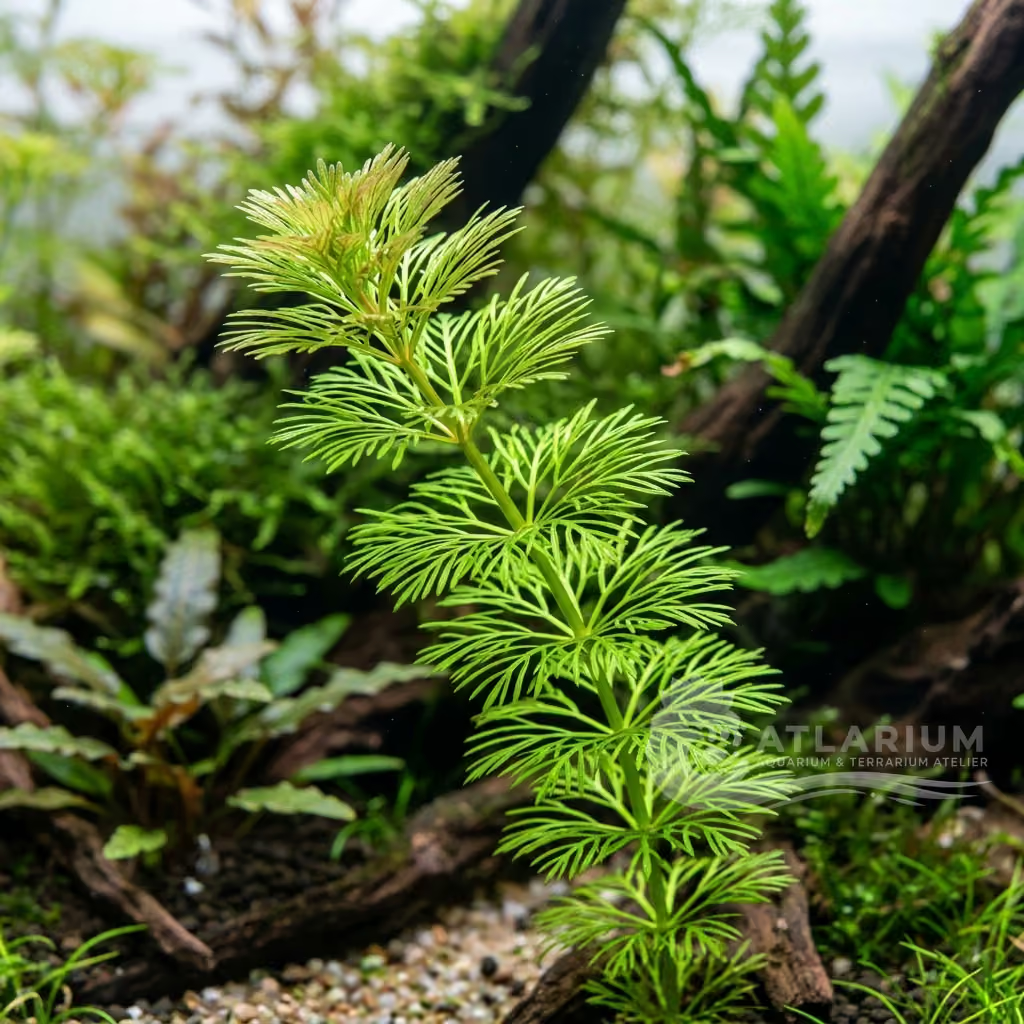
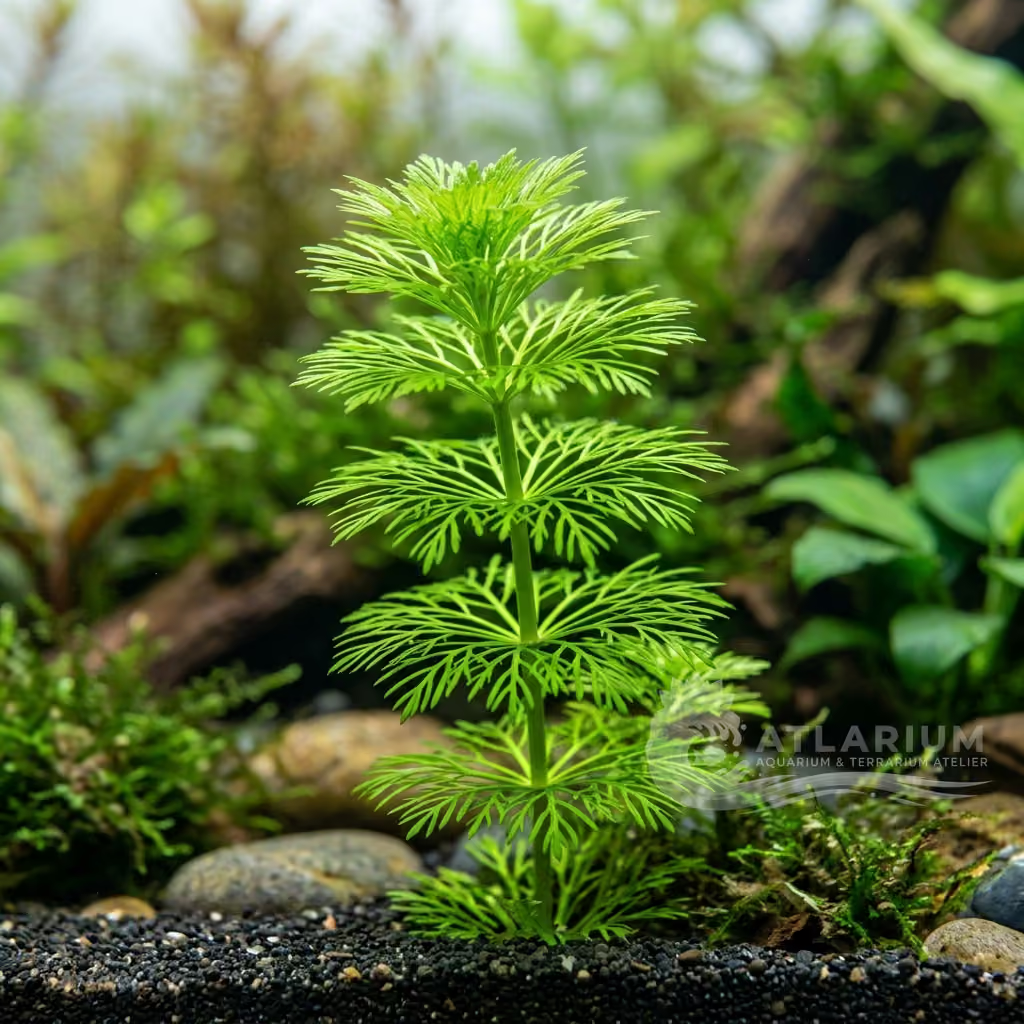
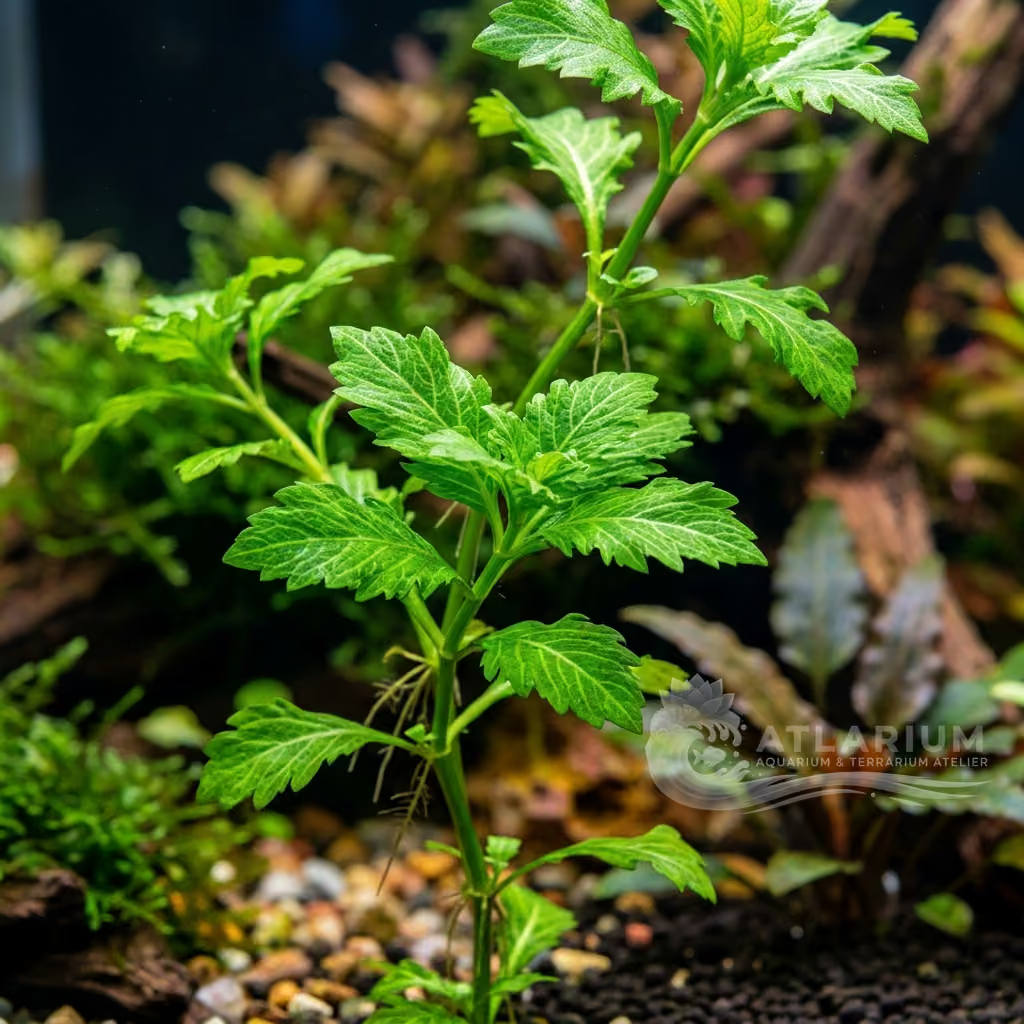
Native to Borneo, Hygrophila lancea 'Sarawak' features slightly wider, downward-angled lanceolate leaves. It boasts beautiful olive-green to brown hues under moderate to high lighting with CO2.
Water Temperature
18 - 30 °C
pH Value
5 - 7
Water type
Freshwater
Light
Medium - High
CO2
Medium - High
GH
4 - 15 dGH
KH
2 - 12 dKH

Species description
Geographical Origin and Habitat: This variant of Hygrophila comes from the state of Sarawak, located in the Malaysian part of the lush island of Borneo. In nature, it colonizes the muddy or sandy banks of forest watercourses, shaded streams, and minor waterfalls, where it grows in both submerged and emersed forms. High atmospheric humidity and the constant presence of cool water drive its natural adaptation to these equatorial tropical climates.
Taxonomy & Genetics: Hygrophila lancea 'Sarawak' belongs to the family Acanthaceae and is considered a geographical variant or cultivar of the species lancea. It shares morphological affinities with the well-known 'Araguaia' variant but is distinguished by genetic differences that affect the growth habit, which is slightly more vertical, and the leaf shape, which tends to be less needle-like and slightly broader.
Physical Structure: Under the water surface, it develops branched stems of elastic consistency, along which the leaves grow in opposite pairs. The leaves are lanceolate, narrow, and thin, and they grow with a slight downward angle, giving the bush a soft, sloping shape. Compared to other Hygrophila, the growth is more compact and bushy if maintained under adequate light pressure.
Color & Texture: The color of the foliage ranges from dark olive green to brown and purplish tones when the plant is grown under strong light and with a good supply of nutrients. The central vein is less pronounced compared to the 'Araguaia' variant, but the surface of the leaf blade shows a fine and satin-like texture. The combination of brown and green tones creates a very natural color transition in aquascaping layouts.

Care, breeding and tankmates
Lighting & CO2: Requires moderate to intense lighting. Under too weak light, the plant loses vigor, elongates its internodes, and tends to lose its lower leaves. CO2 injection is highly recommended (at least 15-20 mg/l) to support growth and help the plant develop dense and compact bushes in a reasonable time.
Nutrition & Substrate: A rich substrate accelerates root development and improves the overall vigor of the plant. Hygrophila 'Sarawak' benefits greatly from constant liquid administration of iron, potassium, and microelements in the
Water Chemistry: Prefers water conditions typical of tropical forests: slightly acidic or neutral pH (5.0 - 7.0) and soft to moderately hard water (KH 2-12 dKH). The optimal water temperature is between 18°C and 30°C. It is essential to keep the water clean and free of suspended organic particulate matter.
Space Management & Placement: Fits perfectly in the central or midground area of the layout. Due to its tendency to form dense groups that also develop laterally, it must be planted leaving a minimum space between the individual stems to allow light to penetrate to the base.
Pruning: Pruning is done by cutting the stems to the desired height with sharp scissors. This promotes the emission of new lateral shoots from the lower nodes, increasing the visual density of the bush. The removed tops can be used as cuttings to expand the existing group.
Risks & Diseases: It is sensitive to sudden fluctuations in water parameters and drops in CO2, which can induce leaf drop or stall growth. The older leaves, if shaded by the upper tops of the plant itself, can accumulate filamentous or brush algae if water circulation is not optimal.

Geographic origin and distribution
This variant of Hygrophila comes from the state of Sarawak, located in the Malaysian part of the lush island of Borneo. In nature, it colonizes the muddy or sandy banks of forest watercourses, shaded streams, and minor waterfalls, where it grows in both submerged and emersed forms. High atmospheric humidity and the constant presence of cool water drive its natural adaptation to these equatorial tropical climates.
Origin
South and Southeast Asia

Plant profile
- Placement
- Midground
- With its relatively narrow leaves and bushy growth potential, it is an excellent plant for the midground or background. When planted in groups, it forms a dense thicket that transitions smoothly between shorter foreground plants and taller background species. It can also be placed near hardscape to soften harsh lines.
- Botanical form
- Stem
- It features long, narrow, lanceolate leaves that are generally olive to bright green. Under intense light, the tips and new growth can take on attractive brownish or reddish tinges. The stems grow relatively upright but readily branch out, creating a naturally bushy and textured appearance.
- Growth
- Medium
- This variety has a moderate to moderately fast growth rate, especially when supplemented with CO2 and high lighting. It grows steadily but generally doesn't require the aggressive, weekly pruning that some other fast-growing stem plants demand. In low-tech tanks, its growth is slower and highly manageable.
- Substrate
- Medium
- Hygrophila lancea "Sarawak" prefers a moderately enriched substrate environment, easily satisfied by aquasoil or gravel treated with targeted root tabs. A depth of 4 to 6 centimeters is ideal to anchor its spreading root structure and support its distinctive lanceolate leaves. While it readily absorbs some elements from the water column, consistent root feeding helps maintain its optimal growth rate and healthy coloration.
- Column fertilization
- Recommended
- Liquid fertilization is very beneficial as the long leaves efficiently absorb nutrients directly from the water column. A consistent dosing schedule of a comprehensive fertilizer keeps the plant vigorous and colorful. It reacts positively to adjustments in water column nutrients, recovering quickly from minor deficiencies.
- Root fertilization
- None
- A nutrient-rich substrate strongly supports the long-term health of Hygrophila lancea 'Sarawak'. Providing root tabs or a quality soil substrate will encourage the development of a strong root system, leading to thicker, healthier stems. Robust roots also help the plant endure periods of fluctuating column nutrients.
- Trimming
- Occasional
- Regular pruning encourages the plant to grow bushier and prevents the lower portions from becoming shaded and bare. Simply trim the tops just above a node and replant them to expand your cluster. The trimmed stems will reliably produce new side shoots, increasing the overall density of the group.
- Propagation
- Cuttings
- Propagation is simple and achieved via stem cuttings. Any healthy cut stem placed into the substrate will quickly develop roots. Additionally, lateral shoots can be snipped off and planted independently to multiply the plant easily.
- Sensitivity
- Moderate
- It is a relatively undemanding and hardy species, adaptable to a variety of water parameters. However, it can be sensitive to severe potassium deficiency or sudden drops in CO2 levels, which may cause some leaf melt. It prefers stable environments but generally recovers well from minor setbacks.
- Layout role
- Midground, Background
- It acts as a superb structural filler in the midground or background. Its narrow leaves provide a pleasing textural contrast against broad-leaved species like Anubias or fine-leaved mosses. The olive-green tones bridge the gap nicely between bright green and deep red aquatic plants.

Related species
Recommendations grouped by close relatives, companion choices, and similar care.