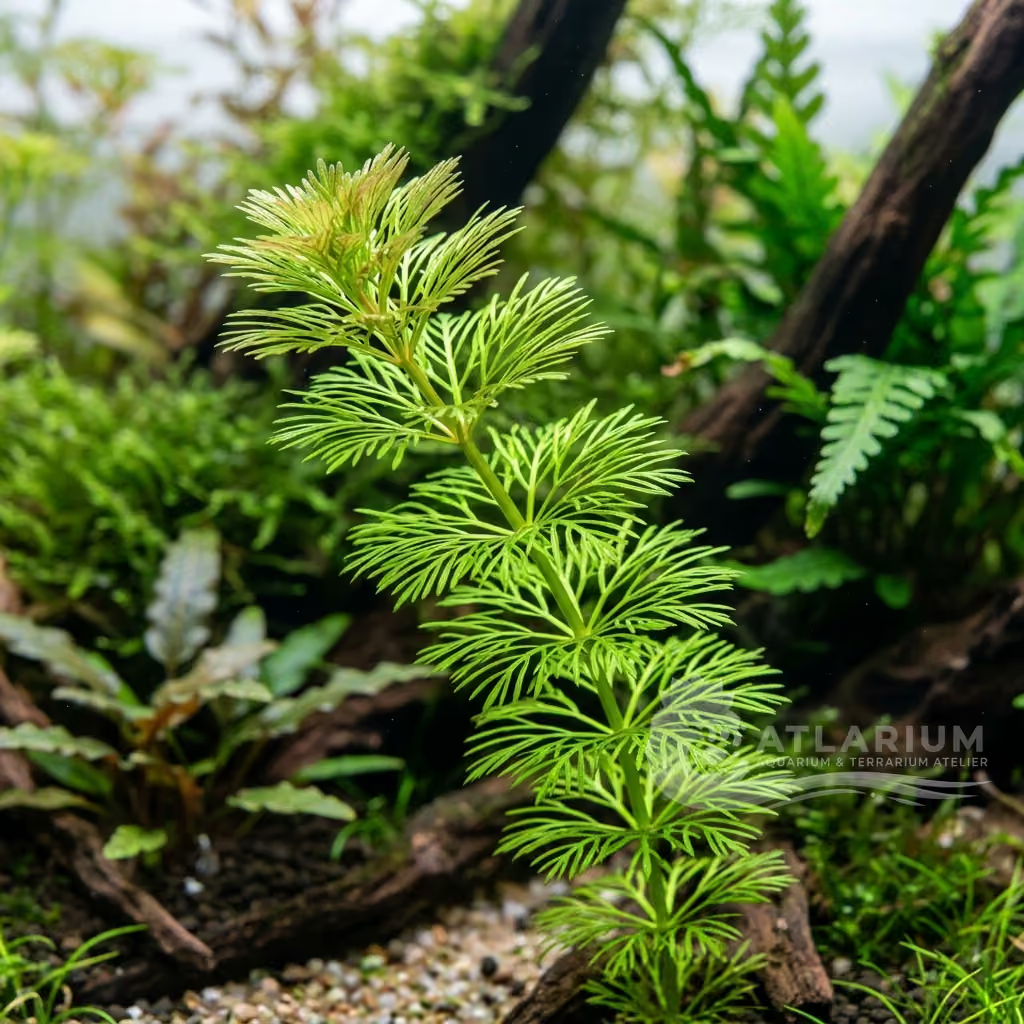
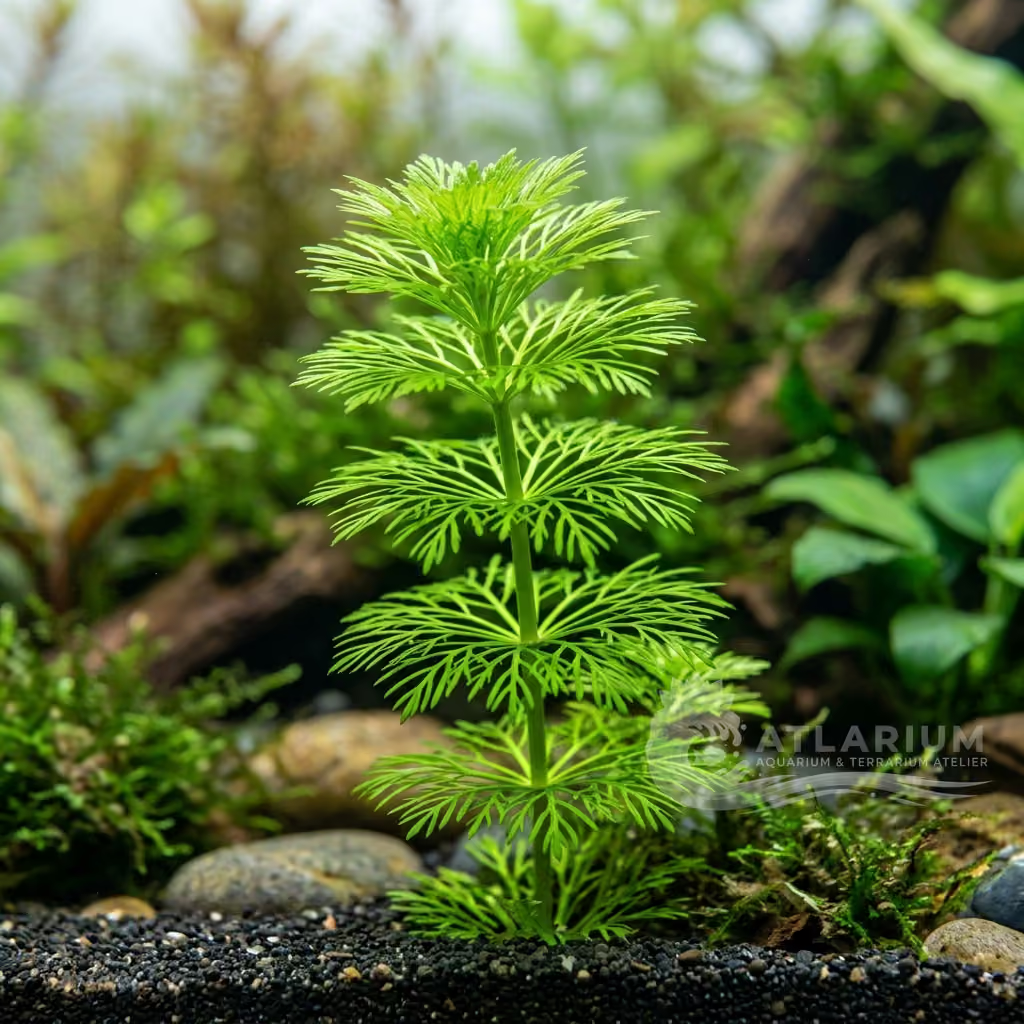
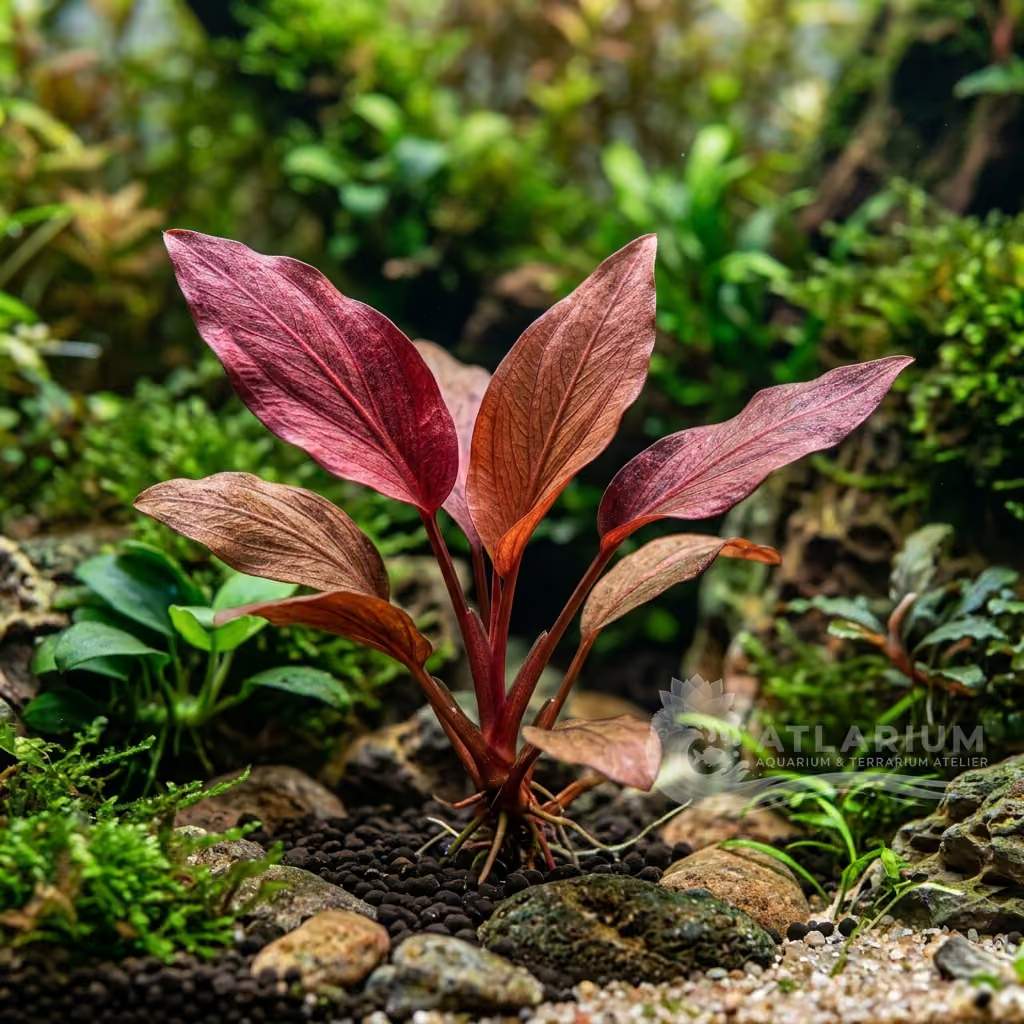
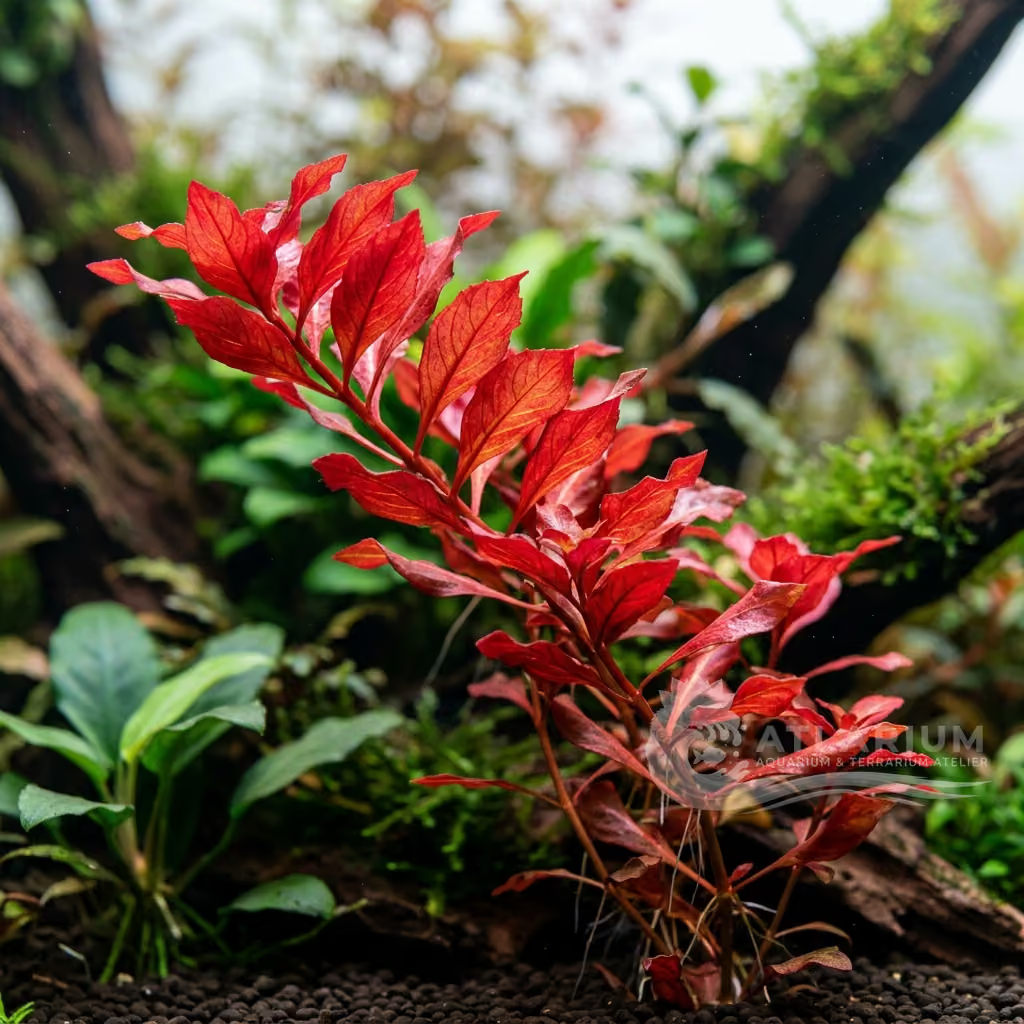
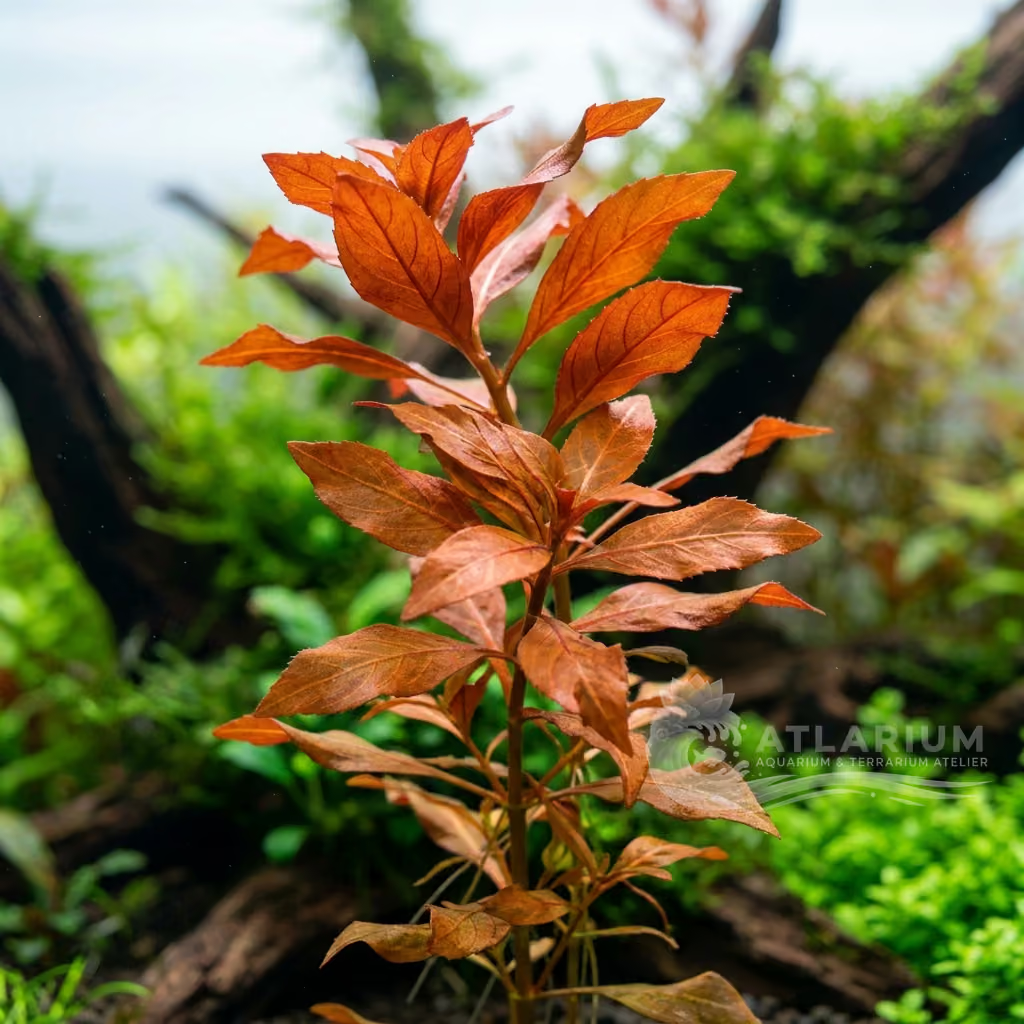
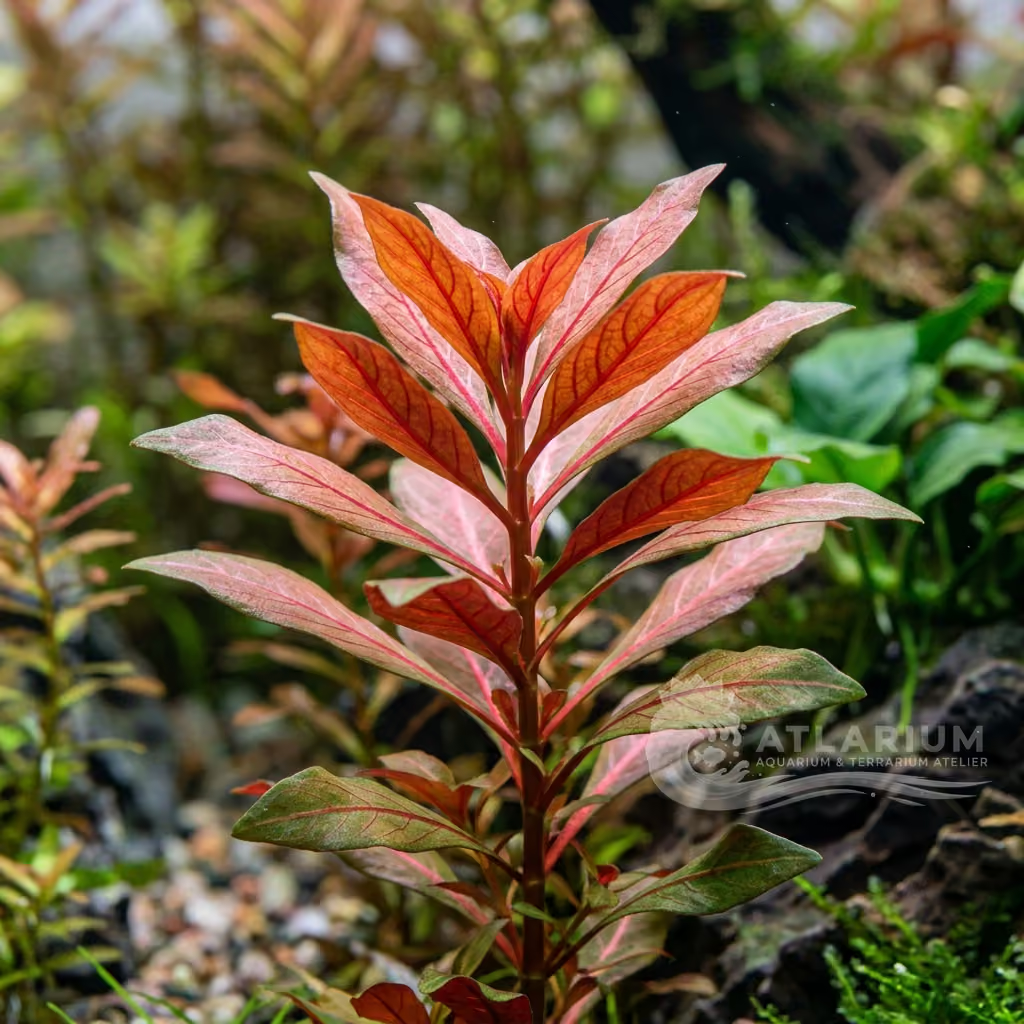
Hygrophila corymbosa ''Aroma''
Hygrophila corymbosa
Striking cultivated variety noted for its compact growth and vibrant purple-violet foliage. Requires intense light, CO2, and iron to express its rich colors fully.
Water Temperature
18 - 30 °C
pH Value
5.5 - 7.5
Water type
Freshwater
Light
Medium - High
CO2
Low to Medium
GH
4 - 20 dGH
KH
2 - 18 dKH

Species description
Geographical Origin and Habitat: A cultivated variety derived from parent plants native to Southeast Asia. In the wild, Hygrophila corymbosa grows along riverbanks and in warm tropical marshes, adapting to seasonal flooding.
Taxonomy & Genetics: Belonging to the family Acanthaceae. The 'Aroma' variety is selected for its compact growth, stable purple-violet
Color & Texture: ation when submerged under high light, and its aromatic scent when emersed.
Physical Structure: Develops thick, sturdy stems that can become woody at the base. The submerged leaves are opposite, lanceolate, and slightly stiffer than the parent species. It forms a strong, extensive root system.
Color & Texture: Under high light, the top leaves turn a striking purple, magenta, or violet color, while shaded lower leaves remain olive green. The wide foliage adds a beautiful color contrast and texture in the layout.

Care, breeding and tankmates
Lighting & CO2: Requires medium to high lighting. Intense light is essential to induce and maintain the purple-violet leaf color. CO2 injection is highly recommended to support healthy, robust foliage growth.
Nutrition & Substrate: Benefits greatly from a nutrient-rich substrate or root tabs. It has a high demand for iron (to support red/purple pigment synthesis) and potassium; potassium deficiency causes pinholes.
Water Chemistry: Adaptable to soft or hard water with a pH of 5.5 to 7.5. Ideal water temperature range is from 18°C to 30°C (64°F - 86°F).
Space Management & Placement: Best suited for the midground or background of the aquarium. Since it grows slower than other corymbosa varieties, it is easier to keep in shape.
Pruning: Cut the tops of the stems to promote lateral bushiness. Replant the cut stems in the substrate to propagate the plant.
Risks & Diseases: Iron deficiency leads to loss of purple coloration and pale new leaves. Potassium deficiency causes pinholes and loss of lower leaves.

Geographic origin and distribution
A cultivated variety derived from parent plants native to Southeast Asia. In the wild, Hygrophila corymbosa grows along riverbanks and in warm tropical marshes, adapting to seasonal flooding.
Origin
South and Southeast AsiaSelective breeding and cultivars

Plant profile
- Placement
- Midground
- This variant is well-suited for the midground to background, depending on the size of the aquarium and how frequently it is trimmed. Its broad, slightly textured leaves create a strong visual impact when planted in groupings. It provides excellent cover for fish and contrasts well against finer-leaved background plants. Ensure it receives unobstructed light to prevent the lower leaves from melting.
- Botanical form
- Stem
- The 'Aroma' variant features sturdy stems with broad, light green leaves that often display a slightly wavy margin and a distinct texture. When crushed or trimmed, especially when grown emersed, the leaves emit a pleasant, somewhat minty or herbal fragrance. The foliage can take on a slight purplish or bronze hue under very intense lighting. It has a robust, dominant presence in the tank.
- Growth
- Slow
- It exhibits a fast growth rate, though often slightly more compact than the standard H. corymbosa when grown submerged. Regular pruning is necessary to manage its height and encourage lateral branching. If allowed to reach the surface, it will easily transition to emersed growth and may flower. Trimming the tops creates a very dense, bushy appearance over time.
- Substrate
- High
- A nutrient-rich aquasoil provides the best foundation for its extensive root system. It will grow in inert gravel or sand, but its growth will be noticeably slower and the stems thinner unless supplemented with high-quality root tabs. A deep substrate allows it to securely anchor its robust stems. Soft, slightly acidic substrates encourage the healthiest root development.
- Column fertilization
- Recommended
- Regular liquid column fertilization ensures the broad leaves have access to essential minerals, particularly potassium and iron. Dosing a comprehensive fertilizer prevents the common issue of older leaves yellowing and dropping off. It absorbs nutrients readily from the water, making it responsive to changes in liquid dosing regimens. Consistent column feeding is key to maintaining pristine foliage.
- Root fertilization
- Recommended
- Providing nutrients at the root level is highly beneficial for this robust plant. Root tabs placed deep in the substrate will fuel thicker stems and larger, healthier leaves. Even in nutrient-rich soils, older setups will benefit from supplementary root tabs near the plant's base. Strong root nutrition perfectly complements water column dosing for maximum vitality.
- Trimming
- Occasional
- Trimming is best done by cutting the stem above a node to encourage branching. The lower portion will produce side shoots, making the plant denser over time. The pruned tops can be replanted into the substrate to propagate the stand.
- Propagation
- Cuttings
- Propagation is easily achieved by taking stem cuttings and replanting them into the substrate. Cut a healthy top shoot and plant it deeply; it will develop a new root system within a week. The original stem will produce multiple side shoots, leading to a much bushier plant structure. It is a very forgiving plant that multiplies rapidly under good conditions.
- Sensitivity
- Moderate
- It is generally hardy but can be sensitive to severe potassium deficiencies, which cause pinholes in the leaves. It may experience slight melting when transitioning from emersed to submersed forms. Good water circulation is important to prevent algae buildup on older leaves.
- Layout role
- Midground, Background
- It functions well as a structural background plant that adds bulk and texture. The slightly undulating leaves provide a nice contrast to smooth-leaved or very fine-leaved plants. It works beautifully in both nature-style and Dutch aquascapes.

Related species
Recommendations grouped by close relatives, companion choices, and similar care.