Aponogeton rigidifolius
Aponogeton rigidifolius
Unique Sri Lankan Aponogeton growing from a creeping rhizome. Prefers moderate light and CO2 to prevent persistent algae on its slow-growing leaves.
Water Temperature
12 - 30 °C
pH Value
5.5 - 8
Water type
Freshwater
Light
Medium - High
CO2
Low - High
Expected height
60 cm
Expected width
40 cm
KH
2 - 12 dKH

Species description
Geographical Origin and Habitat: Aponogeton rigidifolius is endemic to southwestern Sri Lanka, populating shaded forest streams and fast-flowing rivers. Unlike most Aponogeton species, which develop from rounded tubers in seasonal waters, this species grows in perennial mountain streams with strong currents, anchoring firmly to a long creeping rhizome wedged between rocks or buried in mineral-rich volcanic gravel.
Taxonomy & Genetics: Taxonomically it belongs to the Aponogetonaceae family, genus Aponogeton. This species represents a unique morphological and genetic exception within the genus: it does not produce a true spherical bulb subject to dry vegetative rest, but possesses a long creeping rhizome. This specialized genetics evolved to cope with constant water flows year-round, making it a perennial species without a mandatory dormancy cycle.
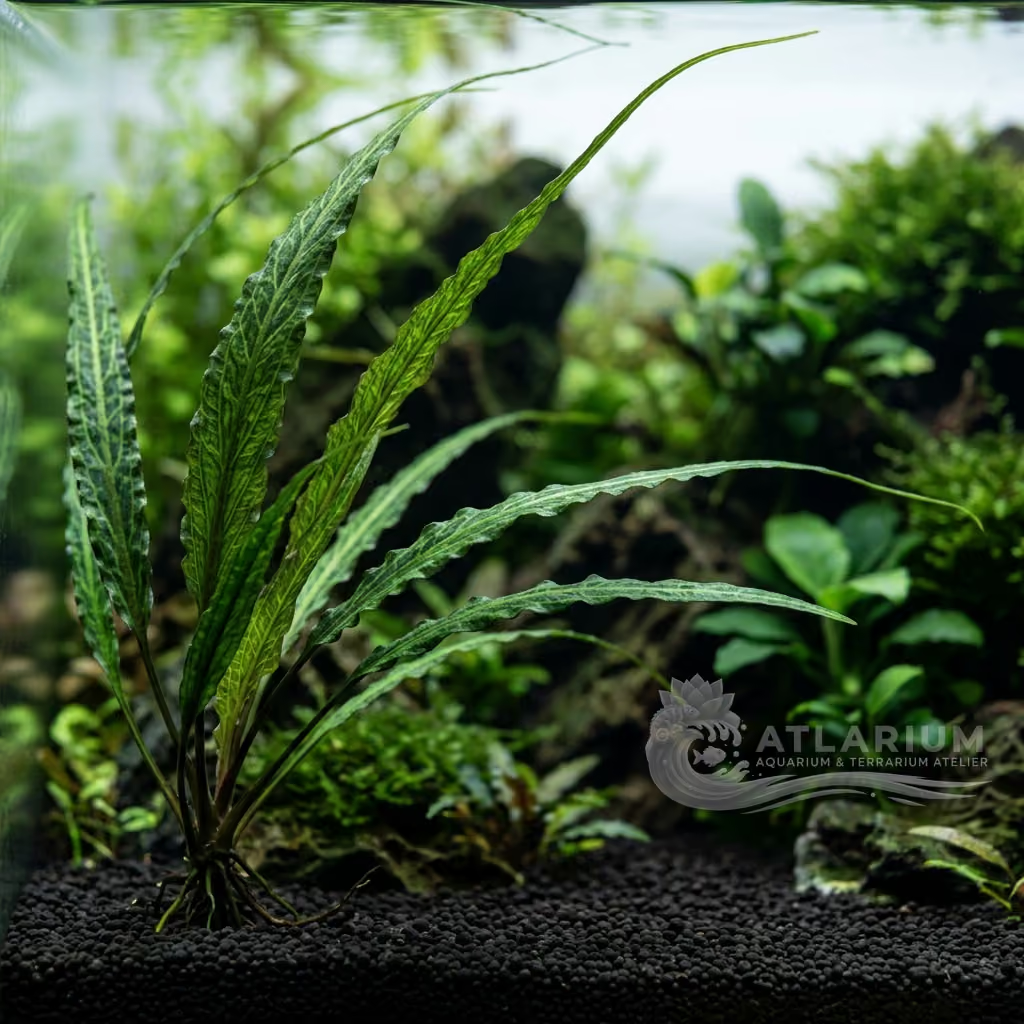
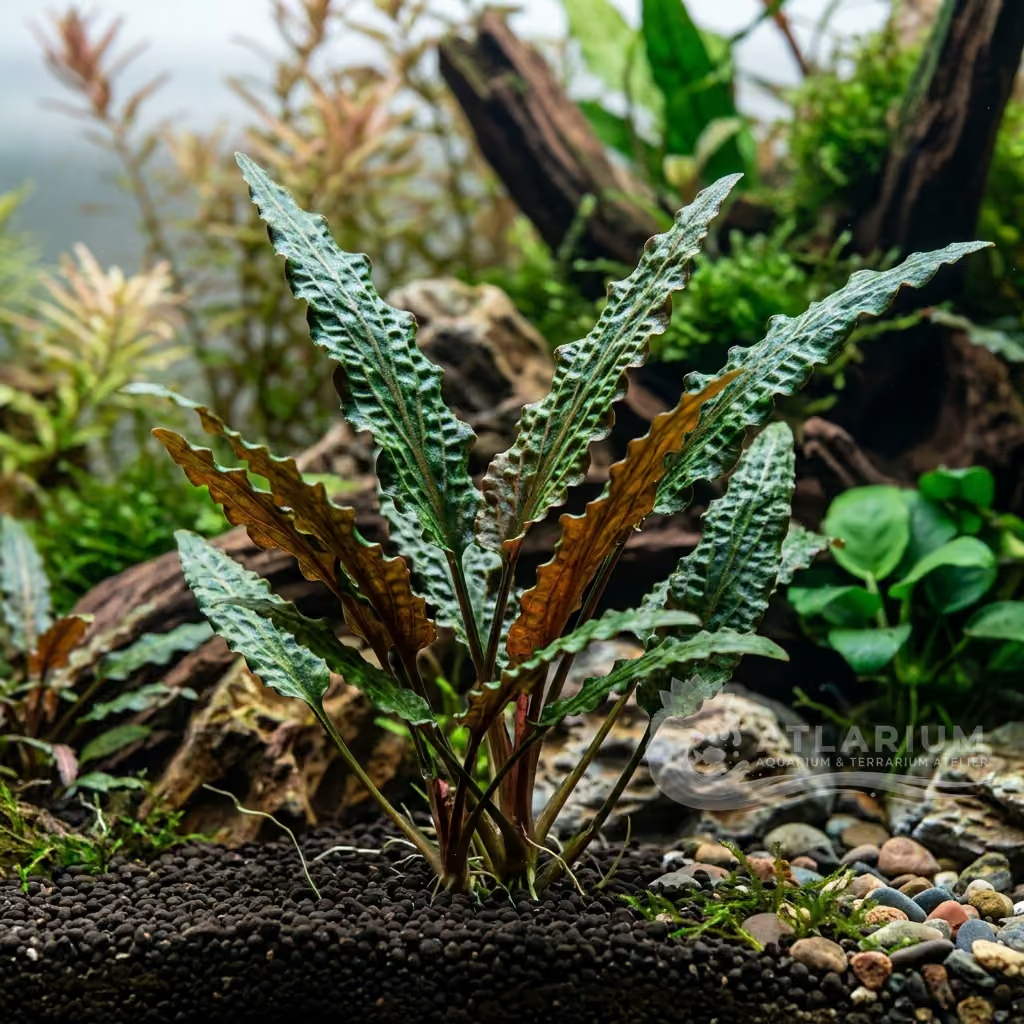
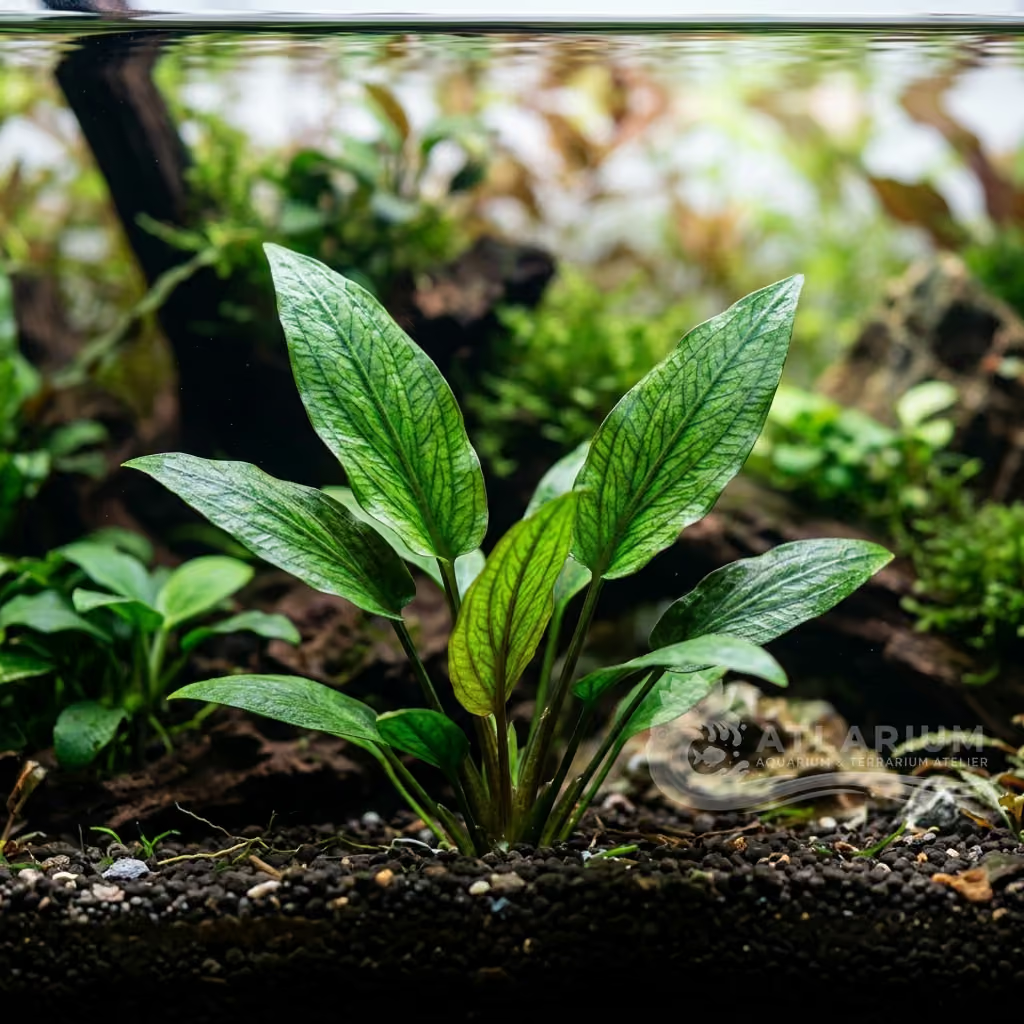
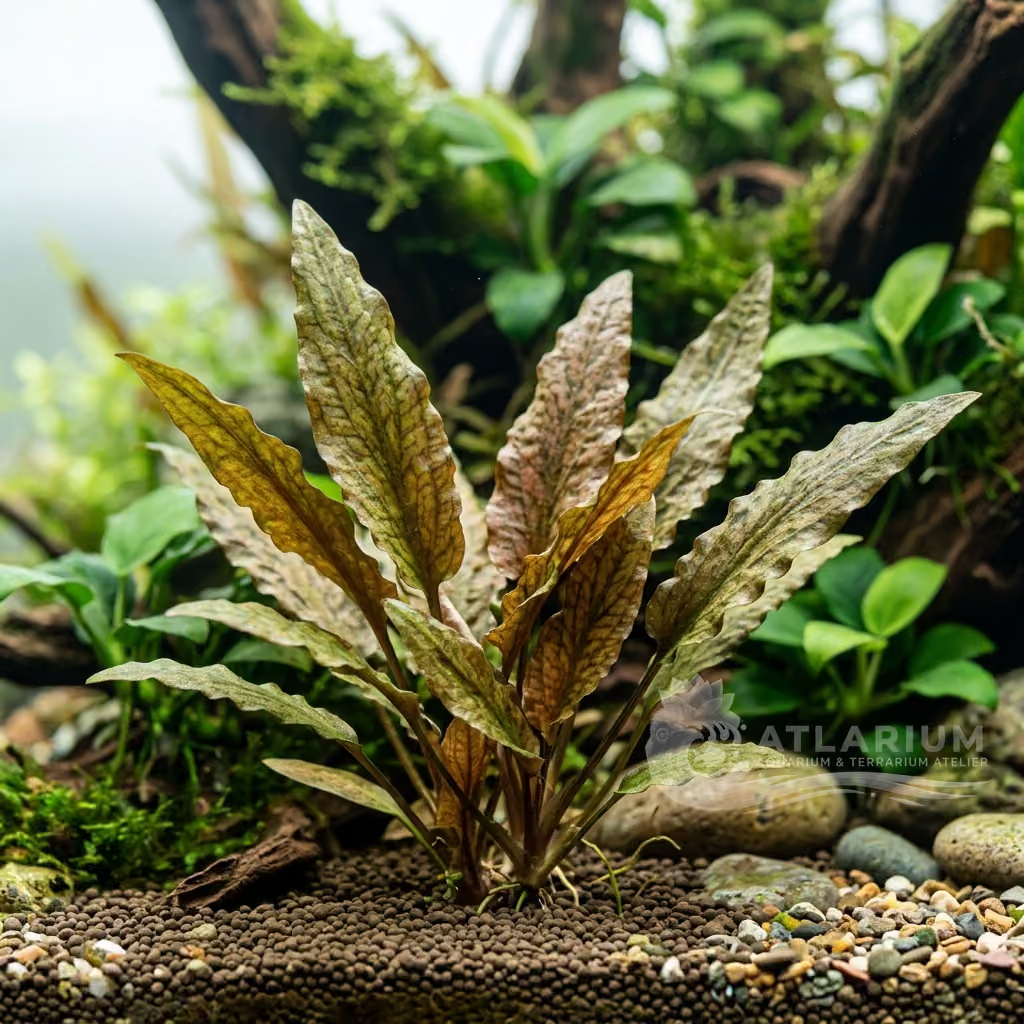
Physical Structure: The plant develops from a cylindrical creeping rhizome, woody and branched, which can reach considerable lengths. A rosette of leaves supported by long, sturdy petioles arises from it. The leaves are ribbon-like, narrow, up to 50-60 cm long, with slightly wavy margins. The leaf structure is exceptionally rigid and resistant to the pulling forces of strong currents.
Color & Texture: The leaves show an intense dark green or olive green coloration, with brownish tones in younger shoots. The texture is leathery, thick, and rough to the touch, markedly stiff compared to the translucent leaves of other species in the genus. The thick longitudinal veins run parallel along the leaf blade, providing excellent structural support.

Care, breeding and tankmates
Lighting & CO2: Prefers moderate lighting. It does not tolerate intense direct light, which promotes the growth of filamentous algae on its slow-growing leaves. CO2 injection is recommended to stimulate faster and more vigorous leaf development, reducing the plant's adaptation time.
Nutrition & Substrate: Requires a deep, fertile, and nutrient-rich substrate. The roots benefit greatly from fertilizer tablets containing iron and trace elements inserted near the rhizome. Unlike round bulbs, the creeping rhizome can be partially buried in fine gravel.
Water Chemistry: Tolerates temperatures between 12°C and 30°C (optimal 20-25°C). Requires a pH between 5.5 and 8.0 and a medium water hardness (KH 2-12 dKH). It is sensitive to sudden changes in water parameters and nitrate buildup, preferring well-oxygenated currents.
Space Management & Placement: Ideally placed in the background of the aquarium. Due to its long rigid leaves, it requires a spacious and tall tank. It must be positioned in areas with good water flow to simulate its native streams and promote nutrient exchange.
Pruning: Maintenance is minimal due to the slow growth rate. It is sufficient to remove older or damaged leaves with sharp scissors, cutting the petiole near the basal rhizome. If the plant produces flower stalks, these can be cut to preserve energy reserves.
Risks & Diseases: The main risk is rhizome rot if subjected to anaerobic conditions in compacted soil; medium-grained substrate is recommended. Furthermore, not having a spherical reservoir bulb, if the plant loses all its leaves due to chemical or thermal stress, it rarely regenerates.

Geographic origin and distribution
Aponogeton rigidifolius is endemic to southwestern Sri Lanka, populating shaded forest streams and fast-flowing rivers. Unlike most Aponogeton species, which develop from rounded tubers in seasonal waters, this species grows in perennial mountain streams with strong currents, anchoring firmly to a long creeping rhizome wedged between rocks or buried in mineral-rich volcanic gravel.
Origin
South and Southeast Asia

Plant profile
- Placement
- Midground
- This plant is best suited for the midground or background of an aquarium, depending on the tank size. Its long, wavy leaves provide an excellent vertical accent and can be used to hide equipment. It looks most natural when planted slightly offset from the center, creating a focal point without overwhelming the layout.
- Botanical form
- Rosette, Rhizome
- Aponogeton rigidifolius is characterized by its stiff, dark green, ribbon-like leaves that have slightly undulated margins. It develops an elongated creeping rhizome rather than a rounded tuber, which is unique among Aponogetons. The leaves can grow quite long, reaching up to 60 cm in mature specimens.
- Growth
- Slow
- Unlike many other Aponogeton species, A. rigidifolius has a relatively slow growth rate. It does not typically undergo the severe dormant periods characteristic of the genus, instead growing continuously but steadily throughout the year. Providing higher light and CO2 injection can slightly increase its growth speed, though it remains manageable.
- Substrate
- High
- Unlike most Aponogetons, A. rigidifolius grows from a creeping rhizome rather than a tuber, yet it still demands a deeply fertile substrate. It excels when planted in an iron-rich aqua soil or clay-based substrate with a depth of around 6-8 cm. Its thick rhizome should be buried horizontally just beneath the soil surface, allowing its stiff, ribbon-like leaves to emerge strongly. Since it grows continuously without a dormant period, consistent application of root tabs is necessary to sustain its dense, extensive root network.
- Column fertilization
- Recommended
- Liquid fertilization is highly beneficial for this species, as it actively absorbs nutrients through its leaves. A comprehensive liquid fertilizer containing nitrogen, phosphorus, potassium, and trace elements should be added regularly. Maintaining adequate iron levels in the water column is particularly important for keeping the leaves vibrantly green.
- Root fertilization
- Required
- While it benefits from column dosing, a nutrient-rich substrate is vital for the long-term health of its creeping rhizome. Using root tabs or a rich aquasoil will encourage strong root development and overall plant vitality. Ensure the rhizome is not buried too deeply to prevent rot, while still allowing the roots to access the nutrients.
- Trimming
- Occasional
- Maintenance involves pruning older, decaying, or algae-covered leaves close to the base of the plant. Because of its slow growth, it rarely needs aggressive trimming to keep it in check. When removing leaves, use sharp aquascaping scissors to make clean cuts, which helps prevent damage to the main rhizome.
- Propagation
- Cuttings
- Propagation is typically achieved by division of its creeping rhizome. Once the rhizome has grown sufficiently long, it can be carefully cut into smaller sections, each containing at least a few healthy leaves and roots. These sections can then be replanted, where they will slowly establish themselves as independent plants.
- Sensitivity
- Moderate
- This species is sensitive to sudden changes in water parameters and prefers stable conditions with moderate to high water flow. It can be susceptible to algae growth on its slow-growing leaves if nutrient and light balances are off. It generally tolerates a wide range of temperatures but prefers slightly cooler water than many tropical plants.
- Layout role
- Midground, Background
- With its distinctive, stiff, dark green foliage, A. rigidifolius serves as an excellent architectural focal point in aquascapes. It provides strong vertical lines and textural contrast when placed among softer, finely-leaved background plants. Its steady growth and lack of dormancy make it a reliable structural element in long-term setups.

Related species
Recommendations grouped by close relatives, companion choices, and similar care.