

Encyclopaedia
Anubias nana
Anubias barteri var. nana
The *Anubias barteri var. nana* is grandfathered in as the undisputed queen of epiphytic aquarium plants. Extremely tough, very robust and virtually immortal, it has a slow metabolism and thick, dark leaves resistant as leather. Its fundamental particularity is the horizontal creeping rhizome: if buried, it will rot and die. It must be attached to driftwood or rock, surviving poor light and low CO2.
Share
Check out Anubias nana on Atlarium
12 - 30 °C
5 - 8
Freshwater
Medium - High
Low - High
10 cm
20 cm
0 - 21 dKH
Species description
Care, breeding and tankmates
Geographic Origin and Distribution
Origin
Plant profile
- Placement
- Midground
- Botanical form
- rhizome or creeping stem
- Growth
- Slow
- Substrate
- None
- Column fertilization
- Recommended
- Root fertilization
- None
- Trimming
- Occasional
- Propagation
- Cuttings
- Sensitivity
- Moderate
- Layout role
- Nano, Midground, Epiphyte
Image gallery
Licensed images linked to the species or, when marked, to the closest representative taxon.
Related species
Recommendations grouped by close relatives, companion choices, and similar care.
Variants and close relatives
Same atlas type, nearby scientific identity, genus, or family.
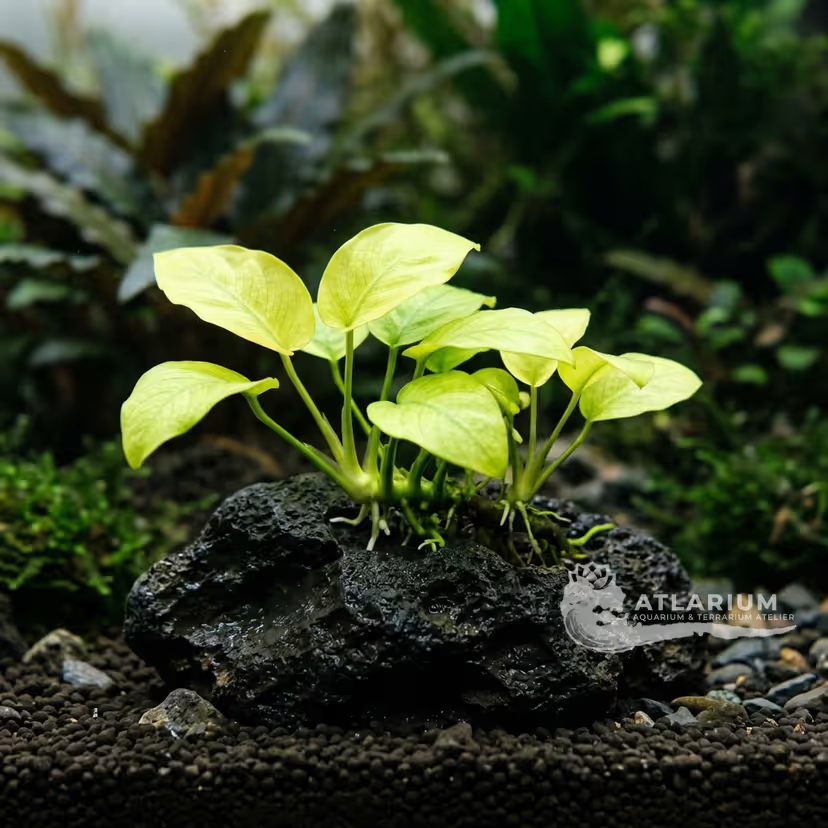
Anubias barteri var. nana 'Golden Heart'
Anubias barteri var. nana 'Golden Heart'
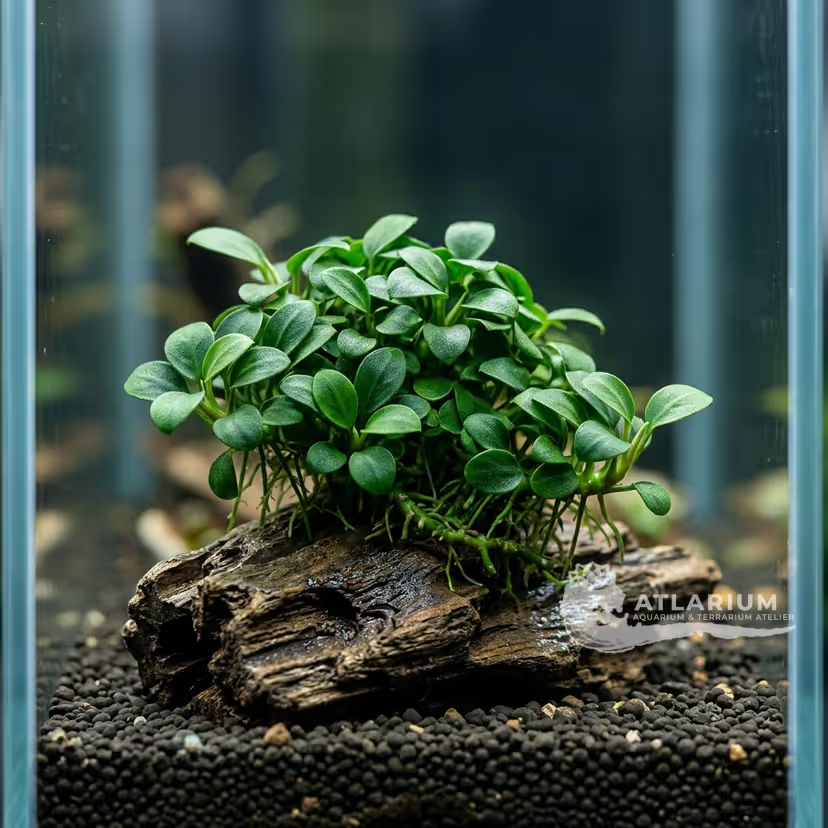
Anubias barteri var. nana 'Petite' ('Bonsai')
Anubias barteri var. nana 'Petite'

Anubias barteri var. angustifolia
Anubias barteri var. angustifolia

Anubias barteri var. barteri
Anubias barteri var. barteri

Anubias barteri var. caladiifolia
Anubias barteri var. caladiifolia

Anubias barteri var. coffeifolia
Anubias barteri var. coffeifolia
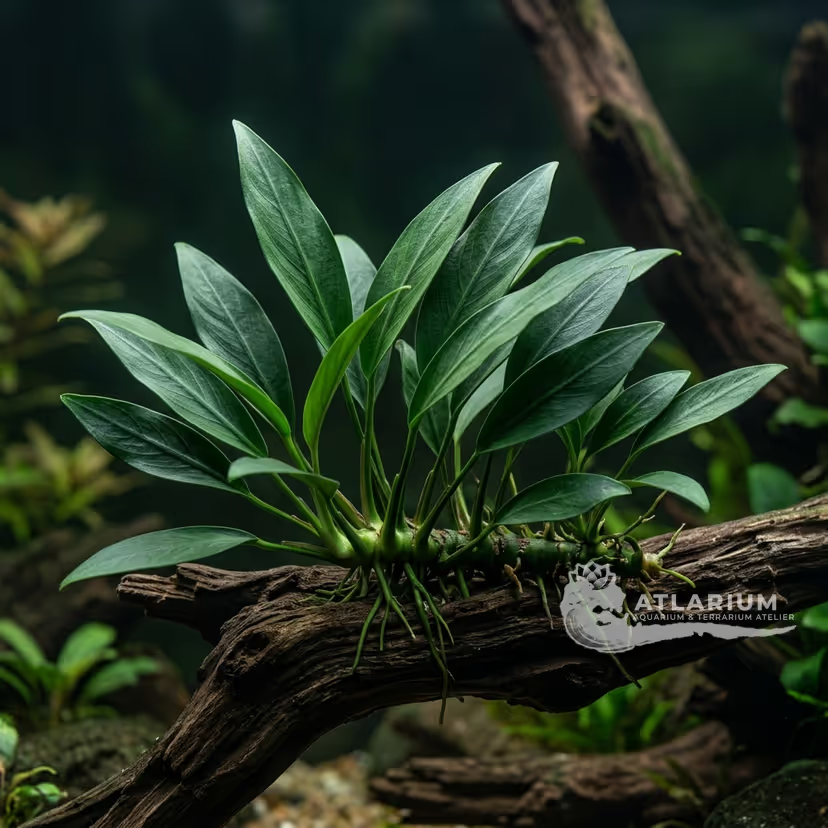
Anubias barteri var. glabra
Anubias barteri var. glabra

Anubias barteri var. nana 'Round Leaf'
Anubias barteri var. nana 'Round Leaf'
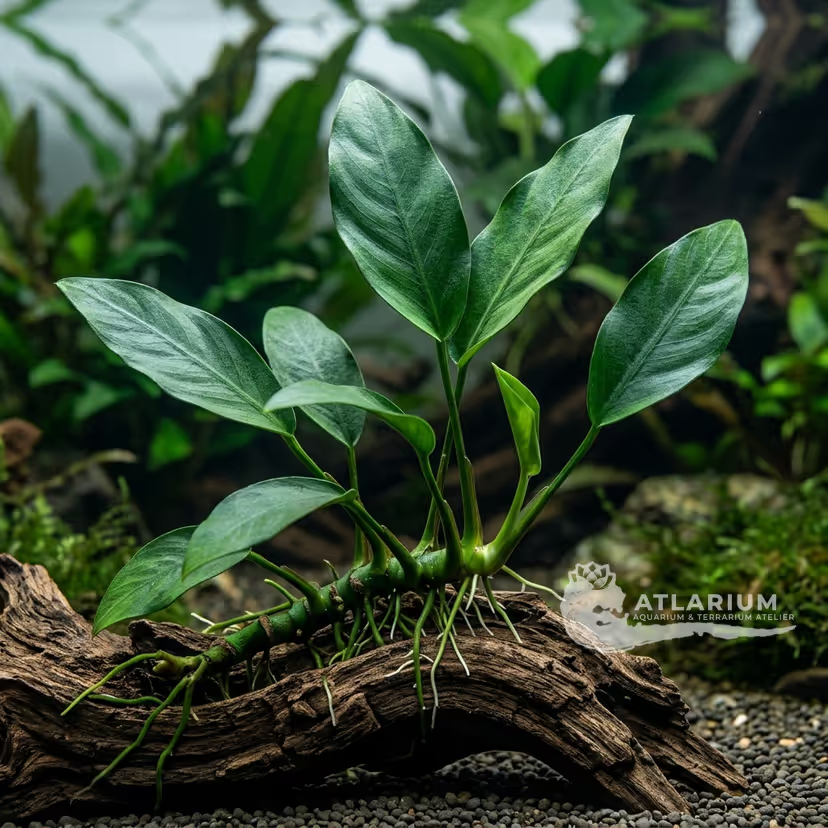
Anubias
Anubias barteri

Anubias nana
Anubias barteri var. nana

Anubias "nangi"
Anubias "nangi"

Anubias gilletii
Anubias gilletii
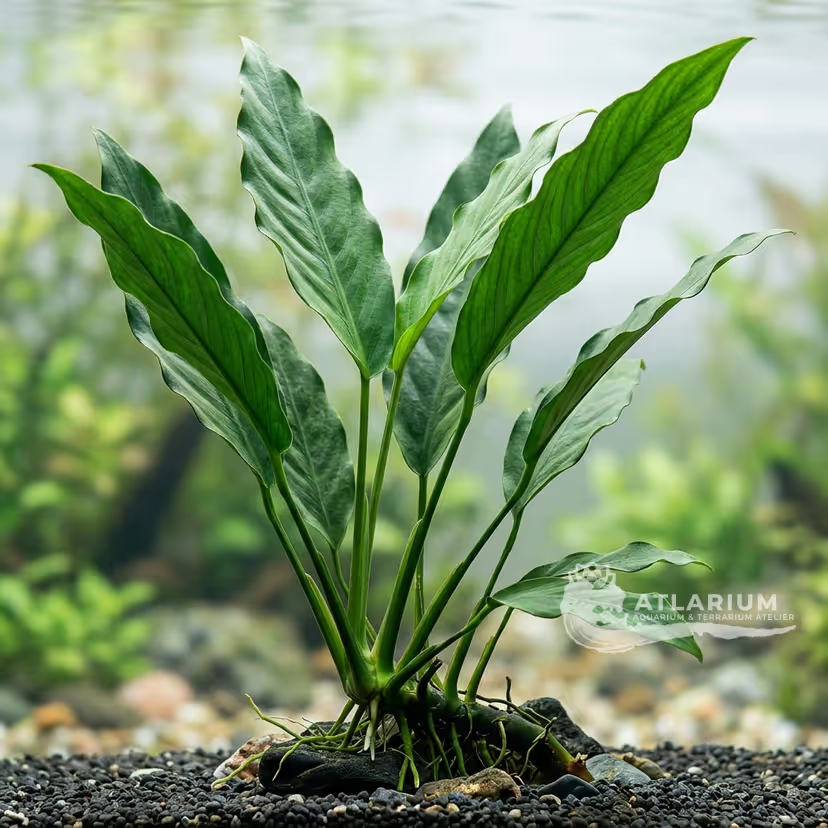
Anubias heterophylla
Anubias heterophylla

Anubias gracilis
Anubias gracilis

Anubias afzelii
Anubias afzelii

Pynaert's Anubias
Anubias pynaertii
Recommended companions
Compatible cards from coherent ecosystems with matching parameters.

Aponogeton rigidifolius
Aponogeton rigidifolius

Orange dwarf crayfish (CPO)
Cambarellus patzcuarensis "Orange"

Golden Nesaea
Ammannia pedicellata

Malaysian Trumpet Snail
Melanoides tuberculata

Ramshorn Snail
Planorbella duryi

Bacopa monnieri "Rundblättrig"
Bacopa monnieri "Rundblättrig"

Amblystegium riparium
Amblystegium riparium

Cherry Shrimp
Neocaridina davidi

Ninja Shrimp
Caridina serratirostris

Ceratophyllum demersum "Mexiko" ("Rotstängelig")
Ceratophyllum demersum "Mexiko" ("Rotstängelig")

Bladder snail
Physella acuta

Caloglossa cf. beccarii
Caloglossa cf. beccarii

Ceratopteris richardii
Ceratopteris richardii

White Pearl Shrimp
Neocaridina zhangjiajiensis var. White

Montezuma dwarf crayfish
Cambarellus montezumae

Green babaulti shrimp
Caridina cf. babaulti "Green"
Similar care
Cards with similar requirements, difficulty, habitat, and husbandry profile.

Anubias lanceolata
Anubias lanceolata

Bucephalandra sp. "Black Leaf"
Bucephalandra sp. "Black Leaf"

Anubias congensis
Anubias congensis
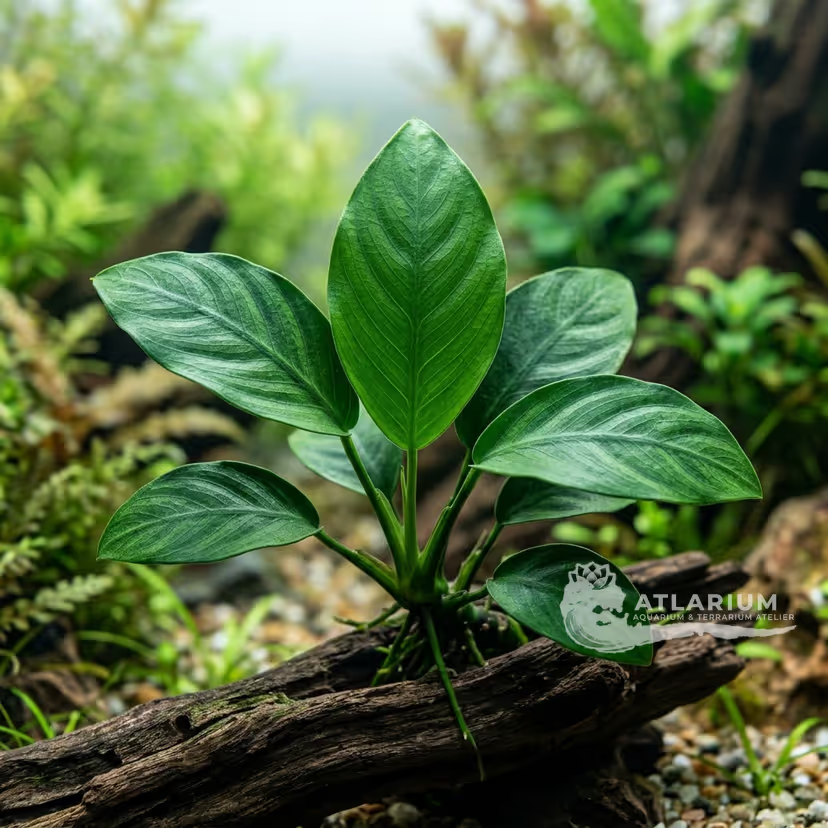
Anubias minima
Anubias minima

Arrowhead Anubias
Anubias hastifolia

Aldrovanda vesiculosa
Aldrovanda vesiculosa
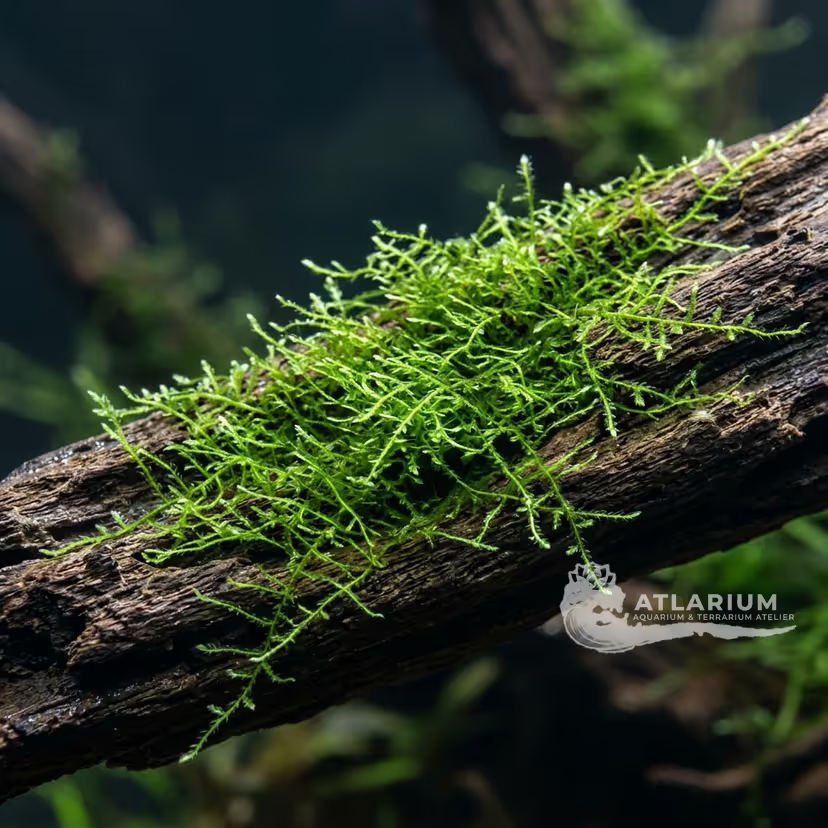
Amblystegium serpens
Amblystegium serpens
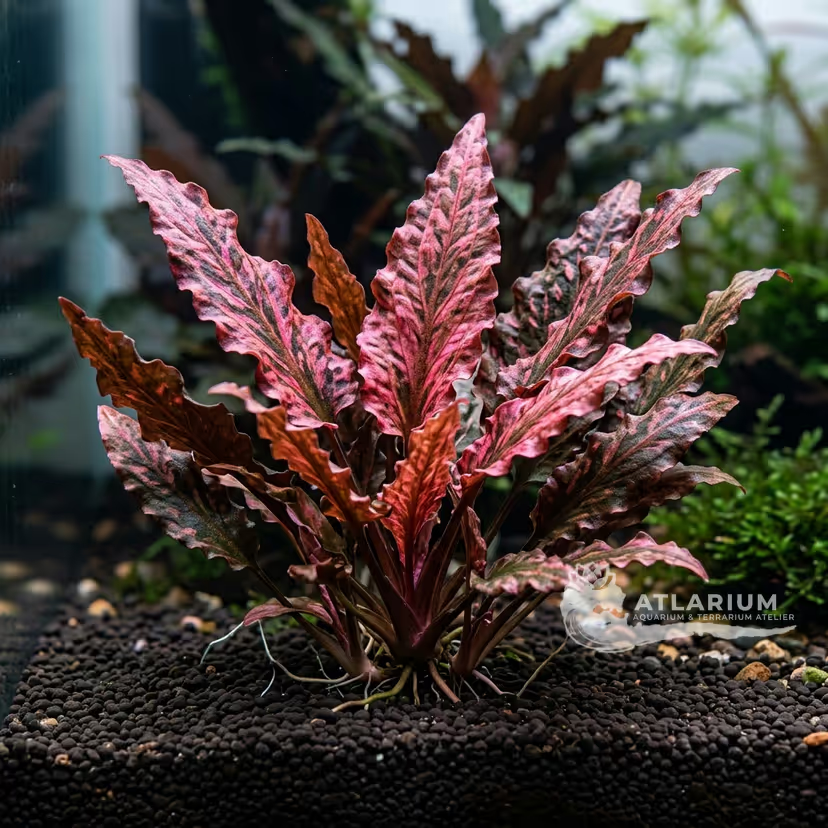
Cryptocoryne beckettii "Petchii Pink"
Cryptocoryne beckettii "Petchii Pink"

Giant Cryptocoryne Cordata
Cryptocoryne cordata var. cordata

Chlorophytum bichetii
Chlorophytum bichetii

Cryptocoryne affinis
Cryptocoryne affinis

Bucephalandra motleyana "Braun-rot narrow"
Bucephalandra motleyana "Braun-rot narrow"

Bucephalandra motleyana "Riam Macam"
Bucephalandra motleyana "Riam Macam"

Bucephalandra motleyana "Braun-rot" ("Serimbu")
Bucephalandra motleyana "Braun-rot" ("Serimbu")

Bucephalandra motleyana "Pancuraji"
Bucephalandra motleyana "Pancuraji"

Cryptocoryne bullosa
Cryptocoryne bullosa