

Encyclopaedia
Anubias lanceolata
Anubias lanceolata
Anubias lanceolata: an elegant plant of the Araceae family characterized by narrow, lanceolate leaves, excellent as an epiphyte in medium to large aquariums.
Share
Check out Anubias lanceolata on Atlarium
22 - 28 °C
6 - 8
Freshwater
Low
Low
30 cm
20 cm
4 - 20 dGH
2 - 15 dKH
Species description
Care, breeding and tankmates
Geographic Origin and Distribution
Origin
Plant profile
- Placement
- Midground
- Botanical form
- Rhizome
- Growth
- Slow
- Substrate
- None
- Column fertilization
- Recommended
- Root fertilization
- None
- Trimming
- Occasional
- Propagation
- Rhizome division
- Sensitivity
- Moderate
- Layout role
- Midground, Background
Image gallery
Licensed images linked to the species or, when marked, to the closest representative taxon.
Related species
Recommendations grouped by close relatives, companion choices, and similar care.
Variants and close relatives
Same atlas type, nearby scientific identity, genus, or family.

Anubias barteri var. nana 'Round Leaf'
Anubias barteri var. nana 'Round Leaf'

Anubias congensis
Anubias congensis

Anubias gigantea
Anubias gigantea
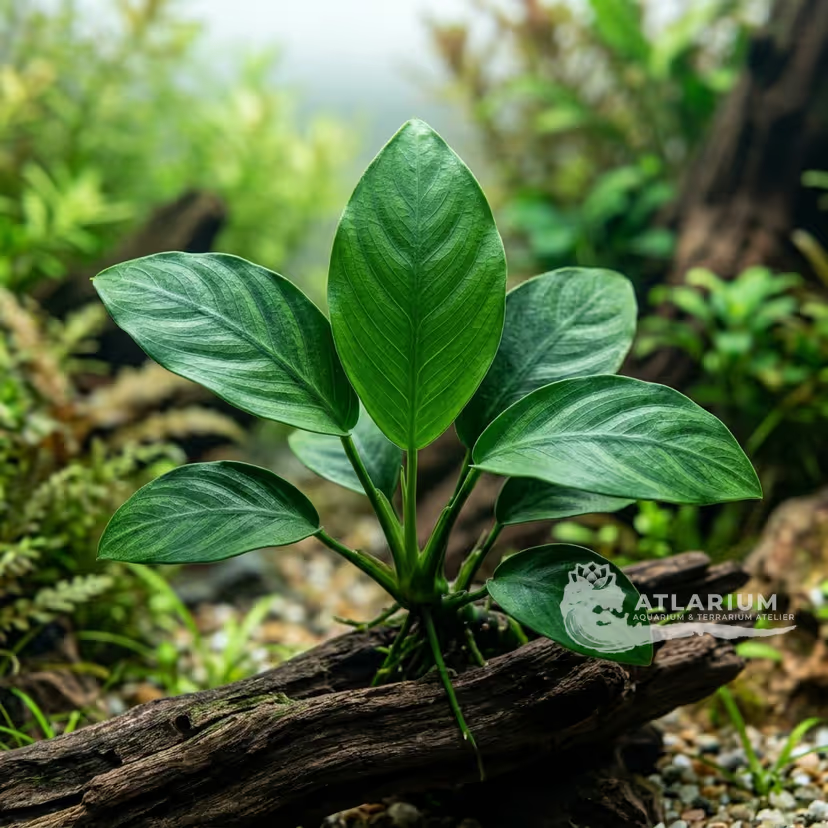
Anubias minima
Anubias minima
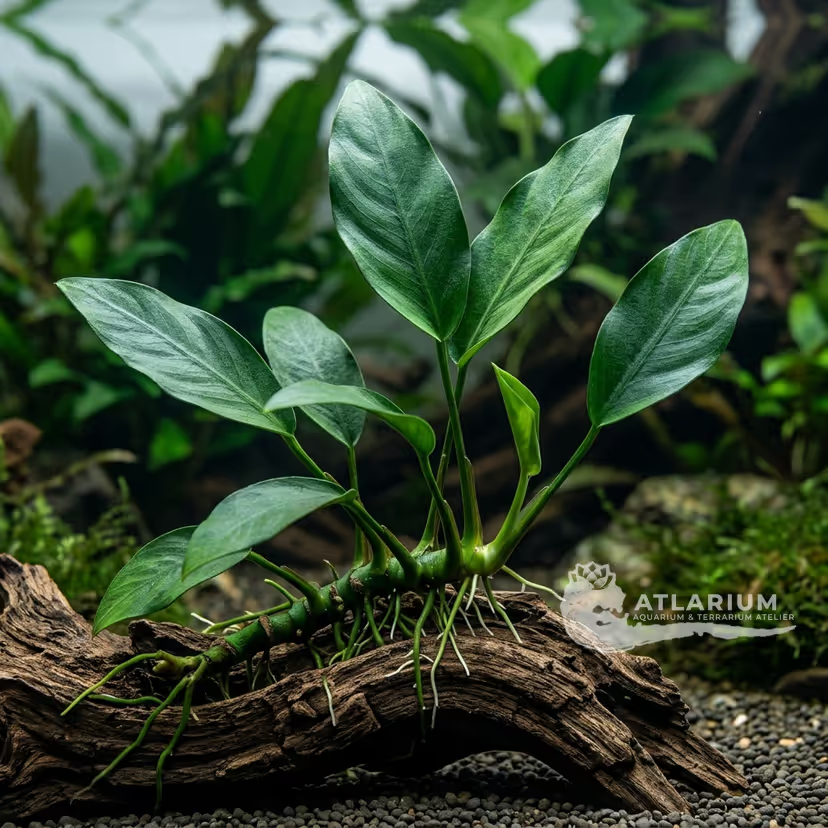
Anubias
Anubias barteri

Anubias nana
Anubias barteri var. nana

Arrowhead Anubias
Anubias hastifolia

Anubias afzelii
Anubias afzelii

Pynaert's Anubias
Anubias pynaertii

Anubias "nangi"
Anubias "nangi"

Anubias barteri var. angustifolia
Anubias barteri var. angustifolia

Anubias barteri var. barteri
Anubias barteri var. barteri

Anubias barteri var. caladiifolia
Anubias barteri var. caladiifolia

Anubias barteri var. coffeifolia
Anubias barteri var. coffeifolia
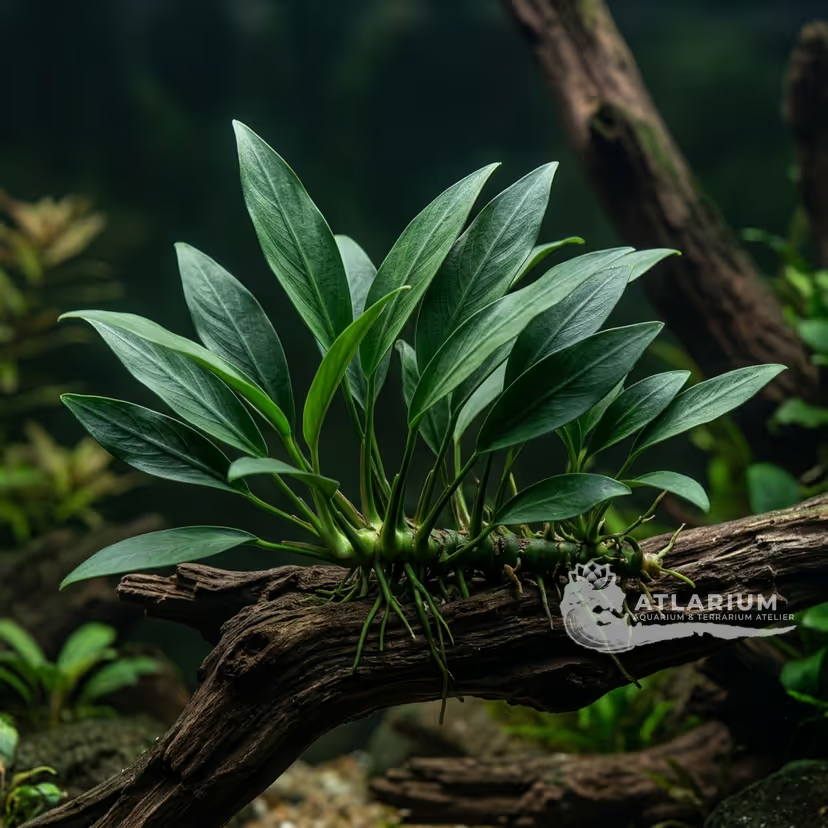
Anubias barteri var. glabra
Anubias barteri var. glabra

Anubias gilletii
Anubias gilletii
Recommended companions
Compatible cards from coherent ecosystems with matching parameters.

Bronze cory
Corydoras aeneus

Bladder snail
Physella acuta

Blackline Tetra
Hyphessobrycon scholzei

Orange dwarf crayfish (CPO)
Cambarellus patzcuarensis "Orange"

Ninja Shrimp
Caridina serratirostris

Malaysian Trumpet Snail
Melanoides tuberculata

Chameleon land crab
Metasesarma aubryi

Zebra Nerite Snail
Vittina coromandeliana

Zebra Nerite Snail
Vittina natalensis
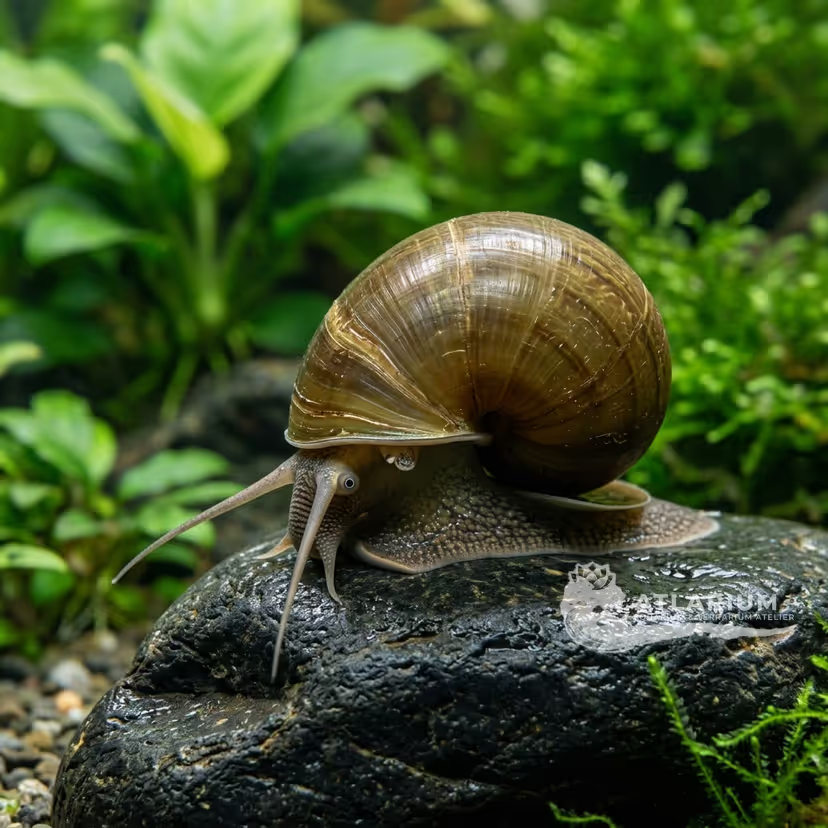
Asian apple snail
Pila ampullacea
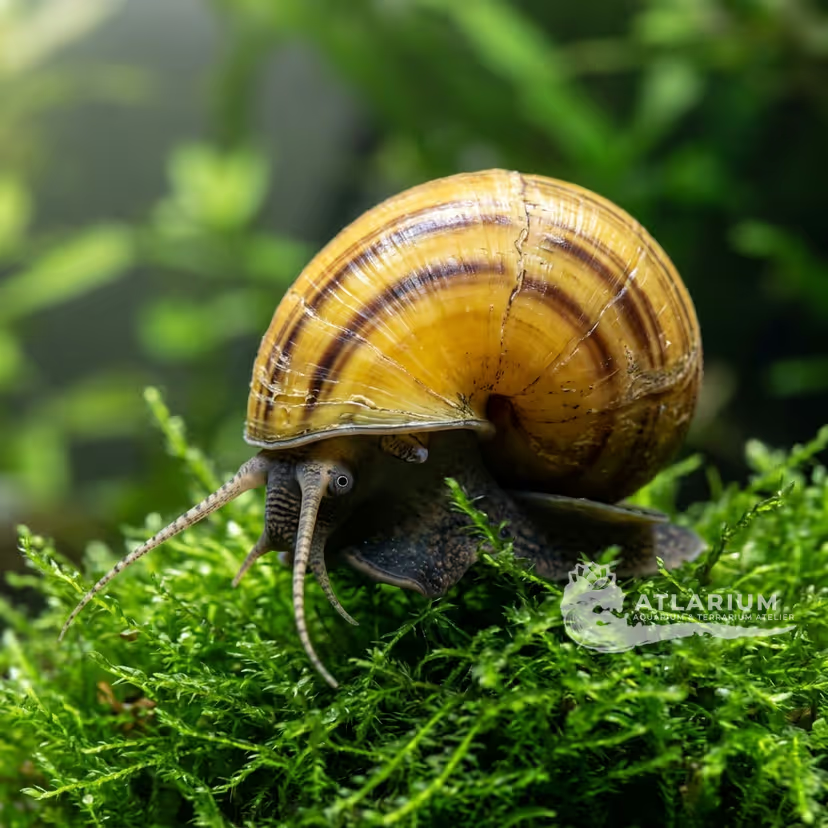
Channelled apple snail
Pomacea canaliculata

Chinese mystery snail
Cipangopaludina chinensis

Ear pond snail
Radix auricularia

European river snail
Viviparus viviparus

Florida apple snail
Pomacea paludosa

Giant ramshorn snail
Marisa cornuarietis
Similar care
Cards with similar requirements, difficulty, habitat, and husbandry profile.

Cryptocoryne affinis
Cryptocoryne affinis
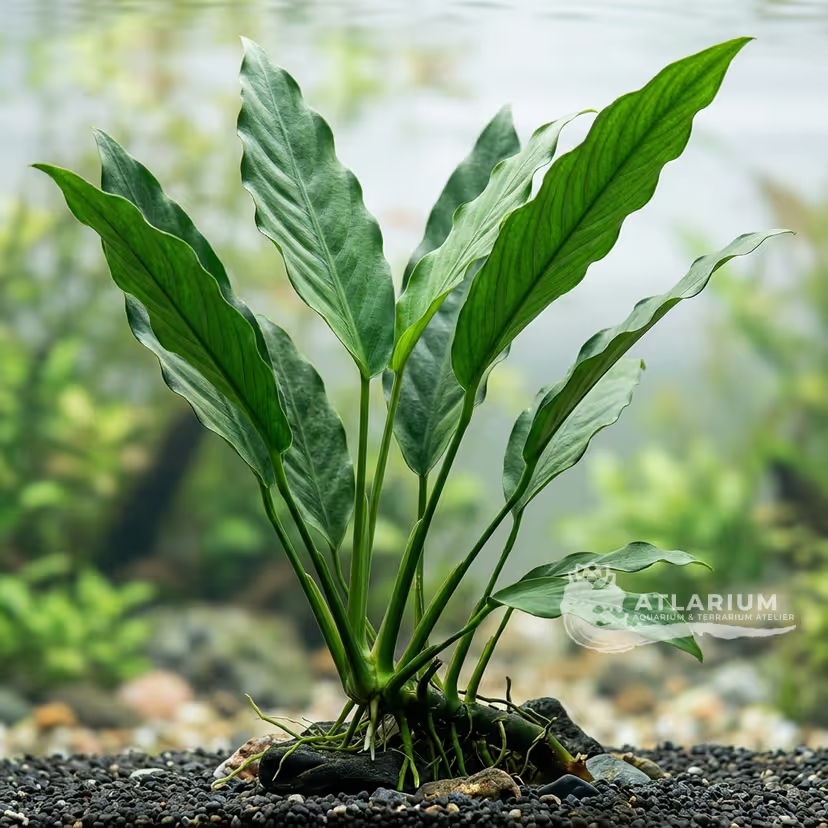
Anubias heterophylla
Anubias heterophylla
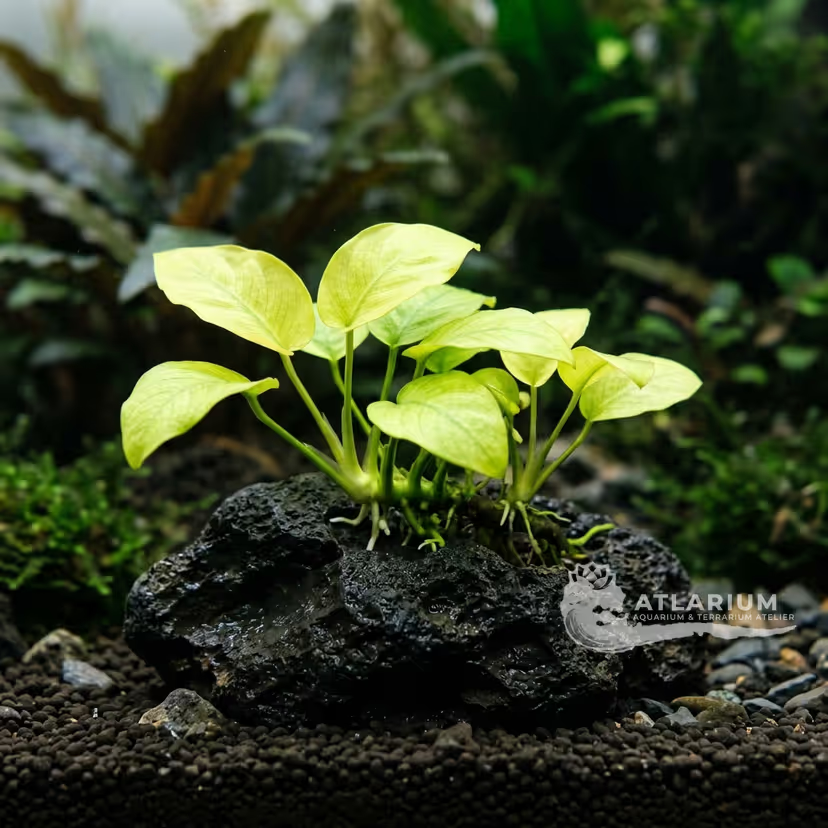
Anubias barteri var. nana 'Golden Heart'
Anubias barteri var. nana 'Golden Heart'

Anubias nana
Anubias barteri var. nana
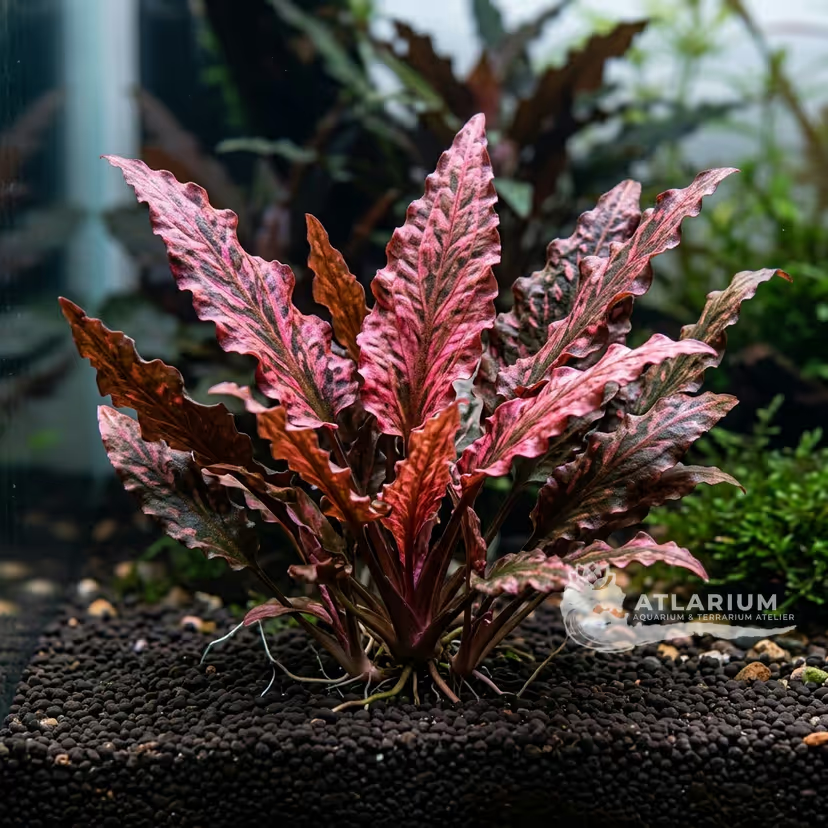
Cryptocoryne beckettii "Petchii Pink"
Cryptocoryne beckettii "Petchii Pink"
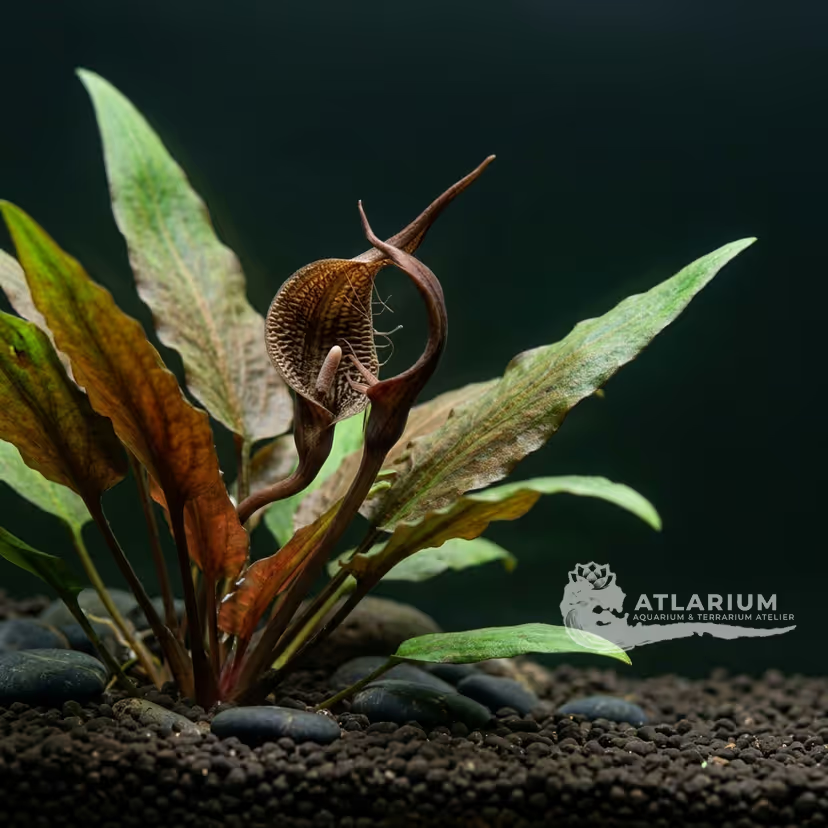
Cryptocoryne coronata
Cryptocoryne coronata

Cryptocoryne cordata var. siamensis
Cryptocoryne cordata var. siamensis
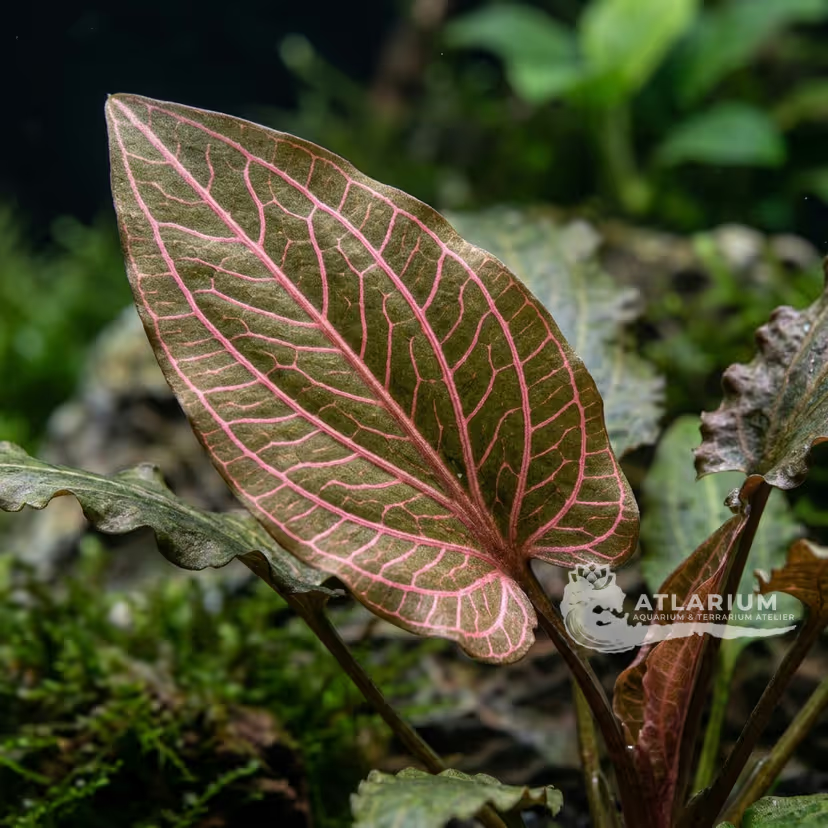
Cryptocoryne cordata var. siamensis 'Rosanervig'
Cryptocoryne cordata var. siamensis 'Rosanervig'
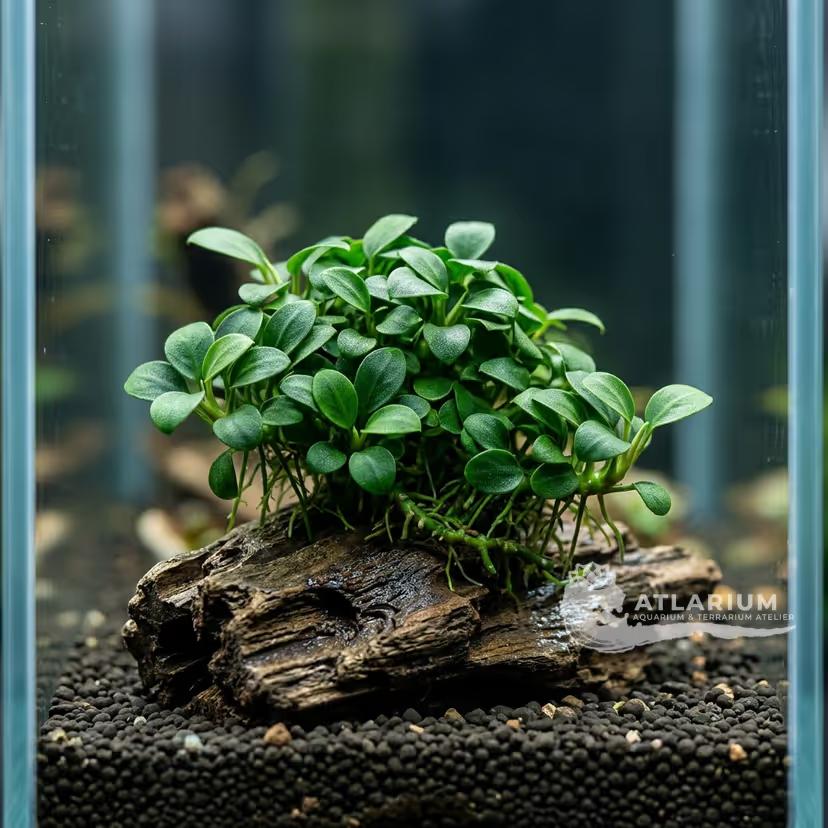
Anubias barteri var. nana 'Petite' ('Bonsai')
Anubias barteri var. nana 'Petite'

Bucephalandra sp. "Black Leaf"
Bucephalandra sp. "Black Leaf"

Anubias gracilis
Anubias gracilis

Giant Cryptocoryne Cordata
Cryptocoryne cordata var. cordata

Cryptocoryne albida
Cryptocoryne albida

Cryptocoryne beckettii
Cryptocoryne beckettii

Cryptocoryne beckettii "Petchii"
Cryptocoryne beckettii "Petchii"
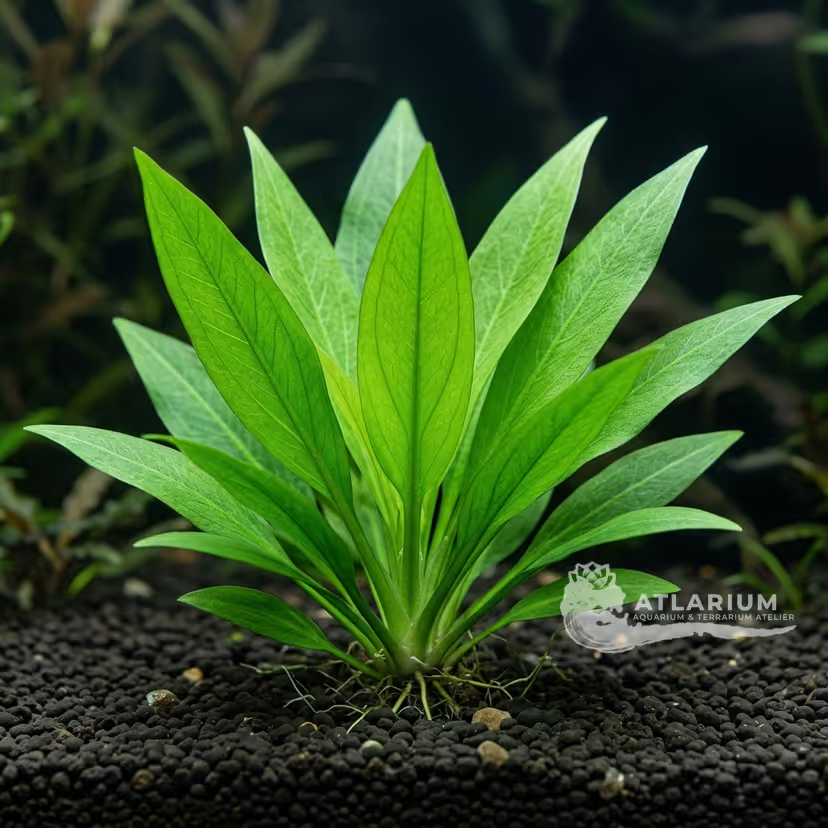
Cryptocoryne beckettii "Viridifolia"
Cryptocoryne beckettii "Viridifolia"