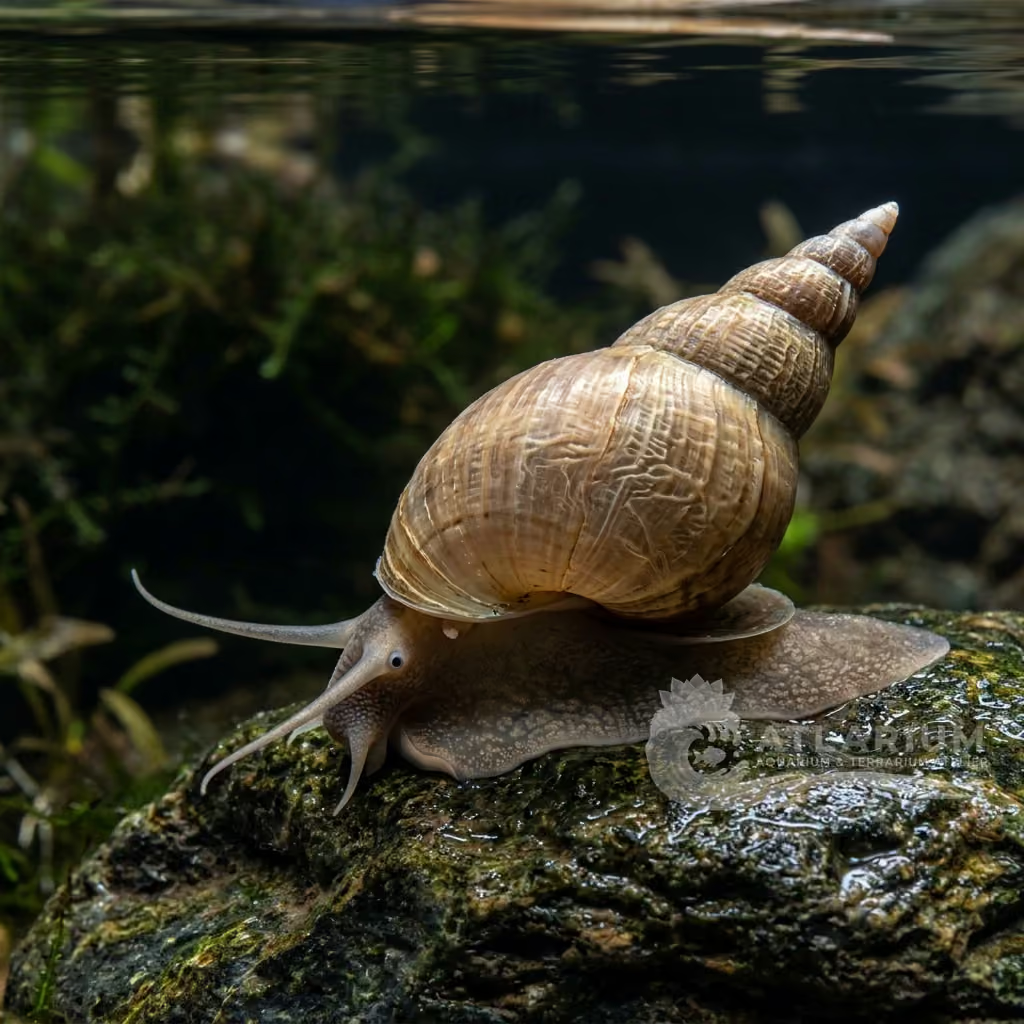
Zebra Nerite Snail
Vittina coromandeliana
A highly efficient algae-eating gastropod from the Indo-Pacific, easily recognized by its beautiful dark stripes and suitable for beginners due to its hardy nature.
Water Temperature
22 - 28 °C
pH Value
7 - 8.2
Water type
Freshwater
Invertebrate type
Freshwater snail
Adult size
2.5 cm
Minimum group
>= 1
GH
8 - 25 dGH
KH
5 - 15 dKH
TDS
170 - 525 ppm
Ecological role
Herbivore
Copper sensitivity
High

Species description
Geographical Origin and Habitat: Vittina coromandeliana is native to the coastal regions and estuaries of the tropical Indo-Pacific, notably around India, Sri Lanka, Indonesia, and the Philippines. In nature, it inhabits brackish tidal zones, mangrove swamps, and freshwater streams close to the sea, where it experiences fluctuating water conditions.
Taxonomy: Belonging to the family Neritidae and genus Vittina, this species is closely related to other popular nerites. It is frequently misidentified as Vittina natalensis in the aquarium hobby due to their similar striped appearance, but genetic and subtle shell morphology markers differentiate the two species.
Social Behavior: It is a peaceful, non-aggressive invertebrate that spends almost all of its active time scraping algae off solid surfaces. It is completely safe for planted aquariums as it does not consume live plants, only grazing on dead leaves and biofilm. It is active both during the day and night.
Coloration and Sexual Dimorphism: The shell features alternating dark brown to black and golden-yellow stripes that run diagonally or longitudinally. The texture is smooth and polished. There is no visible sexual dimorphism; males and females are anatomically identical from the outside, requiring dissection to determine sex.

Care, breeding and tankmates
Tank Setup: A minimum tank size of 5 to 10 gallons (20-40 liters) is recommended to ensure there is enough natural biofilm and algae growth to sustain them. A tight-fitting lid is mandatory, as nerites are notorious for crawling out of the tank. Provide rocks, driftwood, and broad-leaved plants to maximize grazing surfaces.
Diet and Feeding: They are strict herbivores that feed primarily on green algae, brown diatoms, and bacterial biofilm. They do not eat plants. In clean tanks, supplement their diet with high-quality spirulina wafers, algae sheets, or blanched vegetables like zucchini, though they may sometimes refuse artificial foods.
Water Quality: Keep the water temperature between 72-78 °F (22-26 °C). The pH should be maintained on the alkaline side, between 7.2 and 8.2. Hard water with a GH of 8-20 and KH of 6-15 is essential to provide calcium for shell growth; acidic water will dissolve their shells over time. Heavy metals like copper are highly toxic.
Compatibility and Tankmates: Ideal tankmates include peaceful community fish like tetras, guppies, rasboras, and freshwater shrimp. Avoid housing them with aggressive snail predators such as Puffers, Loaches (e.g., Clown Loaches), Crayfish, or Assassin Snails (Anentome helena), which will easily crack or consume them.
Aquarium Breeding: While they will lay small, capsule-like white eggs on wood and glass, these eggs will not hatch in freshwater. The larvae require brackish or marine water to survive their initial development stages, meaning they will not overpopulate a standard freshwater home aquarium.
Risks and Diseases: Snail starvation is a major risk in pristine tanks. Shell erosion or cracking is common in soft, acidic water due to calcium deficiency. Keepers must also ensure that any medication or plant fertilizers used in the tank are copper-free, as copper exposure is lethal to all invertebrates.

Geographic origin and distribution
Vittina coromandeliana is native to the coastal regions and estuaries of the tropical Indo-Pacific, notably around India, Sri Lanka, Indonesia, and the Philippines. In nature, it inhabits brackish tidal zones, mangrove swamps, and freshwater streams close to the sea, where it experiences fluctuating water conditions.
Origin
Selective breeding and cultivarsNorth AmericaSouth and Southeast AsiaTropical oceans and reefs

Invertebrate profile
- Diet
- Herbivore
- Vittina coromandeliana acts primarily as a detritivore and herbivore, endlessly moving over surfaces in search of food. They are renowned for their ability to consume various forms of problematic algae and biofilm. Sinking algae wafers can be offered if the tank is too clean to support them.
- Ecological role
- Herbivore
- As a member of the cleanup crew, Vittina coromandeliana performs an essential role in keeping hard surfaces pristine. They scrub algae from glass, rocks, and decorations without harming established plant life. Their waste also breaks down easily to nourish the biological filter.
- Adult size
- 2.5 cm
- Jump risk
- Yes
- While they obviously cannot jump, Vittina coromandeliana is notorious for venturing above the waterline. They can occasionally push their way past loose-fitting lids and fall out of the aquarium. Ensure there are no large gaps around the rim to prevent them from drying out on the floor.
- Shock sensitivity
- Medium
- Vittina coromandeliana benefits from a gentle acclimation period to equalize temperature and water chemistry. A sudden change in salinity or pH can cause them to clamp their operculum tightly and refuse to move. Patience during introduction ensures they quickly begin exploring the tank.
- Calcium and minerals
- High
- Vittina coromandeliana has a high demand for calcium to construct and maintain its dense shell. In water with poor mineral content, their shells can become pitted, thin, and brittle. Maintaining a stable pH and sufficient calcium levels is crucial to their long-term survival.
- Molting
- Yes
- Unlike crustaceans, Vittina coromandeliana does not undergo a molting process. Instead, it continuously adds new layers of calcium carbonate to the edge of its existing shell as it grows. Visible growth rings on the shell can indicate changes in diet or water chemistry over time.
- Reproduction
- Oviparous
- Many snails in this category require specific, often brackish, conditions for their eggs to successfully hatch. While they may lay resilient egg capsules on hard surfaces, these rarely develop in a standard aquarium. This makes Vittina coromandeliana excellent for aquarists who want to avoid overpopulation issues.
- Compatibility & tankmates
- Peaceful
- Vittina coromandeliana is completely defenseless, relying solely on its hard shell to deter aggression. It should never be housed with specialized snail-eating predators like pufferfish or loaches. They mix perfectly well with small fish, peaceful shrimp, and other serene invertebrates.

Related species
Recommendations grouped by close relatives, companion choices, and similar care.