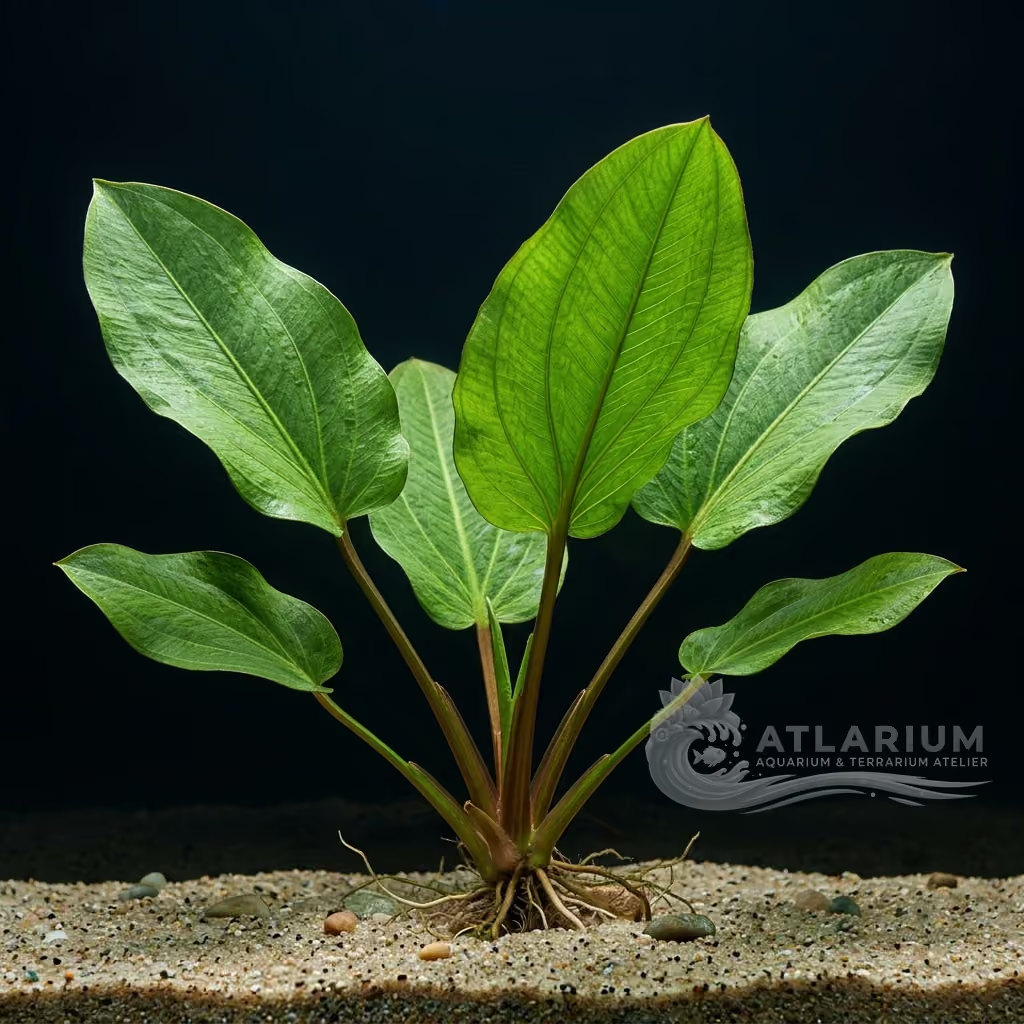
Amazon Sword
Aquarius grisebachii
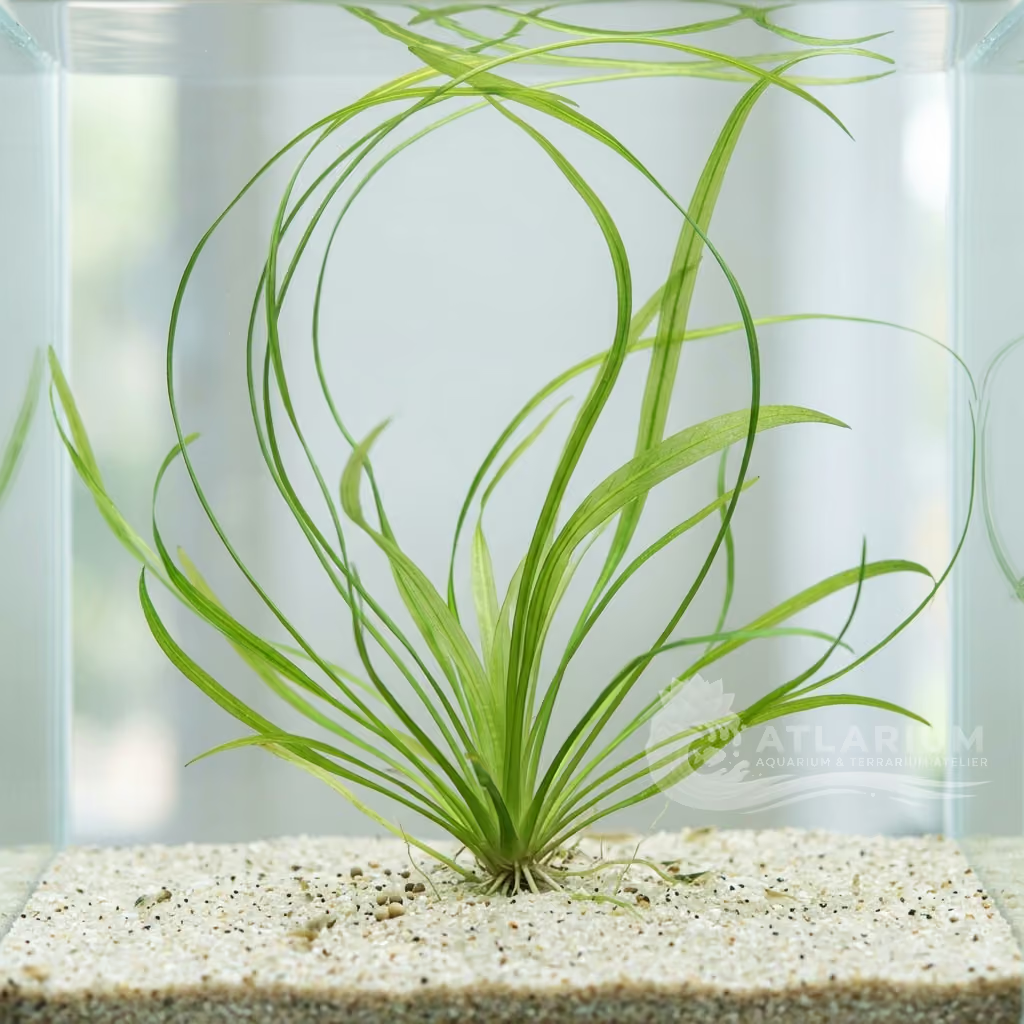
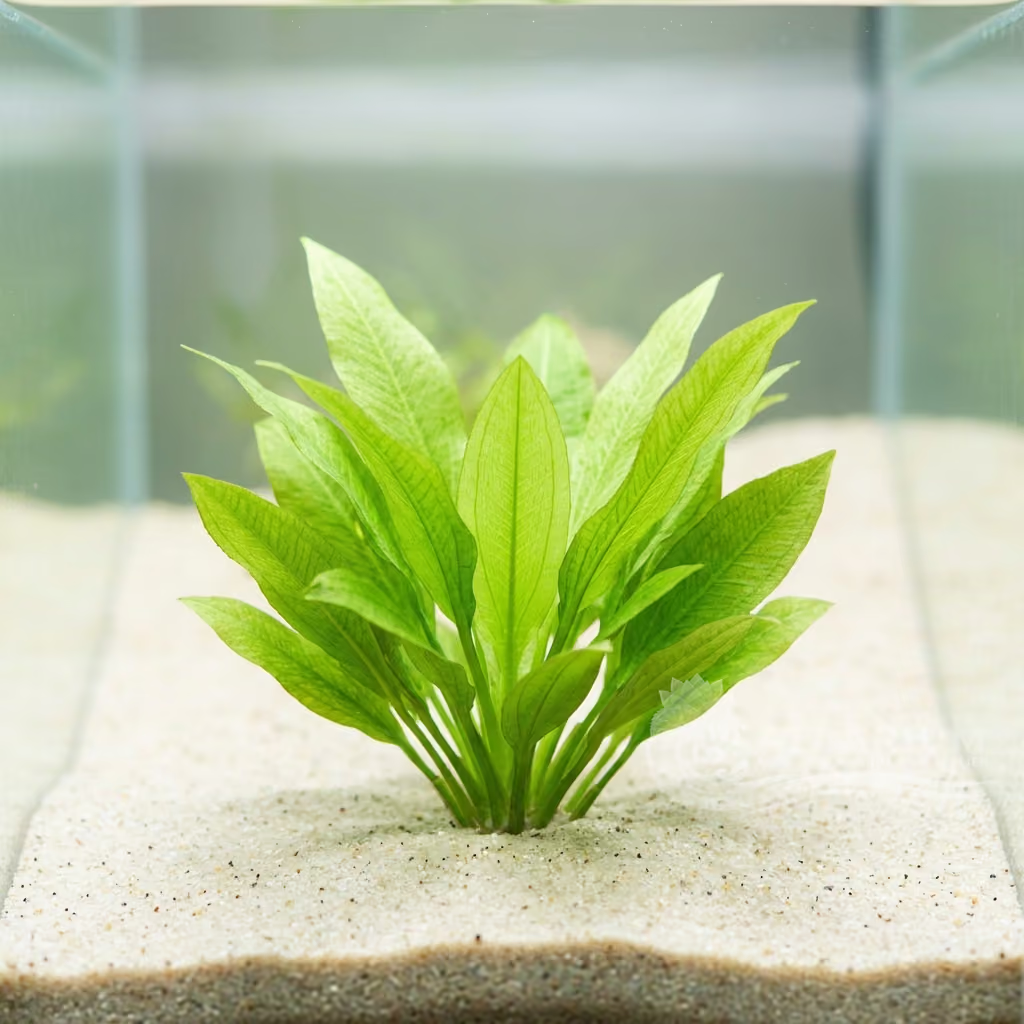
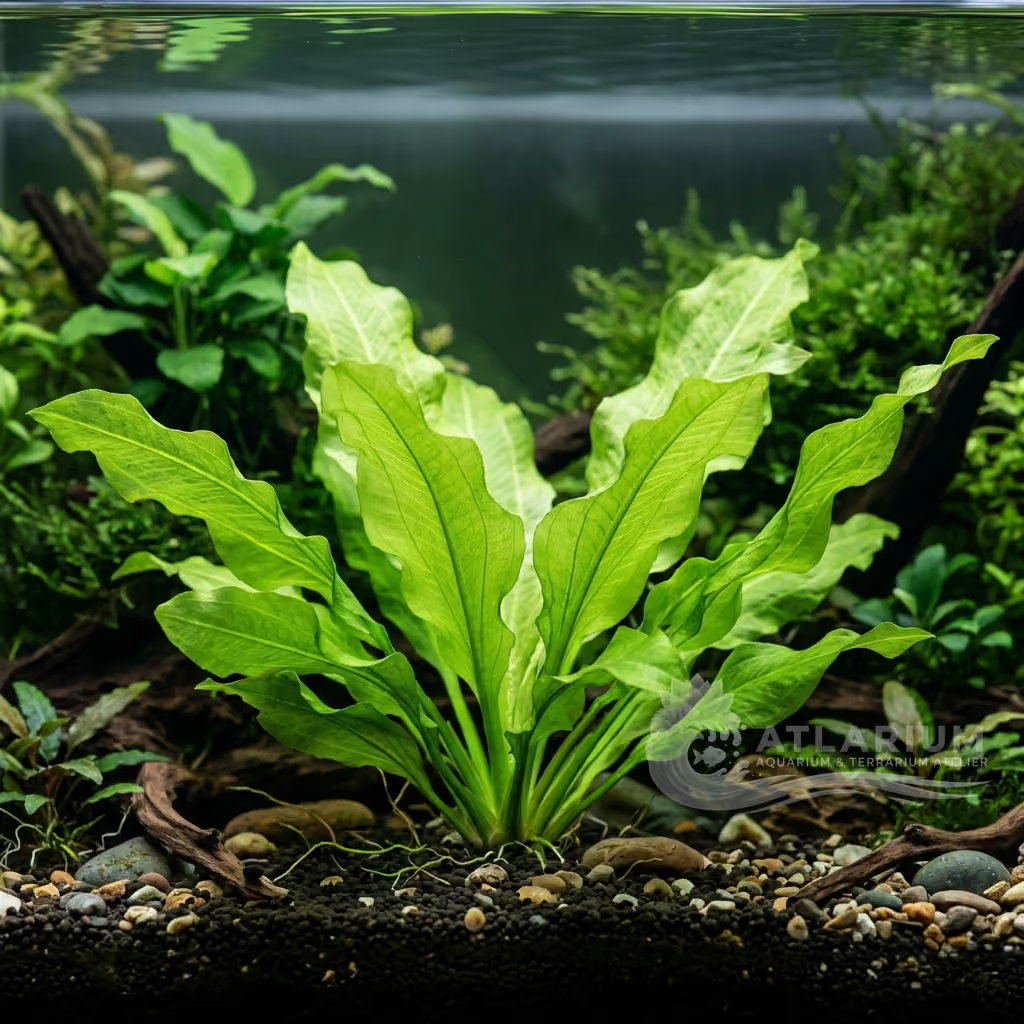
The quintessential solitary background plant. It develops large, bright green lanceolate leaves in an impressive rosette structure. Requires a thick, nutrient-rich substrate to support its massive root system.
Water Temperature
22 - 28 °C
pH Value
6.5 - 7.5
Water type
Freshwater
Light
Media
CO2
Bassa
Expected height
50 cm
Expected width
30 cm
GH
4 - 20 dGH
KH
2 - 15 dKH

Species description
Geographical Origin and Habitat: Echinodorus amazonicus is native to the Amazon River basin in South America. It grows along riverbeds, sandy or muddy banks, and floodplains subject to alternating periods of submersion and emersion. In the wild, it receives direct sunlight or light partially filtered by the forest canopy.
Taxonomy & Genetics: Belonging to the Alismataceae family, it is commonly known as the "Amazon Sword." Often confused with Echinodorus grisebachii, it has been a staple species in the aquarium hobby for decades. Genetically, it is a vigorous and stable plant capable of producing significant biomass when nutritional conditions are favorable.
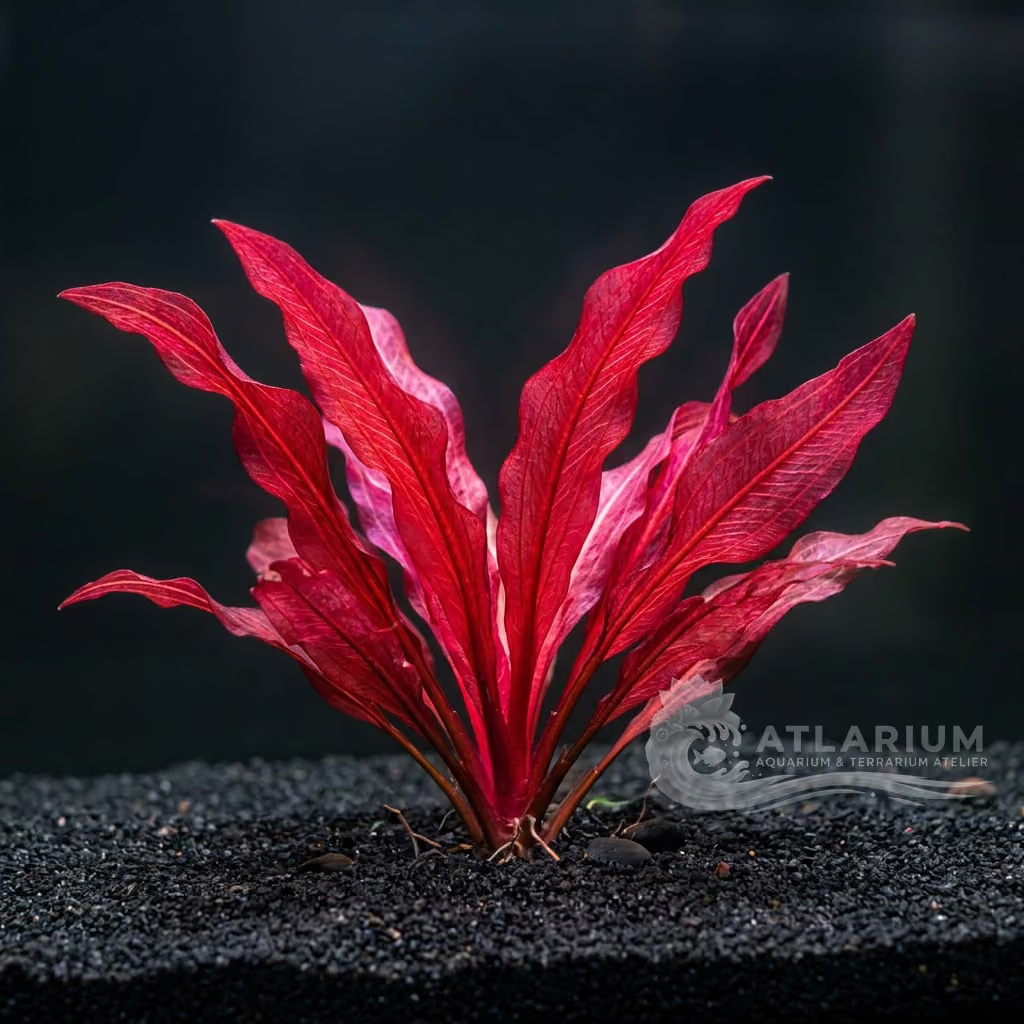
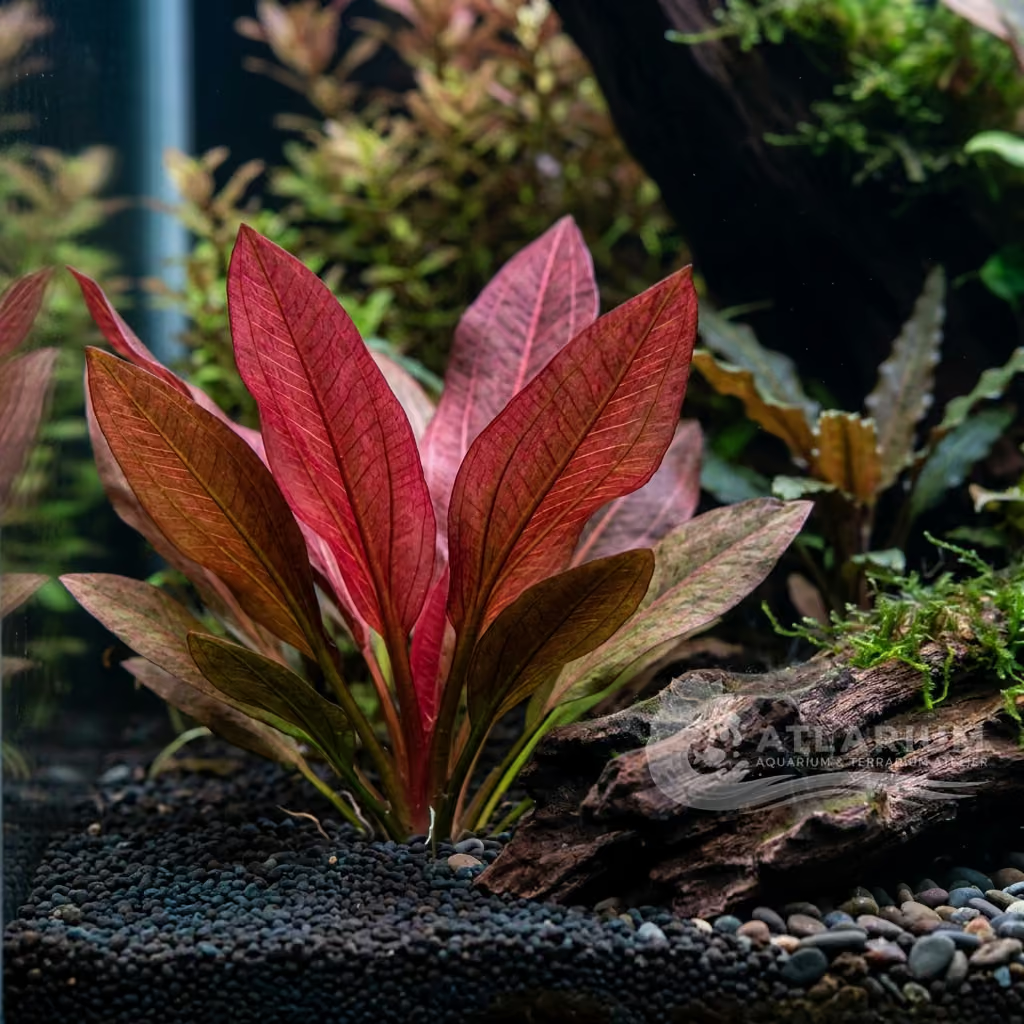
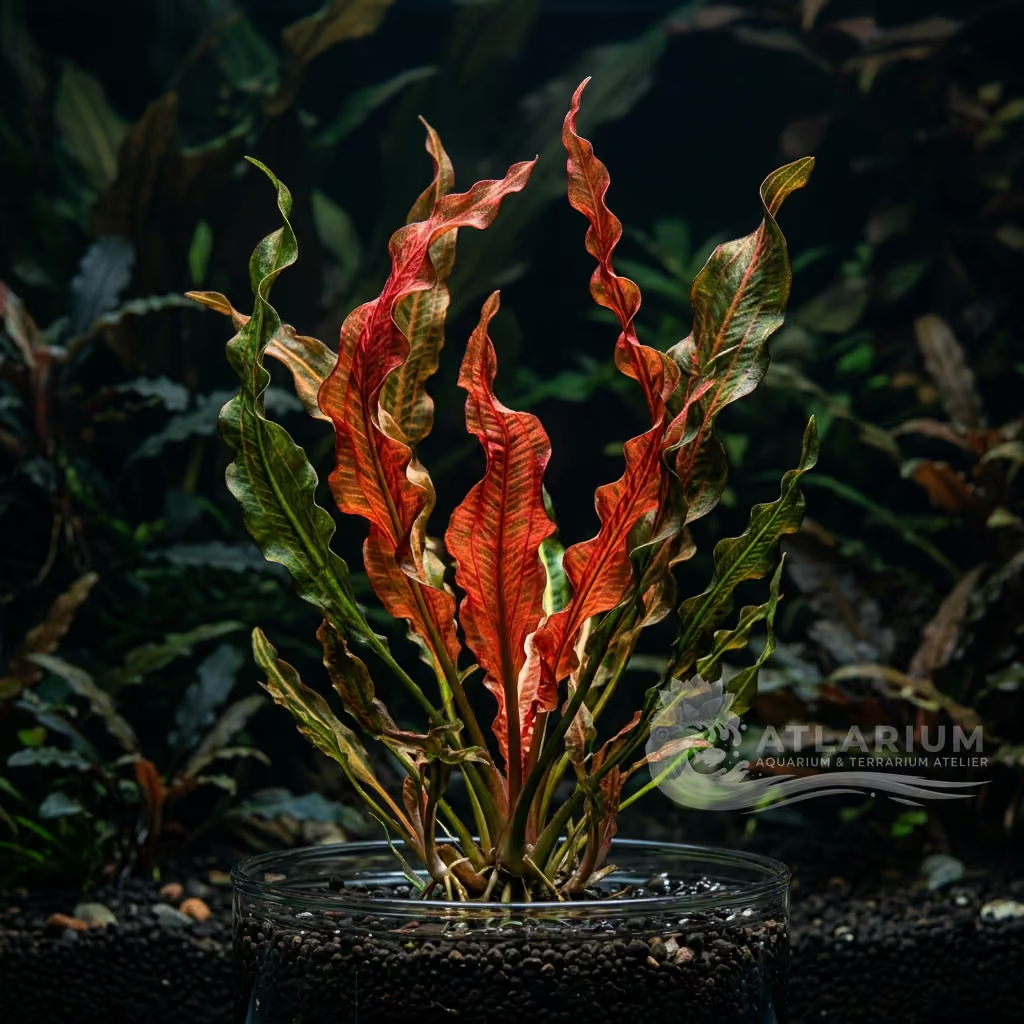
Physical Structure: It features an imposing rosette growth habit, with narrow, elongated lanceolate leaves that can reach 30-50 cm in height. The leaves are supported by short, sturdy petioles. The root system is exceptionally well-developed, with thick, branching roots that penetrate deeply into the substrate.
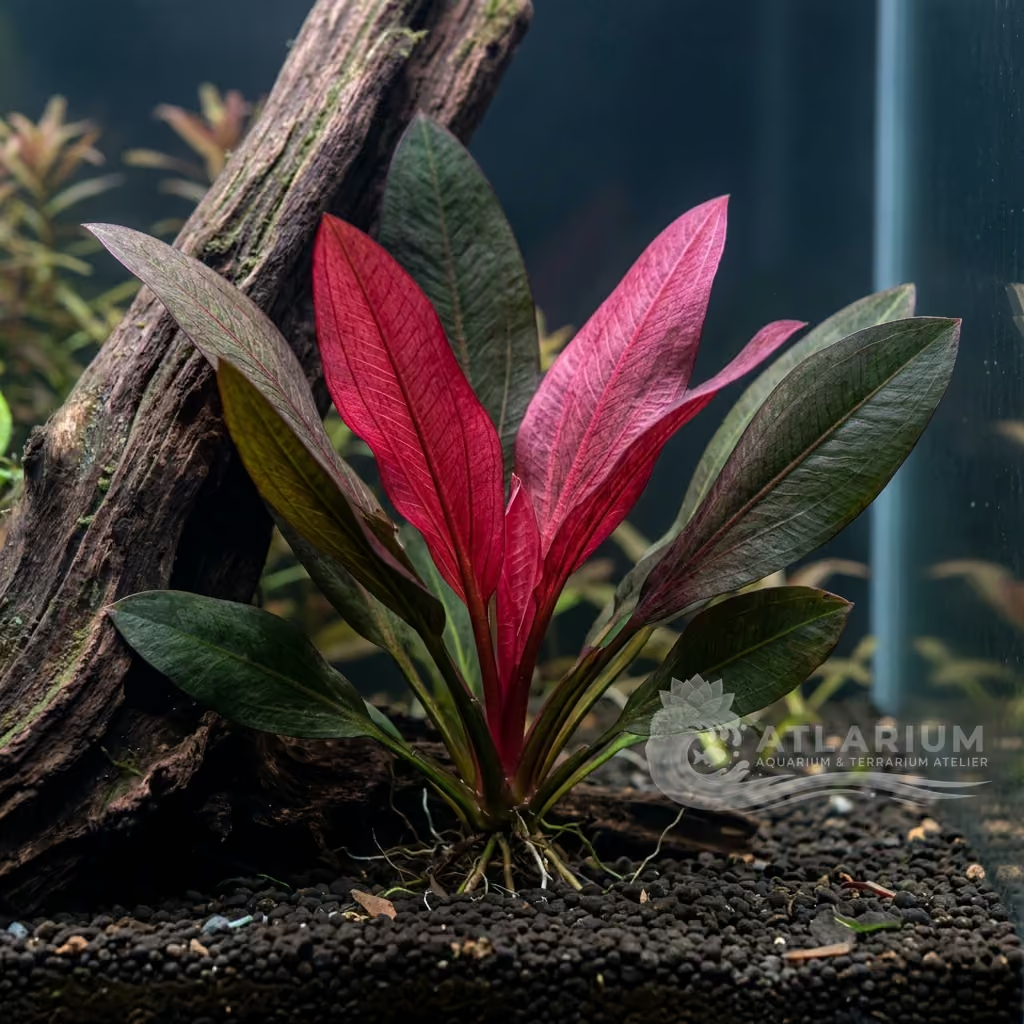
Color & Texture: The leaves exhibit a uniform, bright green color, slightly translucent when young. The leaf lamina is smooth and thin yet durable, with clearly visible parallel longitudinal veins running from the base to the apex of the leaf, creating a symmetrical and slender texture.

Care, breeding and tankmates
Lighting & CO2: Requires moderate to high lighting to support its rapid growth rate. CO2 injection, though not strictly mandatory for survival, greatly stimulates growth and prevents the development of chlorosis. It helps keep the foliage green and robust.
Nutrition & Substrate: It is a heavy root feeder, drawing almost all of its nutrition through its root system. It requires a deep (at least 6-8 cm), fertilized substrate and responds critically to the addition of root tabs rich in iron and other microelements placed near its roots.
Water Chemistry: Thrives in temperatures between 22 and 28°C (72-82°F), with an optimal pH range of 6.0 to 7.5. It adapts well to soft or moderately hard water. It is sensitive to high concentrations of copper and sudden changes in salinity.
Space Management & Placement: Should be positioned exclusively in the background or as a central specimen plant due to its large size. Over time, a single plant can shade large areas of the tank, requiring careful planning of surrounding space.
Pruning: Pruning is done by removing the oldest or damaged outer leaves at the periphery of the rosette, cutting the petiole as close as possible to the base of the plant. It propagates by sending out long submerged runners on which adventitious plantlets grow.
Risks & Diseases: The primary risk is iron deficiency, which quickly manifests as yellowing of new leaves (chlorosis) or transparent, weakened foliage. Large herbivorous or algae-eating fish (such as Plecostomus or larger Ancistrus) can damage the leaves by rasping and puncturing them.

Geographic origin and distribution
Echinodorus amazonicus is native to the Amazon River basin in South America. It grows along riverbeds, sandy or muddy banks, and floodplains subject to alternating periods of submersion and emersion. In the wild, it receives direct sunlight or light partially filtered by the forest canopy.
Origin
Amazon, Orinoco, and Guianas

Plant profile
- Placement
- Background
- Aquarius grisebachii is best utilized as a striking midground or background plant, depending on the size of the aquarium. When planted in groups, leave enough distance between individual crowns to accommodate future growth. It should be placed where it will not excessively shade smaller foreground species with its large leaves. Its bold texture contrasts beautifully with fine-leaved stem plants and low-growing carpeting species.
- Botanical form
- Rosette
- Botanically, Aquarius grisebachii typically exhibits a classic rosette form with leaves radiating from a central crown. The overall architecture of the plant provides excellent hiding spots for shy fish and aquatic invertebrates. A strong, extensive root system firmly anchors the plant in the substrate and supports its large canopy. The leaves are generally broad and gracefully shaped, held aloft on sturdy and resilient petioles.
- Growth
- Fast
- The growth rate of Aquarius grisebachii is generally moderate, but it can be accelerated under optimal conditions. Under lower light, the growth will be noticeably slower and the plant will remain more compact. High intensity lighting and the addition of CO2 injection will significantly boost the production of new leaves. Regularly trimming older, damaged, or algae-covered leaves encourages the plant to direct energy into fresh growth.
- Substrate
- High
- A nutrient-rich substrate is highly recommended for Aquarius grisebachii as it is a heavy root-feeder. If planted in inert gravel or sand, root tabs must be inserted deep near the base to supply essential minerals. Using a commercial aquasoil or a well-prepared dirted tank approach provides an excellent foundation. A deep substrate bed of at least 2-3 inches allows for proper and extensive root development.
- Column fertilization
- Optional
- While primarily a root feeder, Aquarius grisebachii benefits significantly from supplemental water column fertilization. It is important to avoid over-dosing nitrogen in the water column to prevent excessive algae growth on the leaves. Iron and trace elements are particularly easily absorbed directly through the expansive leaf surfaces. Regular dosing of a comprehensive liquid fertilizer ensures that essential micronutrients are readily available.
- Root fertilization
- Required
- Root tabs are absolutely essential if Aquarius grisebachii is kept in an inert or depleted substrate. The expansive root system is incredibly efficient at seeking out and absorbing localized pockets of nutrients. Capsules or tablets should be placed deeply around the root zone every few months to replenish exhausted nutrients. Even when grown in premium aquasoils, supplemental root fertilization may become necessary as the tank matures.
- Trimming
- Occasional
- Pruning is necessary to control its size and remove aging foliage. Simply snip the oldest, outermost leaves as close to the base as possible with sharp scissors. Never cut the leaves in half, as the remaining portion will die and rot. If the plant becomes too large, removing several of the largest outer leaves will temporarily reduce its footprint.
- Propagation
- Runners
- Propagation of Aquarius grisebachii is most commonly achieved through adventitious plantlets that form on flowering stalks. Crown division requires careful handling to avoid excessive damage to the delicate central meristem. Once these daughter plantlets develop their own distinct roots and a few leaves, they can be carefully detached. These newly separated plants should be planted directly into the substrate where they will quickly establish.
- Sensitivity
- Moderate
- The Amazon Sword is exceptionally hardy and forgiving of fluctuating water parameters, making it a staple for beginners. However, it is sensitive to iron deficiency (chlorosis), which causes new leaves to emerge pale or white. It is also susceptible to algae growth on older, slow-growing leaves if water flow is poor. It dislikes having its massive root system disturbed once established.
- Layout role
- accent, Background
- It is the quintessential background plant, offering a dense, vibrant green backdrop that contrasts beautifully with colorful fish. Its broad leaves provide excellent hiding places and spawning sites for species like Angelfish and Discus. It anchors the aquascape, providing a strong sense of verticality and volume. In larger layouts, a single, massive Amazon Sword can serve as a stunning centerpiece.

Related species
Recommendations grouped by close relatives, companion choices, and similar care.