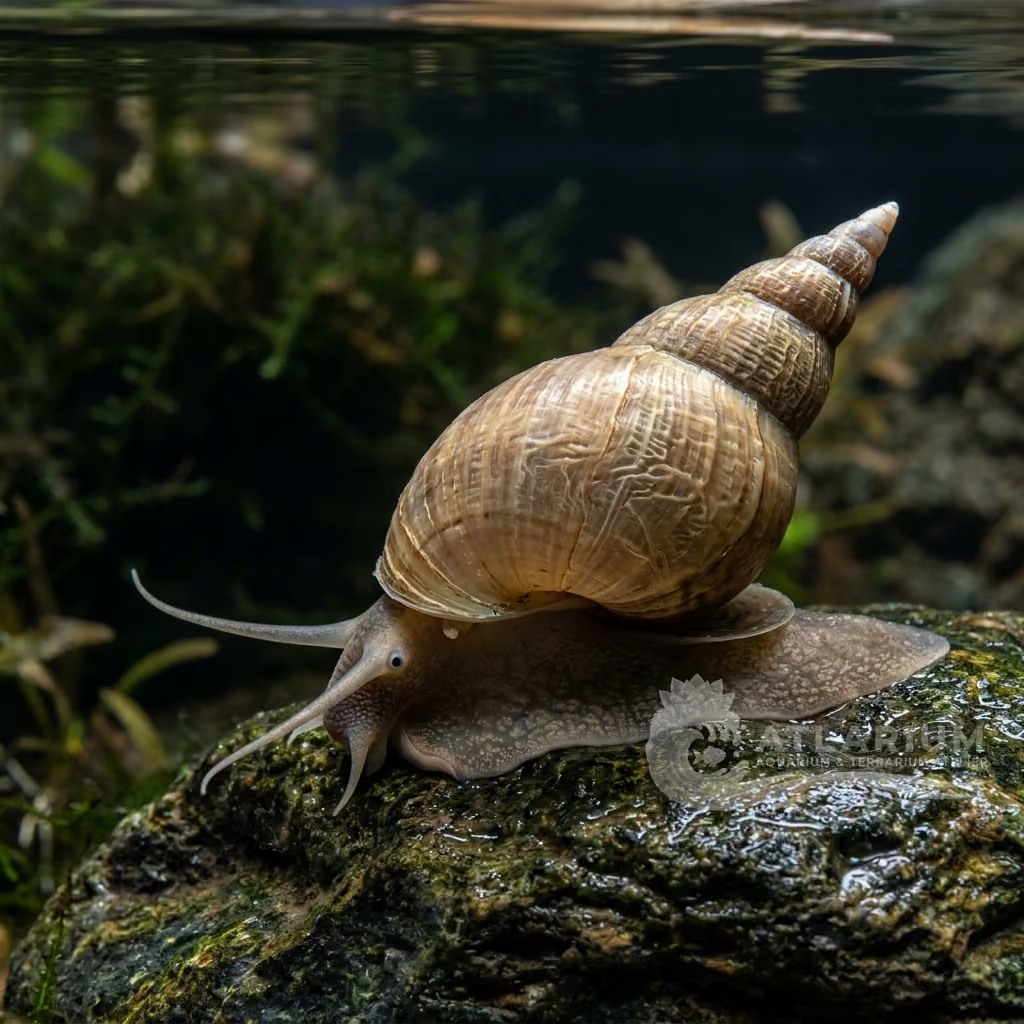
Hercules snail
Brotia herculea
The Hercules Snail is a colossal freshwater gastropod from Southeast Asia. Due to its massive size and waste output, it demands large tanks with deep, soft substrates.
Water Temperature
20 - 28 °C
pH Value
7 - 8.4
Water type
Freshwater
Invertebrate type
Freshwater snail
Adult size
8 cm
Minimum group
>= 1
GH
6 - 20 dGH
KH
3 - 15 dKH
TDS
120 - 450 ppm
Ecological role
Scavenger
Copper sensitivity
High

Species description
Geographical Origin and Habitat: The Hercules Snail (*Brotia herculea*) is a colossal, magnificent freshwater gastropod natively endemic to the warm, slow-moving rivers, muddy streams, and sediment-rich wetlands of Southeast Asia (primarily Thailand and Myanmar). Their natural biotope is defined by heavily silted, deep, soft-mud bottoms layered with immense quantities of decaying hardwood leaves and submerged root systems, where they function as apex detritivores, plowing heavily through the soft substrate.
Taxonomy: Scientifically classified within the Pachychilidae family (like the Pagoda Snail), they are true titans of the freshwater snail world. Fully mature adults routinely reach an absolutely massive 8.0 to 10.0 centimeters (3.1-4.0 inches) in length, making them significantly larger than most Apple Snails. They possess an incredibly heavy, thick, elongated conical shell with deep, prominent ridges (whorls). They breathe via gills entirely underwater and possess a thick, dark operculum (trapdoor) for defense.
Social Behavior: They are exceptionally peaceful, slow-moving, gentle giants. Despite their monstrous, intimidating size, they possess zero aggression and completely ignore all fish and dwarf shrimp. They are heavily substrate-bound scavengers; they use their massive, muscular foot to drag their colossal, heavy shells across the sand, frequently burying themselves partially in the substrate to unearth rotting organic matter and uneaten food. They are most active during the twilight hours.
Coloration and Sexual Dimorphism: Sexual dimorphism is visually non-existent; they possess distinct male and female sexes, but the human eye cannot differentiate them. The massive, deeply ridged, elongated shell is designed to mimic submerged dead wood. The base coloration is generally a deeply textured, highly saturated dark brown, chocolate, or mahogany, often with incredibly subtle, lighter tan or yellowish bands along the deepest grooves. Their massive, muscular foot is usually a pale, ghostly grey-white or light yellow.

Care, breeding and tankmates
Tank Setup: The aquarium architecture MUST accommodate their colossal adult size and their biological need to interact with the substrate. A minimum 100-liter (25-gallon) tank is absolutely mandatory for a single adult due to their massive waste output.
CRITICAL REQUIREMENT: The tank MUST feature a deep (2-3 inches), soft sand substrate. Rough, sharp gravel will severely injure their massive, soft foot and prevent them from natural foraging behaviors. They do not climb and do not require tight lids.
Diet and Feeding: They are ravenous, heavy-duty detritivores and partial filter-feeders.
CRITICAL CLARIFICATION: Despite their terrifying size, Hercules Snails generally DO NOT eat healthy, living aquarium plants, making them a safe (though clumsy) giant for planted tanks. They strictly consume massive amounts of decaying plant matter, dead leaves, and uneaten fish food. Their massive appetite MUST be fueled daily with copious amounts of premium sinking wafers, fish food leftovers, and large blanched vegetables (zucchini).
Water Quality: Originating from the warm, muddy rivers of Thailand, they demand stable tropical heat (24-28°C / 75-82°F). Because they are so large and eat so much, they produce an immense amount of physical waste; flawless, heavy-duty filtration and rigorous water changes are mandatory to prevent Ammonia spikes. They possess an uncompromising biological requirement for HARD, highly alkaline water (GH 8-20, pH 7.2 - 8.5) rich in calcium. Soft, acidic water will rapidly and lethally erode their massive shells.
Compatibility and Tankmates: Compatibility is generally excellent due to their peaceful nature and immensely thick, impenetrable shell. They are the perfect (though clumsy) giant cleanup crew for peaceful community tanks. They completely ignore fish. However, they MUST NEVER be housed with aggressive, snail-eating predators (massive Loaches, large Cichlids) that will relentlessly attack their vulnerable soft foot or try to flip them over. Excellent companions include schooling fish, Corydoras, and peaceful bottom-dwellers.
Aquarium Breeding: Breeding the Hercules Snail is incredibly slow and highly uncommon, making them quite rare in the hobby. They are livebearers (viviparous); females incubate the eggs internally and give birth to fully formed, surprisingly large miniature snails (which are born with smooth shells that develop ridges later). Because they reproduce incredibly slowly, giving birth to only a few young a year, they will absolutely NEVER overpopulate a tank or become a "pest."
Risks and Diseases: The absolute greatest physical risk is agonizing death from massive shell degradation caused by keeping them in soft, acidic water lacking calcium; extremely hard, highly alkaline water is unconditionally mandatory. The second major risk is lethal starvation; owners fail to realize their colossal appetite and do not provide enough heavy vegetable and sinking pellet foods. Finally, keeping them on sharp gravel will cause severe, lethal lacerations to their massive, fleshy foot.

Geographic origin and distribution
The Hercules Snail (*Brotia herculea*) is a colossal, magnificent freshwater gastropod natively endemic to the warm, slow-moving rivers, muddy streams, and sediment-rich wetlands of Southeast Asia (primarily Thailand and Myanmar). Their natural biotope is defined by heavily silted, deep, soft-mud bottoms layered with immense quantities of decaying hardwood leaves and submerged root systems, where they function as apex detritivores, plowing heavily through the soft substrate.
Origin
Tropical oceans and reefsNorth AmericaEurope, Mediterranean, and West AsiaSouth and Southeast AsiaEast Asia

Invertebrate profile
- Diet
- Biofilm grazer
- The diet of Brotia herculea typically reflects its natural foraging behavior as a freshwater snail. It thrives on a varied diet that can include specialized commercial foods, naturally occurring biofilm, and appropriately sized organic matter. Providing a balanced nutritional profile ensures robust health, strong coloration, and proper energy levels. Supplemental feeding should be adjusted based on the maturity of the tank and the presence of natural food sources.
- Ecological role
- Scavenger
- In its native habitat and the home aquarium, Brotia herculea plays a vital ecological role. It contributes significantly to the processing of organic waste and the maintenance of a balanced micro-ecosystem. By engaging in natural behaviors like scavenging, grazing, or sifting, it helps prevent the accumulation of detritus. This species is often considered a crucial component of a comprehensive clean-up crew.
- Adult size
- 8 cm
- Jump risk
- Yes
- Despite being aquatic, Brotia herculea can present a flight or jump risk under certain conditions. Many invertebrates will attempt to climb out of the water if parameters drop off, oxygen is low, or they are harassed by tank mates. A tightly fitting lid or screen top is highly recommended to prevent accidental desiccation. Ensuring ideal water conditions is the best deterrent to escape attempts.
- Shock sensitivity
- High
- Sudden shifts in water parameters can trigger severe osmotic shock in Brotia herculea. It requires slow, careful acclimation, preferably using the drip method over several hours. Rapid changes in temperature, salinity, or pH can lead to immediate stress, failed molts, or mortality. Maintaining absolute stability in the tank is more important than chasing specific target values.
- Calcium and minerals
- High
- Adequate calcium levels are absolutely essential for the structural integrity and growth of Brotia herculea. For crustaceans and snails, it facilitates proper shell and exoskeleton development, while for corals, it builds the skeletal structure. Aquarists must regularly monitor calcium concentration alongside alkalinity and magnesium. Supplementation through specialized products or mineral-rich foods may be necessary in depleted systems.
- Molting
- Shell growth
- If applicable to this species, the molting process is a highly vulnerable period for Brotia herculea. During this time, the animal will hide while its new exoskeleton hardens, requiring peace and stable water chemistry. The discarded molt should generally be left in the tank, as it provides a valuable source of recycled minerals. A lack of iodine or calcium can lead to fatal molting issues, often referred to as the 'white ring of death'.
- Reproduction
- Variable
- The reproductive strategy of Brotia herculea can range from simple cloning and fragmentation to complex larval stages requiring varying water conditions. Successful captive breeding often signifies excellent water quality and a well-balanced environment. While some species will readily multiply and populate the tank, others may require specialized rearing setups for the offspring to survive. Researching their specific larval development phase is critical for aquarists aiming to breed them.
- Compatibility & tankmates
- Peaceful
- When selecting tank mates for Brotia herculea, cautious planning is imperative to avoid predation or aggressive competition. Small or peaceful invertebrates should not be housed with aggressive fish, loaches, or large crabs that might view them as food. Conversely, some specialized invertebrates form symbiotic relationships that can be highlighted in a community setup. A heavily planted or intricately rock-scaped tank often provides necessary refuges.

Image gallery
Licensed images linked to the species or, when marked, to the closest representative taxon.

Related species
Recommendations grouped by close relatives, companion choices, and similar care.