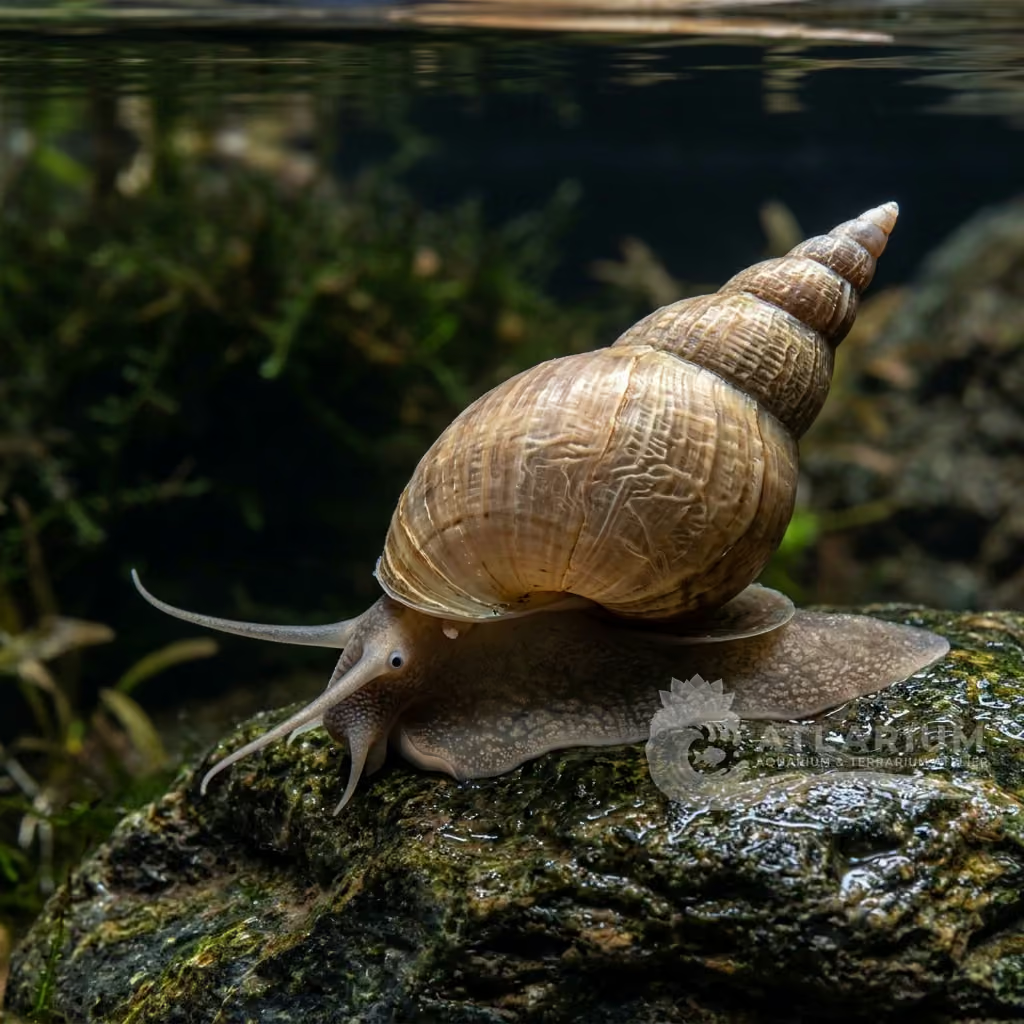
Diadem nerite snail
Clithon diadema
The Diadem Nerite Snail is a highly efficient freshwater algae consumer with a distinctively spiked shell. It requires hard water and a tight-fitting lid.
Water Temperature
20 - 28 °C
pH Value
7 - 8.4
Water type
Freshwater / Brackish
Invertebrate type
Freshwater snail
Adult size
2 cm
Minimum group
>= 1
GH
6 - 20 dGH
KH
3 - 15 dKH
TDS
120 - 450 ppm
Ecological role
Scavenger
Copper sensitivity
High

Species description
Geographical Origin and Habitat: Endemic to a massive geographical range encompassing the tropical Indo-Pacific region, natively colonizing the shallow coastal rivers, tidal estuaries, and brackish mangrove swamps of Southeast Asia, specifically the Philippines, Indonesia, and Malaysia. Clithon diadema (the Diadem Nerite Snail) naturally inhabits the high-energy intertidal zone where freshwater rivers collide with the ocean. These micro-habitats are fundamentally characterized by extremely shallow, sun-drenched, fast-flowing water, and massive expanses of smooth river boulders totally smothered in thick biofilms, green algae, and tough diatoms.
Taxonomy: Scientifically classified within the Neritidae family (the nerite snails). Taxonomically, the Clithon genus comprises heavily armored, amphibious freshwater snails. Morphologically, it is slightly larger than the Horned Nerite, reaching a maximum diameter of 2.5 to 3 centimeters (1-1.2 inches). Its defining evolutionary adaptation is its magnificent, domed, highly calcified shell, famously adorned with a prominent "crown" or "diadem" of long, sharp, outward-radiating calcified spikes. These aggressive spikes serve as a highly effective defense against predators attempting to crush them.
Social Behavior: They are completely peaceful, non-aggressive, and incredibly methodical biological bulldozers. They possess zero territorial instincts and completely ignore fish, shrimp, and other snails. Like all Nerites, they are relentless, unstoppable eating machines. They spend 100% of their waking hours locked onto hard surfaces (aquarium glass, massive river stones, and sunken driftwood), relentlessly scraping away the most stubborn, hard-to-remove algae films (like Green Spot Algae). They are highly amphibious and will frequently climb completely out of the water to rest above the waterline.
Coloration and Sexual Dimorphism: Sexual dimorphism is virtually non-existent visually; distinguishing males from females requires microscopic anatomical dissection. The coloration is globally famous, striking, and incredibly variable; no two snails possess the exact same pattern. The base shell coloration typically ranges from deep olive-green and golden-yellow to rich chestnut-brown. This base is almost always heavily overlaid with a complex, dizzying pattern of thick, spiraling black bands, delicate zigzag lines, or intricate mottled spotting, creating a spectacular visual contrast in the aquarium.

Care, breeding and tankmates
Tank Setup: The aquarium architecture must flawlessly accommodate their unstoppable algae-grazing habits and amphibious escape attempts. A minimum 30-liter tank is sufficient, provided it is biologically mature. The layout MUST feature massive amounts of smooth hardscape (large, flat river stones and extensive, branching driftwood) positioned directly under bright lighting to intentionally cultivate heavy algae growth. The absolute, non-negotiable requirement is a completely sealed, heavy, tight-fitting lid with zero gaps. If the tank is open, they will relentlessly climb out and desiccate on the floor.
Diet and Feeding: In their sunlit Indo-Pacific estuaries, they are highly specialized, obligate algivores. They use their specialized radula (a raspy, tooth-covered tongue) to shear tough diatoms and green algae off rocks. In captivity, they are ravenous grazers but strictly refuse to eat healthy aquatic plants. Their diet MUST consist almost entirely of naturally occurring aquarium algae. If the tank is perfectly clean, they will quickly starve. Their diet MUST be supplemented with sinking spirulina wafers, blanched zucchini, and calcium-rich foods (cuttlebone) to maintain shell integrity.
Water Quality: Originating from tidal estuaries, they are incredibly adaptable to varying salinities but absolutely demand specific chemistry for shell health. They thrive in warm tropical temperatures (22-28°C / 72-82°F). Crucially, they strictly require hard, highly alkaline water (pH 7.5 - 8.5, GH 10-25) heavily saturated with dissolved calcium. If kept in soft, acidic water, their calcified, spiked shells will rapidly dissolve, pitting and cracking until the snail dies of exposure. They possess absolute zero tolerance for ammonia or nitrites.
Compatibility and Tankmates: They are the absolute perfect, bizarre, and highly functional clean-up crew for any peaceful community tank. Because they are completely peaceful and heavily armored with spikes, they are practically invincible to most casual nipping. Excellent tankmates are peaceful community fish, dwarf shrimp (Neocaridina), and peaceful bottom-dwellers. However, they MUST NEVER be housed with specialized snail-eating predators: large Pufferfish, massive Loaches (like adult Clown Loaches), or Assassin Snails (Clea helena), which will relentlessly hunt and consume them.
Aquarium Breeding: Breeding in a standard freshwater aquarium is absolutely impossible, making them the perfect, non-invasive cleanup crew. They reproduce via an incredibly complex, amphidromous lifecycle. In the aquarium, females will relentlessly pepper the glass and driftwood with hundreds of tiny, hard, sesame-seed-like white egg capsules. While highly unsightly, these eggs will NEVER hatch in freshwater. In the wild, the microscopic larvae wash out into the ocean to develop in full marine salinity before crawling back up into the freshwater estuaries as miniature adults.
Risks and Diseases: The absolute greatest physical risk is escaping the tank and desiccating; a tight-fitting lid is strictly mandatory for these amphibious escape artists. The second major risk is severe shell erosion and death caused by keeping them in soft, acidic water lacking massive amounts of calcium. The third major risk is slow starvation in a brand new, perfectly clean tank; they MUST only be added to mature aquariums with established algae. Medically, as invertebrates, they possess absolute zero tolerance for any copper-based medications.

Geographic origin and distribution
Endemic to a massive geographical range encompassing the tropical Indo-Pacific region, natively colonizing the shallow coastal rivers, tidal estuaries, and brackish mangrove swamps of Southeast Asia, specifically the Philippines, Indonesia, and Malaysia. Clithon diadema (the Diadem Nerite Snail) naturally inhabits the high-energy intertidal zone where freshwater rivers collide with the ocean. These micro-habitats are fundamentally characterized by extremely shallow, sun-drenched, fast-flowing water, and massive expanses of smooth river boulders totally smothered in thick biofilms, green algae, and tough diatoms.
Origin
Tropical oceans and reefsSouth and Southeast Asia

Invertebrate profile
- Diet
- Biofilm grazer
- The dietary requirements for Clithon diadema revolve heavily around their constant grazing on biofilm and algae. In a mature aquarium, they will naturally find a significant portion of their food by foraging across surfaces. However, it is important to supplement their diet with high-quality commercial foods designed specifically for them. Vegetable matter, blanched spinach, or specialized sinking pellets can ensure they receive full nutrition. Providing a varied and balanced diet directly correlates to better coloration, growth rates, and overall vitality.
- Ecological role
- Scavenger
- In their natural habitat, Clithon diadema plays a vital ecological role as part of the clean-up crew. They help maintain the balance of their ecosystem by breaking down decaying organic matter and consuming nuisance algae. This natural behavior translates perfectly into the home aquarium, where they serve as tireless workers keeping the environment pristine. By reducing the buildup of detritus, they indirectly improve water quality and prevent the spread of harmful pathogens. Their constant activity makes them a functional and invaluable addition to any balanced aquatic system.
- Adult size
- 2 cm
- Jump risk
- Yes
- Aquarists should be aware that Clithon diadema has a known tendency for climbing up the glass out of the water. This usually happens if water parameters deteriorate, prompting an instinctual escape response to find better conditions. A tight-fitting lid or a custom mesh screen on the aquarium is highly recommended to prevent any dry tragedies. Keeping the water level an inch or two below the rim can also deter escape attempts effectively. If an individual is found outside the tank, returning it quickly to the water might still save it if it hasn't completely dried out.
- Shock sensitivity
- High
- It is widely documented that Clithon diadema is incredibly susceptible to osmotic shock and rapid shifts in water parameters. When introducing them to a new tank, a slow drip acclimation process over several hours is strictly necessary. Sudden fluctuations in temperature, pH, or dissolved solids can lead to immediate stress, failed molts, or death. Aquarists must ensure that top-offs are done slowly and with matched water to maintain stability. Routine water changes should be smaller and more frequent rather than large, sudden replacements.
- Calcium and minerals
- High
- Adequate calcium levels are fundamentally important for the survival and growth of Clithon diadema. Calcium is the primary building block for their exoskeleton or shell, and a deficiency can lead to fatal structural issues. The water column must have a balanced general hardness (GH) to provide dissolved minerals for absorption. Additionally, offering calcium-enriched foods or specialized mineral supplements can greatly assist their biological needs. Regular testing of the water's mineral content is recommended to ensure they have enough raw materials to thrive.
- Molting
- No
- The molting process is the most vulnerable time in the life cycle of Clithon diadema. During this period, they shed their old exoskeleton to grow, leaving them soft and defenseless for a short window. It is crucial to provide ample hiding spaces, such as dense moss, tubes, or leaf litter, so they can retreat safely. Never remove the discarded molts from the tank, as the invertebrates will consume them to quickly reclaim lost calcium and minerals. A failed molt, often seen as the "ring of death," is typically indicative of mineral imbalances or stress in the aquarium.
- Reproduction
- Oviparous
- Breeding Clithon diadema in captivity can be an immensely rewarding experience for dedicated aquarists. Some species breed readily in stable parameters, while others require complex larval transitions through brackish water. Once conditions are optimal, females will generally carry the developing eggs until they hatch. Ensuring a predator-free environment and abundant microscopic food sources, like biofilm or specific larval foods, is essential for high survival rates. Observing the successive generations grow adds a dynamic and fascinating layer to keeping them.
- Compatibility & tankmates
- Peaceful
- When selecting tank mates for Clithon diadema, extreme caution must be exercised to prevent them from becoming an expensive snack. They should ideally be kept in a species-only tank, or alongside very small, peaceful nano fish that pose no threat. Any fish with a mouth large enough to swallow them will likely try to do so eventually. Bottom-dwelling competitors or overly aggressive feeders might also outcompete them for resources. A thoughtfully planned community prioritizing peaceful coexistence is the key to their long-term thriving.

Image gallery
Licensed images linked to the species or, when marked, to the closest representative taxon.

Related species
Recommendations grouped by close relatives, companion choices, and similar care.