Anubias gigantea
Anubias gigantea
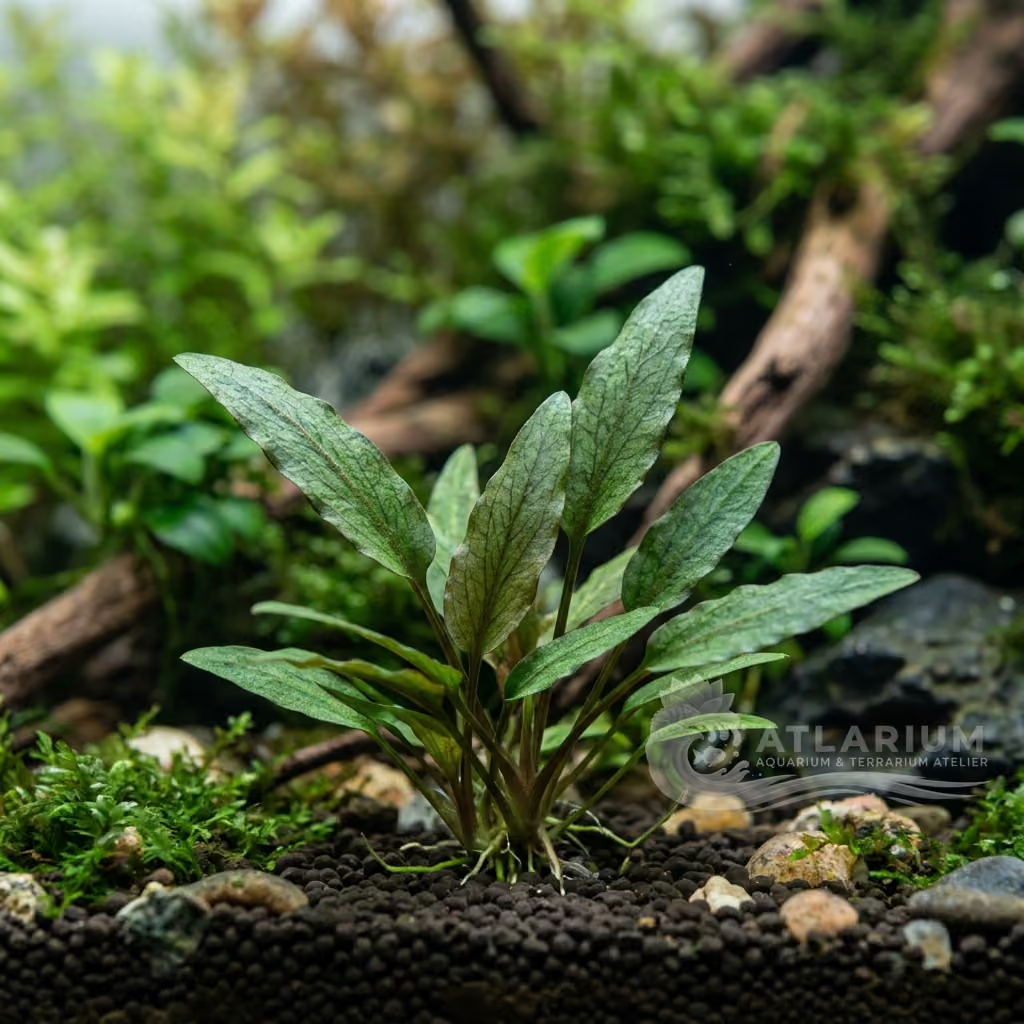
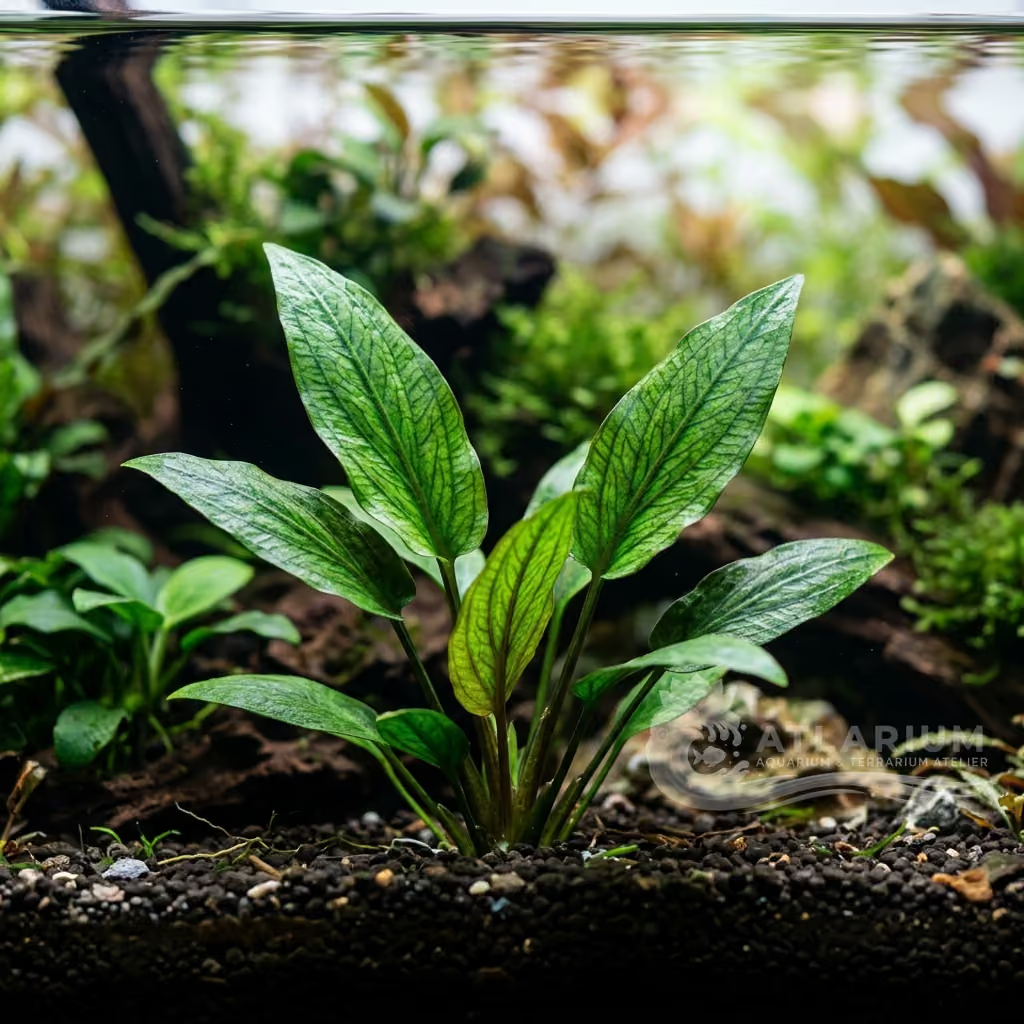
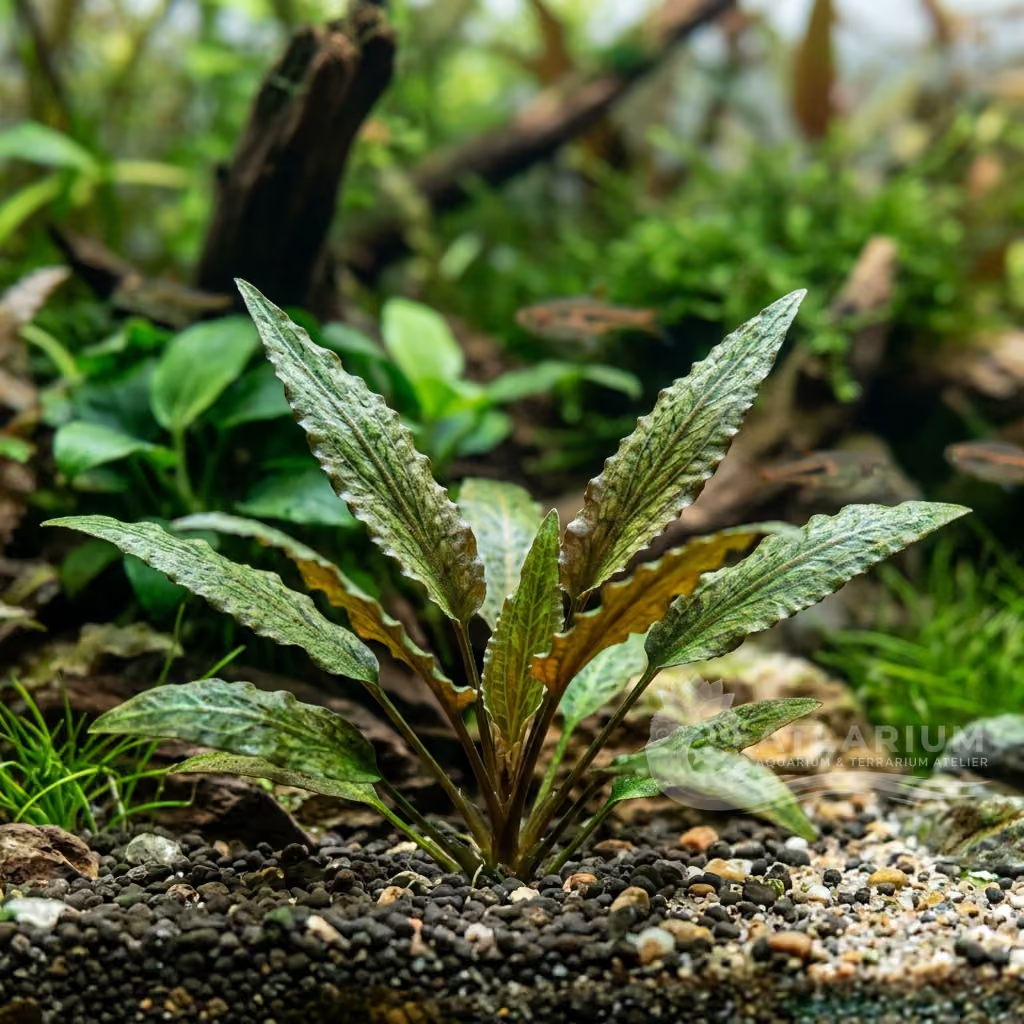
Majestic West African epiphyte with giant leaves. Best grown in low to medium light to prevent leaf scorching and persistent black brush algae colonization.
Water Temperature
22 - 28 °C
pH Value
6 - 8
Water type
Freshwater
Light
Low
CO2
Low
Expected height
100 cm
Expected width
100 cm
GH
4 - 20 dGH
KH
2 - 15 dKH

Species description
Geographical Origin and Habitat: Anubias gigantea is native to tropical West Africa, with populations distributed in countries such as Guinea, Sierra Leone, Liberia, and Ivory Coast. It populates the shaded banks of forest streams, waterfalls, and slow-moving rivers. It grows mainly in emersed or semi-emersed form on wet rocks and damp logs, with its roots immersed in oxygen-rich water. By tolerating prolonged submersion during the wet season, it adapts perfectly to life in the aquarium.
Taxonomy & Genetics: It belongs to the Araceae family and is one of the largest species of the genus Anubias. Botanically, its genetics define the characteristic tri-lobed or hastate shape of adult leaves, which clearly distinguishes it from single-leaf species like Anubias barteri. The stability of its genome guarantees a slow but unstoppable growth, developing an exceptional resistance to pests and nutrient variations.
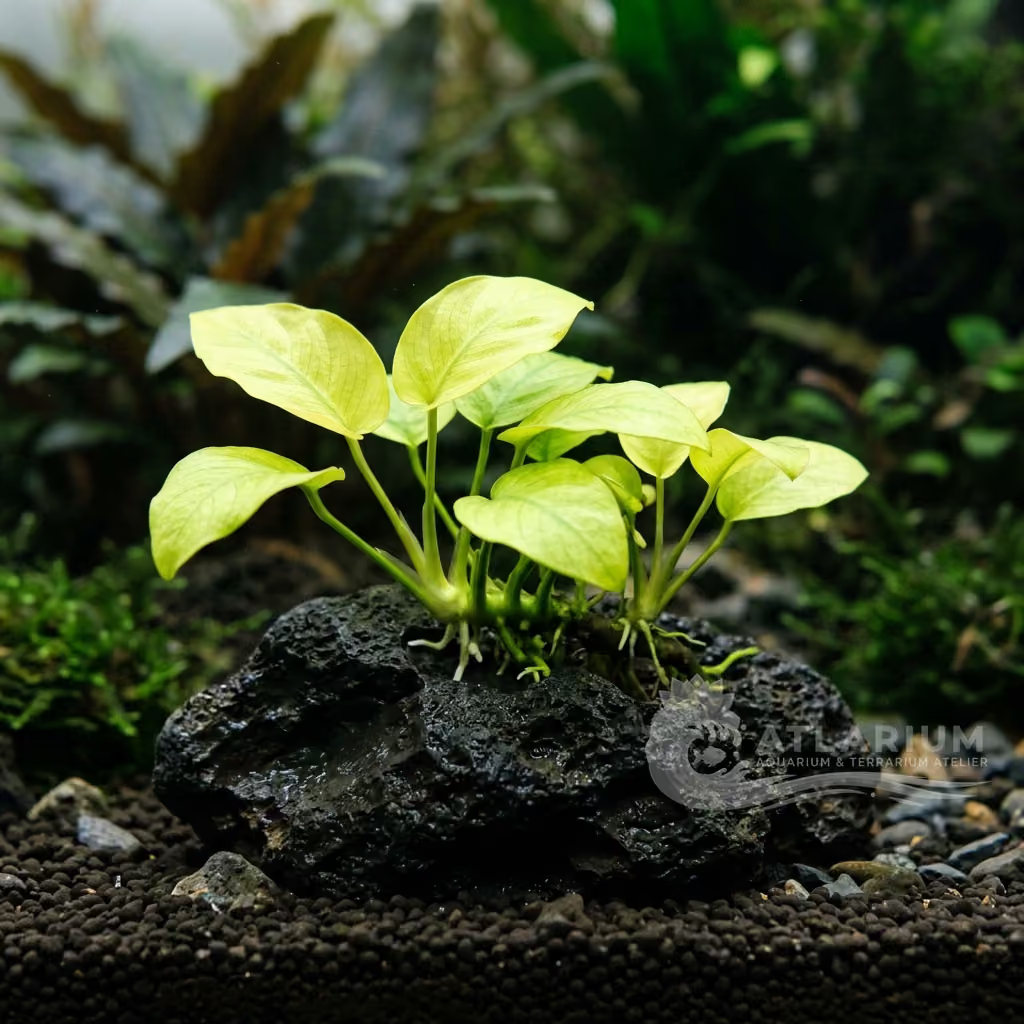
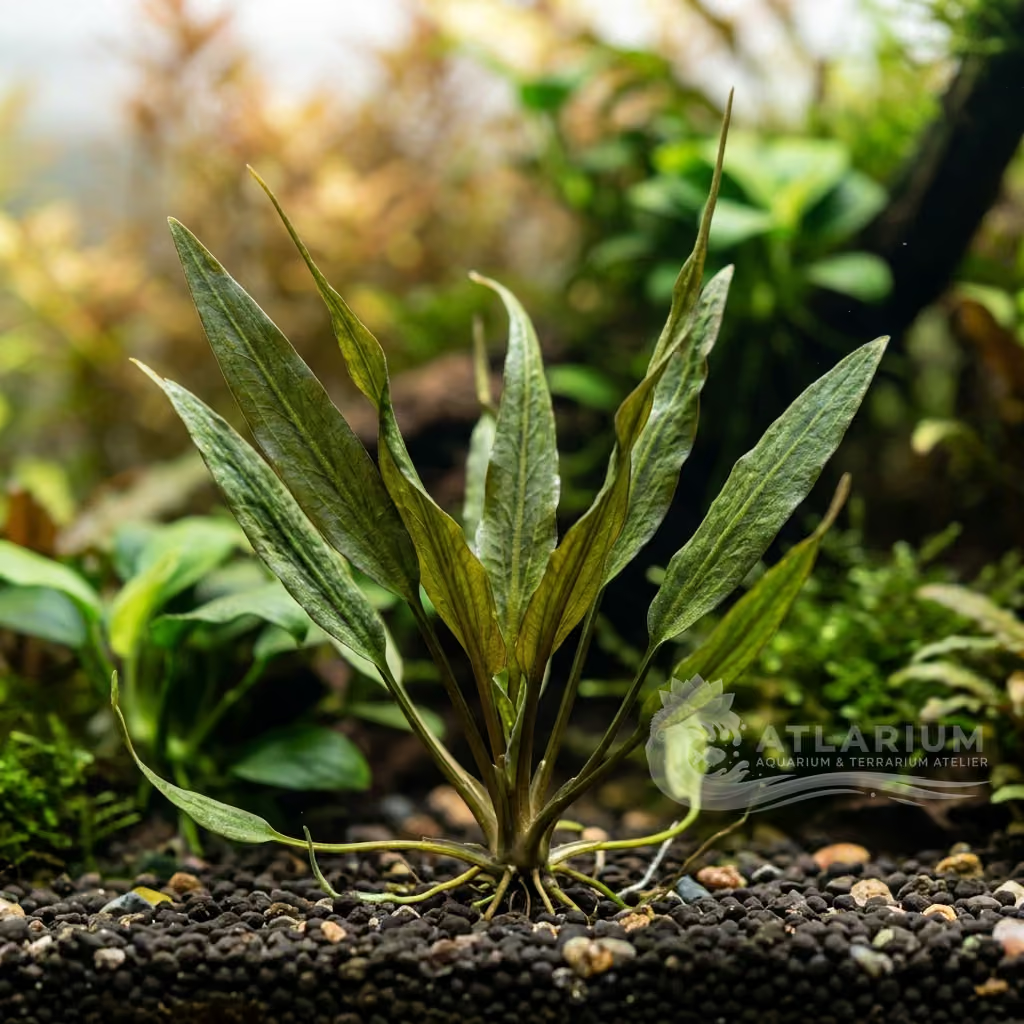
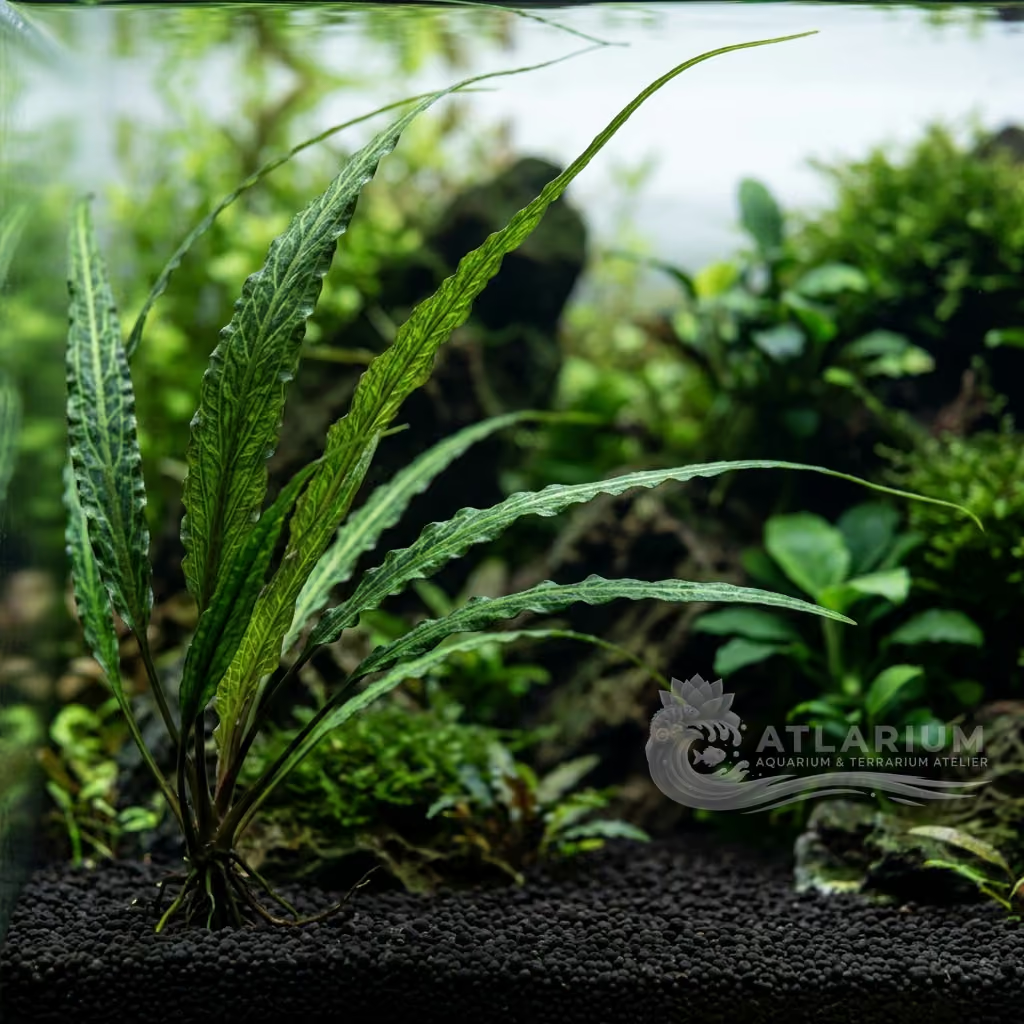
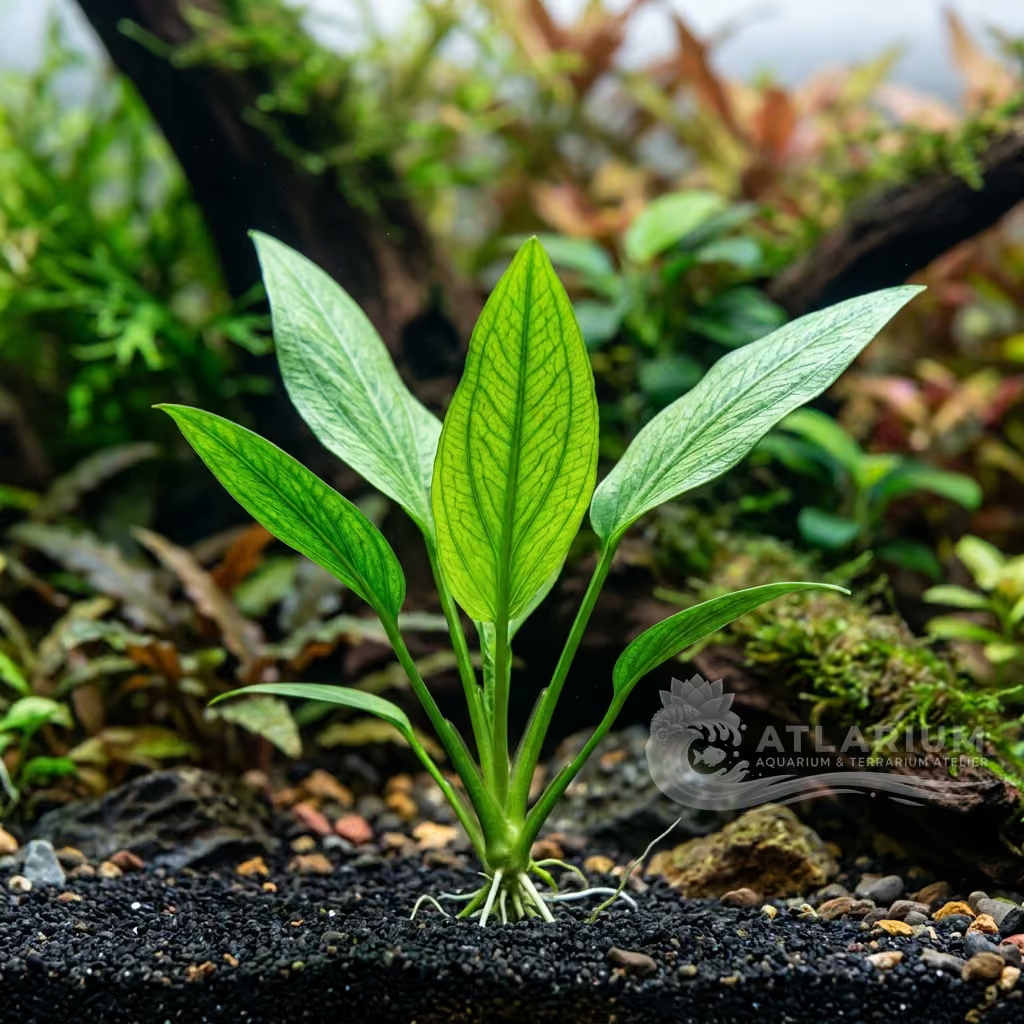
Physical Structure: The plant develops from an extremely thick, woody, and robust creeping rhizome. Long erect petioles arise from the rhizome, supporting large leaves. The shape of the leaves is hastate or tri-lobed, with two well-pronounced lateral lobes at the base and an elongated central lobe. The root system is imposing, composed of thick, branched roots capable of anchoring firmly to any solid surface.
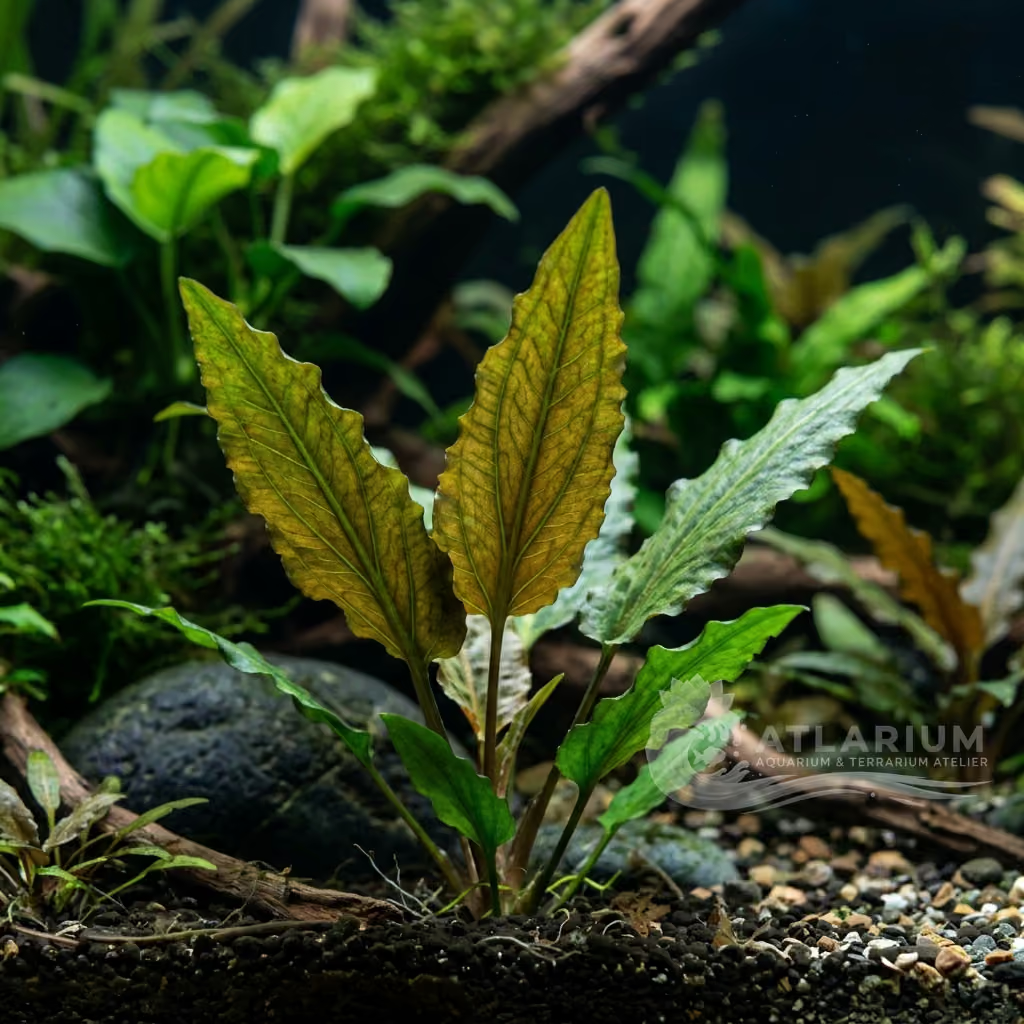
Color & Texture: The color of the leaves is a dark, deep, and solid forest green with a matte or slightly satin finish. The leaf texture is exceptionally leathery, thick, and stiff to the touch, almost woody in older leaves. This structural hardness, combined with the presence of repellent substances in the leaf tissues, makes it completely unpalatable to herbivorous fish such as large cichlids or goldfish.

Care, breeding and tankmates
Lighting & CO2: Prefers low to medium lighting. Exposure to intense direct light causes leaf scorching and promotes black brush algae (BBA) colonization on its very slow-growing leaves. CO2 injection is not essential, but it stimulates slightly faster growth and the production of healthy leaves.
Nutrition & Substrate: Being an epiphytic plant, the rhizome must never be buried in the substrate to prevent rot. It should be tied with thread or glue to large rocks or driftwood. It absorbs most of its nutrients from the
Water Chemistry: Tolerates a wide range of water parameters. Ideal parameters include a pH between 6.0 and 7.5, soft to moderately hard water, and a temperature between 20°C and 30°C. It requires a moderate but constant water flow to prevent debris from settling on the large leaves.
Space Management & Placement: Due to its majestic size, it must be placed in the background or midground of very large aquariums. It requires a shaded area to protect the foliage and plenty of free space around it to allow the natural development of its large tri-lobed leaves.
Pruning: Maintenance is extremely low. Pruning consists solely of removing old or damaged leaves, cutting the long petiole near the rhizome with sharp scissors. Cutting the main rhizome encourages branching and the production of new lateral shoots.
Risks & Diseases: Rhizome rot is the main danger if buried. Another frequent problem in unbalanced aquariums is the growth of green spot or black brush algae on older leaves; this risk can be reduced by limiting light intensity and ensuring good circulation.

Geographic origin and distribution
Anubias gigantea is native to tropical West Africa, with populations distributed in countries such as Guinea, Sierra Leone, Liberia, and Ivory Coast. It populates the shaded banks of forest streams, waterfalls, and slow-moving rivers. It grows mainly in emersed or semi-emersed form on wet rocks and damp logs, with its roots immersed in oxygen-rich water. By tolerating prolonged submersion during the wet season, it adapts perfectly to life in the aquarium.
Origin
Africa and Madagascar

Plant profile
- Placement
- Background
- Due to its massive size, it is exclusively a background or centerpiece plant for very large aquariums. It should be tied or glued to heavy hardscape materials. Never bury the large rhizome in the gravel.
- Botanical form
- Rhizome
- It is one of the largest Anubias species, featuring massive, arrow-shaped, deep green leaves on long petioles. The very thick rhizome creeps slowly along surfaces. It is an imposing plant that commands attention.
- Growth
- Very slow
- It grows extremely slowly, often taking months to produce a single large leaf. This makes it a permanent, low-maintenance fixture in the aquarium. Its slow growth means it will not quickly outgrow its space.
- Substrate
- None
- Due to its massive size, Anubias gigantea develops a thick, formidable rhizome that must be grown purely as an epiphyte to ensure long-term survival. The plant secures its heavy foliage by wrapping extensive, cord-like roots around large pieces of bogwood or porous rock. Burying this plant in any type of substrate, including active aqua soil, will rapidly induce fatal rhizome rot by restricting crucial oxygen flow. The root system functions almost exclusively as a mechanical anchor, while all necessary macronutrients and micronutrients are extracted directly from the surrounding water column.
- Column fertilization
- Recommended
- It feeds mainly from the water column using its leaves and adventitious roots. A basic liquid fertilizer program is sufficient for its health. Trace elements like iron help maintain its deep green hue.
- Root fertilization
- None
- Root tabs are useless as the roots function purely as holdfasts on hardscape. The plant does not draw significant nutrients from the substrate. All feeding should be done via the water column.
- Trimming
- Occasional
- Trimming is only necessary to remove dying, old, or algae-covered leaves. Always cut the long petiole cleanly near the rhizome using sharp tools. Its slow growth rate ensures pruning is a rare task.
- Propagation
- Rhizome division
- Propagate by cutting the thick rhizome into sections, ensuring each piece has leaves and roots. A heavy-duty tool may be required due to the rhizome's thickness. Attach the sections securely to large rocks or wood.
- Sensitivity
- Moderate
- The large, slow-growing leaves are magnets for spot algae if exposed to bright light. It is best grown in the shade of larger structures or floating plants. Burying the thick rhizome will cause it to rot.
- Layout role
- Midground, Background
- It serves as a dramatic focal point or background anchor in large aquascapes. Its huge, distinct leaves provide a striking contrast to fine-leaved stem plants. It brings a prehistoric, jungle-like feel to the tank.

Related species
Recommendations grouped by close relatives, companion choices, and similar care.