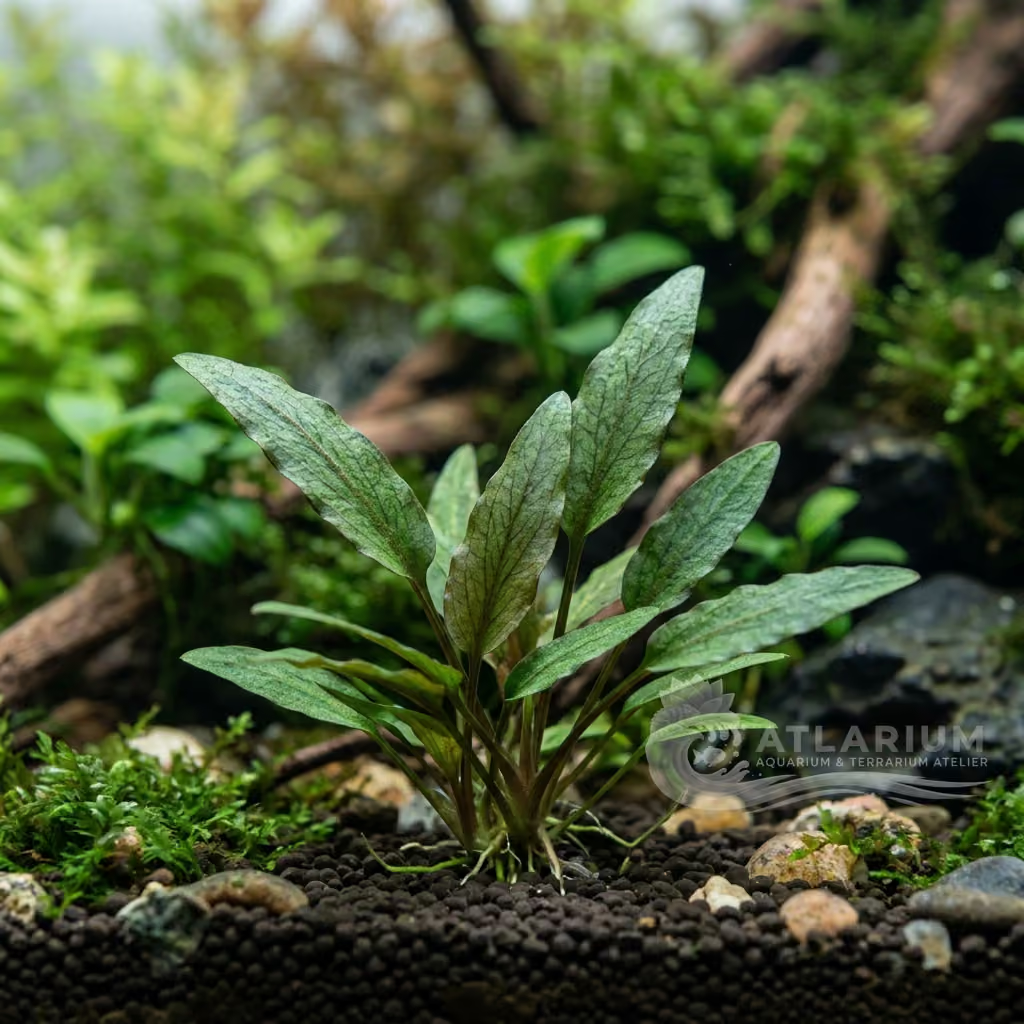
Cryptocoryne beckettii "Viridifolia"
Cryptocoryne beckettii
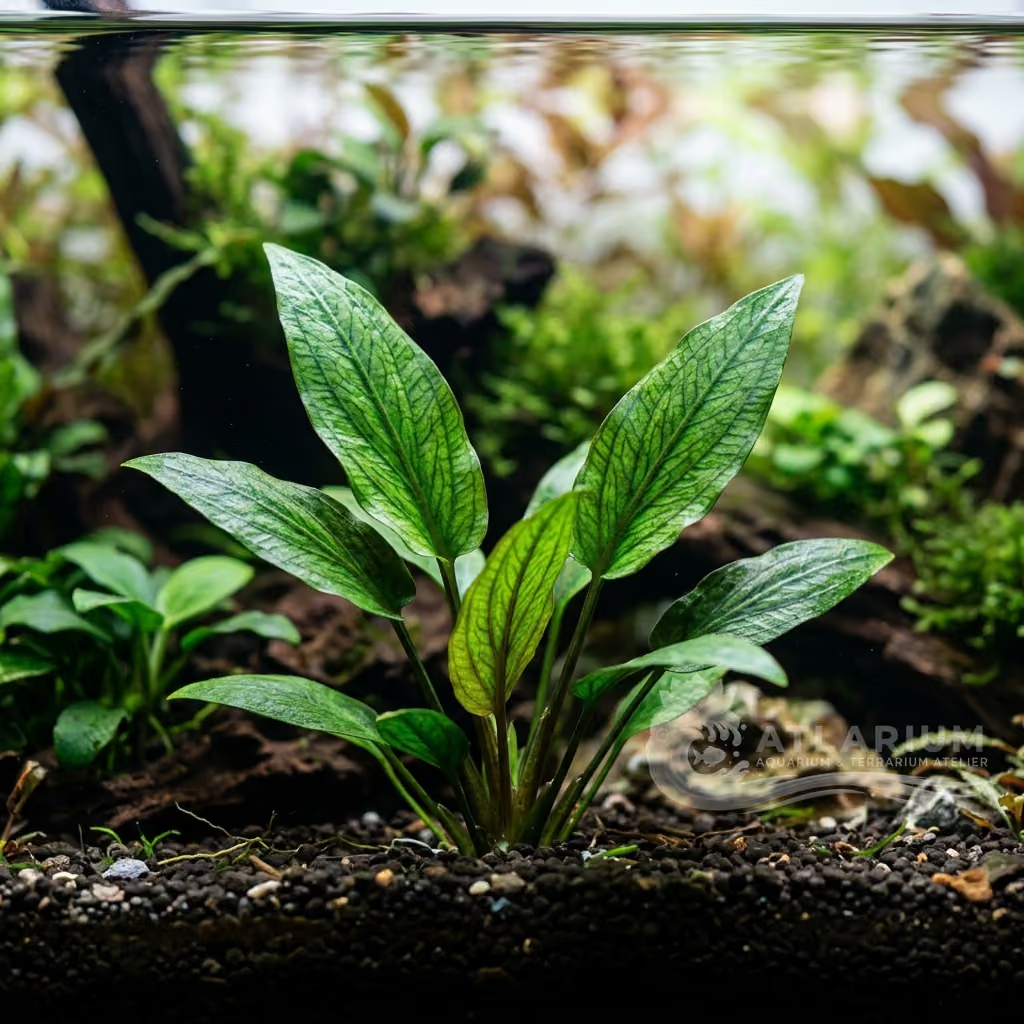
A pure-green mutation of C. beckettii that retains its vibrant, bright green coloration under all conditions. Exceptionally robust, it is a perfect, easy-care foreground plant for low-light beginner tanks.
Water Temperature
20 - 30 °C
pH Value
6 - 8
Water type
Freshwater
Light
Da bassa ad alta
CO2
Low
Expected height
20 cm
Expected width
15 cm
GH
4 - 20 dGH
KH
3 - 15 dKH

Species description
Geographical Origin and Habitat: Endemic to the deeply shaded, fast-flowing tropical streams and river margins of southwestern Sri Lanka. Cryptocoryne beckettii "Viridifolia" is a highly specialized, pure-green mutation derived directly from the standard C. beckettii. Like its wild ancestors, it is a profoundly resilient amphibious survivor, perfectly adapted to thrive completely submerged in rushing jungle streams or entirely emersed on muddy, saturated riverbanks. It evolved to form dense, low-lying colonies that carpet the riverbed, resisting strong monsoonal currents.
Taxonomy & Genetics: Scientifically classified within the Araceae family, "Viridifolia" is taxonomically prized as a highly stabilized, distinct morphological color cultivar. While the standard C. beckettii variant is known for its moody, dark olive and brownish-bronze tones, the "Viridifolia" variant possesses a specific genetic mutation that completely suppresses the production of red, purple, and bronze anthocyanin pigments. Its genetics dictate the production of bright, solid, pure-green foliage, making it a critical tool for aquascapers seeking high-contrast green textures.
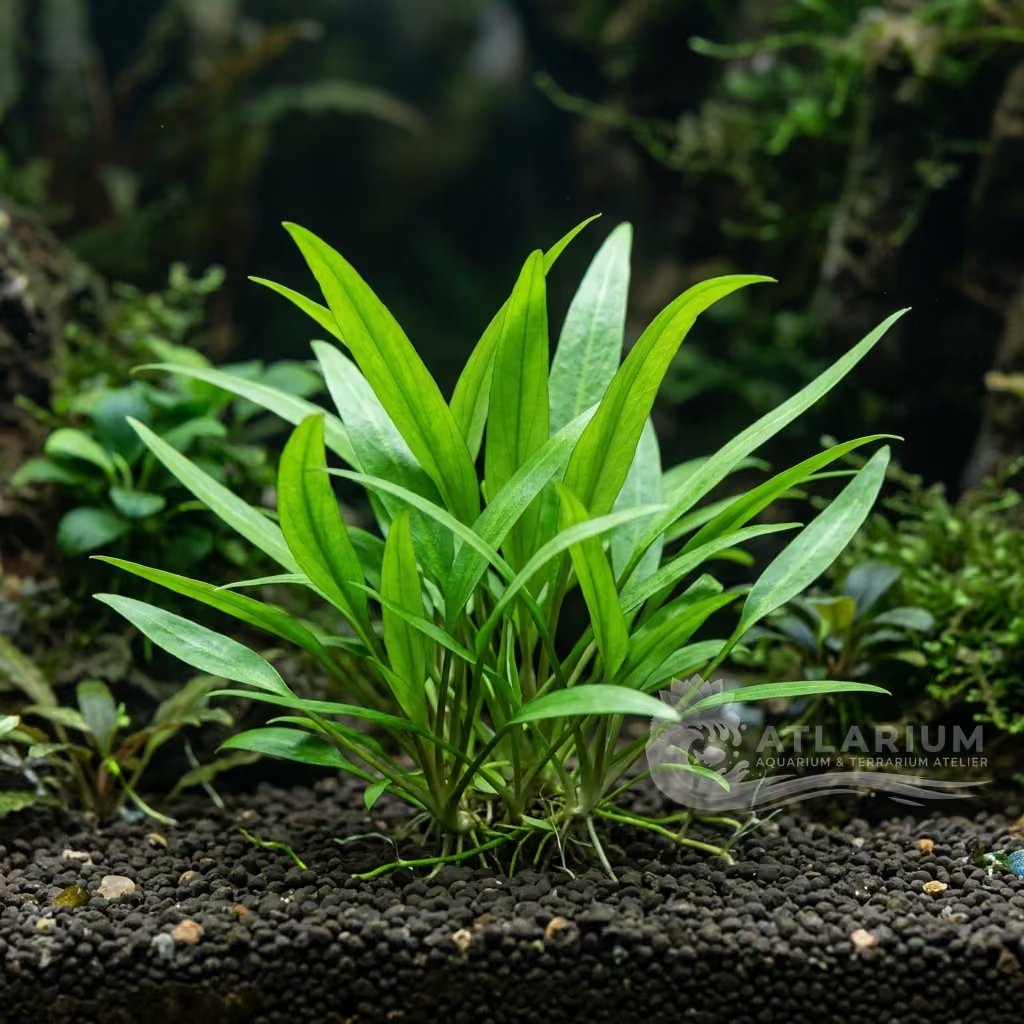
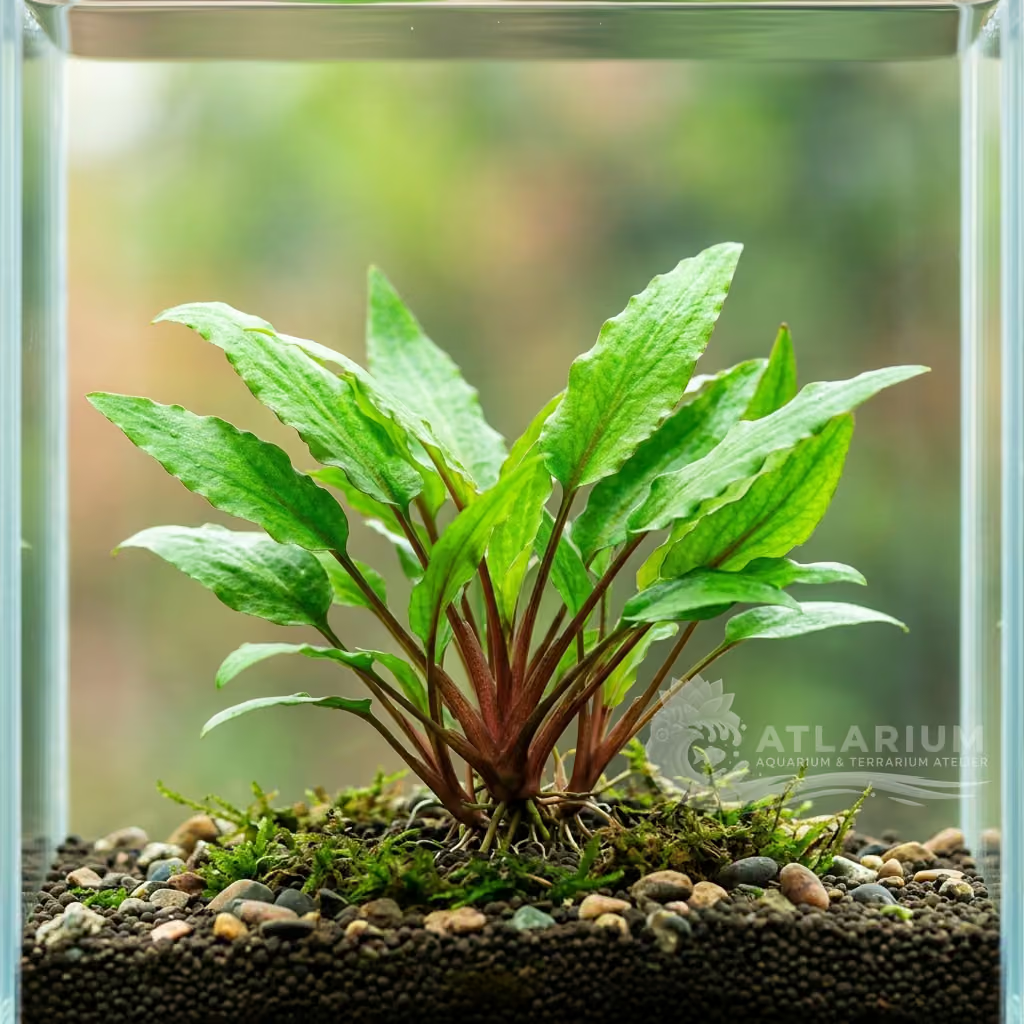
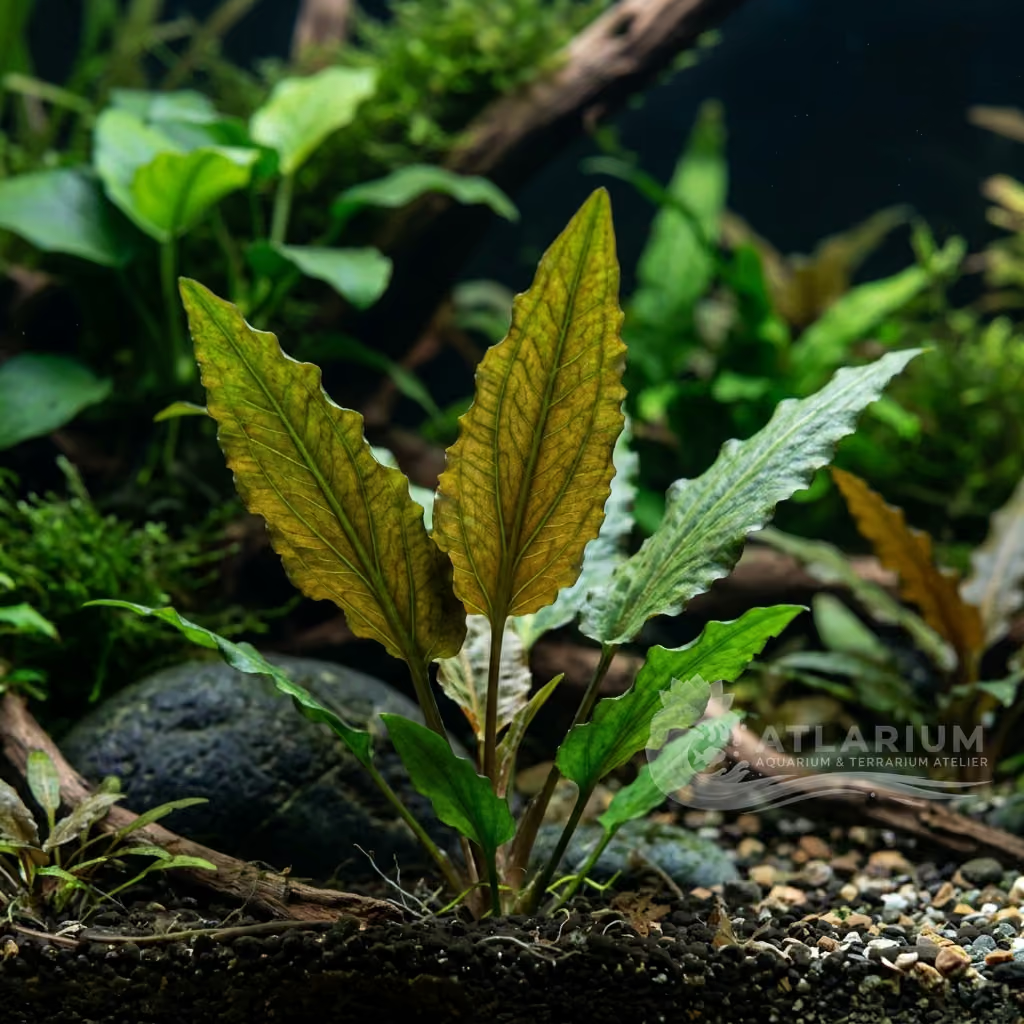
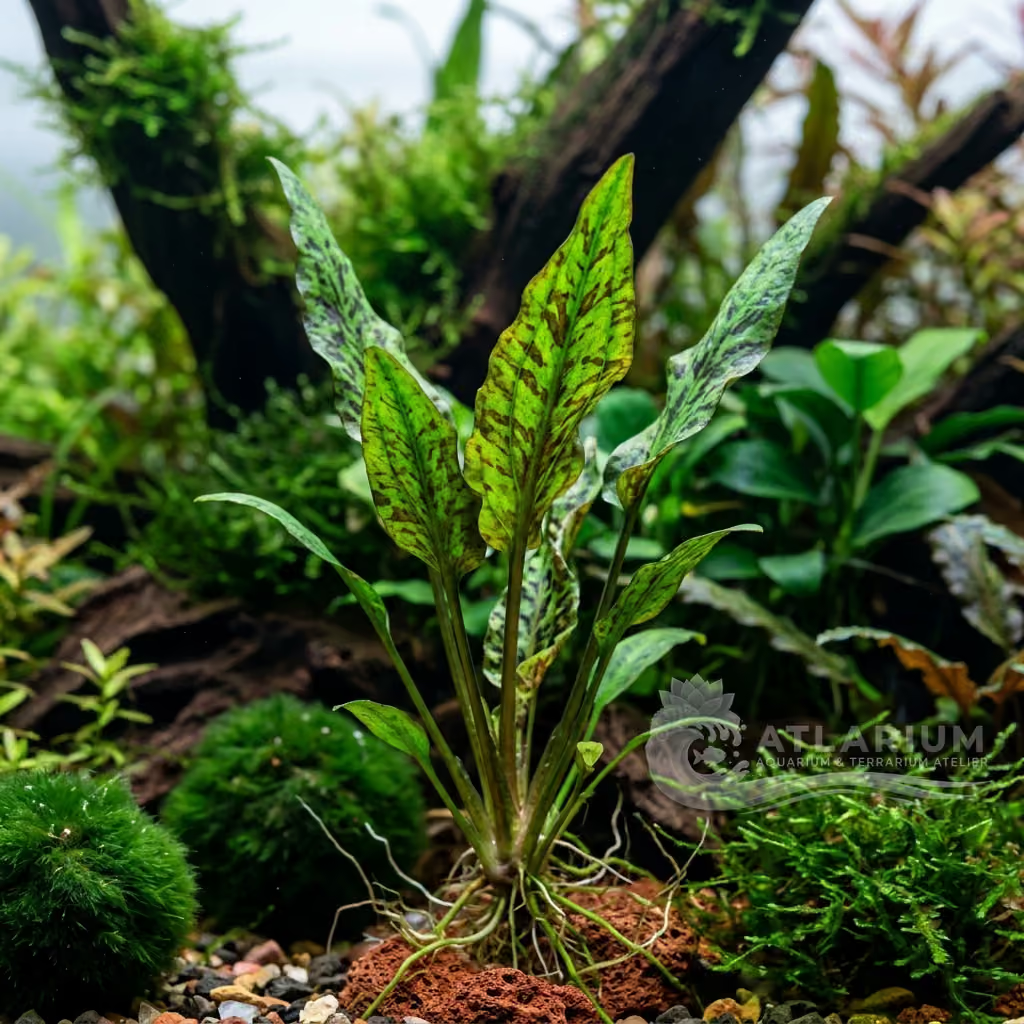
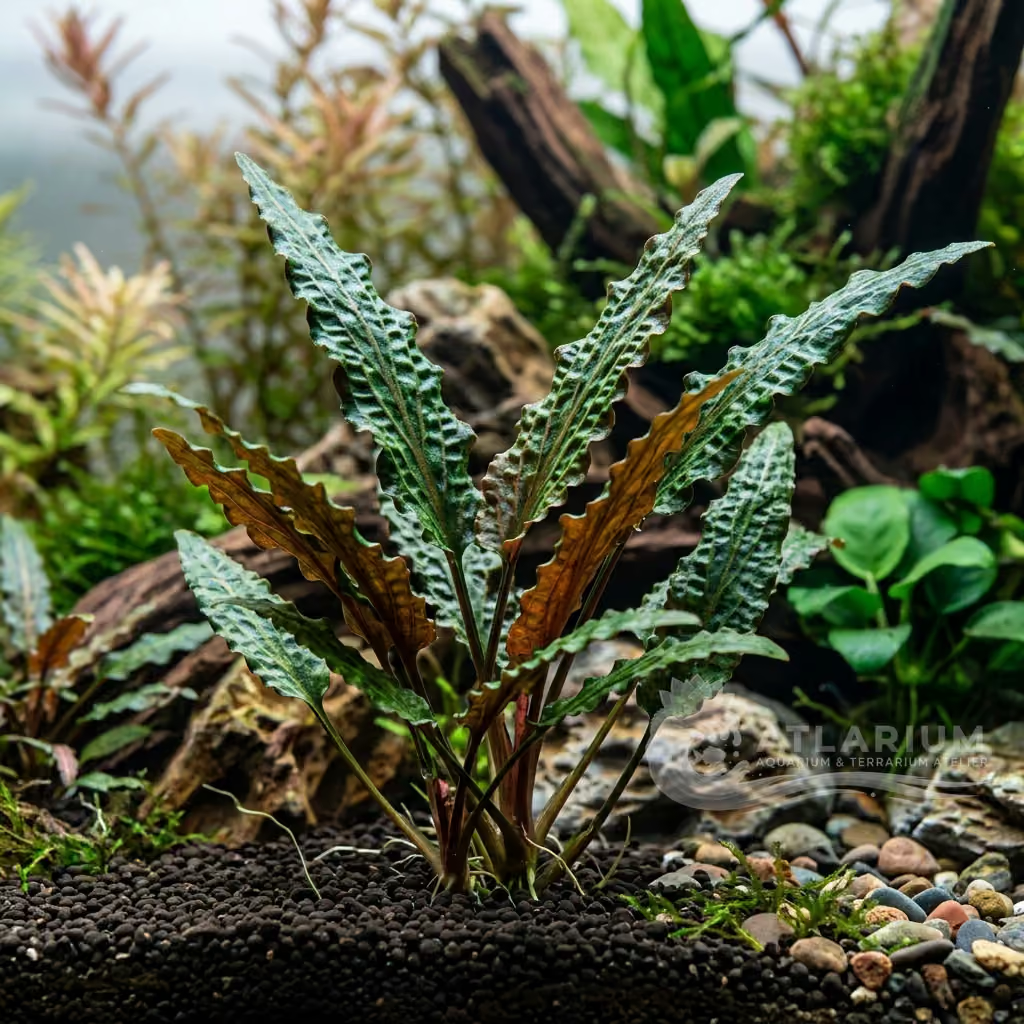
Physical Structure: The architectural structure of "Viridifolia" is identical to standard C. beckettii, defined by a dense, sprawling central rosette. It completely lacks vertical stems. The foundation is a fleshy underground rhizome that deploys an aggressive, deep-reaching white root system. The leaves emerge directly from the rhizome on distinctly long, relatively rigid petioles. The leaves themselves are medium-to-large (up to 15-20 cm in length), broadly lanceolate, and feature slightly ruffled, elegantly wavy margins.
Color & Texture: The coloration is its absolute defining feature. It is a brilliant, highly vibrant, perfectly uniform light apple-green to bright emerald. It completely lacks the dark, muddy brownish undersides of standard C. beckettii. The texture is relatively smooth but features a slightly dimpled or leather-like surface. Because the leaves are somewhat rigid and vividly green, they maintain a highly organized, classic rosette shape, forming a stunning, intensely bright bush that severely contrasts against dark wood and rocks.

Care, breeding and tankmates
Lighting & CO2: It is an incredibly forgiving, shade-loving plant that makes a perfect staple for low-tech, beginner aquariums. It will effortlessly survive and grow in deeply shaded, low-light environments, maintaining its bright green coloration beautifully. To force the plant to grow in a dense, compact rosette and prevent the petioles from stretching awkwardly toward the surface, medium LED lighting is recommended. Pressurized CO2 is entirely unnecessary, but its addition drastically accelerates the plant's spread and overall volume.
Nutrition & Substrate: Like all classic Cryptocorynes, "Viridifolia" is an absolute, obligate root feeder. Its aggressive, deep-reaching root system absolutely demands a mature, nutrient-dense substrate (minimum 5 cm / 2 inches deep). It strongly prefers high-quality aquasoil or a mature gravel bed heavily enriched with premium, iron-rich root tabs directly beneath the rhizome. If planted in sterile, inert gravel without supplementation, it will quickly stunt, turn pale yellow, and melt away. It absorbs virtually no nutrition from the water column.
Water Chemistry: Originating from the tropical streams of Sri Lanka, it is virtually invincible regarding standard water parameters. It thrives effortlessly in heated tropical aquariums (22-26°C) and is highly adaptable, tolerating both soft, slightly acidic blackwater and moderately hard, slightly alkaline tap water (pH 6.0 - 7.8). The single most critical environmental requirement is stability. It drastically prefers stable parameters over perfectly optimized ones. It also prefers moderate water flow to keep its ruffled leaves free of suffocating detritus.
Space Management & Placement: Due to its moderate-to-large size (15-25 cm height), dense sprawling habit, and intensely bright green coloration, "Viridifolia" is an elite midground plant for high-contrast aquascapes. It is meticulously used to create massive, bright-green transition bushes directly behind dark-leaved plants (like Bucephalandra or standard C. beckettii) to create a striking color contrast. Because it spreads relentlessly via subterranean runners, it will eventually form a stunning, interconnected, impenetrable bright green thicket.
Pruning: Pruning is a simple, low-maintenance procedure. Never attempt to trim a leaf in half; the cut edge will instantly rot. To prune dead, melting, or heavily shaded older leaves, you must reach down to the absolute base of the rosette and cleanly snap or slice the petiole directly at the gravel line. To manage its relentless spread, you must physically dig into the substrate and cleanly sever the thick subterranean runner connecting the baby plant to the mother rhizome, then carefully uproot the clone.
Risks & Diseases: The absolute greatest threat to "Viridifolia" is the infamous "Crypt Melt." This species is highly sensitive to sudden environmental instability. A rapid change in pH, a massive water change with cold water, or forcefully uprooting and moving the established plant will trigger a violent biological panic, causing all the bright green leaves to dissolve into a slimy mush within 24 hours. However, the thick underground rhizome is nearly indestructible; if the leaves melt, leave the roots alone, and it will completely regrow.

Geographic origin and distribution
Endemic to the deeply shaded, fast-flowing tropical streams and river margins of southwestern Sri Lanka. Cryptocoryne beckettii "Viridifolia" is a highly specialized, pure-green mutation derived directly from the standard C. beckettii. Like its wild ancestors, it is a profoundly resilient amphibious survivor, perfectly adapted to thrive completely submerged in rushing jungle streams or entirely emersed on muddy, saturated riverbanks. It evolved to form dense, low-lying colonies that carpet the riverbed, resisting strong monsoonal currents.
Origin
North AmericaSouth and Southeast Asia

Plant profile
- Placement
- Midground
- This species is ideally placed in midground of the aquarium. Its growth habit allows it to blend naturally with surrounding hardscape or other plants. When planted in small groups, it creates a cohesive and visually pleasing bush. Ensure it is not completely shaded by larger overhanging plants.
- Botanical form
- Rosette
- Cryptocoryne beckettii 'Viridifolia' features bright green lanceolate leaves. Its rosette growth pattern is typical of the genus, creating a dense crown of foliage. The distinct leaf shape and coloration make it stand out in the aquarium. It is undemanding and easy to grow.
- Growth
- Medium
- The growth rate of Cryptocoryne beckettii 'Viridifolia' is generally low to moderate. Under lower light, it will grow slowly, but adding CO2 and moderate lighting can increase its pace. It steadily produces new leaves from its rosette once it has adapted to its environment. Patience is key, as it may take time to establish.
- Substrate
- High
- Cryptocoryne beckettii "Viridifolia" is a heavy root feeder that thrives in a nutrient-rich substrate like aqua soil or a dirted setup capped with sand. Its extensive root system requires a substrate depth of at least 2 to 3 inches to anchor securely and properly develop. Providing root tabs or a fertile base layer is highly recommended to ensure the plant absorbs essential macronutrients and iron, promoting its lush green foliage and preventing nutrient deficiencies.
- Column fertilization
- Recommended
- While primarily a root feeder, it still benefits from regular water column fertilization. Dosing a comprehensive liquid fertilizer ensures that micronutrients are available. Be careful not to overdose, as excessive nutrients in the water column can promote algae on its slow-growing leaves. A balanced approach is ideal.
- Root fertilization
- None
- Root fertilization is crucial for the optimal development of Cryptocoryne beckettii 'Viridifolia'. Providing a rich soil substrate or regularly inserting root tabs will yield the best results. Strong root feeding promotes larger, more robust leaves. It also makes the plant more resilient to environmental fluctuations.
- Trimming
- Occasional
- Trimming should be done carefully by cutting old or decaying leaves near the base. Avoid pulling or uprooting the plant, as it has a delicate and extensive root system. Regular maintenance to remove dying leaves will keep the plant looking fresh and prevent rot. Only trim what is necessary.
- Propagation
- Rhizome division, Runners
- Propagation is easily achieved through the natural production of runners. The mother plant will send out runners through the substrate, forming new plantlets. Once these plantlets have developed their own roots and a few leaves, they can be separated. You can carefully cut the runner and replant the new specimen.
- Sensitivity
- Moderate
- Like many in its family, Cryptocoryne beckettii 'Viridifolia' is prone to 'Crypt melt' when parameters suddenly change. Variations in temperature, lighting, or water chemistry can cause it to shed its leaves. However, the rhizome usually remains healthy. If melting occurs, leave the roots undisturbed and new leaves will soon emerge.
- Layout role
- Midground, Foreground
- Its layout role is primarily for Foreground to midground accents. The dense foliage and unique texture provide a natural transition between different zones of the aquascape. It is highly versatile and works well in both Nature Aquarium and Dutch styles. Its enduring presence makes it a reliable staple.

Image gallery
Licensed images linked to the species or, when marked, to the closest representative taxon.

Related species
Recommendations grouped by close relatives, companion choices, and similar care.