Cryptocoryne lucens
Cryptocoryne willisii
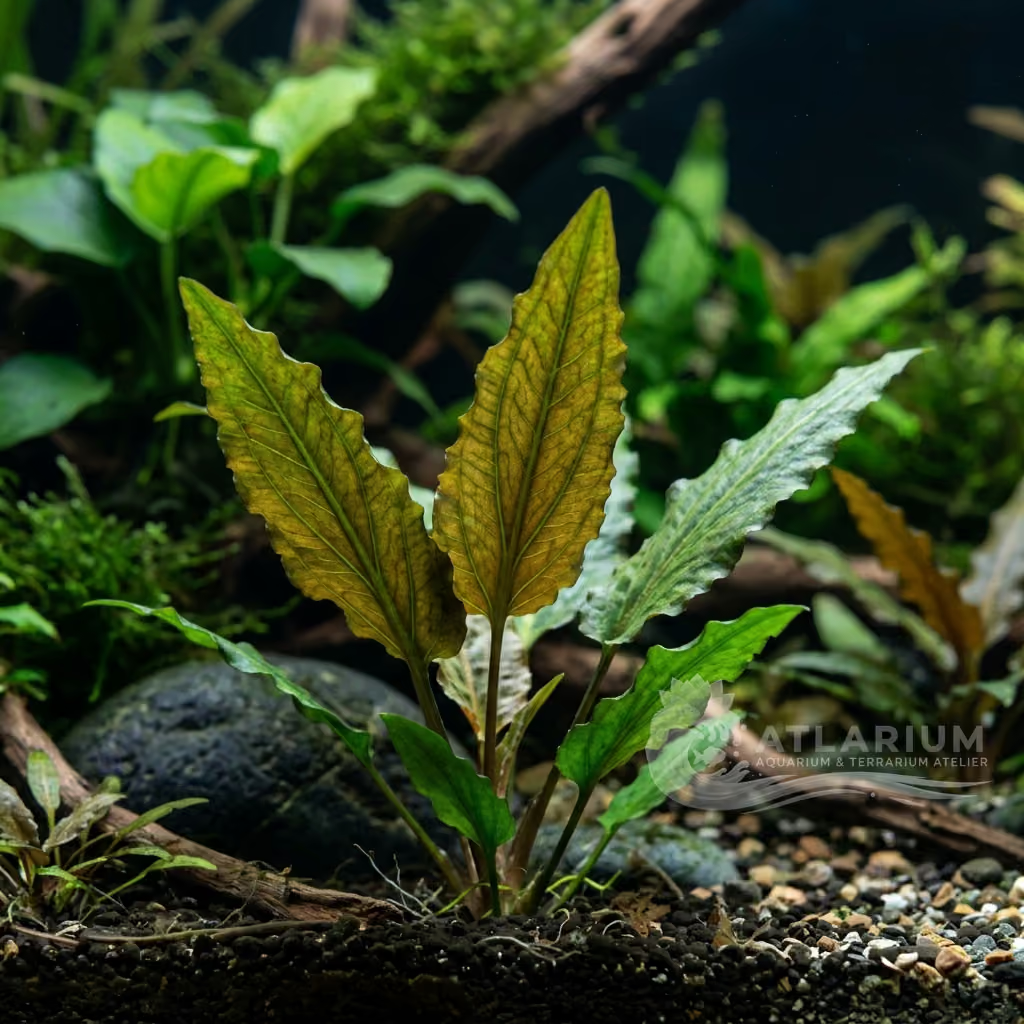
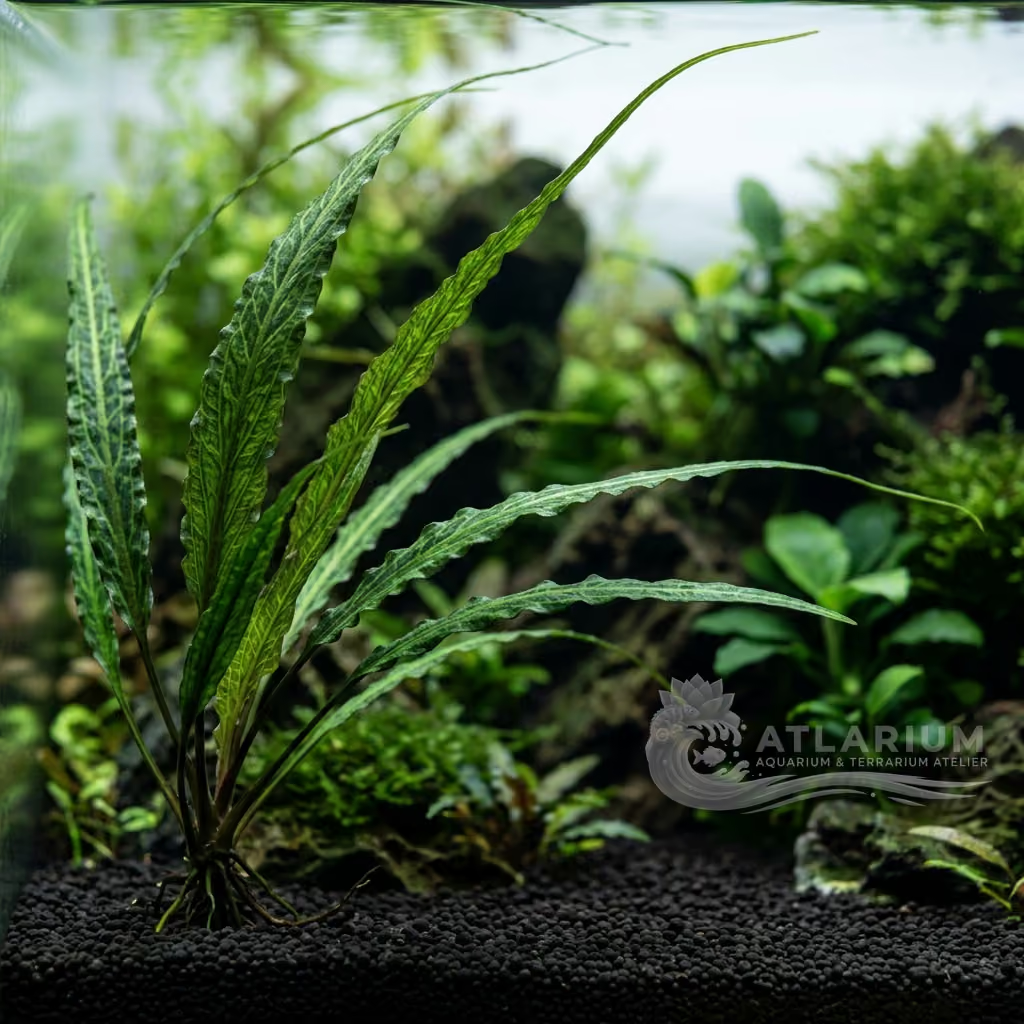
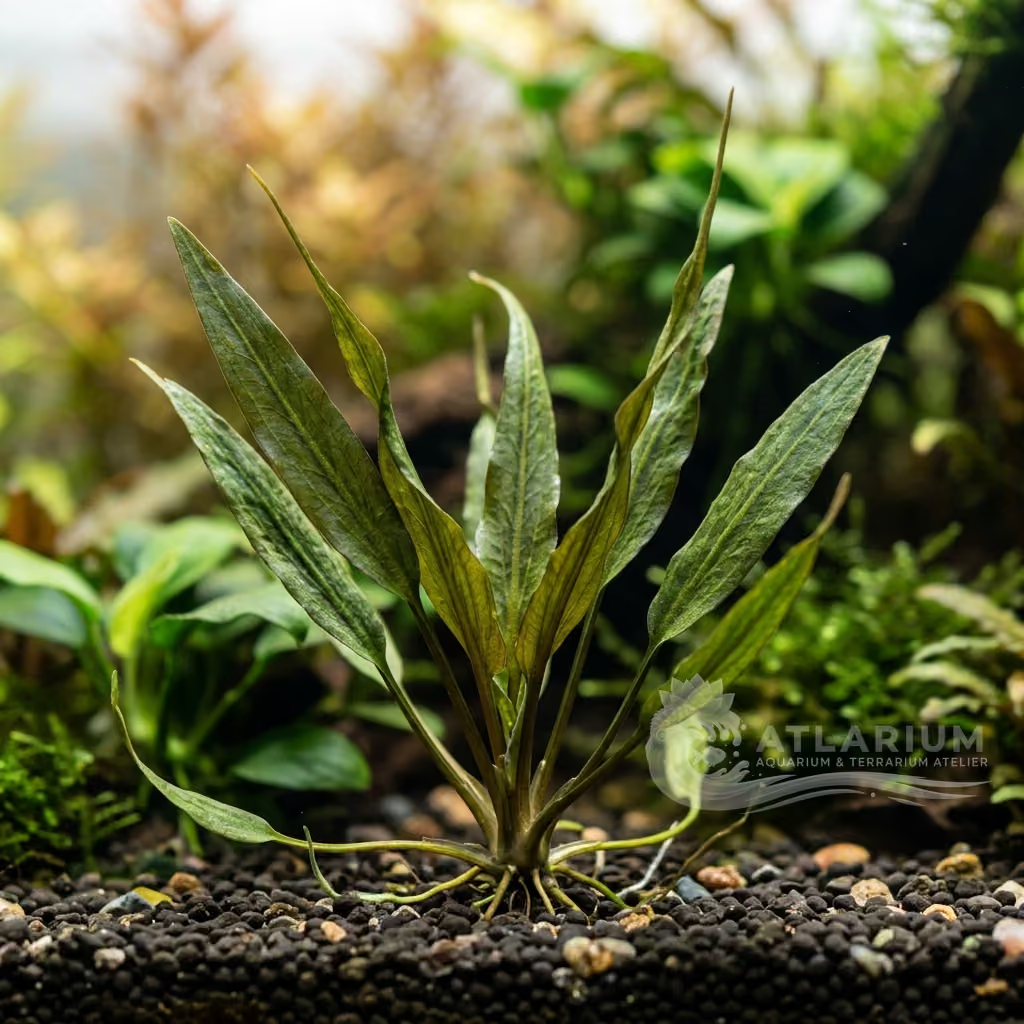
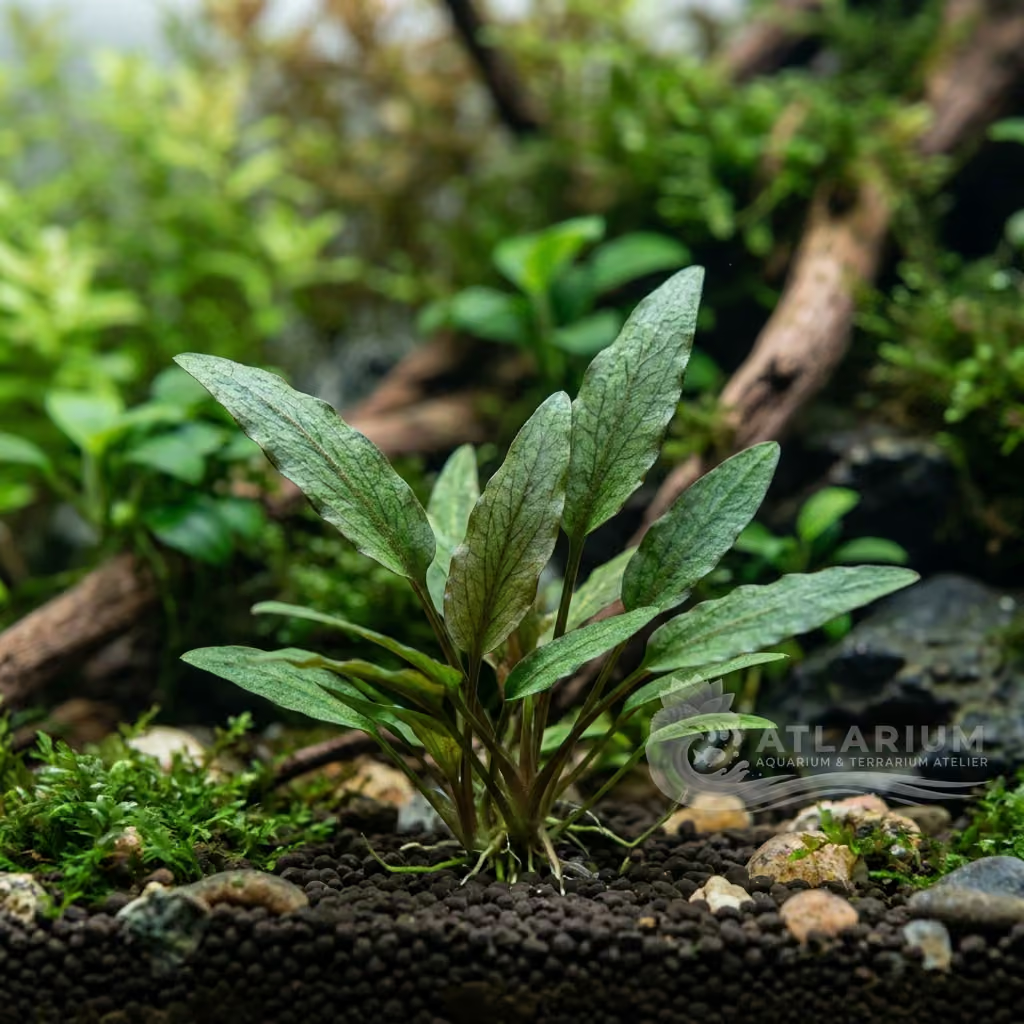
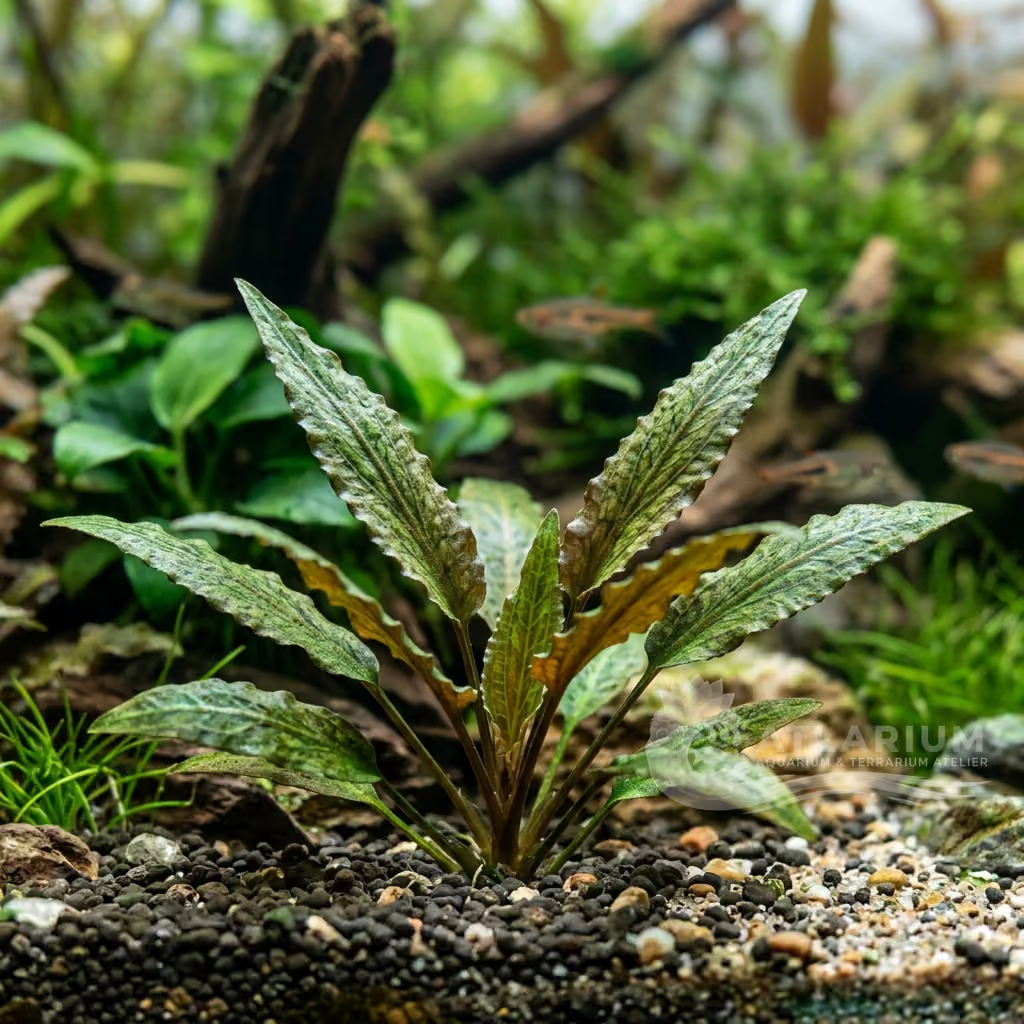
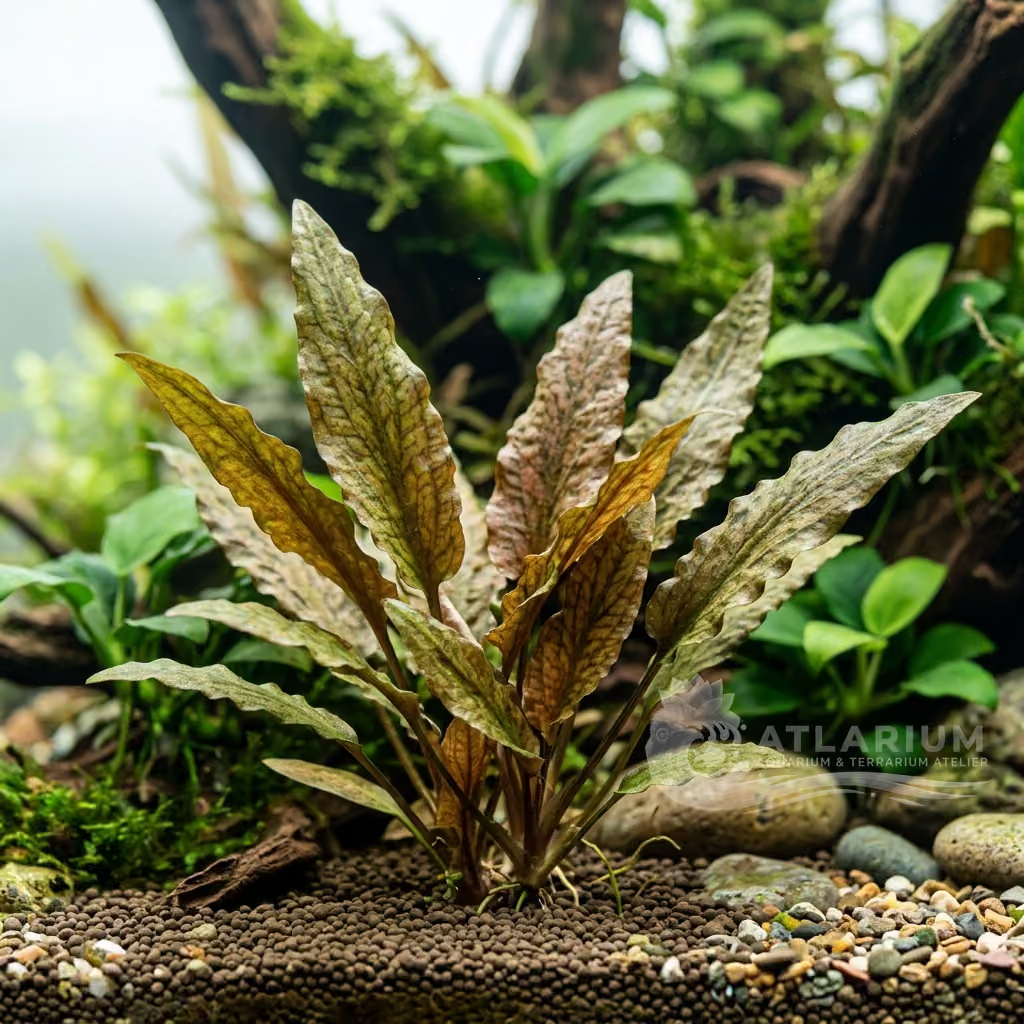
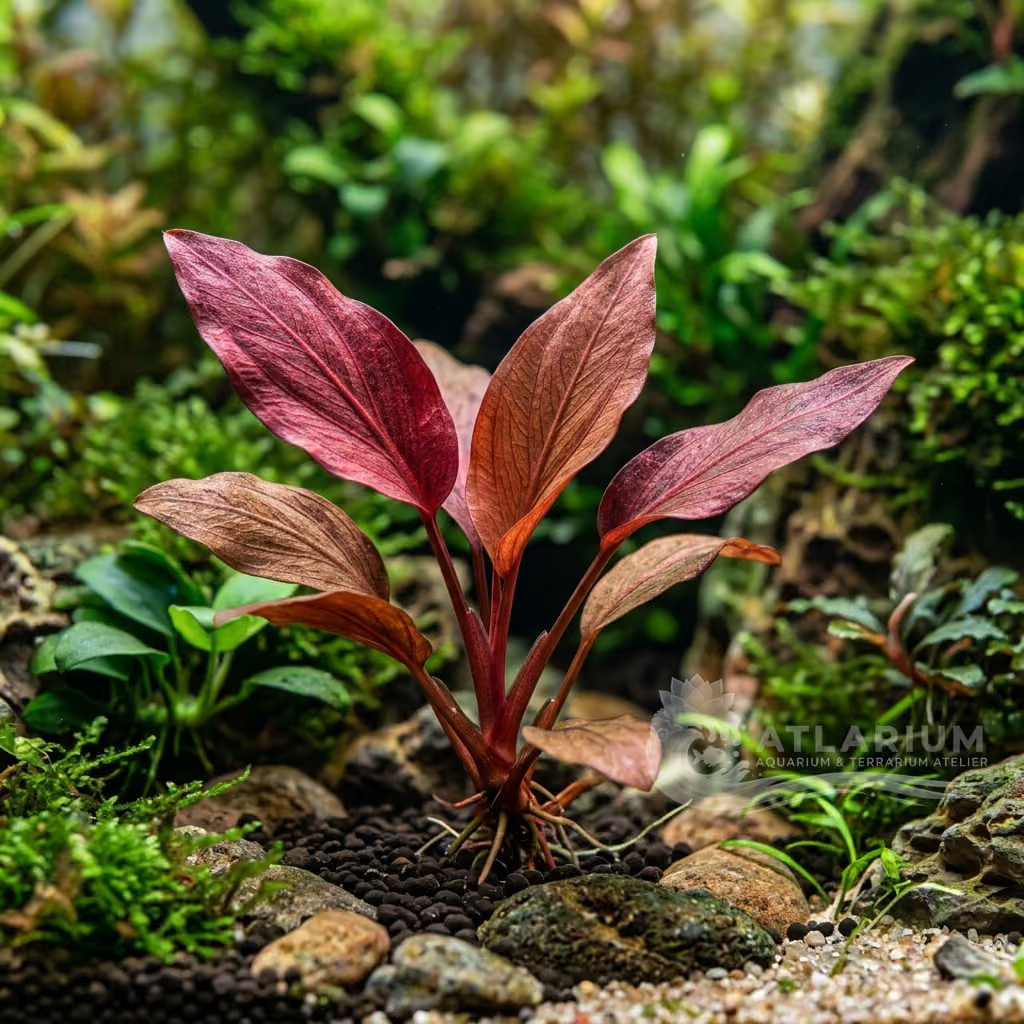
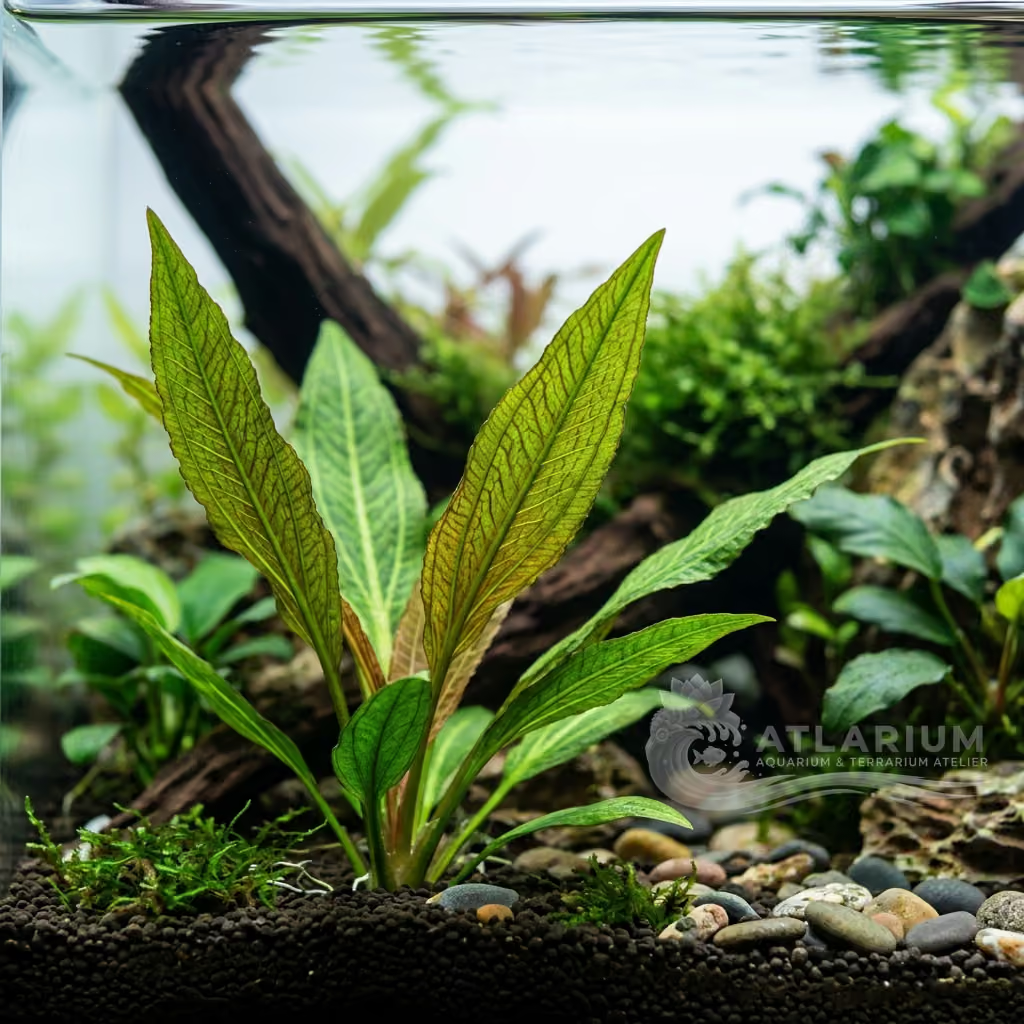
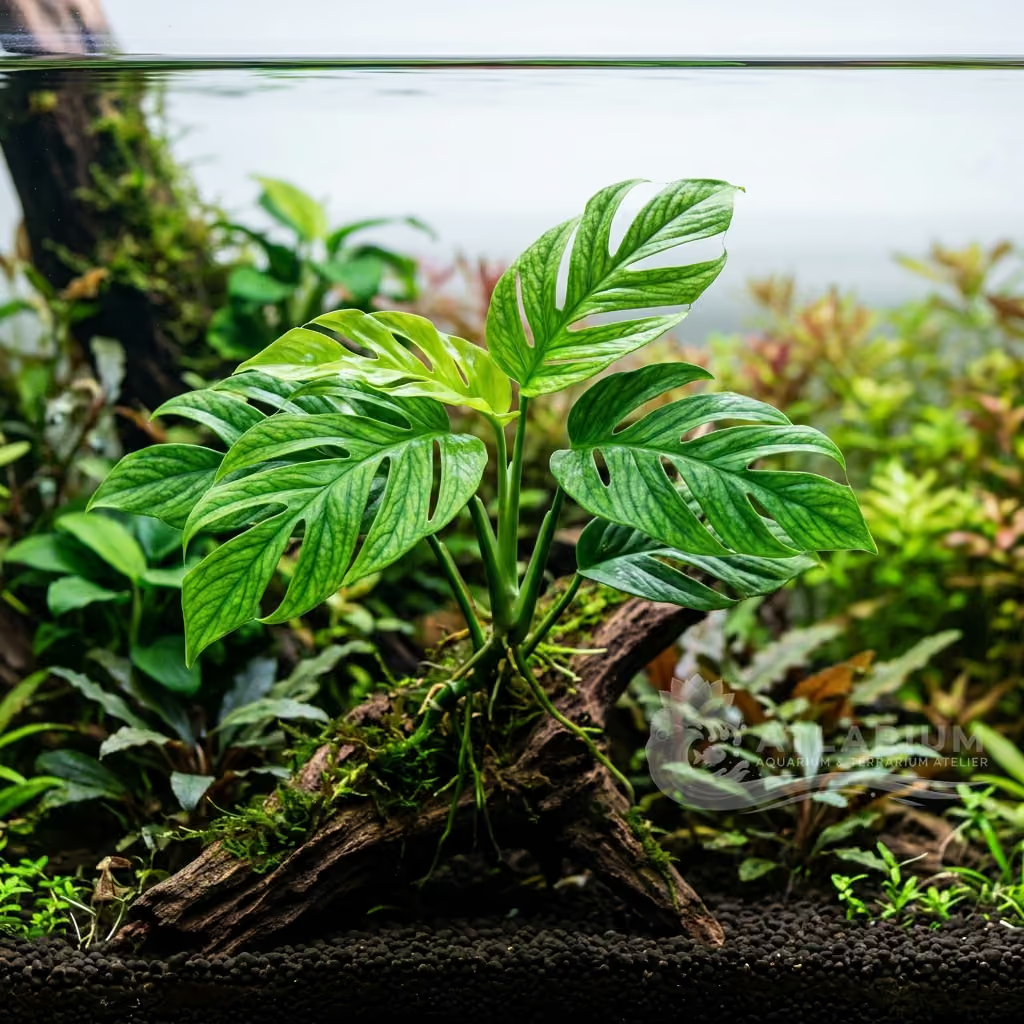
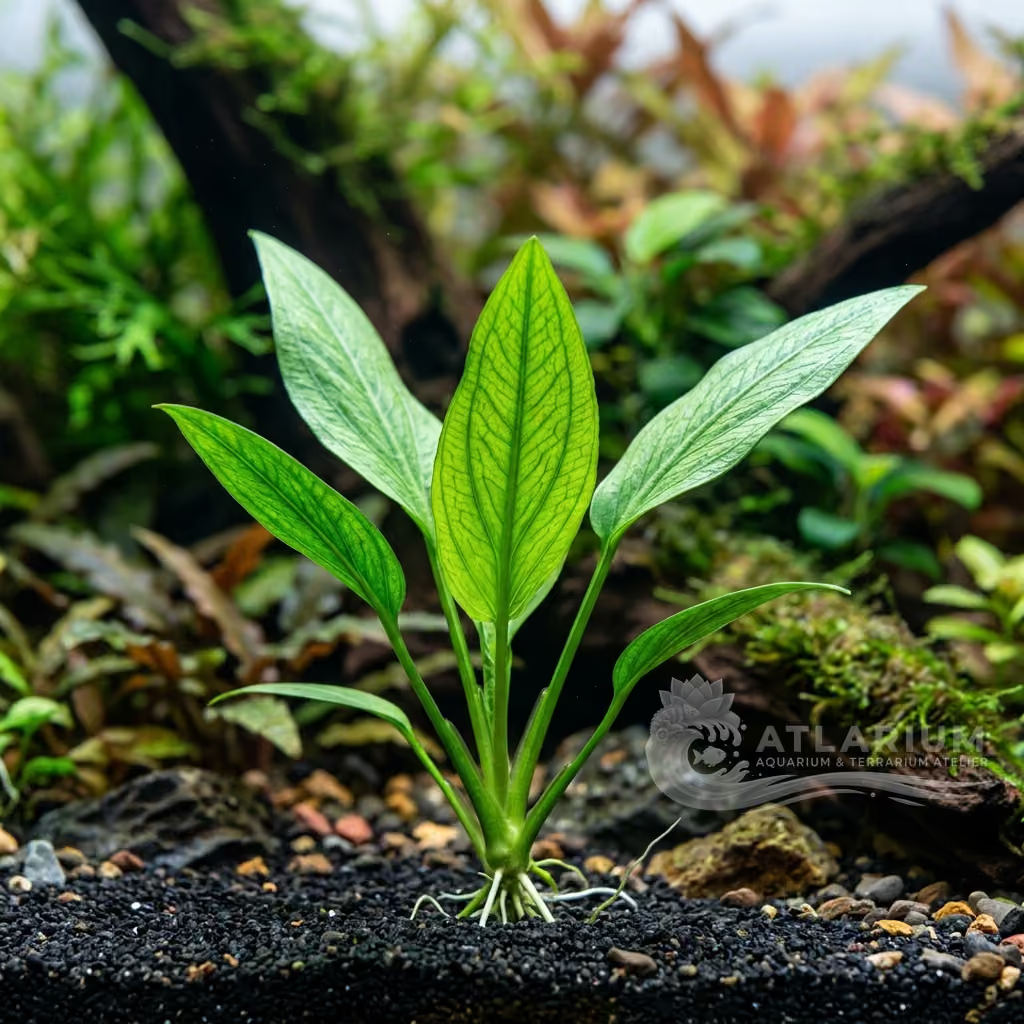
Cryptocoryne lucens is a robust, slow-growing aquatic plant from Sri Lanka. Its narrow, lanceolate, glossy green leaves effortlessly form dense and vibrant carpets in the foreground or midground.
Water Temperature
22 - 28 °C
pH Value
6 - 7.5
Water type
Freshwater
Light
Medium - High
CO2
Medium - High
Expected height
15 cm
Expected width
10 cm
KH
2 - 10 dKH

Species description
Geographical Origin and Habitat: Cryptocoryne lucens is native to the southwestern regions of Sri Lanka, particularly in the wet and temperate district. This species grows naturally along the banks of shaded forest streams and rivers, often in areas subject to seasonal flooding. In these environments, it lives in both submerged and emersed states depending on rainfall, anchored to sandy and muddy soils rich in organic debris.
Taxonomy & Genetics: It belongs to the Araceae family, genus Cryptocoryne. Often considered by some authors to be a form or variety closely related to the Cryptocoryne wendtii or Cryptocoryne beckettii group, it nevertheless maintains its genetic distinction, characterized by stable size and significantly narrower foliage. Its genetics are adapted to tolerate long periods of low light under the dense canopy of the rainforest.
Physical Structure: It is a compact, herbaceous rosette plant reaching an average height of 10-20 cm. The leaves are lanceolate, narrow, supported by small vertical petioles that tend to spread laterally over time. It develops a robust root system with a short creeping rhizome from which numerous underground runners originate for vegetative propagation.
Color & Texture: The leaves exhibit a bright, glossy, and uniform green coloration on both sides, which justifies the specific name "lucens." Unlike other Cryptocorynes, it almost never shows brown veins or bronze tones, maintaining a pure green color. The leaf texture is smooth, with linear margins free of prominent waves, giving the plant a clean and neat appearance.

Care, breeding and tankmates
Lighting & CO2: Adapts excellently to low lighting conditions, making it ideal for low-tech aquariums. Moderate lighting stimulates more compact growth, and it does not strictly require carbon dioxide injection, although a modest supply can speed up its typically slow development.
Nutrition & Substrate: Prefers a well-fertilized sandy or clay substrate. The roots are highly efficient at absorbing nutrients from the soil; therefore, placing root tabs containing iron and trace elements near the base is essential to prevent leaf discoloration and support healthy development.
Water Chemistry: Prefers soft to moderately hard water with a KH between 2 and 12 dKH and a pH range of 6.0 to 7.5. It is sensitive to abrupt shifts in conductivity or temperature. The ideal temperature range for cultivation is between 20°C and 28°C.
Space Management & Placement: Great for the midground or foreground in medium or large aquariums. Plant individual crowns about 2-3 cm apart; over time, the bushes will merge into a dense green barrier, perfect for concealing the base of rocks or wood.
Pruning: Requires very little maintenance. Old or yellowing leaves on the outside of the rosette should be gently removed by cutting them near the crown, promoting water circulation and light penetration to the center of the plant.
Risks & Diseases: Although hardier than other Cryptocorynes, it can suffer from "Cryptocoryne melt" in case of drastic physical-chemical water changes. Avoid frequent relocation once planted, as transplanting disrupts the delicate root balance and slows growth for several weeks.

Geographic origin and distribution
Cryptocoryne lucens is native to the southwestern regions of Sri Lanka, particularly in the wet and temperate district. This species grows naturally along the banks of shaded forest streams and rivers, often in areas subject to seasonal flooding. In these environments, it lives in both submerged and emersed states depending on rainfall, anchored to sandy and muddy soils rich in organic debris.
Origin
South and Southeast Asia

Plant profile
- Placement
- Midground
- This species is best suited as a midground group in the aquarium. Its rosette with slender, upright leaves provides excellent contrast against both fine-leaved stems and hardscape materials. Careful positioning ensures it receives adequate light without being overshadowed by faster-growing plants.
- Botanical form
- Rosette
- Cryptocoryne lucens features a beautiful rosette with slender, upright leaves that adapts to its submerged environment. The leaf shape and stem length can shift dynamically based on the available light intensity and spectrum. Its robust crown and creeping rhizome form the foundation of this elegant aquatic plant.
- Growth
- Slow
- Cryptocoryne lucens exhibits a naturally moderate pace of growth, typical of many species in its genus. It prioritizes root development initially, resulting in a delayed emergence of new leaves after planting. Environmental stability rather than high energy input is the key to steady, reliable growth.
- Substrate
- High
- For the best results, Cryptocoryne lucens should be planted in a high-quality, mineral-rich substrate. Since it draws the majority of its nutrition from the roots, a well-established bottom layer is essential. Sand or fine gravel can be used successfully provided adequate root tabs are consistently supplied.
- Column fertilization
- Recommended
- Although primarily a root feeder, Cryptocoryne lucens absorbs significant nutrients from the water column. A balanced liquid fertilizer dosed weekly will support its overall metabolic functions. Care must be taken not to overdose, which could invite algae on its slower-growing leaves.
- Root fertilization
- Recommended
- Because Cryptocoryne lucens develops a massive root system, it requires substantial subterranean feeding. Burying nutrient capsules near its base every few months guarantees lush and continuous growth. Neglecting root fertilization often leads to stunted leaves and a gradual decline in plant mass.
- Trimming
- Occasional
- Maintenance is incredibly easy, typically requiring only the occasional removal of yellowing or damaged outer leaves. Use aquascaping scissors to cut these leaves near the base of the rosette. Because it grows moderately fast, you can trim it slightly more aggressively than other Cryptocorynes without harming the plant. If the thicket becomes too dense, entire rosettes can be carefully uprooted and relocated.
- Propagation
- Runners
- The most effective way to propagate Cryptocoryne lucens is by dividing its natural runner network. Wait until the young plantlets exhibit independent roots before separating them from the parent rhizome. Replanting them gently with root tabs ensures they transition smoothly without melting.
- Sensitivity
- Moderate
- Cryptocoryne lucens is highly regarded for its hardiness and resistance to the dreaded 'Crypt melt'. It tolerates a wide range of water parameters, including harder water and alkaline pH levels. While sudden, extreme changes can still cause some leaves to melt, it recovers remarkably quickly compared to its more delicate cousins. It is an excellent choice for beginners due to its forgiving nature.
- Layout role
- Midground, Foreground, group
- It excels as a transition plant, blending perfectly between low foreground carpets and taller midground or background plants. Its bright green, narrow leaves contrast beautifully against dark wood, dark stones, and reddish stem plants. Planting a cluster of Cryptocoryne lucens creates a serene, natural-looking meadow effect in nature aquariums. It softens hard lines and brings a vibrant touch of life to the aquascape.

Related species
Recommendations grouped by close relatives, companion choices, and similar care.