Blyxa cf. vietii
Blyxa cf. vietii
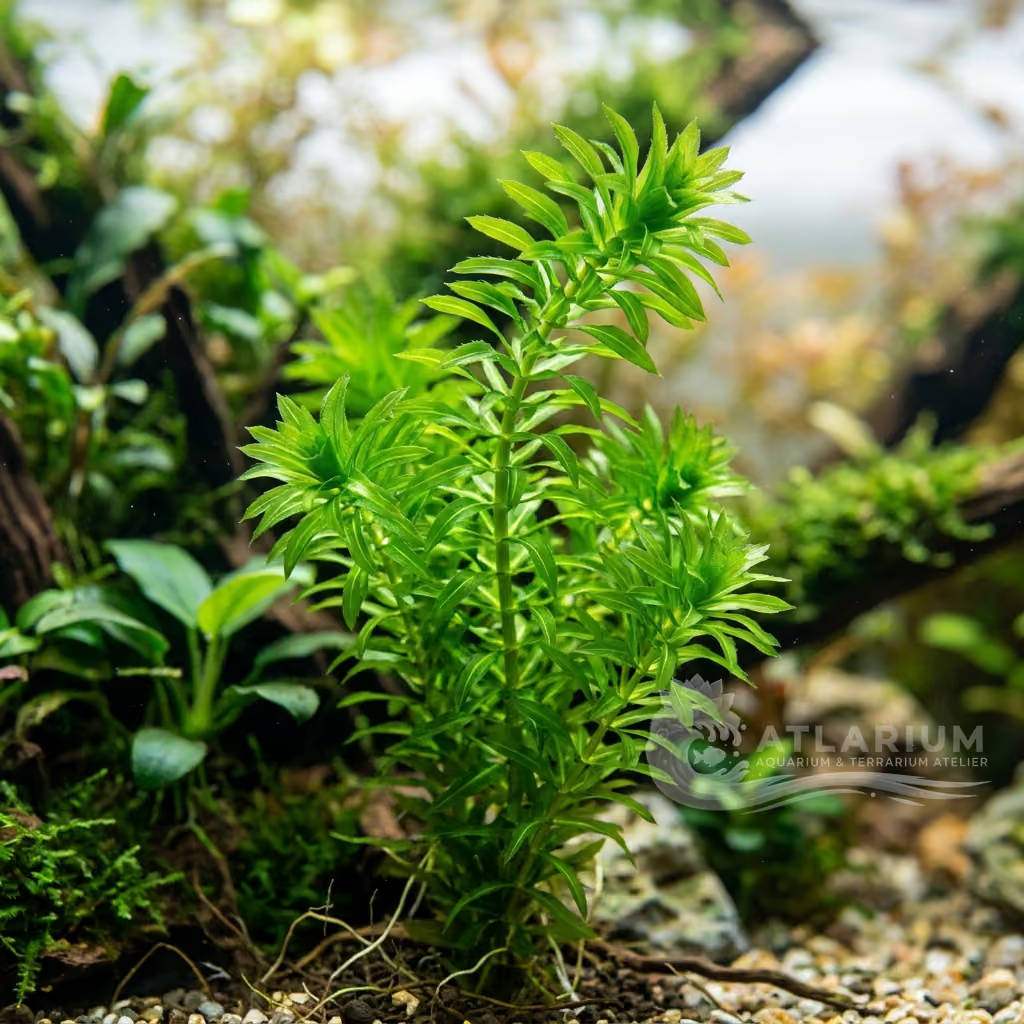
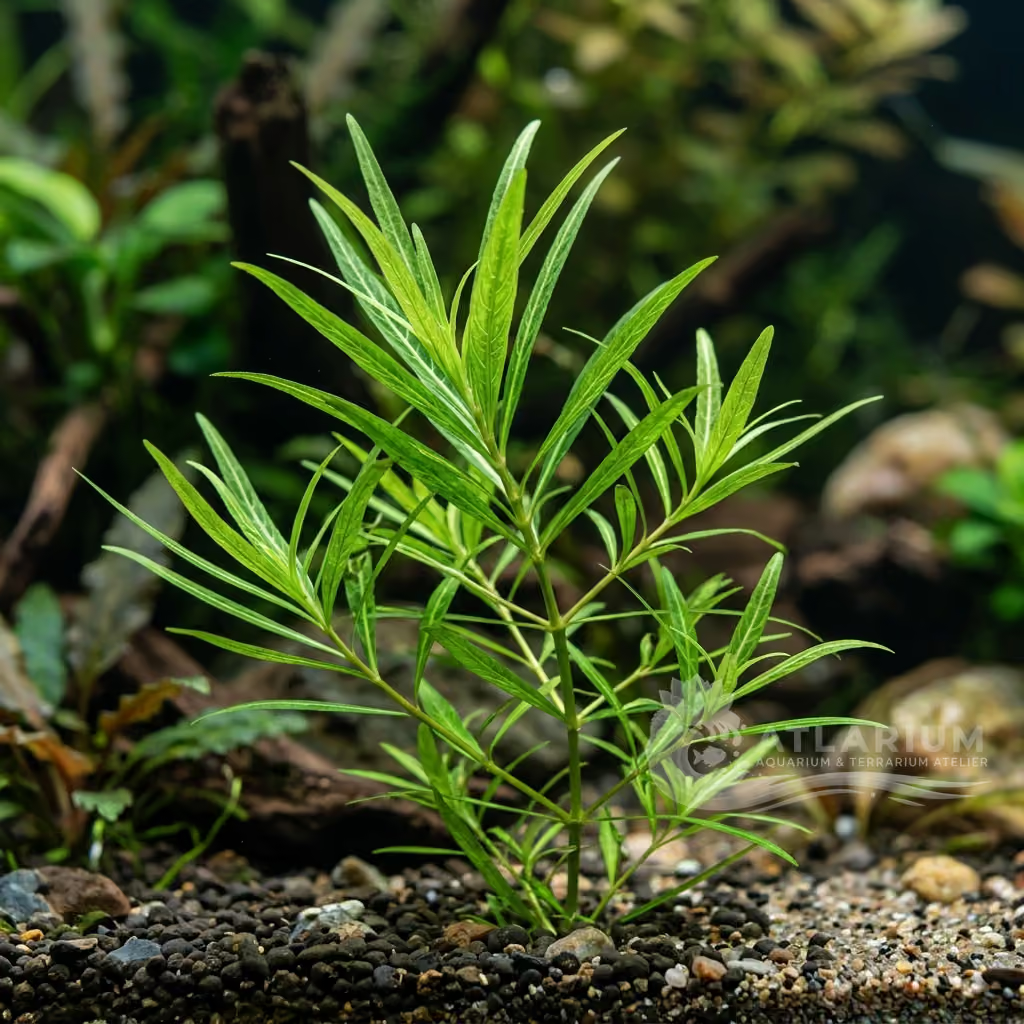
An elegant grassy aquatic stem plant native to Southeast Asia. Features thin lanceolate leaves perfect for midground, requiring rich nutrients and CO2.
Water Temperature
22 - 28 °C
pH Value
5.5 - 7
Water type
Freshwater
Light
High
CO2
Medium - High
Expected height
15 cm
Expected width
10 cm
GH
4 - 12 dGH
KH
2 - 8 dKH

Species description
Geographical Origin and Habitat: Blyxa cf. vietii is a grassy aquatic plant native to Southeast Asia, particularly Vietnam and surrounding regions. In its natural habitat, it grows fully submerged in clean, warm, slow-flowing forest streams, rivers, and shallow pools. It typically forms dense grassy meadows in sunlit areas where the substrate is rich in organic mud and iron-bearing sediments.
Taxonomy & Genetics: Belonging to the family Hydrocharitaceae and the genus Blyxa, the identifier "cf." (confer) indicates that the plant is provisionally classified as vietii pending definitive taxonomic review. Genetically, it shares traits with other Blyxa species, including a rapid nutrient uptake capability. Propagation in nature occurs through runners (lateral shoots) or submersed flowering under optimal conditions.
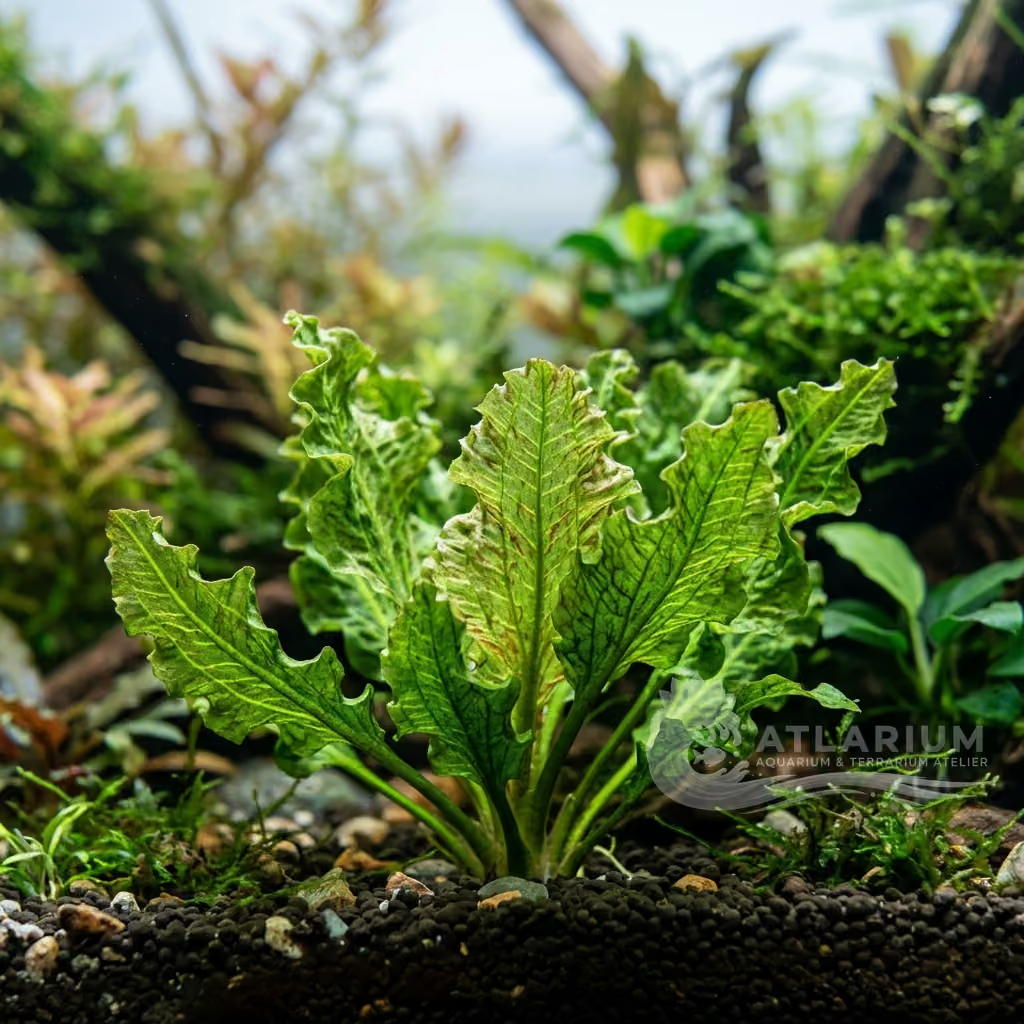
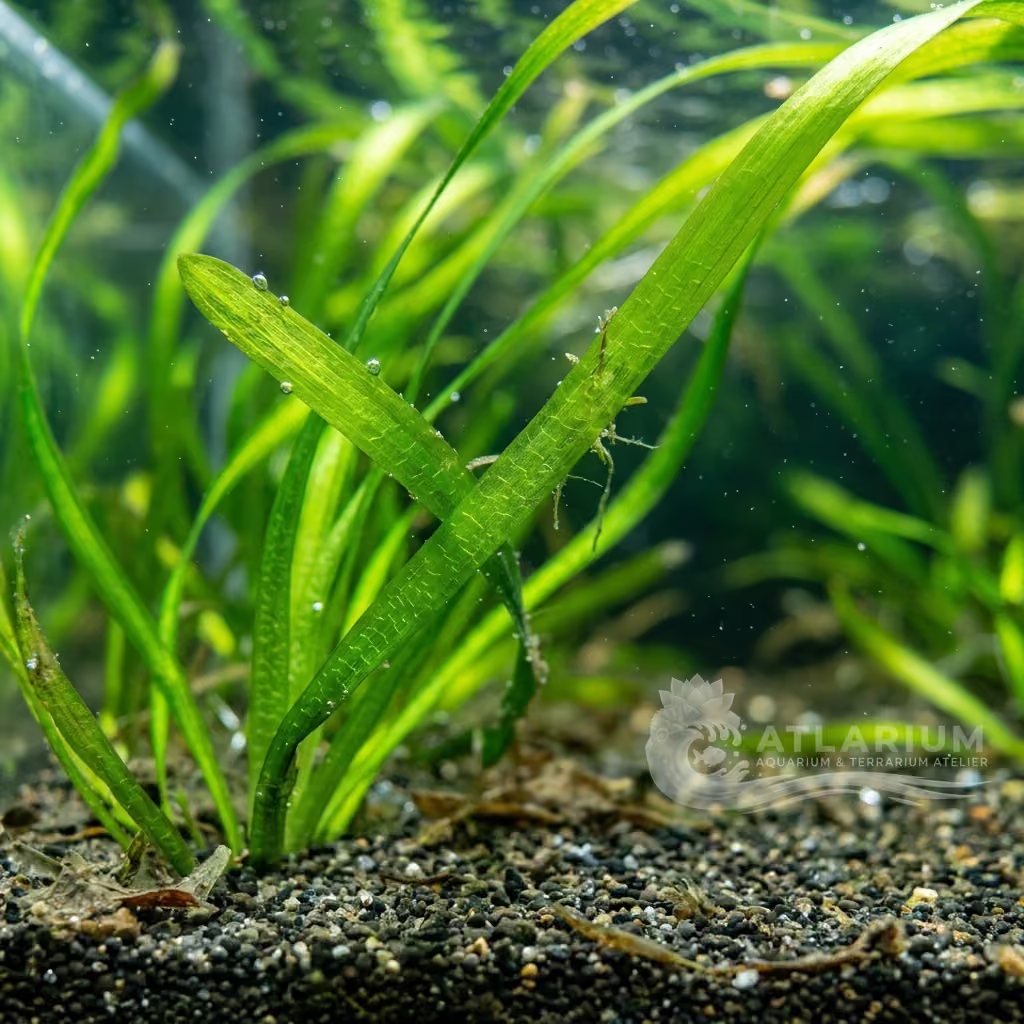
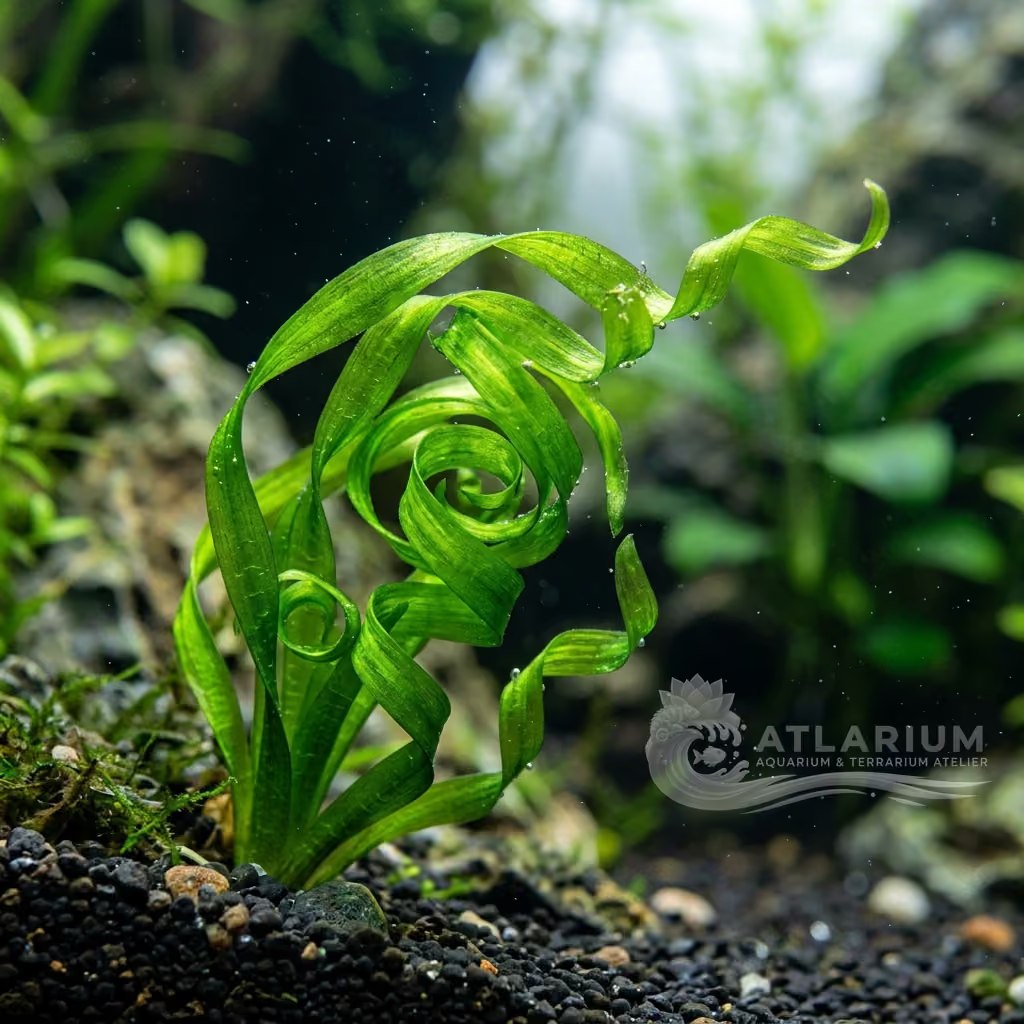
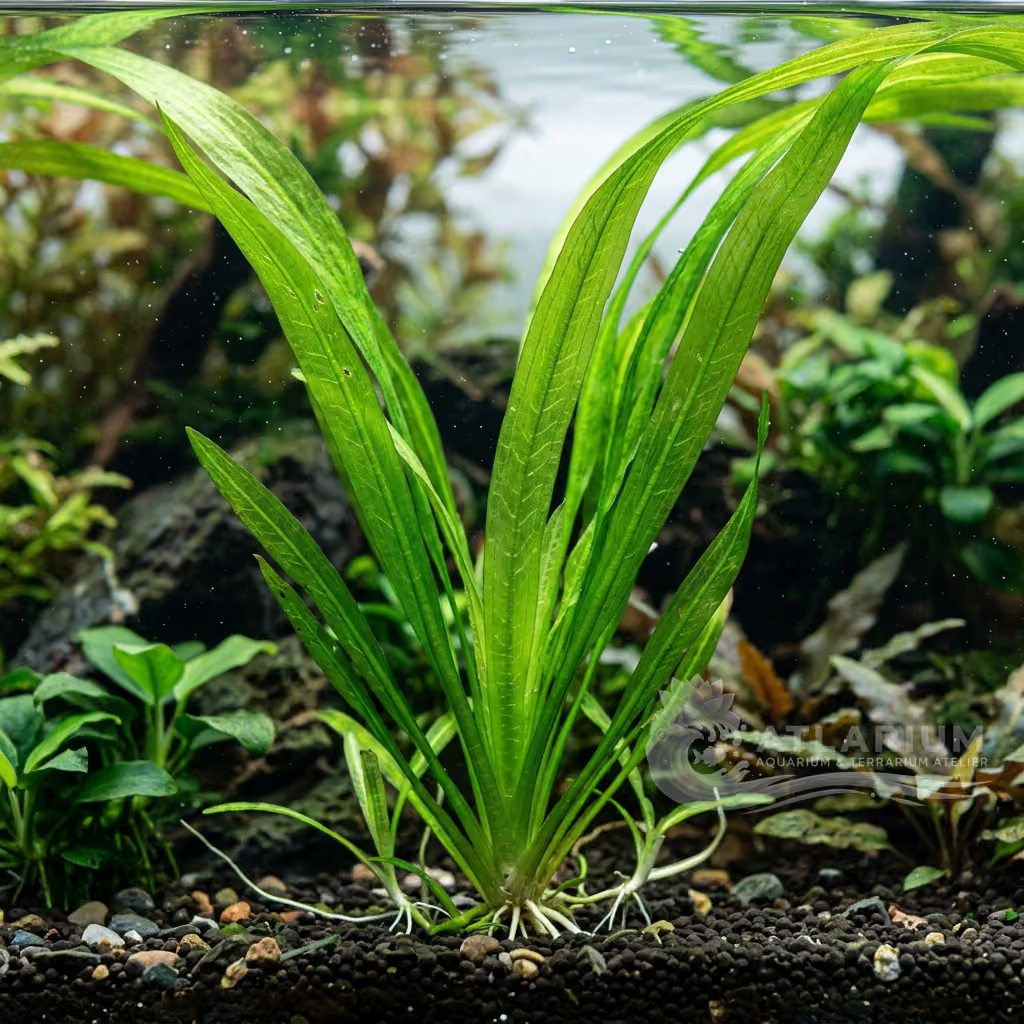
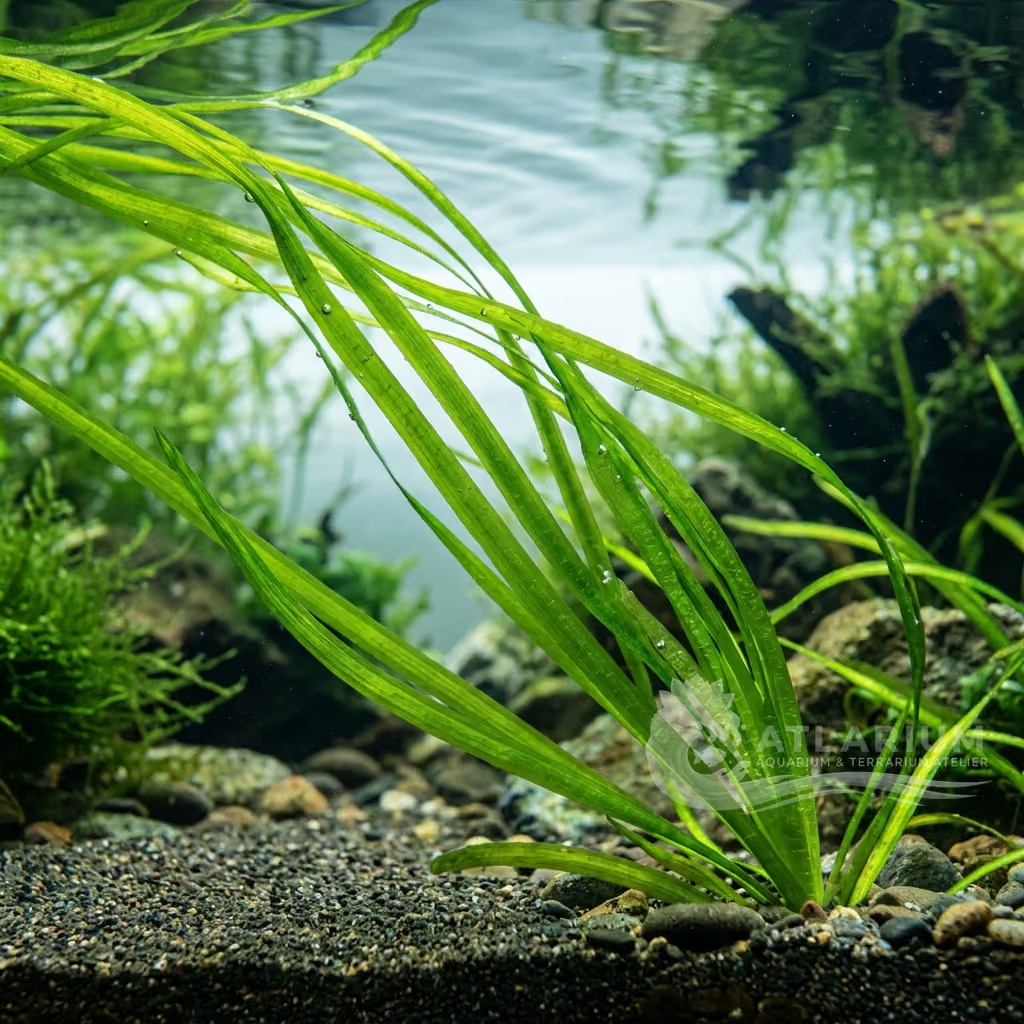
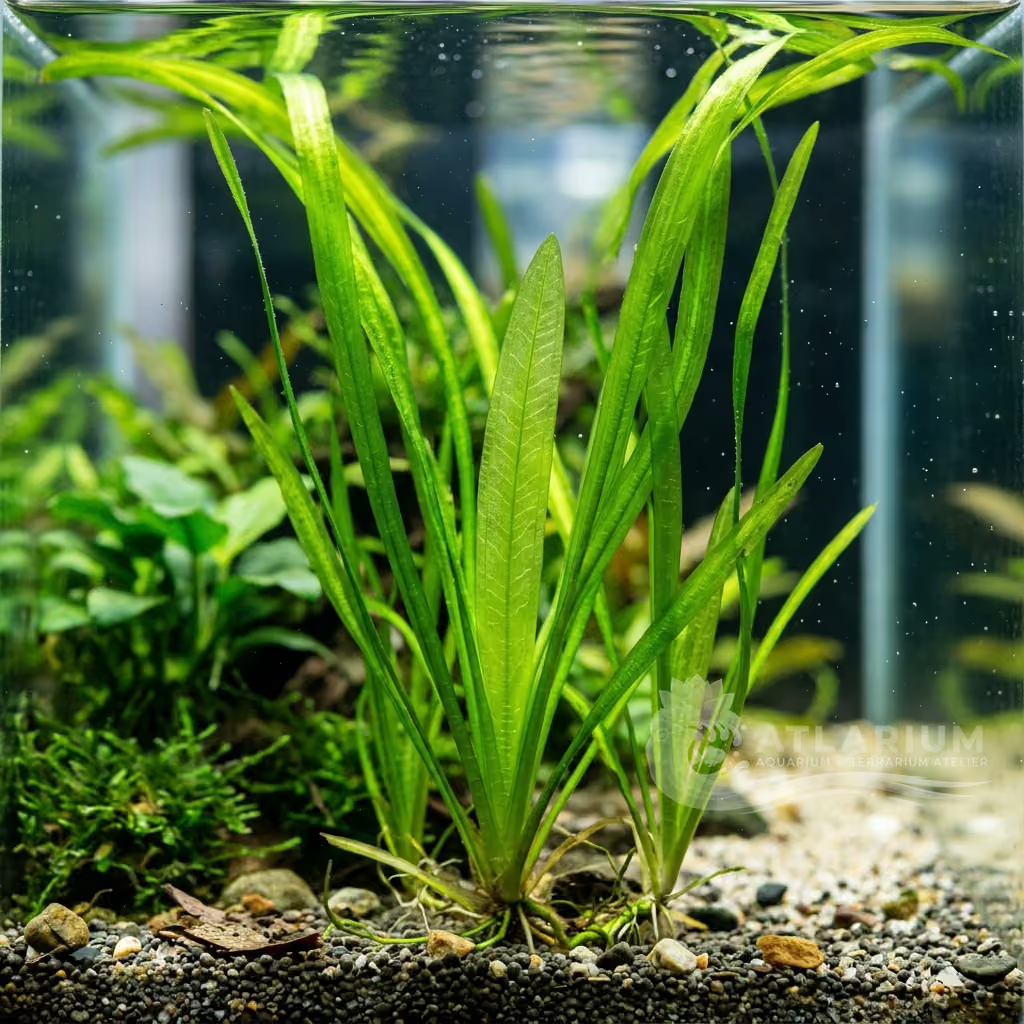
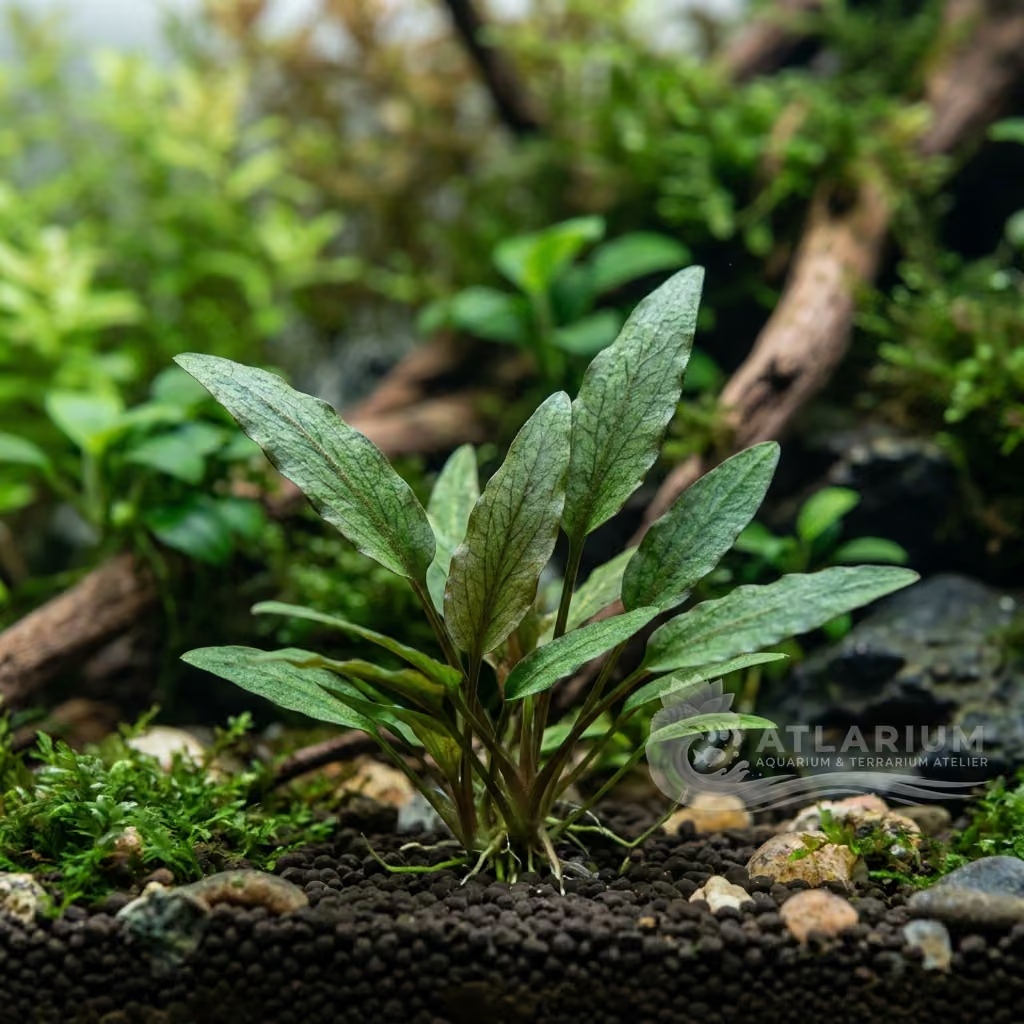
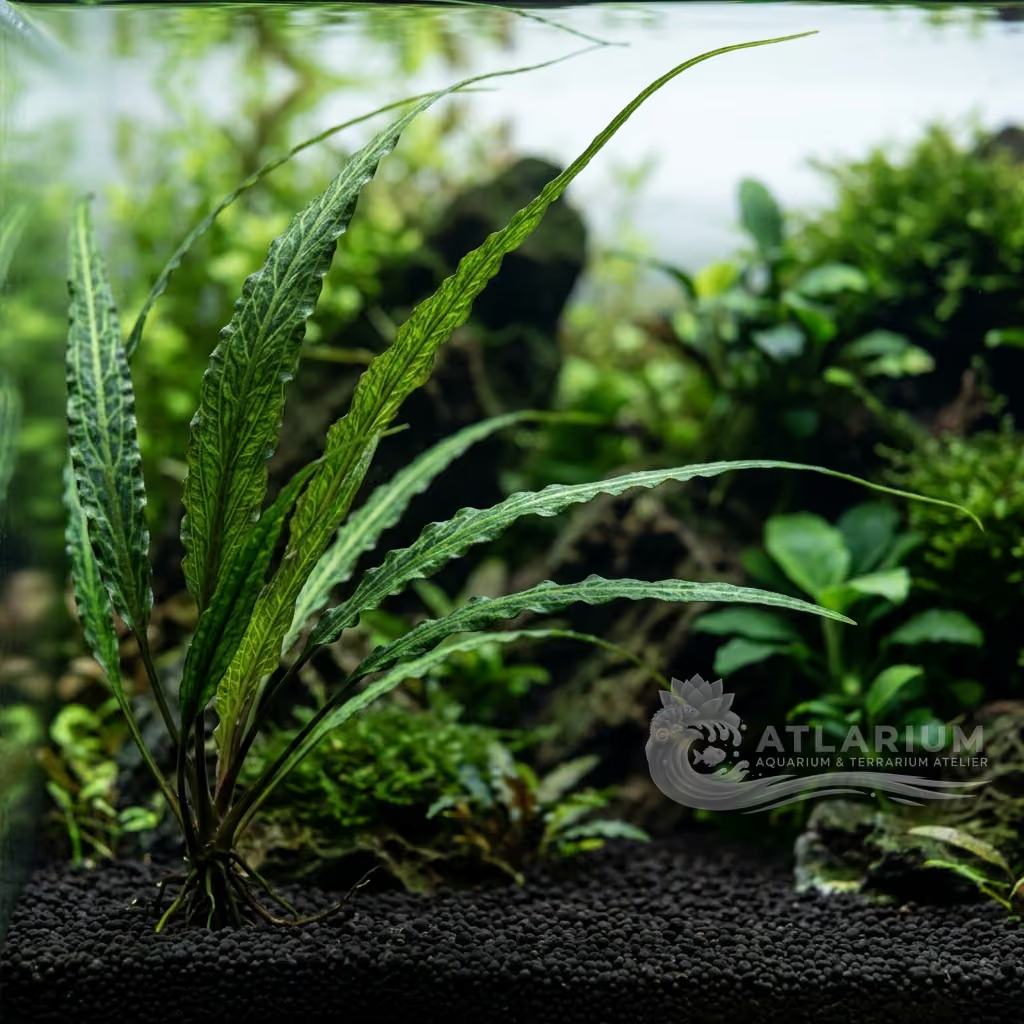
Physical Structure: The plant features a compact rosette structure growing from a short, vertical stem that produces numerous thin, linear, pointed leaves. Leaves are highly flexible and grow closely together, giving the plant a bushy, grass-like appearance. Its root system is extensive, anchoring deep into the substrate to draw nutrients.
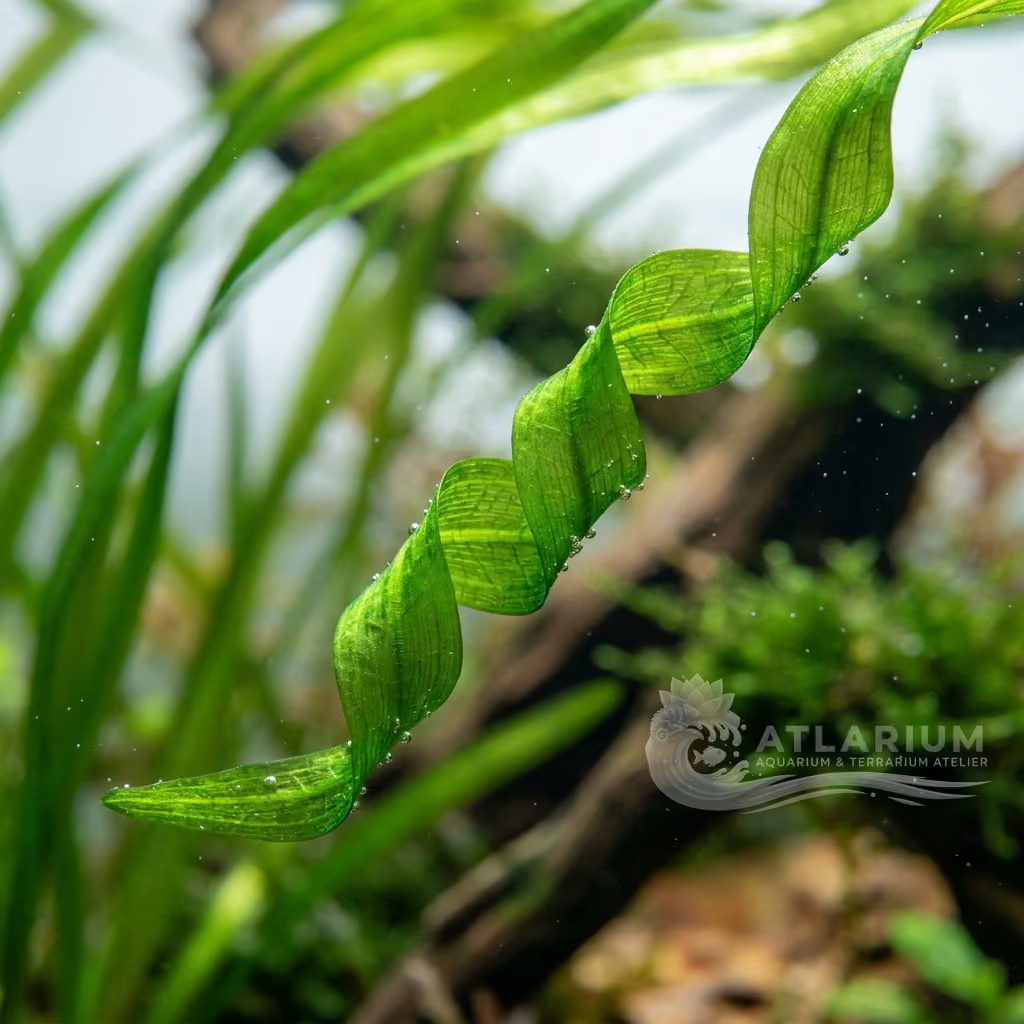
Color & Texture: The leaves are a bright grassy green, which can develop golden or reddish-bronze tips under intense lighting paired with high iron levels. The leaf texture is delicate, soft, and flexible, allowing the plant to sway gracefully in the water current. This movement adds a dynamic and natural feel to the aquascape.

Care, breeding and tankmates
Lighting & CO2: Requires moderate to high light levels. Under low light, the plant loses its dense bushy shape, leaves turn yellow, and growth stagnates. CO2 injection is highly recommended and often necessary for long-term health, helping the plant maintain its vibrant colors and compact form.
Nutrition & Substrate: This species is quite demanding regarding nutrients. It prefers a fertile, nutrient-rich substrate, particularly rich in iron. An active soil substrate will greatly enhance root development and overall plant health. Liquid dosing should be maintained to prevent leaf drop.
Water Chemistry: Prefers soft to moderately hard water with a KH range of 2 to 8 dKH and a slightly acidic to neutral pH (6.0 - 7.2). It is sensitive to excessive nitrate and phosphate accumulation, requiring clean, well-filtered water. The recommended temperature range is 18°C to 28°C.
Space Management & Placement: Its size makes it perfect for midground placement, bridging the gap between low carpeting plants and tall background species. Planted in groups, it forms beautiful grassy patches that contrast with broad-leafed plants or stone hardscapes.
Pruning: Trim older, decaying outer leaves from the base. When the clump becomes too dense, gently uproot the entire plant, divide the lateral side shoots that have developed their own roots, and replant them individually to refresh the grouping.
Risks & Diseases: Iron deficiency is the main risk, leading to pale or translucent leaves. Insufficient CO2 or lighting will cause the base of the plant to rot. It is also susceptible to hair algae infestations, which can choke the thin leaves if water column nutrients are unbalanced.

Geographic origin and distribution
Blyxa cf. vietii is a grassy aquatic plant native to Southeast Asia, particularly Vietnam and surrounding regions. In its natural habitat, it grows fully submerged in clean, warm, slow-flowing forest streams, rivers, and shallow pools. It typically forms dense grassy meadows in sunlit areas where the substrate is rich in organic mud and iron-bearing sediments.
Origin
South and Southeast Asia

Plant profile
- Placement
- Midground
- This plant is an excellent choice for the midground or even the foreground in larger aquariums. It forms dense, low-growing grassy bushes that look very natural among rocks and wood. It can also be used to create thick streets in Dutch-style layouts.
- Botanical form
- Rosette
- It grows as a compact rosette with relatively short, stiff, and narrow leaves. The leaves are typically a vibrant light green. It is generally smaller and more rigid in appearance than Blyxa japonica.
- Growth
- Medium
- Under good conditions, its growth rate is moderate, slowly spreading to form a dense clump. It is less aggressive in its growth than some stem plants, making it easier to manage. In lower light, its growth slows considerably.
- Substrate
- High
- Blyxa cf. vietii shares the voracious root-feeding habits of its genus, requiring a thick, fertile substrate to flourish. An active aqua soil layer of at least two inches is recommended to properly anchor the plant and deliver a constant stream of essential minerals. Regular addition of root tabs is highly beneficial in mature setups to prevent substrate depletion and maintain its robust, grassy growth.
- Column fertilization
- Recommended
- Regular dosing of a complete liquid fertilizer provides the necessary trace elements. While it feeds heavily from the roots, it also absorbs nutrients from the water column. Good water flow ensures nutrients reach all parts of the dense bush.
- Root fertilization
- Recommended
- A fertile, soil-based substrate or the use of root tabs is highly recommended for optimal health. It develops a strong root system and relies on the substrate for a significant portion of its nutrition. A rich substrate encourages it to form thicker clumps.
- Trimming
- Occasional
- It rarely requires extensive trimming. Maintenance usually involves thinning out the clump if it becomes too dense or removing any older leaves. If the bush becomes too large, it can be uprooted, divided, and replanted.
- Propagation
- Division
- Propagation is straightforward and occurs by dividing the dense clump. Carefully uproot the plant and separate the individual rosettes, ensuring each has a healthy root system. Replant the divisions slightly spaced apart.
- Sensitivity
- Moderate
- It is moderately hardy but can be sensitive to sudden changes in water parameters or significant drops in CO2. It does not handle severe shading well, which can cause rotting. It is relatively resistant to algae if healthy.
- Layout role
- Midground, group
- It functions perfectly as a textural midground plant, providing a transition between low foreground carpets and taller stem plants. Its stiff, grassy texture offers excellent contrast against rounded leaves. It is a staple in nature aquarium layouts.

Related species
Recommendations grouped by close relatives, companion choices, and similar care.