Vallisneria spiralis "Tiger"
Vallisneria spiralis
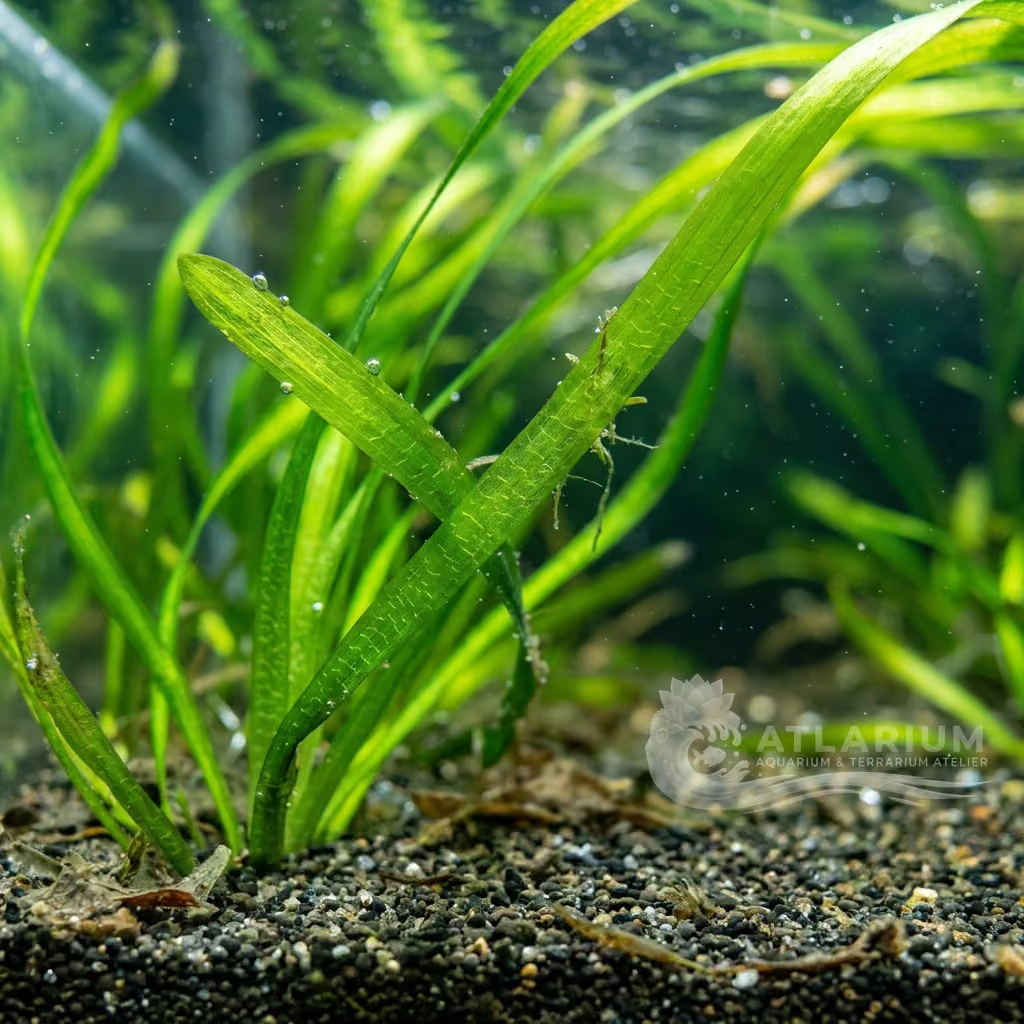
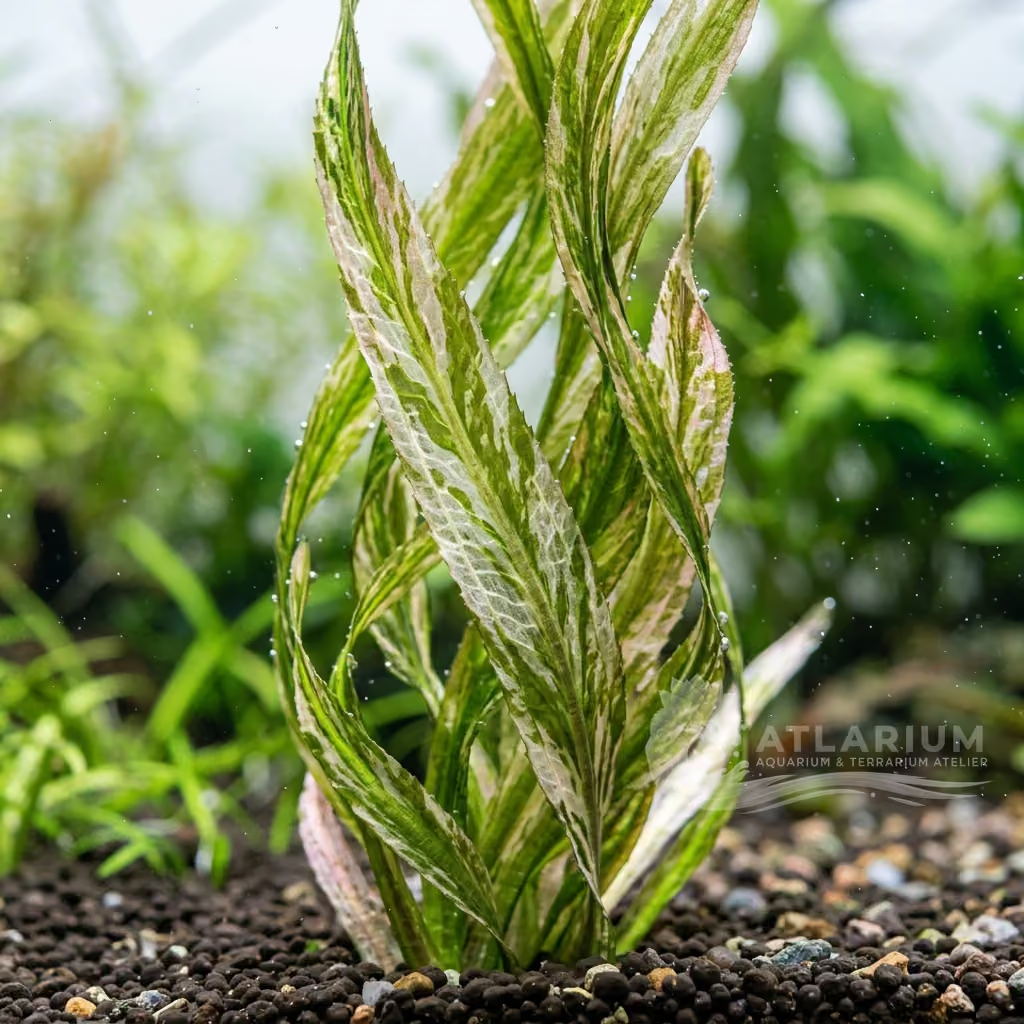
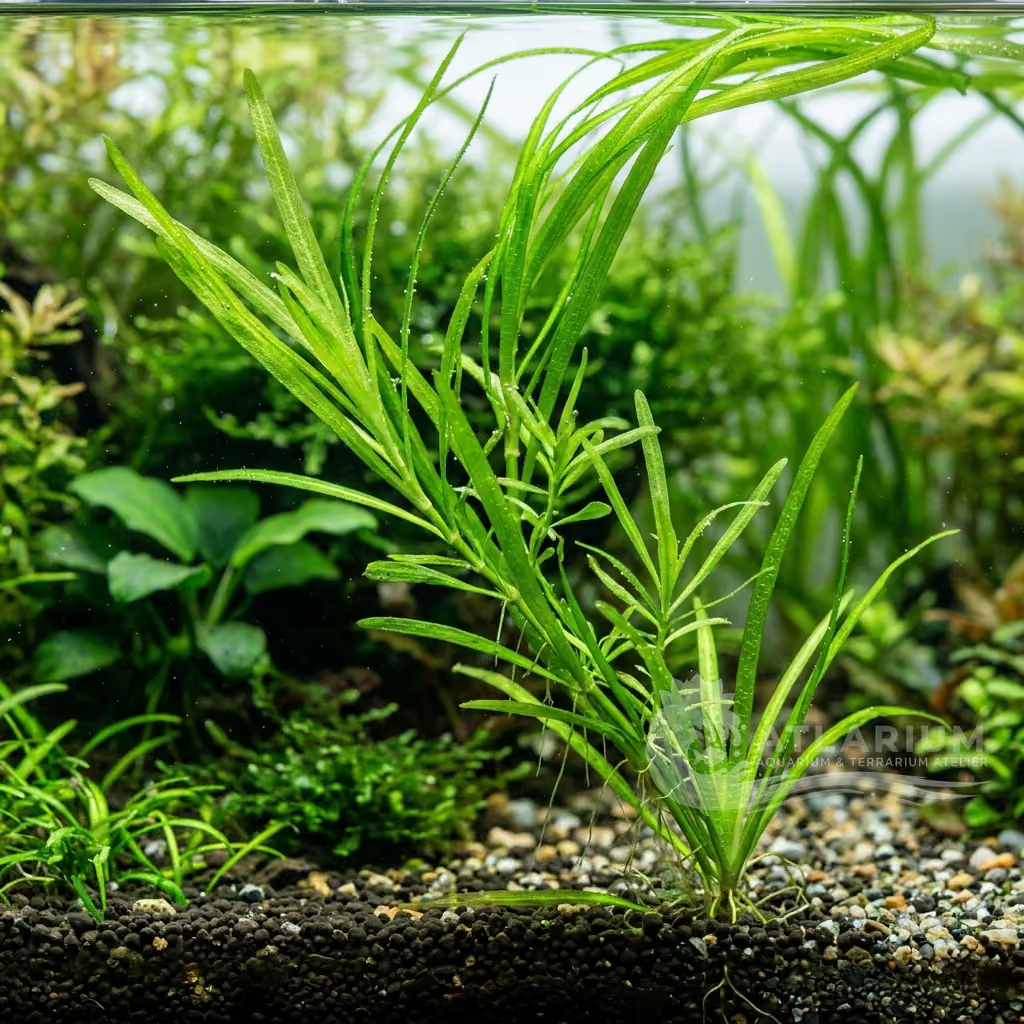
Vallisneria spiralis "Tiger" is a striking midground aquarium plant, renowned for its ribbon-like leaves adorned with distinctive horizontal stripes. Exhibiting a moderate growth rate, it readily propagates via runners, making it an excellent choice for creating natural partitions and adding unique visual texture to the aquascape.
Water Temperature
22 - 28 °C
pH Value
6 - 7.5
Water type
Freshwater
Light
Medium - High
CO2
Medium - High
KH
2 - 10 dKH

Species description
Geographical Origin and Habitat: Vallisneria spiralis, the parent species of the "Tiger" cultivar, originates from a broad range of tropical and subtropical regions worldwide, commonly found in slow-moving rivers, lakes, and marshes. This plant typically anchors itself in the substrate of aquatic environments, growing fully submerged or with leaves extending to the water's surface. The "Tiger" variant, however, is a horticultural selection, specifically cultivated for its attractive striped appearance rather than being a distinct wild ecotype.
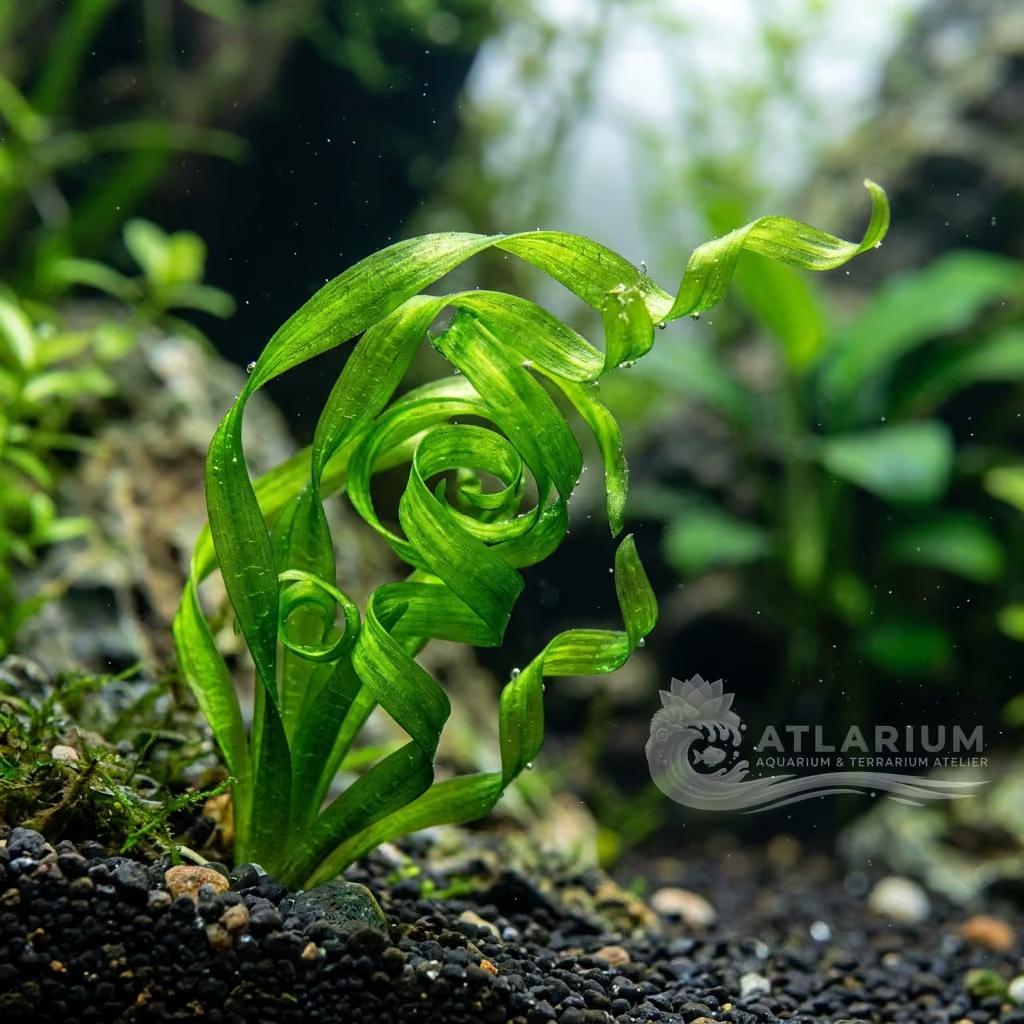
Taxonomy & Genetics: Belonging to the Hydrocharitaceae family, Vallisneria spiralis is a well-known genus of submerged aquatic plants. The epithet "spiralis" actually refers to the spiraling flower stalk of the female flower, not necessarily the leaves themselves, although some varieties might display a slight leaf twist. The "Tiger" is a cultivar, meaning it has been selectively bred and propagated by humans to highlight specific aesthetic traits, in this case, its unique patterned markings, while retaining the fundamental genetic identity of Vallisneria spiralis.
Physical Structure:
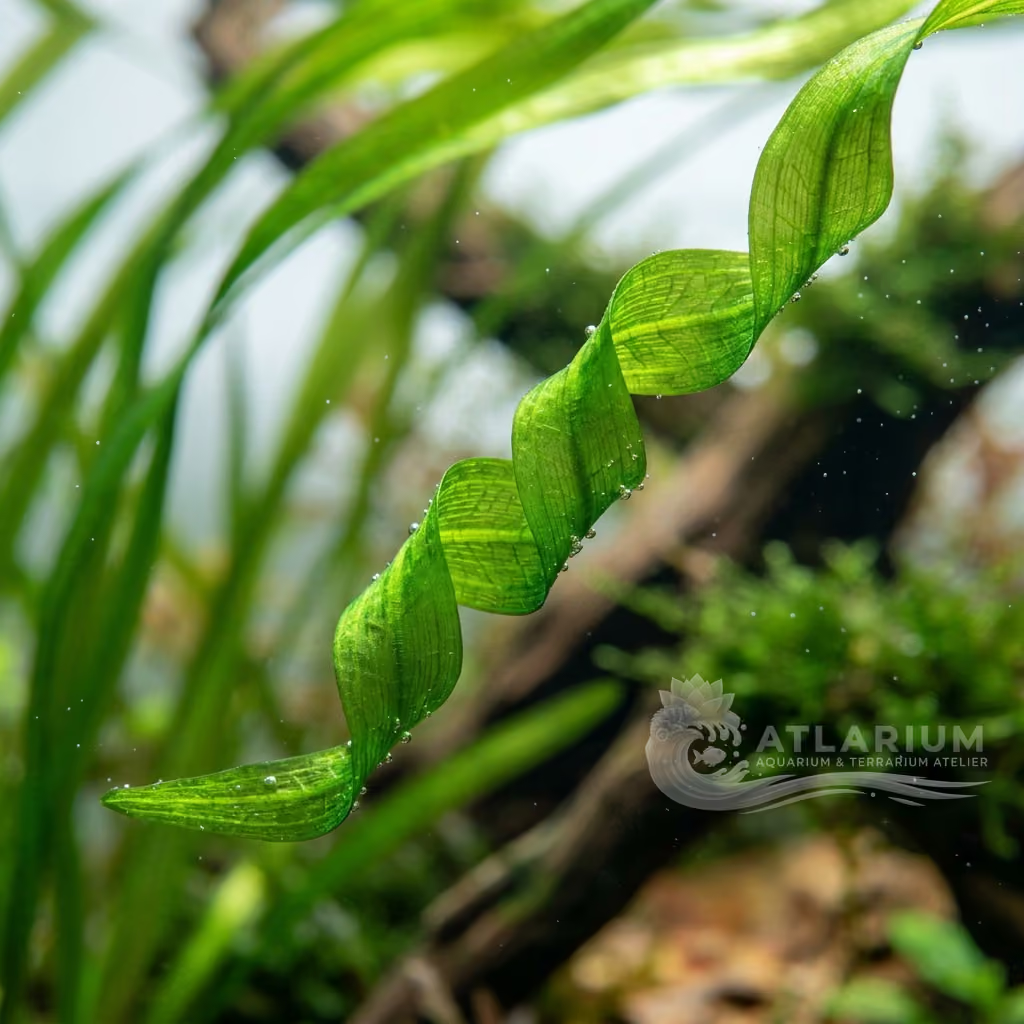
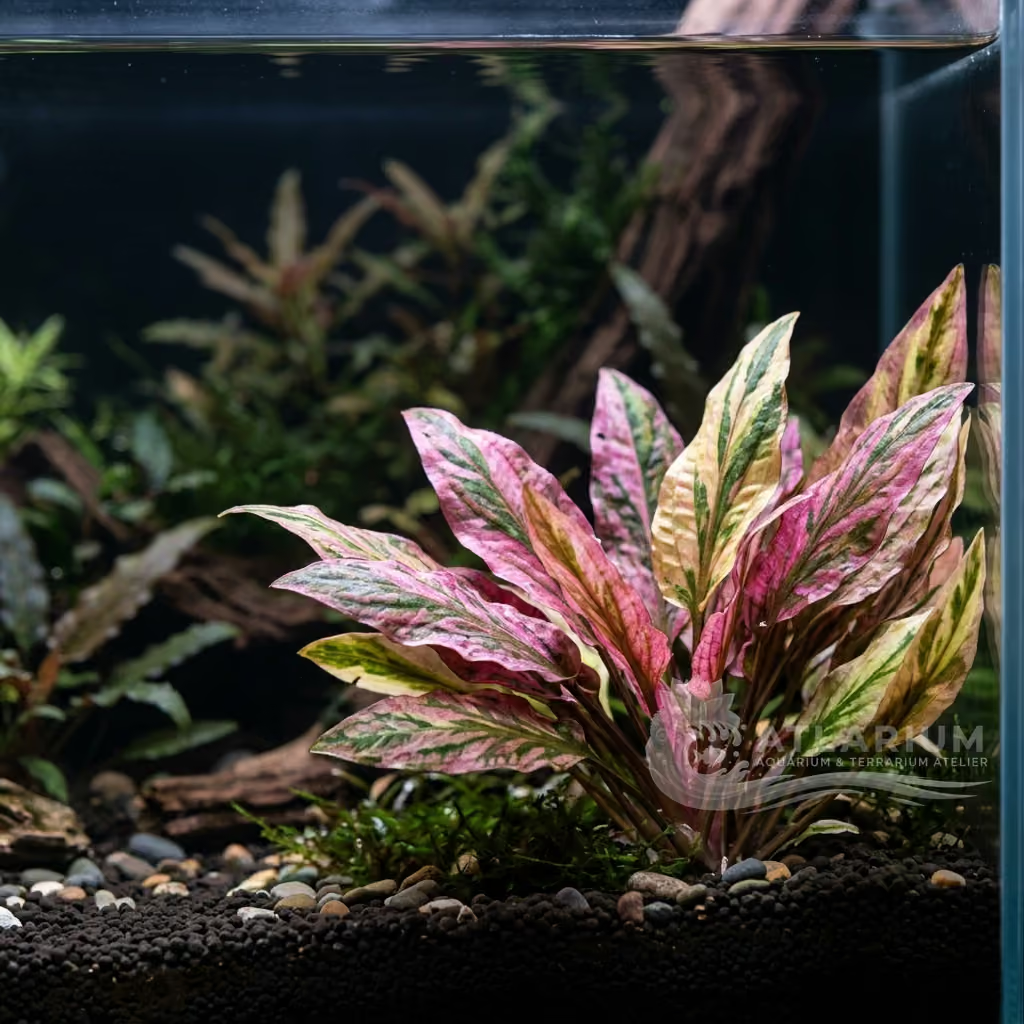
Color & Texture: What truly distinguishes Vallisneria "Tiger" is its unique coloration, characterized by distinctive reddish-brown to dark green horizontal stripes or bands that traverse the brighter green backdrop of its leaves. This striking zebra-like pattern becomes more pronounced and vibrant under optimal lighting and nutrient conditions. The leaves are smooth, flexible, and somewhat translucent, swaying gently with water currents, which adds a dynamic and visually captivating element to the aquascape.

Care, breeding and tankmates
Lighting & CO2: Vallisneria spiralis "Tiger" has a medium light demand; adequate lighting is crucial for enhancing its distinctive stripes and promoting healthy growth. While it can tolerate lower light levels, its stripes may fade, whereas excessive lighting can encourage algae growth on its leaves. CO2 supplementation is not strictly necessary for its survival, but it significantly boosts its growth rate, foliage density, and the vividness of its coloration, making the "tiger" markings much more defined and striking.
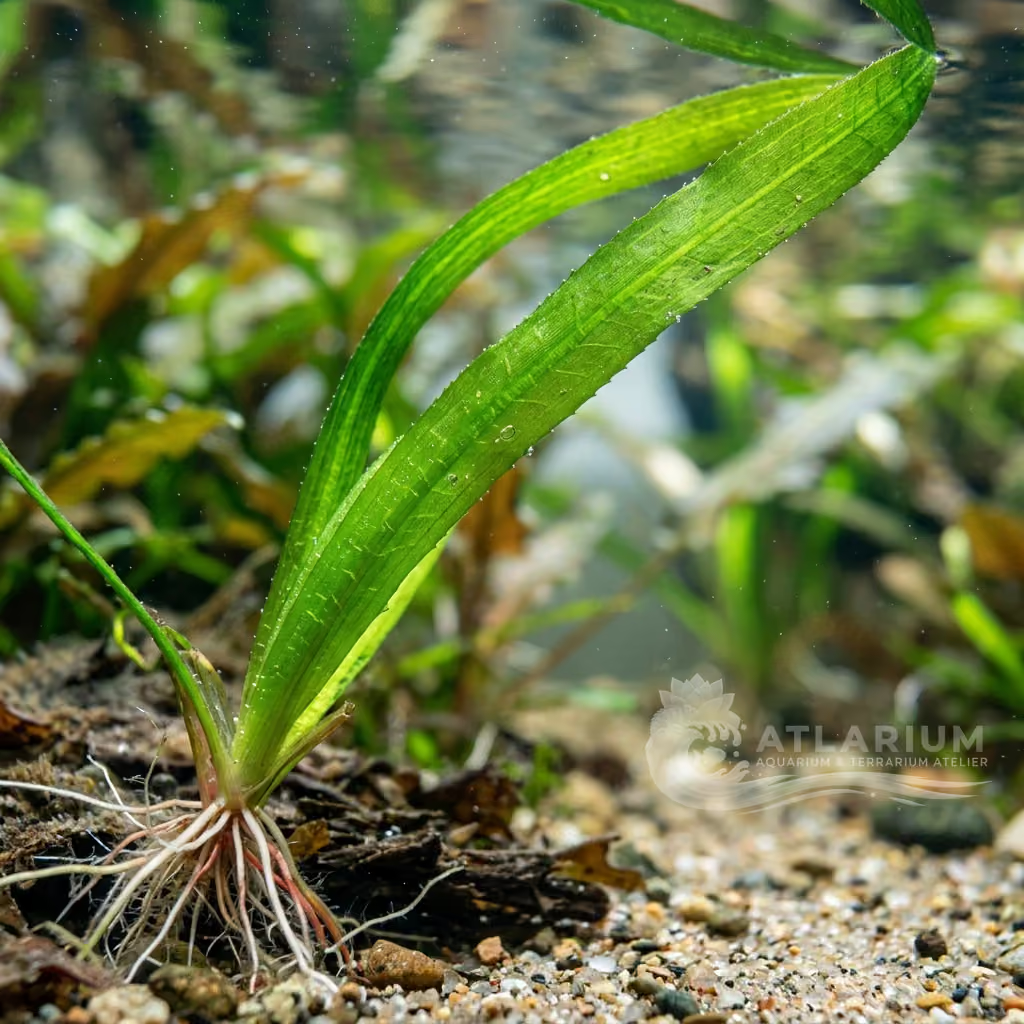
Nutrition & Substrate: Primarily a root feeder, Vallisneria "Tiger" thrives in a nutrient-rich substrate, such as aqua soil or a sand/gravel base supplemented with root tabs. Nutrient absorption from the substrate is essential for its development and leaf vitality. It also benefits from iron and potassium supplementation in the
Water Chemistry: This variety of Vallisneria is remarkably tolerant of a wide spectrum of water chemistry parameters, making it suitable for many aquariums. It prefers temperatures between 20 and 28°C, a pH range of 6.0 to 7.5, and a carbonate hardness (KH) between 2 and 12. Maintaining stable conditions is more critical than hitting specific values, as sudden fluctuations can induce stress and potentially lead to leaf "melting." Good water circulation aids nutrient distribution and overall plant health.
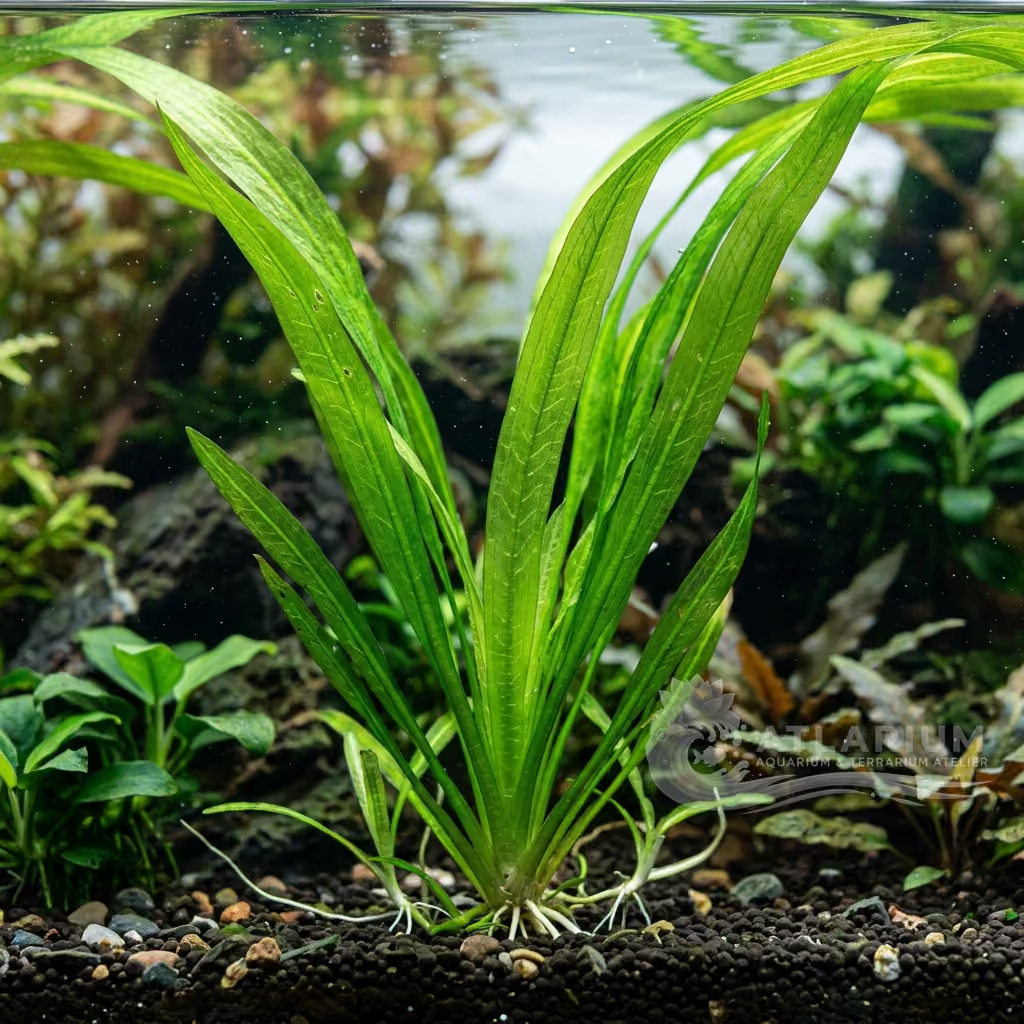
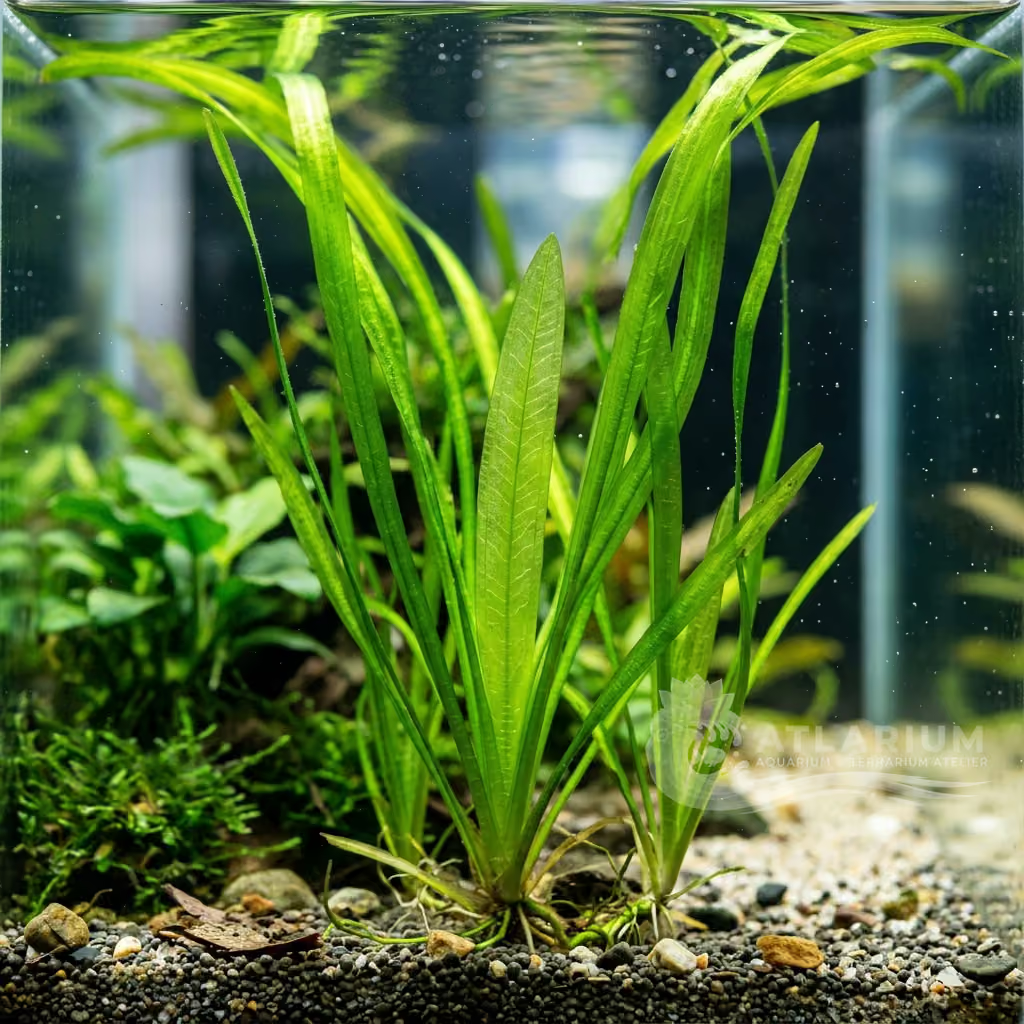
Space Management & Placement: Vallisneria spiralis "Tiger" is ideally positioned in the midground of the aquarium, where its unique stripes can be fully appreciated without being obscured. In smaller tanks, it can also serve effectively as a background plant. It is important to provide ample space for its propagation via runners, as it can quickly form a dense curtain, creating a natural partition effect. Its vertical growth habit offers excellent contrast with shorter, bushier plants, helping to structure the aquascape.
Pruning: Pruning Vallisneria "Tiger" should focus on removing older or damaged leaves by cutting them at the very base with sharp scissors. It is crucial to avoid cutting leaves across the middle, as this often leads to the cut portion browning or melting, which compromises both the aesthetic and health of the plant. To control its propagation and density, runners that develop beneath the substrate should be snipped, preventing excessive spread and maintaining order within the aquarium.
Risks & Diseases: Vallisneria spiralis "Tiger" can be prone to "melting" when introduced to a new aquatic environment or following drastic changes in water parameters, though it typically recovers quickly. It is notably sensitive to glutaraldehyde-based products, often sold as "liquid carbon," which can cause leaf disintegration. Caution or complete avoidance of such products is advised. Nutrient imbalances, particularly iron deficiency, can manifest as pale leaves and stunted growth, while excessive light may promote algae growth on its foliage.

Geographic origin and distribution
Vallisneria spiralis, the parent species of the "Tiger" cultivar, originates from a broad range of tropical and subtropical regions worldwide, commonly found in slow-moving rivers, lakes, and marshes. This plant typically anchors itself in the substrate of aquatic environments, growing fully submerged or with leaves extending to the water's surface. The "Tiger" variant, however, is a horticultural selection, specifically cultivated for its attractive striped appearance rather than being a distinct wild ecotype.
Origin
Selective breeding and cultivars

Plant profile
- Placement
- Midground
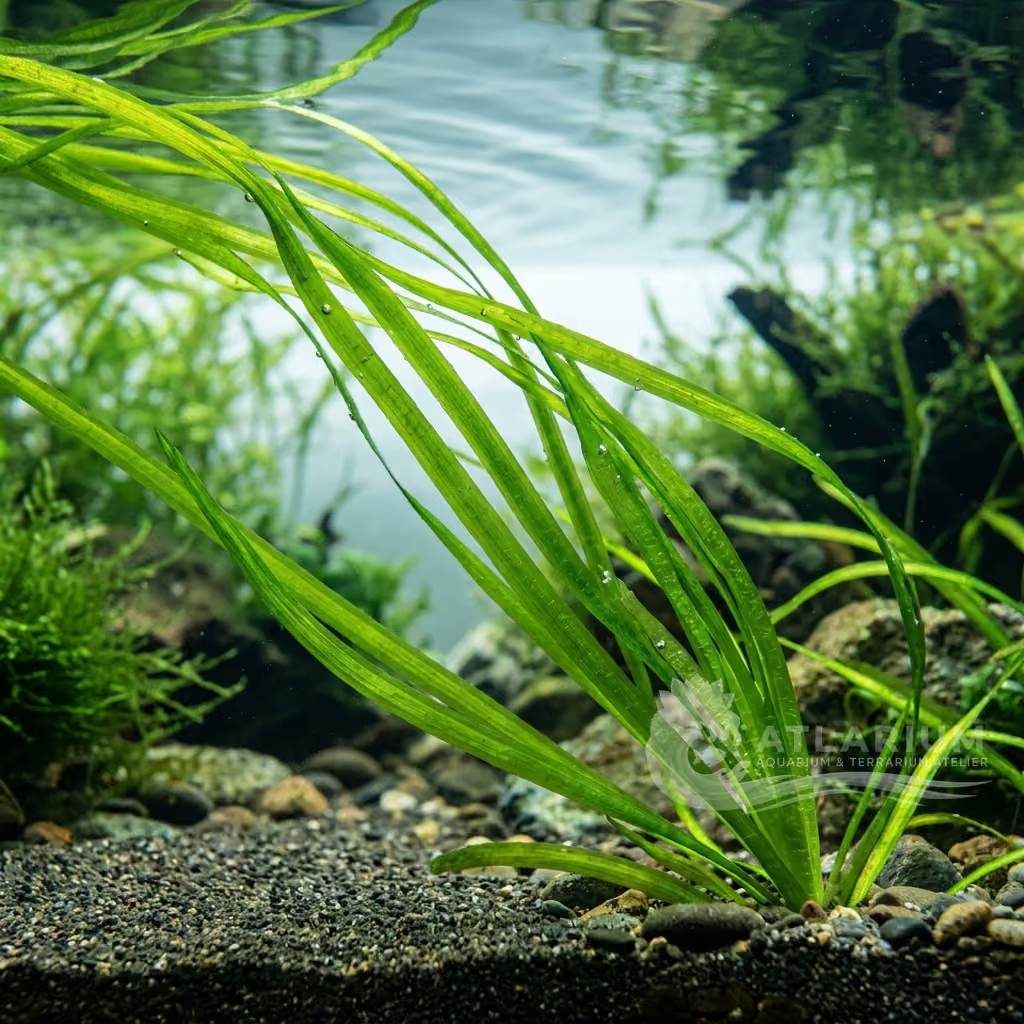
- Due to its potential size, Vallisneria spiralis "Tiger" is best suited for the background of the aquarium. Its tall leaves can reach the surface and beautifully trail along the water flow. It provides excellent shelter for shy fish species and breeding pairs. Placing it in groups creates a stunning, natural-looking aquatic jungle.
- Botanical form
- Rosette
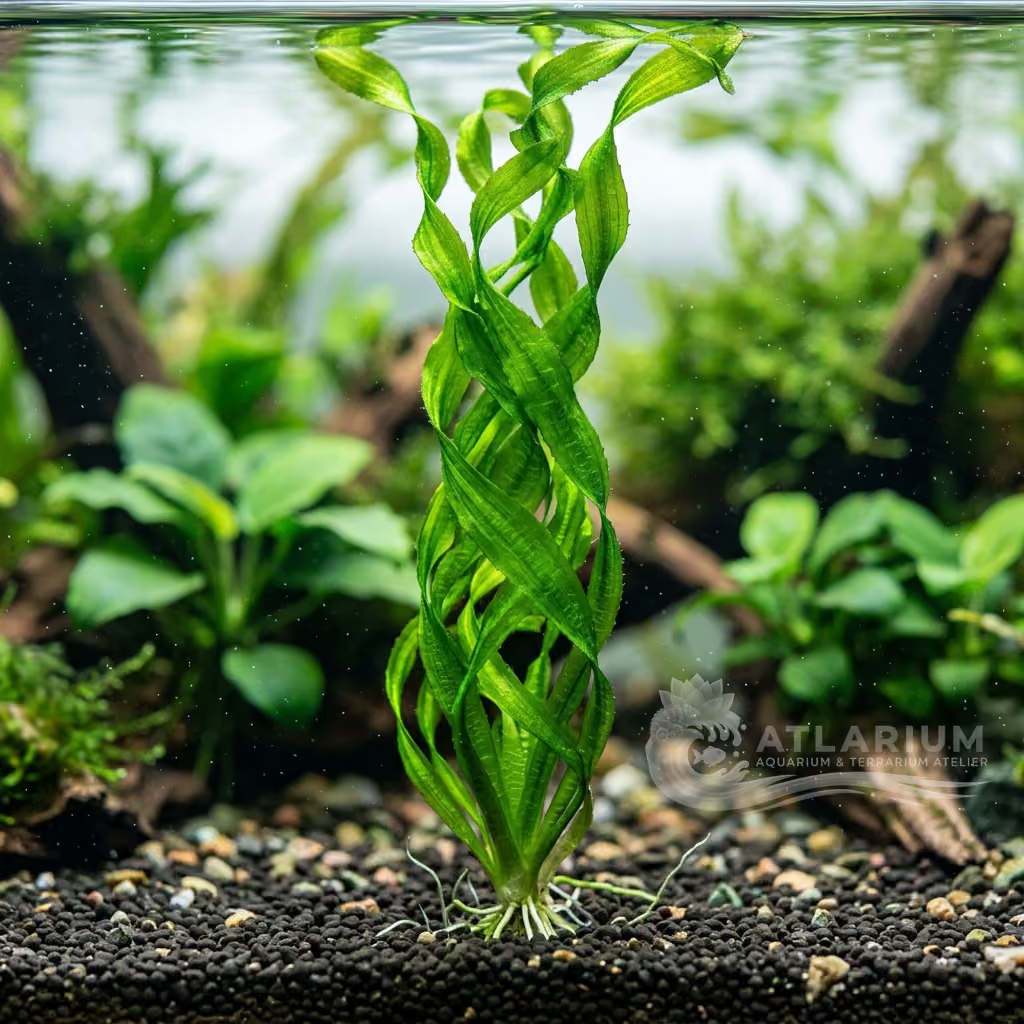
- This plant features long, ribbon-like foliage characteristic of the genus. Its leaves originate from a central basal rosette, growing upwards towards the light. The distinctive striped patterns on the leaves make it a captivating focal point in any layout. The slightly translucent quality of the leaves adds depth to the aquascape.
- Growth
- Medium
- Vallisneria spiralis "Tiger" exhibits a fast to very fast growth rate under optimal conditions. Once acclimated, it quickly sends out runners to colonize available space. CO2 injection and strong lighting can further accelerate this explosive growth. Regular maintenance is required to prevent it from overtaking slower-growing plants.
- Substrate
- High
- Vallisneria spiralis "Tiger" benefits from a deep, nutrient-laden substrate layer to support its vigorous root system and striking leaf patterns. A substrate depth of 2 to 3 inches provides the necessary space for its roots to anchor firmly and extract vital minerals. As a heavy root feeder, planting it in a quality aquasoil or a well-fertilized sand bed using root tabs is crucial for optimal health. Adequate substrate nutrition directly enhances the distinct, tiger-like banding on its elongated leaves.
- Column fertilization
- Recommended
- Water column dosing of liquid fertilizers is beneficial for Vallisneria spiralis "Tiger". It readily takes in dissolved potassium, iron, and trace elements through its leaves. A balanced all-in-one liquid fertilizer applied weekly ensures the leaves remain vibrant and healthy. Avoid copper-based medications as they can harm the plant.
- Root fertilization
- Required
- Root fertilization is extremely important for the long-term success of Vallisneria spiralis "Tiger". Inserting root tabs containing nitrogen, phosphorus, and iron near the base promotes thick root development. A rich soil substrate like aquasoil will provide sustained nourishment over many months. This prevents the leaves from melting and supports the production of healthy runners.
- Trimming
- Occasional
- Trimming Vallisneria spiralis "Tiger" requires cutting the longest leaves near the base of the plant. Avoid cutting the leaves mid-way, as the cut ends will eventually decay and turn brown. Regularly remove old, decaying, or algae-covered leaves to maintain the aesthetic appeal. Managing the runner network by snipping connecting stems keeps the spread in check.
- Propagation
- Runners
- Propagation of Vallisneria spiralis "Tiger" occurs naturally and rapidly via side shoots or runners. A healthy parent plant will send out numerous runners across the substrate. Once a new plantlet develops several leaves and its own root system, the connecting runner can be severed. These new plantlets can then be relocated to other areas of the aquarium.
- Sensitivity
- Moderate
- Vallisneria spiralis "Tiger" is notoriously sensitive to liquid carbon supplements like glutaraldehyde. Overdosing these chemicals can lead to immediate and severe leaf melt. It also prefers stable water parameters and may suffer during extreme fluctuations in pH or temperature. Ensuring good water flow helps prevent detritus buildup at the basal rosette.
- Layout role
- Midground, Background, group
- Vallisneria spiralis "Tiger" is an archetypal background plant that adds verticality and motion to the layout. Its gracefully arching leaves create a soothing, natural curtain along the back glass. It is highly effective at hiding equipment such as heaters and filter intakes. By letting the distinctive striped patterns on the leaves flow at the surface, it provides a shadowed, tranquil environment below.

Related species
Recommendations grouped by close relatives, companion choices, and similar care.