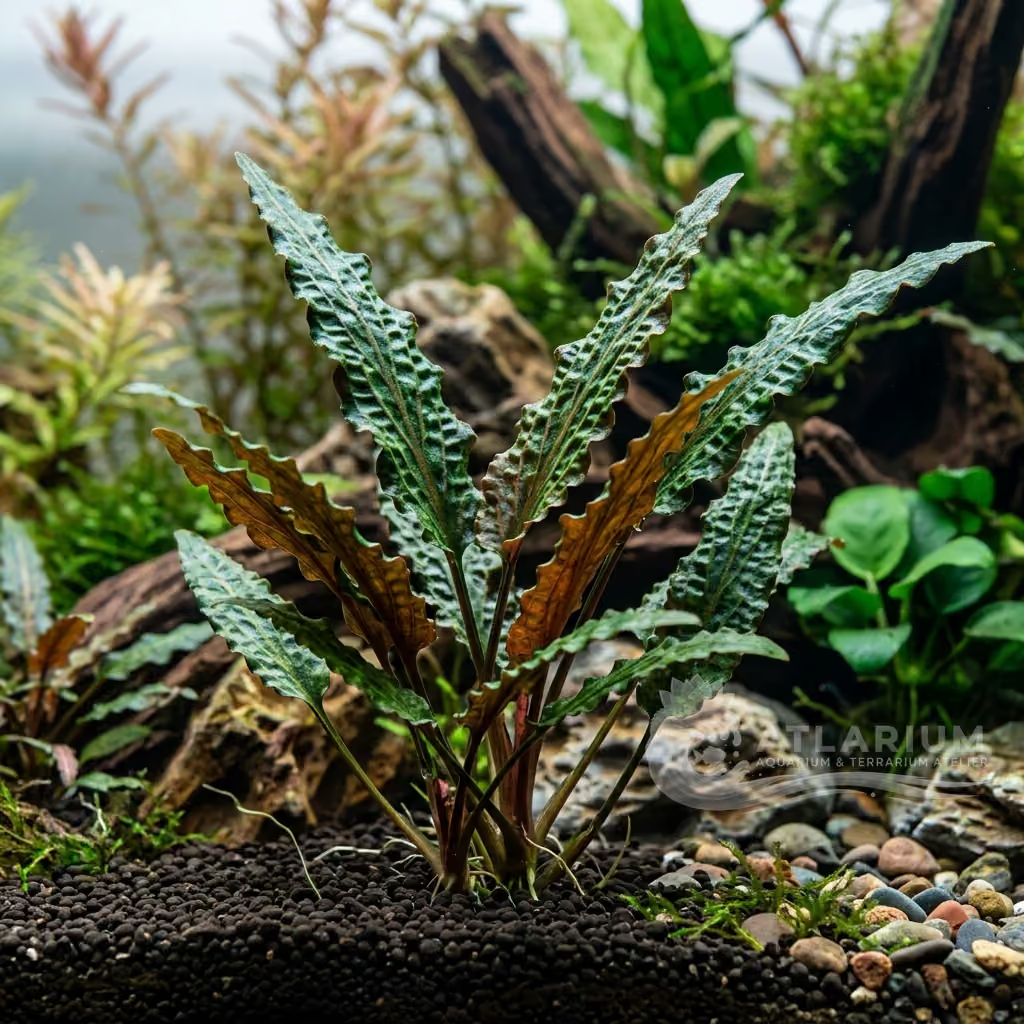
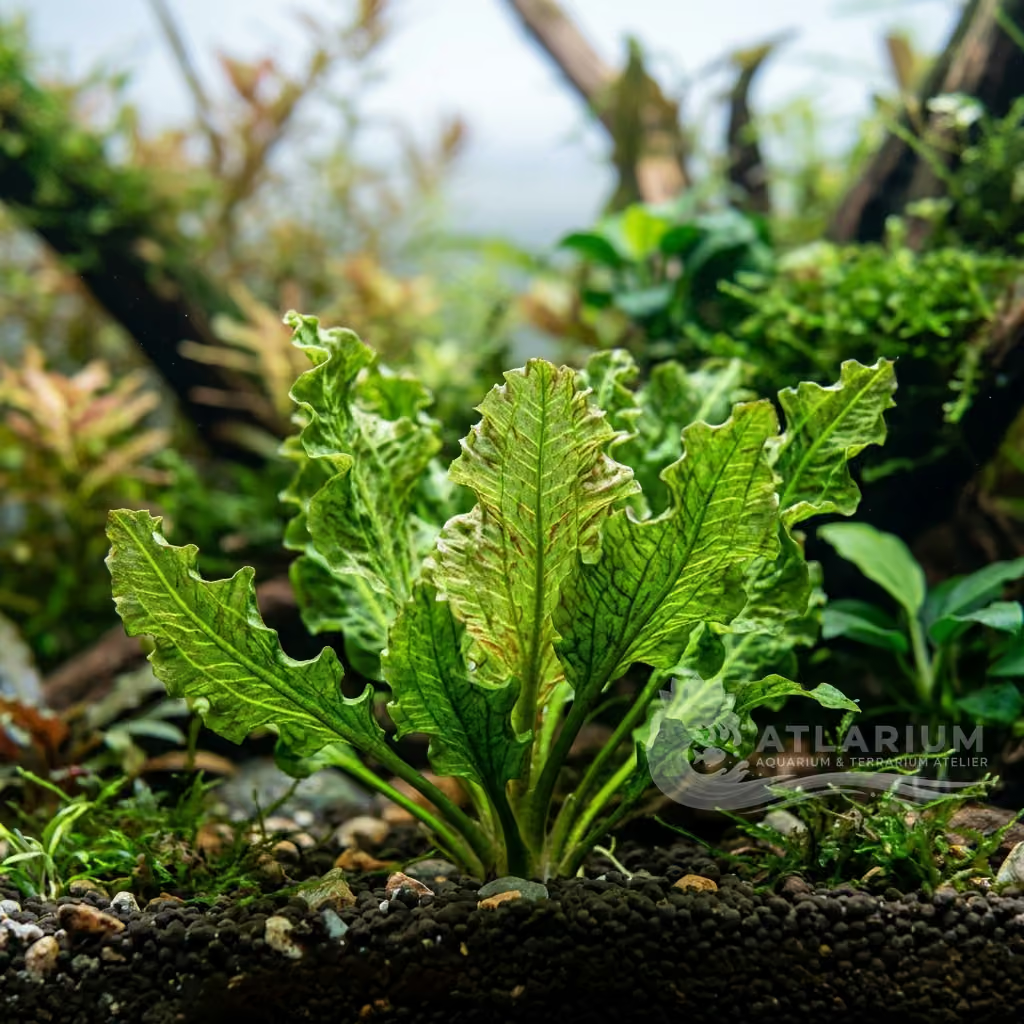
Dwarf vallisneria
Vallisneria nana
Vallisneria nana has very narrow, ribbon-like leaves ideal for backgrounds. Native to Australia, it needs moderate-intense light to promote compact and rapid growth.
Water Temperature
20 - 28 °C
pH Value
6.5 - 8.5
Water type
Freshwater
Light
Low
CO2
None
Expected height
30 cm
Expected width
10 cm
GH
8 - 25 dGH
KH
4 - 18 dKH

Species description
Geographical Origin and Habitat: Vallisneria nana is native to northern Australia, where it grows in slow-moving streams, rivers, and billabongs characterized by clear water and well-illuminated sandy or muddy substrates.
Taxonomy & Genetics: It belongs to the family Hydrocharitaceae. Compared to other species in the genus Vallisneria, it has significantly narrower and thinner leaves (typically less than 2-3 mm wide). Genetically, it is a distinct and stable species.
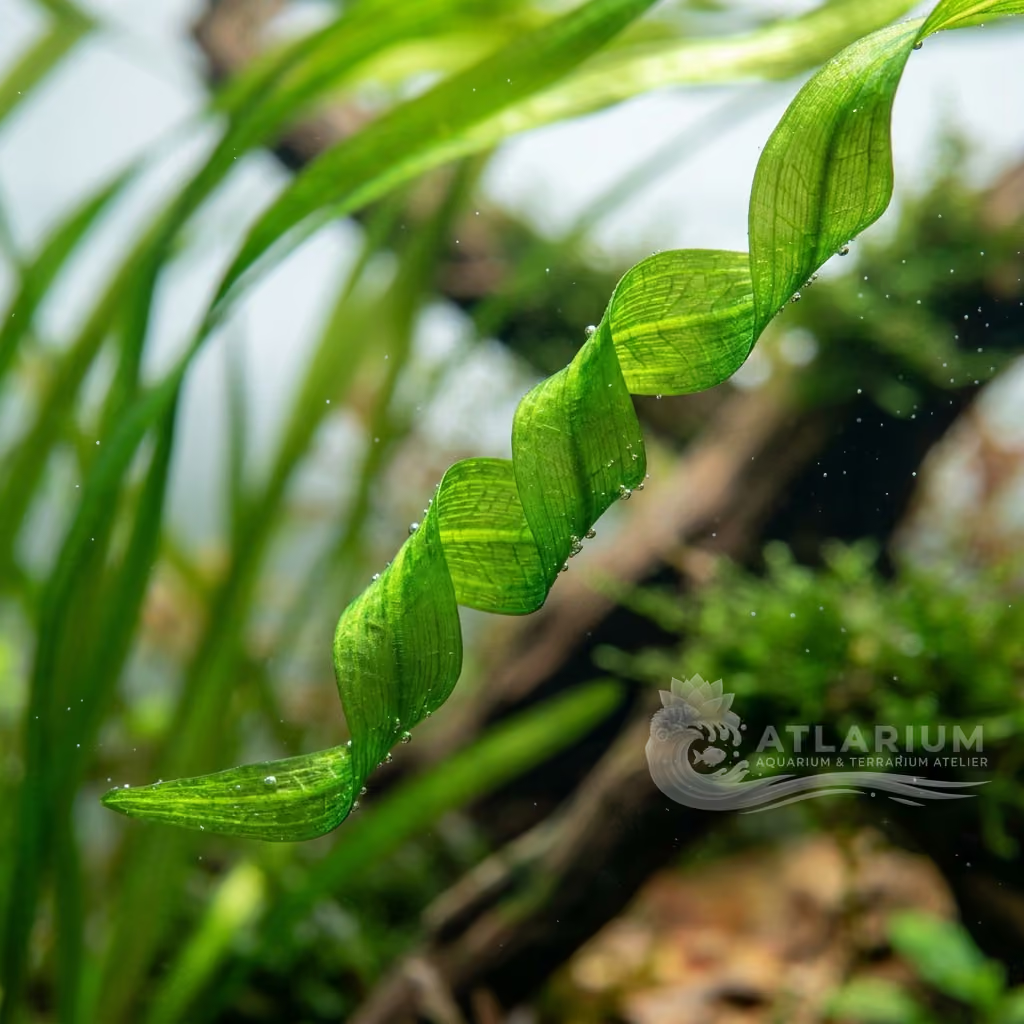
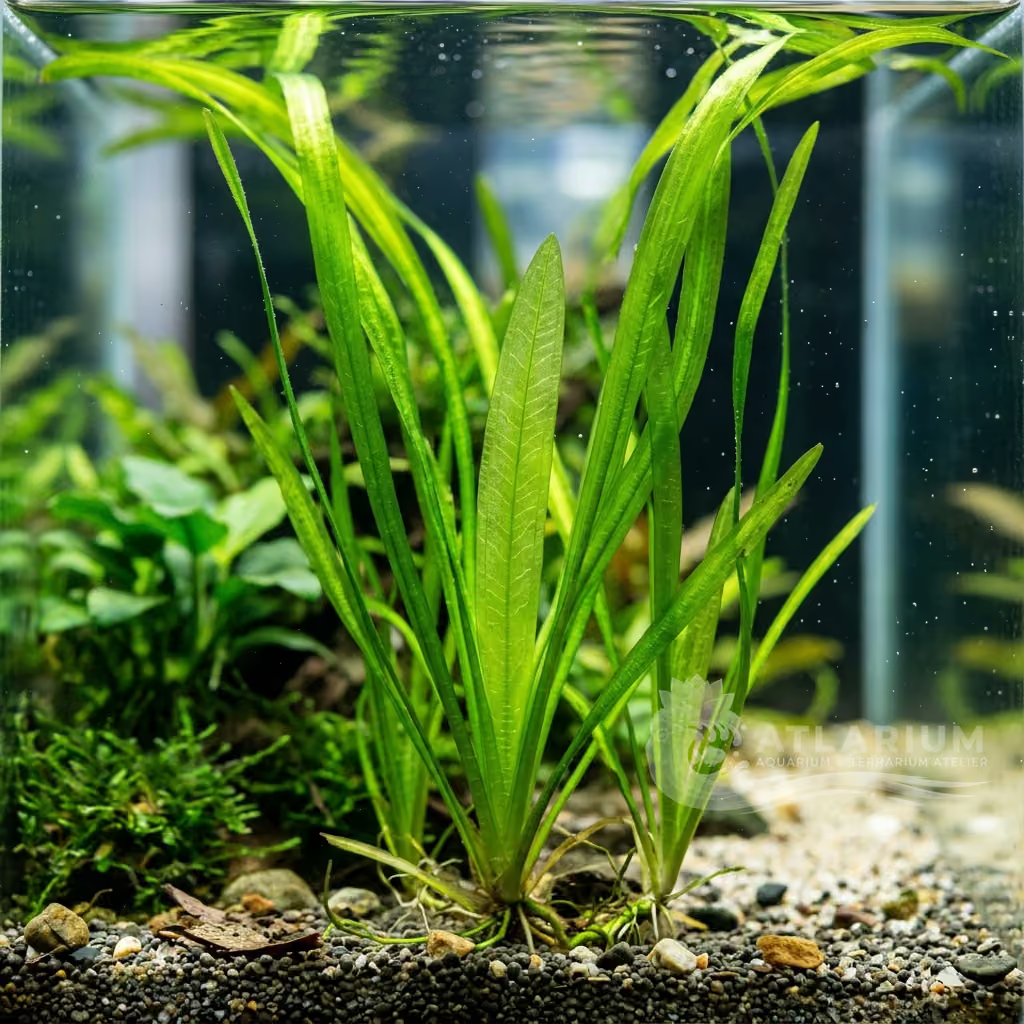
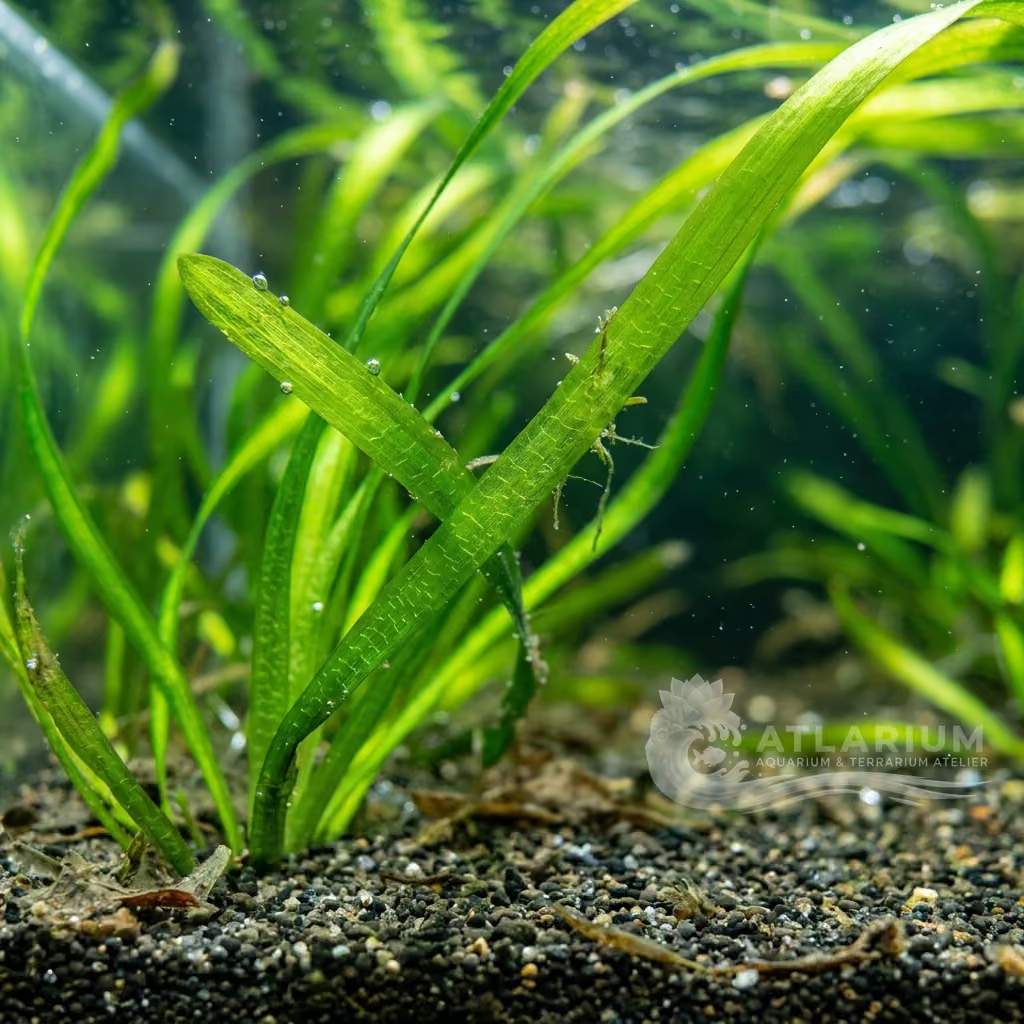
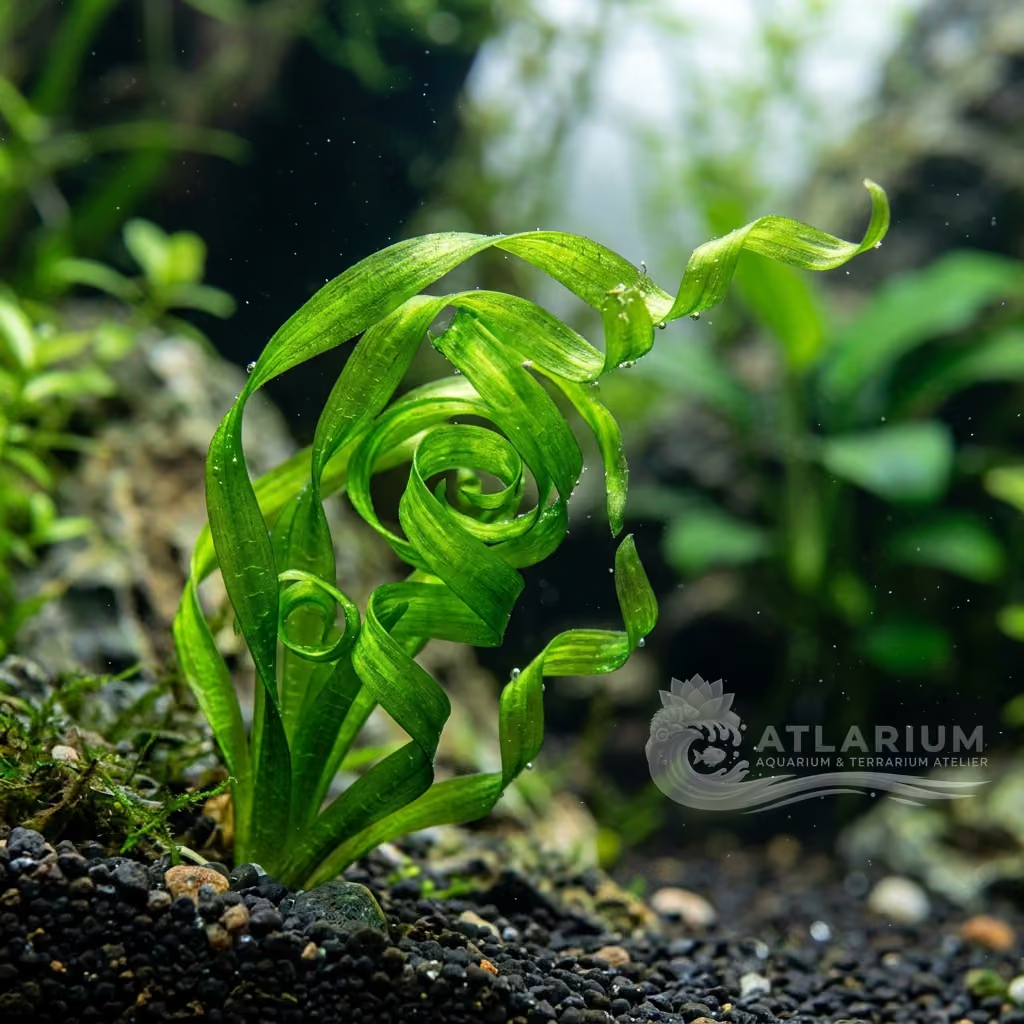
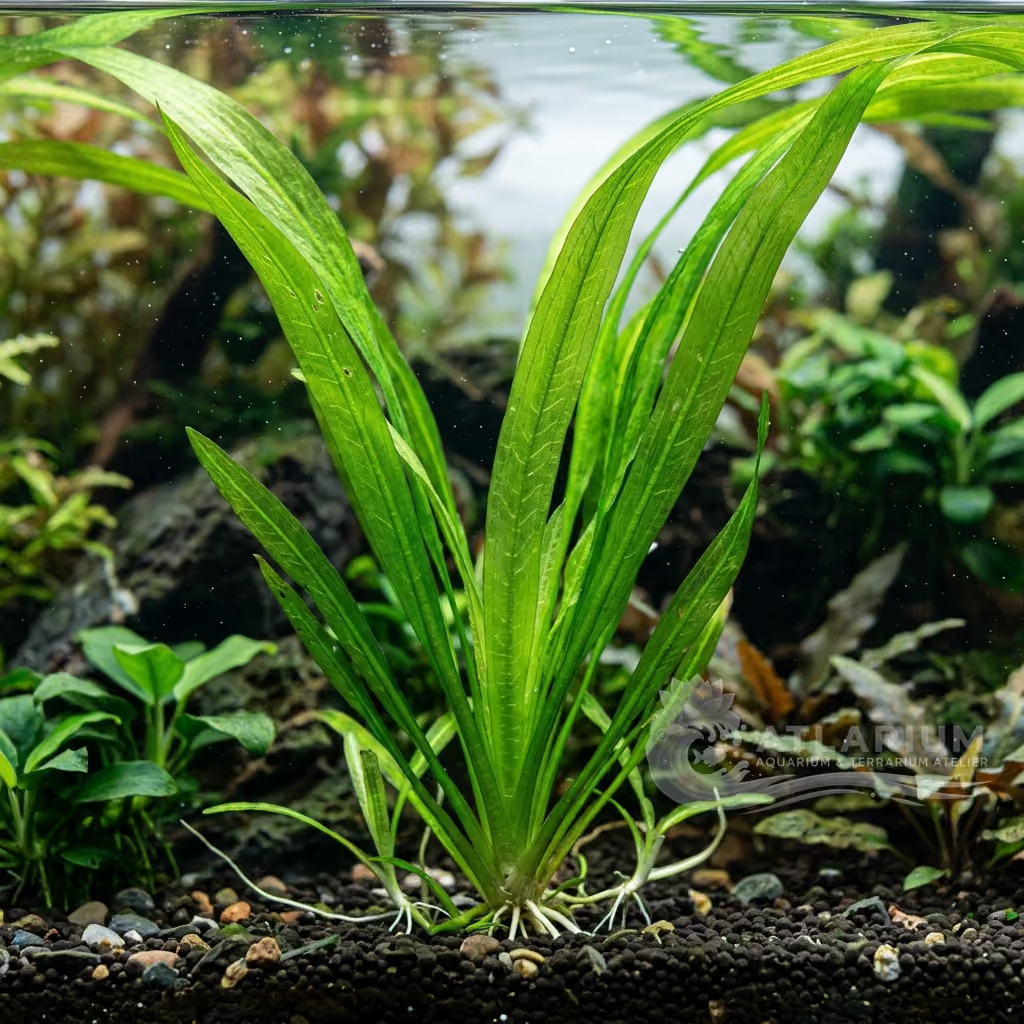
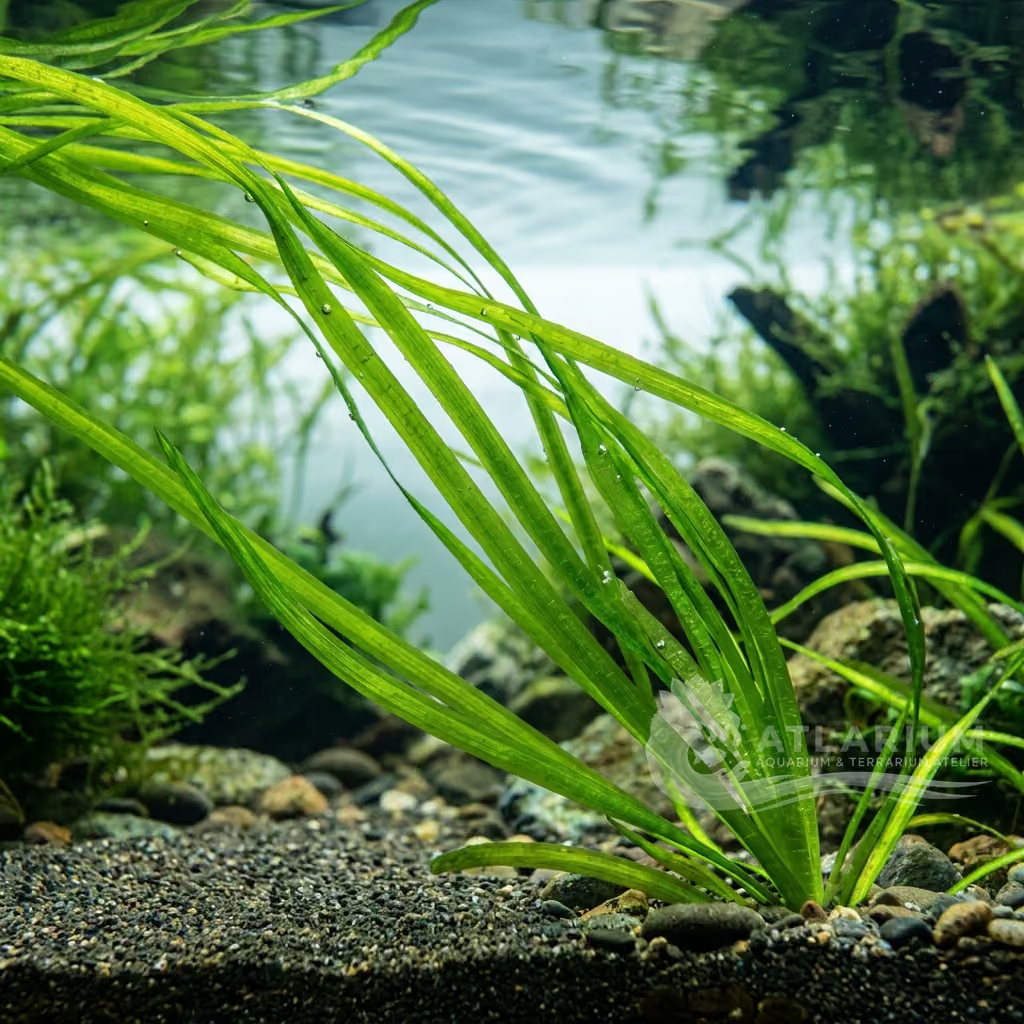
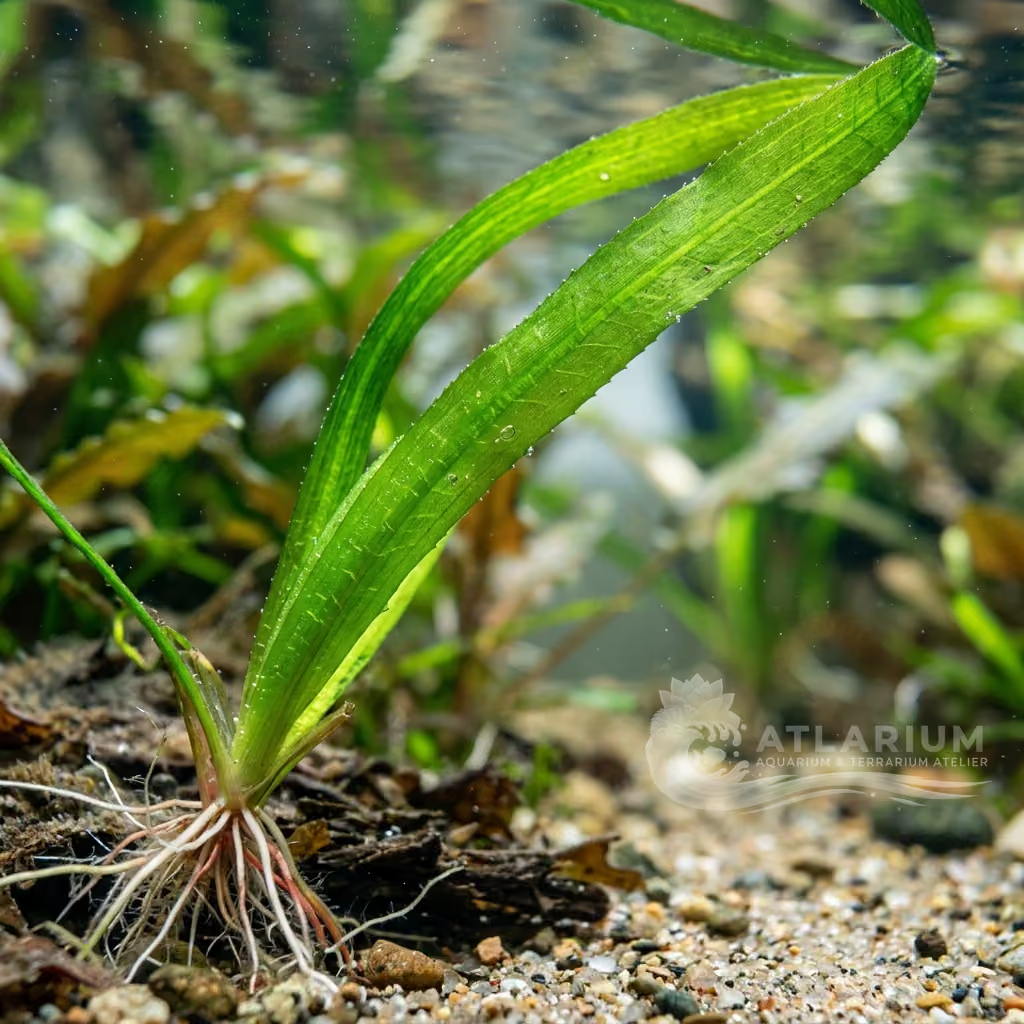
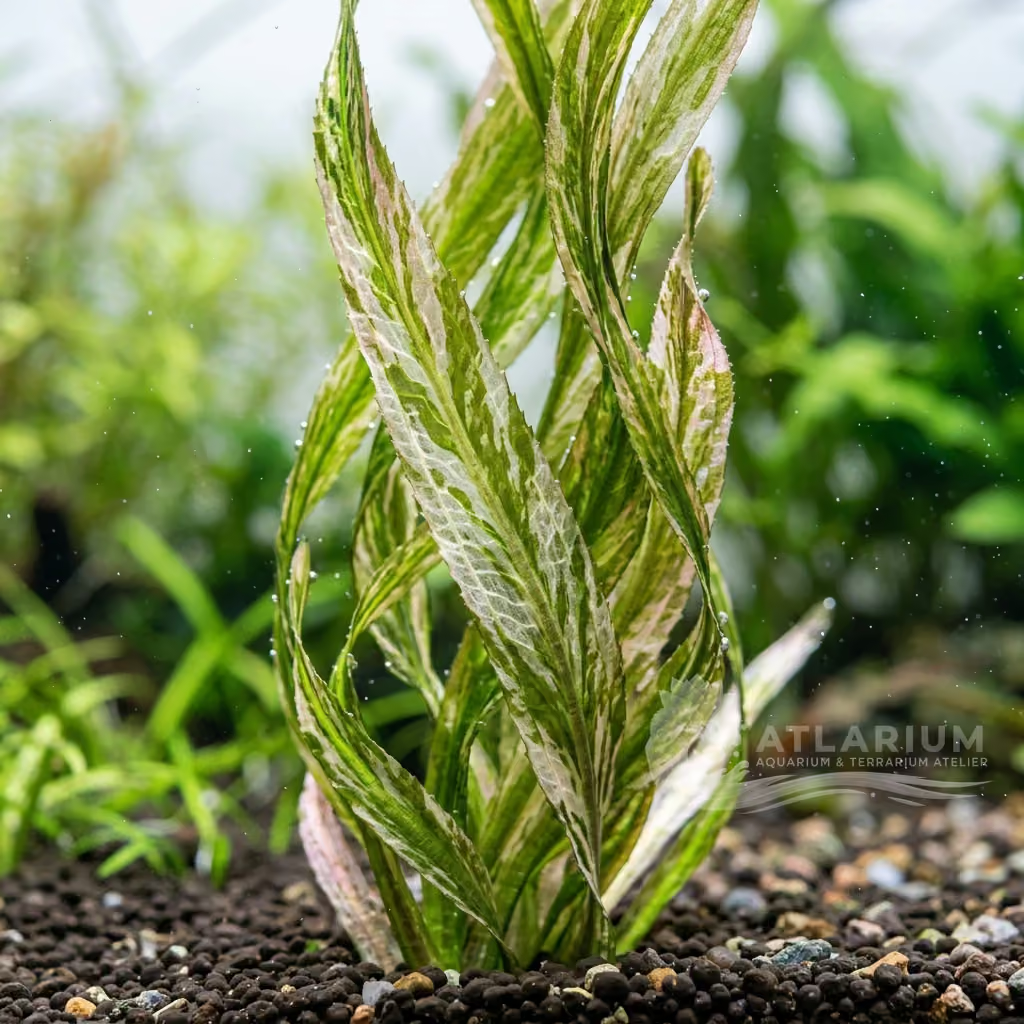
Physical Structure: It develops ribbon-like, flexible, rosette-forming leaves that arise from a fibrous root system. The leaves can grow from 30 to over 50 cm long, arching gracefully along the water surface if left untrimmed.
Color & Texture: The leaves are dark green to olive-green in color, sometimes displaying reddish or brownish tints under high lighting. The texture is smooth yet durable, featuring clear parallel longitudinal veins visible upon close inspection.

Care, breeding and tankmates
Lighting & CO2: Requires moderate to intense lighting to promote compact growth. Supplementation of carbon dioxide (CO2) is not strictly necessary but will significantly accelerate growth and encourage denser, healthier groupings.
Nutrition & Substrate: Thrives in a nutrient-rich substrate. Since it absorbs most of its nutrients through its root system, placing root tabs or fertilizer capsules near the plant's base is highly recommended to prevent stunting and yellowing.
Water Chemistry: Prefers medium to hard water with a pH range of 6.5 to 8.5 and a temperature between 20°C and 28°C. It is highly adaptable to alkaline conditions and can even tolerate very low levels of salinity.
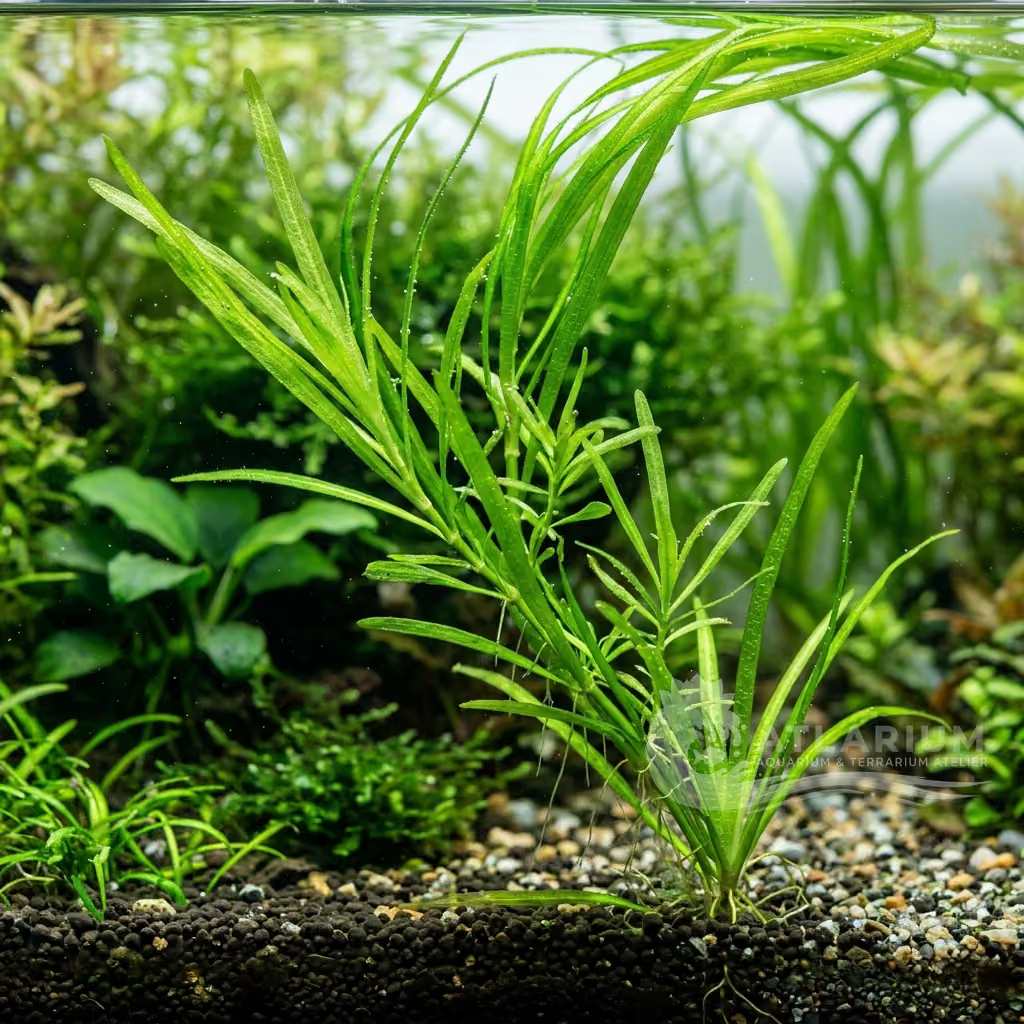
Space Management & Placement: Because of its narrow profile, it is best placed in the background or along the sides of the tank to form a soft screen. In larger setups, it can be used in the midground to create textural contrasts.
Pruning: Prune by cutting overgrown leaves near the base or trimming them with sharp scissors. Since cut leaf tips can sometimes rot, it is best to remove old or damaged leaves completely from the base of the rosette.
Risks & Diseases: Susceptible to iron deficiency, which causes the leaves to turn pale or yellow (chlorosis). It is highly sensitive to liquid carbon products containing glutaraldehyde, which can cause the leaves to rapidly melt and decay.

Geographic origin and distribution
Vallisneria nana is native to northern Australia, where it grows in slow-moving streams, rivers, and billabongs characterized by clear water and well-illuminated sandy or muddy substrates.
Origin
Australia, New Guinea, and Oceania

Plant profile
- Placement
- Midground
- It is a versatile plant that works beautifully in the midground of large tanks or the background of smaller setups. Its exceptionally narrow leaves mean it doesn't create a solid visual block, allowing light to pass through. Plant it in groups for a natural, meadow-like effect.
- Botanical form
- Rosette
- It is distinguished by its extremely narrow, ribbon-like leaves, which are much thinner than standard Vallisneria species. It strongly resembles a giant version of hairgrass (Eleocharis). The leaves are dark green, slightly stiff, and typically remain straight.
- Growth
- Medium
- Under optimal conditions, it boasts a fast growth rate and will rapidly send out runners. In lower light setups, the growth is more moderate and manageable. It tends to grow shorter when light intensity is high, and taller when reaching for low light.
- Substrate
- High
- A fine, nutrient-dense substrate such as aqua soil or fertilized sand is ideal for *Vallisneria nana*, allowing its fine root structure to easily penetrate and anchor. A depth of 2 to 3 inches (5-8 cm) is crucial to accommodate its prolific runner production and prevent the slender plants from uprooting. As a moderate to heavy root feeder, it pulls a large portion of its required nutrients from the substrate, making root tabs highly beneficial in inert gravel setups.
- Column fertilization
- Recommended
- Liquid fertilization is beneficial, particularly for ensuring adequate potassium and trace elements are available. This prevents the tips of the narrow leaves from turning yellow or rotting. It readily absorbs these nutrients directly from the water column.
- Root fertilization
- Recommended
- A nutrient-rich substrate strongly encourages the rapid development of runners and a robust root system. Root tabs are a great way to boost growth if the substrate is inert. Strong roots keep the delicate-looking plant firmly anchored in the aquascape.
- Trimming
- Occasional
- To trim, cleanly cut the older, outermost leaves near the base of the rosette. Never cut the leaves mid-way, as the blunt ends will turn brown and slowly die back. It is necessary to periodically pull up and remove unwanted runners to control its spread.
- Propagation
- Runners
- Propagation is simple and occurs naturally via runners that extend across the substrate. A single plant can quickly become a dense thicket of daughter plants. Simply snip the runner to separate a daughter plant once it has developed its own roots.
- Sensitivity
- HIGH
- Like most in its genus, it is highly sensitive to glutaraldehyde and other liquid carbon products. Exposure can cause immediate and severe melting. It prefers harder water but is generally adaptable to a wide range of water parameters, including slightly softer water.
- Layout role
- Background, Midground
- It is exceptional for creating a fine, grassy texture in the midground or background. The narrow leaves provide a beautiful sense of scale, making small aquariums look larger. It offers fantastic contrast when placed next to broad-leaved plants like Echinodorus or Anubias.

Related species
Recommendations grouped by close relatives, companion choices, and similar care.