Vallisneria gigantea
Vallisneria gigantea
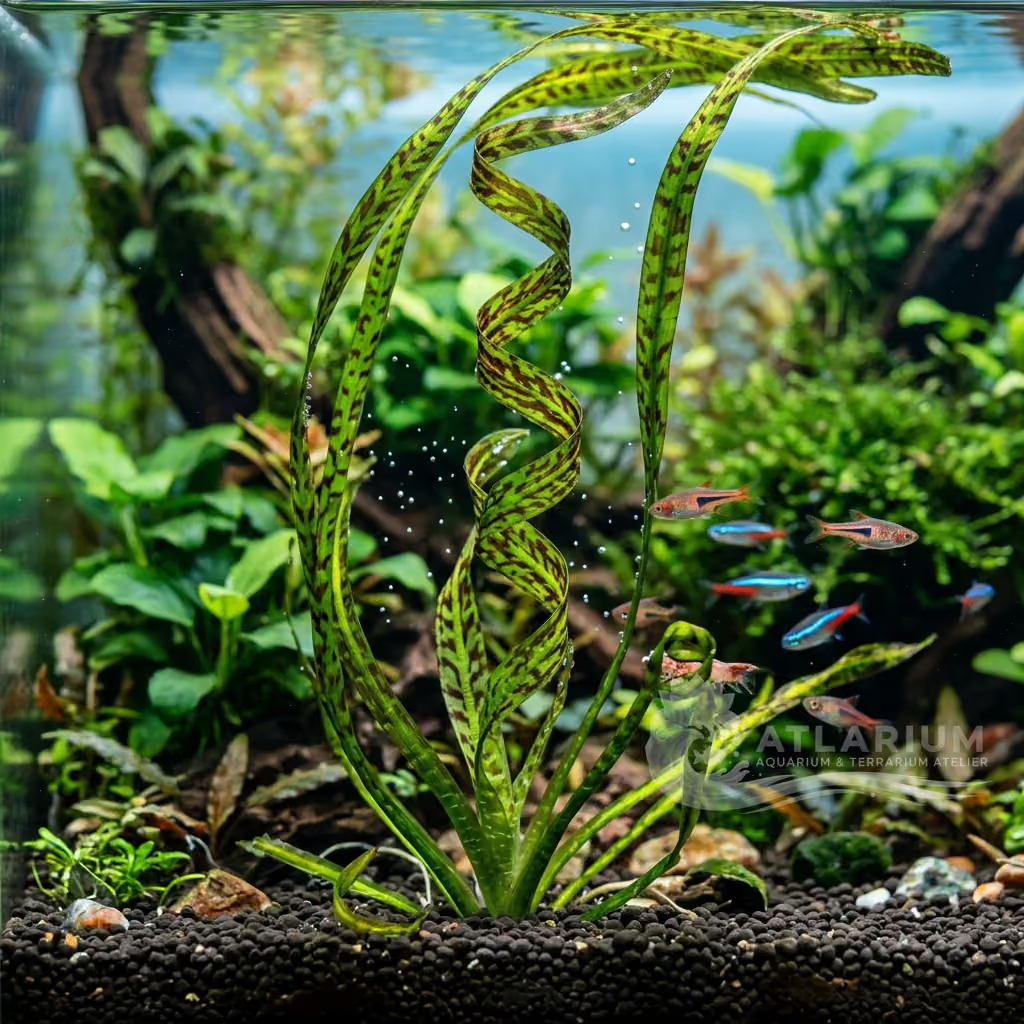
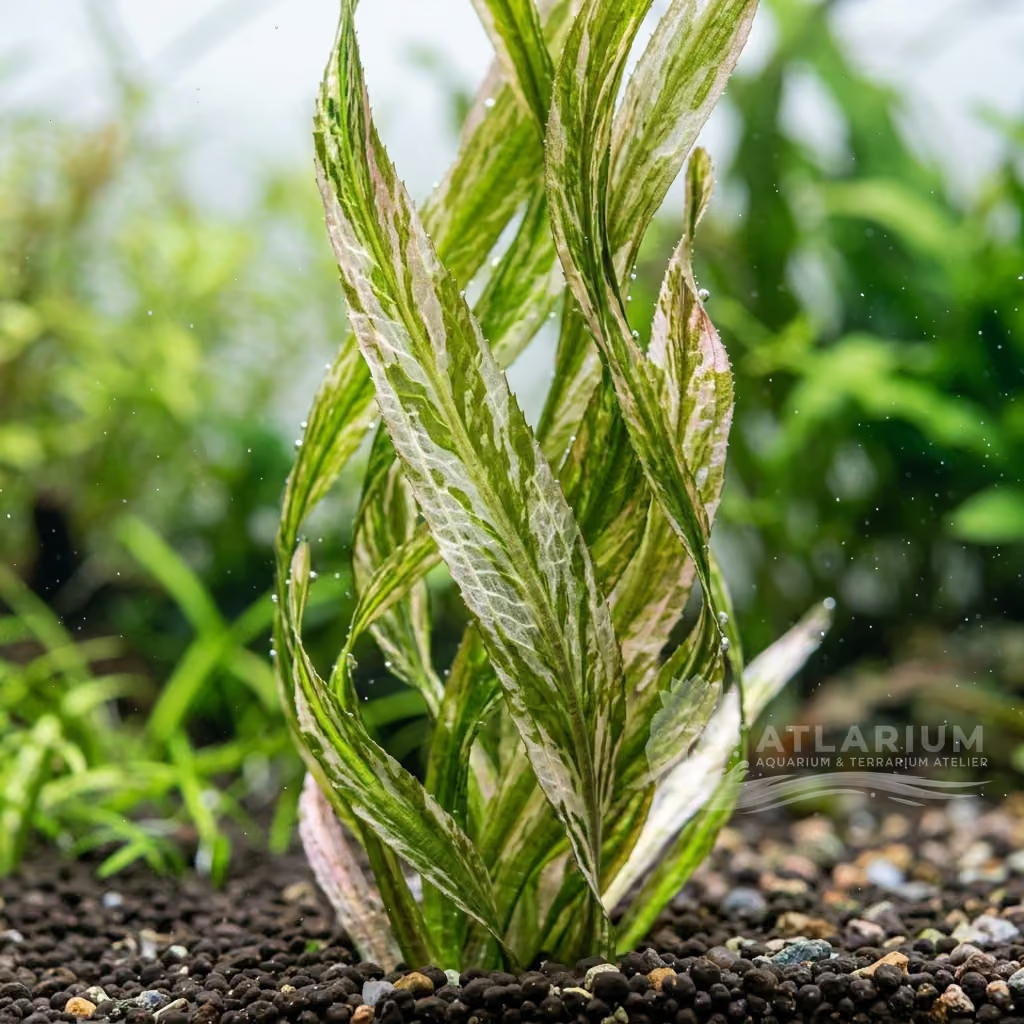
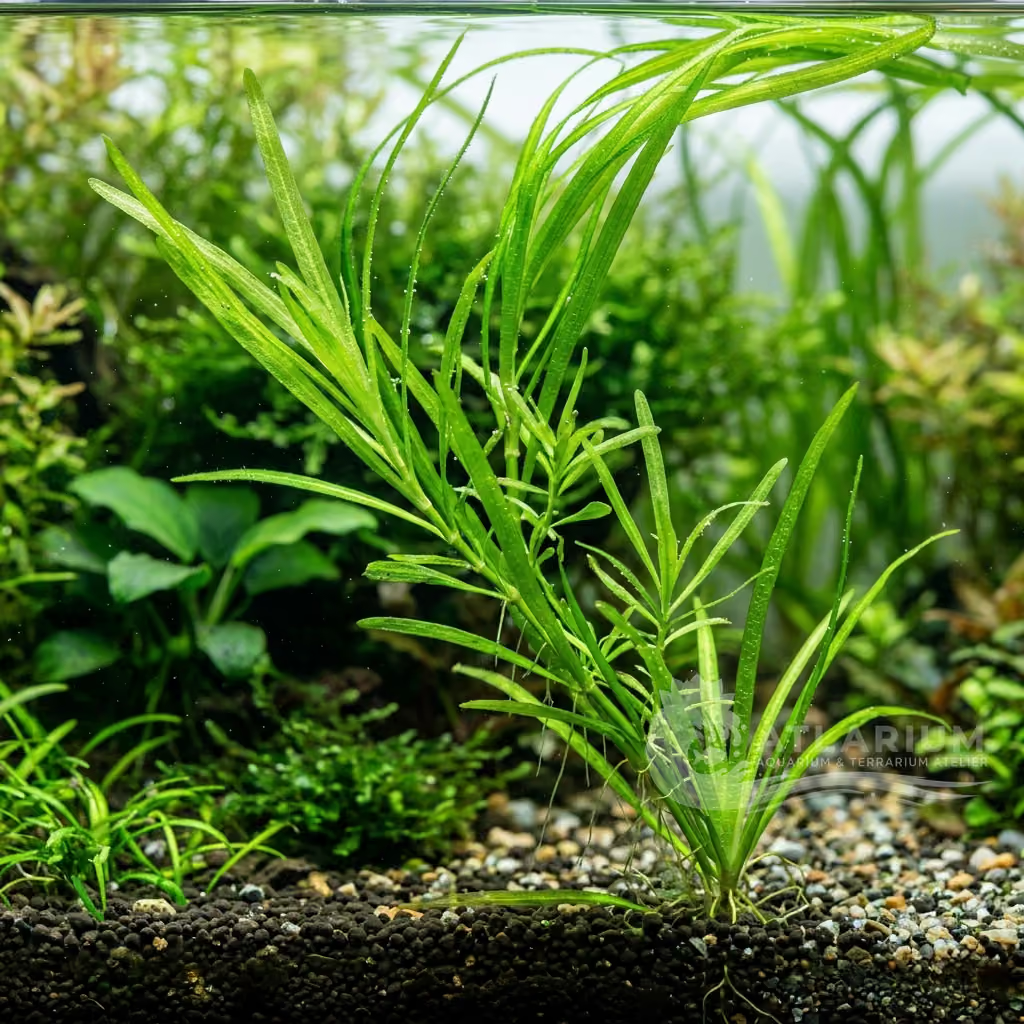
Vallisneria gigantea is a majestic aquatic plant characterized by long, ribbon-like leaves, making it ideal for creating depth effects or background coverage in medium to large aquariums. With moderate growth and tolerance to various conditions, it is an excellent choice for aquascapers of all levels.
Water Temperature
22 - 28 °C
pH Value
6 - 7.5
Water type
Freshwater
Light
Medium - High
CO2
Medium - High
Expected height
100 cm
KH
2 - 10 dKH

Species description
Geographical Origin and Habitat: Vallisneria gigantea has its ecological roots in the tropical and subtropical regions of Asia and Oceania, where it thrives in rivers, lakes, and slow-moving streams. In these natural habitats, it is often found in areas with silty or sandy substrates, benefiting from an abundant supply of nutrients. Its ability to adapt to diverse environmental conditions has favored its widespread distribution, making it a common element in many Asian and Australian aquatic ecosystems.
Taxonomy & Genetics: Belonging to the family Hydrocharitaceae, Vallisneria gigantea is classified within the genus Vallisneria, known for its submerged aquatic plants. Although the name "gigantea" suggests considerable size, its taxonomic identification can sometimes overlap or be confused with other large Vallisneria species, such as Vallisneria americana or Vallisneria spiralis, which exhibit similar morphotypes. Genetically, like many Vallisneria, it primarily reproduces vegetatively through runners, thereby maintaining the characteristics of the mother plant.
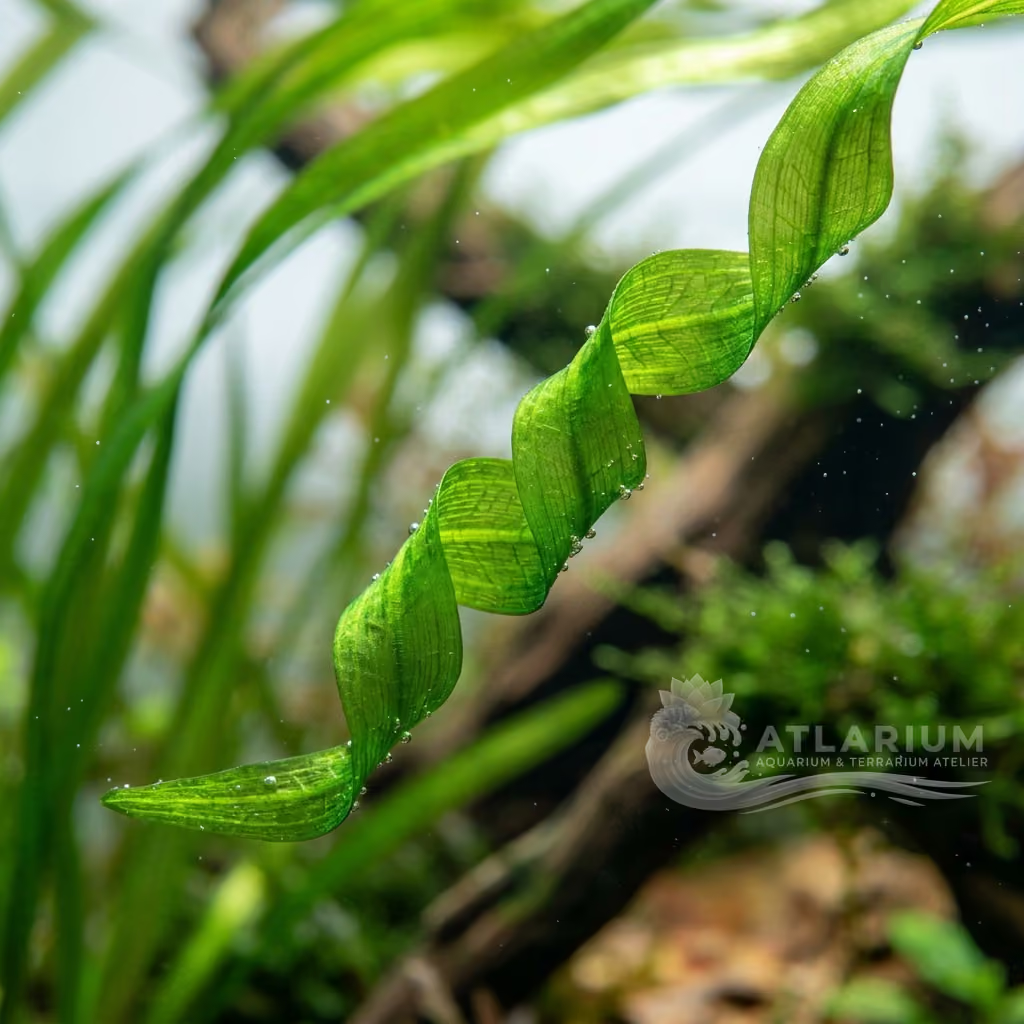
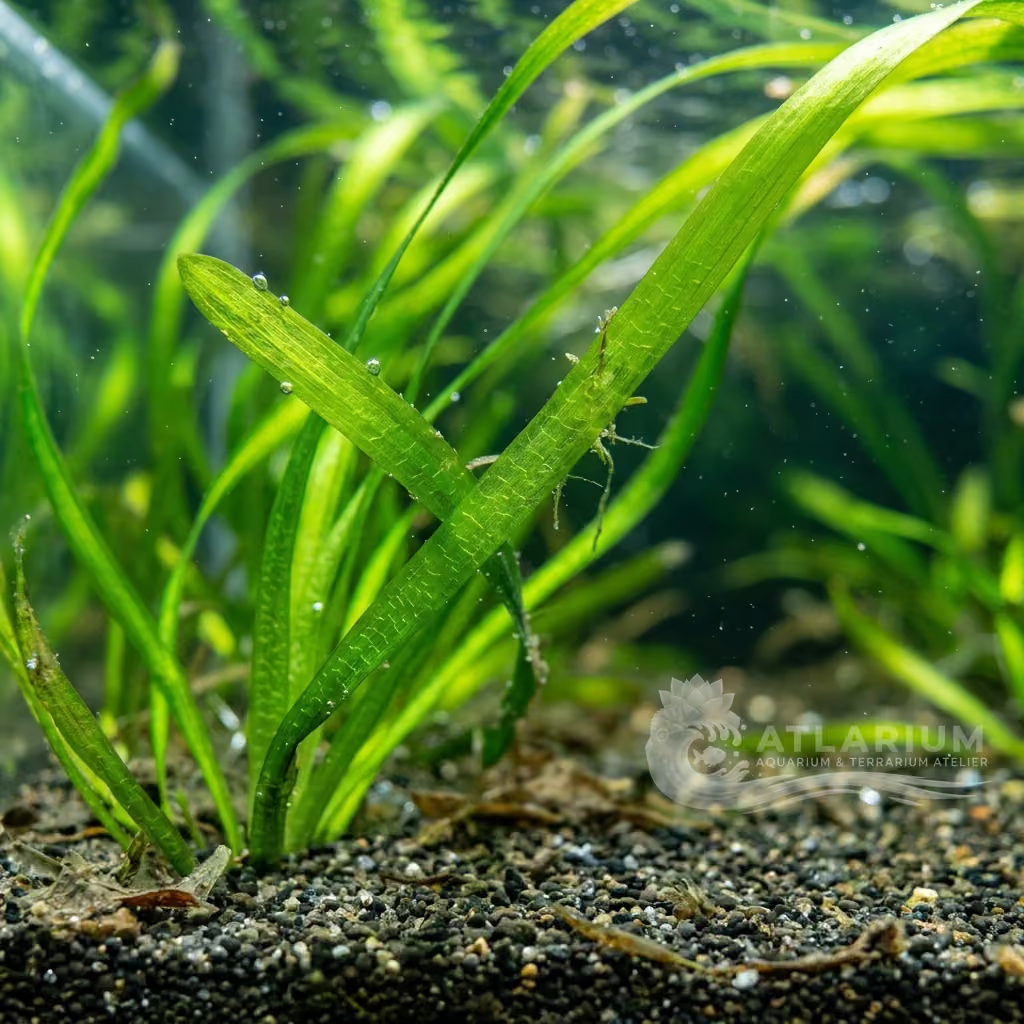
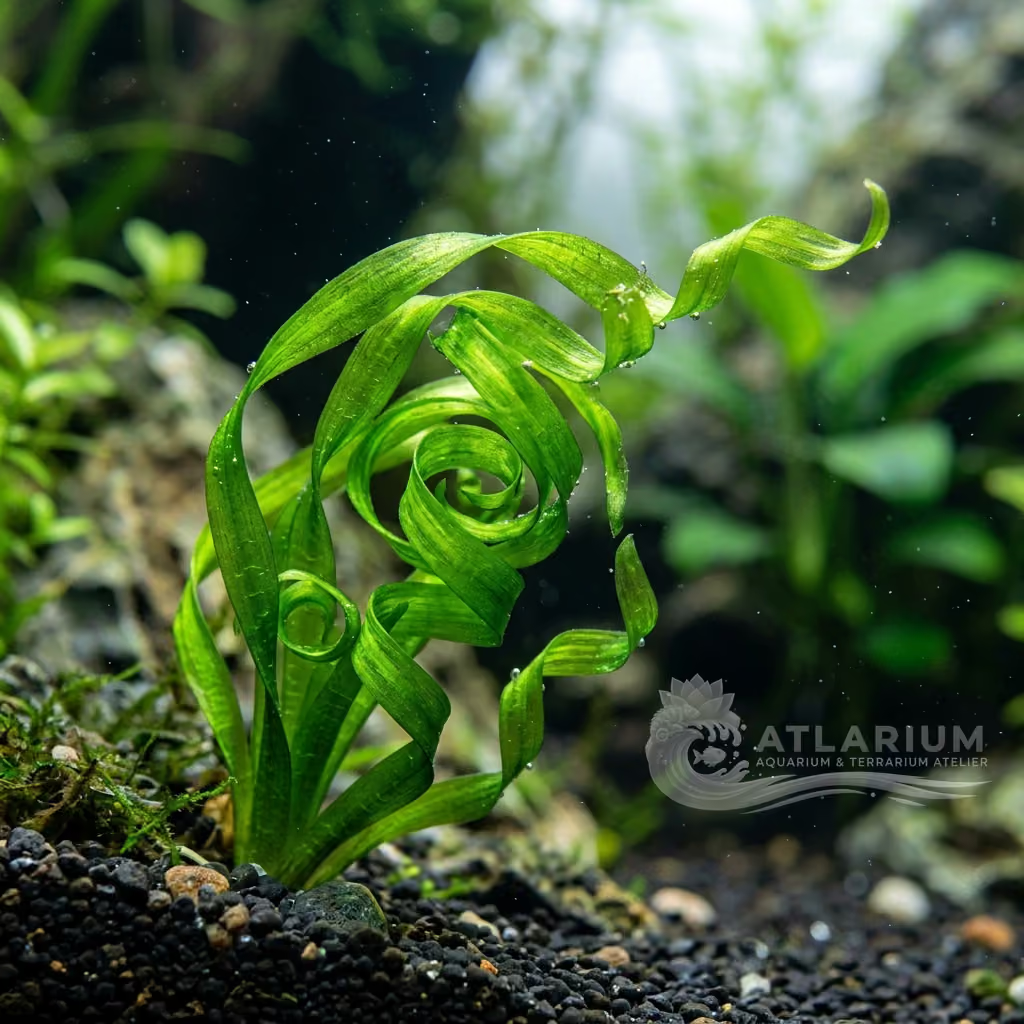
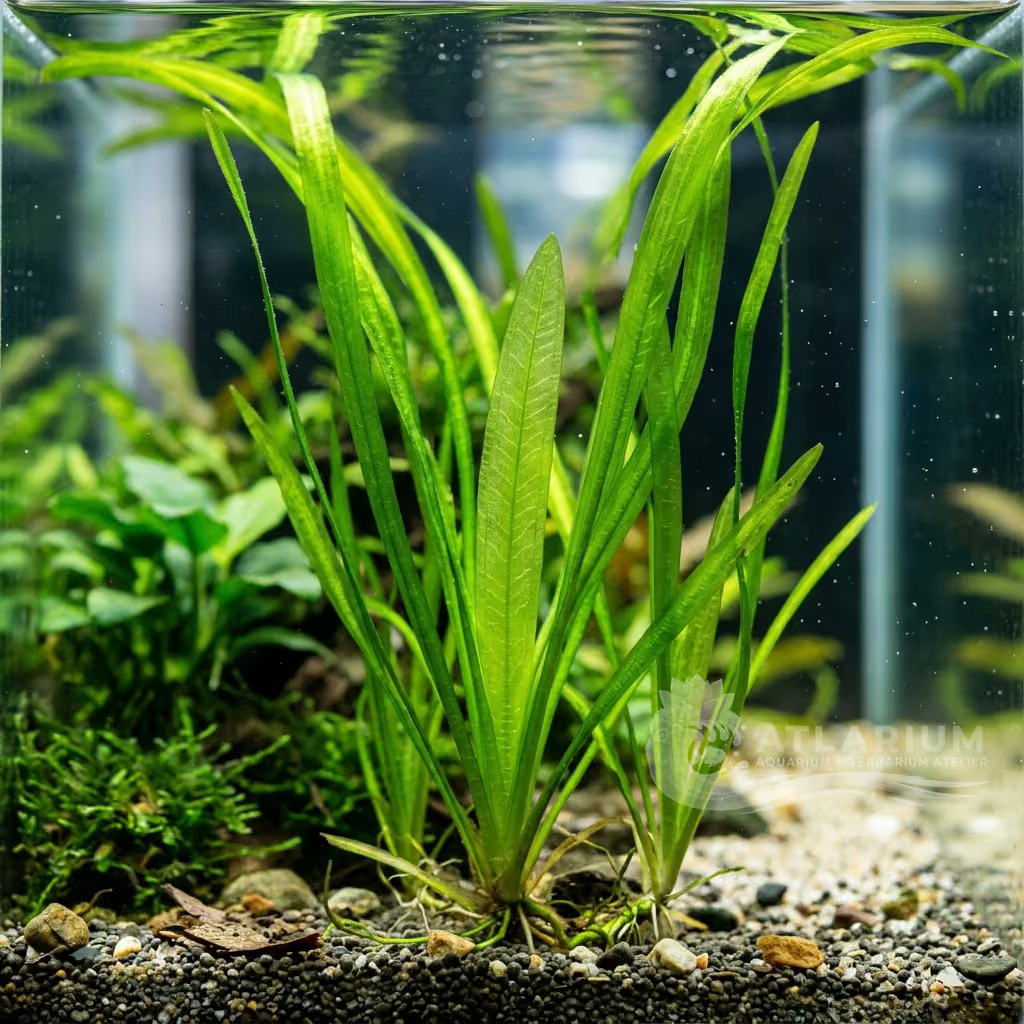
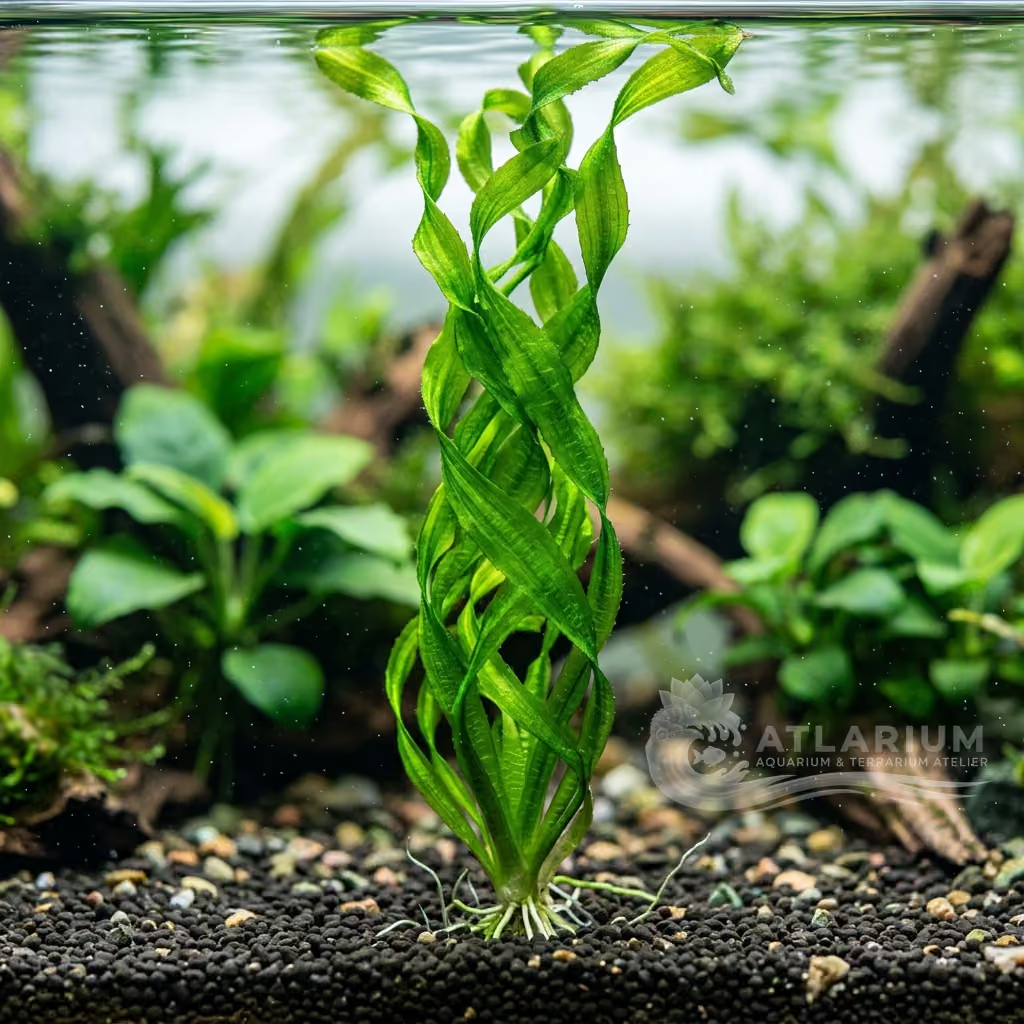
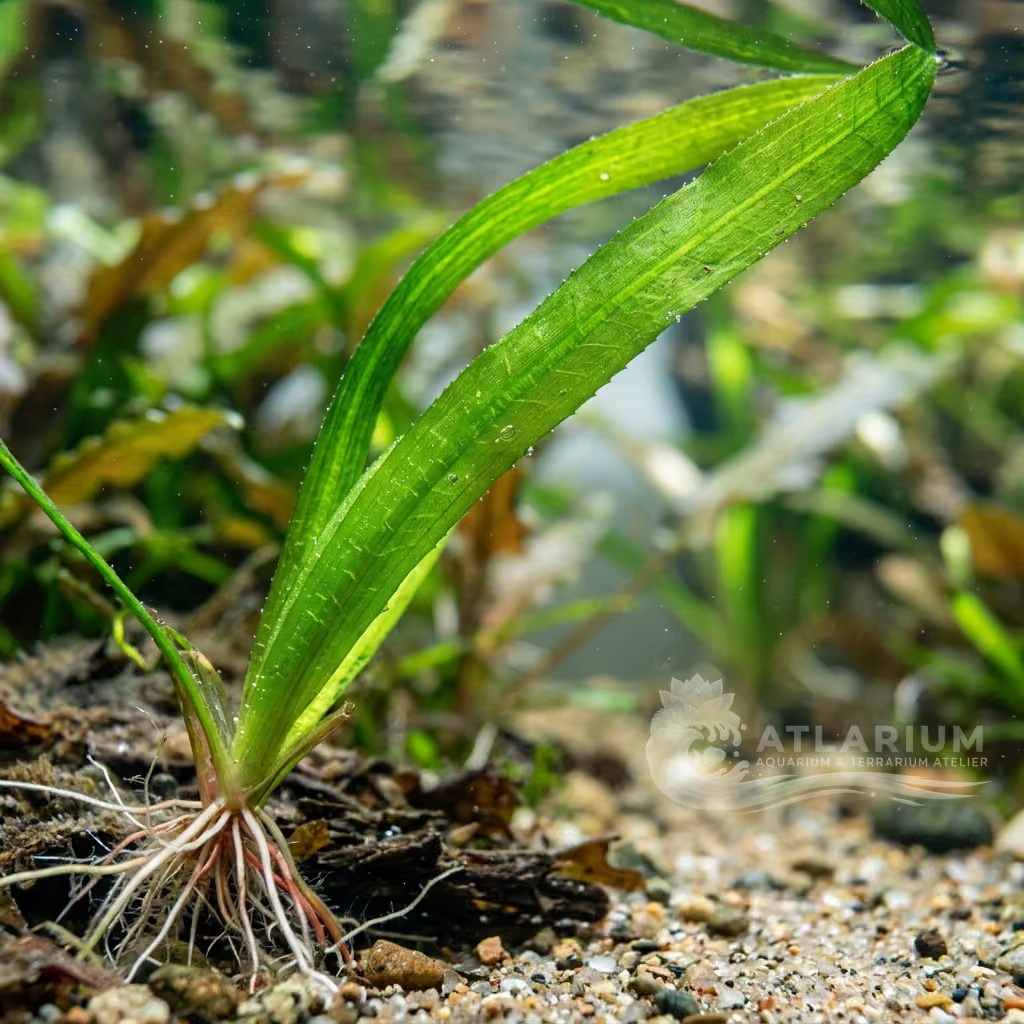
Physical Structure: Structurally, Vallisneria gigantea is a rhizomatous plant that develops a robust root system, anchoring itself firmly to the substrate. Its distinctive features are its long, thin, ribbon-shaped leaves, which can reach and exceed 60-100 cm in length under optimal conditions, while maintaining a relatively modest width of about 1-2 cm. The leaves emerge from a basal rosette, and the plant actively propagates through lateral runners that generate new clone plantlets.
Color & Texture: The predominant color of Vallisneria gigantea is a bright and vibrant green, which can vary in intensity depending on light conditions and nutrient availability, sometimes tending towards darker or reddish hues with very intense illumination. The leaf surface is generally smooth and glossy, giving the plant a clean and orderly appearance underwater. The texture is relatively robust yet flexible, allowing the leaves to sway elegantly with aquarium currents without easily damaging.

Care, breeding and tankmates
Lighting & CO2: For Vallisneria gigantea, medium intensity lighting is optimal to support healthy growth and vibrant color, avoiding the risk of algae or excessive etiolation of the leaves. Although it can tolerate lower light conditions, insufficient light can slow growth and make the leaves paler and more fragile. CO2 injection is not strictly necessary for its survival, but it significantly promotes growth, leading to more luxuriant leaves and a more robust habit.
Nutrition & Substrate: This plant prefers nutrient-rich substrates, such as aquasoil or specific fertilized aquarium substrates, which support its robust root system and long-term growth. As a primarily root-feeding plant, the addition of root tabs beneath the substrate, especially in aquariums with inert sand or gravel, is highly recommended. Good availability of iron and potassium in the substrate is crucial to prevent yellowing and deficiencies.
Water Chemistry: Vallisneria gigantea adapts to a wide spectrum of water parameters, making it a tolerant and versatile choice for many aquariums. It maintains optimal growth at temperatures between 20 and 28 °C, within a slightly acidic to neutral pH range (6.0-7.5), and a carbonate hardness (KH) between 2 and 12. Avoiding sudden fluctuations in these parameters is essential to prevent stress, which could manifest as yellowing or melting of the leaves.
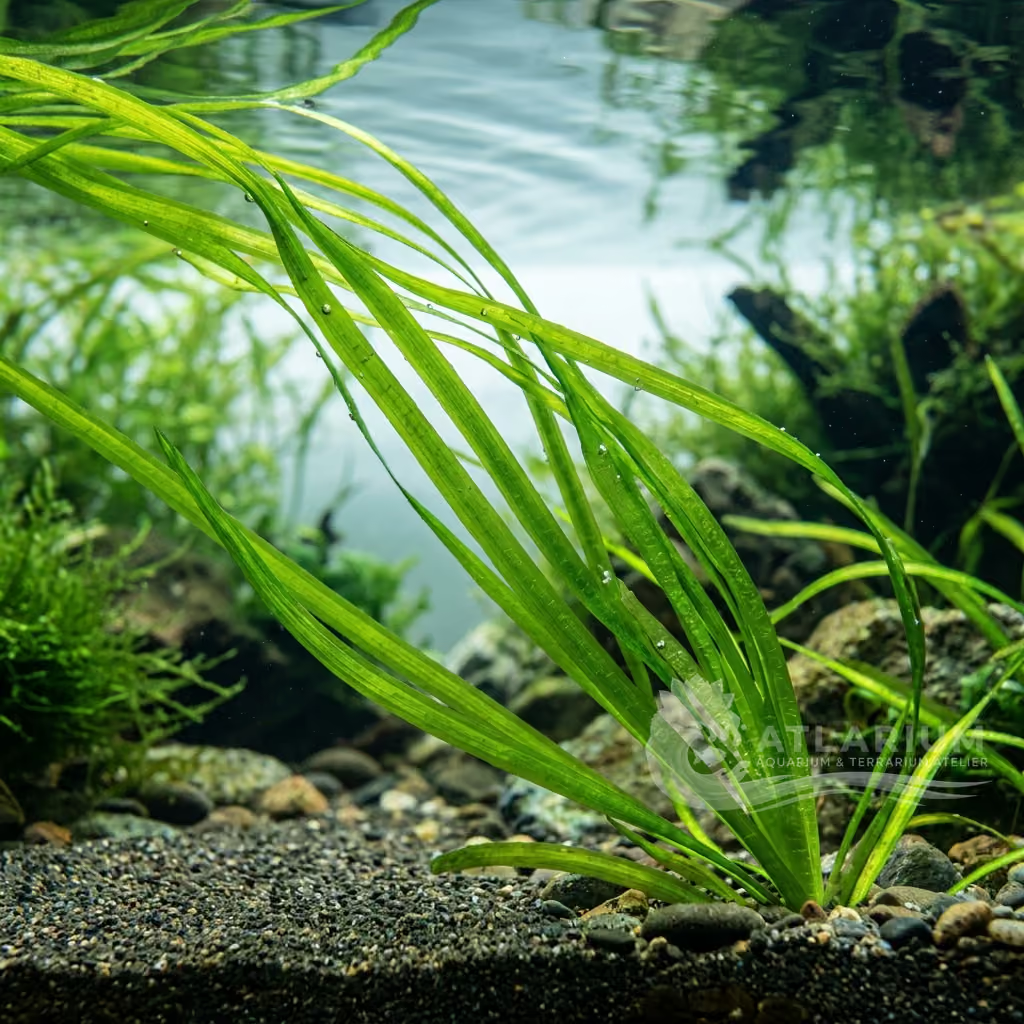
Space Management & Placement: Originally classified for midground placement, Vallisneria gigantea, given its potential length, often proves more suitable for the background in medium to large aquariums, where it can fully express its majestic height. It excels at creating natural barriers, concealing equipment, or providing dense shelter for fish. It is important to ensure sufficient space for it to grow tall and to expand its runners without suffocating other smaller plants.
Pruning: Pruning Vallisneria gigantea is generally necessary to manage its size and maintain the aquarium's aesthetics. Leaves that reach the surface or become too long can be shortened with sharp scissors, cutting the upper part of the leaf to the desired height. Regularly removing old, yellowed, or damaged leaves at the base of the rosette helps promote healthy growth and prevents the accumulation of organic debris.
Risks & Diseases: Although robust, Vallisneria gigantea can be susceptible to some common risks and diseases. Leaf melt is a phenomenon that can occur following drastic changes in water parameters, transport stress, or nutritional deficiencies. Filamentous algae can attach to leaves if lighting is excessive or nutrients are unbalanced. Maintaining good water quality and a balanced fertilization regimen is crucial to mitigate these issues.

Geographic origin and distribution
Vallisneria gigantea has its ecological roots in the tropical and subtropical regions of Asia and Oceania, where it thrives in rivers, lakes, and slow-moving streams. In these natural habitats, it is often found in areas with silty or sandy substrates, benefiting from an abundant supply of nutrients. Its ability to adapt to diverse environmental conditions has favored its widespread distribution, making it a common element in many Asian and Australian aquatic ecosystems.
Origin
South and Southeast AsiaAustralia, New Guinea, and Oceania

Plant profile
- Placement
- Background
- Due to its extreme size, this plant is exclusively suited for the background of very large aquariums. The leaves can easily exceed a meter in length and will dramatically trail across the water surface. It is often used in large cichlid tanks where its tough leaves resist being eaten.
- Botanical form
- Rosette
- This is one of the largest Vallisneria species, featuring incredibly long, wide, and ribbon-like leaves. The foliage is strong, leathery, and dark green, providing a imposing presence in the tank. The roots are thick and dive deep into the substrate.
- Growth
- Medium
- It exhibits a very fast growth rate, especially when properly fed through the substrate. It quickly sends out runners and can rapidly colonize large sections of the aquarium. Regular maintenance is required to prevent it from completely blocking out light to other plants.
- Substrate
- High
- The massive root structure of *Vallisneria gigantea* requires a deep, nutrient-rich substrate measuring at least 3 inches (8 cm) thick to anchor its exceptionally long, buoyant leaves. It behaves as a heavy root feeder, pulling vast amounts of nutrients from aquatic soil or root-tab-enriched gravel to sustain its rapid, towering growth. Without a fertile and sufficiently deep bed, the plant struggles to develop the robust root network necessary for nutrient absorption and runner propagation.
- Column fertilization
- Recommended
- It absorbs some nutrients from the water column, making liquid dosing of potassium and trace elements beneficial. This helps maintain the deep green coloration of its massive leaves. However, liquid fertilization alone is generally insufficient for optimal health.
- Root fertilization
- Recommended
- A deep, nutrient-rich substrate is essential for Vallisneria gigantea. Providing robust root tabs will significantly increase its vigor and leaf width. Strong roots are necessary to anchor this large plant against water flow and fish activity.
- Trimming
- Occasional
- When trimming, cut the longest leaves cleanly at the base of the plant. Do not cut the leaves in half, as the severed ends will quickly rot and foul the water. Aggressively remove unwanted runners to keep its growth contained.
- Propagation
- Runners
- Propagation occurs rapidly through the production of subterranean runners. A single mother plant can spawn dozens of daughter plants in a few months. Simply cut the runner and replant the daughter plant once it is well-established.
- Sensitivity
- Moderate
- It is extremely sensitive to liquid carbon additives, which can cause the entire plant to melt overnight. It is very hardy otherwise, tolerating a wide range of water hardness and pH levels. It prefers moderate to hard water over very soft conditions.
- Layout role
- Background
- It creates a dramatic, flowing jungle effect in the background of large aquascapes. Its trailing leaves provide a canopy that many fish enjoy for shelter and breeding. It is the perfect background choice for large biotope aquariums and predator tanks.

Related species
Recommendations grouped by close relatives, companion choices, and similar care.