Commelinaceae sp. "Green"
Commelinaceae sp. "Green"
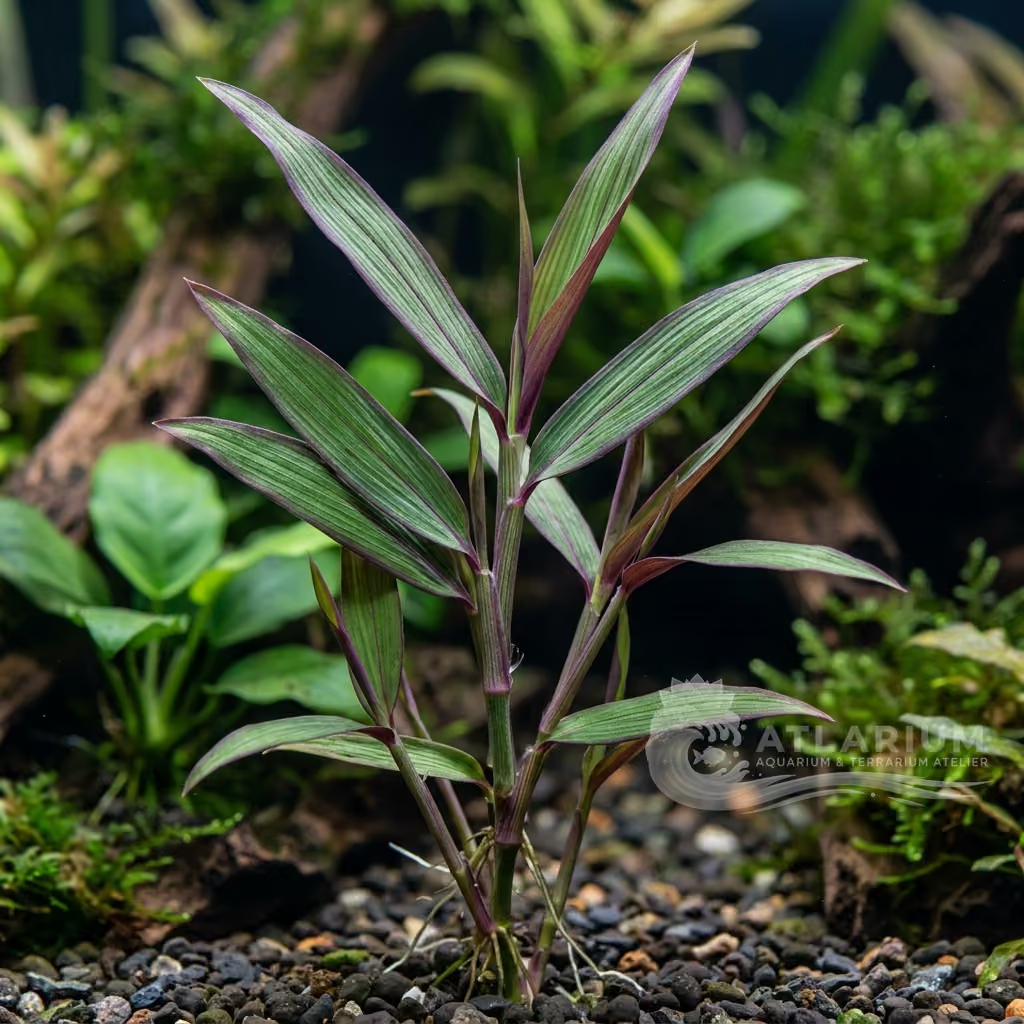
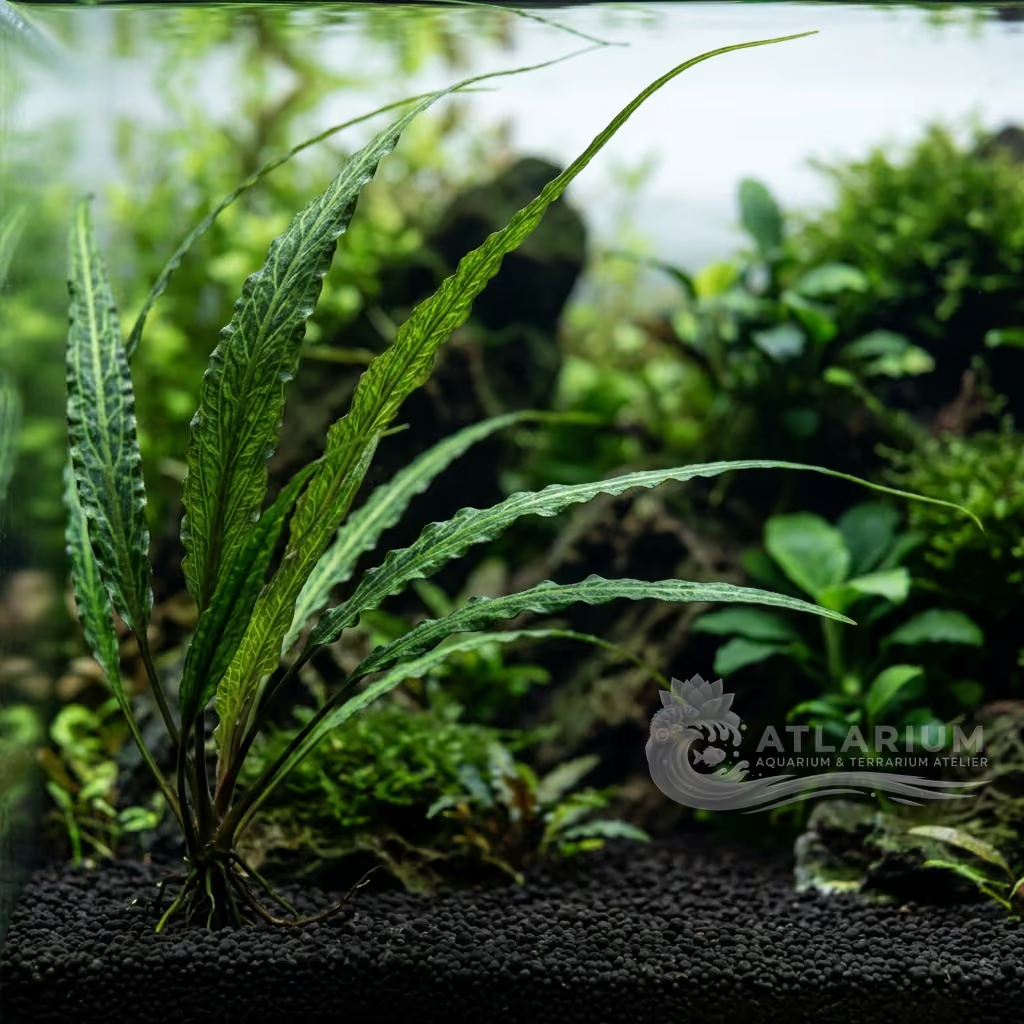
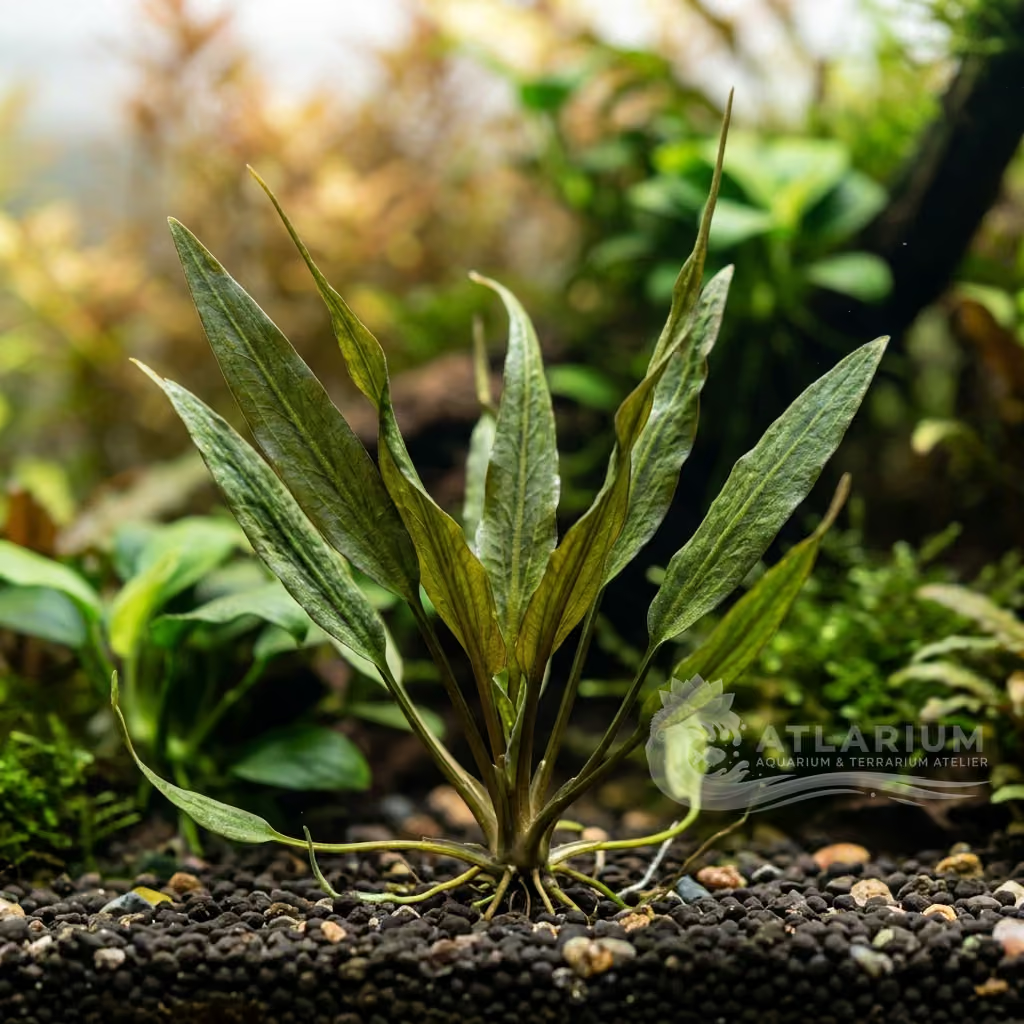
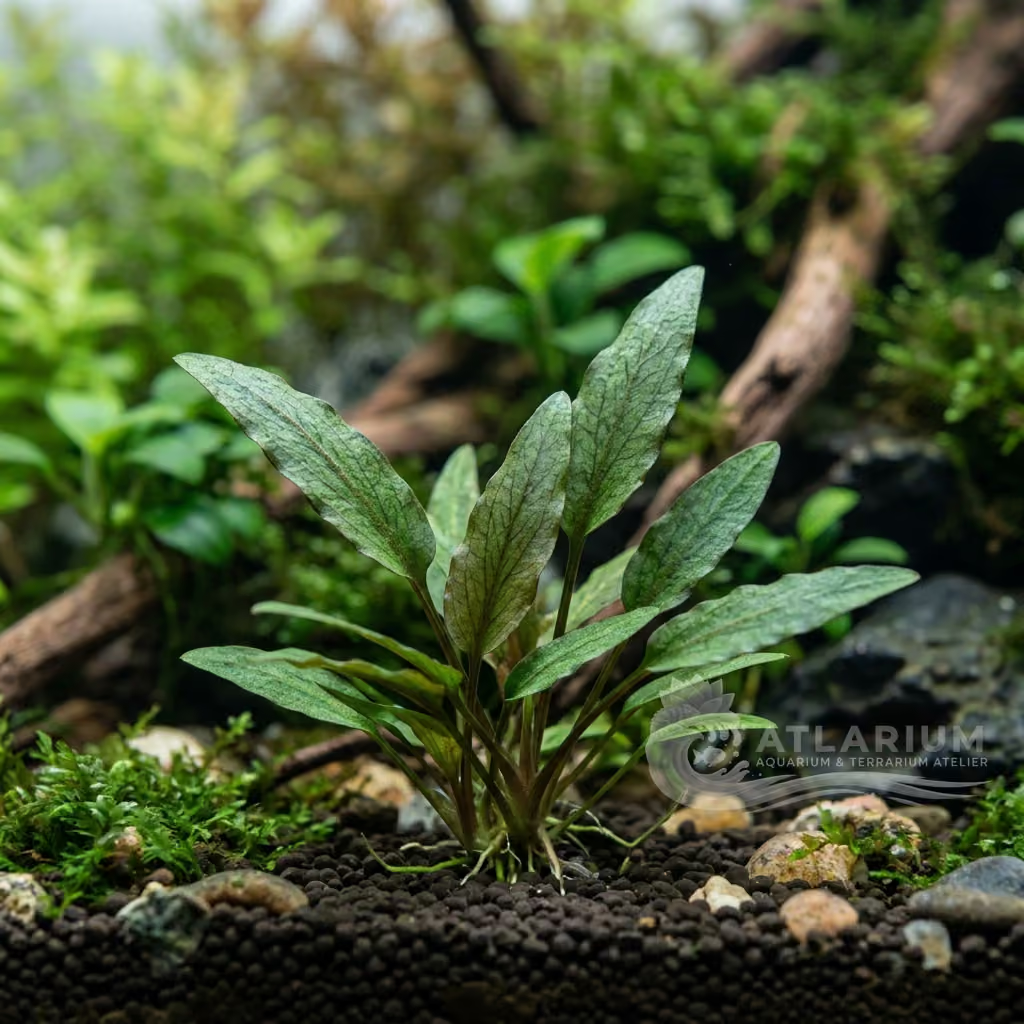
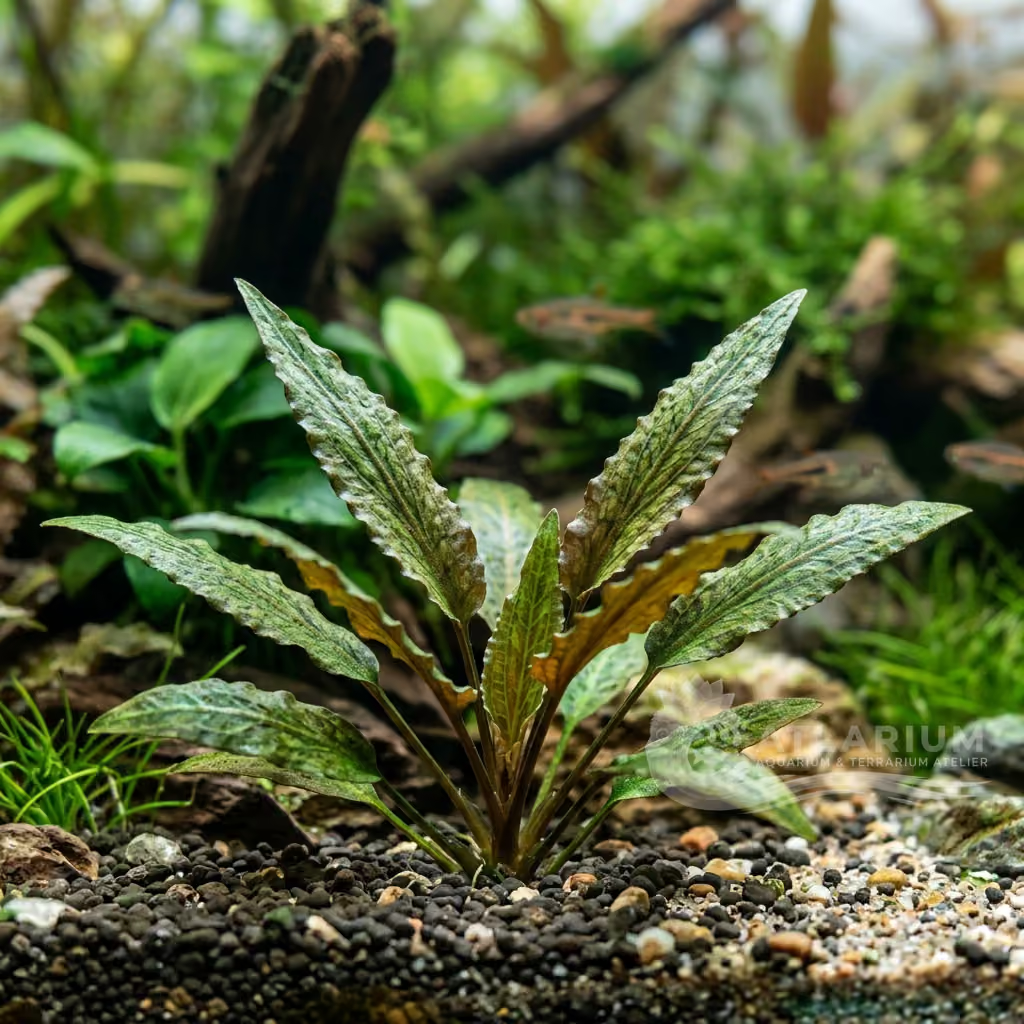
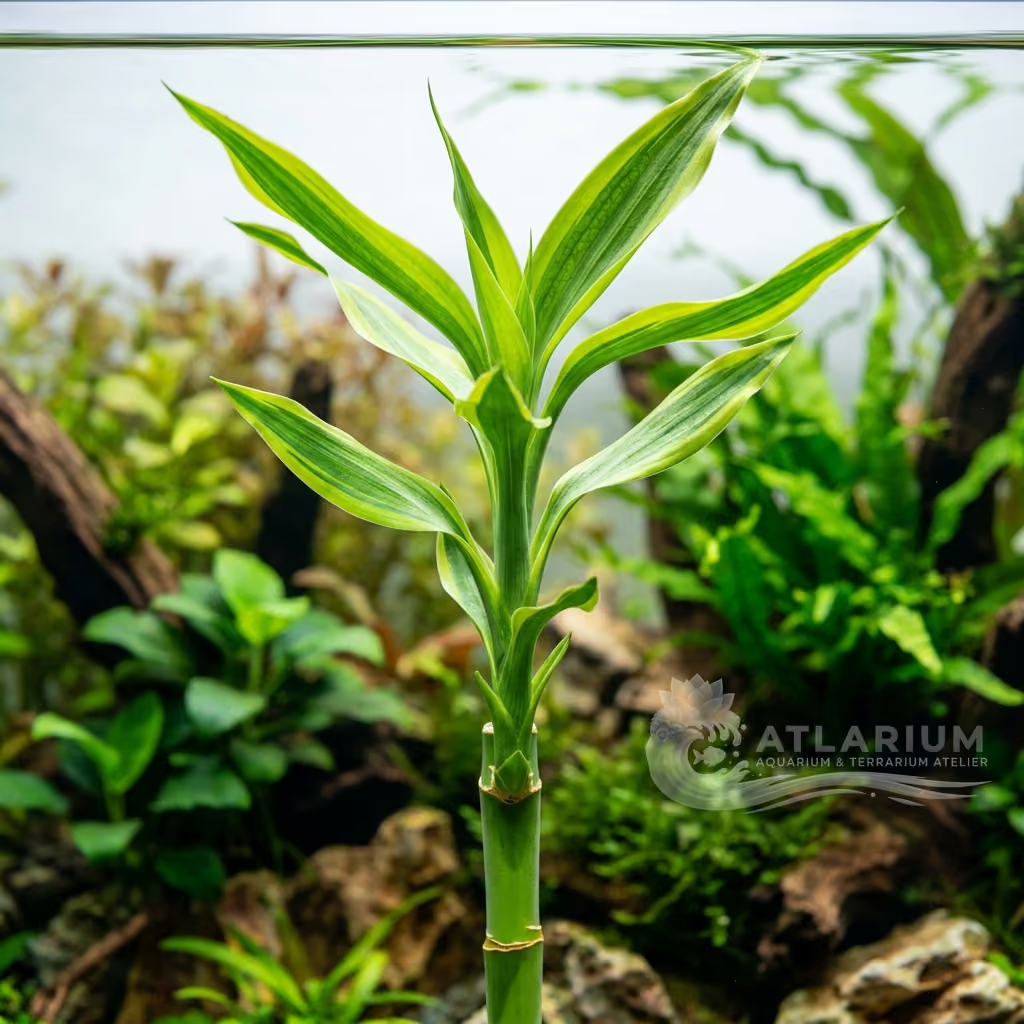
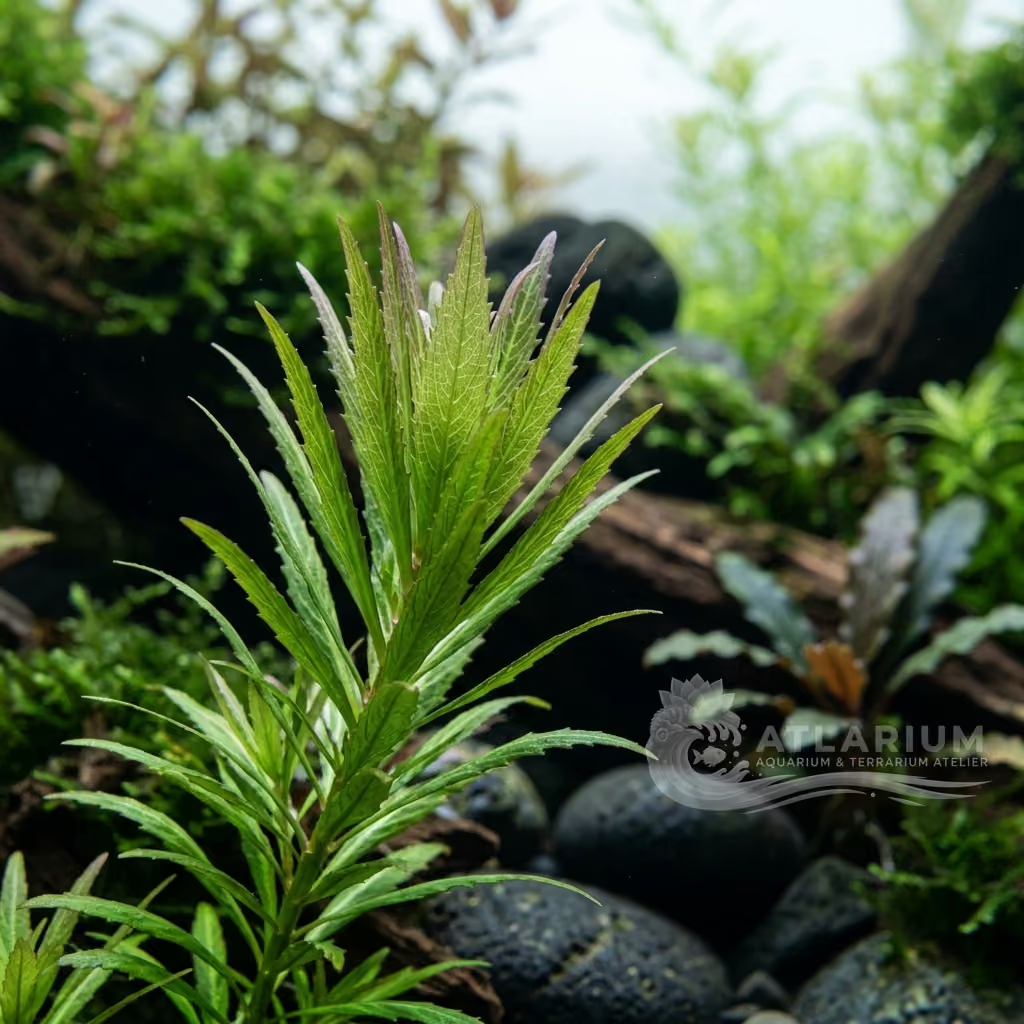
An unidentified tropical amphibious plant forming creeping or upright stems with bright green, lanceolate leaves. It requires medium to high light and CO2 to stimulate vigorous, compact submerged growth.
Water Temperature
22 - 28 °C
pH Value
6 - 7.5
Water type
Freshwater
Light
Medium - High
CO2
Medium - High
KH
2 - 10 dKH

Species description
Geographical Origin and Habitat: Originates from the tropical regions of Asia or South America, where it grows along wet riverbanks, rain forests, and temporarily flooded plains. It adapts very well to amphibious conditions.
Taxonomy & Genetics: Belongs to the Commelinaceae family. Since the exact species has not yet been scientifically identified, it is referred to by the designation sp. "Green" due to its uniform, glossy green foliage.
Physical Structure: Features thick, fleshy, and knobby stems. The leaves are arranged alternately or spirally along the stem, lanceolate-ovate in shape, thick, and clasp the stem with a leaf sheath at the base. The root system is strong and fibrous.
Color & Texture: Very intense emerald green or forest green, with a glossy leaf surface that reflects light. The texture is fleshy and thick, giving the plant a solid and structured appearance.

Care, breeding and tankmates
Lighting & CO2: Requires medium to high lighting to thrive and prevent the internodes from stretching disproportionately. CO2 injection is recommended to maintain compact leaves and stimulate vigorous branching in submerged form.
Nutrition & Substrate: Prefers a rich, fertilized substrate (aquasoil or root tabs) to support its fibrous roots. It responds very well to steady liquid column fertilization with iron and potassium.
Water Chemistry: Tolerant, preferring soft to moderately hard water and a pH range between 5.5 and 7.5. The ideal temperature range is between 18 and 28°C. Requires good filtration and water movement.
Space Management & Placement: Best placed in the midground of the aquarium or the background of smaller tanks. Growing at a medium rate, it is easy to manage. It is also outstanding for paludariums or ripariums, where it grows out of the water showing sturdy, upright stems.
Pruning: Pruned by cutting off the growing tips just above a leaf node. The cut top can be planted in the substrate to propagate, while the original stem will produce new lateral branches.
Risks & Diseases: Can be subject to stem rot at the base if placed in areas of the aquarium lacking water flow or in anaerobic substrates. Fleshy leaves are brittle and can snap if physically stressed.

Geographic origin and distribution
Originates from the tropical regions of Asia or South America, where it grows along wet riverbanks, rain forests, and temporarily flooded plains. It adapts very well to amphibious conditions.
Origin
South and Southeast AsiaAmazon, Orinoco, and GuianasExtra-Amazon South America

Plant profile
- Placement
- Midground
- Commelinaceae sp. 'Green' is perfectly suited for the midground or background of the aquascape. Planting it in dense groups creates a lush, bushy backdrop that contrasts beautifully with red or broad-leaved species. Regular trimming is advised to maintain its desired shape and to encourage lateral branching.
- Botanical form
- Stem
- It features a classic stem plant morphology, characterized by a central stalk with bright green leaves emerging at the nodes. The foliage is elongated and somewhat delicate, requiring careful handling to avoid bruising the tissue. Under intense lighting, the internodal distance remains compact, resulting in a dense appearance.
- Growth
- Medium
- Under high light and with CO2 injection, this plant exhibits a very rapid growth rate that may require weekly maintenance. In lower-tech setups without CO2, its growth is slower but remains steady and manageable. Growth speed can be directly modulated by adjusting light intensity and the fertilization regimen.
- Substrate
- High
- While it can survive in basic gravel, it thrives significantly better in a nutrient-rich aquarium soil. A porous substrate allows its delicate root system to spread easily and access essential stored nutrients. The use of root tabs in inert substrates will also provide the necessary local nutrient boost for robust development.
- Column fertilization
- Recommended
- Liquid fertilization is highly effective, as the leaves easily absorb dissolved nutrients directly from the water column. A consistent dosing schedule ensures the water remains enriched, promoting continuous and healthy growth. It is important to balance these nutrients with adequate light and CO2 to prevent algae outbreaks.
- Root fertilization
- None
- Although it draws heavily from the water column, providing a fertile root zone leads to a much stronger plant. Pushing root tabs deep into the substrate near its base supplies long-term, slow-release nutrition. This dual-feeding approach ensures the plant reaches its maximum potential in both size and vibrancy.
- Trimming
- Occasional
- Frequent and aggressive trimming is often required. You can cut the stems at any height; the rooted lower portion will typically send out two or more new shoots from the nodes just below the cut. Replanting the tops is the easiest way to propagate the plant and quickly increase the density of the group.
- Propagation
- Cuttings
- Propagation is straightforward and typical of most aquatic stem plants. Simply cut the upper portion of a healthy stem and replant it deep into the substrate to establish a new plant. The remaining lower portion will quickly develop new side shoots, leading to a bushier group over time.
- Sensitivity
- Moderate
- It is not particularly sensitive to water parameters and can tolerate a wide range of hardness and pH levels. However, it is very sensitive to low light, which will cause the lower leaves to turn brown and fall off, leaving bare stems. It is also quite brittle, so care must be taken during maintenance to avoid snapping the stems.
- Layout role
- Midground, Background, paludarium, riparium
- It is ideal for creating tall, dense, bright green background thickets that provide a beautiful contrast to red plants or dark hardscape. Its bamboo-like appearance can add a unique structural element to the aquascape. When grown emersed, it adds a lush, tropical feel to open-top tanks and ripariums.

Related species
Recommendations grouped by close relatives, companion choices, and similar care.