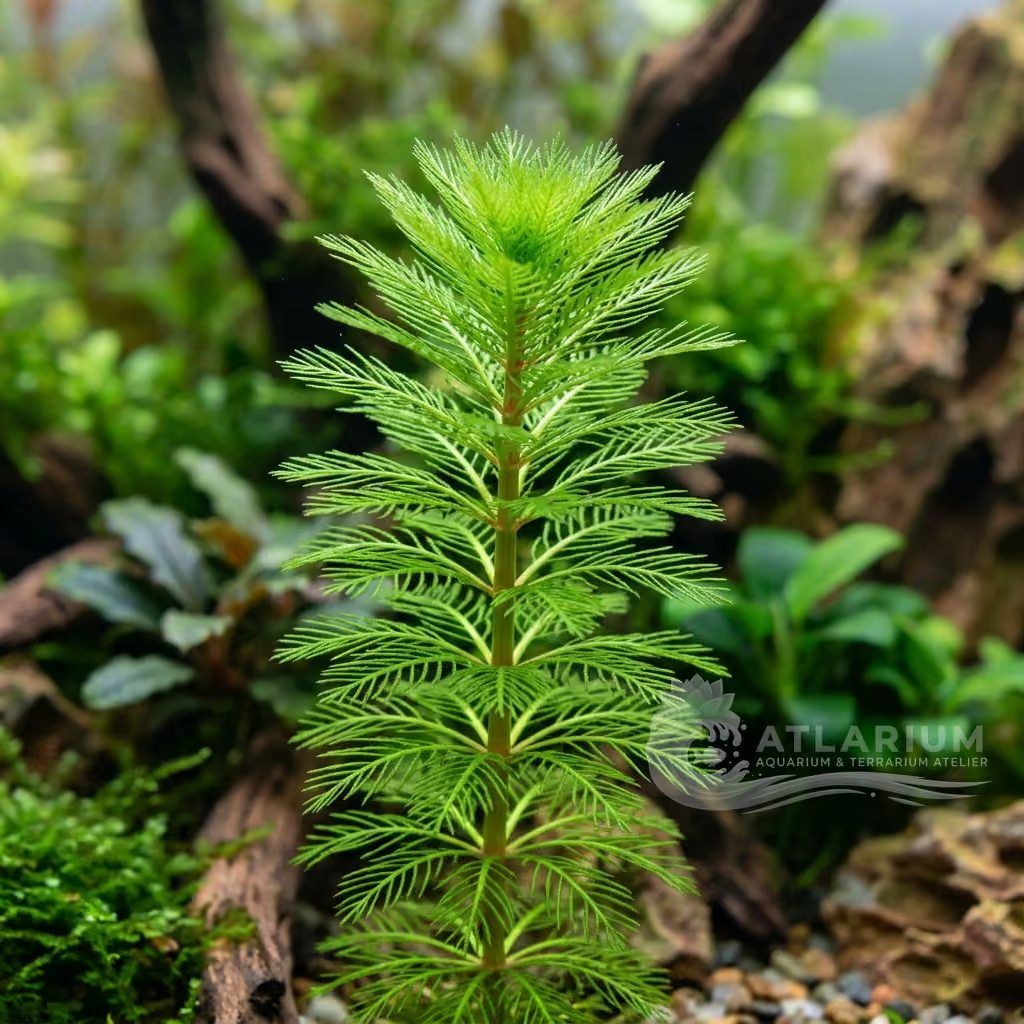
Murdannia keisak
Murdannia keisak
Murdannia keisak is a fast-growing aquatic plant, ideal for midground placement where it can form dense clusters of vibrant foliage. Its upright growth habit and prolific nature make it an excellent choice for adding structure and dynamic color to the aquascape.
Water Temperature
18 - 30 °C
pH Value
5 - 7.5
Water type
Freshwater
Light
Medium to High
CO2
High
Expected height
30 cm
KH
0 - 14 dKH

Species description
Geographical Origin and Habitat: Murdannia keisak originates from the tropical and subtropical regions of Asia, where it predominantly inhabits wet environments such as rice paddies, swamps, and the edges of slow-moving streams. This species demonstrates remarkable ecological plasticity, adapting to both submerged and emergent conditions. Its presence across such diverse habitats underscores its robustness and ability to thrive in a wide range of environmental parameters, making it an excellent candidate for aquariums. The plant's geographical distribution is extensive, spanning countries like China, Japan, India, and Southeast Asia.
Taxonomy & Genetics: Classified within the Commelinaceae family, Murdannia keisak shares typical characteristics of monocotyledonous plants, including growth from a single cotyledon. The genus Murdannia encompasses several species, some of which are also used in aquascaping, though keisak is among the most popular due to its attractive appearance and relative ease of cultivation. Its taxonomic classification places it in close relation to other ornamental and wild plants that prefer humid environments. Genetically, like many Commelinaceae, it exhibits a notable capacity for adaptation and vegetative reproduction.
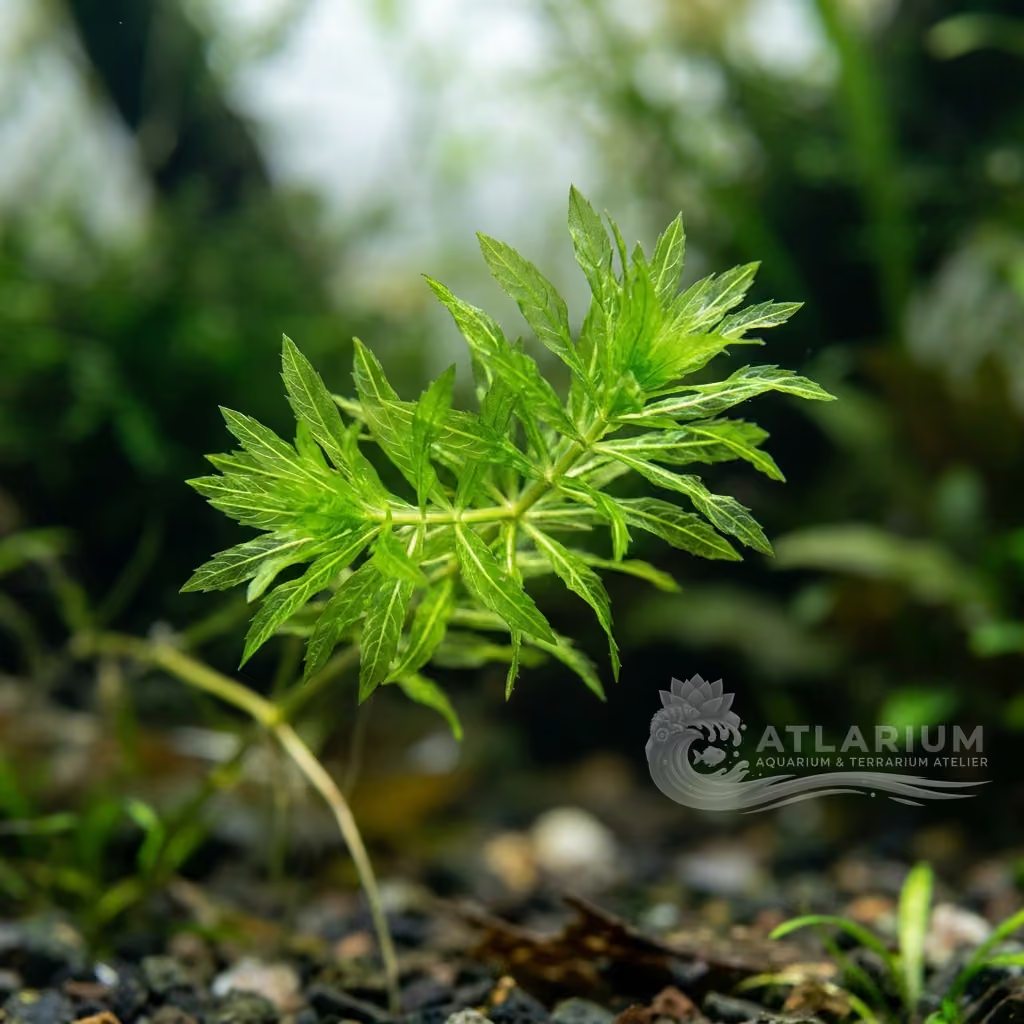
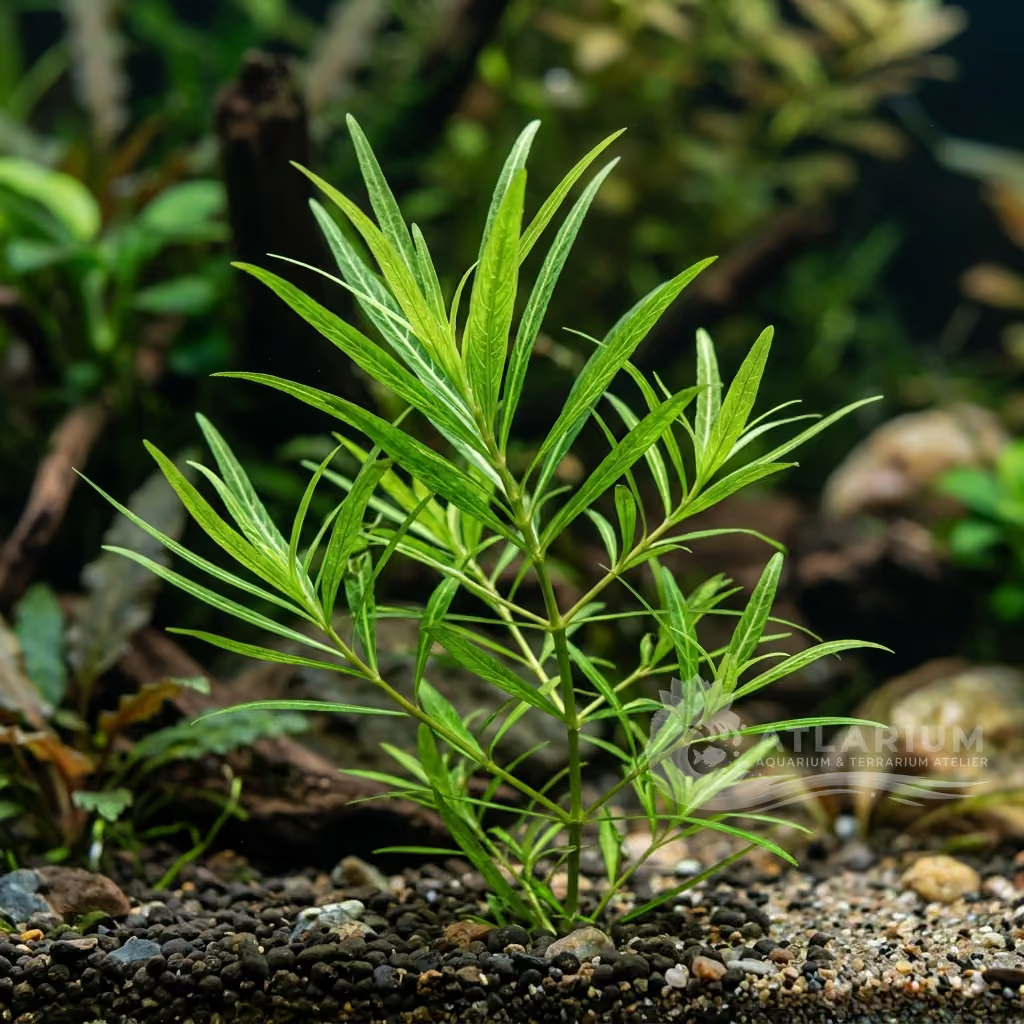
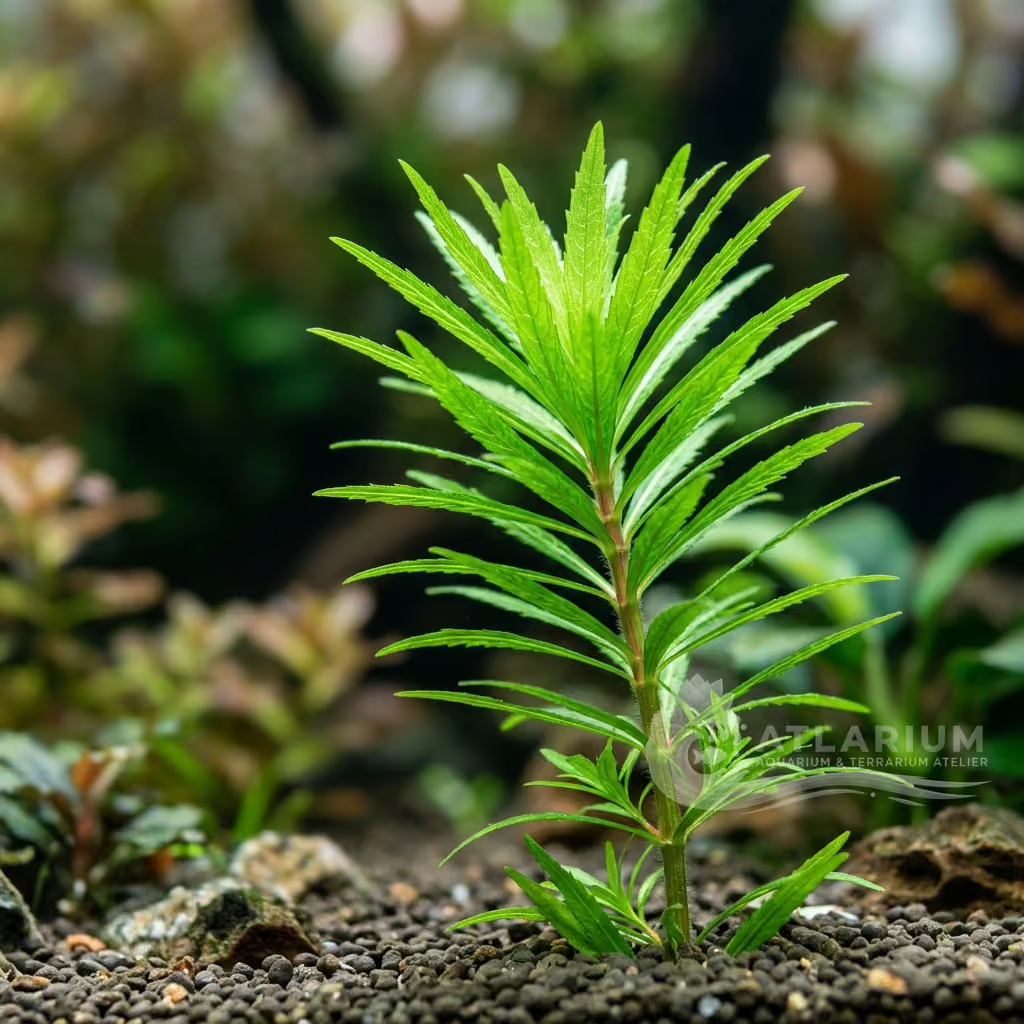
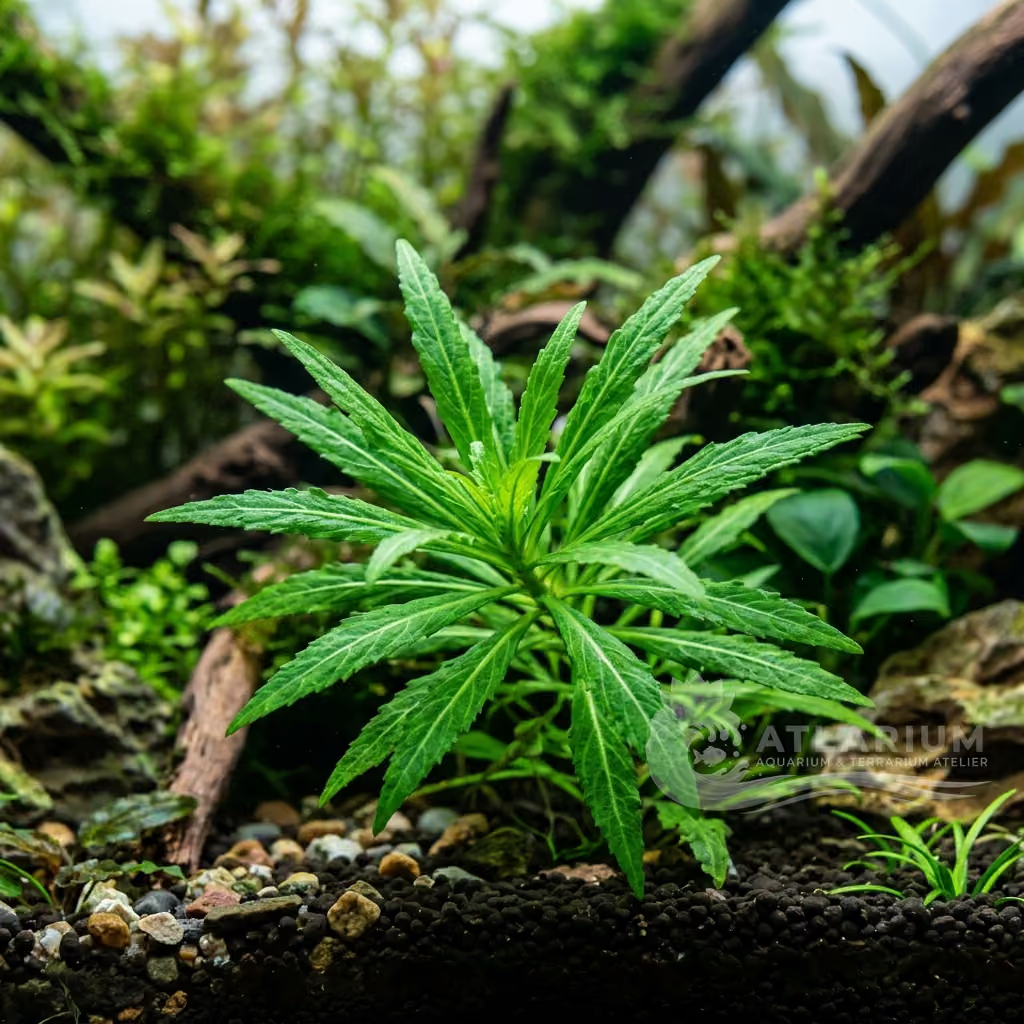
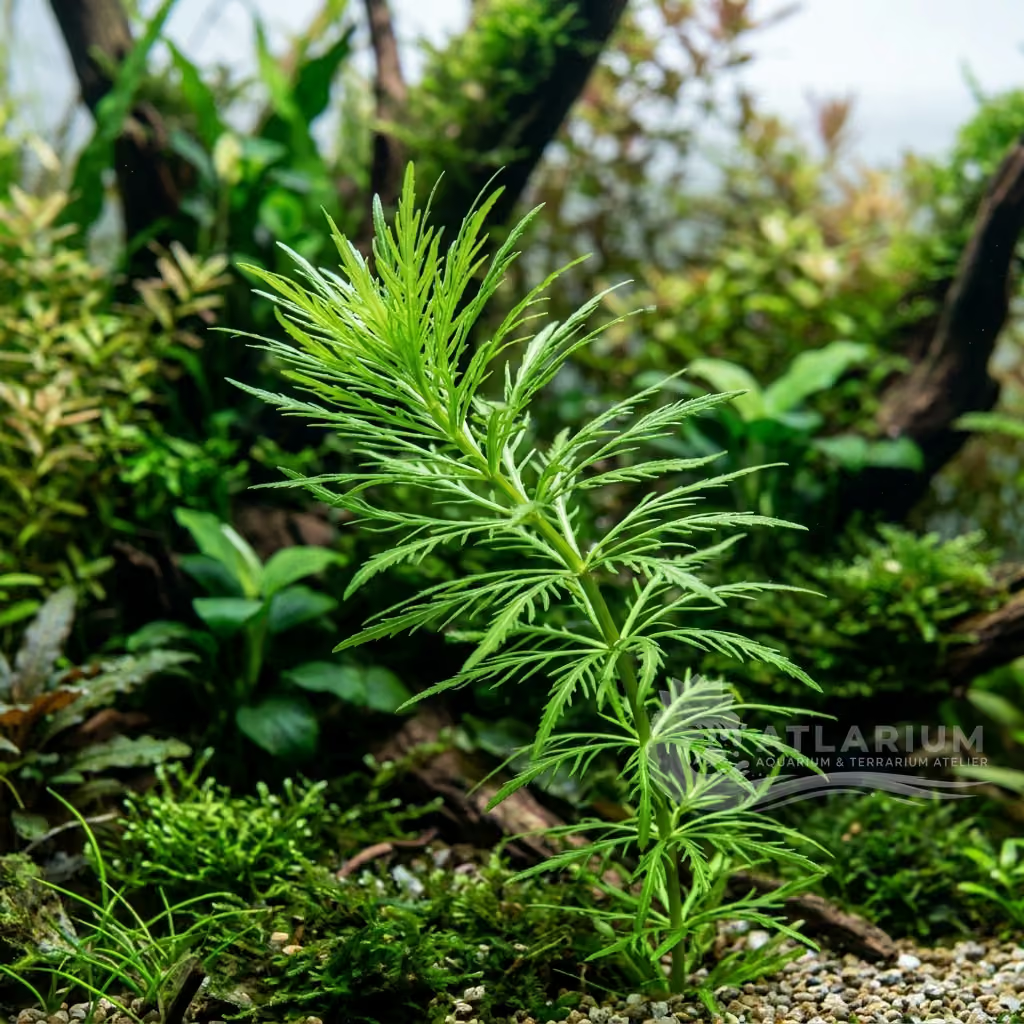
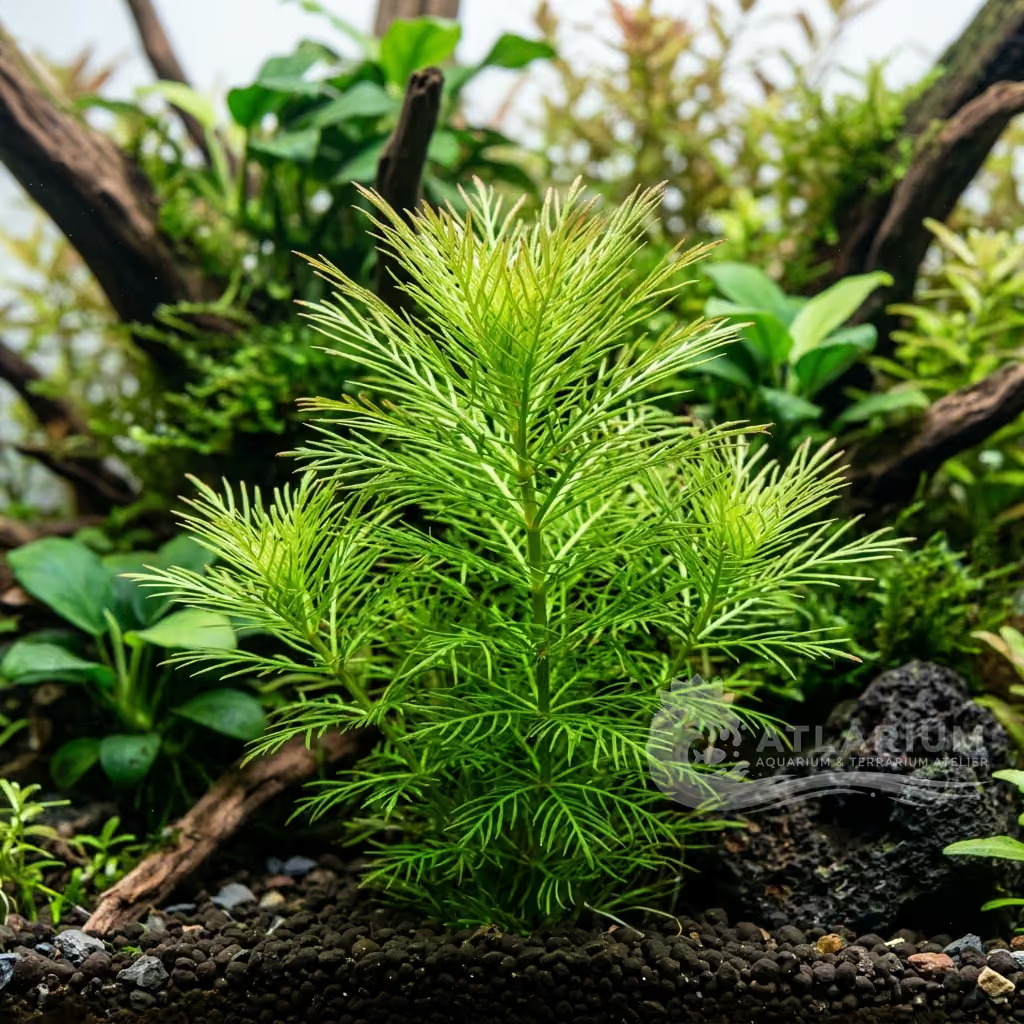
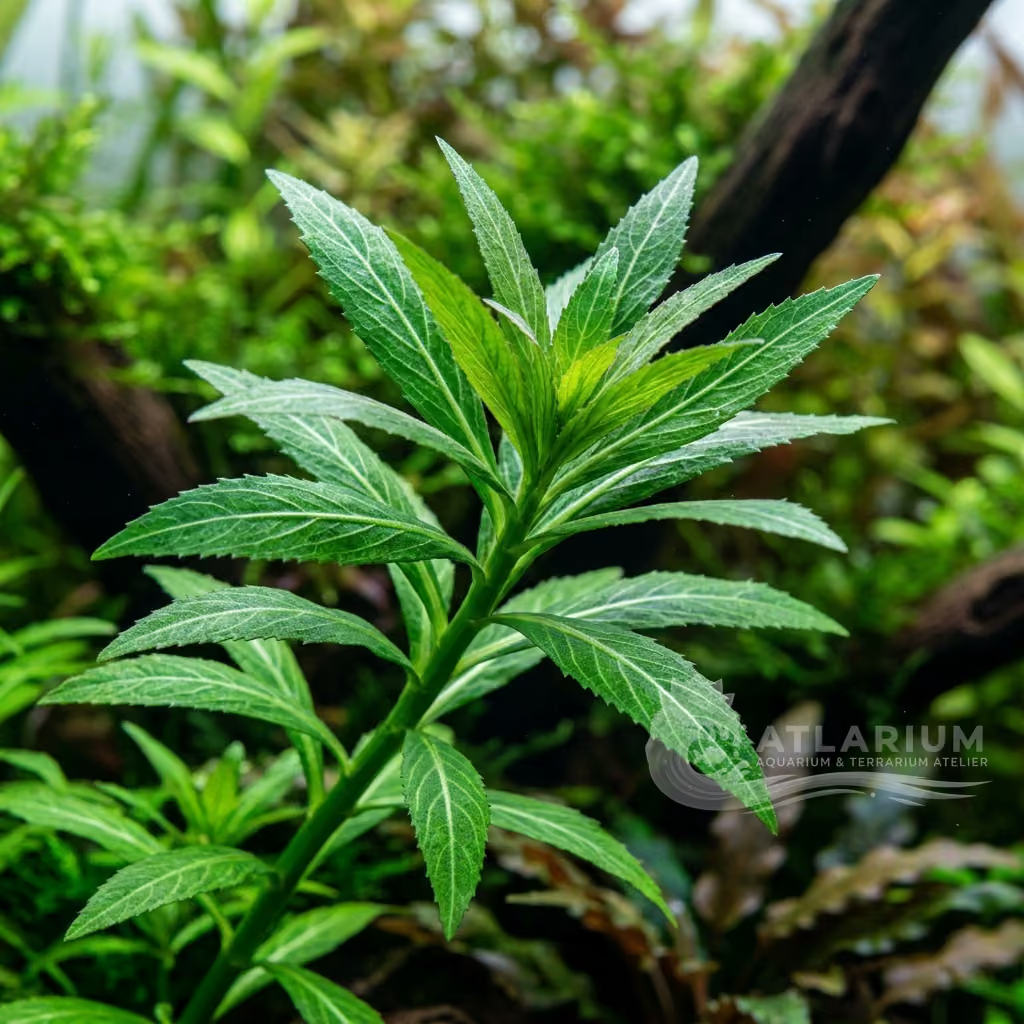
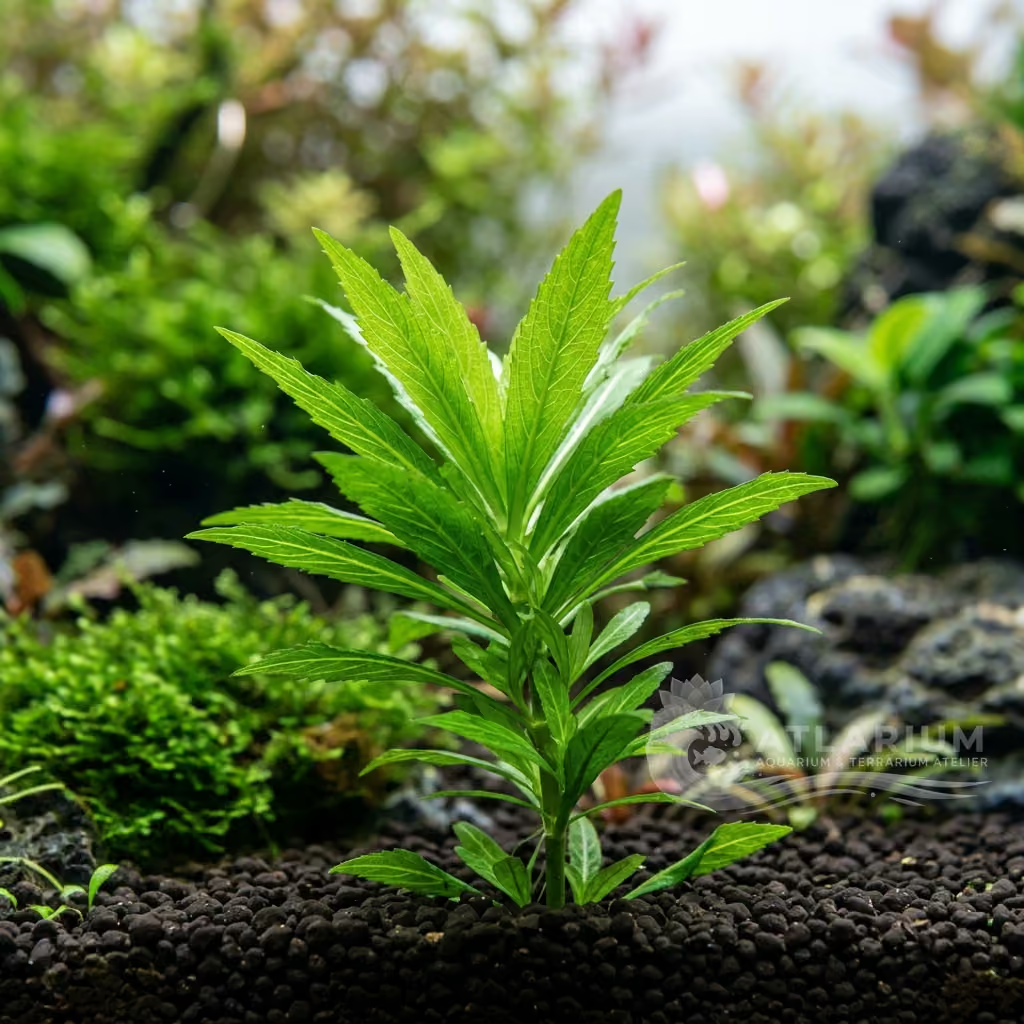
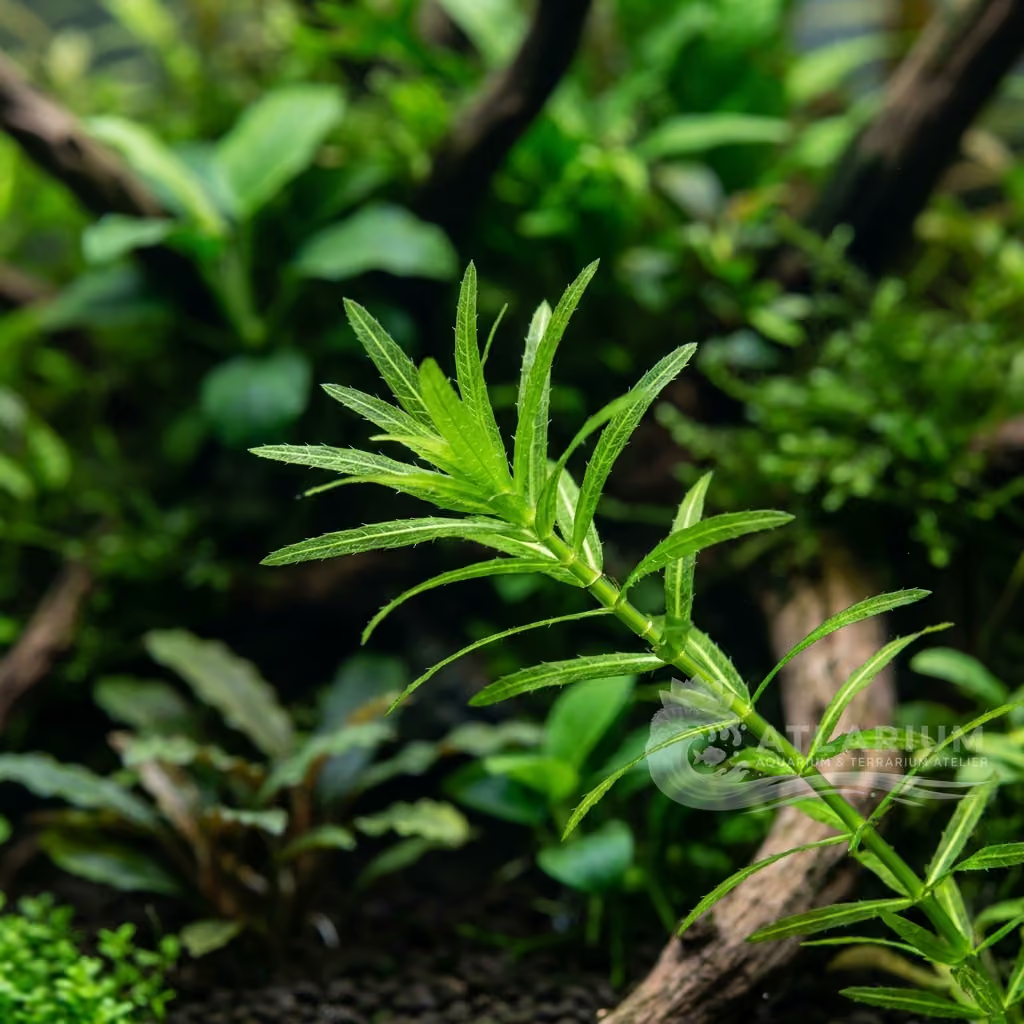
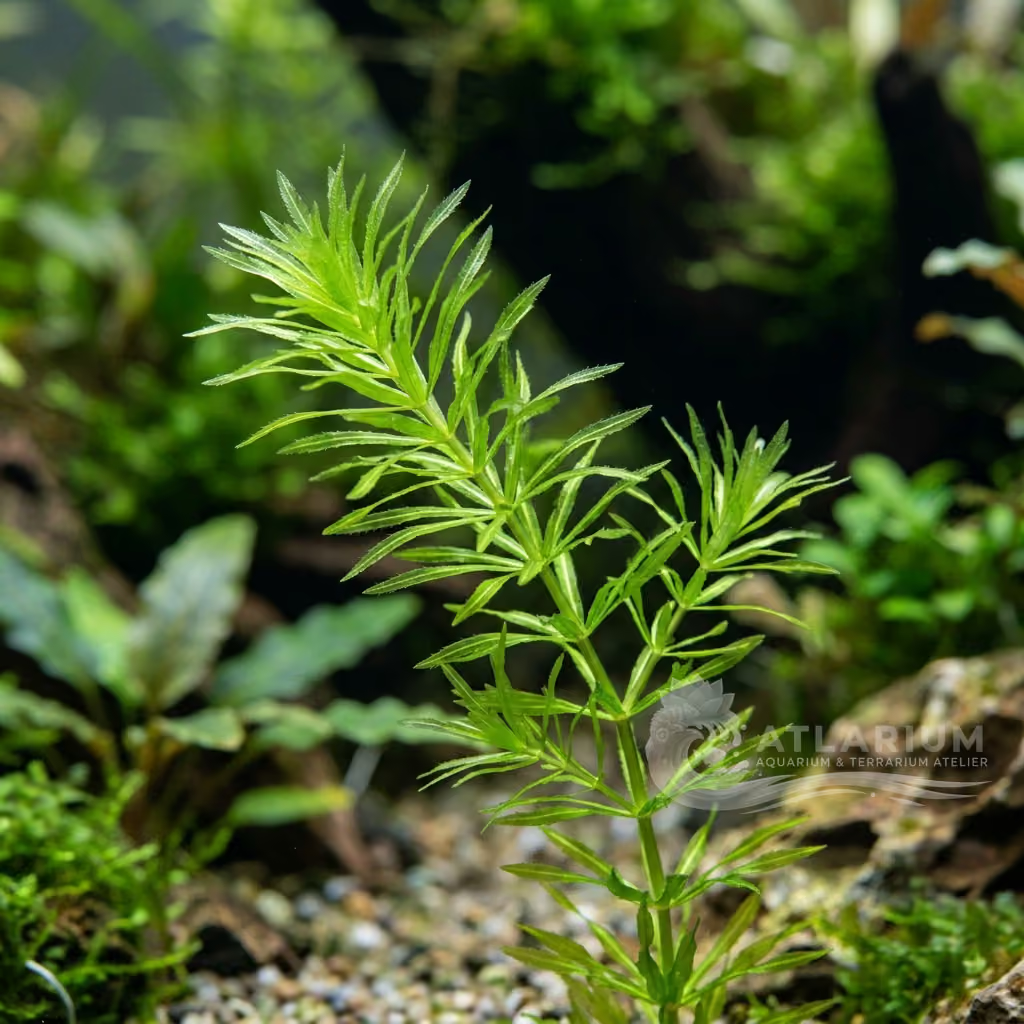
Physical Structure: Murdannia keisak is characterized by its slender, ascending stems, which can reach a considerable height if allowed to grow freely, typically between 15 and 30 centimeters in an aquarium. The leaves are arranged alternately along the stem, featuring a lanceolate or elliptical shape, terminating in an acute tip. Each leaf displays distinctive parallel venation, a common trait in monocots, and attaches to the stem via a leaf sheath. Under optimal conditions, the plant develops a dense root system that firmly anchors the stems to the substrate, while new lateral shoots contribute to a bushy, full appearance.
Color & Texture: The foliage of Murdannia keisak primarily exhibits a bright, vibrant green color, which can vary in intensity depending on lighting conditions and nutrient availability. Under strong light and with adequate CO2 supplementation, the leaves may develop reddish or purplish hues, especially on the tips or along the margins, adding an attractive chromatic contrast. The texture of the leaves is smooth and slightly fleshy, with a glossy surface that enhances their visual appeal. This combination of color and texture contributes significantly to its aesthetic charm in a planted aquarium.

Care, breeding and tankmates
Lighting & CO2: Murdannia keisak thrives under medium to high lighting, which translates to a PAR (Photosynthetically Active Radiation) level of approximately 40-70 µmol/m²/s to ensure robust growth and vibrant colors. Insufficient lighting can lead to excessive stem elongation (etiolation) and faded coloration, while intense light encourages the emergence of reddish hues. CO2 injection is highly recommended for this fast-growing species, as it stimulates efficient photosynthesis, accelerating development and promoting greater foliage density. Carbon dioxide supplementation should aim to maintain levels of around 20-30 ppm for best results.
Nutrition & Substrate: As a fast-growing plant, Murdannia keisak has high nutritional demands and benefits significantly from a nutrient-rich substrate, such as those specifically formulated for planted aquariums. A fertile substrate provides a constant supply of essential macro and micronutrients to the roots, supporting vigorous growth. It is also crucial to supplement with liquid column fertilization, including a complete range of macroelements (nitrogen, phosphorus, potassium) and microelements (iron, manganese, boron, etc.). Particular attention should be paid to iron availability, which is critical for preventing leaf yellowing and enhancing color intensity.
Water Chemistry: Murdannia keisak is tolerant of a wide range of water conditions, with ideal temperatures varying from 18.0 to 30.0 °C, making it suitable for many tropical aquariums. For pH, it prefers a slightly acidic to neutral environment, with values between 5.0 and 7.5, although it can adapt to values slightly outside this range. Carbonate hardness (KH) can range from 0.0 to 14.0, indicating significant flexibility. However, for optimal growth and to prevent stress, it is advisable to maintain stable values within the recommended ranges, performing regular water changes to ensure cleanliness and mineral replenishment.
Space Management & Placement: Due to its moderate height and upright growth habit, Murdannia keisak is ideally positioned in the midground of the aquarium, where it can create a dense patch of vibrant green. It is important to consider its rapid growth when planting, ensuring it has sufficient space to expand without overshadowing neighboring plants. Planting multiple stems close together can create a more compact and visually impactful bushy effect. Given its tendency to quickly grow towards the water surface, regular
Pruning: Regular pruning is essential to maintain Murdannia keisak's health and desirable form. Given its rapid growth, upper stems that reach the water surface or become too long should be trimmed. This operation not only controls the plant's height but also stimulates lateral branching from the remaining stems, promoting a bushier and denser growth habit. The trimmed tops can be replanted directly into the substrate to easily propagate the plant and increase biomass, while the lower sections will continue to produce new shoots, maintaining a lush and compact appearance.
Risks & Diseases: While robust, Murdannia keisak can show signs of stress in case of nutrient deficiencies, exhibiting yellowed leaves (chlorosis) if iron or nitrogen is lacking, or stunted growth if potassium or phosphorus are insufficient. Inadequate lighting or drastic fluctuations in water parameters can also weaken it, making it more susceptible to filamentous algae growth on its leaves. It is relatively resistant to specific aquatic plant diseases, but prolonged stress conditions or poor water quality can still compromise its health. Maintaining a stable care regimen and monitoring parameters is the best prevention.

Geographic origin and distribution
Murdannia keisak originates from the tropical and subtropical regions of Asia, where it predominantly inhabits wet environments such as rice paddies, swamps, and the edges of slow-moving streams. This species demonstrates remarkable ecological plasticity, adapting to both submerged and emergent conditions. Its presence across such diverse habitats underscores its robustness and ability to thrive in a wide range of environmental parameters, making it an excellent candidate for aquariums. The plant's geographical distribution is extensive, spanning countries like China, Japan, India, and Southeast Asia.
Origin
East AsiaSouth and Southeast Asia

Plant profile
- Placement
- Midground
- This plant is perfect for the background or midground of an aquarium. Its bamboo-like appearance and straight vertical growth offer a unique structural element. It looks best when planted in dense, stepped groups.
- Botanical form
- Stem
- This species has a distinctive, bamboo-like appearance with straight stems and alternating lanceolate leaves. The leaves are typically a bright, fresh green. It has a very rigid, upright growth habit that makes it stand out from other stem plants.
- Growth
- Fast
- Murdannia keisak is a fast-growing stem plant, especially under high light and CO2 injection. It will quickly reach the water surface and may begin to grow emersed if not trimmed. Regular pruning is necessary to maintain its position and encourage lateral branching.
- Substrate
- High
- It prefers a nutrient-rich substrate like aqua soil to establish a strong root system. While it can grow in inert gravel, the growth will be significantly slower and stems thinner. A good substrate provides a strong foundation for its vertical growth habit.
- Column fertilization
- Recommended
- Regular liquid fertilization is recommended to support its fast growth rate. It readily absorbs macronutrients and trace elements from the water column. Consistent dosing will ensure the plant remains vigorous and full.
- Root fertilization
- Recommended
- Root fertilization is highly beneficial for Murdannia keisak. Root tabs placed near the base of the stems will provide essential nutrients for sustained growth. A combination of root and column fertilization yields the best results.
- Trimming
- Occasional
- Trim by cutting the stem at the desired height and replanting the tops if propagation is desired. The lower portion will typically send out one or two side shoots. Frequent trimming is required to prevent it from shading the entire aquarium.
- Propagation
- Cuttings
- Propagation is easily achieved through top cuttings. Simply cut the upper portion of a healthy stem and replant it in the substrate. The original stem will usually develop side shoots, while the cutting will grow into a new plant.
- Sensitivity
- Moderate
- It is relatively hardy but can be sensitive to very soft water or extreme fluctuations in parameters. Poor circulation can lead to algae on its lower leaves. Ensure good flow to keep the foliage clean and healthy.
- Layout role
- Midground, Background
- Murdannia keisak is excellent for creating vertical lines in an aquascape. Its bamboo-like appearance offers a unique texture that contrasts well with broad or round leaves. It works beautifully in Asian-themed layouts or nature aquariums.

Related species
Recommendations grouped by close relatives, companion choices, and similar care.