Murdannia engelsii
Murdannia engelsii
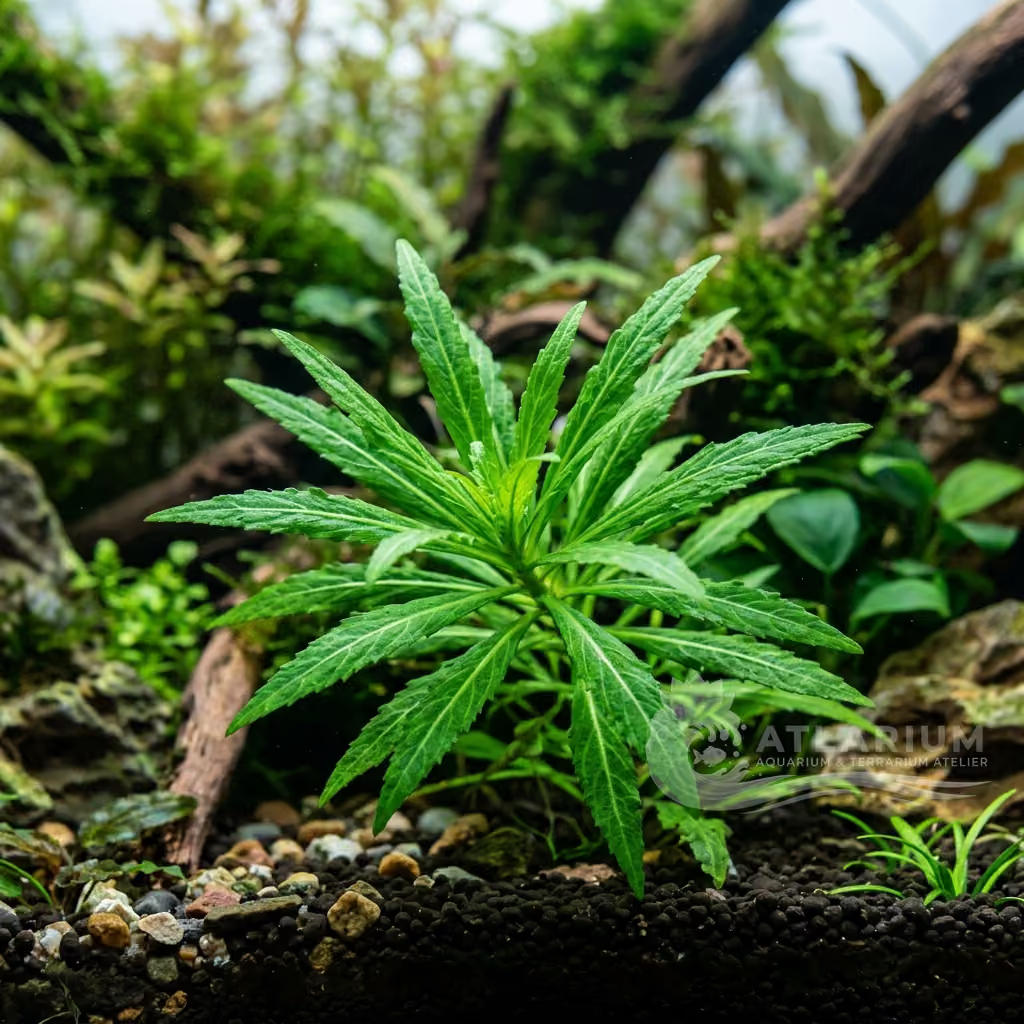
Murdannia engelsii is a medium-growth aquatic plant, perfectly suited for midground placement, where it forms dense, vibrant bushes. Its robust nature and relatively straightforward care make it a versatile and attractive addition to various aquascape designs.
Water Temperature
20 - 28 °C
pH Value
5 - 7.5
Water type
Freshwater
Light
Medium to High
CO2
High
KH
0 - 10 dKH

Species description
Geographical Origin and Habitat: Murdannia engelsii, like other species within the Murdannia genus, originates from tropical and subtropical regions of Asia, particularly in areas with abundant humidity and access to water bodies. While its exact natural distribution may vary, it is typically found in shallow ponds, slow-moving river margins, or marshy zones, where it can grow in both submerged and emergent forms. The natural habitat of this plant is characterized by warm temperatures and consistent water availability, conditions that directly influence its aquarium requirements. This environment allows it to thrive under varying light intensities, adapting to the diverse light conditions present in its ecosystem.
Taxonomy & Genetics: Belonging to the Commelinaceae family, Murdannia engelsii shares several distinctive characteristics of monocotyledons, such as parallel leaf venation and the presence of leaf sheaths. The Murdannia genus is extensive, encompassing various aquatic and terrestrial species, but M. engelsii stands out due to its unique morphological and chromatic features, making it highly valued in aquascaping. The precise classification and differentiation among Murdannia species can be complex, yet M. engelsii's identity is well-established within planted aquarium contexts. Its genetics provide significant adaptability, allowing it to thrive across a relatively wide range of water parameters, though it displays its full splendor under optimal conditions.
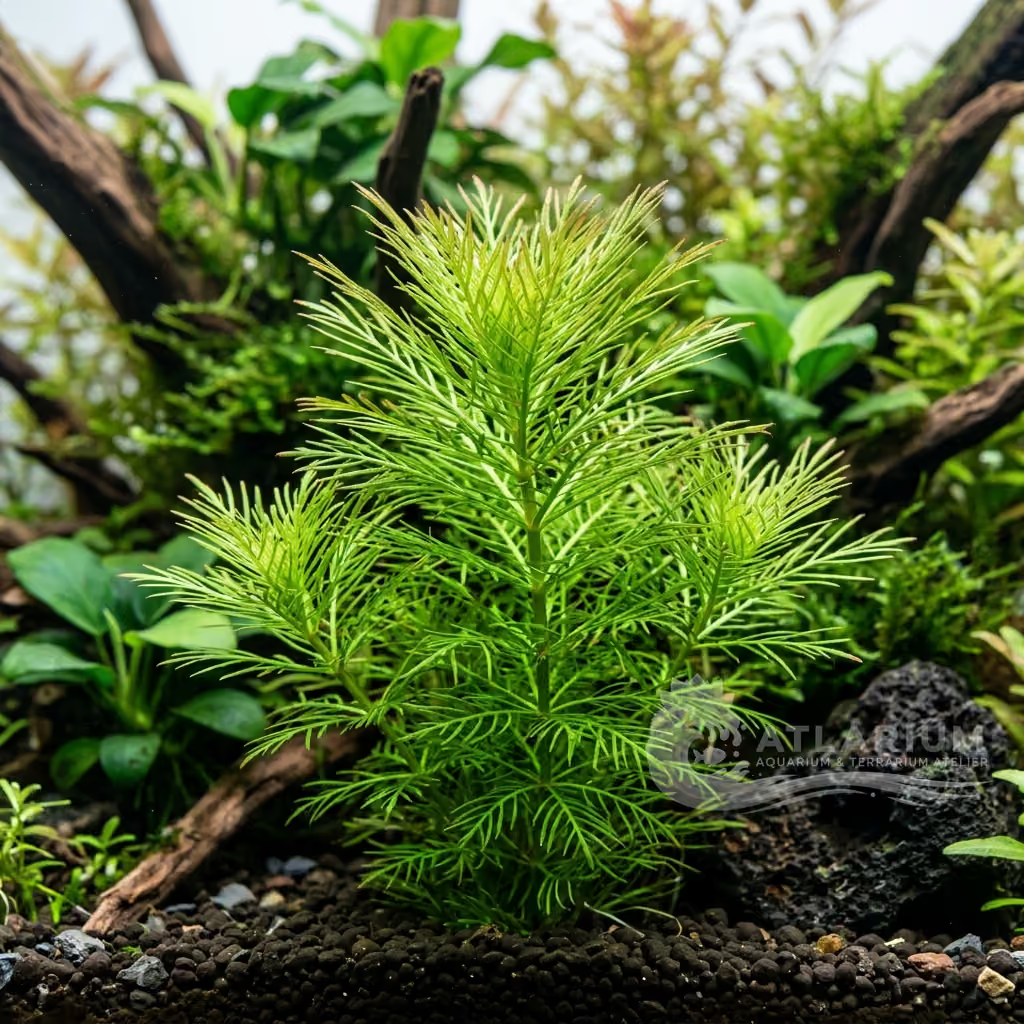
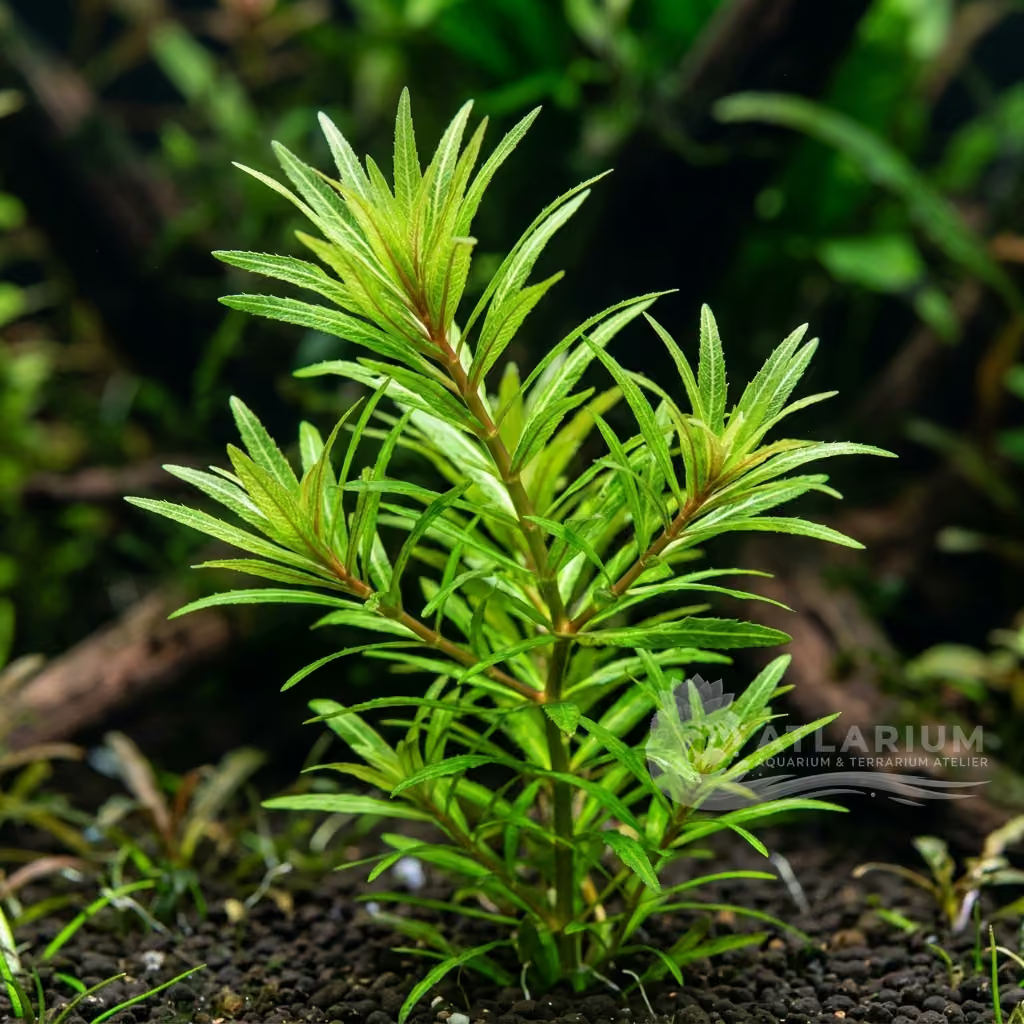
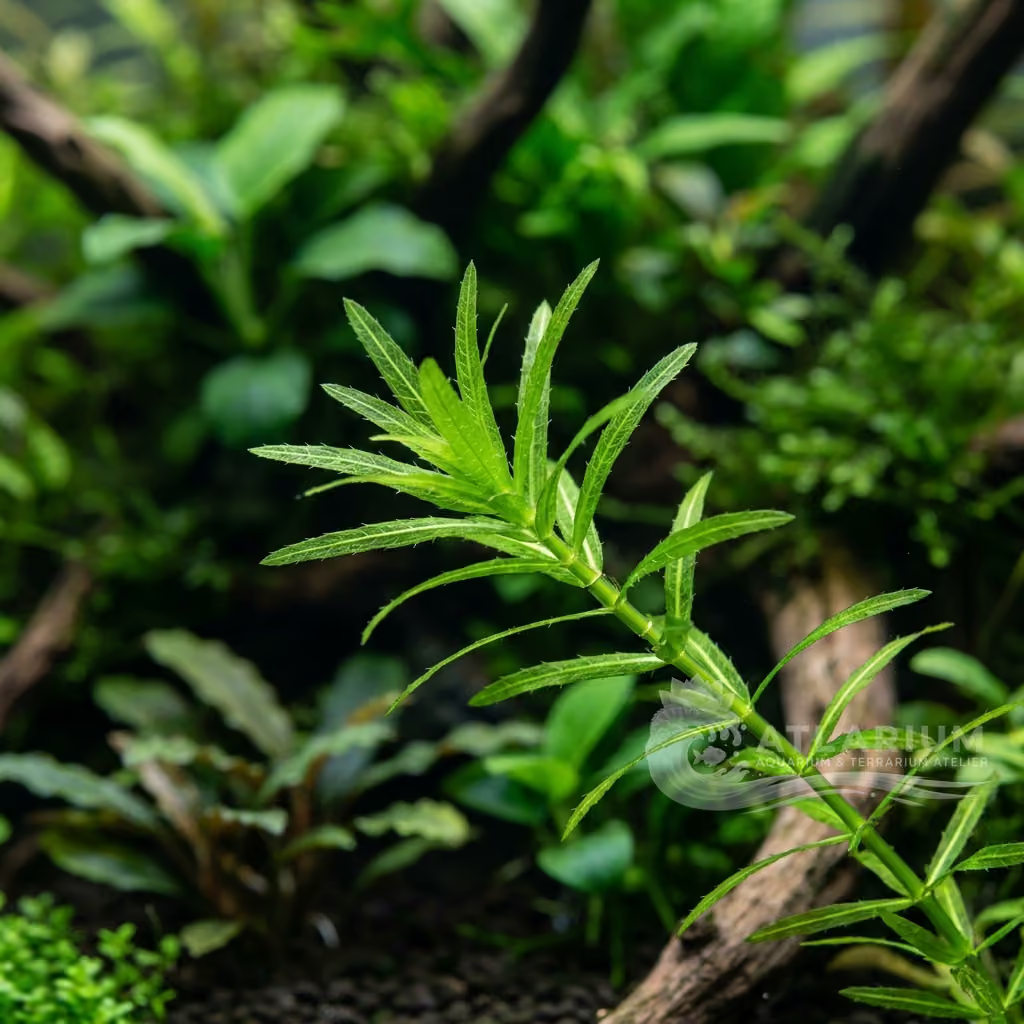
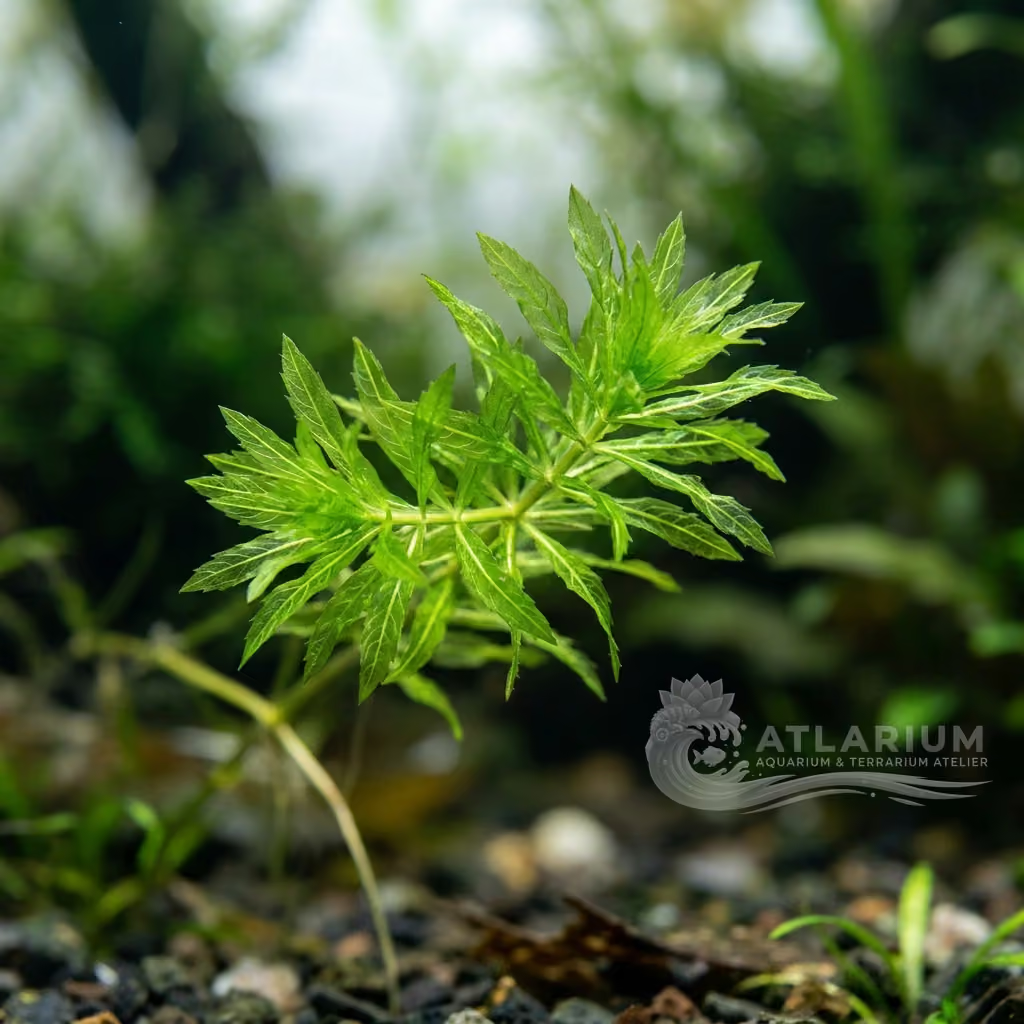
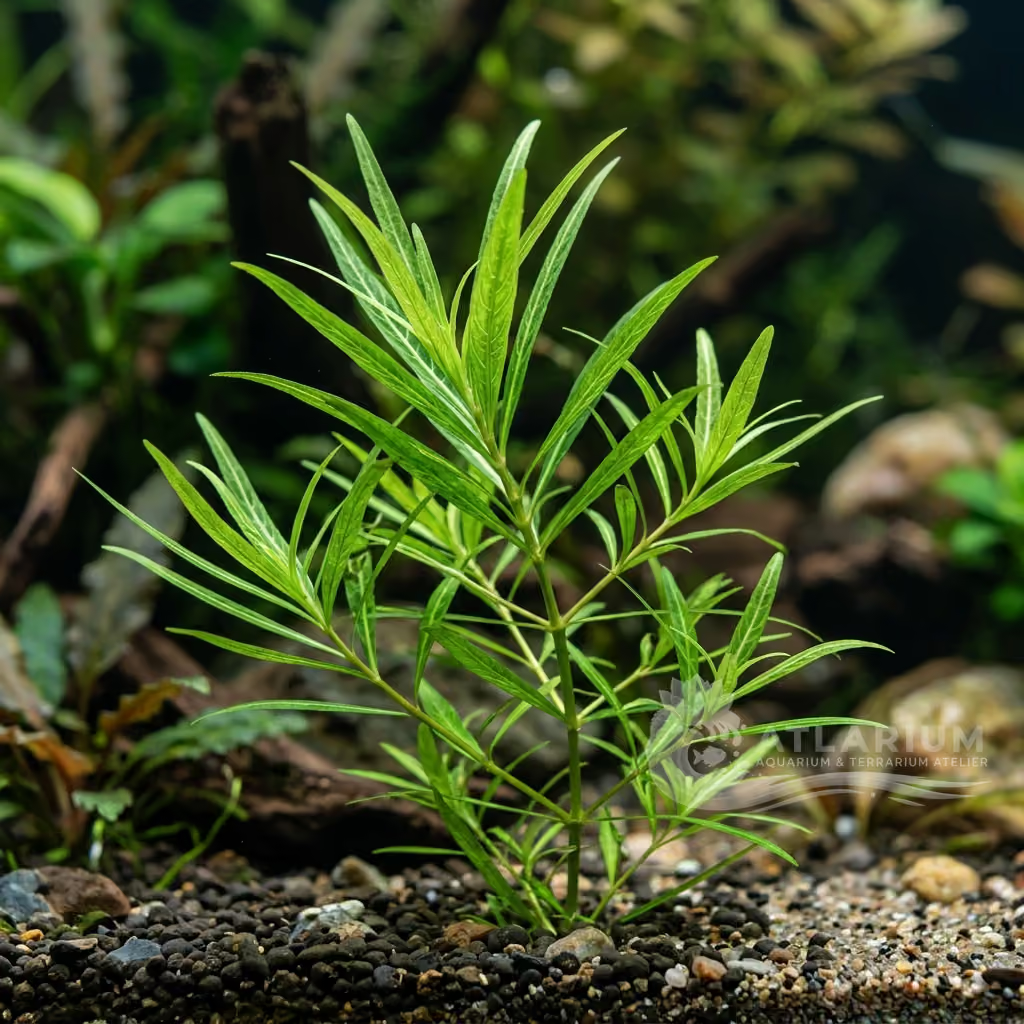
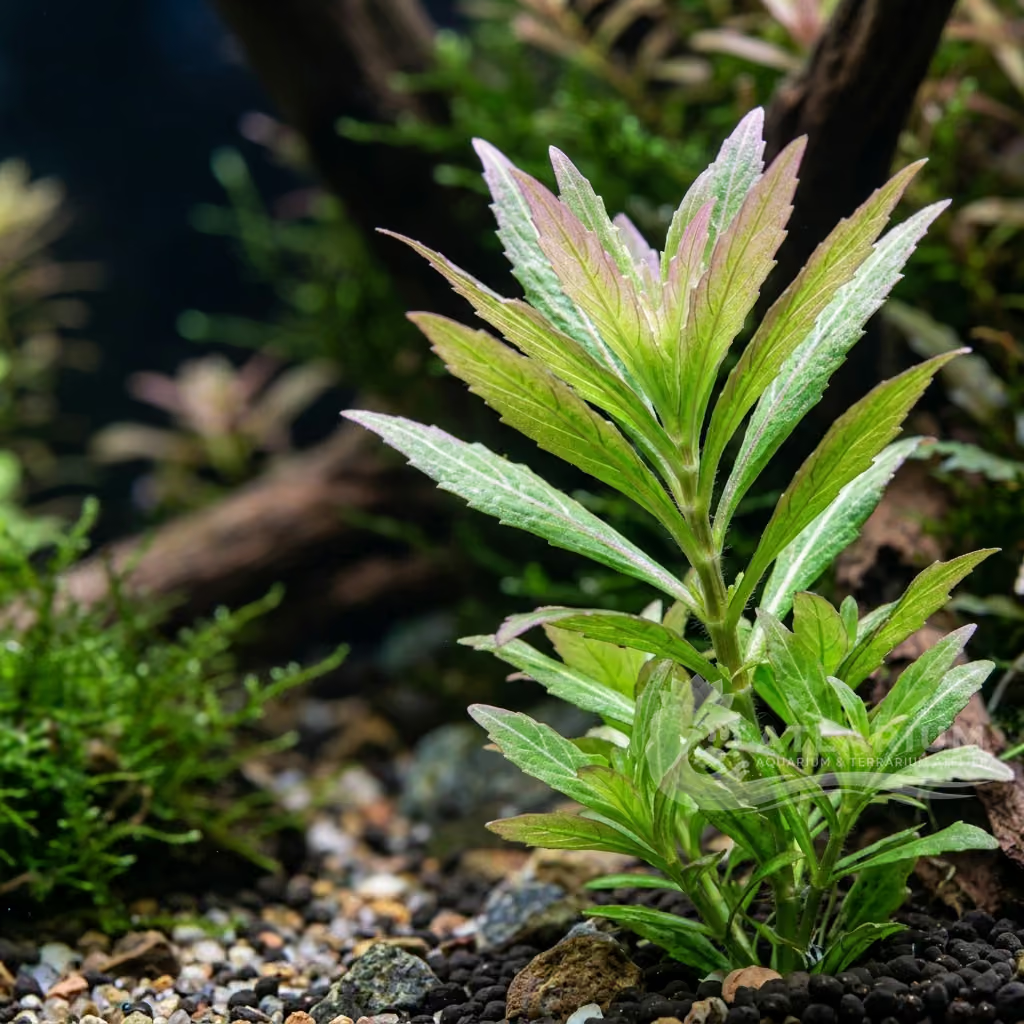
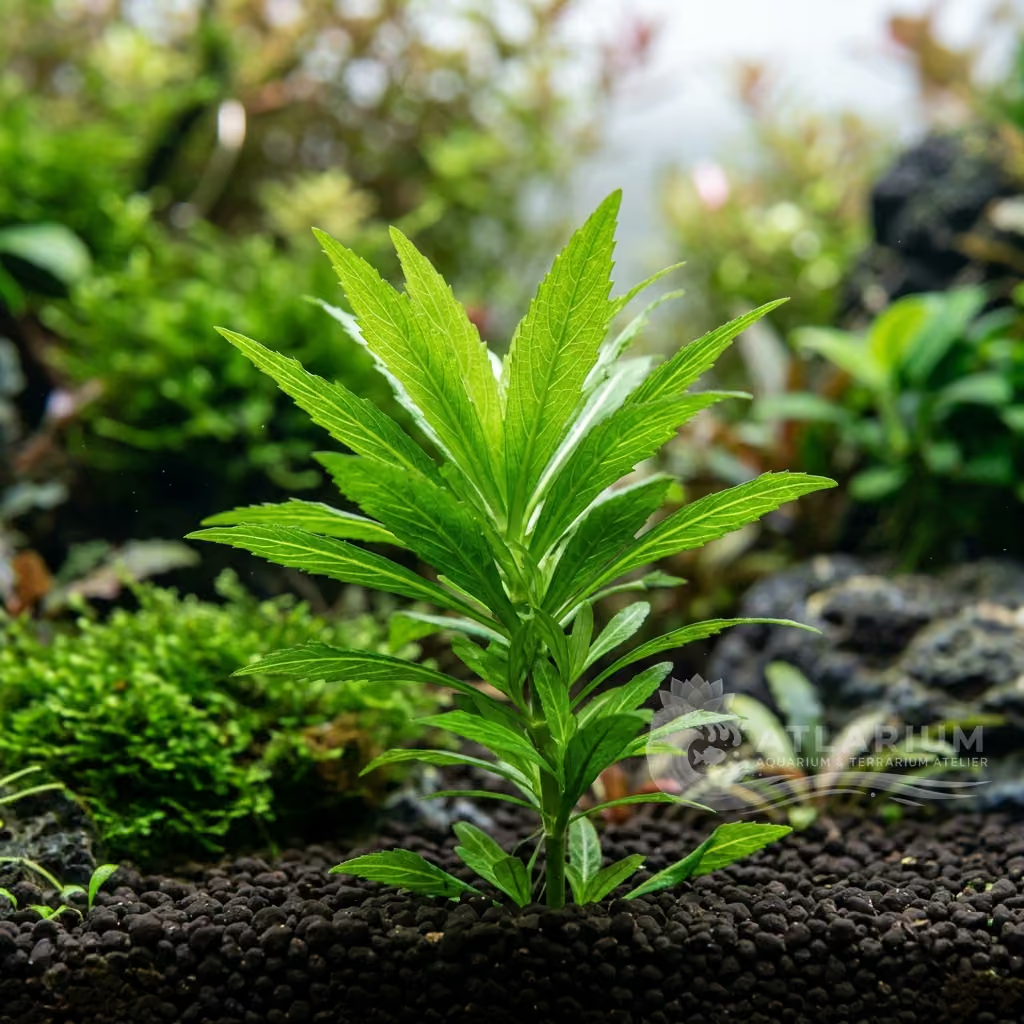
Physical Structure: Murdannia engelsii exhibits an elegant and compact physical structure, characterized by robust, upright-growing stems that bear leaves arranged alternately or spirally. The leaves are typically lanceolate or linear, with a pointed tip and smooth margins, and can reach moderate sizes, contributing to the bush's density. The internodes, or spaces between leaves along the stem, are generally short, giving the plant a compact and bushy appearance, ideal for midground placement. Its root system is well-developed, helping the plant anchor firmly to the substrate while absorbing necessary nutrients for vigorous growth. Under intense light, Murdannia engelsii tends to develop a more clustered and bushy form.
Color & Texture: One of the primary appeals of Murdannia engelsii lies in its vibrant coloration and leaf texture. The leaves typically display a bright, intense green on the upper surface, which can vary in shade depending on light intensity and nutrient availability. Under strong lighting and proper iron and micronutrient supplementation, the undersides of the leaves and sometimes even the stems can develop reddish or purplish hues, creating a beautiful contrast. The leaf texture is smooth and slightly fleshy, giving the plant a healthy and robust appearance. This combination of colors and textures makes it a visually impactful element in any aquascape.

Care, breeding and tankmates
Lighting & CO2: Murdannia engelsii requires medium to high lighting to fully thrive and exhibit its best coloration. Insufficient light intensity can lead to elongated stems (etiolation), pale leaves, and stunted growth, causing it to lose its characteristic compact appearance. Carbon dioxide (CO2) injection is highly recommended for this species, as it stimulates faster, more robust growth and enhances color intensity, especially the reddish hues. A CO2 concentration of 20-30 ppm, combined with good lighting, will create ideal conditions for optimal plant development. Ensure a consistent photoperiod of 8-10 hours to prevent algal proliferation and maximize photosynthesis.
Nutrition & Substrate: For healthy and vigorous growth, Murdannia engelsii benefits from a nutrient-rich substrate fortified with iron and other micronutrients, although it can also absorb nutrients from the
Water Chemistry: Murdannia engelsii is relatively adaptable regarding water parameters but thrives under stable and specific conditions. The ideal water temperature should be maintained between 20.0 and 28.0 °C, replicating the tropical environment of its natural habitat; temperatures outside this range can stress the plant and hinder its growth. For carbonate hardness (KH), a range between 0.0 and 10.0 is acceptable, indicating good tolerance for both soft and moderately hard water. The optimal pH is between 5.0 and 7.5, thus preferring slightly acidic to neutral waters. Maintaining stable parameters is more critical than achieving precise values at the extremes, as fluctuations can be more detrimental than a constant value slightly outside the ideal range.
Space Management & Placement: Due to its medium height and tendency to form dense bushes, Murdannia engelsii is perfect for midground placement, where it can serve as a focal point or create a harmonious transition between foreground and background plants. It is advisable to plant it in groups of at least 3-5 stems to achieve a more impactful and natural visual effect. Allowing sufficient space between plant clusters ensures better water circulation and light access for all stems, preventing shading and deterioration of lower leaves. Its ability to develop reddish hues makes it an excellent element for introducing chromatic contrasts into the aquascape.
Pruning: Pruning Murdannia engelsii is a simple yet essential operation to maintain the desired shape, promote bushier growth, and prevent the plant from shading other species. When stems reach the desired height or begin to show signs of thinning at the bottom due to shading, the upper portion of the stem can be trimmed with sharp scissors. Cuts should be made just above a leaf node to encourage the growth of new lateral shoots, making the plant bushier. Apical and lateral cuttings obtained from pruning can be easily replanted into the substrate to propagate the plant, helping to further fill the aquarium. Regular pruning also encourages the regeneration of young, healthy tissues.
Risks & Diseases: Murdannia engelsii is generally a robust plant, but like all aquatic species, it can be susceptible to risks and diseases if conditions are not optimal. Nutrient deficiencies are the most common cause of problems, manifesting as chlorosis, stunted growth, or holes in the leaves. Algal proliferation on its delicate tissues can indicate an imbalance between light, CO2, and nutrients, or an excess of organic pollutants. Although not particularly sensitive, sudden instability in water parameters or the introduction of aggressive chemicals can cause the leaves to "melt." Closely monitoring the plant and promptly correcting parameters or fertilization is crucial for maintaining its health. Good water flow helps prevent debris accumulation on the leaves.

Geographic origin and distribution
Murdannia engelsii, like other species within the Murdannia genus, originates from tropical and subtropical regions of Asia, particularly in areas with abundant humidity and access to water bodies. While its exact natural distribution may vary, it is typically found in shallow ponds, slow-moving river margins, or marshy zones, where it can grow in both submerged and emergent forms. The natural habitat of this plant is characterized by warm temperatures and consistent water availability, conditions that directly influence its aquarium requirements. This environment allows it to thrive under varying light intensities, adapting to the diverse light conditions present in its ecosystem.
Origin
South and Southeast Asia

Plant profile
- Placement
- Midground
- This plant is best suited for the midground to background of an aquarium, depending on the tank size. Its upright growth habit allows it to form dense, attractive bushes when planted in groups. Careful placement will ensure it does not overshadow smaller foreground plants while providing a nice visual transition.
- Botanical form
- Stem
- This species features a classic stem plant structure with alternately arranged, slightly undulate leaves. The leaves are typically narrow and lanceolate, offering a delicate texture. Under optimal lighting, the foliage can develop beautiful pink to reddish tips.
- Growth
- Medium
- Murdannia engelsii exhibits a moderate to fast growth rate when provided with optimal conditions, including high light and CO2 injection. Under lower light setups, its growth will significantly slow down. Consistent trimming is necessary to maintain its shape and encourage bushier growth.
- Substrate
- Medium
- Murdannia engelsii requires a nutrient-rich substrate, such as a high-quality aqua soil, to support its delicate but extensive root system. A substrate depth of 4 to 6 centimeters is ideal, giving the roots enough room to establish a firm hold and access essential macronutrients. While it can grow in inert sand supplemented with root tabs, it displays much faster growth and more vibrant coloration when planted in a dedicated planted aquarium soil.
- Column fertilization
- Recommended
- Liquid fertilization is highly recommended to provide the necessary water column nutrients. Dosing a comprehensive fertilizer that includes nitrogen, phosphorus, and potassium ensures robust stem development. Iron supplements should also be added directly to the water to boost coloration.
- Root fertilization
- Optional
- While it draws many nutrients from the water column, a nutrient-rich substrate greatly benefits its root system. Root tabs can be placed near the base of the stems to encourage stronger anchoring. A healthy root system supports more vigorous vertical growth.
- Trimming
- Occasional
- Trimming should be done regularly by cutting the tops and replanting them to propagate. Frequent pruning encourages lateral shoots to develop, resulting in a denser and more compact bush. It is important to use sharp scissors to prevent crushing the delicate stems.
- Propagation
- Cuttings
- Propagation is straightforward and typical for stem plants, done by taking cuttings from the top portion. Simply cut a healthy stem and plant the top directly into the substrate. The remaining lower portion will often sprout new side shoots, thickening the overall group.
- Sensitivity
- Moderate
- Murdannia engelsii can be sensitive to sudden changes in water parameters, leading to leaf melt. It is also susceptible to algae growth on its leaves if nutrient levels are imbalanced or water flow is poor. Stable CO2 and nutrient regimens are key to preventing these issues.
- Layout role
- Midground, Background
- In an aquascape, this plant serves as an excellent structural element in the midground or background. Its unique texture and potential for subtle color variations make it a great contrast against broad-leaved green plants. It works well in both nature aquarium styles and Dutch-style layouts.

Related species
Recommendations grouped by close relatives, companion choices, and similar care.