Bucephalandra sp. "Bukit Kelam / Sintang"
Bucephalandra sp. "Bukit Kelam / Sintang"
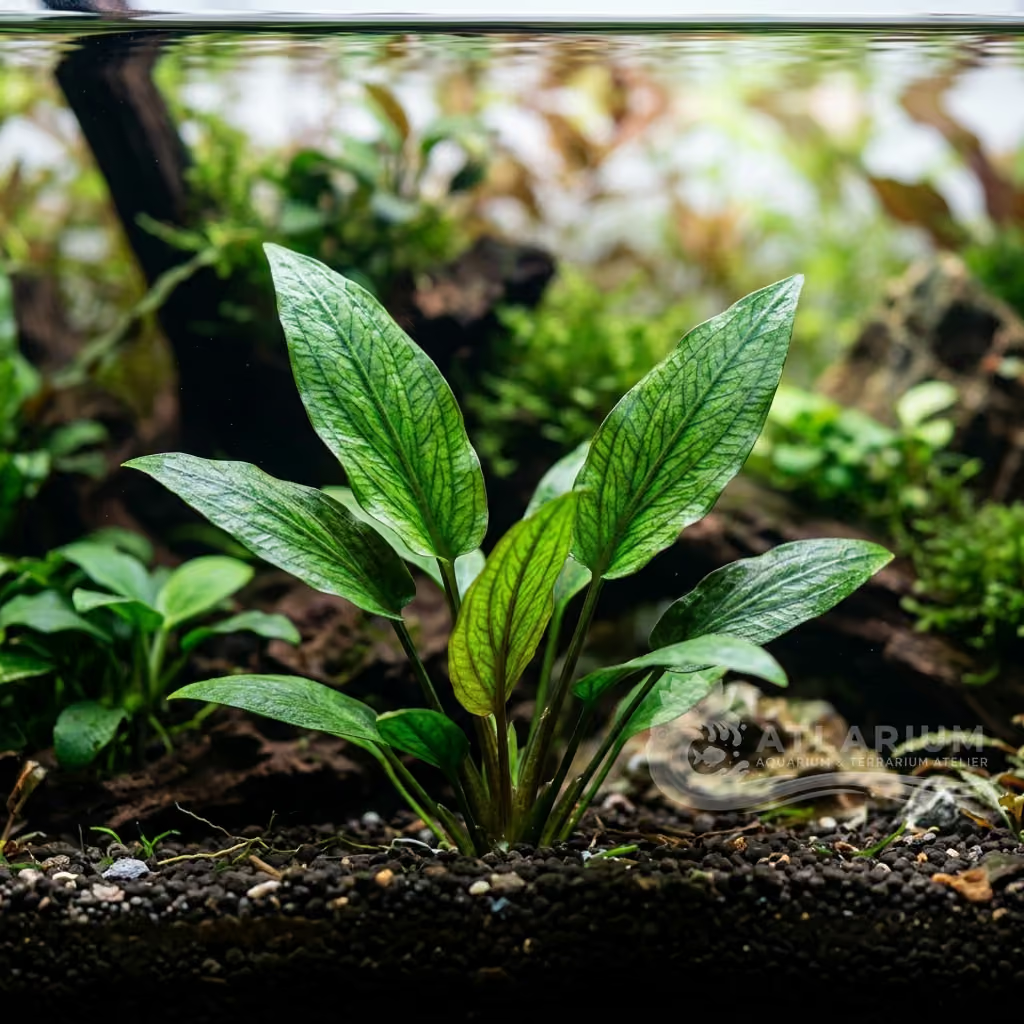
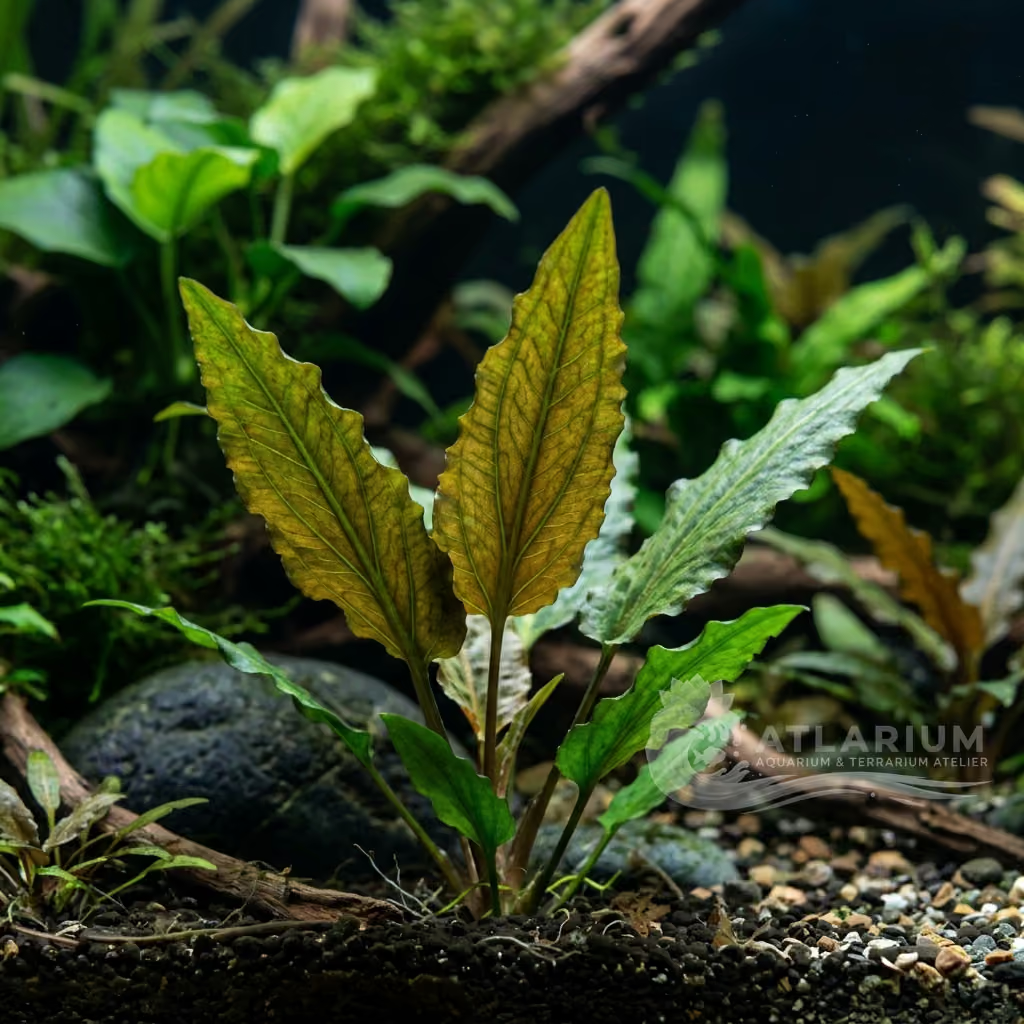
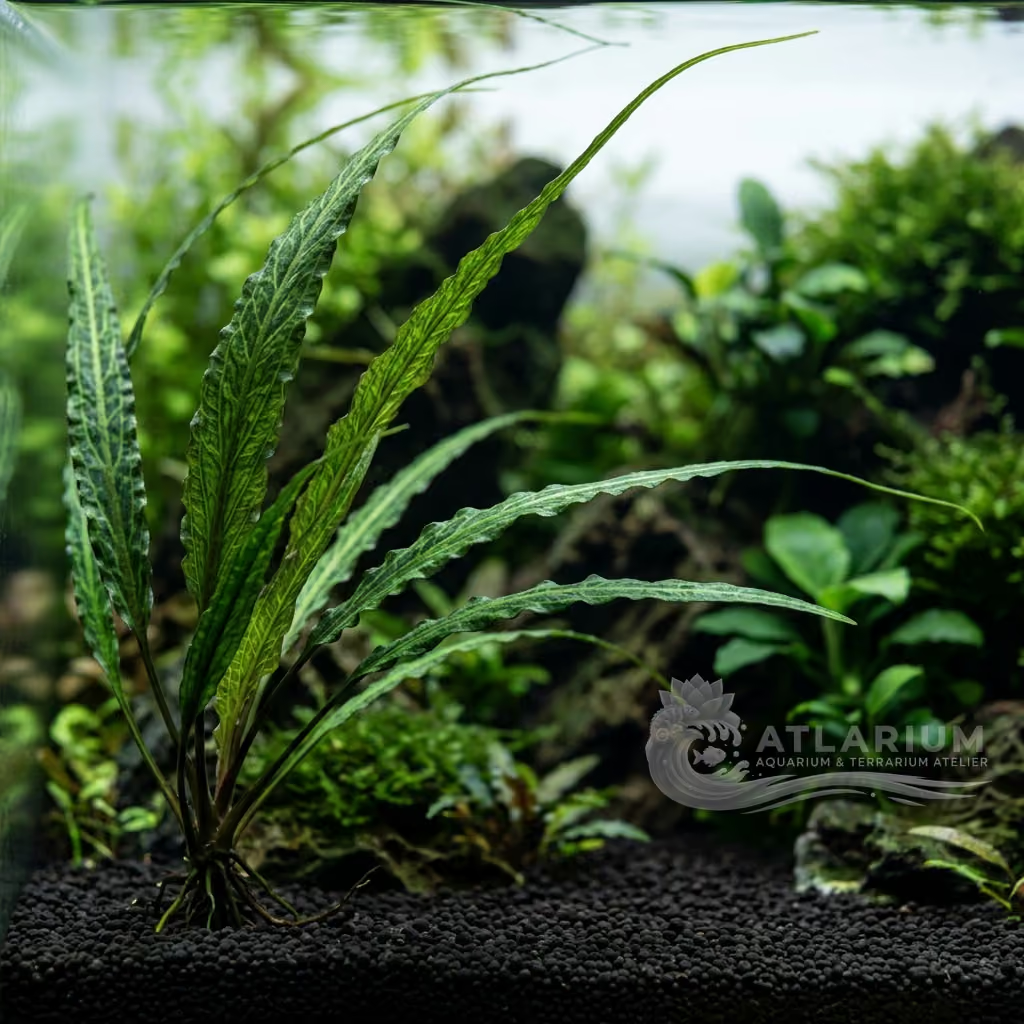
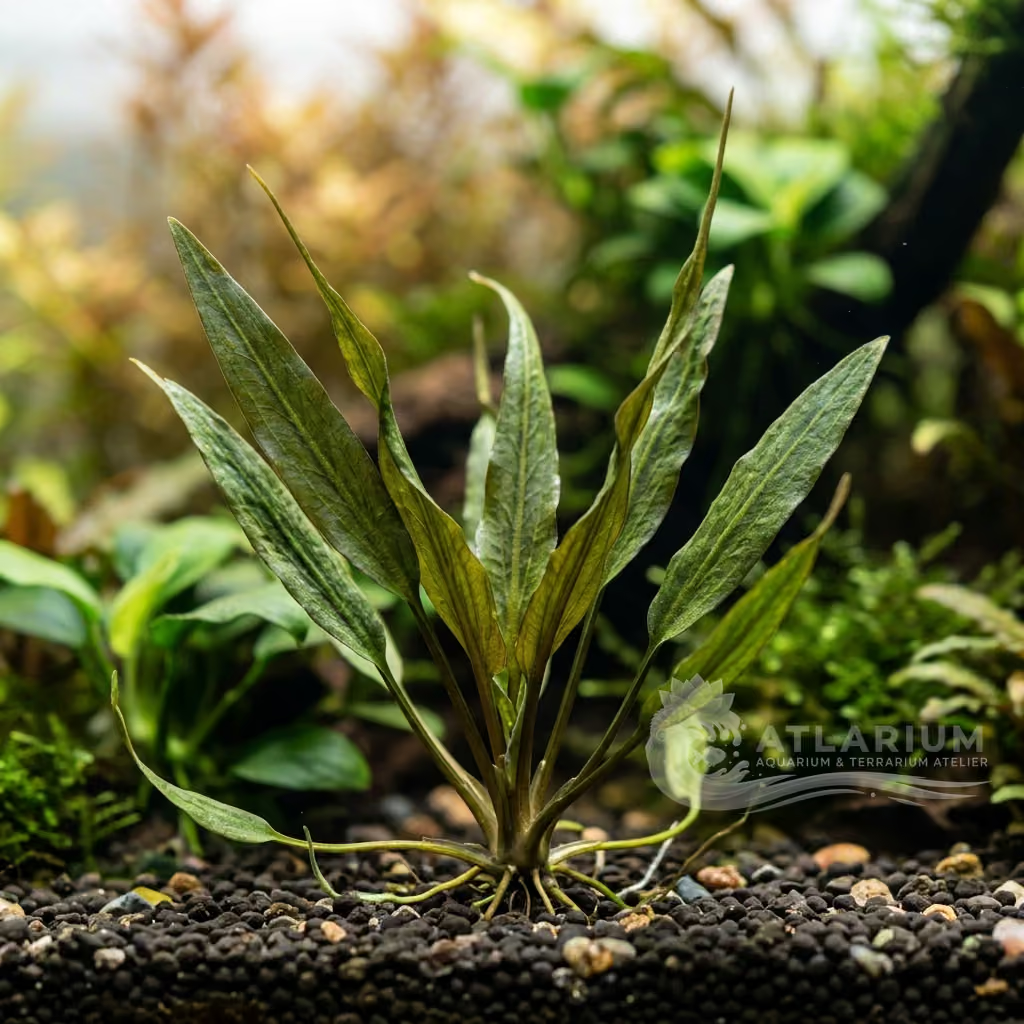
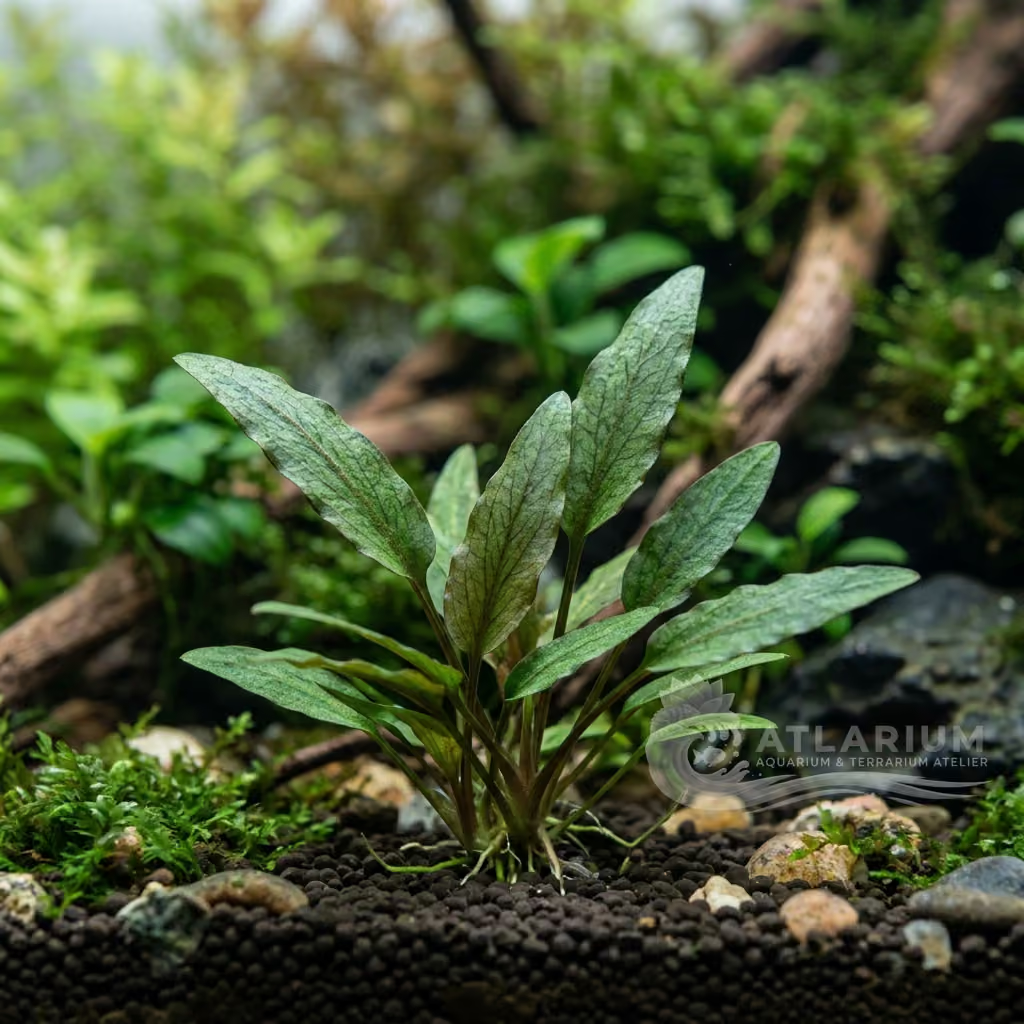
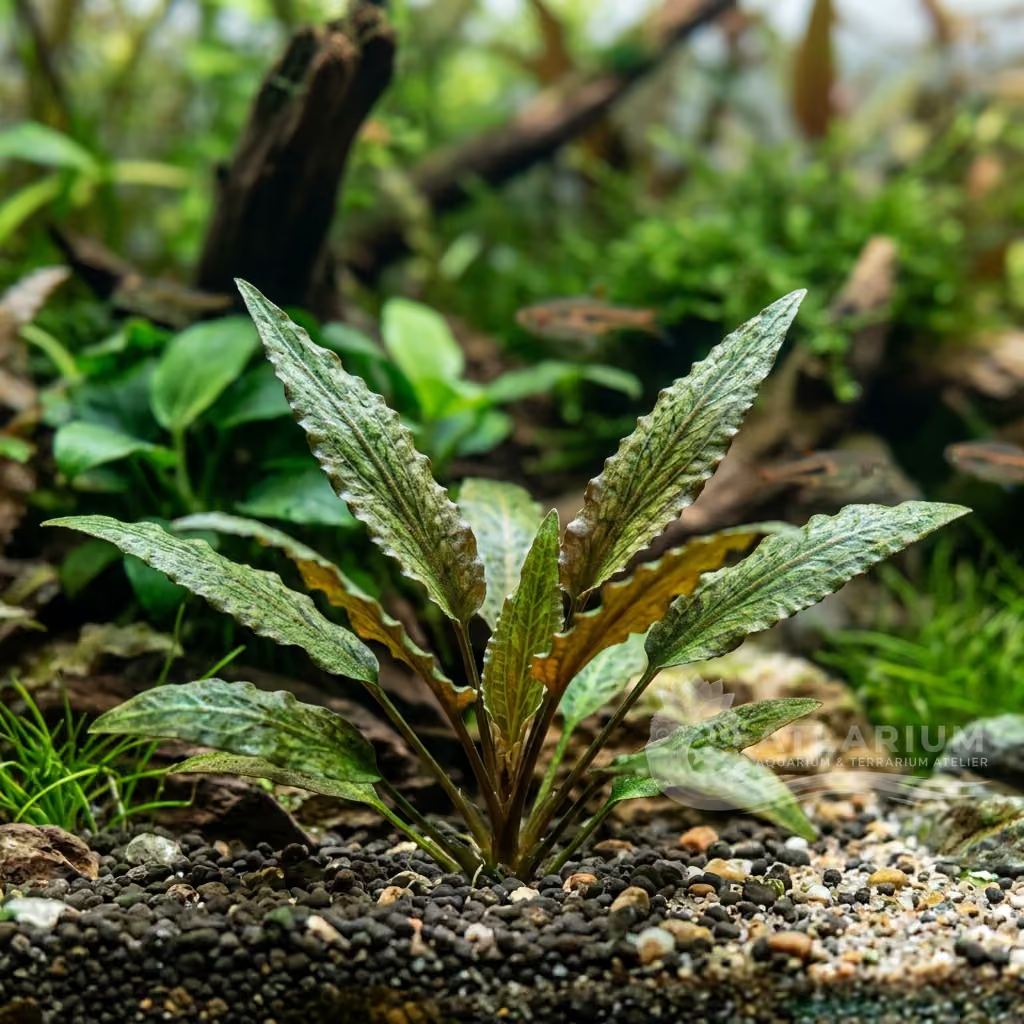
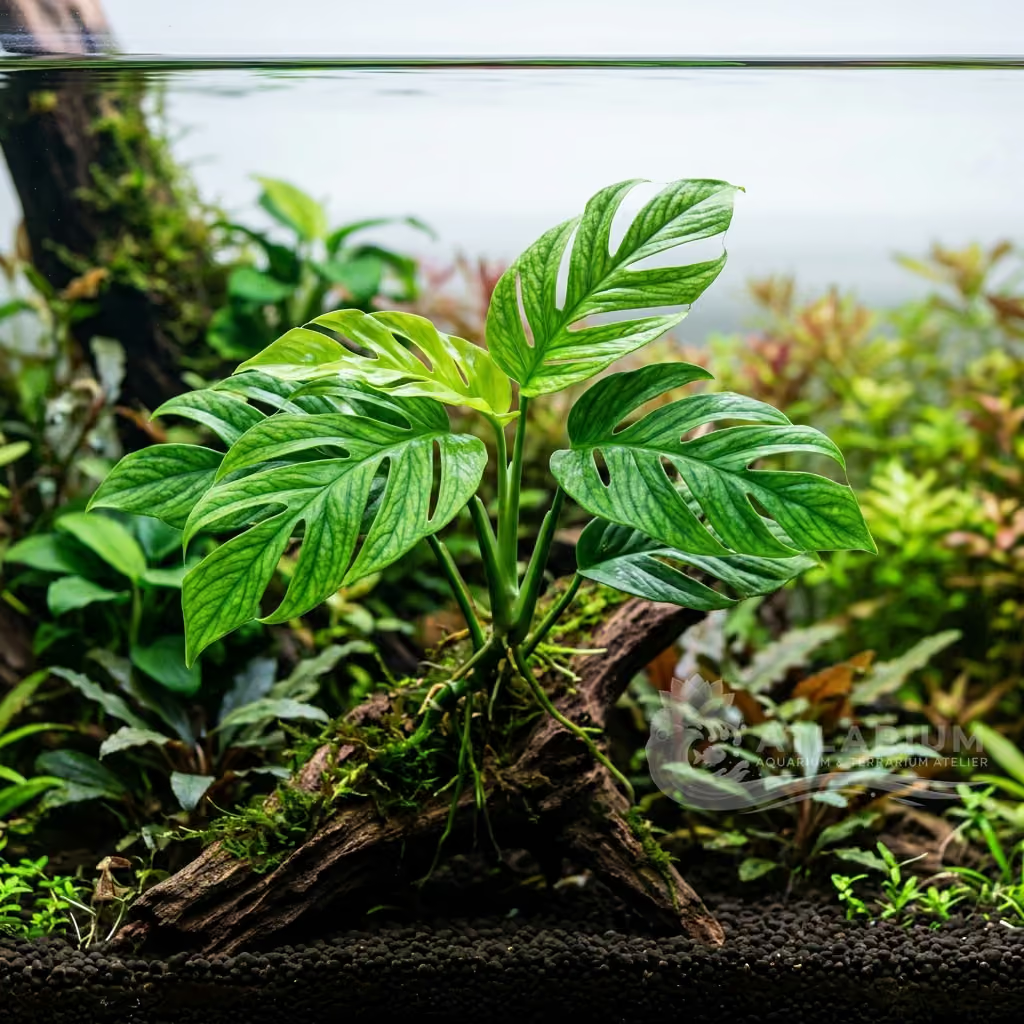
A breathtaking Bucephalandra epiphyte from Borneo featuring wavy, dark green leaves with radiant silver speckles. Perfectly suited for midground hardscapes.
Water Temperature
22 - 28 °C
pH Value
6 - 7.5
Water type
Freshwater
Light
Medium - High
CO2
Medium - High
Expected height
5 cm
Expected width
5 cm
KH
2 - 10 dKH

Species description
Geographical Origin and Habitat: This Bucephalandra originates from the Bukit Kelam region in Sintang, West Kalimantan, Borneo, Indonesia. It grows anchored to damp rocks along the shores of rainforest streams and waterfalls. It is adapted to fast water currents and seasonal submersion during heavy monsoon rains.
Taxonomy & Genetics: Belonging to the family Araceae, it is classified as an undescribed species (*sp.*) linked to its collection site in Bukit Kelam. Genetically, it possesses the signature hardiness of Bucephalandra from this region, making it one of the most stable and easiest variants to keep in the hobby.
Physical Structure: It grows via a horizontal woody rhizome that sends out tough roots to grip onto hard surfaces. The leaves form in tight groups along the rhizome. The plant has a low-growing, creeping habit, which makes it perfect for cladding rocks and wood in the central part of the aquarium.
Color & Texture: The leaves are elongated with distinct, wavy margins. They display a deep dark green to blue-green color with a metallic sheen, covered in tiny light-reflecting dots. The texture is thick and leathery, providing excellent durability against herbivorous fish and strong currents.

Care, breeding and tankmates
Lighting & CO2: It prefers low to moderate lighting. Under high light, it is prone to slow growth and algae infestation, whereas moderate light encourages the development of its iridescent metallic colors. CO2 injection is not critical, but it will support faster shoot production and stronger growth.
Nutrition & Substrate: The rhizome must never be buried in the soil, as this will lead to suffocation and rot. Instead, secure it to hardscape elements like lava rocks or driftwood using thread or safe aquarium glue. It absorbs nutrients from the
Water Chemistry: It thrives in soft to medium-hard water with a pH of 6.0 to 7.5. Keep the temperature stable between 20°C and 28°C. Adequate water circulation and good filtration are important to prevent organic debris from settling on the foliage.
Space Management & Placement: Best placed as an epiphyte in the midground or foreground. It is excellent for adding details to wood and rocks, or filling small gaps in the hardscape of nano tanks. Its compact size makes it highly suitable for nano tanks.
Pruning: Prune by cutting the rhizome with a sharp blade to separate side shoots. Ensure each separated section has at least 3-4 leaves to survive on its own. This division encourages the mother plant to sprout new branches from the remaining rhizome.
Risks & Diseases: Rhizome rot is the main threat, usually caused by burying the plant or poor water flow. Due to its slow growth, the leaves are susceptible to black beard algae (BBA). Prune away old or algae-covered leaves to keep the colony healthy.

Geographic origin and distribution
This Bucephalandra originates from the Bukit Kelam region in Sintang, West Kalimantan, Borneo, Indonesia. It grows anchored to damp rocks along the shores of rainforest streams and waterfalls. It is adapted to fast water currents and seasonal submersion during heavy monsoon rains.
Origin
South and Southeast Asia

Plant profile
- Placement
- Midground
- A popular, resilient epiphyte with distinctive slightly ruffled margins. As a classic epiphyte, it is meant to be placed directly onto the hardscape. It fits perfectly into the crevices of rocks or along the branches of driftwood. Ensure it receives adequate flow to prevent detritus buildup on its slow-growing leaves. Proper placement highlights its natural beauty and promotes healthy attachment.
- Botanical form
- Rhizome
- Botanically, it displays a fascinating arrangement of foliage and stems or rhizomes. A popular, resilient epiphyte with distinctive slightly ruffled margins. The leaf shape, venation, and overall structure are defining characteristics of this species. Its morphology can shift slightly depending on whether it is grown submersed or emersed. It provides exceptional structural diversity to any planted aquarium.
- Growth
- Medium
- The growth pace of this species is generally very slow. A popular, resilient epiphyte with distinctive slightly ruffled margins. Aquarists should be prepared for its specific growth trajectory to manage the layout effectively. Providing ideal parameters will push its growth to the upper limits of its potential. Environmental stressors or sudden changes can drastically slow down its development.
- Substrate
- None
- A popular, resilient epiphyte with distinctive slightly ruffled margins. This plant is an epiphyte and should never have its rhizome buried in the substrate. Doing so will lead to rot and eventual death. Instead, it must be attached to hardscape materials such as wood or rocks using thread or aquarium-safe glue. Over time, its roots will naturally grip the surfaces.
- Column fertilization
- Recommended
- Liquid fertilization is crucial for this plant, as it draws a significant portion of its nutrients directly from the water column. A popular, resilient epiphyte with distinctive slightly ruffled margins. A comprehensive fertilizer containing nitrogen, phosphorus, potassium, and trace elements should be dosed regularly. Iron supplementation is especially important to maintain its coloration and prevent chlorosis. Dosing should be adjusted based on the plant mass and growth rate observed in the aquarium.
- Root fertilization
- None
- A popular, resilient epiphyte with distinctive slightly ruffled margins. Since it does not grow in the substrate, traditional root tabs are entirely ineffective. This plant relies almost exclusively on its exposed root system and leaves to absorb nutrients directly from the water flow. Maintaining a rich water column is therefore the primary method of fertilization. Occasional use of liquid root-stimulators in the water can help establish new growth.
- Trimming
- Occasional
- Trimming is rarely needed due to the slow growth rate. When necessary, simply cut the rhizome with clean, sharp scissors to remove old or damaged sections. Avoid cutting individual leaves unless they are decaying, as this will not encourage new growth from the cut stem.
- Propagation
- Rhizome division
- A popular, resilient epiphyte with distinctive slightly ruffled margins. Propagation is achieved by carefully cutting the rhizome into smaller pieces. Each new piece must have at least three to four healthy leaves and a portion of the root system to survive. Use very sharp, sterilized scissors to make a clean cut and prevent infection. The new segments can then be reattached to other areas of the hardscape.
- Sensitivity
- Moderate
- This plant is sensitive to sudden changes in water parameters, which can trigger leaf melt. It is also susceptible to algae growth on its leaves if placed under very intense light without adequate CO2. Stable conditions and good water flow are essential for its long-term health.
- Layout role
- Epiphyte, Midground, Nano, accent
- It serves as an excellent detail plant for midground or foreground areas, adding texture and unique colors. Its small size and epiphytic nature make it perfect for naturalizing hardscape transitions. It is highly valued in aquascaping for creating focal points in nano tanks or intricate details in larger layouts.

Related species
Recommendations grouped by close relatives, companion choices, and similar care.