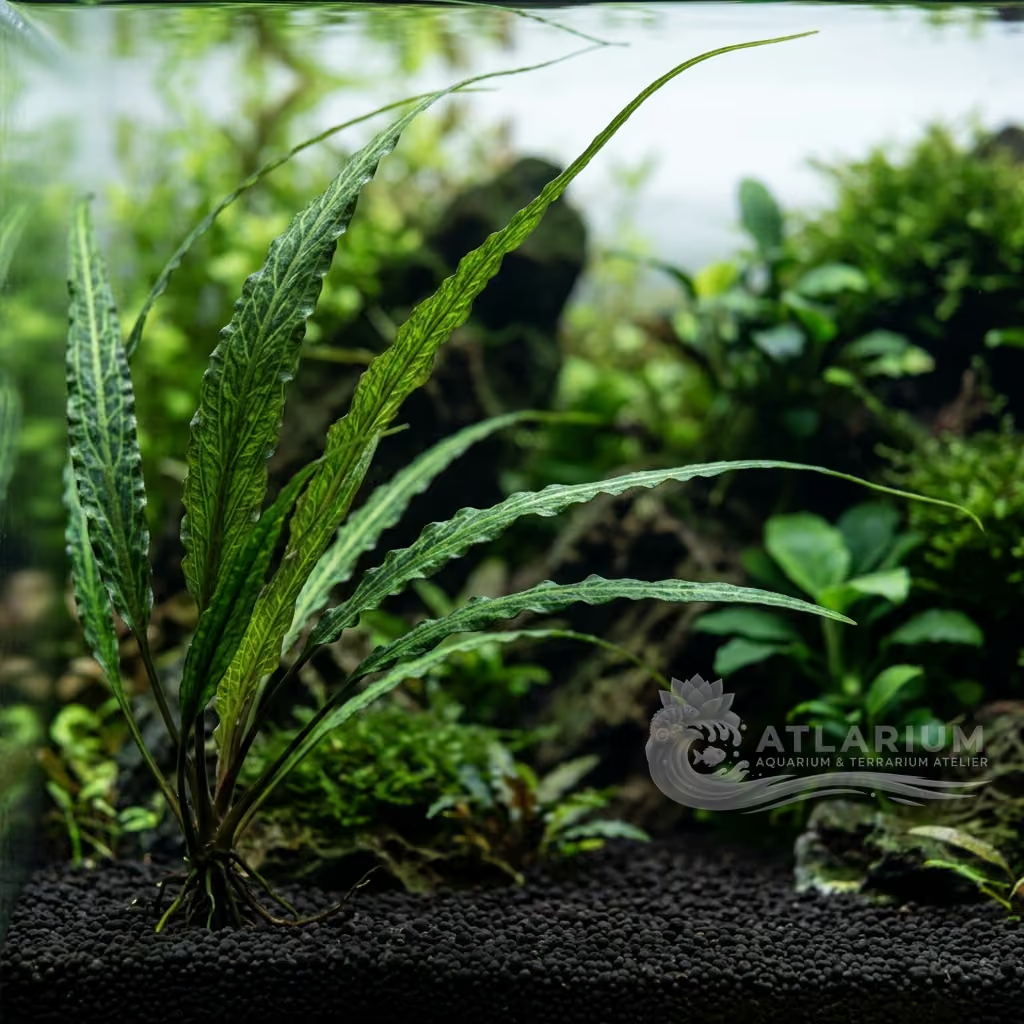
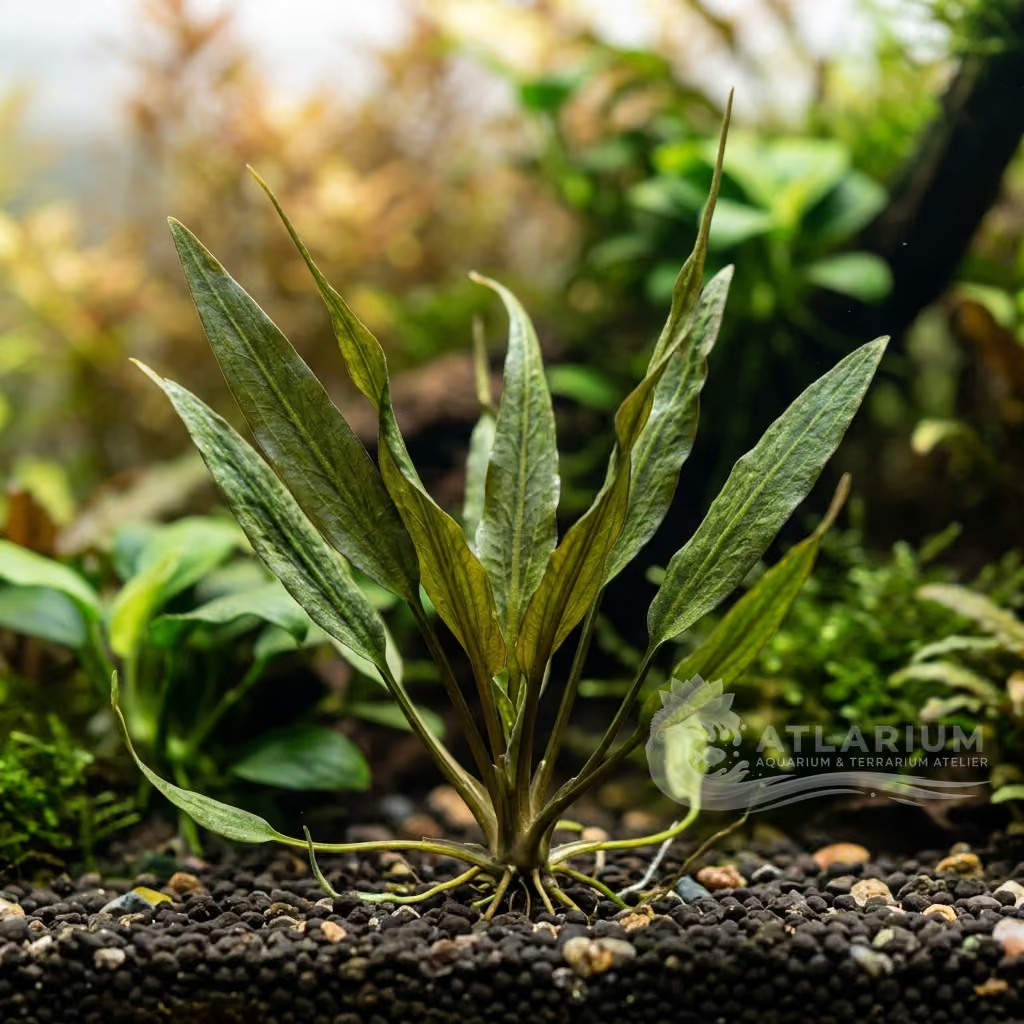
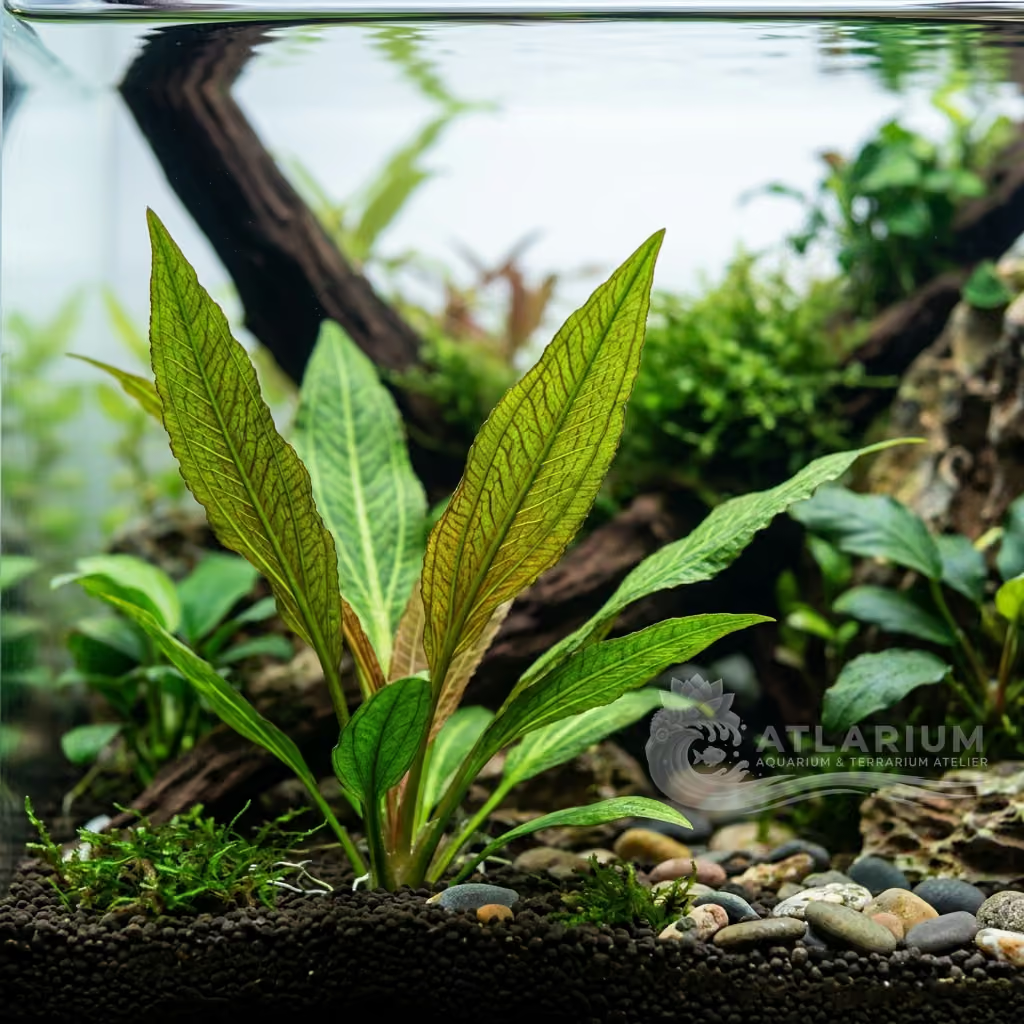
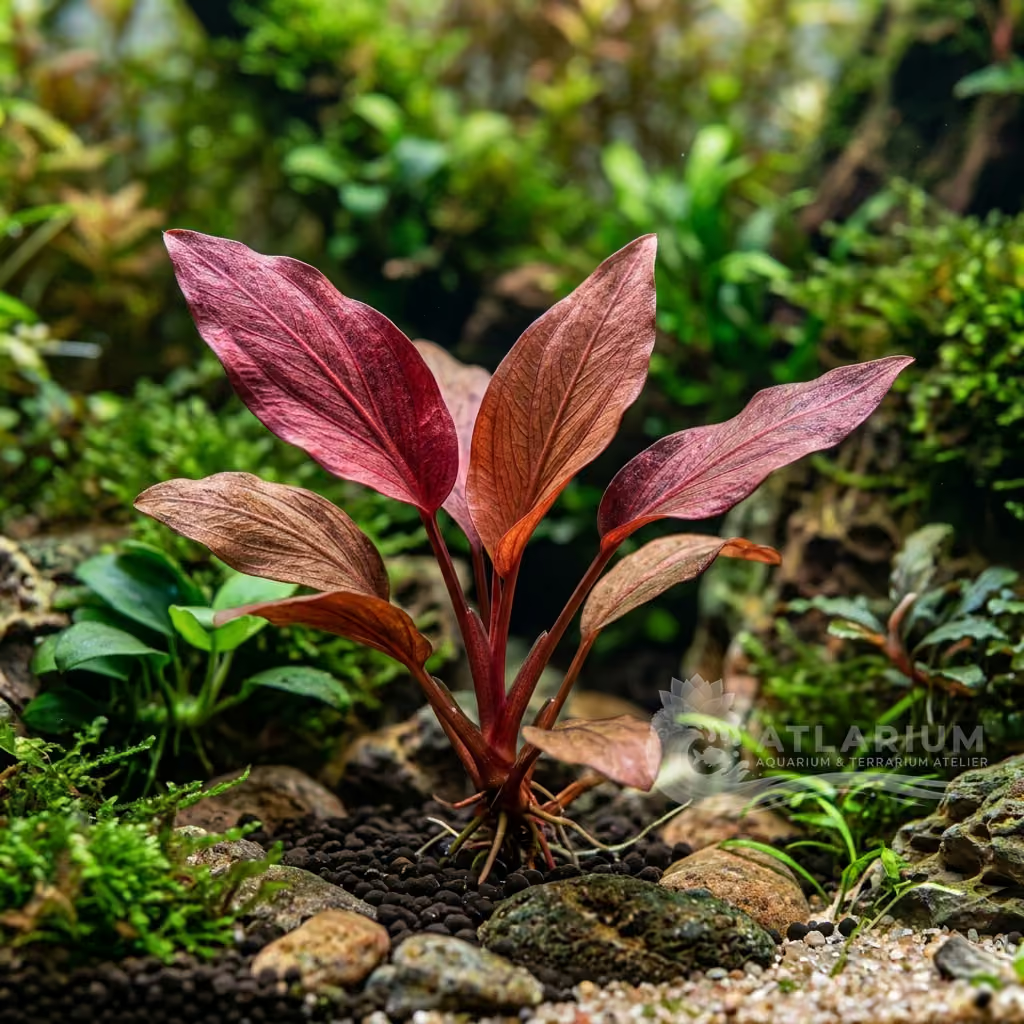
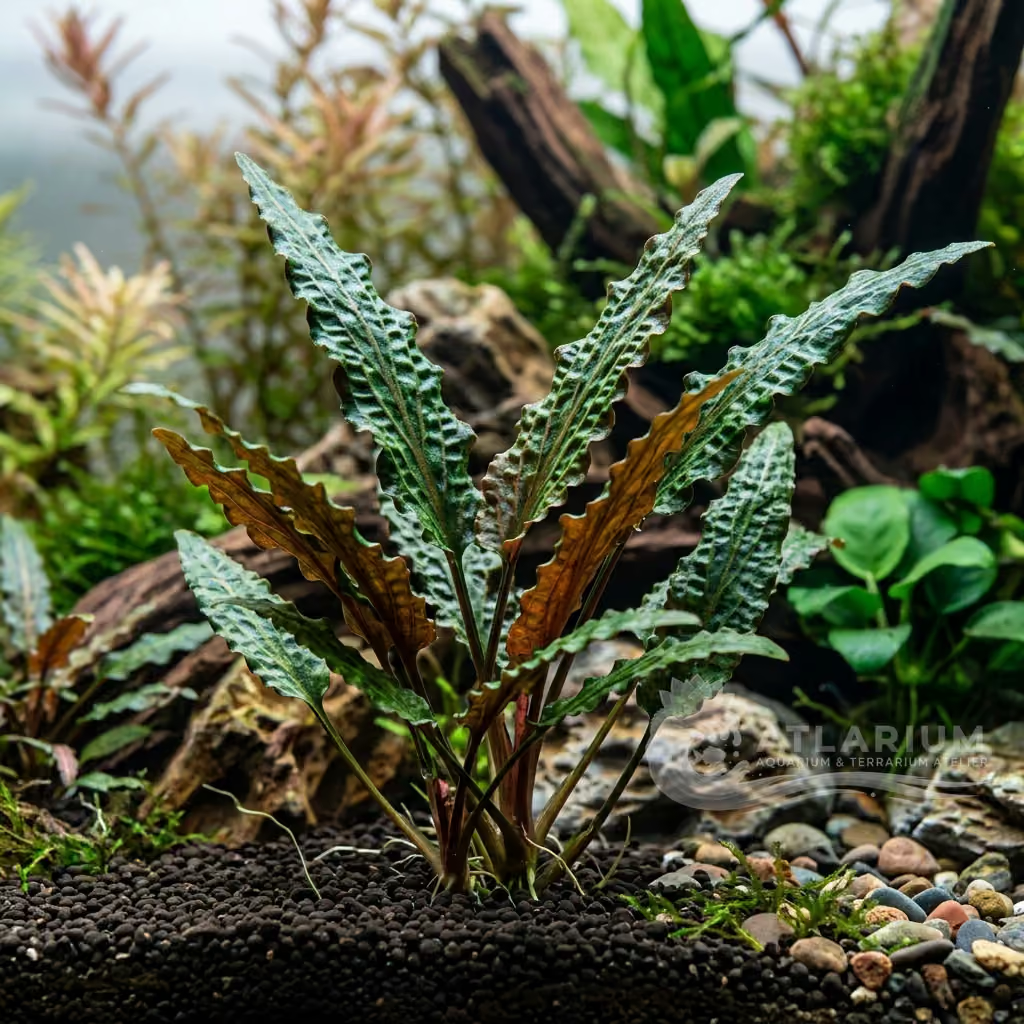
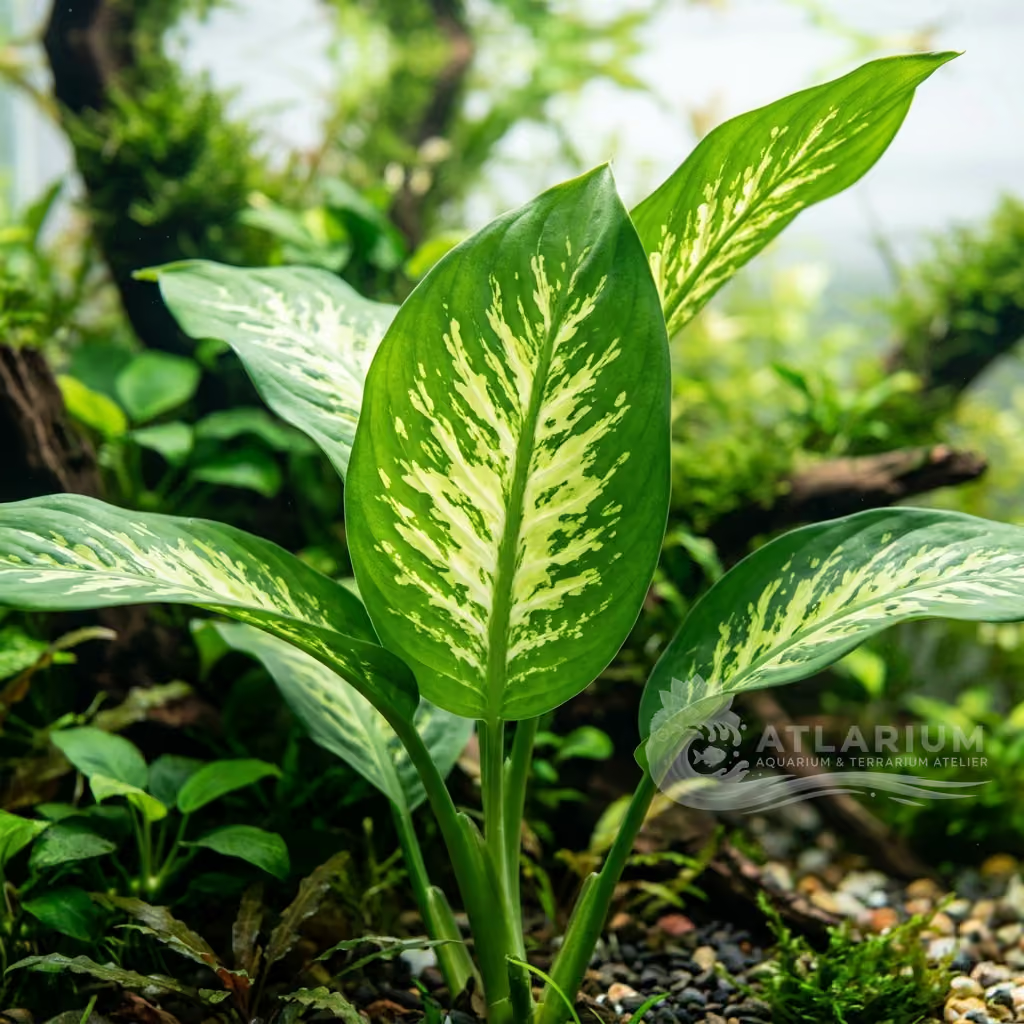
Cryptocoryne axelrodii
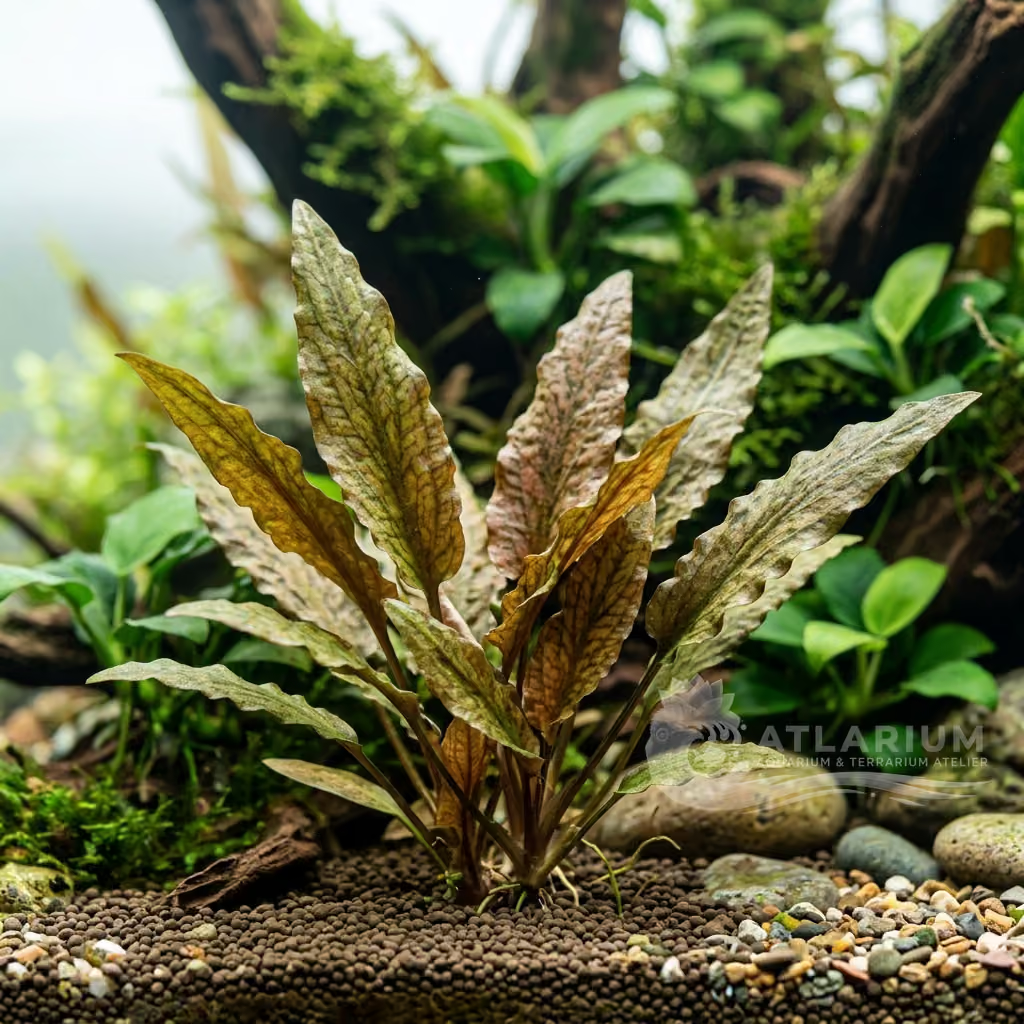
Cryptocoryne undulata
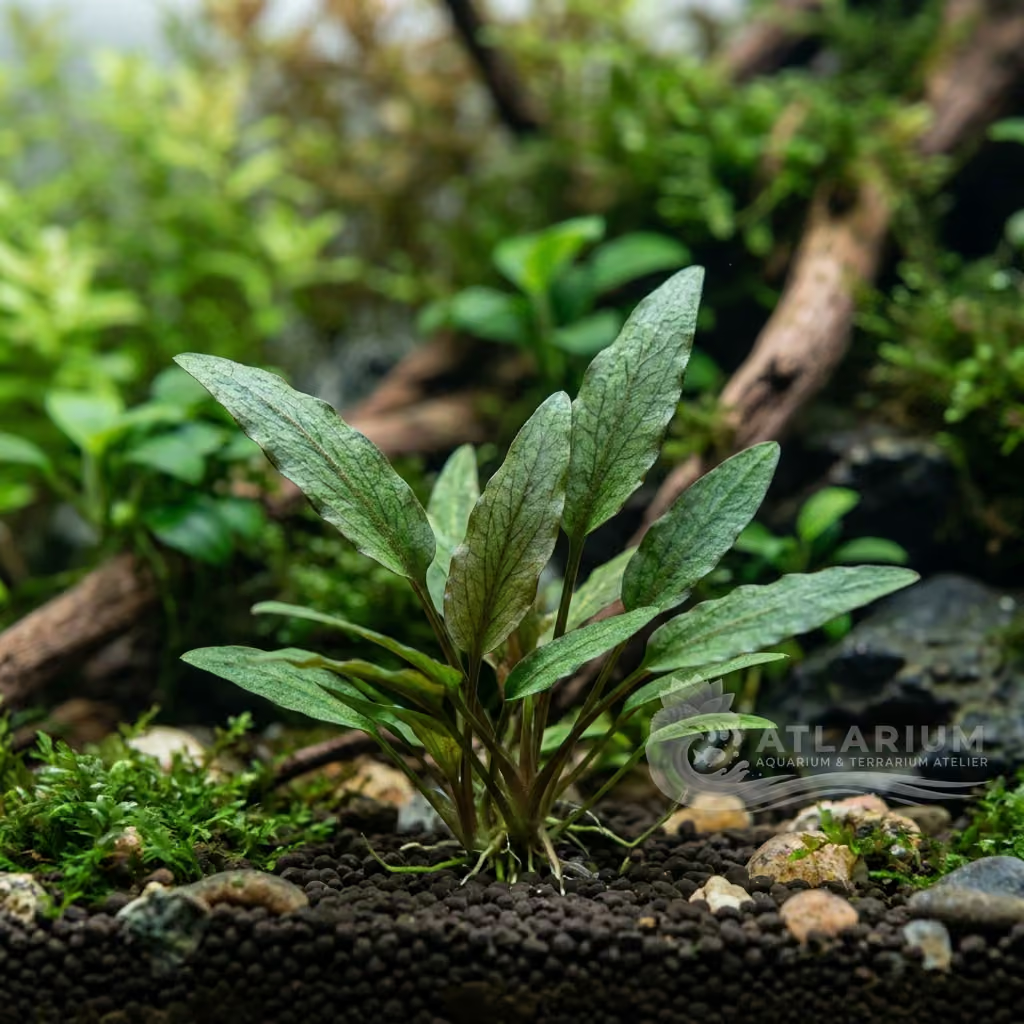
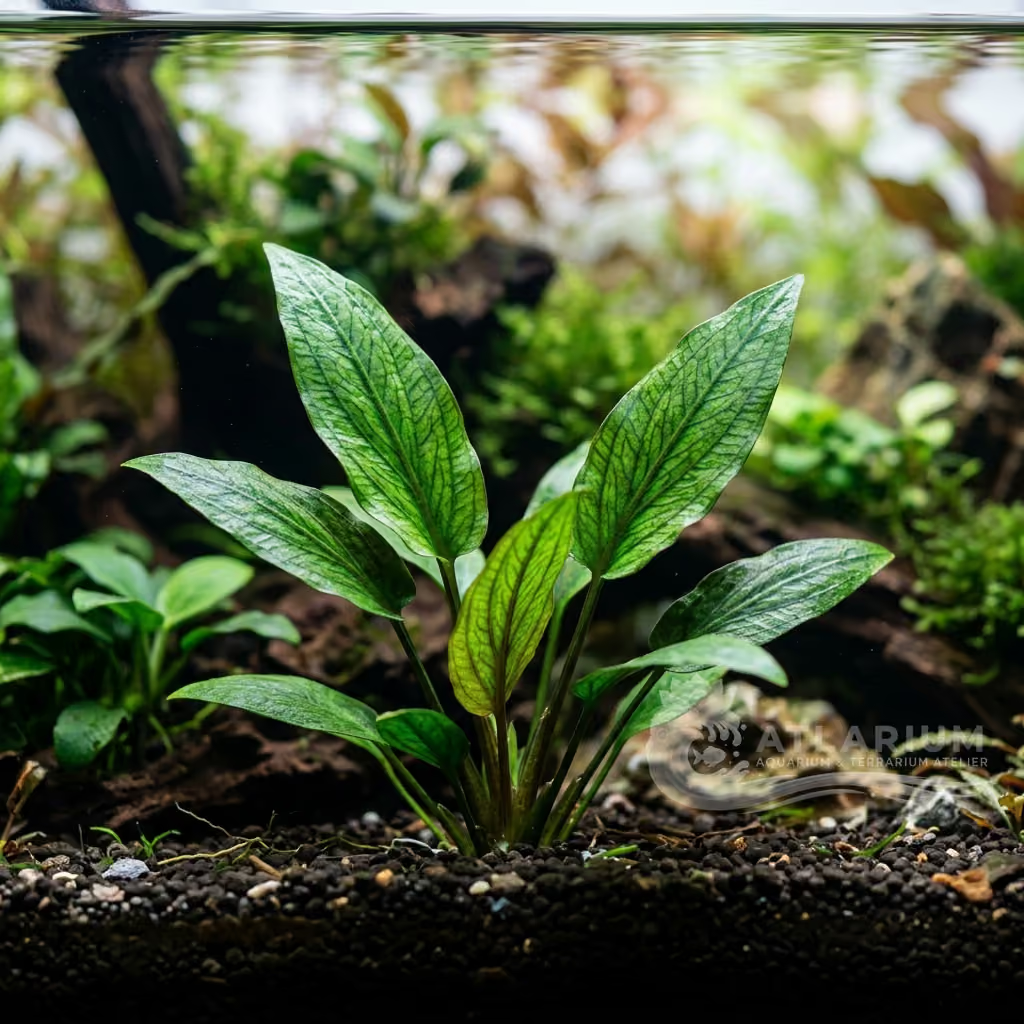
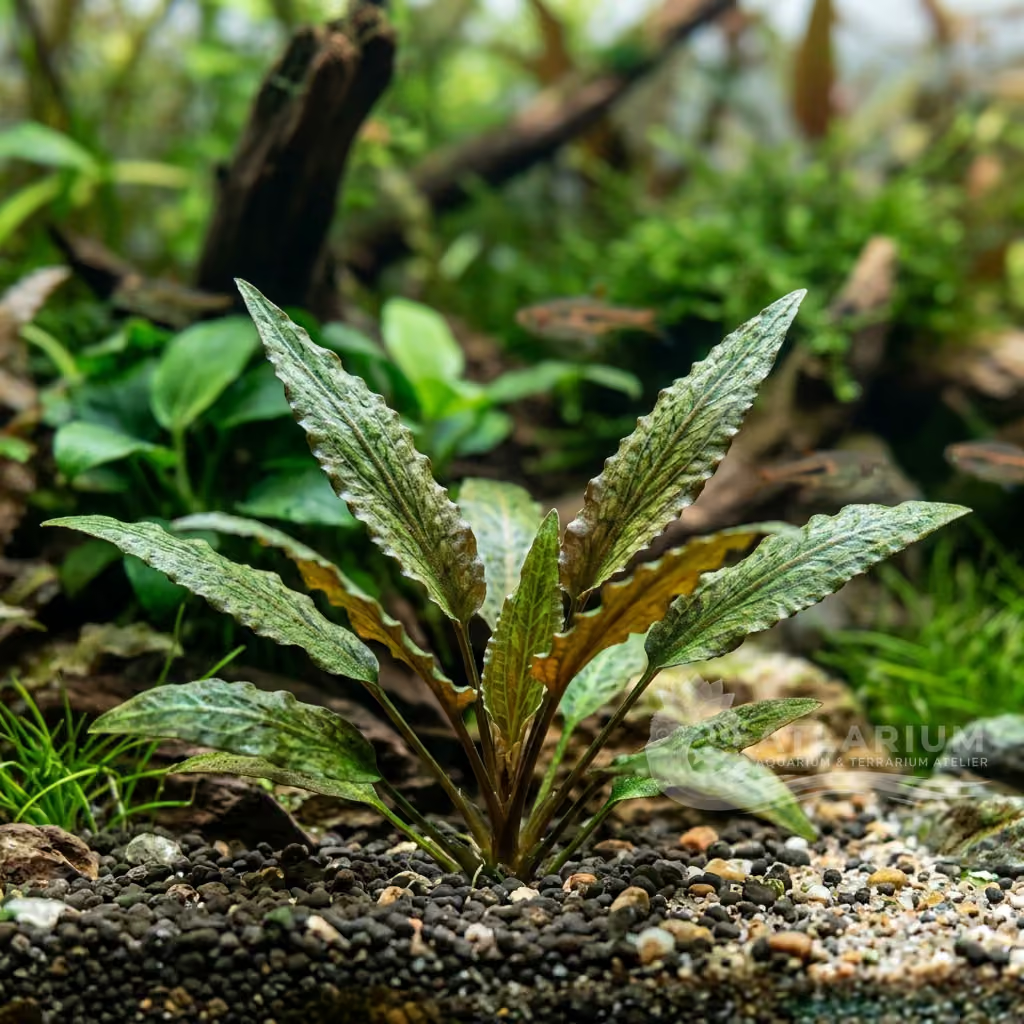
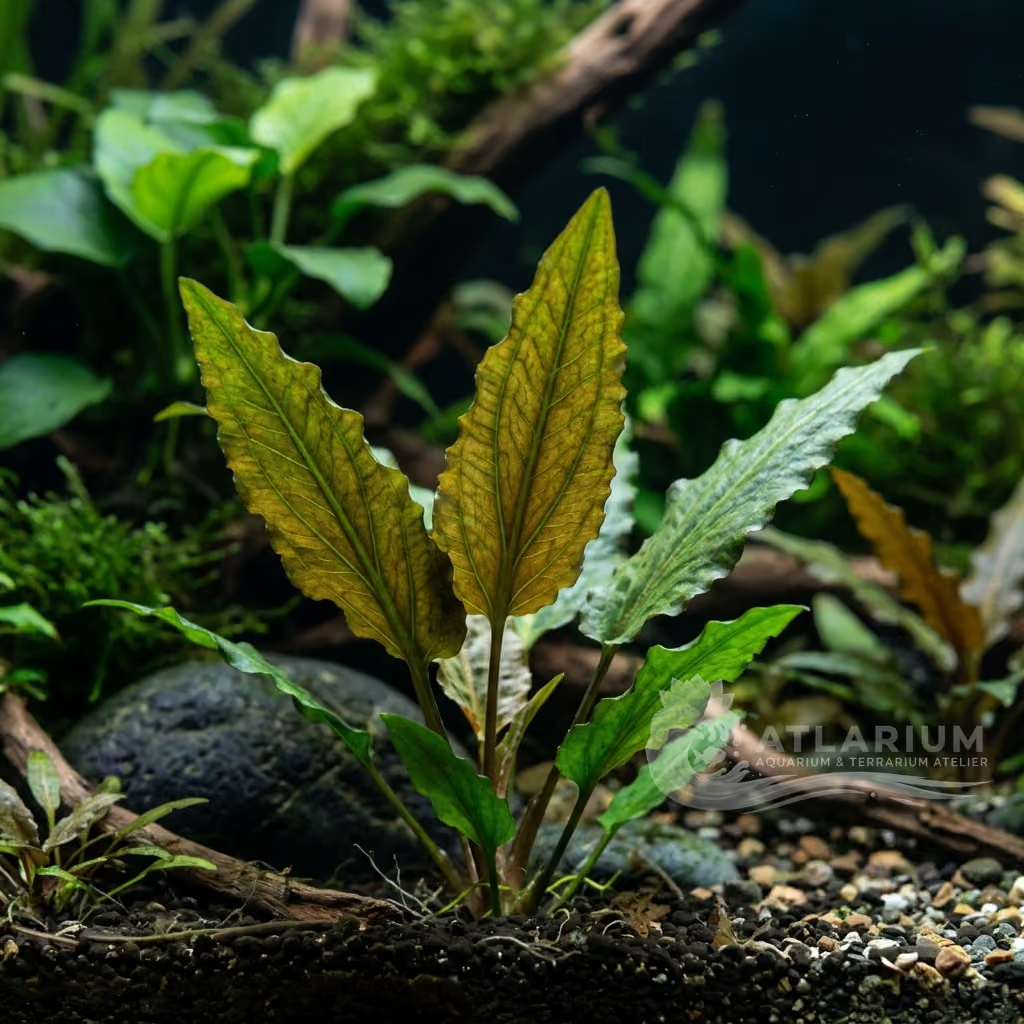
Cryptocoryne axelrodii: a robust and classic rosette plant with brownish-green lanceolate leaves. Highly tolerant and extremely decorative for the midground. Light: Low to medium.
Water Temperature
20 - 28 °C
pH Value
6 - 7.5
Water type
Freshwater
Light
Low to Medium
CO2
Low - High
Expected height
20 cm
Expected width
15 cm
KH
2 - 15 dKH

Species description
Geographical Origin and Habitat: Cryptocoryne axelrodii is native to Sri Lanka, where it inhabits the sandy and clay beds of streams flowing through humid tropical forests. It grows both submerged and emersed on muddy banks, withstanding monsoon fluctuations. It lives in partially shaded areas, benefiting from the constant supply of alluvial nutrients accumulated in the substrate.
Taxonomy & Genetics: It belongs to the Araceae family, genus Cryptocoryne. Often associated with or considered a synonym of Cryptocoryne undulata, it retains its historical commercial name. Genetically, it is an extremely robust plant with a low tendency to leaf melt compared to other more delicate species of the same genus, making it ideal for low-tech aquariums.
Physical Structure: It develops an erect rosette about 15-25 cm tall with lanceolate leaves supported by flexible petioles. The rhizome is short and regularly produces new underground runners from which daughter plants develop. The root system is compact and branched, anchoring firmly and absorbing nutrients deeply.
Color & Texture: The leaves show a dark green coloration with brown and bronze shades on the upper side, while the underside is light green or reddish. The leaf margins are wavy, giving the rosette a wavy and natural look. The leaf surface is smooth and semi-glossy.

Care, breeding and tankmates
Lighting & CO2: It grows optimally under low to moderate lighting. Under more intense light, the plant's habit becomes more compact and flattened to the ground, with a more pronounced brown color. CO2 is not necessary but promotes faster development of new leaves.
Nutrition & Substrate: It prefers a fertilized substrate or sand enriched with root tabs. Absorption occurs mainly through the roots, but it benefits from mild liquid column fertilization with iron and potassium to maintain strong, bright leaves.
Water Chemistry: Very tolerant, it grows in water with hardness ranging from soft to hard (KH 2-15 dKH) and a pH between 6.0 and 7.5. It requires a stable temperature between 20°C and 28°C. Avoid drastic shifts during water changes.
Space Management & Placement: Thanks to its medium height, it is perfect for the midground of the aquarium. It can be planted in small groups, spacing the rosettes 2-3 cm apart to form a dense bush that serves as an excellent visual transition between the foreground and background.
Pruning: Maintenance consists of removing older or yellowed leaves that decay at the base of the rosette. Cuts should be made with sharp scissors close to the base of the crown. Avoid moving the plant once rooted.
Risks & Diseases: Very resistant and not very prone to diseases. The main risk lies in sudden variations of water parameters which could, in rare cases, cause Cryptocoryne melt. If melt occurs, leave the rhizome intact in the substrate to allow vegetative recovery.

Geographic origin and distribution
Cryptocoryne axelrodii is native to Sri Lanka, where it inhabits the sandy and clay beds of streams flowing through humid tropical forests. It grows both submerged and emersed on muddy banks, withstanding monsoon fluctuations. It lives in partially shaded areas, benefiting from the constant supply of alluvial nutrients accumulated in the substrate.
Origin
South and Southeast Asia

Plant profile
- Placement
- Midground
- Its moderate size and attractive, arching leaves make it a perfect midground or foreground plant in most setups. When planted in groups, it forms a dense, contrasting thicket of bronze and green that stands out beautifully against brighter stem plants or light-colored hardscape. It can tolerate significant shading, allowing it to be used under the canopy of larger background plants. Ensure there is enough space between rosettes for runners to emerge.
- Botanical form
- Rosette
- This elegant rosette plant features narrow, lance-shaped leaves with slightly wavy margins and distinct stems. The foliage is renowned for its variable color, which can range from olive green to a deep, striking reddish-brown or bronze, depending on environmental conditions. The leaves generally arch outwards, creating a graceful, fountain-like appearance. It remains relatively compact, rarely exceeding 15 centimeters in height.
- Growth
- Medium
- It exhibits a slow to moderate growth rate, depending heavily on the nutrient availability in the substrate rather than light intensity. It may experience a brief dormant period or mild melt after planting while it acclimates to new water parameters. Once established, it will steadily but slowly send out runners, gradually expanding its footprint in the aquarium. Its manageable pace makes it ideal for low-maintenance aquascapes.
- Substrate
- MODERATE
- A nutrient-rich substrate is vital for optimal growth and coloration, as it develops a substantial root network. It thrives in commercial aquasoils, which naturally provide the low pH and high nutrient density it prefers. It can be successfully grown in inert sand or gravel, provided that nutrient tabs are inserted at its base to supply essential minerals. A mature, undisturbed substrate allows it to establish quickly and securely.
- Column fertilization
- Recommended
- Liquid fertilization is secondary to substrate feeding, but a light, consistent dosing of a complete fertilizer maintains overall tank health. Trace elements in the water column ensure that any micronutrient gaps in the substrate are covered. Heavy liquid dosing is largely unnecessary and can lead to algae issues on its slow-growing leaves. Focus on water column stability rather than high nutrient saturation.
- Root fertilization
- Recommended
- As an obligate root feeder, providing consistent and rich fertilization at its roots is essential for robust health and best coloration. High-quality root tabs enriched with iron should be pressed deep into the substrate near its crown. Replenishing these tabs every few months ensures the plant has a continuous, slow-release food source. Strong root feeding directly correlates with thicker leaves and faster runner production.
- Trimming
- Occasional
- Maintenance is minimal and generally involves just pruning away any yellowing, damaged, or algae-covered leaves. Use curved scissors to cut the leaf stems as low to the substrate as possible. Avoid cutting the leaves across the middle, which causes them to rot away.
- Propagation
- Runners
- Propagation is straightforward and occurs naturally through subterranean runners spreading from the main rhizome. New rosettes will eventually break the substrate surface around the mother plant, forming a small colony. Once these daughter plants possess several leaves and a solid root base, the connecting runner can be snipped. The new plant can then be carefully moved, though minimizing uprooting helps prevent melting.
- Sensitivity
- LOW
- It is susceptible to 'Crypt melt', a condition triggered by abrupt changes in water parameters, lighting, or temperature. If the leaves dissolve into a mushy consistency shortly after planting, do not panic or discard the roots. Leave the root mass undisturbed, and new, adapted leaves will soon emerge.
- Layout role
- midground bush, contrast
- With its dark, narrow leaves, it provides excellent color contrast against bright green foreground plants or light-colored hardscape materials. Its structured, bushy growth form adds volume and depth to the midground of nature aquariums. It blends perfectly with driftwood and stone groupings.

Related species
Recommendations grouped by close relatives, companion choices, and similar care.