

Encyclopaedia
Cryptocoryne cordata var. siamensis
Cryptocoryne cordata var. siamensis
An elegant, broad-leafed plant from southern Thailand's blackwater rivers. It boasts stunning purple undersides and thrives in deeply shaded, soft water aquariums. High light causes it to flatten defensively.
Share
Check out Cryptocoryne cordata var. siamensis on Atlarium
22 - 28 °C
5.5 - 7
Freshwater
Low
Low
20 cm
15 cm
4 - 20 dGH
2 - 12 dKH
Species description
Care, breeding and tankmates
Geographic Origin and Distribution
Origin
Plant profile
- Placement
- Midground
- Botanical form
- Rosette
- Growth
- Slow
- Substrate
- High
- Column fertilization
- Recommended
- Root fertilization
- None
- Trimming
- Occasional
- Propagation
- Rhizome division, Runners
- Sensitivity
- Moderate
- Layout role
- Midground, Background
Image gallery
Licensed images linked to the species or, when marked, to the closest representative taxon.
Related species
Recommendations grouped by close relatives, companion choices, and similar care.
Variants and close relatives
Same atlas type, nearby scientific identity, genus, or family.
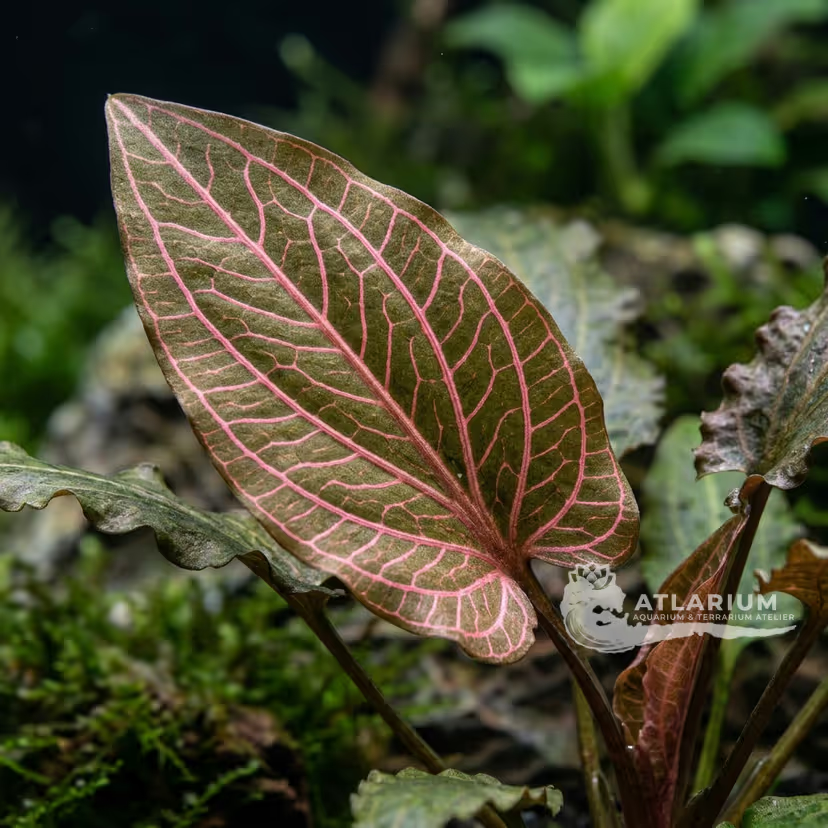
Cryptocoryne cordata var. siamensis 'Rosanervig'
Cryptocoryne cordata var. siamensis 'Rosanervig'

Cryptocoryne cordata var. blassii
Cryptocoryne cordata var. blassii

Giant Cryptocoryne Cordata
Cryptocoryne cordata var. cordata

Cryptocoryne albida
Cryptocoryne albida
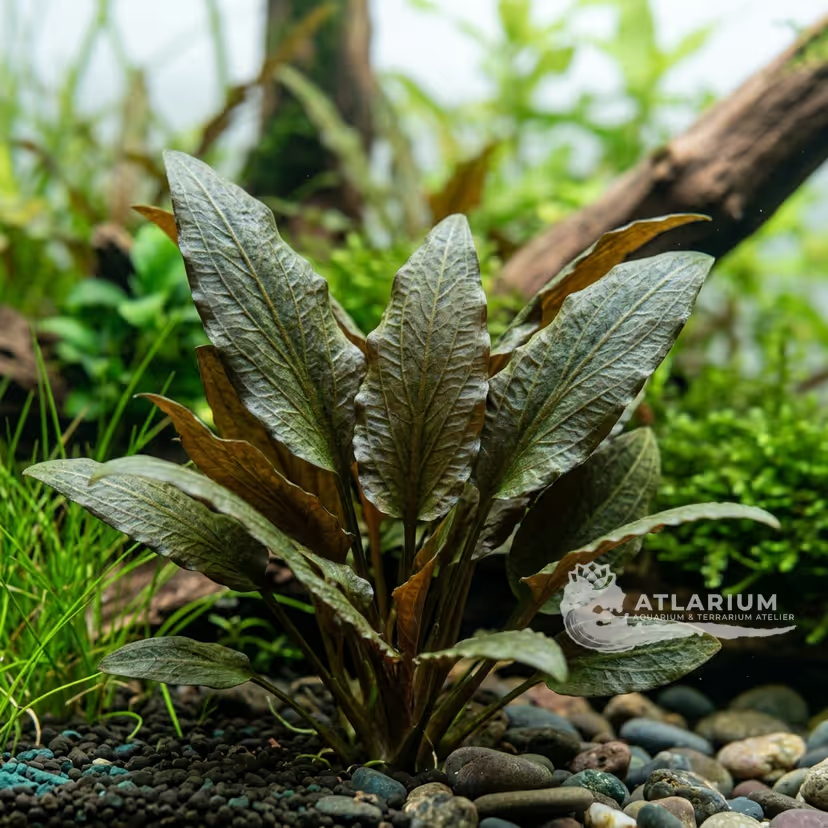
Cryptocoryne blassii
Cryptocoryne blassii
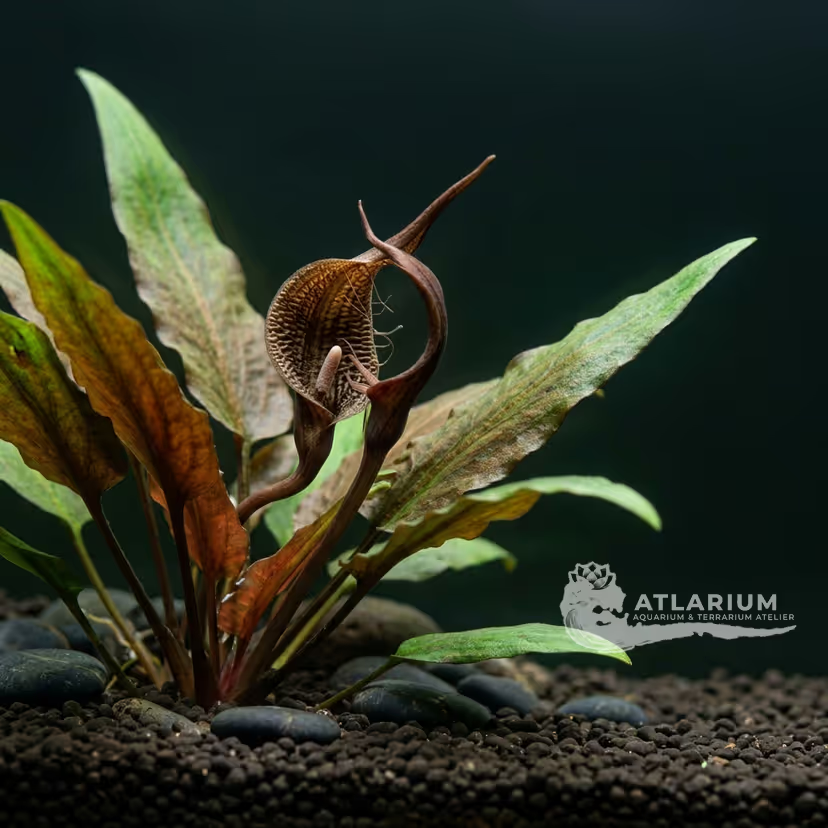
Cryptocoryne coronata
Cryptocoryne coronata

Cryptocoryne affinis
Cryptocoryne affinis

Cryptocoryne beckettii
Cryptocoryne beckettii
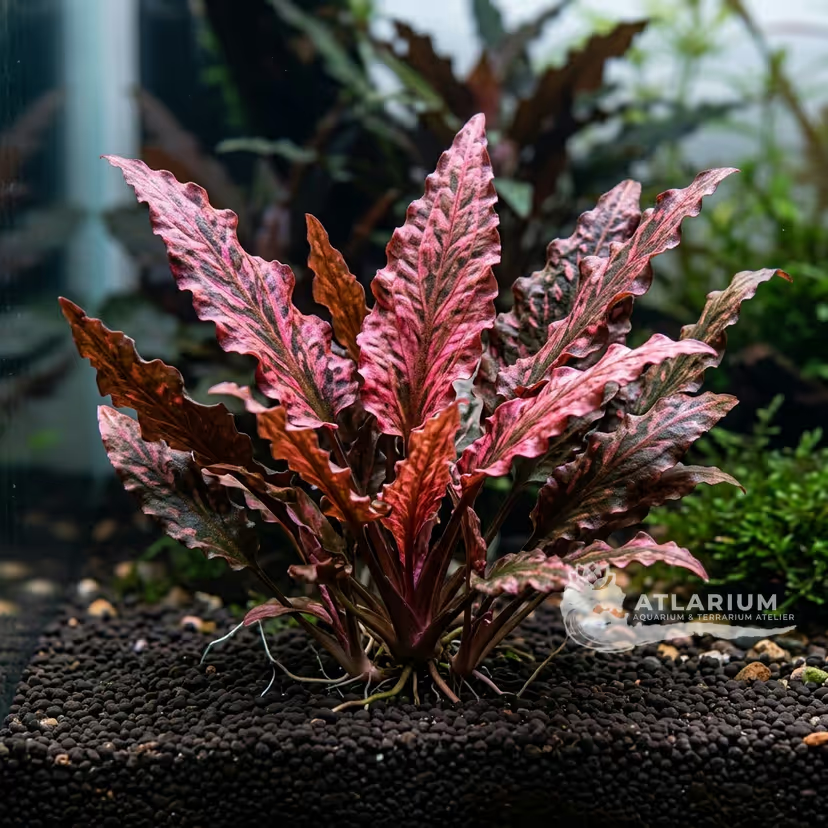
Cryptocoryne beckettii "Petchii Pink"
Cryptocoryne beckettii "Petchii Pink"

Cryptocoryne beckettii "Petchii"
Cryptocoryne beckettii "Petchii"
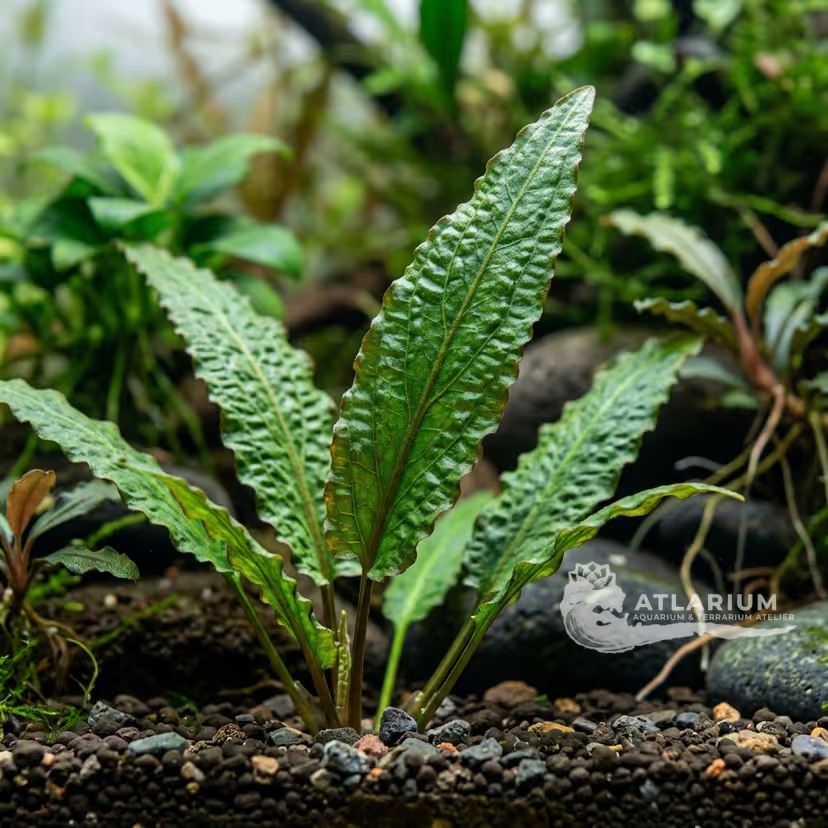
Cryptocoryne balansae
Cryptocoryne balansae

Cryptocoryne bullosa
Cryptocoryne bullosa
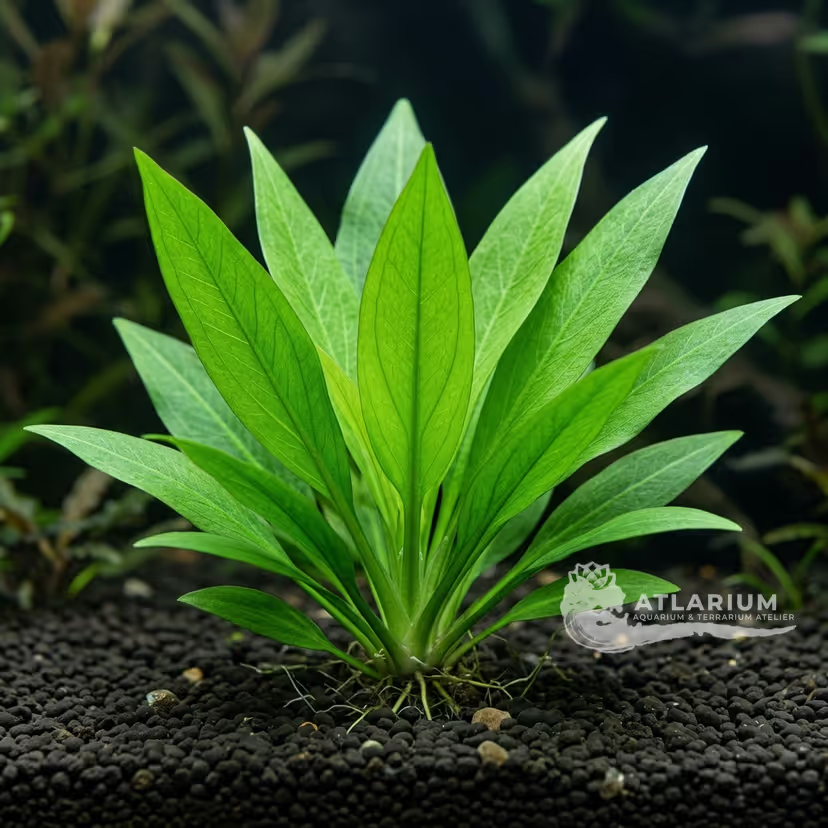
Cryptocoryne beckettii "Viridifolia"
Cryptocoryne beckettii "Viridifolia"

Cryptocoryne aponogetifolia
Cryptocoryne aponogetifolia

Cryptocoryne axelrodii
Cryptocoryne axelrodii

Pynaert's Anubias
Anubias pynaertii
Recommended companions
Compatible cards from coherent ecosystems with matching parameters.

Blackline Tetra
Hyphessobrycon scholzei

Cherry Barb
Puntius titteya

Bamboo shrimp
Atyopsis moluccensis

Blueberry Tetra
Hyphessobrycon wadai

Striped babaulti shrimp
Caridina babaulti "Stripes"
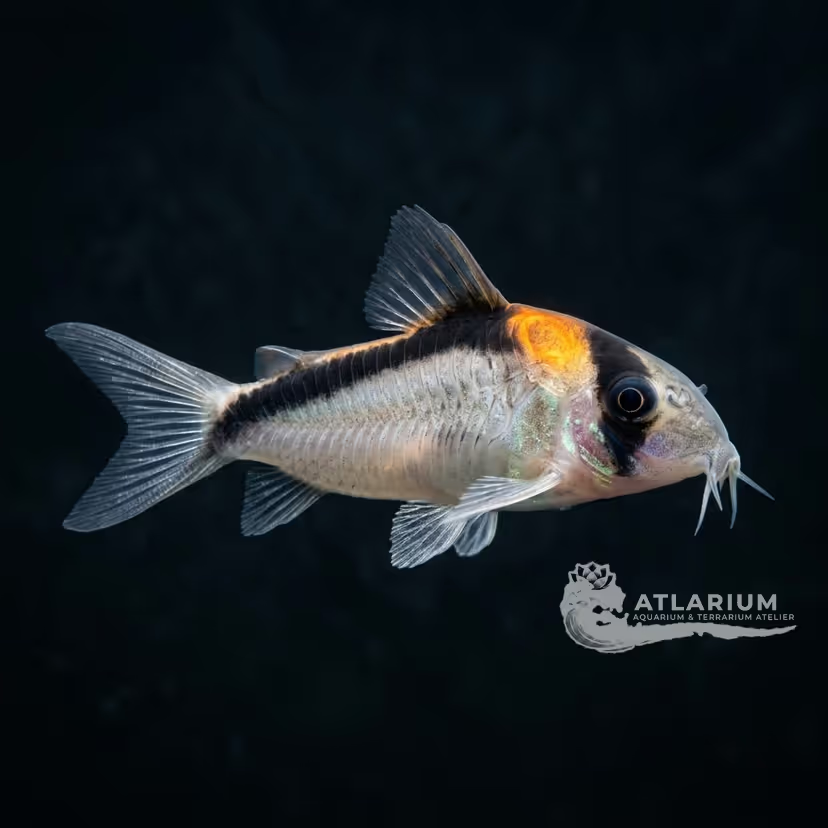
Adolfo's cory
Corydoras adolfoi

Bronze cory
Corydoras aeneus

Zebra Nerite Snail
Vittina coromandeliana

Blyxa alternifolia
Blyxa alternifolia

Blyxa cf. vietii
Blyxa cf. vietii
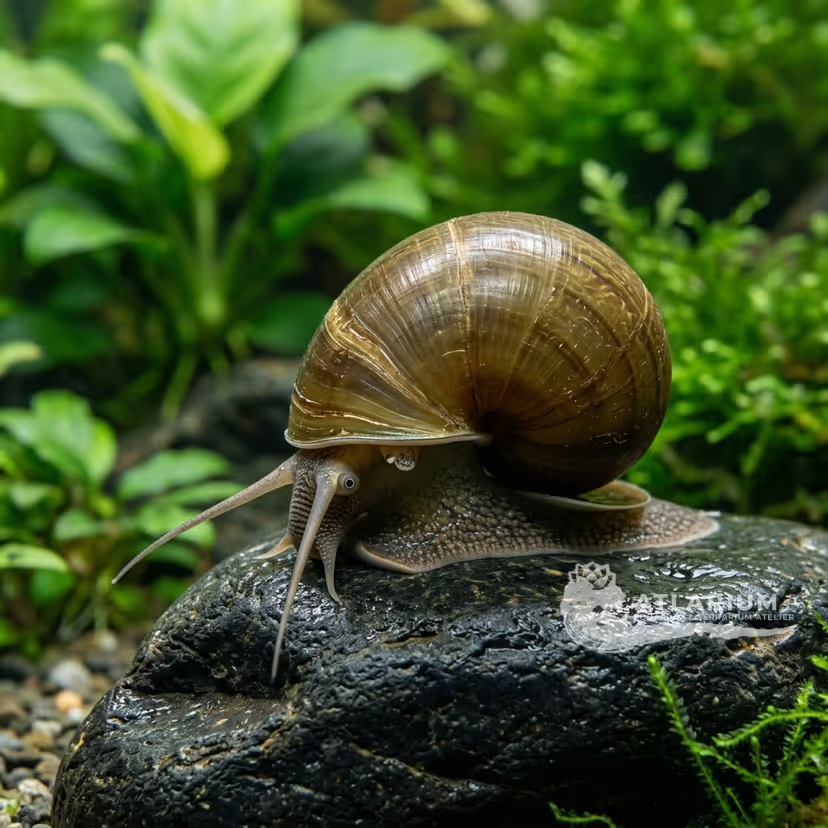
Asian apple snail
Pila ampullacea

Hercules snail
Brotia herculea

Indian apple snail
Pila globosa

Orange rabbit snail
Tylomelania gemmifera
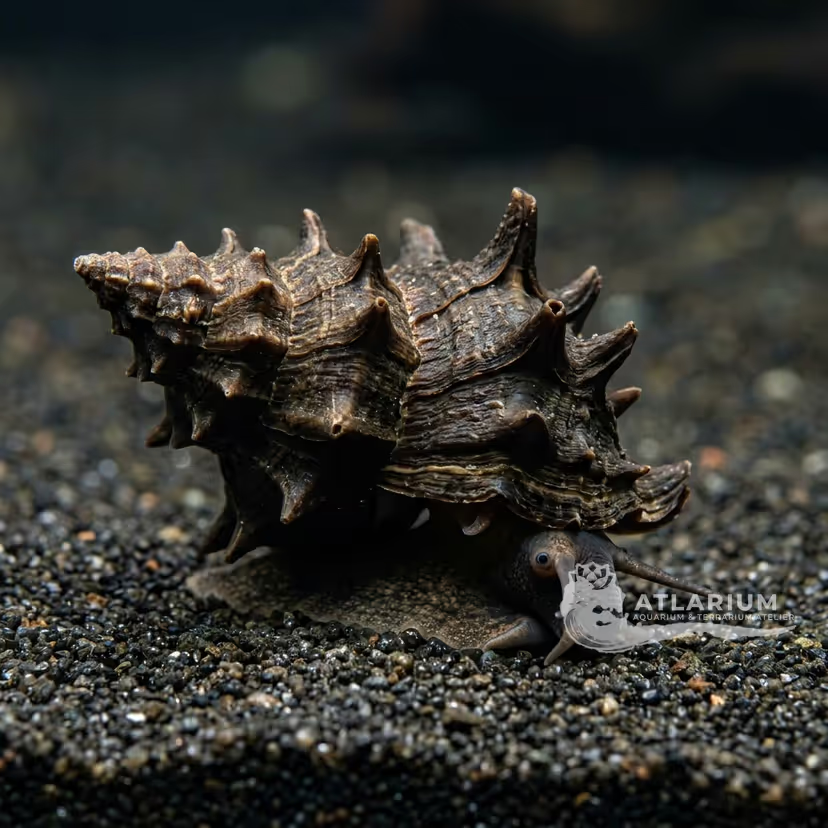
Pagoda snail
Brotia pagodula
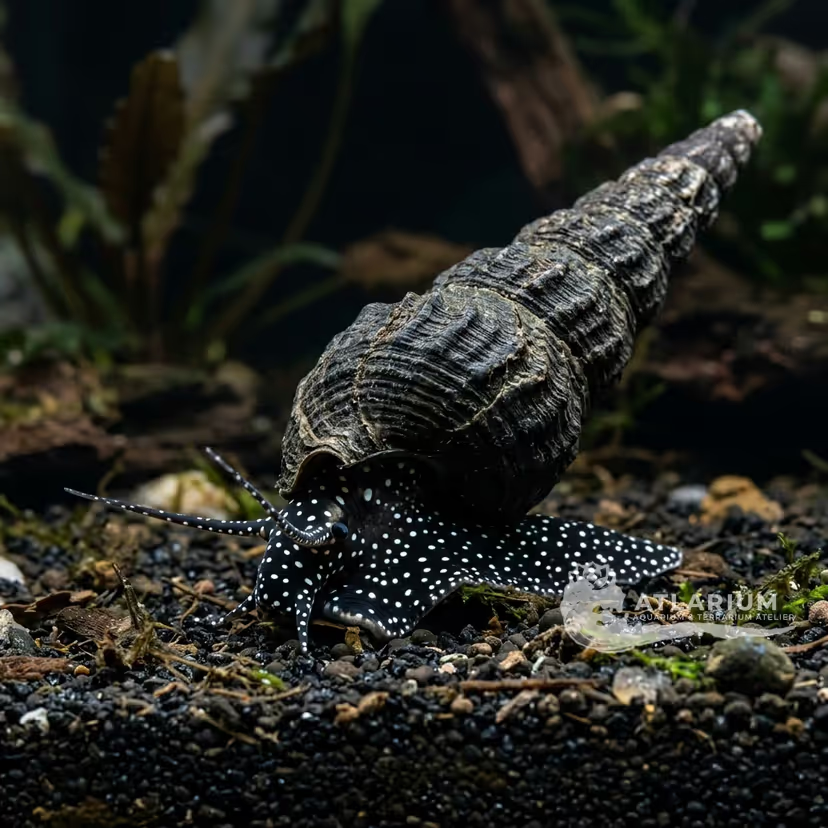
Patriarch rabbit snail
Tylomelania patriarchalis
Similar care
Cards with similar requirements, difficulty, habitat, and husbandry profile.

Anubias lanceolata
Anubias lanceolata

Anubias congensis
Anubias congensis

Crinum thaianum
Crinum thaianum

Bucephalandra sp. "Black Leaf"
Bucephalandra sp. "Black Leaf"
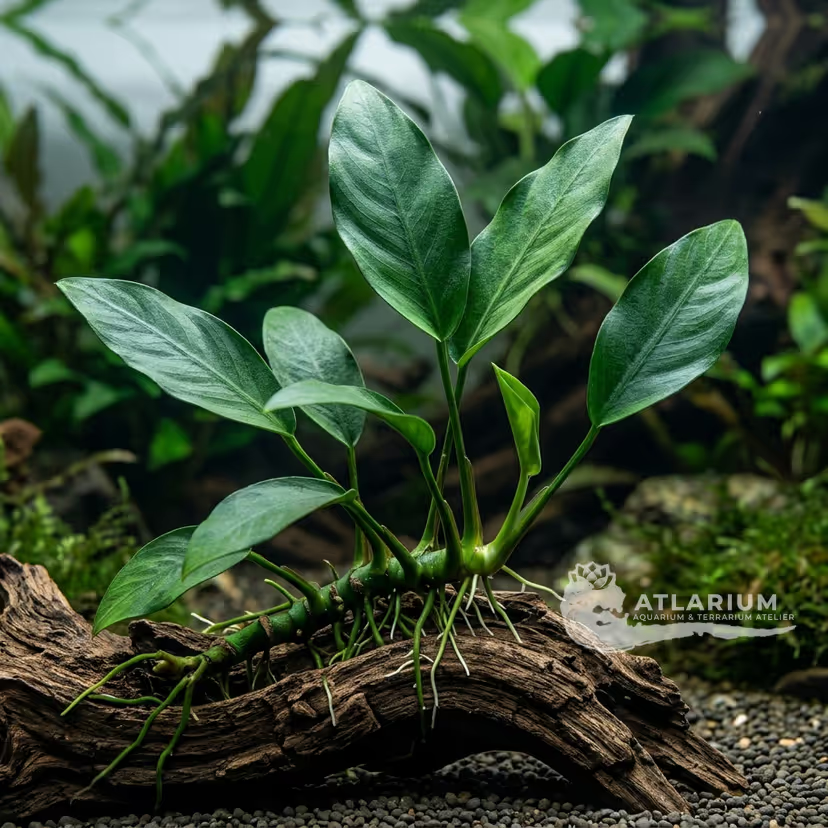
Anubias
Anubias barteri
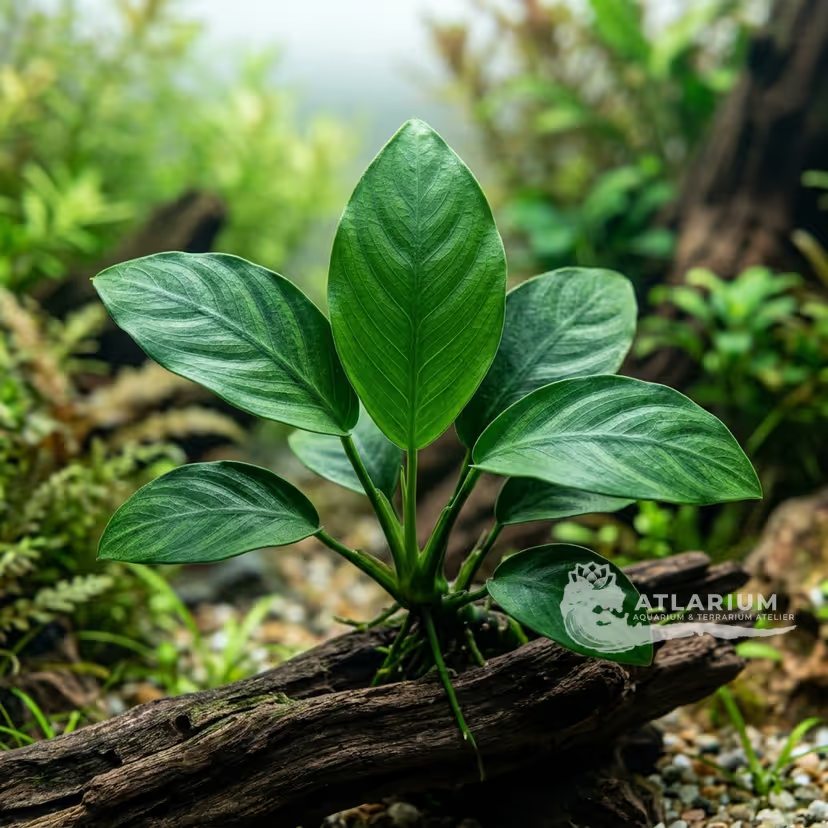
Anubias minima
Anubias minima

Buce
Bucephalandra

Arrowhead Anubias
Anubias hastifolia

Bucephalandra motleyana "Braun-rot" ("Serimbu")
Bucephalandra motleyana "Braun-rot" ("Serimbu")

Bucephalandra motleyana "Pancuraji"
Bucephalandra motleyana "Pancuraji"

Bucephalandra motleyana "Braun-rot narrow"
Bucephalandra motleyana "Braun-rot narrow"

Bucephalandra motleyana "Riam Macam"
Bucephalandra motleyana "Riam Macam"

Anubias "nangi"
Anubias "nangi"

Pygmy Bucephalandra
Bucephalandra pygmaea

Anubias nana
Anubias barteri var. nana

Bucephalandra kishii
Bucephalandra kishii