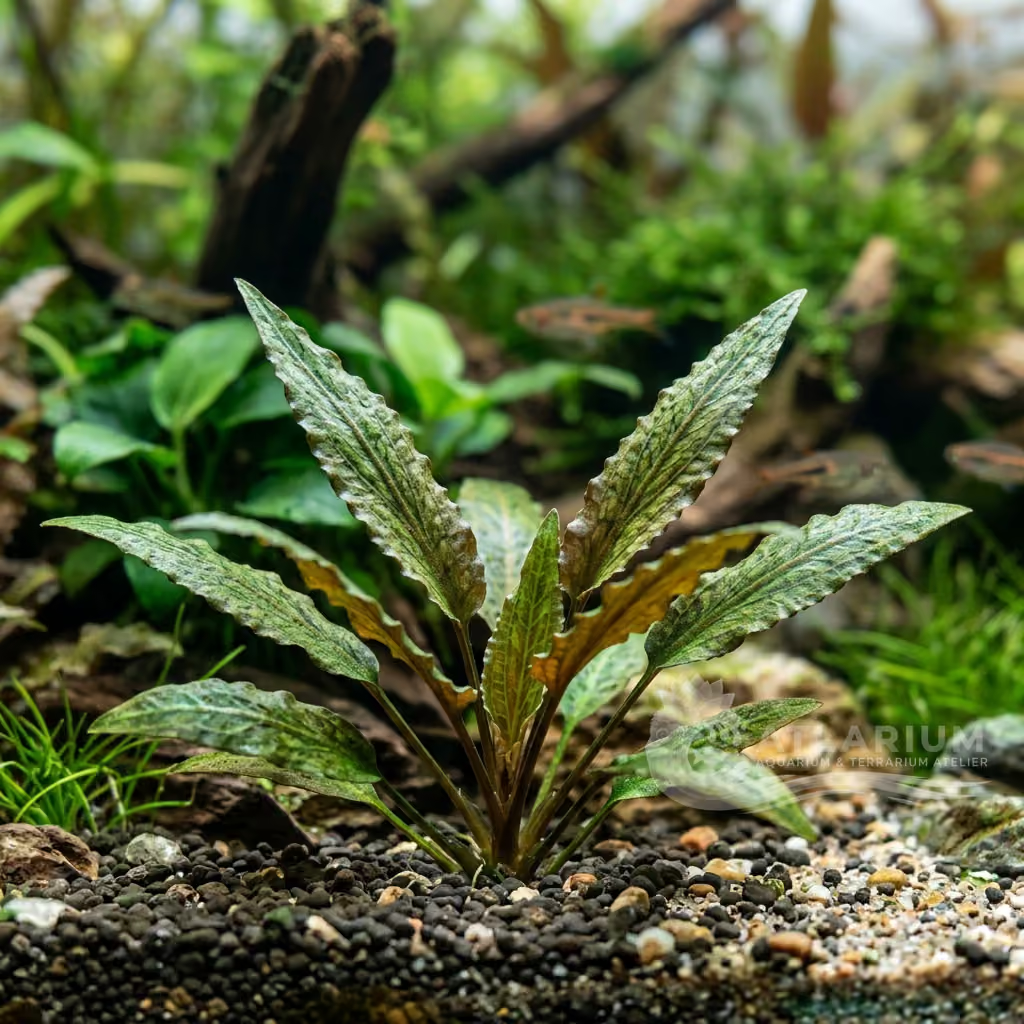
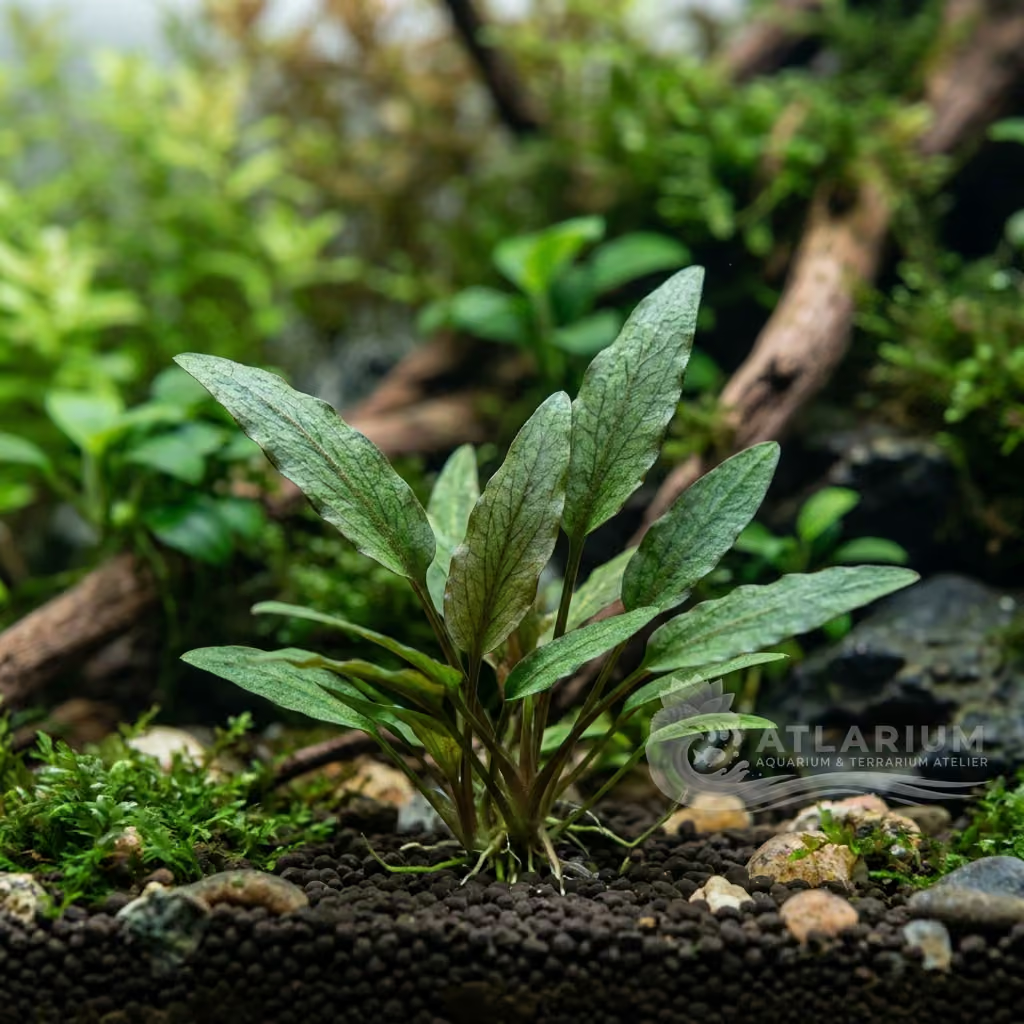
Cryptocoryne cordata var. siamensis 'Rosanervig'
Cryptocoryne siamensis
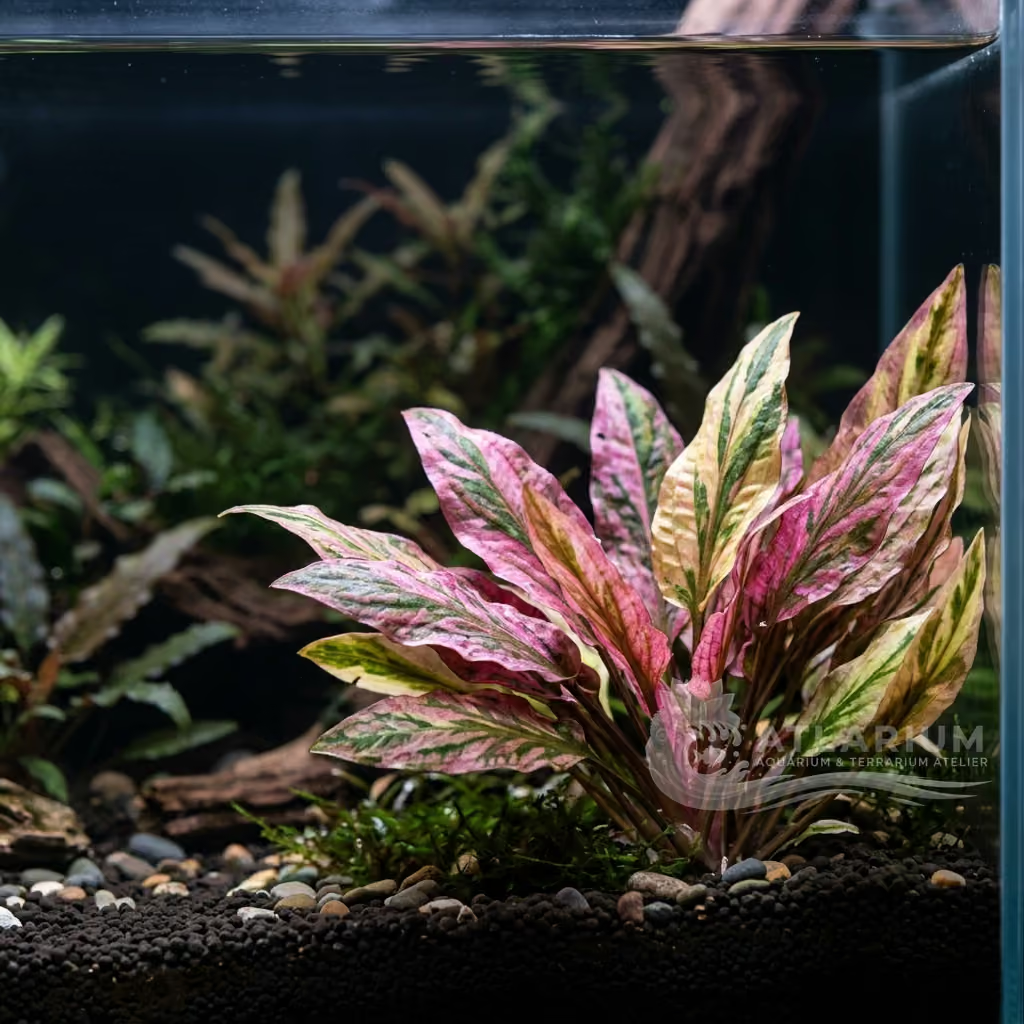
The holy grail of Cryptocorynes, known for its striking pink or white contrasting leaf veins. Unlike its shade-loving relatives, this slow-growing mutation demands ultra-high lighting to maintain its colors.
Water Temperature
22 - 28 °C
pH Value
5.5 - 7
Water type
Freshwater
Light
Medium
CO2
Medium
Expected height
20 cm
Expected width
15 cm
GH
4 - 20 dGH
KH
2 - 12 dKH

Species description
Geographical Origin and Habitat: Endemic exclusively to a single, hyper-localized population discovered in the pristine, slow-moving tropical blackwater swamps of southern Thailand. Cryptocoryne "Rosanervig" is the absolute holy grail of the Cryptocoryne world. While it shares the same amphibious, mud-dwelling lifestyle as standard C. cordata var. siamensis, this specific variant was isolated from a wild population carrying a mind-bending, naturally occurring viral infection that genetically altered its leaf pigmentation permanently, creating a spectacular botanical anomaly.
Taxonomy & Genetics: Scientifically classified within the Araceae family, 'Rosanervig' (German for "Pink-nerved") is taxonomically identical to C. cordata var. siamensis in physical structure. However, it is globally prized for an extreme genetic abnormality: a benign plant virus permanently rewrote its chlorophyll production. This harmless virus strictly targets the tissue running along the leaf veins, completely stripping them of green chlorophyll and allowing the underlying brilliant pink and stark white pigments to explode into visibility.
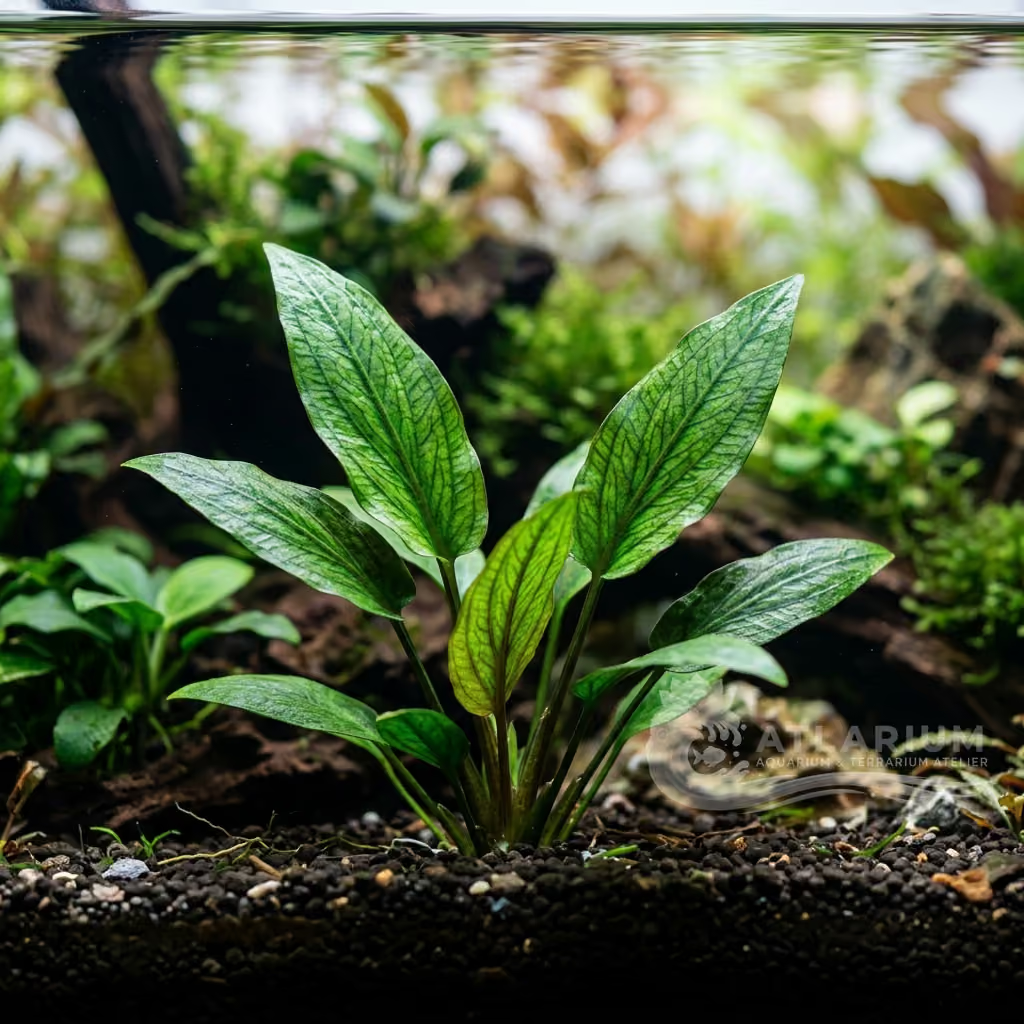
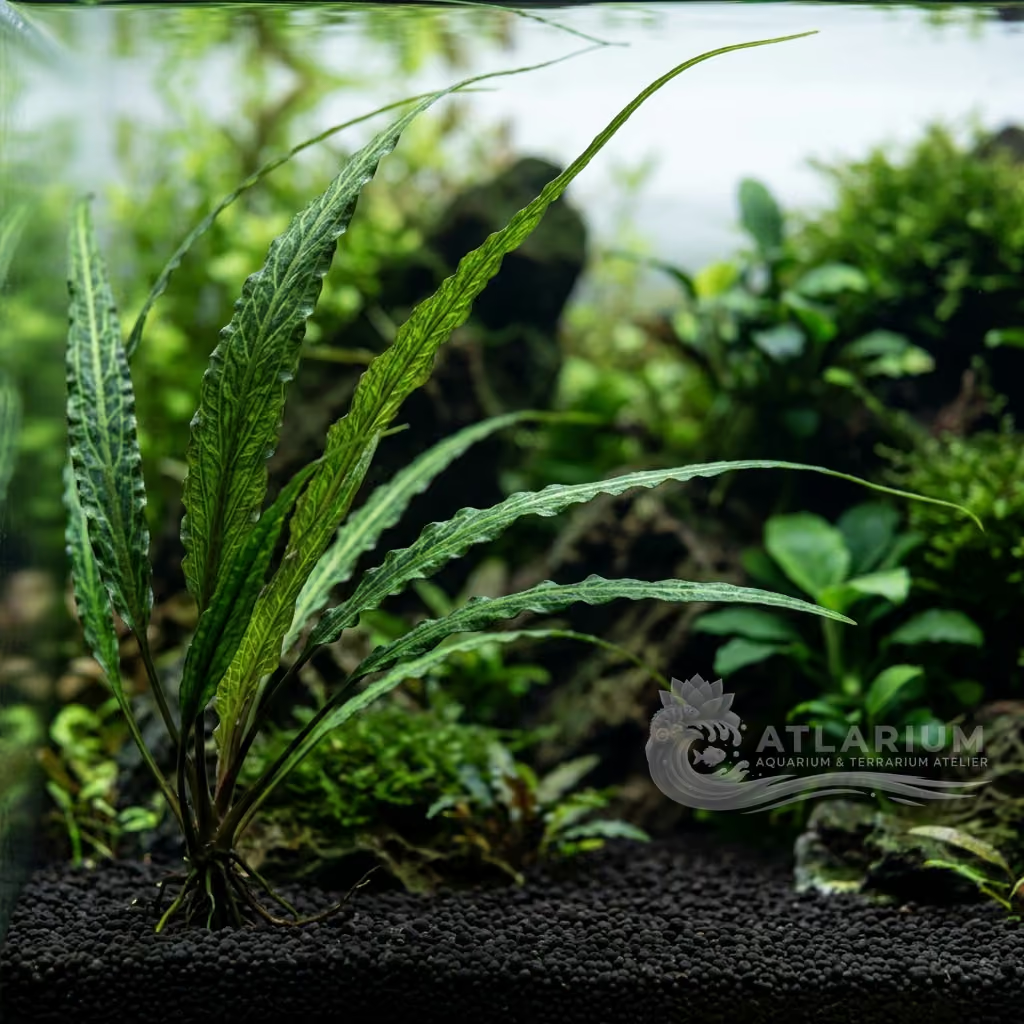
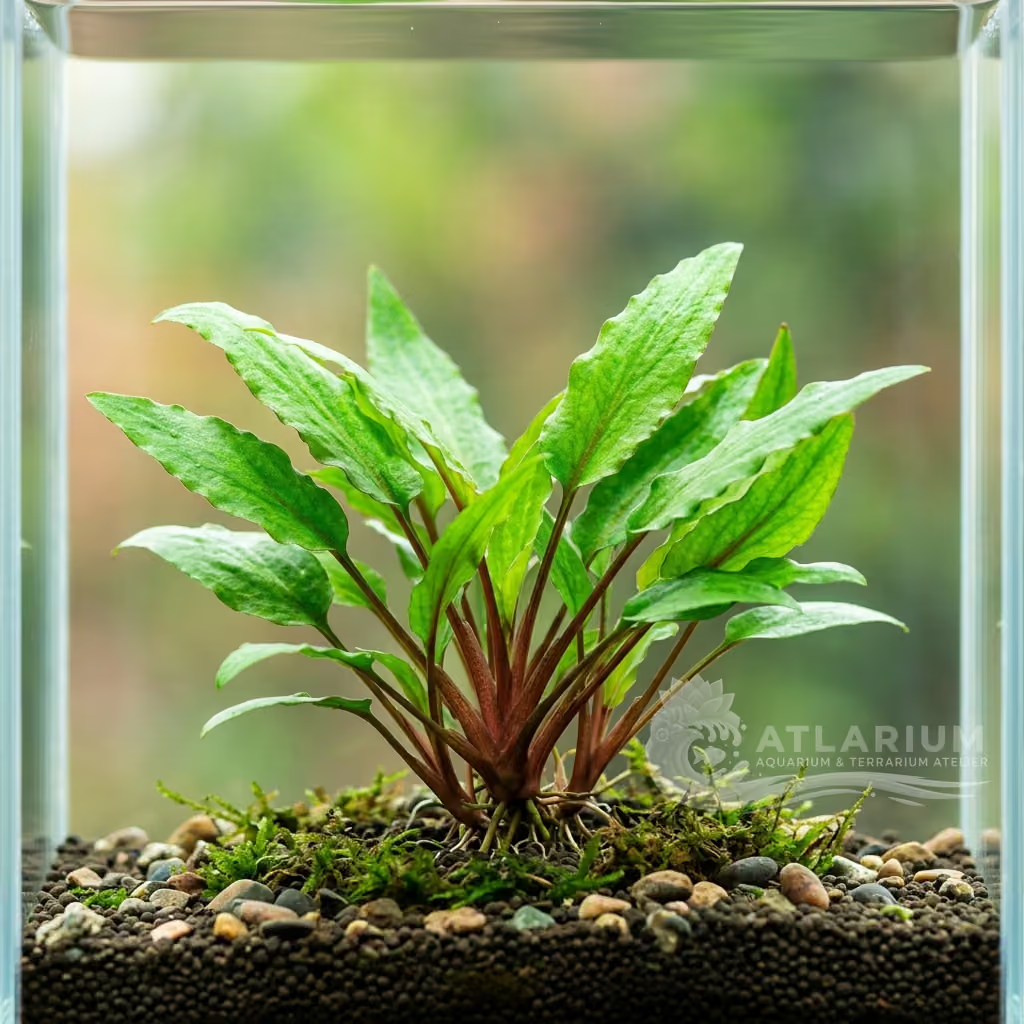
Physical Structure: The architectural structure of 'Rosanervig' is dominant, heavy, and extremely dense, identical to its parent species. It is a massive, true rosette plant that completely lacks vertical stems. The foundation is a deeply buried, massive, fleshy rhizome that deploys an aggressive white root system. The leaves erupt directly from the crown on thick, highly rigid petioles. The leaves themselves are the defining structural feature: they are massively broad, perfectly heart-shaped (cordate), and heavily ribbed by incredibly thick leaf veins.
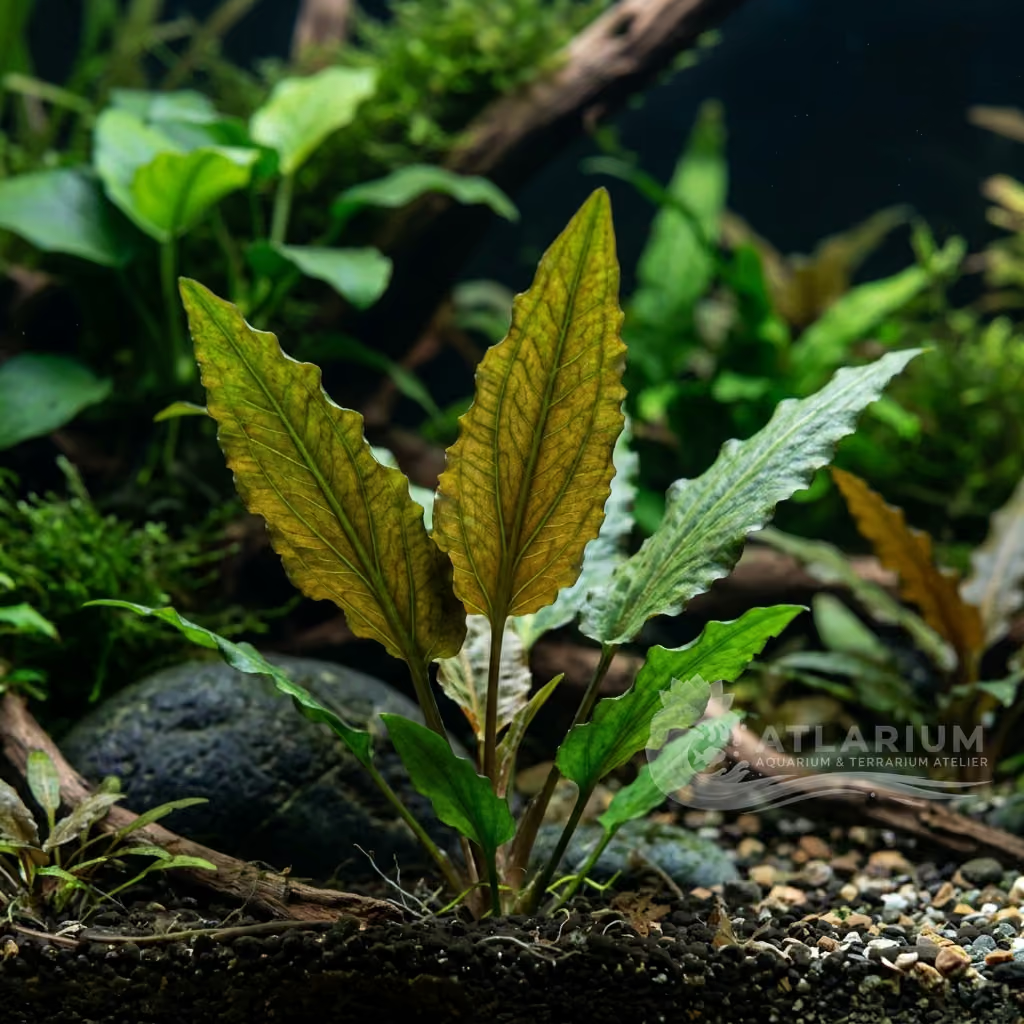
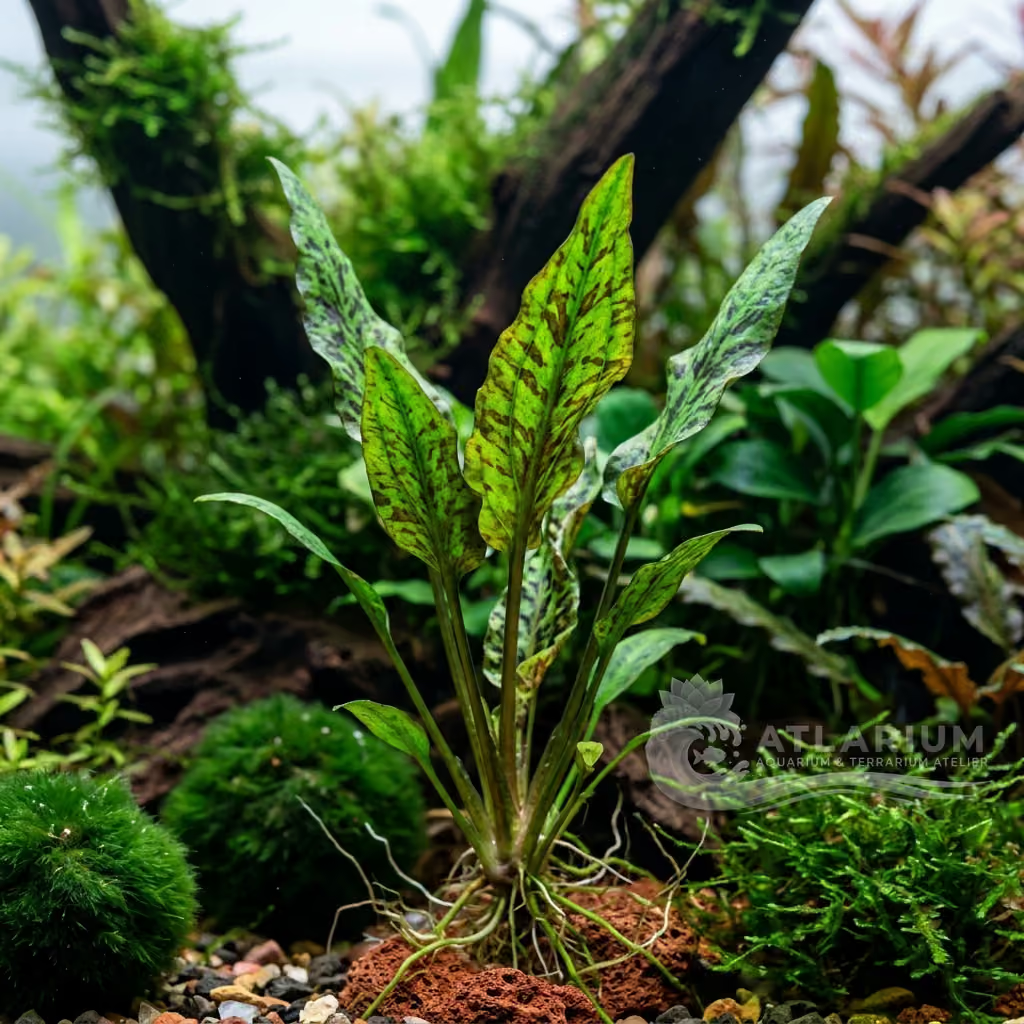
Color & Texture: The coloration is absolutely alien, spectacular, and completely unmatched in the aquatic plant hobby. The broad, heart-shaped leaves have a base color of rich, dark olive-green. However, every single prominent leaf vein is completely devoid of chlorophyll, radiating an intense, glowing, neon-pink or stark, brilliant white. The entire leaf looks like a dark green canvas painted with a glowing pink skeleton. The underside of the leaf is a solid, profound magenta. The texture is notoriously rigid, intensely leathery, and heavily ribbed.

Care, breeding and tankmates
Lighting & CO2: It is an incredibly demanding, agonizingly slow-growing plant. While standard C. cordata survives in shade, 'Rosanervig' DEMANDS blasting, ultra-high-intensity LED lighting. If light levels drop, the plant will rapidly abandon its spectacular pink veins, reverting entirely to a dull, solid olive-green to survive. Furthermore, because its chlorophyll (the engine of photosynthesis) is severely damaged by the virus, the plant is extremely biologically inefficient. Therefore, massive, borderline toxic levels of pressurized CO2 injection are absolutely mandatory to keep it alive and growing.
Nutrition & Substrate: As the ultimate, elite rosette plant, 'Rosanervig' is an extremely aggressive, obligate root feeder. Its massive root system strictly demands a very deep (minimum 7 cm / 3 inches), premium aquasoil substrate. Because it grows so slowly and inefficiently, it MUST be planted in a heavily nutrient-dense bed heavily enriched with premium, iron-rich root tabs. It absorbs virtually zero nutrition from the water column. If the substrate is depleted of iron, the glowing pink veins will instantly turn a sickly pale white, and the plant will melt.
Water Chemistry: This is its defining biological requirement: 'Rosanervig' strongly prefers soft, highly acidic water. It thrives in standard tropical temperatures (22-26°C) but absolutely demands highly acidic water (pH 5.5 - 6.5) loaded with tannins to perfectly mimic its native Thai blackwater swamps and facilitate massive iron uptake. It severely struggles and frequently melts in rock-hard, highly alkaline tap water. It prefers slow to moderate water flow, as strong, pounding currents can easily damage its massive, rigid, highly sensitive leaves.
Space Management & Placement: Due to its extreme rarity, high price, large size (20-30 cm height), massively broad heart-shaped leaves, and mind-bending glowing pink skeleton coloration, 'Rosanervig' is the absolute, undisputed focal point of any elite aquascape. It should be planted as a singular, standalone specimen directly in the center midground, flanked by dark green plants (like Anubias or Bucephalandra) to create an explosive, violent visual contrast. It must never be crowded, as it requires absolute, unobstructed access to the lighting.
Pruning: Pruning is a surgically delicate, extremely rare procedure due to its agonizingly slow growth rate. Never attempt to trim a leaf in half; the cut edge will instantly turn black and rot. To prune dead, yellowing, or algae-covered leaves, you must reach down to the absolute base of the rosette and cleanly snap or cut the thick petiole as close to the gravel as possible. It is highly advised to never uproot the mother plant, as the massive shock will almost certainly trigger a catastrophic melt.
Risks & Diseases: The absolute greatest threat to this priceless holy grail is the legendary "Crypt Melt." Because its biology is already stressed by the viral infection, 'Rosanervig' is violently hyper-sensitive to any environmental instability. The slightest fluctuation in pH, a drop in temperature, or forcefully uprooting the plant will cause it to panic and dissolve its spectacular pink-veined leaves into a slimy, foul mush overnight. The second major risk is Black Beard Algae (BBA), which easily colonizes its slow-growing, broad leaves.

Geographic origin and distribution
Endemic exclusively to a single, hyper-localized population discovered in the pristine, slow-moving tropical blackwater swamps of southern Thailand. Cryptocoryne "Rosanervig" is the absolute holy grail of the Cryptocoryne world. While it shares the same amphibious, mud-dwelling lifestyle as standard C. cordata var. siamensis, this specific variant was isolated from a wild population carrying a mind-bending, naturally occurring viral infection that genetically altered its leaf pigmentation permanently, creating a spectacular botanical anomaly.
Origin
South and Southeast Asia

Plant profile
- Placement
- Midground
- This species is ideally placed in midground of the aquarium. Its growth habit allows it to blend naturally with surrounding hardscape or other plants. When planted in small groups, it creates a cohesive and visually pleasing bush. Ensure it is not completely shaded by larger overhanging plants.
- Botanical form
- Rosette
- Cryptocoryne cordata var. siamensis 'Rosanervig' features striking light pink and white leaf veins. Its rosette growth pattern is typical of the genus, creating a dense crown of foliage. The distinct leaf shape and coloration make it stand out in the aquarium. It is highly sought after for its unique venation.
- Growth
- Slow
- The growth rate of Cryptocoryne cordata var. siamensis 'Rosanervig' is generally slow to moderate. Under lower light, it will grow slowly, but adding CO2 and moderate lighting can increase its pace. It steadily produces new leaves from its rosette once it has adapted to its environment. Patience is key, as it may take time to establish.
- Substrate
- High
- The 'Rosanervig' variety of Cryptocoryne cordata var. siamensis requires a nutrient-rich substrate to fuel the production of its iconic pink-veined leaves. A deep bed of 2 to 3 inches of high-quality aquasoil is highly recommended to accommodate its demanding root system and provide a stable anchoring point. Consistently providing iron and essential trace minerals directly to the roots via substrate additives is necessary to maintain the striking white-to-pink variegation that defines this rare plant.
- Column fertilization
- Recommended
- While primarily a root feeder, it still benefits from regular water column fertilization. Dosing a comprehensive liquid fertilizer ensures that micronutrients are available. Be careful not to overdose, as excessive nutrients in the water column can promote algae on its slow-growing leaves. A balanced approach is ideal.
- Root fertilization
- None
- Root fertilization is crucial for the optimal development of Cryptocoryne cordata var. siamensis 'Rosanervig'. Providing a rich soil substrate or regularly inserting root tabs will yield the best results. Strong root feeding promotes larger, more robust leaves. It also makes the plant more resilient to environmental fluctuations.
- Trimming
- Occasional
- Trimming should be done carefully by cutting old or decaying leaves near the base. Avoid pulling or uprooting the plant, as it has a delicate and extensive root system. Regular maintenance to remove dying leaves will keep the plant looking fresh and prevent rot. Only trim what is necessary.
- Propagation
- Rhizome division, Runners
- Propagation is easily achieved through the natural production of runners. The mother plant will send out runners through the substrate, forming new plantlets. Once these plantlets have developed their own roots and a few leaves, they can be separated. You can carefully cut the runner and replant the new specimen.
- Sensitivity
- Moderate
- Like many in its family, Cryptocoryne cordata var. siamensis 'Rosanervig' is prone to 'Crypt melt' when parameters suddenly change. Variations in temperature, lighting, or water chemistry can cause it to shed its leaves. However, the rhizome usually remains healthy. If melting occurs, leave the roots undisturbed and new leaves will soon emerge.
- Layout role
- Midground, Background
- Its layout role is primarily for Unique focal points. The dense foliage and unique texture provide a natural transition between different zones of the aquascape. It is highly versatile and works well in both Nature Aquarium and Dutch styles. Its enduring presence makes it a reliable staple.

Image gallery
Licensed images linked to the species or, when marked, to the closest representative taxon.

Related species
Recommendations grouped by close relatives, companion choices, and similar care.