Cryptocoryne wendtii 'Green Gecko'
Cryptocoryne wendtii
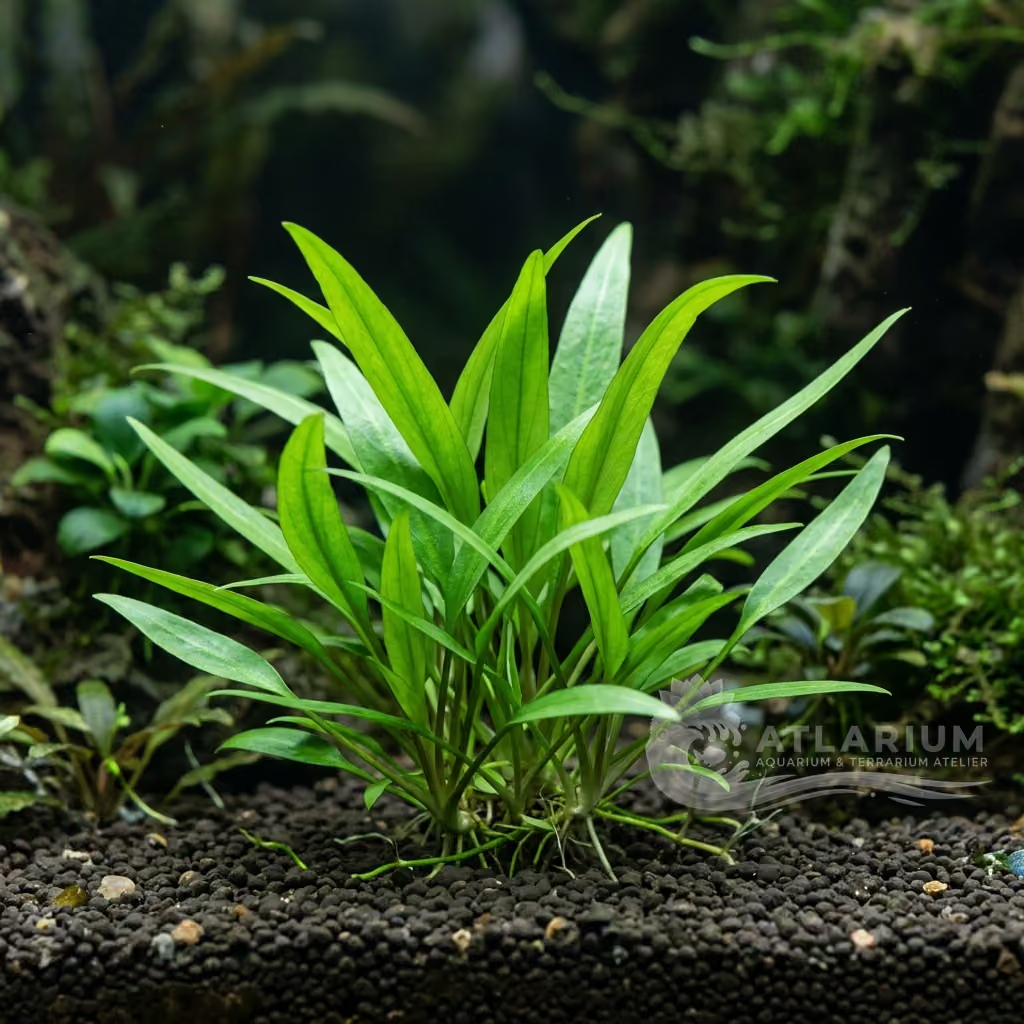
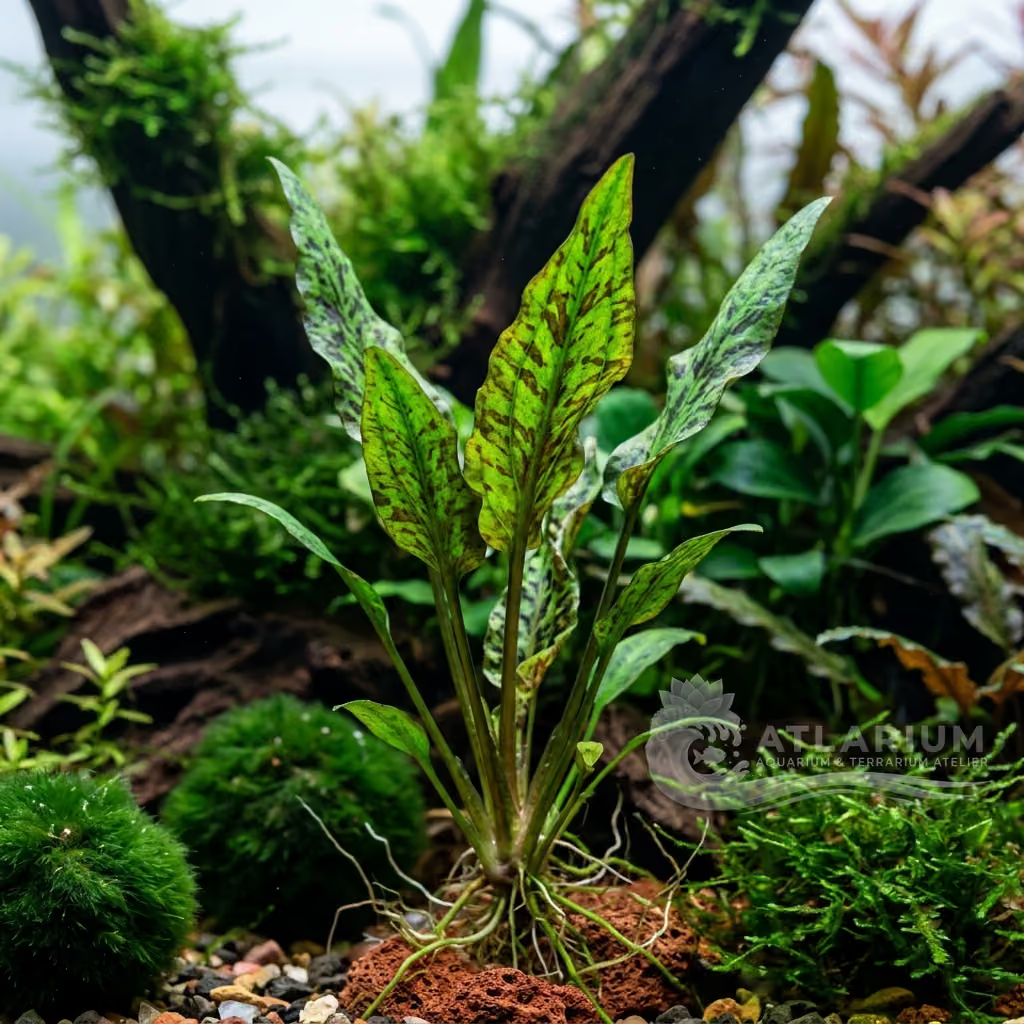
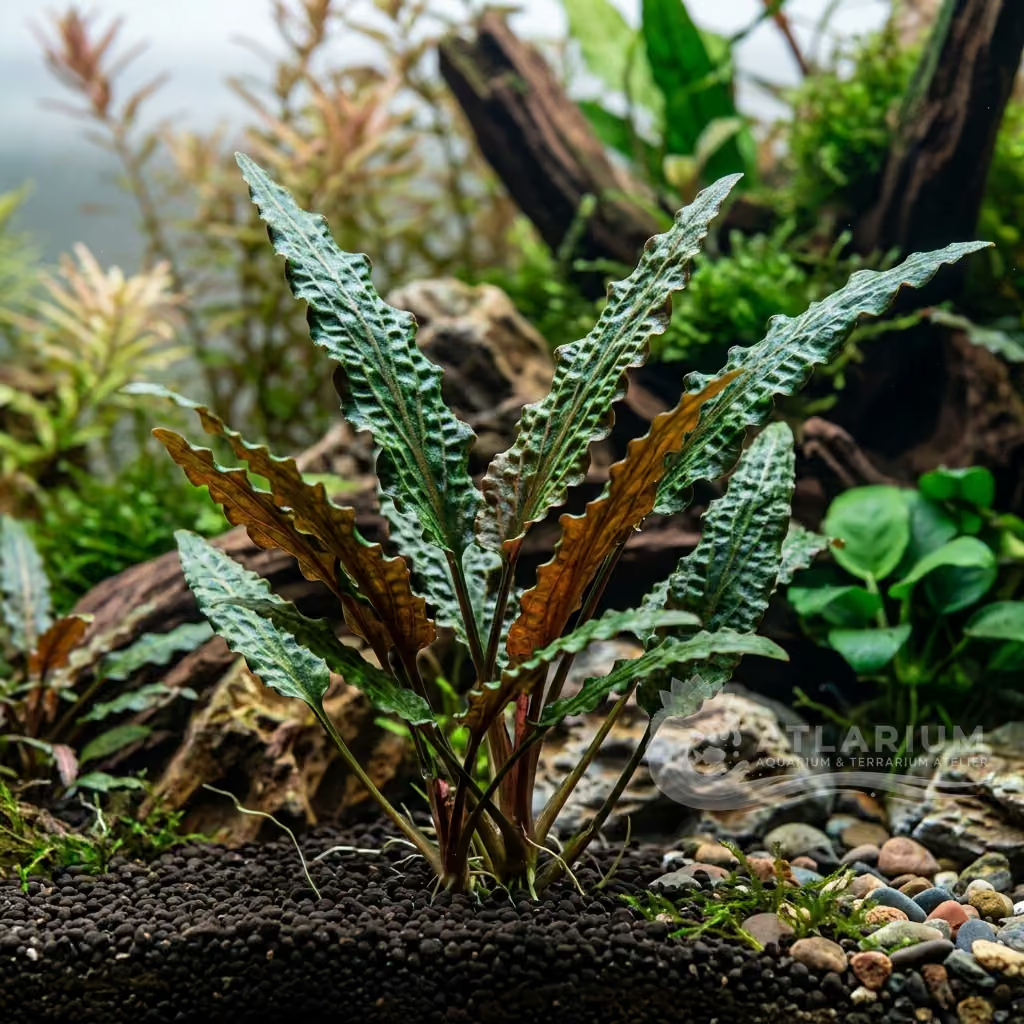
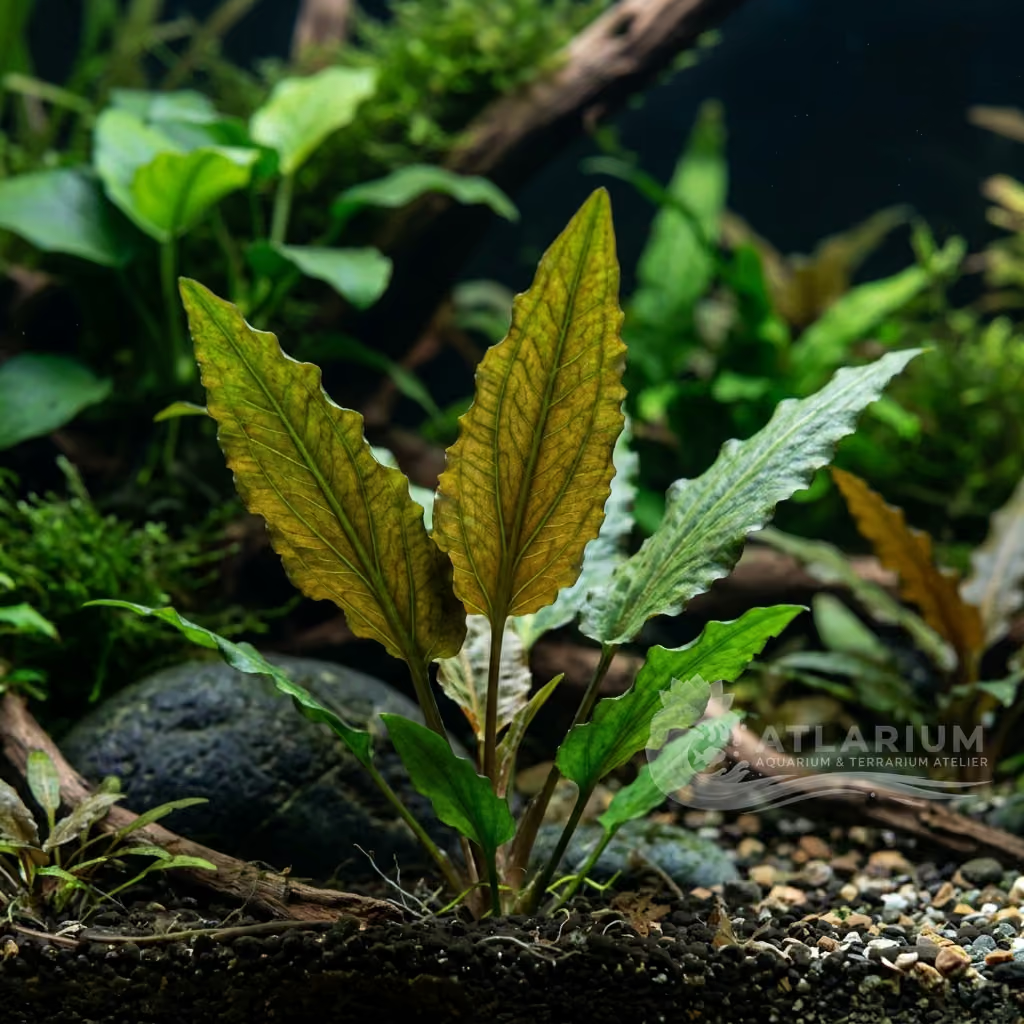
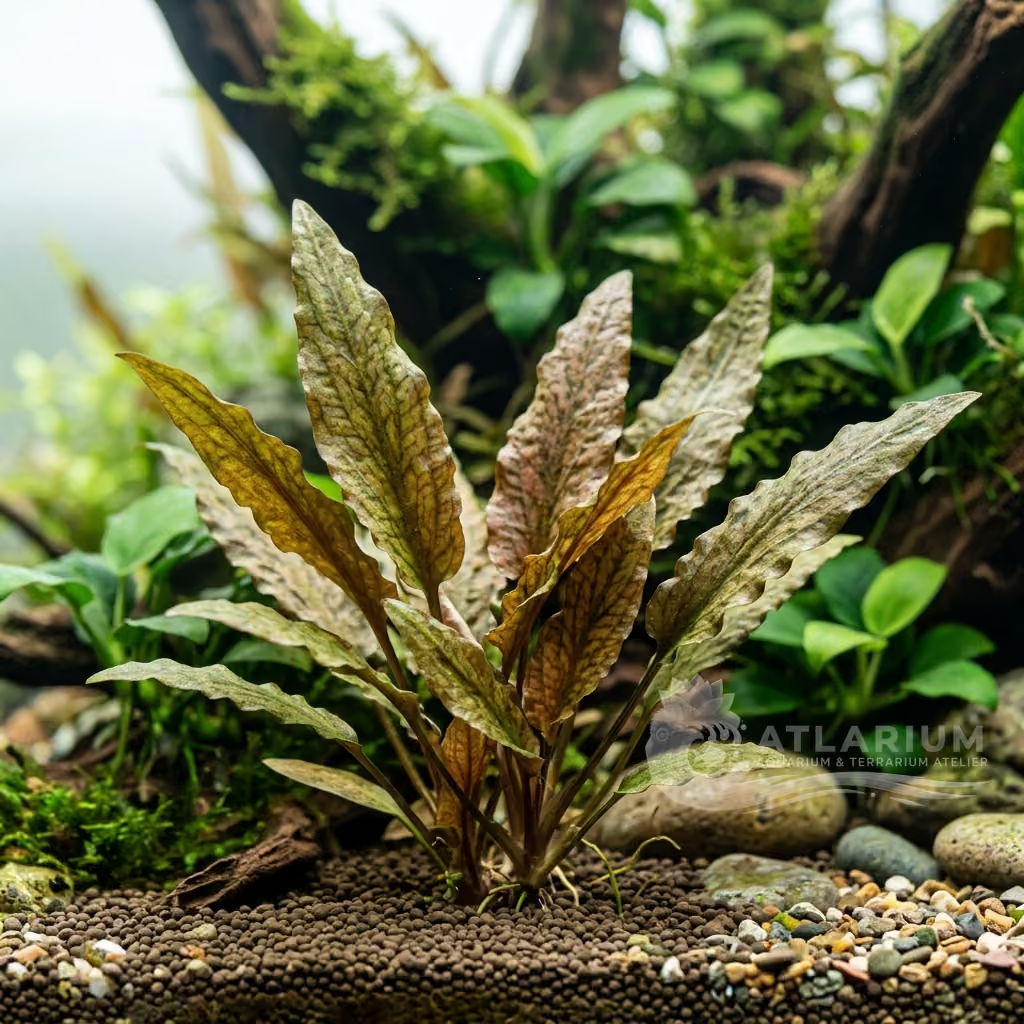
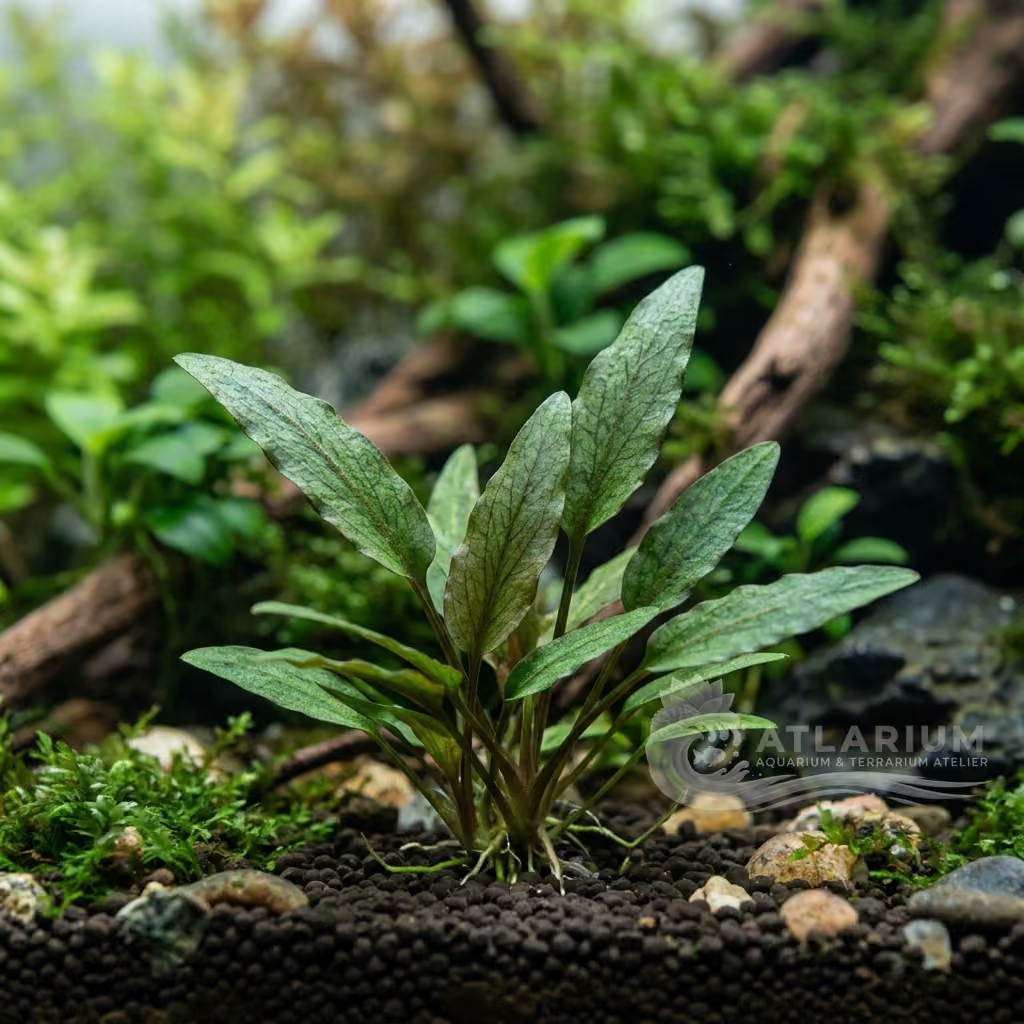
Cryptocoryne wendtii 'Green Gecko' is a captivating cultivar characterized by bright chartreuse green leaves with striking reddish-brown center veins. It delivers exceptional midground contrast.
Water Temperature
15 - 30 °C
pH Value
5 - 8
Water type
Freshwater
Light
Da bassa ad alta
CO2
Low
Expected height
15 cm
Expected width
15 cm
GH
4 - 20 dGH
KH
1 - 18 dKH

Species description
Geographical Origin and Habitat: This specific botanical cultivar does not exist in the wild. Cryptocoryne wendtii "Green Gecko" is a spectacular, commercially developed genetic mutation originating from major aquatic plant nurseries. Derived from the highly adaptable standard Sri Lankan C. wendtii stock, this specific variant was selectively bred and isolated for its striking, highly stable bi-color leaf pigmentation. In the aquarium, it behaves identically to its wild ancestors, acting as a deeply rooted, highly resilient amphibious rosette plant.
Taxonomy & Genetics: Scientifically classified within the Araceae family, "Green Gecko" is taxonomically a highly prized, modern cultivar of the extremely variable C. wendtii complex. Genetically, it is defined by a highly specific, localized biological mechanism regulating its anthocyanin production. Unlike variants that are completely green or completely brown, the genetics of "Green Gecko" force the massive concentration of brownish-red pigments strictly down the central vein of the leaf, leaving the wide outer margins a brilliant, pure green.
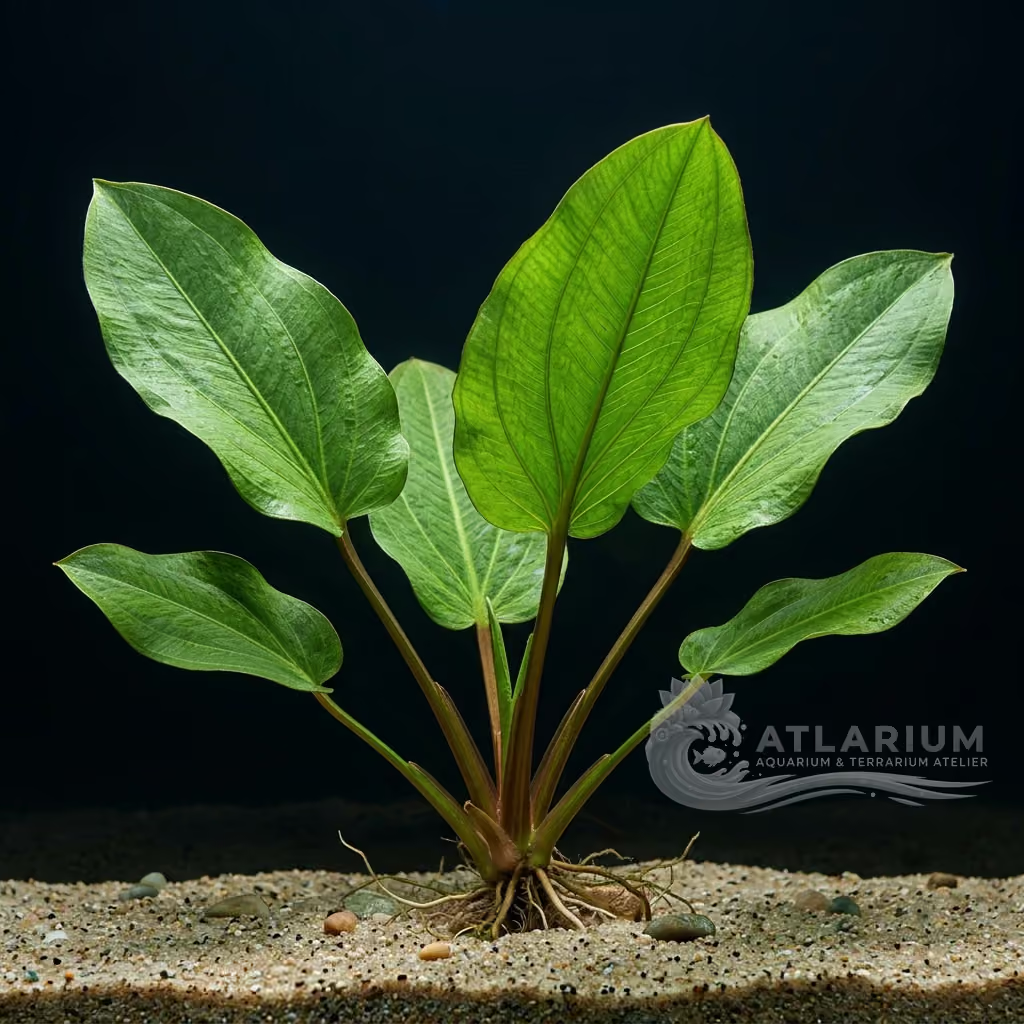
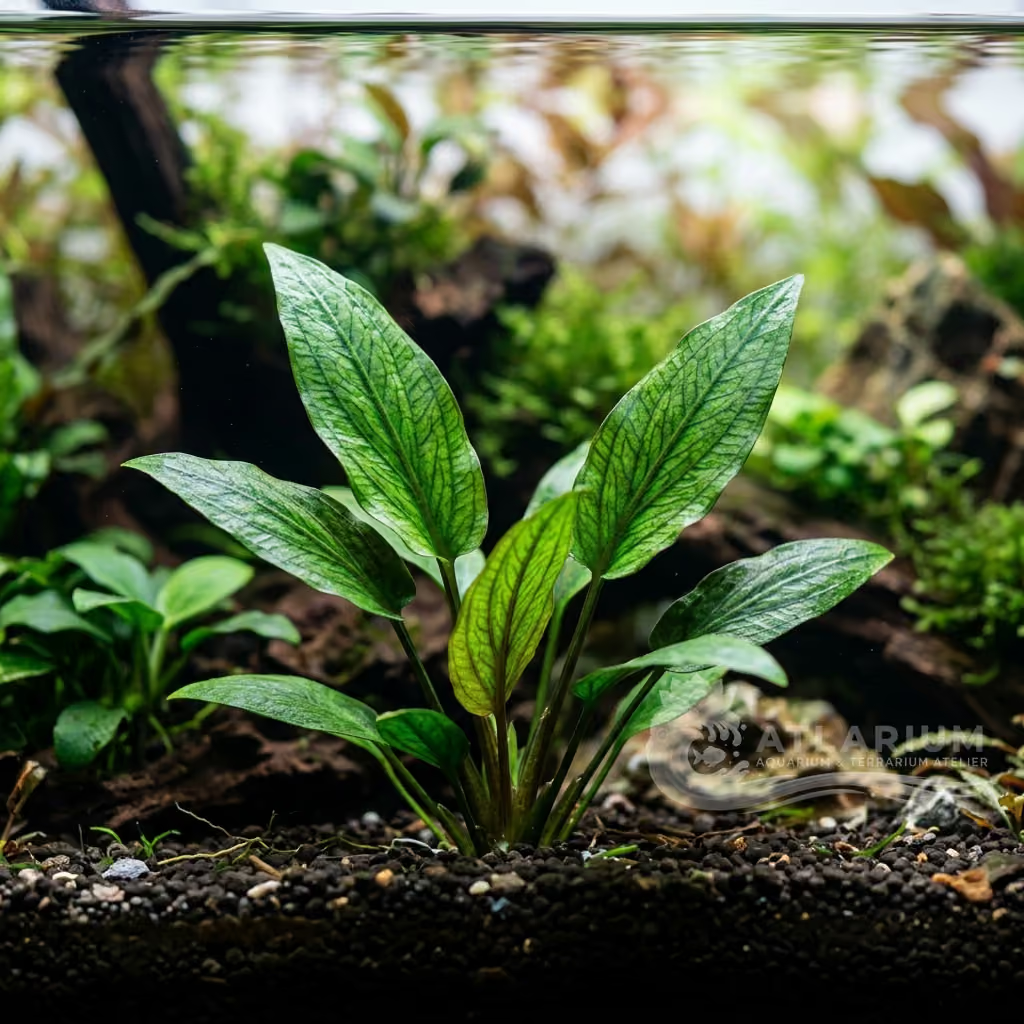
Physical Structure: The architectural structure of "Green Gecko" is defined by a dense, sprawling, and beautifully organized central rosette. It completely lacks vertical stems. The foundation is a thick, fleshy subterranean rhizome that deploys an aggressive white root system deep into the substrate. The leaves emerge directly from the crown on distinct, arching petioles. The foliage is medium-sized (10-15 cm), strictly lanceolate to narrowly ovate, and features elegantly ruffled, highly wavy margins that catch the light perfectly.
Color & Texture: The coloration is absolutely spectacular and highly defined, earning it the name "Green Gecko." Grown submerged under intense lighting, the massive central core and main vein of every single leaf radiate a glowing, deeply saturated brownish-red to chocolate bronze. In violent contrast, the wide, ruffled outer margins of the exact same leaf are a blindingly bright, pure apple-green. The underside of the leaves frequently flashes a pale magenta. The texture is exceptionally smooth but heavily dominated by sweeping, wavy crinkles.

Care, breeding and tankmates
Lighting & CO2: It is an incredibly resilient, highly adaptable plant that will comfortably survive in low-tech setups. However, if kept in deeply shaded aquariums, its spectacular bi-color genetics will fail, and the leaves will revert entirely to a solid, dull green, completely losing the brown center. To unlock the explosive contrast between the bright green margins and the deep red core, medium to high-intensity LED lighting is absolutely mandatory. While injected CO2 is not required, pressurized CO2 drastically accelerates its overall growth.
Nutrition & Substrate: As a classic Sri Lankan Cryptocoryne cultivar, "Green Gecko" is an absolute, obligate root feeder. Its aggressive root system strongly demands a mature, heavily nutrient-dense substrate (minimum 5 cm / 2 inches deep). It strongly prefers premium aquasoil or a mature gravel bed heavily enriched with iron-rich root tabs directly beneath the thick rhizome. If planted in sterile, inert gravel without heavy root supplementation, it will quickly stunt, turn violently yellow, and melt. It absorbs virtually zero nutrition from the water column.
Water Chemistry: Originating from deeply adaptable nursery stock, it is practically invincible regarding standard water parameters. It thrives effortlessly in heated tropical aquariums (22-26°C) and is exceptionally adaptable, comfortably tolerating both soft, acidic blackwater and moderately hard, highly alkaline tap water (pH 6.0 - 8.0). The single most critical environmental requirement is absolute chemical stability. It drastically prefers stable, unchanging parameters over perfectly optimized ones. It prefers moderate water flow to keep its wavy leaves clean.
Space Management & Placement: Due to its moderate size (10-15 cm height), sprawling habit, intensely wavy edges, and striking green-and-red bi-coloration, "Green Gecko" is a spectacular, premium focal point for the midground or extreme foreground in larger tanks. It should be meticulously planted as a dense cluster directly beside dark hardscape to perfectly highlight its bright green margins. Because it spreads relentlessly via extremely thick subterranean runners, it will eventually form a stunning, impenetrable bi-colored thicket.
Pruning: Pruning is a simple, low-maintenance procedure. Never attempt to trim a broad, wavy leaf in half; the cut edge will instantly turn black, rot, and destroy the elegant aesthetic. To prune dead, melting, or heavily shaded older leaves, you must reach down to the absolute base of the rosette and cleanly snap or slice the thick petiole directly at the gravel line. To manage its relentless, creeping spread, physically dig into the substrate and cleanly sever the thick subterranean runner connecting the baby clone to the mother rhizome.
Risks & Diseases: The absolute greatest threat to the "Green Gecko" cultivar is the infamous "Crypt Melt." This massive species is highly sensitive to sudden, extreme environmental instability. A rapid change in pH, a massive water change with freezing water, or forcefully uprooting the established plant will trigger a violent biological panic, causing all the beautiful bi-colored wavy leaves to dissolve into a slimy, foul mush within 24 hours. However, the thick, fleshy underground rhizome is completely indestructible; do not remove the roots, and it will regrow.

Geographic origin and distribution
This specific botanical cultivar does not exist in the wild. Cryptocoryne wendtii "Green Gecko" is a spectacular, commercially developed genetic mutation originating from major aquatic plant nurseries. Derived from the highly adaptable standard Sri Lankan C. wendtii stock, this specific variant was selectively bred and isolated for its striking, highly stable bi-color leaf pigmentation. In the aquarium, it behaves identically to its wild ancestors, acting as a deeply rooted, highly resilient amphibious rosette plant.
Origin
Selective breeding and cultivarsSouth and Southeast Asia

Plant profile
- Placement
- Midground
- This visually appealing variant is usually placed in the midground, where its two-toned leaves can be easily appreciated. It grows low and bushy, making it perfect for transitioning from foreground carpets to taller background stems. In smaller setups, it acts as a striking centerpiece.
- Botanical form
- Rosette
- It forms a tight rosette of lanceolate, slightly rippled leaves. The defining feature of 'Green Gecko' is the striking contrast between its vivid light-green leaf blade and the prominent, dark reddish-brown central vein. The leaf margins often show subtle undulations that add texture.
- Growth
- Medium
- This variety has a moderate growth rate, slightly faster than some rarer cultivars but slower than many stem plants. With CO2 injection and medium to high lighting, it produces new leaves consistently. Its manageable growth makes it an excellent choice for long-term aquascapes requiring little maintenance.
- Substrate
- High
- Cryptocoryne wendtii 'Green Gecko' flourishes in a nutrient-packed substrate, utilizing its powerful root system to draw up essential minerals for its distinctive light green and reddish-brown leaves. A substrate depth of at least 5 cm is necessary to accommodate its deep, intertwining roots and provide a solid foundation. While aqua soil is ideal, inert substrates can be used effectively if heavily supplemented with root fertilizer capsules. Providing a stable, undisturbed environment is key to avoiding leaf melt and ensuring long-term vitality.
- Column fertilization
- None
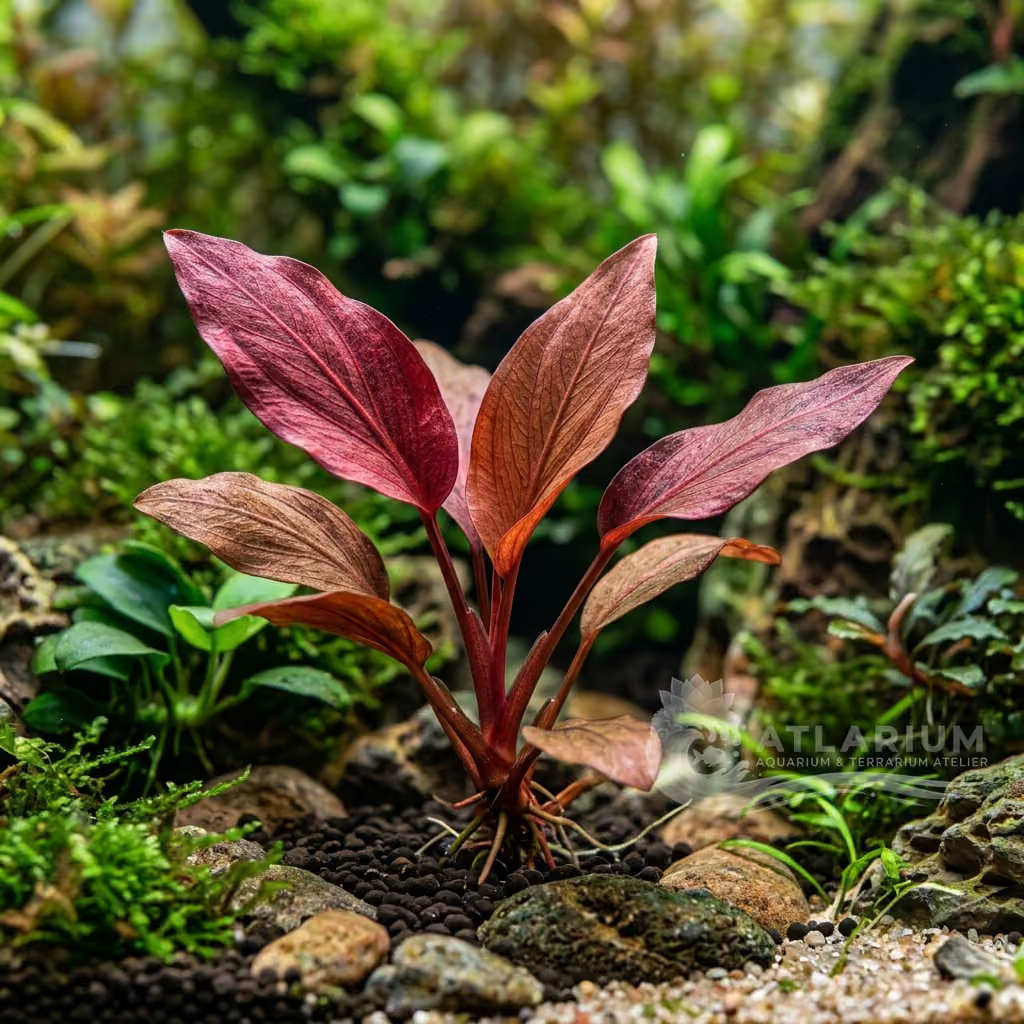
- Column fertilization is not the primary nutrient source, but regular dosing of trace elements and potassium prevents pinholes in older leaves. It is important to balance liquid fertilizers with CO2 and lighting to avoid algae issues. Iron dosing can help intensify the pink and orange leaf coloration.
- Root fertilization
- Required
- Root feeding is crucial for this plant to reach its full potential. A high-quality soil substrate or the frequent use of nutrient-rich root capsules ensures strong root development and vibrant foliage. Robust root health also helps the plant resist melting during environmental changes.
- Trimming
- Occasional
- Trimming simply involves removing older, larger leaves from the outside of the rosette as they begin to shade other plants or show signs of decay. Always cut as close to the crown as possible with sharp scissors. Avoid cutting through the middle of the leaves.
- Propagation
- Rhizome division, Runners
- Propagation occurs naturally through runners that emerge from the base of the mother plant. Once these daughter plants develop several leaves and a distinct root system, they can be carefully detached. Replant them in the substrate, ensuring the crown is not buried too deeply.
- Sensitivity
- Moderate
- Like most Cryptocoryne species, 'Florida Sunset' is susceptible to 'Crypt melt' when parameters change rapidly. It is especially sensitive to abrupt changes in lighting intensity or water hardness. Usually, the root system remains intact and will produce new leaves adapted to the current conditions.
- Layout role
- Midground, Foreground
- It serves as a wonderful detail plant in the midground, breaking up monotonous green patches with its dark veins. The color contrast is subtle enough for natural aquascapes but distinct enough to draw the eye. It perfectly softens the base of wood and rocks.

Image gallery
Licensed images linked to the species or, when marked, to the closest representative taxon.

Related species
Recommendations grouped by close relatives, companion choices, and similar care.