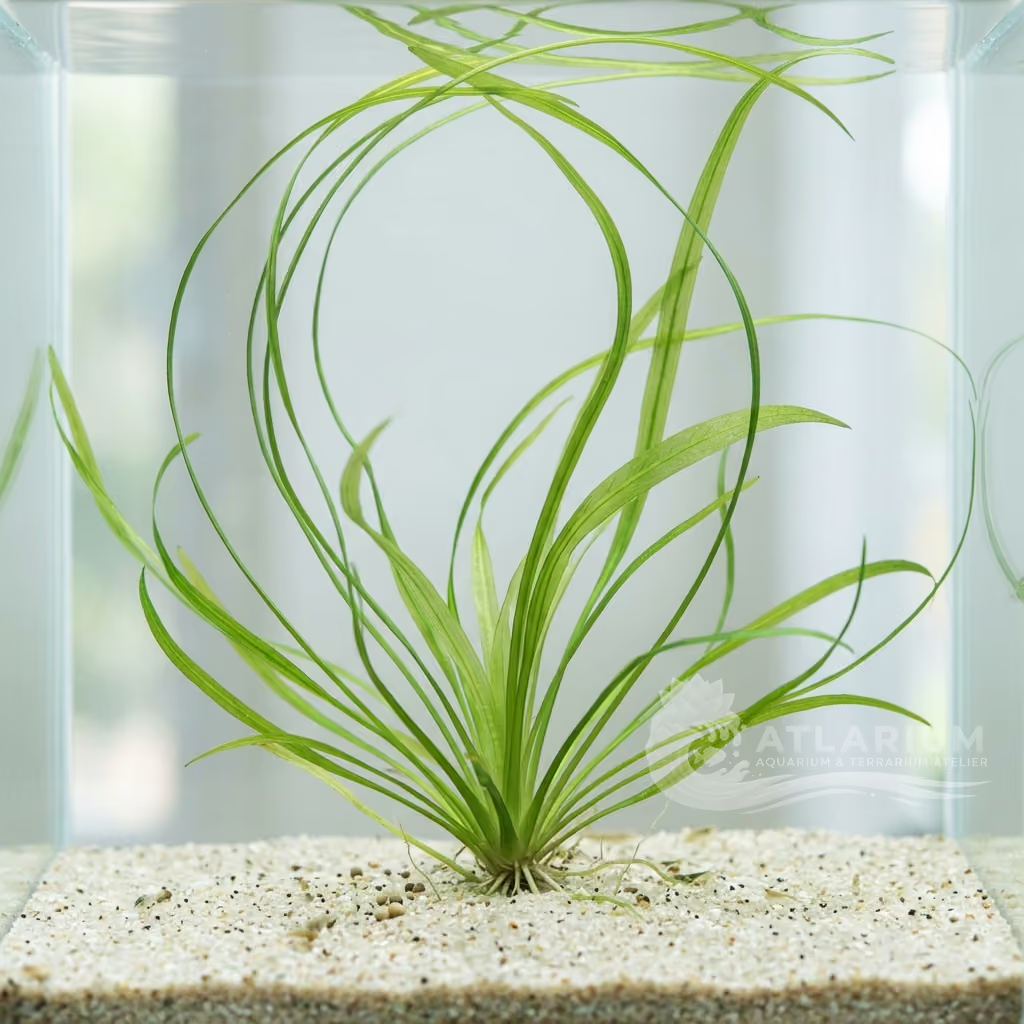
Echinodorus 'Bambi'
Echinodorus 'Bambi'
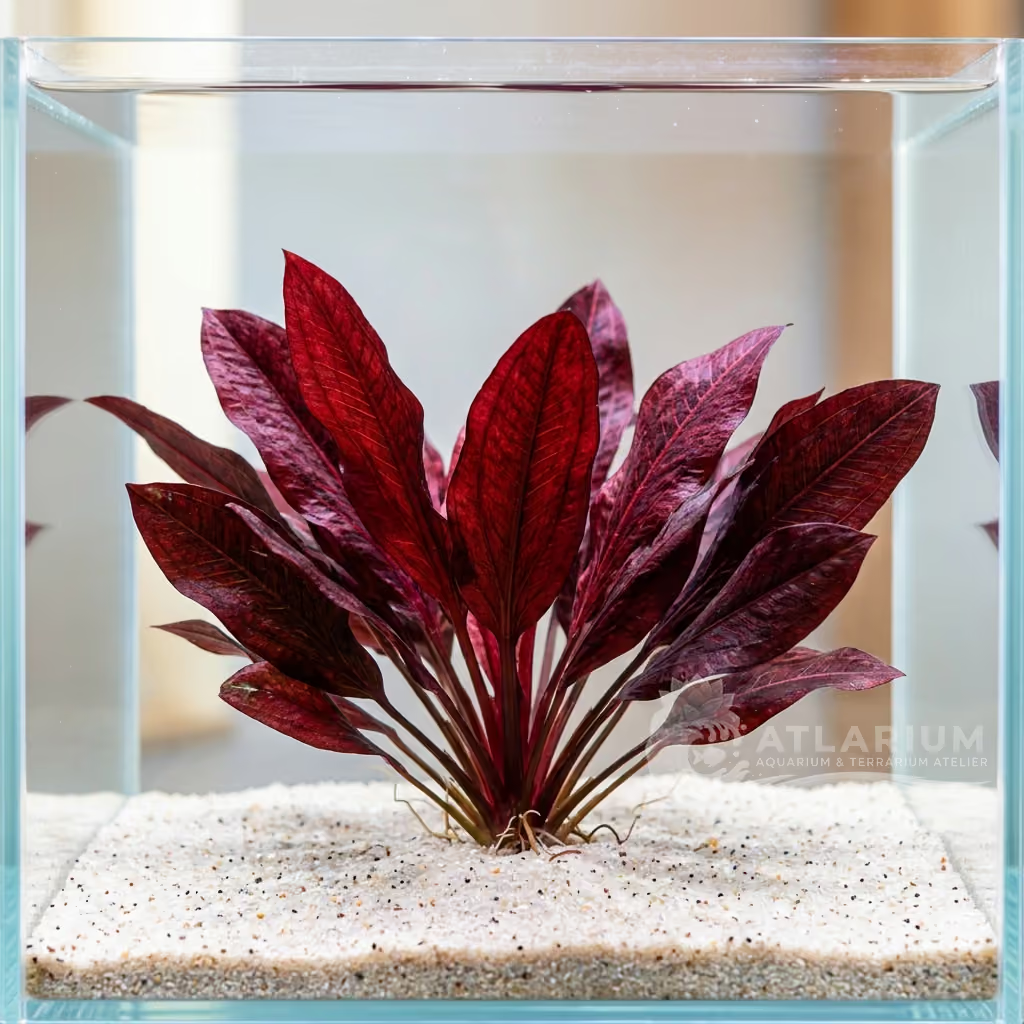
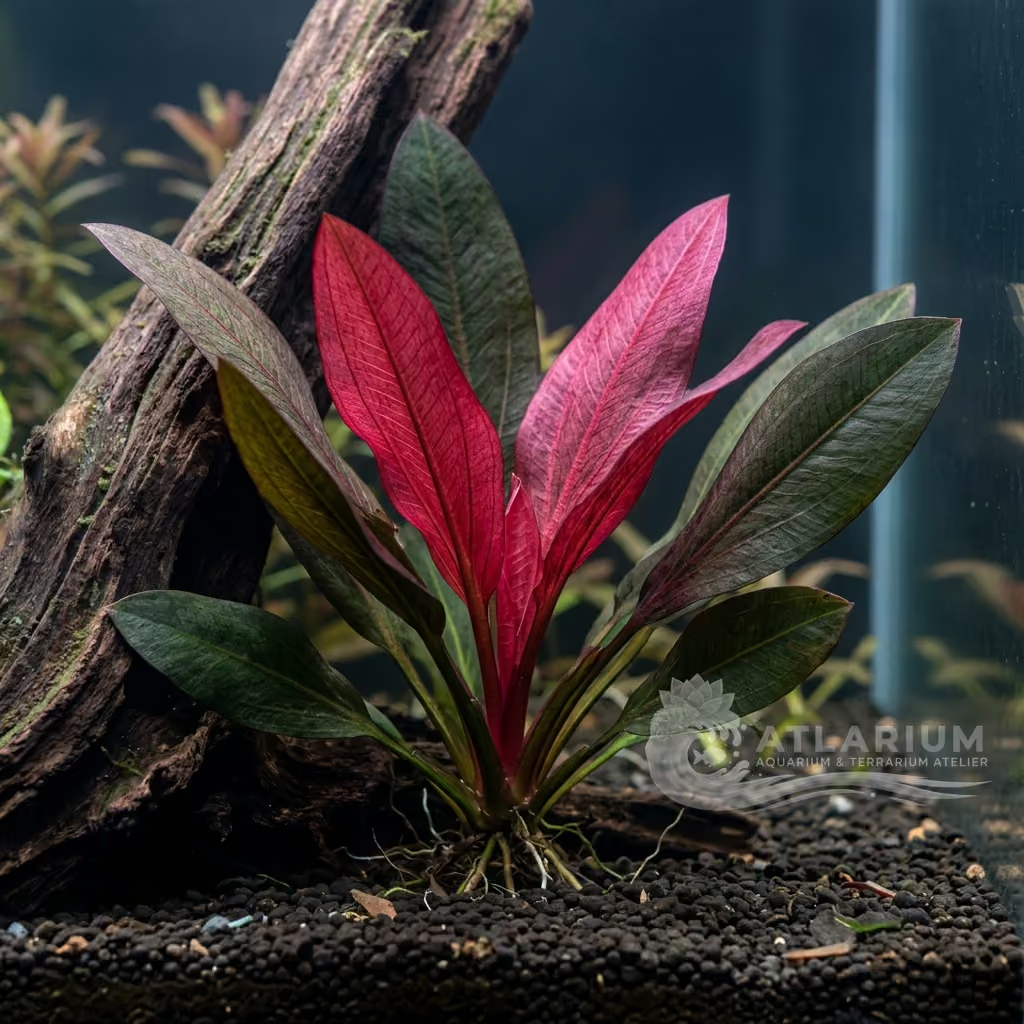
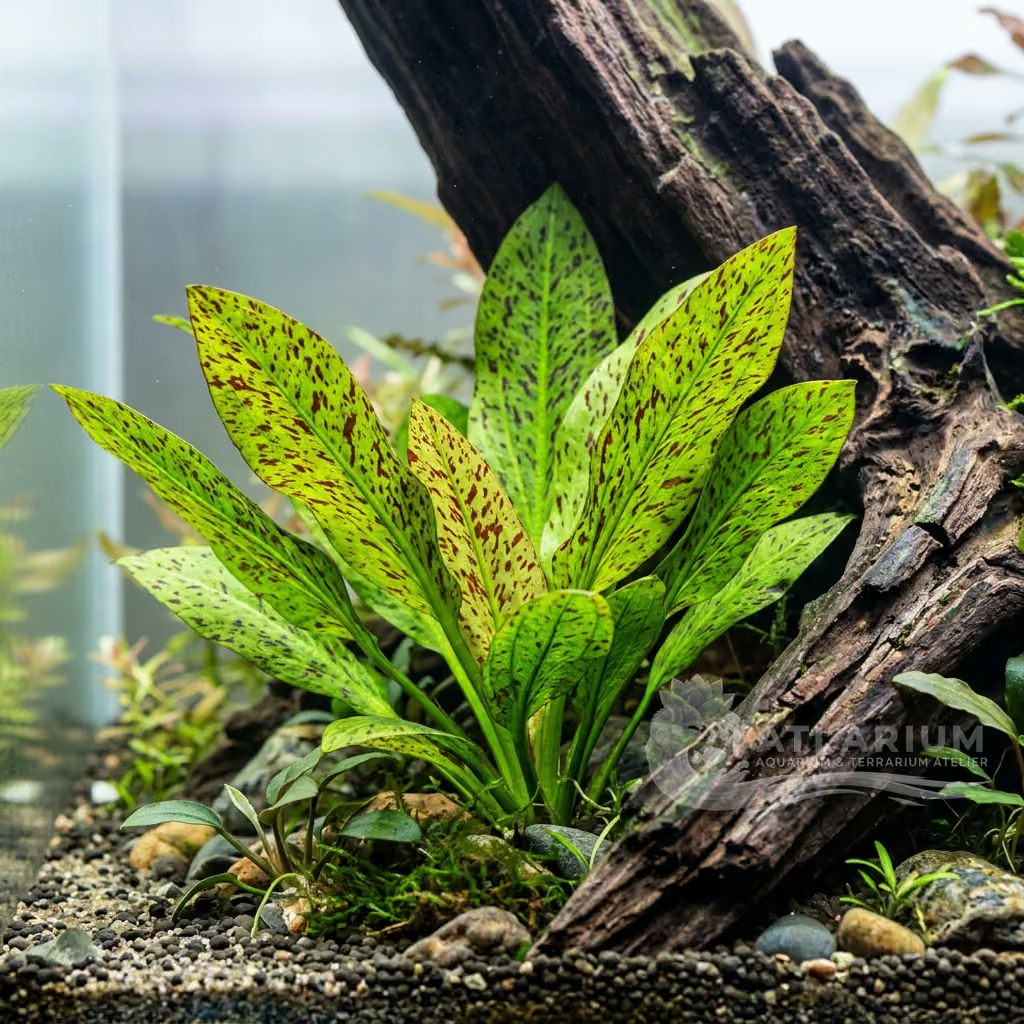
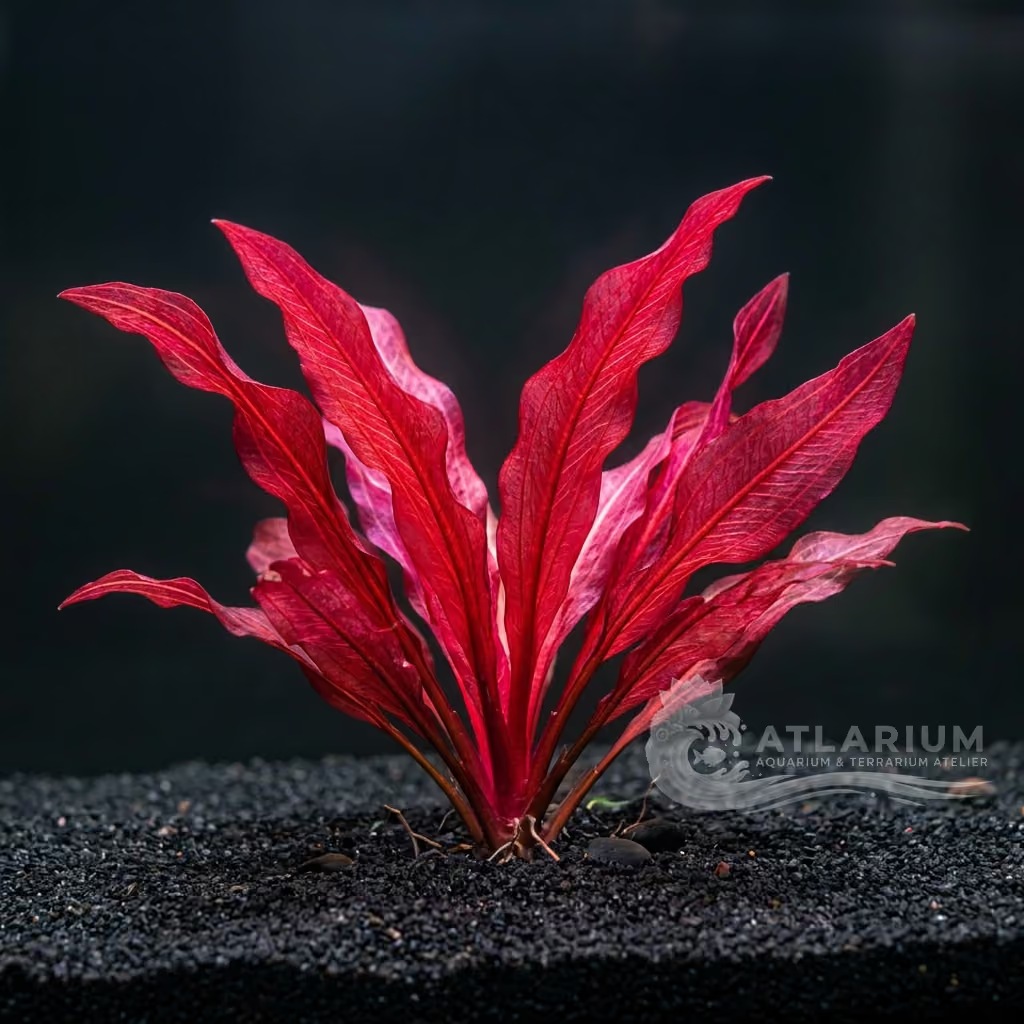
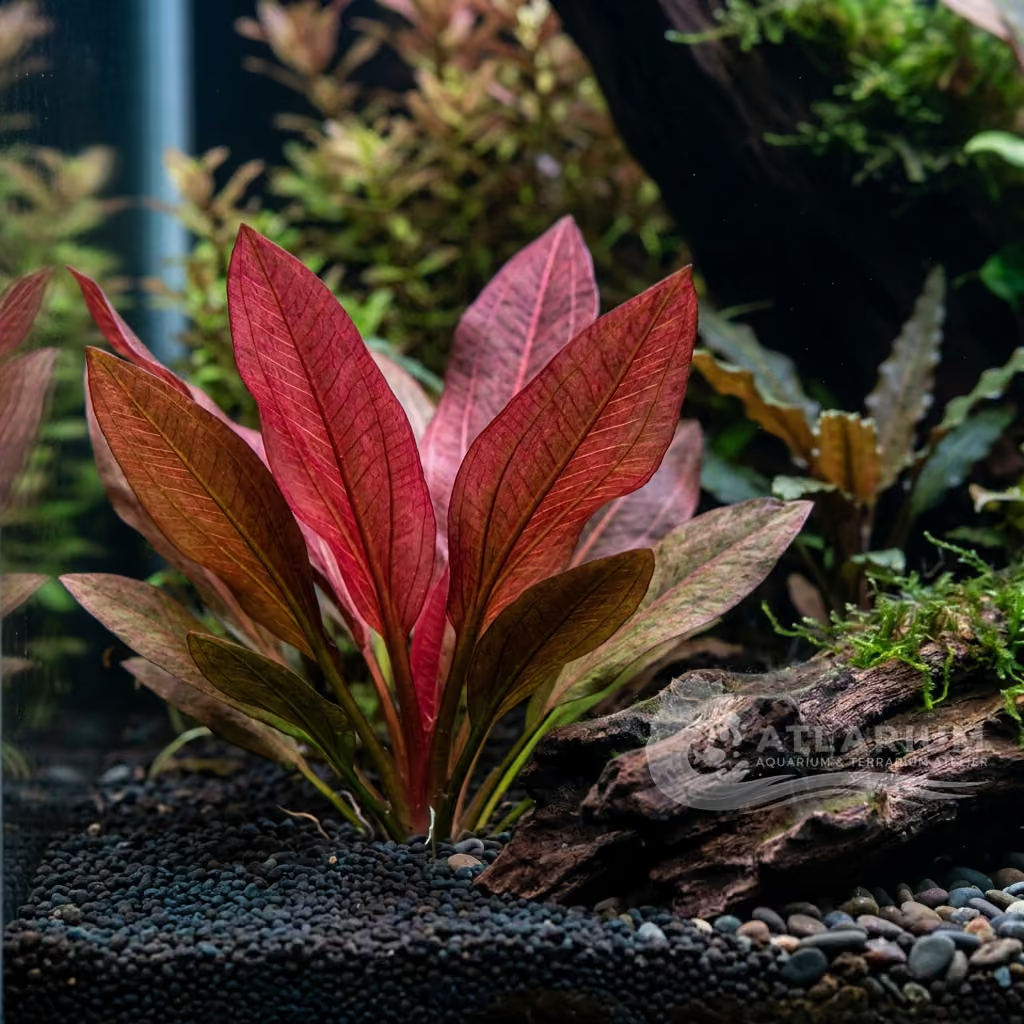
Echinodorus 'Bambi' is an exquisite mid-sized hybrid displaying rigid heart-shaped leaves that dramatically transition from brilliant reddish-bronze to deep green.
Water Temperature
20 - 28 °C
pH Value
6 - 8
Water type
Freshwater
Light
Medium
CO2
Low
Expected height
20 cm
Expected width
15 cm
GH
4 - 20 dGH
KH
0 - 21 dKH

Species description
Geographical Origin and Habitat: This uniquely structured plant does not exist in the wild. Echinodorus "Bambi" is a highly specialized, intensely stabilized commercial hybrid created specifically for the aquarium hobby. It was meticulously crossbred from wild South American Amazon Sword stock by legendary aquatic botanists, designed to solve the problem of standard swords rapidly outgrowing medium-sized aquariums. In the aquarium, it behaves precisely like its wild ancestors: acting as a deeply rooted, highly resilient amphibious rosette plant perfectly adapted to submerged conditions.
Taxonomy & Genetics: Scientifically classified within the Alismataceae family, "Bambi" is a highly prized, modern dwarf-to-medium cultivar. Taxonomically, it is an extremely complex hybrid. Genetically, it inherited the classic, indestructible survival traits and robust health of standard Amazon Swords, but its DNA completely suppresses the genetic markers that trigger massive, gigantism-like vertical growth. Furthermore, its genetics are programmed to produce distinctly rounded leaves with highly localized, intensely concentrated reddish-bronze anthocyanin pigments primarily across the new growth.
Physical Structure: The architectural structure of the "Bambi" sword is its absolute defining feature: it is deeply compact, profoundly robust, and highly structural. It is a rosette plant completely lacking vertical stems. The foundation is a thick, highly fleshy, tuberous subterranean rhizome that deploys an aggressive, deep-reaching white root system. The leaves emerge directly from the crown on distinct, stiff petioles. The foliage is strictly ovate to heart-shaped, exceptionally small to medium for a sword (15-20 cm), and incredibly rigid.
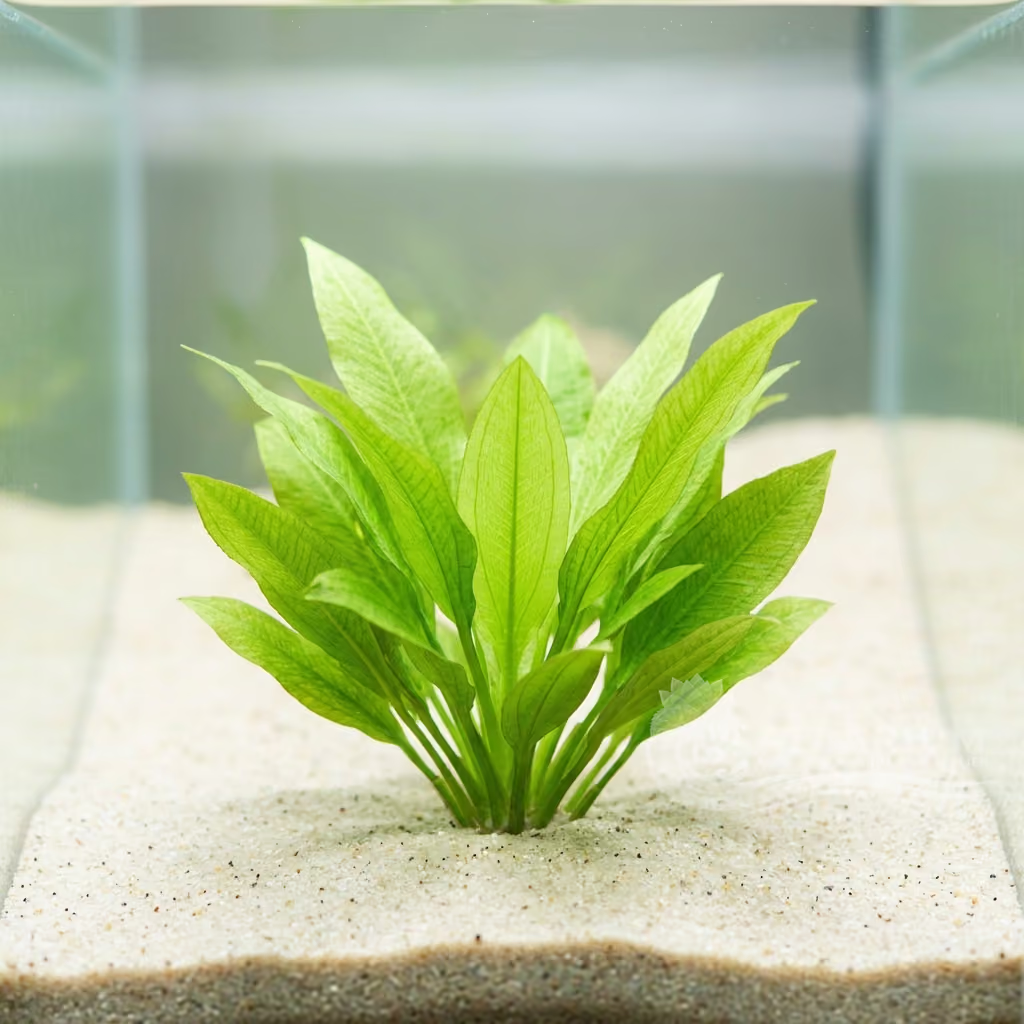
Color & Texture: The coloration is distinctly beautiful, sophisticated, and highly variable. Grown submerged under intense lighting, the newly emerging center leaves erupt as a brilliant, glowing reddish-bronze to deep copper. As the rigid leaves mature, they slowly transition outward to a solid, rich olive-green, creating a stunning bi-color visual effect within a single plant. The texture is notoriously tough, incredibly leathery, and perfectly smooth, lacking the heavy dimpling (bullate) texture of other red hybrids. It feels exactly like thick, rigid plastic.

Care, breeding and tankmates
Lighting & CO2: It is an incredibly resilient, highly adaptable hybrid perfectly suited for beginner, low-tech aquariums. It will effortlessly survive and maintain its rigid, compact shape in deeply shaded environments, though all of its leaves will revert to a solid, muddy green. To unlock the brilliant reddish-bronze color on its new growth and force the plant to remain tightly compact, medium to high LED lighting is absolutely mandatory. Pressurized CO2 is completely unnecessary for its survival, but drastically speeds up growth.
Nutrition & Substrate: As a highly specialized, medium-sized Amazon Sword hybrid, "Bambi" is an absolute, obligate root feeder. Its massive, fleshy root system strongly demands a mature, heavily nutrient-dense substrate (minimum 5 cm / 2 inches deep). It strongly prefers premium aquasoil or a mature gravel bed heavily enriched with iron and macro-nutrient root tabs directly beneath the tuber to fuel its bronze pigmentation. If planted in sterile, inert gravel without heavy root supplementation, it will instantly stunt, turn violently yellow, and melt.
Water Chemistry: Originating from highly stabilized nursery conditions, it is practically invincible regarding standard water parameters. It thrives effortlessly in heated tropical aquariums (22-28°C) and is exceptionally adaptable, comfortably tolerating both soft, acidic blackwater and rock-hard, highly alkaline tap water (pH 6.0 - 8.0). The single most critical environmental requirement is absolute chemical stability. It drastically prefers stable, unchanging parameters over perfectly optimized ones. It prefers moderate water flow to keep its rigid, smooth leaves clean.
Space Management & Placement: Due to its deliberately compact size (rarely exceeding 15-20 cm height), intensely rigid ovate leaves, and stunning bronze-to-green bi-coloration, "Bambi" is an elite, indestructible midground centerpiece for medium-sized aquariums (50-100 liters). It should be meticulously planted as a solitary structural anchor directly in front of taller background plants. Because it grows as a dense, disciplined rosette, it provides a perfectly organized focal point that will never overgrow the tank or aggressively shadow other plants.
Pruning: Pruning is a simple, surgical, and infrequent procedure due to its disciplined growth. Never attempt to trim a rigid leaf in half; the cut edge will instantly turn black, rot, and destroy the aesthetic. To prune dead, yellowing, or algae-covered older outer leaves, you must reach down to the absolute base of the woody rosette and cleanly snap or slice the stiff petiole directly at the crown. It rarely spreads via runners; instead, it forms a massive, impenetrable, single-crowned anchor.
Risks & Diseases: The absolute greatest threat to the "Bambi" sword is Green Spot Algae (GSA). Because the highly rigid, smooth leaves live for years and grow relatively slowly, they act as massive landing pads for devastating Green Spot Algae if phosphate levels drop or light is too intense without adequate CO2. Once GSA aggressively spots the tough leaves, it is physically impossible to clean off and ruins the bronze aesthetic. The second risk is nutrient starvation; if root tabs run out, it will cannibalize itself.

Geographic origin and distribution
This uniquely structured plant does not exist in the wild. Echinodorus "Bambi" is a highly specialized, intensely stabilized commercial hybrid created specifically for the aquarium hobby. It was meticulously crossbred from wild South American Amazon Sword stock by legendary aquatic botanists, designed to solve the problem of standard swords rapidly outgrowing medium-sized aquariums. In the aquarium, it behaves precisely like its wild ancestors: acting as a deeply rooted, highly resilient amphibious rosette plant perfectly adapted to submerged conditions.
Origin
Selective breeding and cultivars

Plant profile
- Placement
- Midground
- Echinodorus 'Bambi' is best utilized as a striking midground or background plant, depending on the size of the aquarium. Solitary placement makes it an excellent focal point or centerpiece in a planted layout. Its bold texture contrasts beautifully with fine-leaved stem plants and low-growing carpeting species. When planted in groups, leave enough distance between individual crowns to accommodate future growth.
- Botanical form
- Rosette
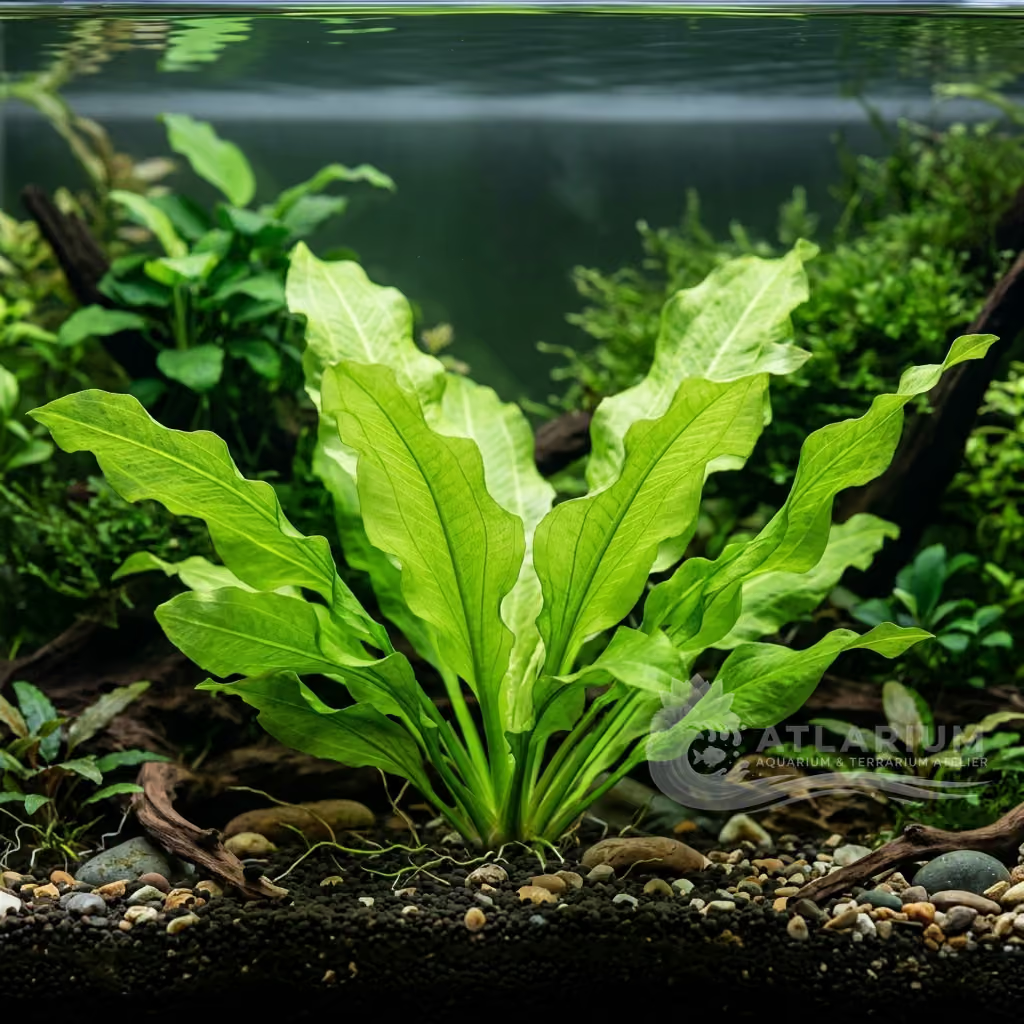
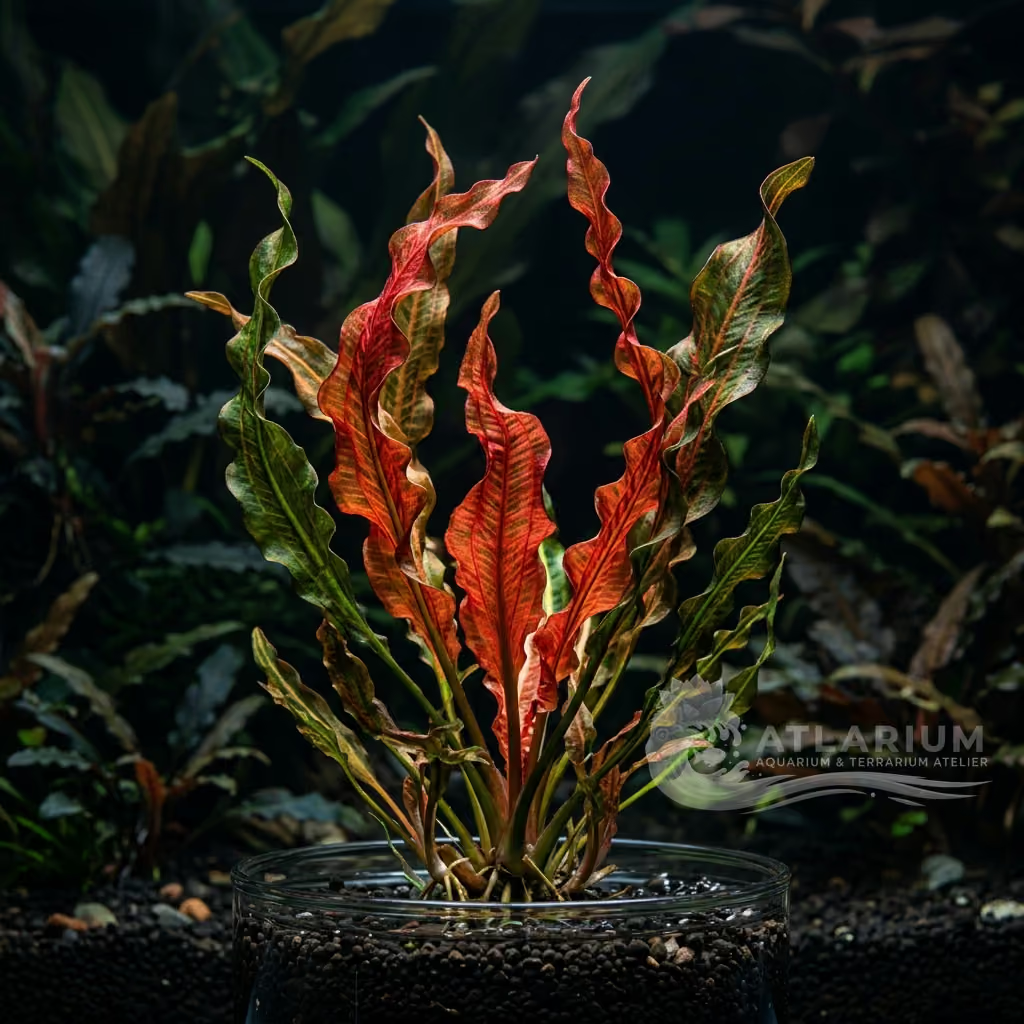
- Botanically, Echinodorus 'Bambi' typically exhibits a classic rosette form with leaves radiating from a central crown. The leaves are generally broad and gracefully shaped, held aloft on sturdy and resilient petioles. The overall architecture of the plant provides excellent hiding spots for shy fish and aquatic invertebrates. Depending on the exact lighting, the leaf margins may display slight undulations or varying degrees of coloration.
- Growth
- Fast
- The growth rate of Echinodorus 'Bambi' is generally moderate, but it can be accelerated under optimal conditions. Regularly trimming older, damaged, or algae-covered leaves encourages the plant to direct energy into fresh growth. Its growth may temporarily stall after transplanting while it focuses energy on establishing a new root system. Under lower light, the growth will be noticeably slower and the plant will remain more compact.
- Substrate
- High
- A nutrient-rich substrate is highly recommended for Echinodorus 'Bambi' as it is a heavy root-feeder. Using a commercial aquasoil or a well-prepared dirted tank approach provides an excellent foundation. A deep substrate bed of at least 2-3 inches allows for proper and extensive root development. The dense root system will quickly spread through the substrate, stabilizing it and absorbing deposited organics.
- Column fertilization
- Recommended
- While primarily a root feeder, Echinodorus 'Bambi' benefits significantly from supplemental water column fertilization. Liquid fertilization serves as an excellent complement to a nutrient-rich substrate, promoting peak health. It is important to avoid over-dosing nitrogen in the water column to prevent excessive algae growth on the leaves. Iron and trace elements are particularly easily absorbed directly through the expansive leaf surfaces.
- Root fertilization
- Required
- Root tabs are absolutely essential if Echinodorus 'Bambi' is kept in an inert or depleted substrate. Even when grown in premium aquasoils, supplemental root fertilization may become necessary as the tank matures. The expansive root system is incredibly efficient at seeking out and absorbing localized pockets of nutrients. Providing heavy root fertilization allows the aquarist to keep the water column leaner, discouraging algae.
- Trimming
- Occasional
- Trimming Echinodorus 'Bambi' is straightforward and involves pruning only the outermost, oldest leaves. Use sharp aquascaping scissors to cut the petiole as close to the crown as possible without damaging the center. Avoid snipping leaves in half, as the remaining portion will simply rot. Consistent pruning maintains a clean appearance and encourages the continuous emergence of new central shoots.
- Propagation
- Rhizome division
- Propagation of Echinodorus 'Bambi' is most commonly achieved through adventitious plantlets that form on flowering stalks. Alternatively, healthy and mature crowns can sometimes be carefully divided using a sharp blade. Crown division requires careful handling to avoid excessive damage to the delicate central meristem. If grown emersed, the plant may also produce viable seeds that can be germinated in moist soil.
- Sensitivity
- Moderate
- Overall, Echinodorus 'Bambi' is quite hardy, but it can be sensitive to sudden, drastic shifts in water parameters. It may experience a period of melting when transitioning from emersed to submersed growth. During this acclimation phase, it is vital to keep water conditions stable and avoid uprooting the plant. It is also susceptible to spot algae if lighting is too intense without adequate CO2.
- Layout role
- Midground, Background
- In an aquascape, Echinodorus 'Bambi' serves as a magnificent structural anchor or centerpiece. Its substantial leaf mass provides a bold texture that breaks up monotonous areas of fine foliage. It is highly valued in various layout styles for its dominant presence. When positioned correctly, it naturally draws the viewer's eye and adds a sense of maturity to the tank.

Image gallery
Licensed images linked to the species or, when marked, to the closest representative taxon.

Related species
Recommendations grouped by close relatives, companion choices, and similar care.