Echinodorus 'Aflame'
Echinodorus 'Aflame'
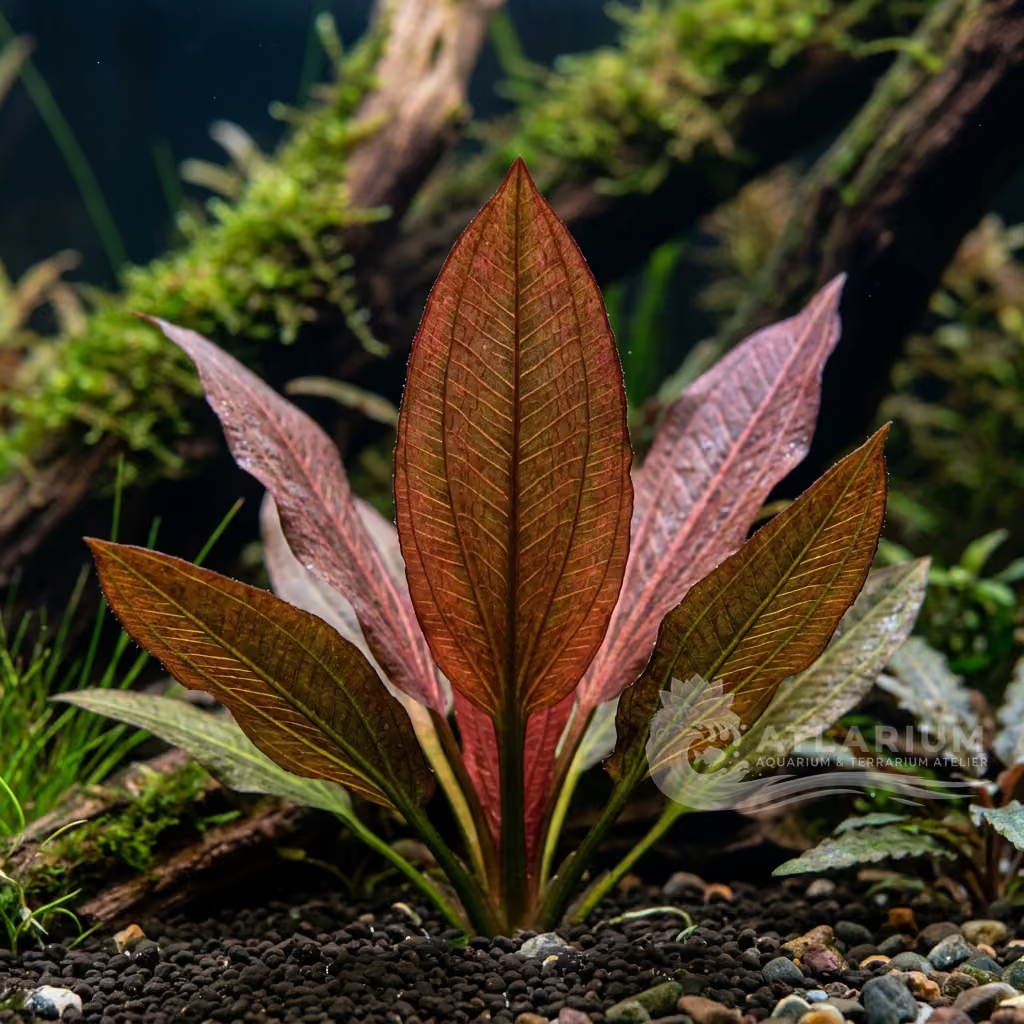
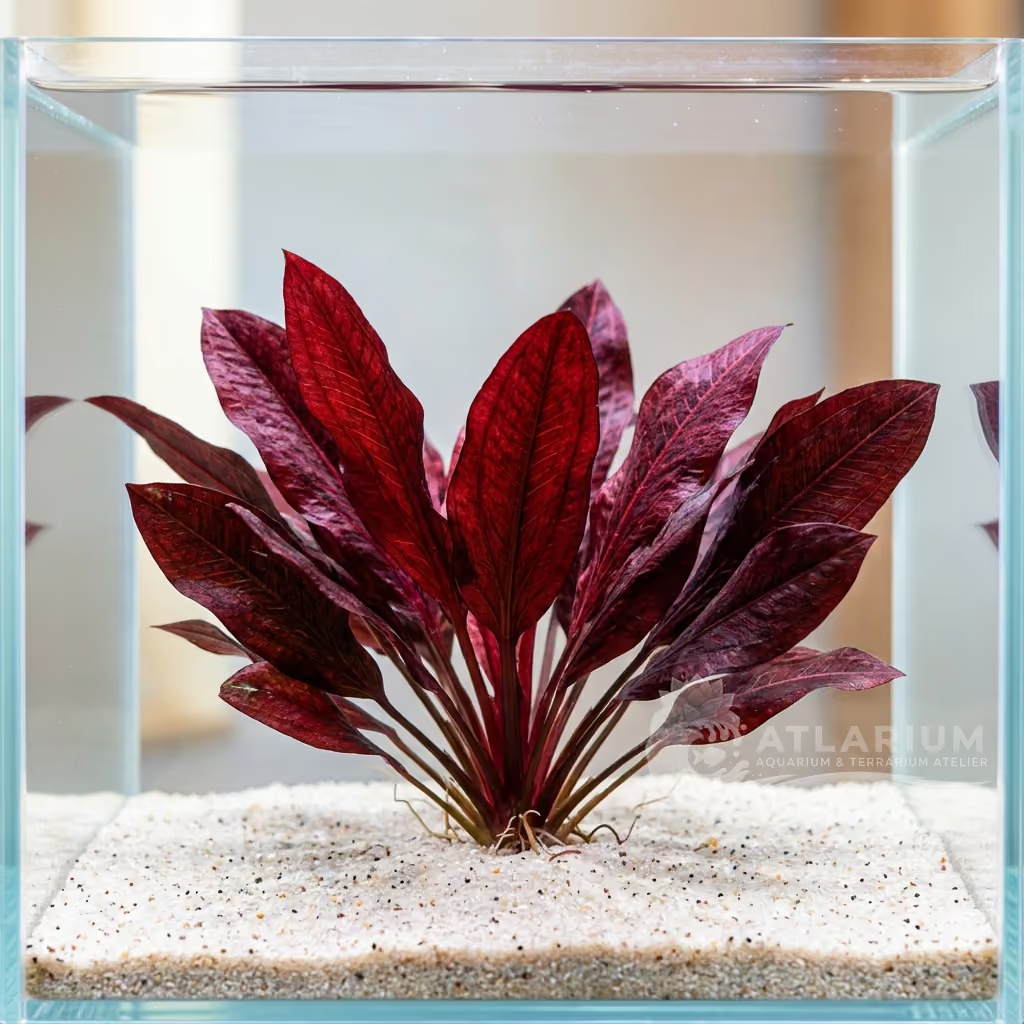
Echinodorus 'Aflame' is a mesmerizing, highly exclusive cultivar. Its heavily undulated leaves radiate a deep, striking purple to nearly black color, creating the ultimate rare midground contrast.
Water Temperature
15 - 30 °C
pH Value
5 - 7
Water type
Freshwater
Light
Medium to High
CO2
Low - High
Expected height
20 cm
Expected width
18 cm
KH
0 - 21 dKH

Species description
Geographical Origin and Habitat: This exceptional plant is a cultivar developed entirely in cultivation in Asian laboratories and nurseries. There is no wild population of Echinodorus 'Aflame' in nature. The parent species from which it is derived belong to the river basins of South America, where they grow in tropical streams that are shaded or partially exposed to the sun.
Taxonomy & Genetics: It is a patented hybrid belonging to the family Alismataceae. Its unique dark
Color & Texture: ation is derived from induced mutations or selective breeding for red pigments and anthocyanins. Due to its hybrid and highly selected nature, commercial propagation is primarily carried out via tissue culture (micropropagation) to ensure color stability.
Physical Structure: Develops a compact and dense rosette. The leaves are slightly curled or wavy along the margins, with medium-length petioles. The overall height of the plant ranges between 15 and 25 cm, making it significantly smaller and more manageable than many other giant background Echinodorus.
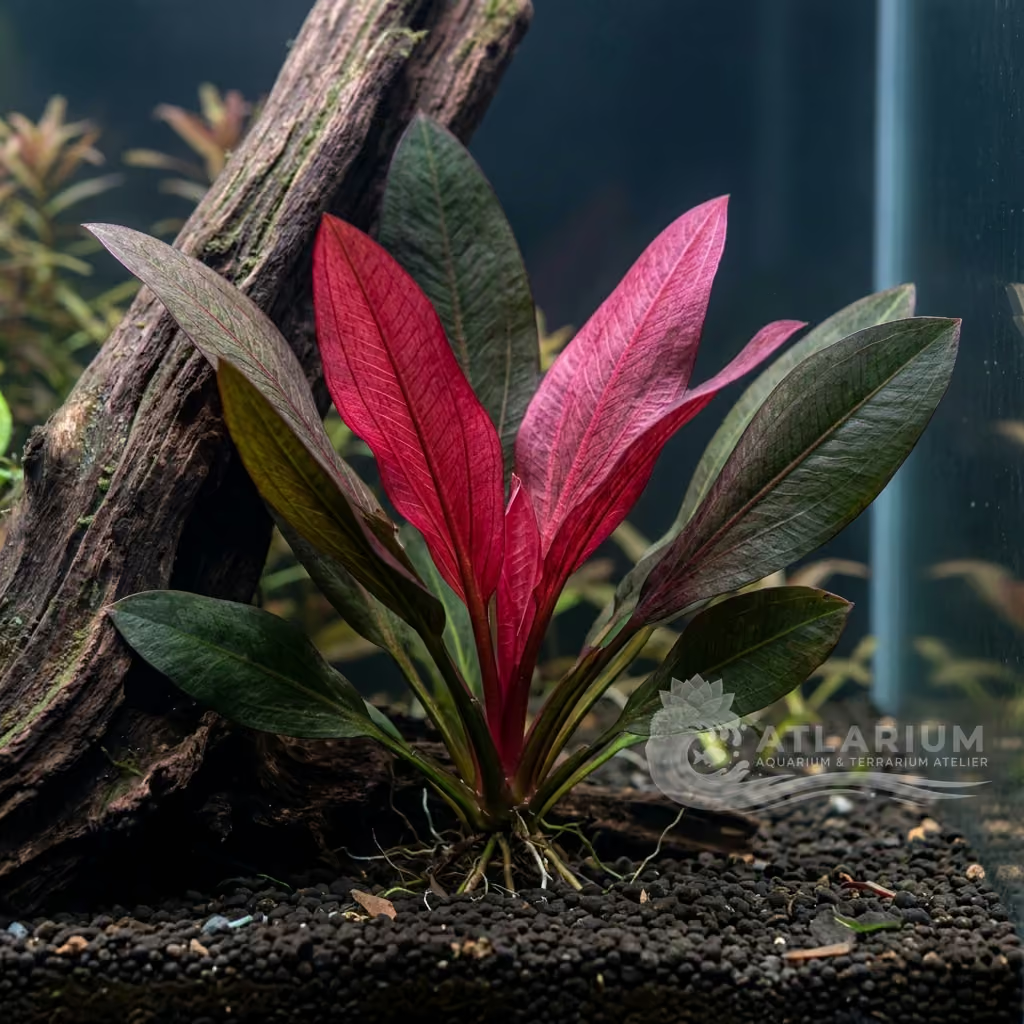
Color & Texture: It is famous for its unique coloration, which ranges from dark purple, to deep wine red, to almost black. The young leaves are intensely purplish and maintain this coloration under proper illumination. The leaves have a leathery and rigid texture, with prominent veins of a slightly contrasting color.

Care, breeding and tankmates
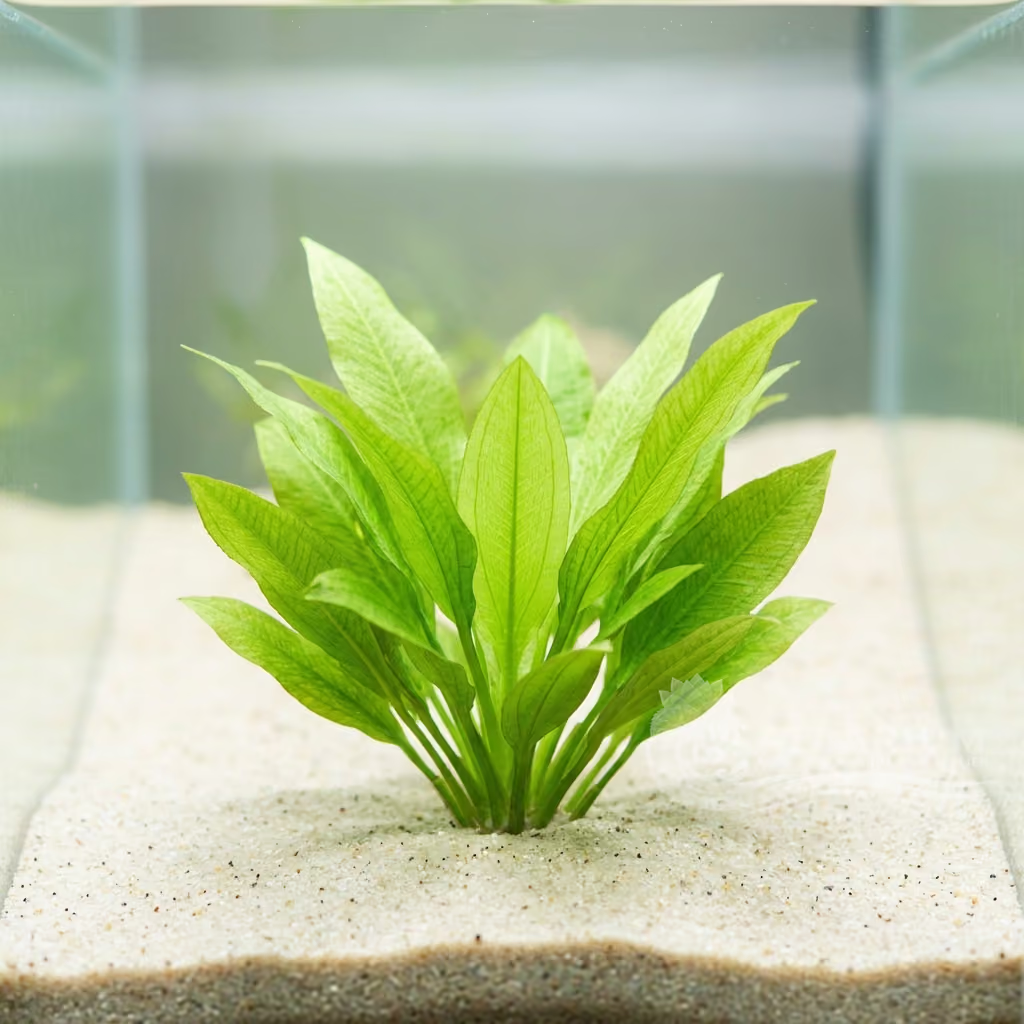
Lighting & CO2: Requires very intense lighting. Without strong light, the new leaves lose their purple color and tend to become olive-green or brownish. CO2 injection is highly recommended to stimulate growth, which is notoriously slower in this cultivar compared to other plants in the genus.
Nutrition & Substrate: Demands a rich and porous substrate. Iron is the key element: to maintain the red and purple coloration, it is essential to regularly insert chelated iron fertilizer tabs into the substrate. Liquid
Water Chemistry: Tolerates temperatures between 15°C and 30°C, but the best growth is achieved between 22°C and 26°C. The ideal pH is acidic to neutral (5.0 - 7.0), and it prefers low to medium water hardness.
Space Management & Placement: Its perfect placement is in the midground of the aquarium. Being a slow-growing plant with a very dark color, it should be placed in a clearly visible spot, preferably flanked by light green plants to create an exceptional visual contrast.
Pruning: Pruning consists of the periodic removal of older or yellowing leaves from the periphery of the rosette. Cut the leaves close to the rhizome using delicate scissors and avoiding tears that could damage the main root.
Risks & Diseases: In addition to losing its dark color under insufficient lighting, it is sensitive to nutrient deficiencies, which manifest as small, fragile leaves. Its slow growth rate makes it vulnerable to the proliferation of green spot algae or black beard algae on older leaves.

Geographic origin and distribution
This exceptional plant is a cultivar developed entirely in cultivation in Asian laboratories and nurseries. There is no wild population of Echinodorus 'Aflame' in nature. The parent species from which it is derived belong to the river basins of South America, where they grow in tropical streams that are shaded or partially exposed to the sun.
Origin
Selective breeding and cultivars

Plant profile
- Placement
- Midground
- With its dramatic, dark foliage, it makes a breathtaking focal point in the midground or background of the aquarium. It requires plenty of unobstructed space, as shading will cause it to lose its intense red colors and turn green. It contrasts beautifully against light green plants.
- Botanical form
- Rosette
- The leaves are broad, slightly ruffled, and exhibit an incredibly dark, almost blackish-purple or deep burgundy color. In submerged form, the foliage is striking and unique among aquarium plants. It forms a large, imposing rosette that commands attention.
- Growth
- Medium
- It grows at a slow to moderate rate, much slower than typical green Echinodorus species. It focuses heavily on root development before pushing out its large, colorful leaves. Its growth rate improves significantly under high light and CO2 conditions.
- Substrate
- High
- A rich, deep substrate is absolutely vital for the success of Echinodorus 'Aflame'. It possesses a massive, nutrient-hungry root system that quickly depletes inert gravel. Using a high-quality active aquasoil, heavily supplemented with root tabs, is the best approach.
- Column fertilization
- Recommended
- While it is primarily a root feeder, supplemental liquid fertilization is necessary to provide micronutrients directly to the leaves. Iron dosing in the water column is particularly important for maintaining its "aflame" coloration. Avoid extreme nitrate levels to keep the reds dominant over greens.
- Root fertilization
- Required
- Heavy root fertilization is the key to successfully keeping this plant. Large, nutrient-dense root capsules must be pushed deep into the substrate near its base regularly. A lack of root nutrients will result in pale, stunted leaves and eventual decline.
- Trimming
- Occasional
- Trimming is usually limited to removing older, fading, or algae-covered leaves from the outer edge of the rosette. Cut the leaves as close to the base as possible to prevent rotting stems. Because of its slow growth, avoid pruning healthy leaves, as it takes time for the plant to replace them. Regular maintenance keeps the plant looking tidy and focuses its energy on new growth.
- Propagation
- Division
- Propagation is typically achieved when the mature plant produces an adventitious shoot or flowering stalk that reaches for the surface. Small plantlets will develop at the nodes along this stalk. Once these plantlets grow their own root systems, they can be carefully detached and replanted.
- Sensitivity
- Moderate
- This plant is quite sensitive to shading; if it does not receive enough light, its growth will stall, and its colors will fade drastically. It may also struggle if uprooted frequently, as it dislikes having its extensive root system disturbed. Ensure stable water parameters and avoid extreme fluctuations in pH or temperature. It is relatively resistant to algae if kept healthy and growing actively.
- Layout role
- Midground
- Echinodorus 'Aflame' serves as a spectacular focal point in the aquascape, drawing the eye with its deep red hues. It contrasts beautifully against bright green background stem plants or light-colored hardscape. Its compact size makes it suitable for creating visual depth in the midground. It is highly valued in Dutch-style and nature aquariums for its unique color palette.

Related species
Recommendations grouped by close relatives, companion choices, and similar care.