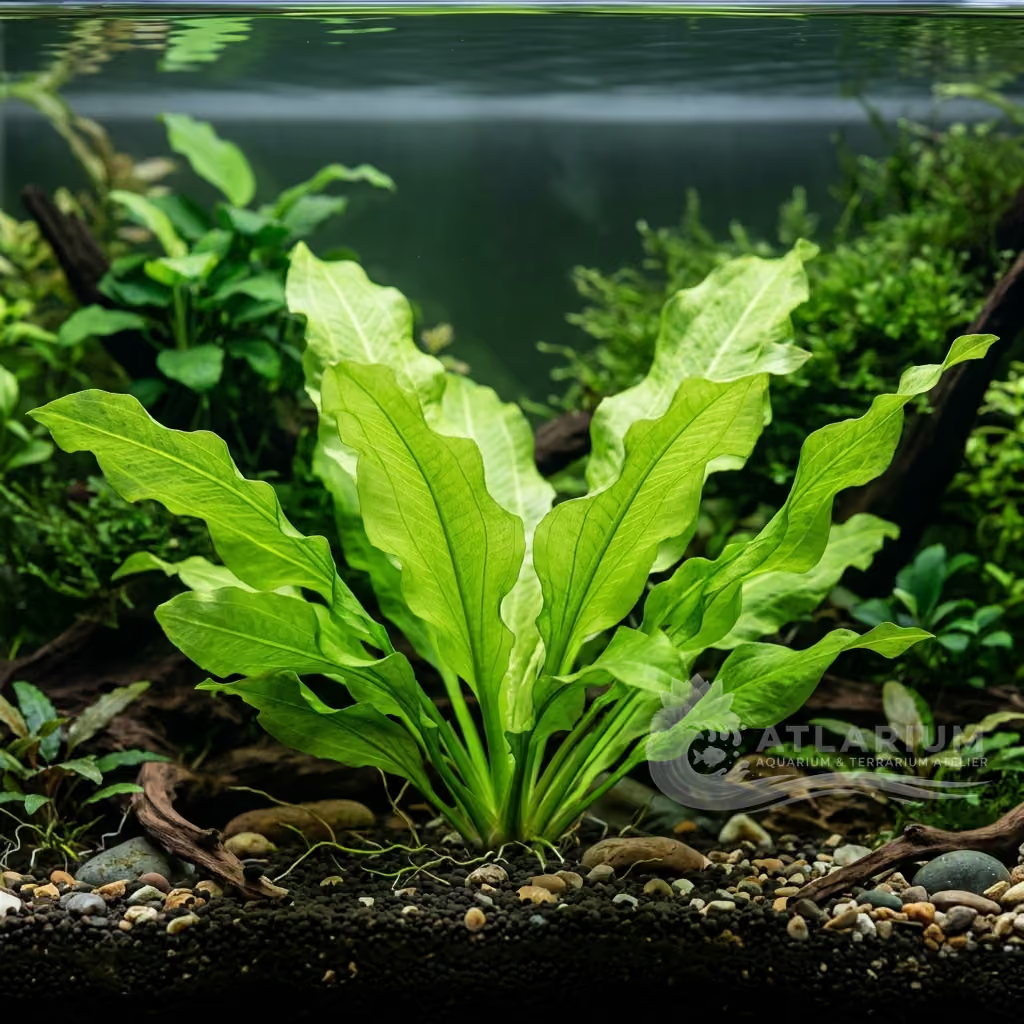
Echinodorus 'Aquartica'
Echinodorus 'Aquartica'
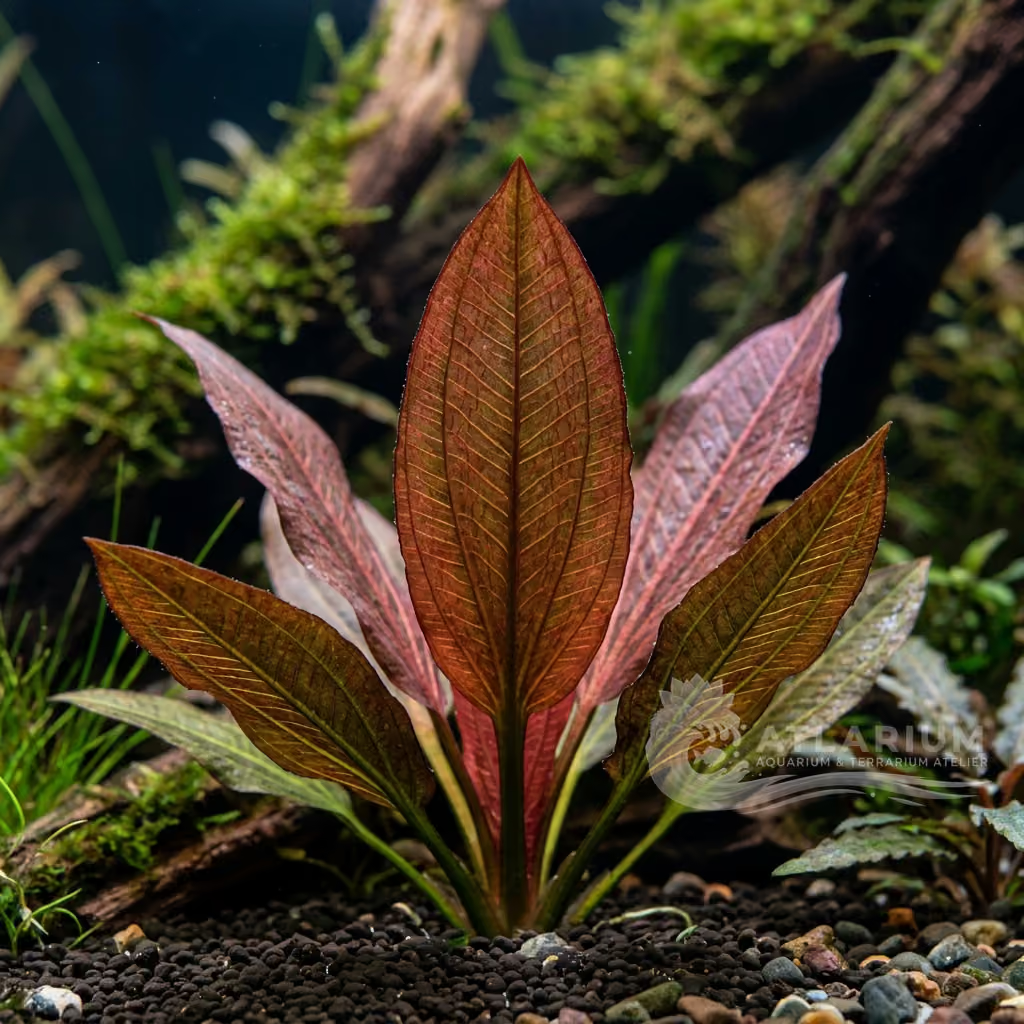
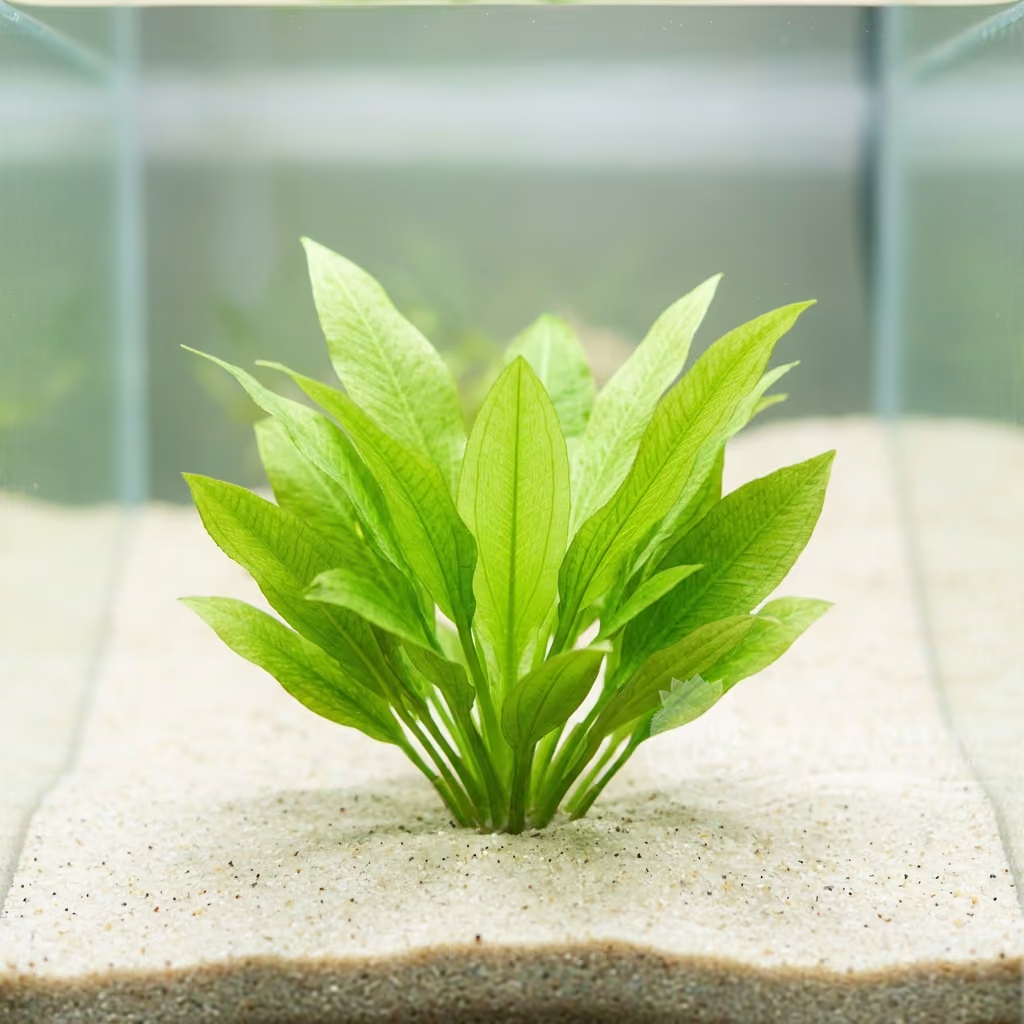
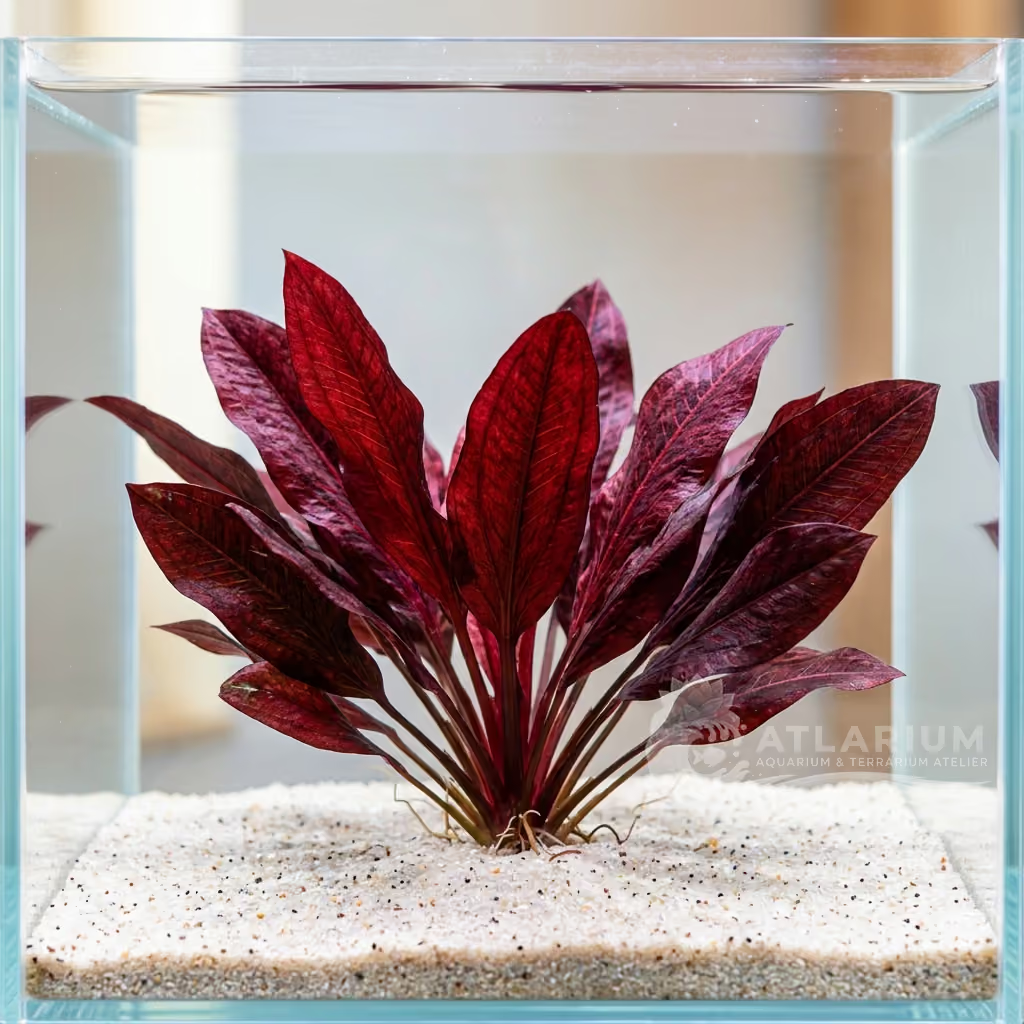
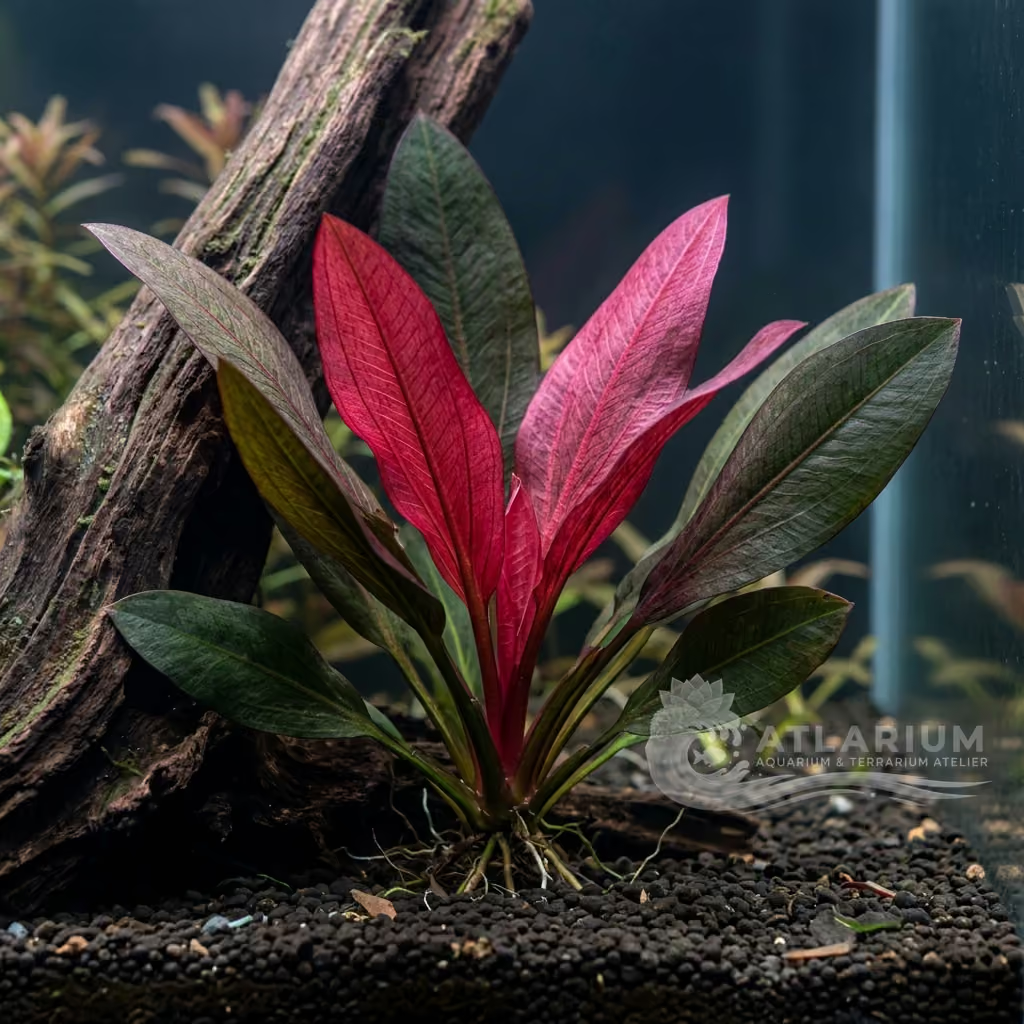
Echinodorus 'Aquartica' is a stunning, slow-growing compact cultivar. Showcasing vibrant, round bright green leaves, it naturally forms a low, pristine rosette perfect for midground placement.
Water Temperature
15 - 30 °C
pH Value
5 - 7
Water type
Freshwater
Light
Medium to High
CO2
Low - High
Expected height
23 cm
KH
0 - 21 dKH

Species description
Geographical Origin and Habitat: This Echinodorus cultivar, known as 'Aquartica', is a horticultural variety created in cultivation and is not found in the wild. The genus Echinodorus is primarily native to the tropical and subtropical regions of the Americas, where wild species grow in marshy environments along the margins of rivers, lakes, and temporarily flooded areas. 'Aquartica' was selected for its robustness and compact growth habit, adapting well to both submerged and emersed conditions.
Taxonomy & Genetics: It belongs to the family Alismataceae and is the result of hybrid selection within the genus Echinodorus. Its genetics have been stabilized to maintain wide, rounded leaves and a relatively compact size compared to other giant members of the genus. As a commercial hybrid, its propagation is primarily vegetative to preserve its unique genetic characteristics.
Physical Structure: It features a classic rosette structure with leaves developing from a short, robust central rhizome. The leaves have a distinctly ovoid or almost round shape, with short petioles that help keep the plant compact and upright. Its maximum height rarely exceeds 20-25 cm, making it ideal for medium-sized aquariums.
Color & Texture: The leaves display a bright, uniform green coloration, lacking the red speckles or variegation typical of other hybrids. The leaf texture is thick and leathery, with clearly visible longitudinal veins running from the base to the apex. Under intense lighting, the green can take on golden or slightly lighter reflections on new leaves.

Care, breeding and tankmates
Lighting & CO2: Requires medium to high lighting to maintain its compact shape and prevent the petioles from stretching. Although it can survive without carbon dioxide injection, CO2 supplementation significantly accelerates growth and promotes a healthy root system.
Nutrition & Substrate: Like all Echinodorus, it is a heavy root feeder and requires a nutrient-rich substrate. The use of a fertile soil or the regular insertion of root tabs containing iron and microelements near the roots is highly recommended.
Water Chemistry: Tolerates a wide range of water parameters, making it a very versatile plant. It prefers temperatures between 15°C and 30°C, with a slightly acidic to neutral pH (5.0 - 7.0) and a carbon hardness (KH) from very low to medium.
Space Management & Placement: Its ideal placement is in the midground of the aquarium, where it can serve as a focal point without blocking the view of the background. Due to its compact rosette shape, it should be positioned with enough surrounding space to prevent it from shading low-growing plants.
Pruning: Pruning consists mainly of removing older, damaged, or yellowing outer leaves by cutting them near the base of the rosette. This operation stimulates the plant to produce new central leaves and prevents the decay of the rosette's appearance.
Risks & Diseases: It is a robust plant but can suffer from iron deficiencies, which manifest as chlorosis (yellowing or transparency of new leaves). In addition, its thick leaves can be prone to colonization by green spot algae if the nutrient or lighting balance is incorrect.

Geographic origin and distribution
This Echinodorus cultivar, known as 'Aquartica', is a horticultural variety created in cultivation and is not found in the wild. The genus Echinodorus is primarily native to the tropical and subtropical regions of the Americas, where wild species grow in marshy environments along the margins of rivers, lakes, and temporarily flooded areas. 'Aquartica' was selected for its robustness and compact growth habit, adapting well to both submerged and emersed conditions.
Origin
Selective breeding and cultivars

Plant profile
- Placement
- Midground
- Echinodorus 'Aquartica' is best utilized as a striking midground or background plant, depending on the size of the aquarium. Its bold texture contrasts beautifully with fine-leaved stem plants and low-growing carpeting species. Solitary placement makes it an excellent focal point or centerpiece in a planted layout. When planted in groups, leave enough distance between individual crowns to accommodate future growth.
- Botanical form
- Rosette
- Botanically, Echinodorus 'Aquartica' typically exhibits a classic rosette form with leaves radiating from a central crown. The leaves are generally broad and gracefully shaped, held aloft on sturdy and resilient petioles. Depending on the exact lighting, the leaf margins may display slight undulations or varying degrees of coloration. A strong, extensive root system firmly anchors the plant in the substrate and supports its large canopy.
- Growth
- Slow
- The growth rate of Echinodorus 'Aquartica' is generally moderate, but it can be accelerated under optimal conditions. Once fully established, it can send out runners or reliably produce several new leaves every week. Its growth may temporarily stall after transplanting while it focuses energy on establishing a new root system. High intensity lighting and the addition of CO2 injection will significantly boost the production of new leaves.
- Substrate
- High
- A nutrient-rich substrate is highly recommended for Echinodorus 'Aquartica' as it is a heavy root-feeder. Using a commercial aquasoil or a well-prepared dirted tank approach provides an excellent foundation. If planted in inert gravel or sand, root tabs must be inserted deep near the base to supply essential minerals. Compacted substrates should be avoided as they can stifle root growth and lead to anaerobic conditions.
- Column fertilization
- Recommended
- While primarily a root feeder, Echinodorus 'Aquartica' benefits significantly from supplemental water column fertilization. Liquid fertilization serves as an excellent complement to a nutrient-rich substrate, promoting peak health. Consistent water column dosing helps to quickly correct any minor nutrient deficiencies before they cause damage. It is important to avoid over-dosing nitrogen in the water column to prevent excessive algae growth on the leaves.
- Root fertilization
- Required
- Root tabs are absolutely essential if Echinodorus 'Aquartica' is kept in an inert or depleted substrate. The expansive root system is incredibly efficient at seeking out and absorbing localized pockets of nutrients. Robust root feeding invariably leads to significantly larger, more vibrant leaves and a thicker, healthier crown. Capsules or tablets should be placed deeply around the root zone every few months to replenish exhausted nutrients.
- Trimming
- Occasional
- Trimming is rarely needed due to its compact nature. When older, outermost leaves begin to yellow or become covered in algae, simply snip the petiole as close to the crown as possible. Avoid pulling the leaves, as this can uproot the entire plant or damage the crown. Keeping it trimmed of dying leaves encourages fresh growth from the center.
- Propagation
- Division
- Propagation of Echinodorus 'Aquartica' is most commonly achieved through adventitious plantlets that form on flowering stalks. If grown emersed, the plant may also produce viable seeds that can be germinated in moist soil. Crown division requires careful handling to avoid excessive damage to the delicate central meristem. Once these daughter plantlets develop their own distinct roots and a few leaves, they can be carefully detached.
- Sensitivity
- Moderate
- It is a very hardy plant that tolerates a wide range of water parameters, making it ideal for beginners. It is, however, somewhat sensitive to being shaded; if placed under taller plants, it will stretch upward and lose its compact, round form. It does not require CO2 injection, though it will grow denser with it. It is rarely bothered by herbivorous fish.
- Layout role
- Midground
- Echinodorus 'Aquartica' is an excellent focal point for the midground, especially in smaller aquariums where traditional swords would be too large. Its round, bright green leaves provide a fantastic contrast to both red plants and grassy foregrounds. It softens the hard edges of rocks or driftwood beautifully. Its neat, contained growth habit makes it a favorite for tidy layouts.

Related species
Recommendations grouped by close relatives, companion choices, and similar care.