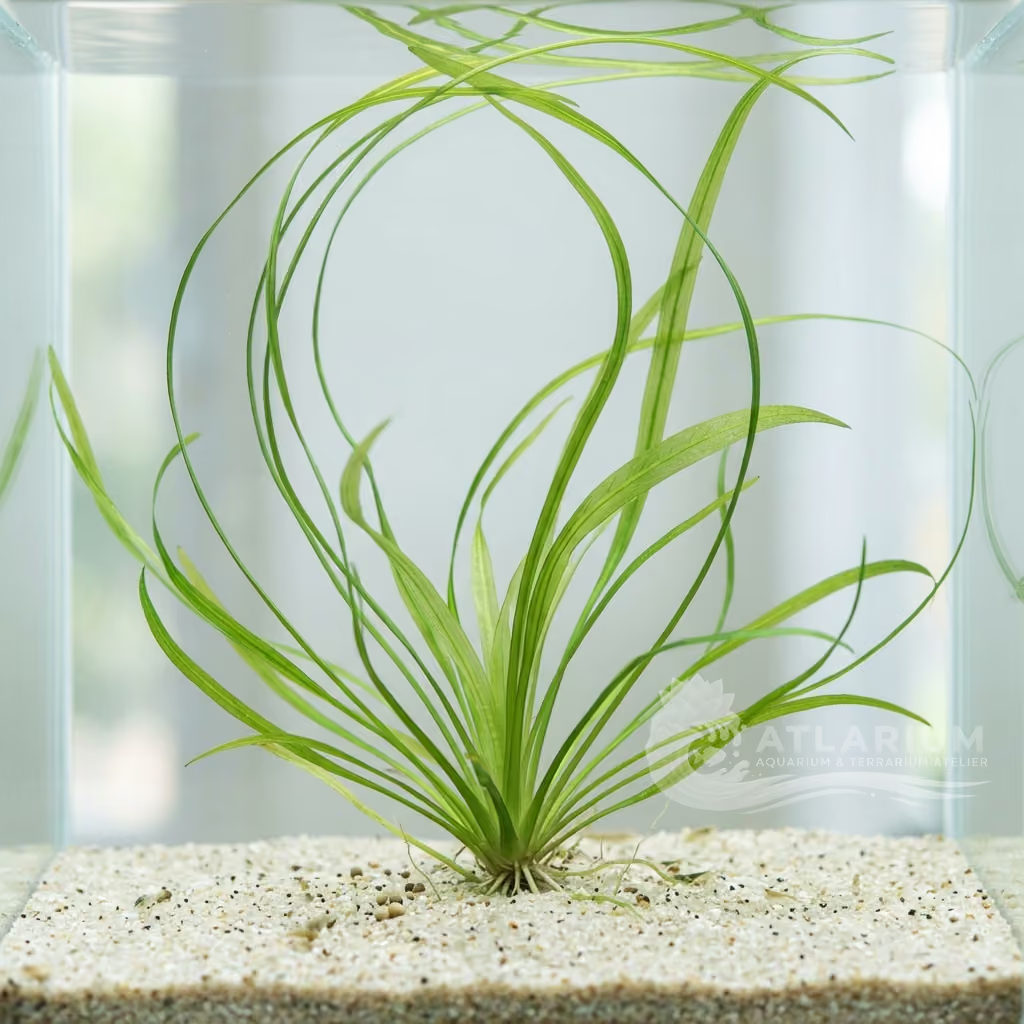
Echinodorus 'Apart'
Echinodorus 'Apart'
Echinodorus 'Apart' is an exceptionally unique and highly rigid hybrid. Its extremely stiff, thick dark green leaves grow at an angle, making it an indestructible centerpiece for low-tech tanks.
Water Temperature
20 - 28 °C
pH Value
6 - 8
Water type
Freshwater
Light
Medium
CO2
Low
Expected height
25 cm
Expected width
15 cm
GH
4 - 20 dGH
KH
0 - 21 dKH

Species description
Geographical Origin and Habitat: This uniquely structured plant does not exist in the wild. Echinodorus "Apart" is an exceptionally distinct, highly stabilized commercial hybrid created by legendary aquatic botanist Tomas Kaliebe in Germany. It was specifically bred to solve a major problem in aquascaping: Amazon Swords growing too large. In the aquarium, it acts as a deeply rooted, highly resilient amphibious rosette plant, retaining the bulletproof survival traits of its South American wild ancestors while maintaining strict physical discipline.
Taxonomy & Genetics: Scientifically classified within the Alismataceae family, "Apart" is an elite, highly specialized hybrid cultivar. Taxonomically, it is the direct genetic result of crossing Echinodorus uruguayensis with the extremely stiff, deeply low-lying Echinodorus portoalegrensis. Genetically, it perfectly inherited the defining traits of its parents: the high leaf count and robust health of E. uruguayensis, combined entirely with the profoundly rigid, downward-arching, low-growing genetic profile of E. portoalegrensis.
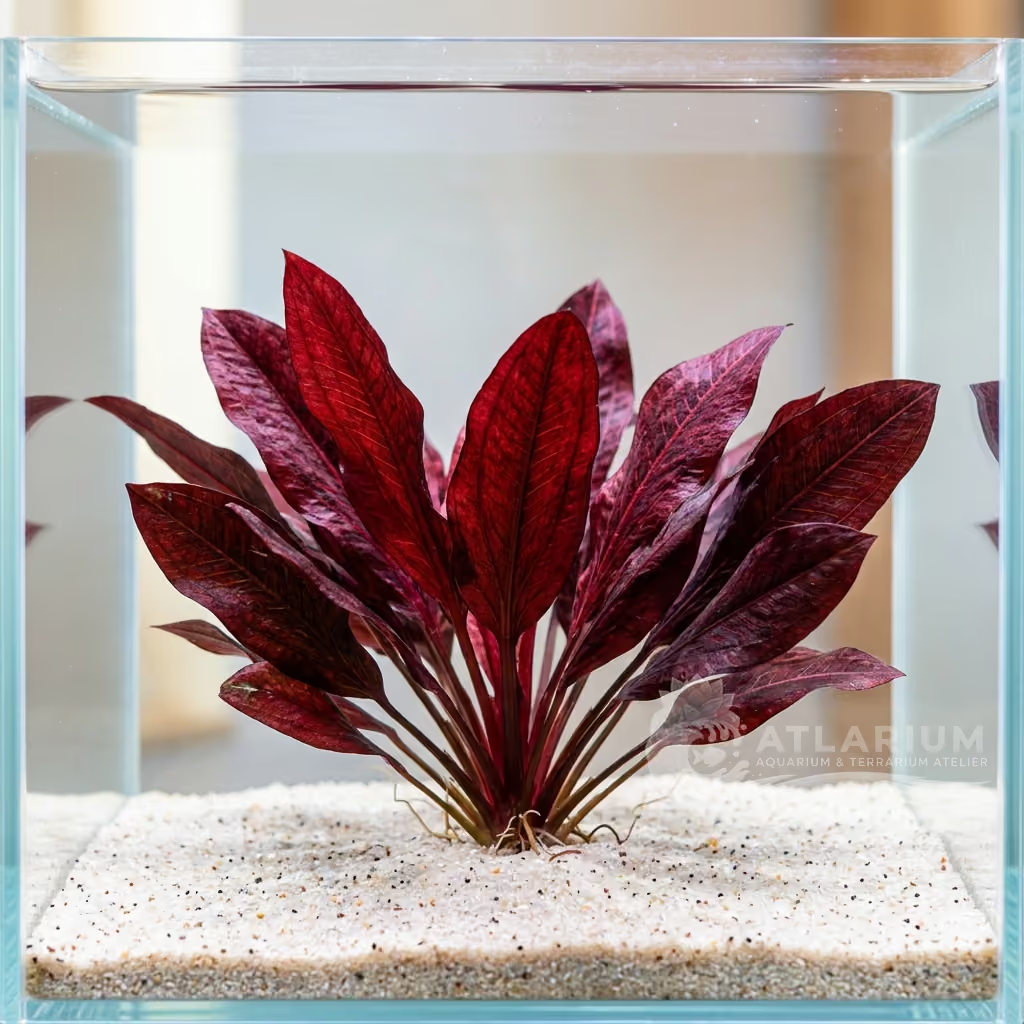
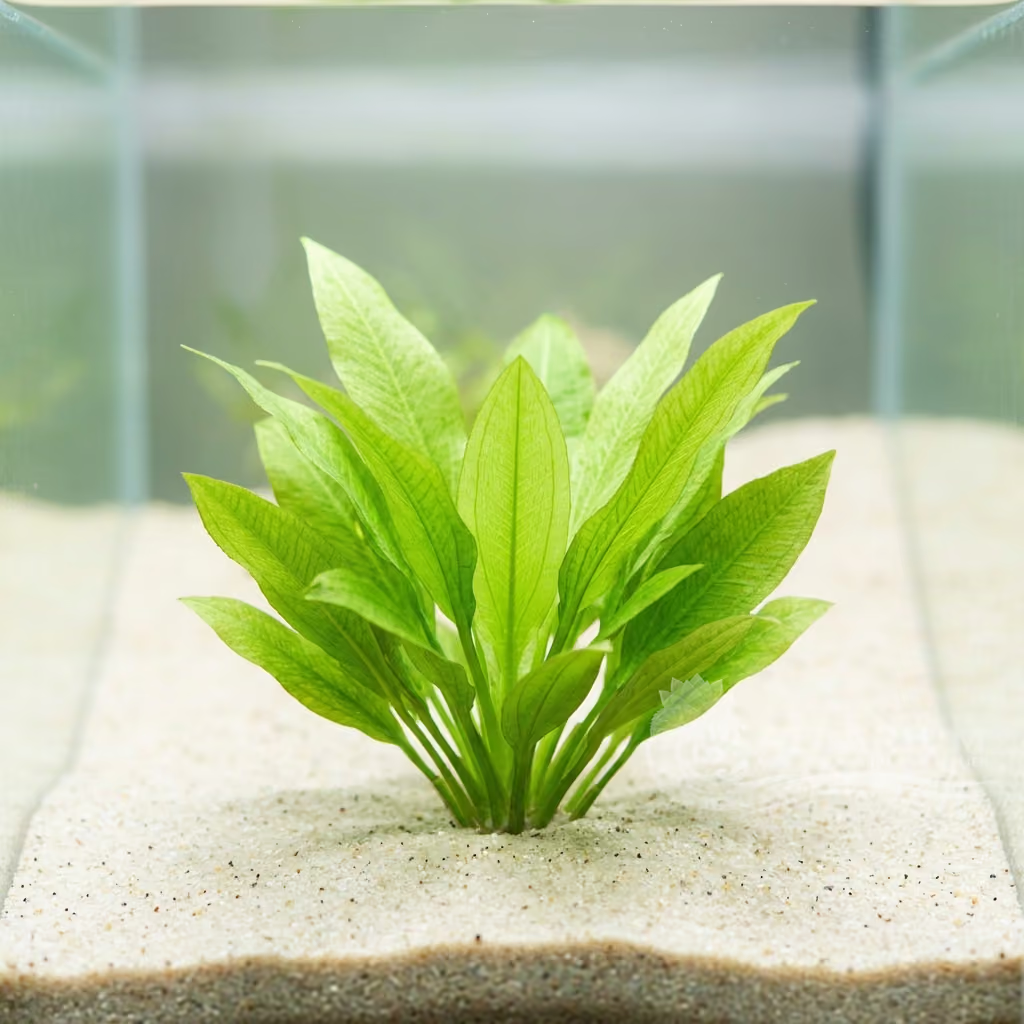
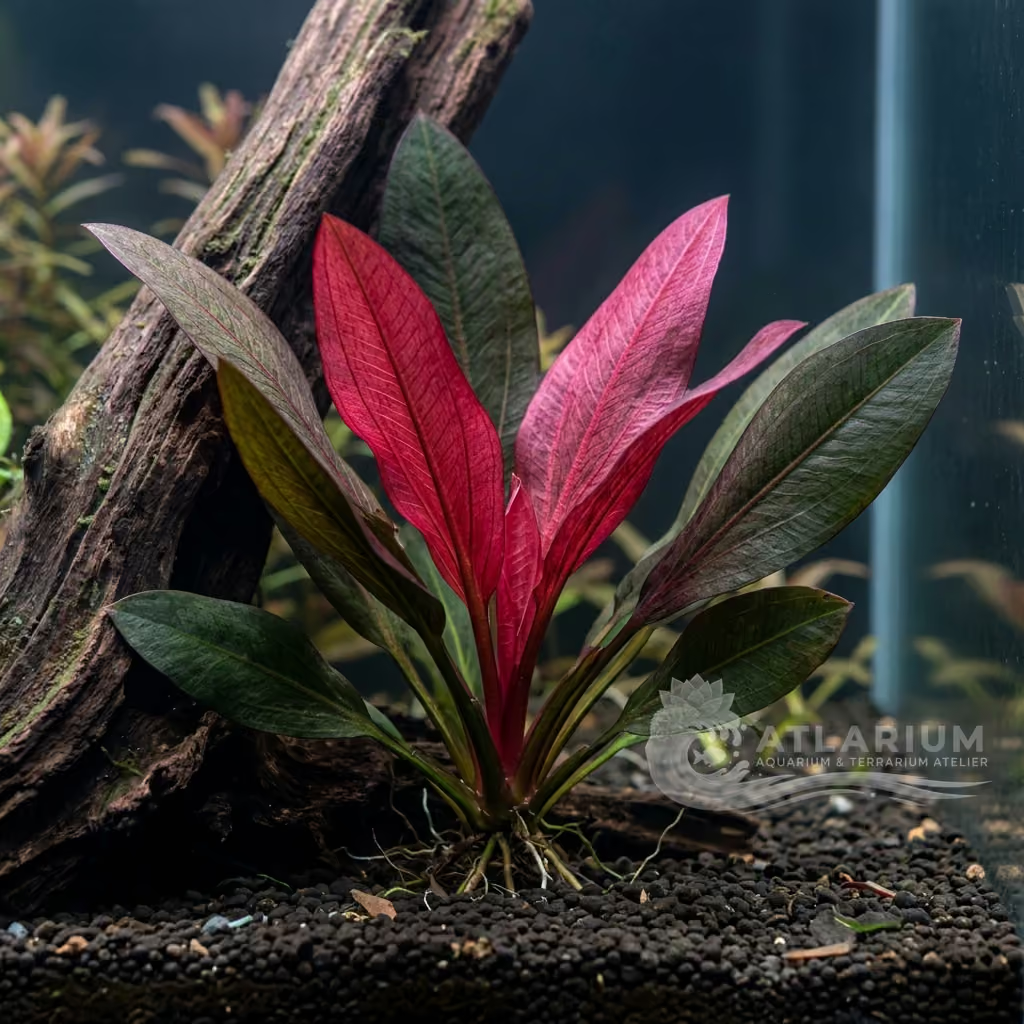
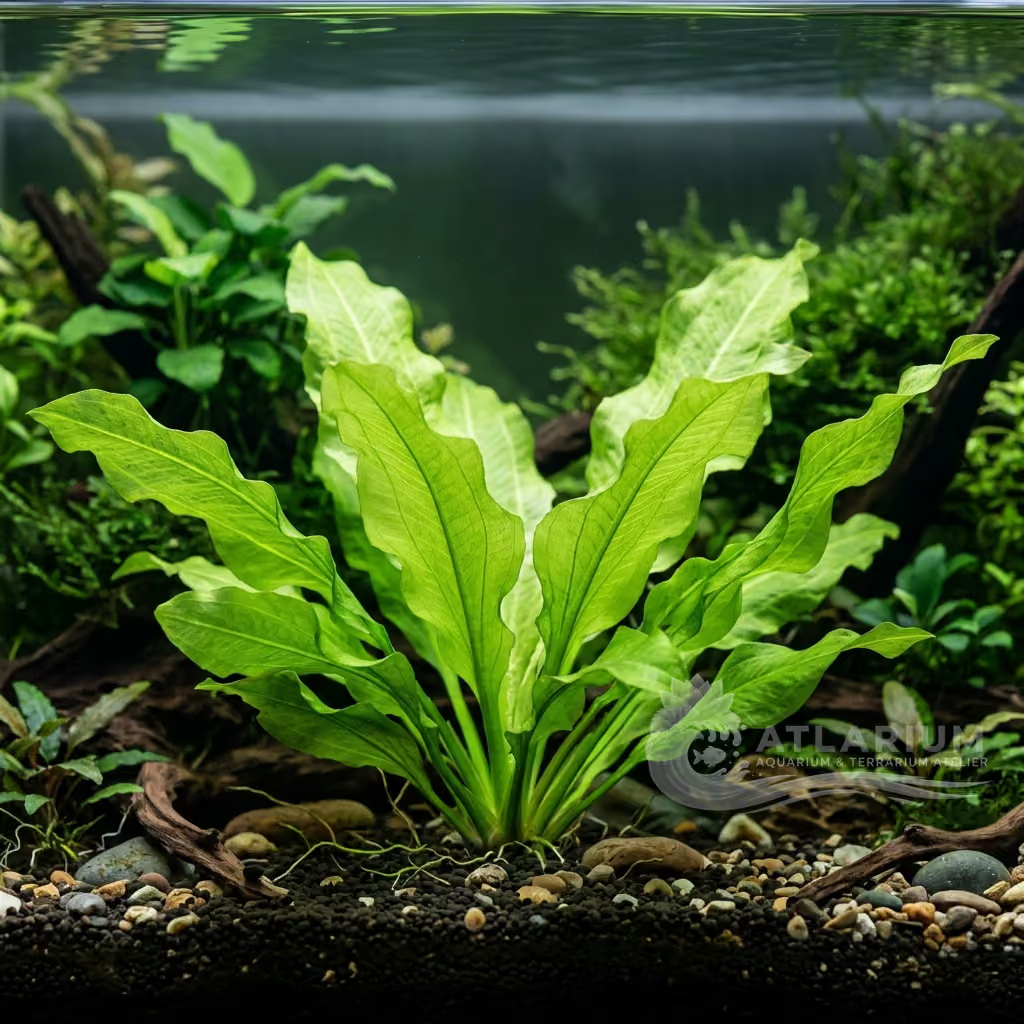
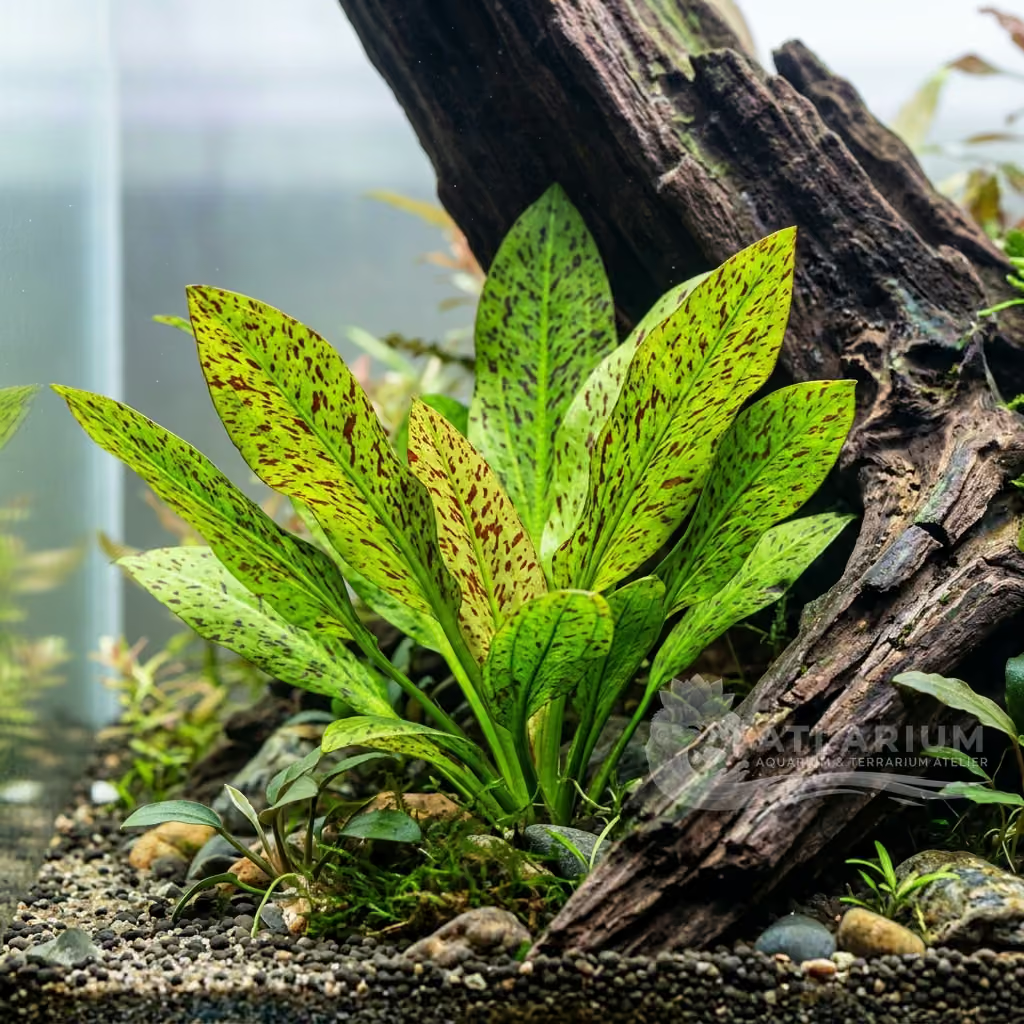
Physical Structure: The architectural structure of the "Apart" sword is its absolute defining feature: it is deeply compact, profoundly rigid, and strictly downward-arching. It is a rosette plant completely lacking vertical stems. The foundation is a massive, incredibly dense, woody subterranean rhizome that deploys thick white roots deep into the substrate. The leaves emerge directly from the crown on distinct, stiff petioles. The foliage is strictly narrowly ovate, highly rigid, and violently arches downwards toward the gravel, resembling a stiff green claw.
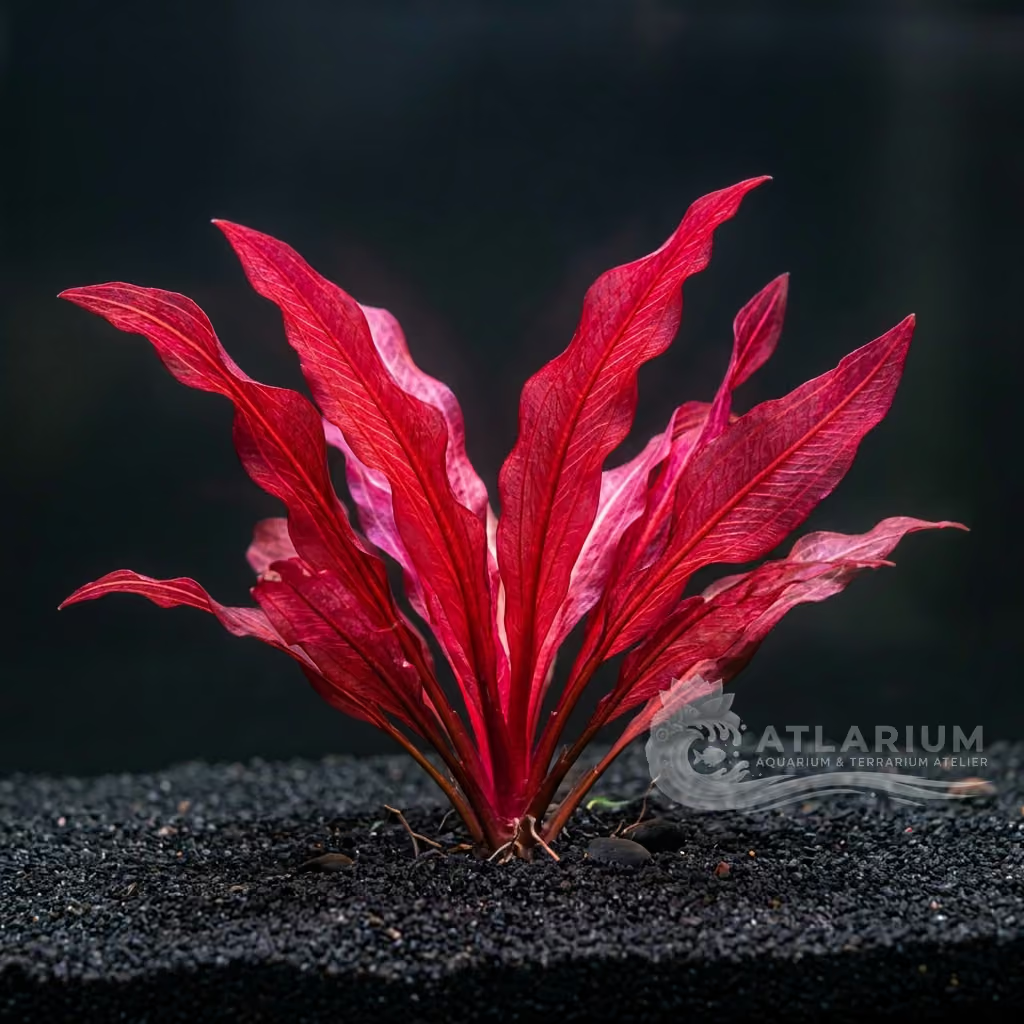
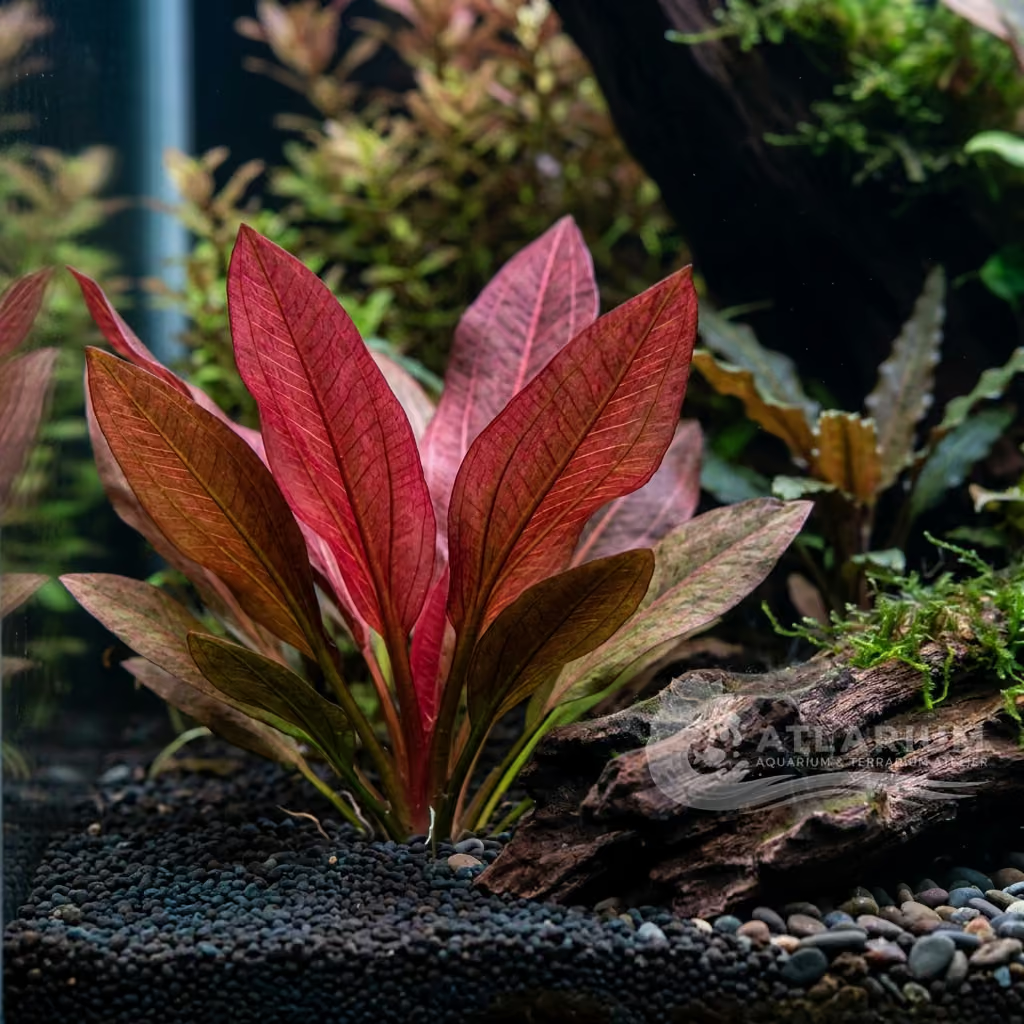
Color & Texture: The coloration is distinctly pure, intensely sophisticated, and exceptionally dark. Grown submerged under standard lighting, the rigidly arched leaves are a solid, matte, extraordinarily dark forest-green. Crucially, its genetics strictly suppress any red or bronze pigments; the plant remains an unwavering, solid dark green even under blasting high-intensity light. The texture is notoriously tough, incredibly leathery, and deeply stiff, feeling exactly like thick, rigid plastic. The leaves are totally immune to damage from herbivorous fish.

Care, breeding and tankmates
Lighting & CO2: It is an incredibly resilient, slow-growing, highly forgiving hybrid perfectly suited for beginner, low-tech aquariums. It will effortlessly survive and maintain its stiff, compact shape in deeply shaded environments. However, to force the plant to rapidly multiply its dark-green leaves and maintain its famous, aggressively downward-arching "claw" shape, medium LED lighting is recommended. Pressurized CO2 is completely unnecessary for its survival, but its addition drastically speeds up its naturally slow, disciplined growth rate.
Nutrition & Substrate: As a highly specialized Amazon Sword hybrid, "Apart" is an absolute, obligate root feeder. Its massive, woody root system strongly demands a mature, heavily nutrient-dense substrate (minimum 7 cm / 3 inches deep). It strongly prefers premium aquasoil or a mature gravel bed heavily enriched with iron and macro-nutrient root tabs directly beneath the massive tuber. If planted in sterile, inert gravel without heavy root supplementation, it will instantly stunt, turn pale yellow, and slowly melt away. It absorbs zero nutrition from the water.
Water Chemistry: Originating from highly stabilized German nursery conditions, it is practically invincible regarding standard water parameters. It thrives effortlessly in heated tropical aquariums (22-28°C) and is exceptionally adaptable, comfortably tolerating both soft, acidic blackwater and rock-hard, highly alkaline tap water (pH 6.0 - 8.0). The single most critical environmental requirement is absolute chemical stability. It drastically prefers stable, unchanging parameters over perfectly optimized ones. It prefers moderate water flow to keep its stiff leaves clean.
Space Management & Placement: Due to its deliberately compact size (rarely exceeding 20-25 cm height), profoundly rigid downward-arching habit, and extraordinarily dark-green color, "Apart" is the ultimate, indestructible midground centerpiece. It should be meticulously planted as a solitary structural anchor directly in front of taller background plants. Because it grows extremely slowly and its leaves actively hook downward into the substrate, it creates a perfectly disciplined, deeply textured dark-green focal point that will never overgrow the aquarium.
Pruning: Pruning is a simple, surgical, and very infrequent procedure due to its slow, disciplined growth. Never attempt to trim a rigid leaf in half; the cut edge will instantly turn black, rot, and destroy the aesthetic. To prune dead, yellowing, or algae-covered leaves, you must reach down to the absolute base of the woody rosette and cleanly snap or slice the stiff petiole directly at the crown. It virtually never spreads via runners; it simply forms a massive, impenetrable, single-crowned dark green anchor.
Risks & Diseases: The absolute greatest threat to the "Apart" sword is Green Spot Algae (GSA). Because the intensely dark, highly rigid leaves grow incredibly slowly and live for years, they act as massive landing pads for devastating Green Spot Algae if phosphate levels drop or light is too intense without adequate CO2. Once GSA aggressively spots the tough leaves, it is physically impossible to clean off and ruins the dark-green aesthetic. The second risk is nutrient starvation; if root tabs are exhausted, the plant will violently cannibalize itself.

Geographic origin and distribution
This uniquely structured plant does not exist in the wild. Echinodorus "Apart" is an exceptionally distinct, highly stabilized commercial hybrid created by legendary aquatic botanist Tomas Kaliebe in Germany. It was specifically bred to solve a major problem in aquascaping: Amazon Swords growing too large. In the aquarium, it acts as a deeply rooted, highly resilient amphibious rosette plant, retaining the bulletproof survival traits of its South American wild ancestors while maintaining strict physical discipline.
Origin
Selective breeding and cultivars

Plant profile
- Placement
- Midground
- Echinodorus 'Apart' is best utilized as a striking midground or background plant, depending on the size of the aquarium. It should be placed where it will not excessively shade smaller foreground species with its large leaves. Ensure adequate space is left around the base to prevent overcrowding and allow for proper water circulation. Solitary placement makes it an excellent focal point or centerpiece in a planted layout.
- Botanical form
- Rosette
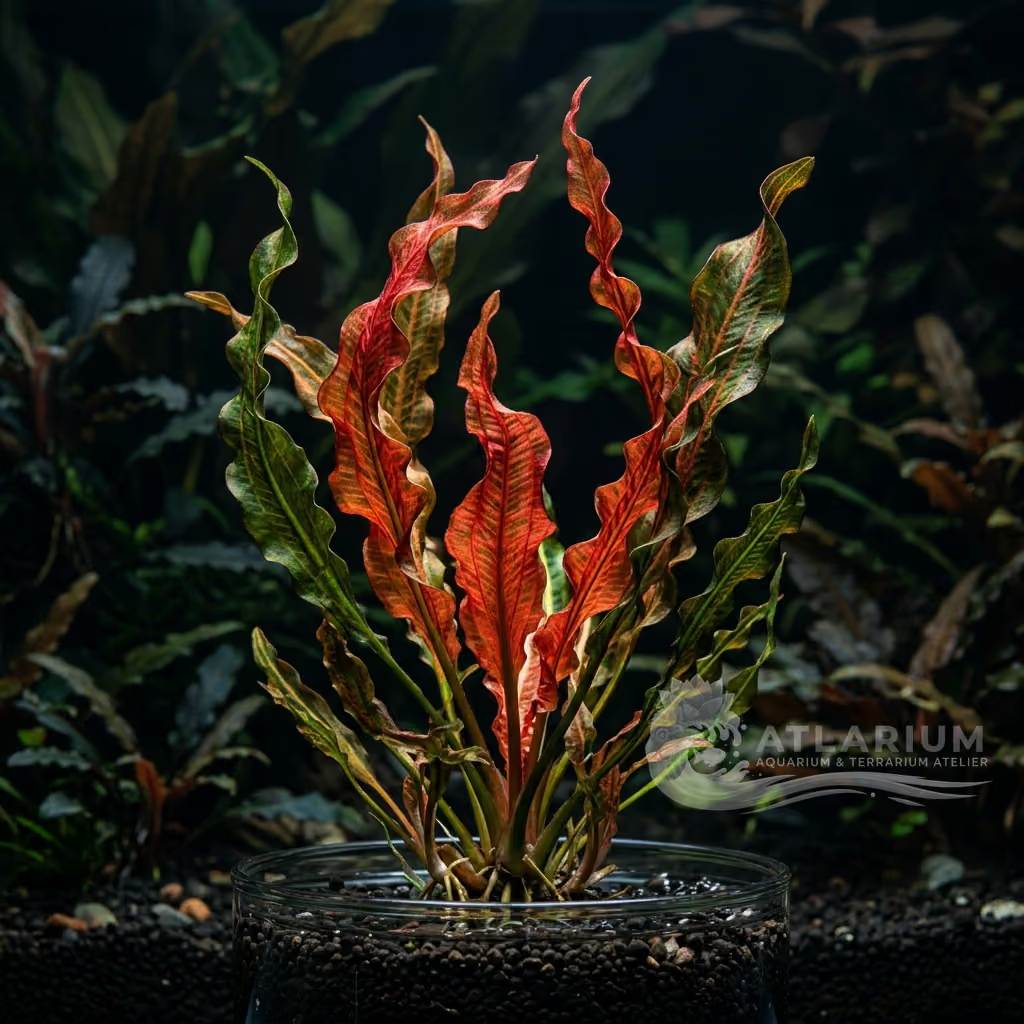
- Botanically, Echinodorus 'Apart' typically exhibits a classic rosette form with leaves radiating from a central crown. Submersed forms often differ significantly from their emersed growth, becoming more delicate and displaying varied colors. Depending on the exact lighting, the leaf margins may display slight undulations or varying degrees of coloration. A strong, extensive root system firmly anchors the plant in the substrate and supports its large canopy.
- Growth
- Slow
- The growth rate of Echinodorus 'Apart' is generally moderate, but it can be accelerated under optimal conditions. Under lower light, the growth will be noticeably slower and the plant will remain more compact. High intensity lighting and the addition of CO2 injection will significantly boost the production of new leaves. Its growth may temporarily stall after transplanting while it focuses energy on establishing a new root system.
- Substrate
- High
- A nutrient-rich substrate is highly recommended for Echinodorus 'Apart' as it is a heavy root-feeder. Compacted substrates should be avoided as they can stifle root growth and lead to anaerobic conditions. Using a commercial aquasoil or a well-prepared dirted tank approach provides an excellent foundation. A deep substrate bed of at least 2-3 inches allows for proper and extensive root development.
- Column fertilization
- Recommended
- While primarily a root feeder, Echinodorus 'Apart' benefits significantly from supplemental water column fertilization. Consistent water column dosing helps to quickly correct any minor nutrient deficiencies before they cause damage. Liquid fertilization serves as an excellent complement to a nutrient-rich substrate, promoting peak health. Regular dosing of a comprehensive liquid fertilizer ensures that essential micronutrients are readily available.
- Root fertilization
- Required
- Root tabs are absolutely essential if Echinodorus 'Apart' is kept in an inert or depleted substrate. Robust root feeding invariably leads to significantly larger, more vibrant leaves and a thicker, healthier crown. The expansive root system is incredibly efficient at seeking out and absorbing localized pockets of nutrients. Providing heavy root fertilization allows the aquarist to keep the water column leaner, discouraging algae.
- Trimming
- Occasional
- Trimming is infrequent and simple. Remove any older leaves that have started to degrade or accumulate stubborn algae by cutting the petiole close to the base. Because the leaves are so stiff, take care not to snap healthy leaves while performing maintenance. Its compact nature means you won't need to prune it to control its size often.
- Propagation
- Rhizome division
- Propagation of Echinodorus 'Apart' is most commonly achieved through adventitious plantlets that form on flowering stalks. Crown division requires careful handling to avoid excessive damage to the delicate central meristem. Once these daughter plantlets develop their own distinct roots and a few leaves, they can be carefully detached. If grown emersed, the plant may also produce viable seeds that can be germinated in moist soil.
- Sensitivity
- Moderate
- Echinodorus 'Apart' is extremely durable and forgiving, tolerating a wide range of water conditions and temperatures. However, its slow-growing, stiff leaves can become a magnet for spot algae if phosphate levels are unbalanced or light is too high without adequate CO2. It dislikes being moved; frequent uprooting will stall its already slow growth. It is highly resistant to cichlid grazing.
- Layout role
- Midground, Foreground
- It acts as a striking, architectural midground feature. Its dark, rigid foliage provides a strong visual anchor that contrasts beautifully with soft, fine-leaved plants or delicate mosses. Because it retains its compact shape, it is excellent for creating structure in a layout without obscuring the background. It is also an excellent choice for tanks with destructive fish.

Image gallery
Licensed images linked to the species or, when marked, to the closest representative taxon.

Related species
Recommendations grouped by close relatives, companion choices, and similar care.