Echinodorus 'Digital Art'
Echinodorus 'Digital Art'
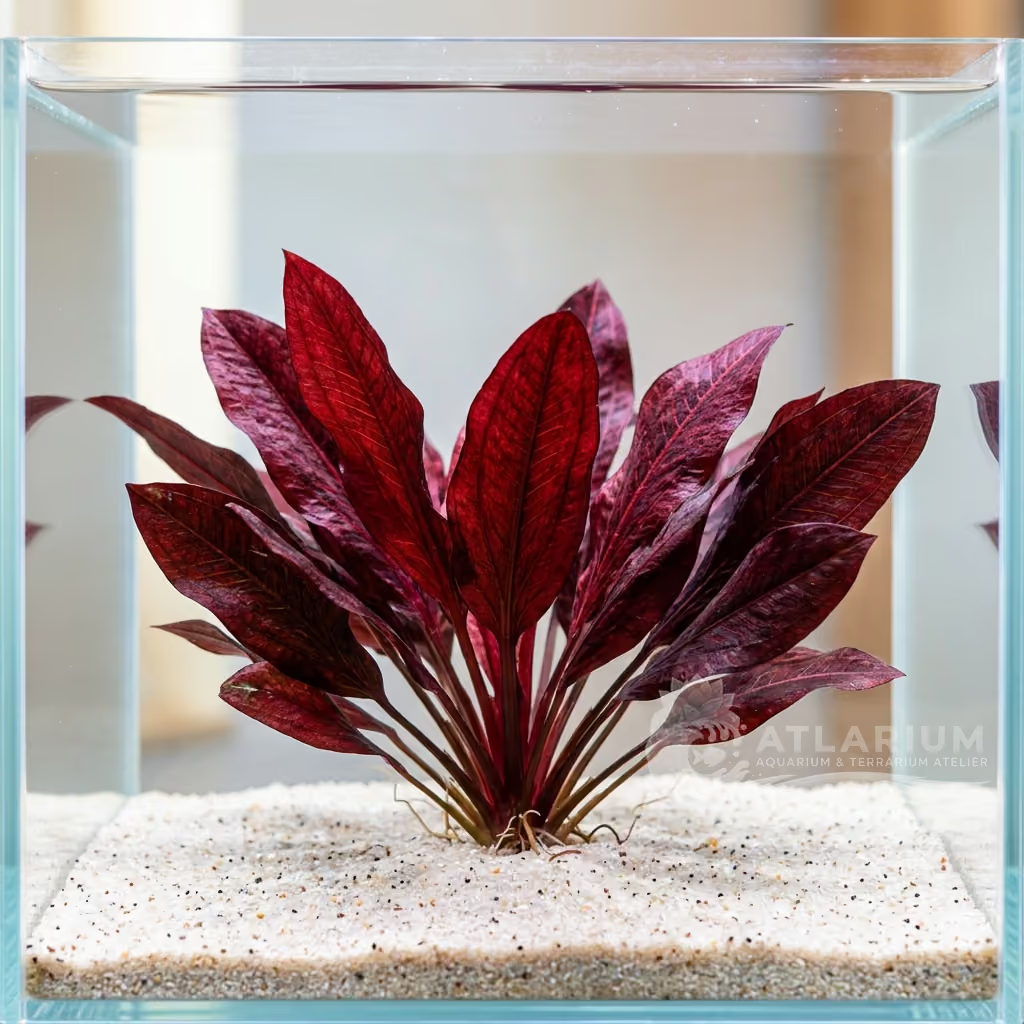
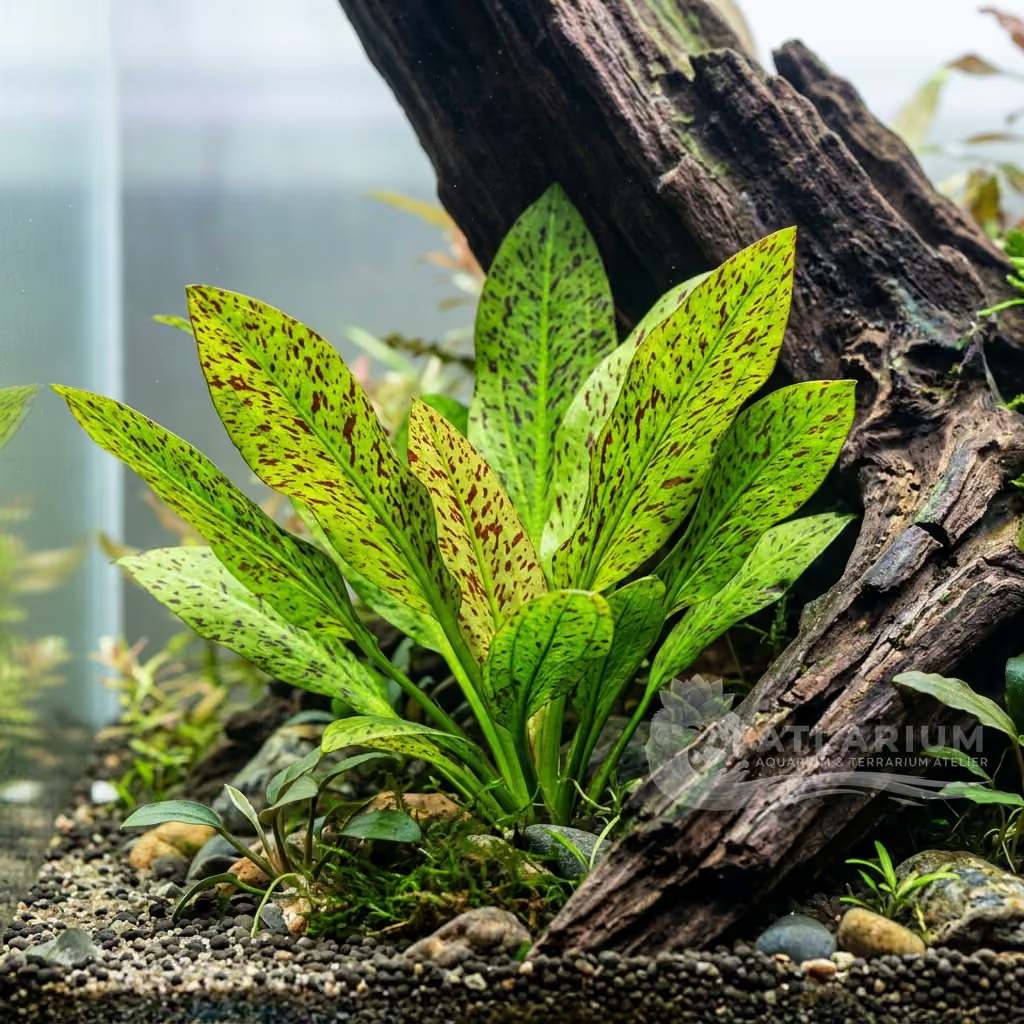
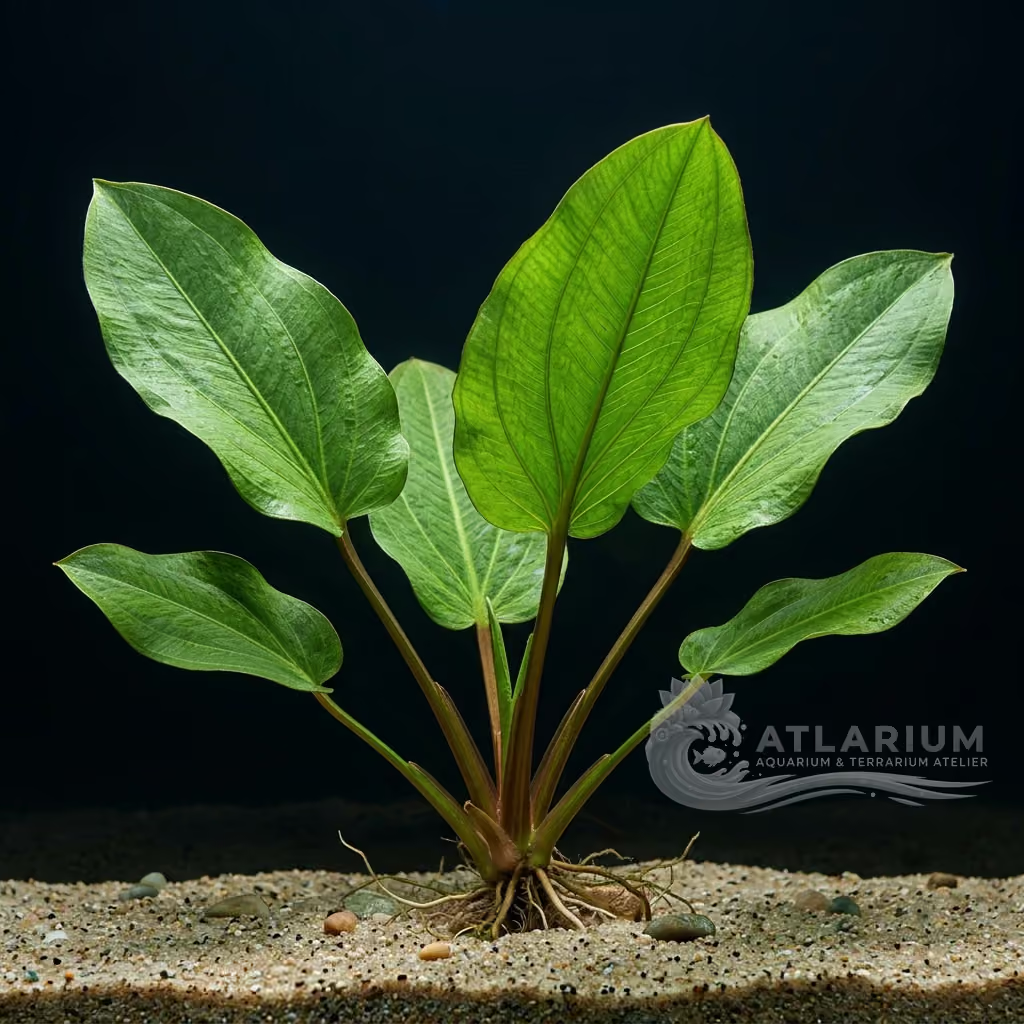
Echinodorus 'Digital Art' is a breathtakingly modern hybrid displaying a spectacular, chaotic mosaic of vividly contrasting colors and deeply textured leaf surfaces.
Water Temperature
20 - 28 °C
pH Value
6 - 8
Water type
Freshwater
Light
Medium
CO2
Low
Expected height
30 cm
Expected width
20 cm
GH
4 - 20 dGH
KH
0 - 21 dKH

Species description
Geographical Origin and Habitat: This highly specific botanical cultivar does not exist in nature. Echinodorus "Digital Art" is a very modern, breathtakingly unique commercial hybrid created specifically for the high-end aquarium trade. It was meticulously crossbred from wild South American Amazon Sword stock to produce a striking, pixelated coloration pattern unlike any traditional sword plant. In the aquarium, it behaves perfectly like a wildly resilient, deeply rooted, amphibious rosette plant perfectly adapted to submerged conditions.
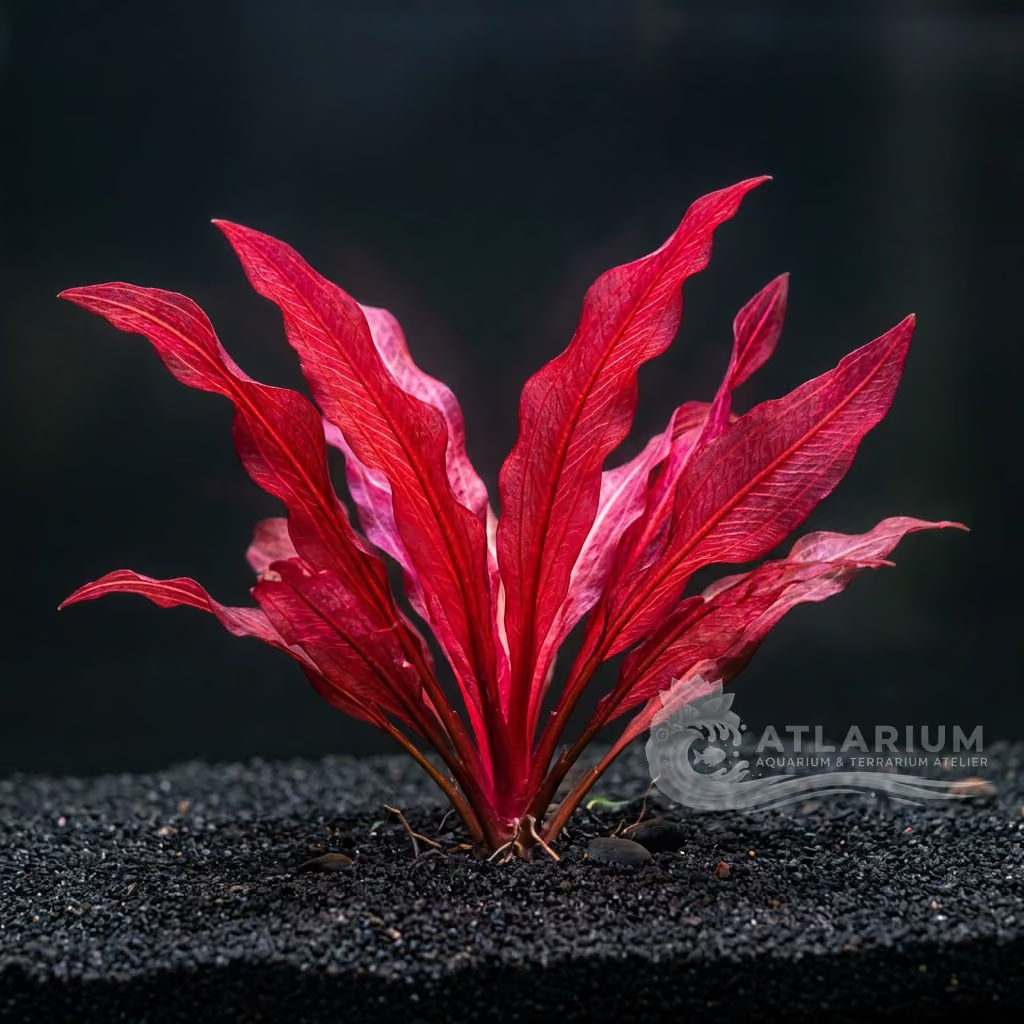
Taxonomy & Genetics: Scientifically classified within the Alismataceae family, "Digital Art" is a highly prized, elite cultivar in the global aquascaping hobby. Taxonomically, it is a complex hybrid. Genetically, it inherited the classic, indestructible survival traits and robust health of standard Amazon Swords. However, its true defining feature is an incredibly unique, highly unstable genetic mutation (chimera-like) that forces the plant to distribute its red and brown anthocyanin pigments in a highly fragmented, pixelated, or heavily splattered pattern across the green leaf.
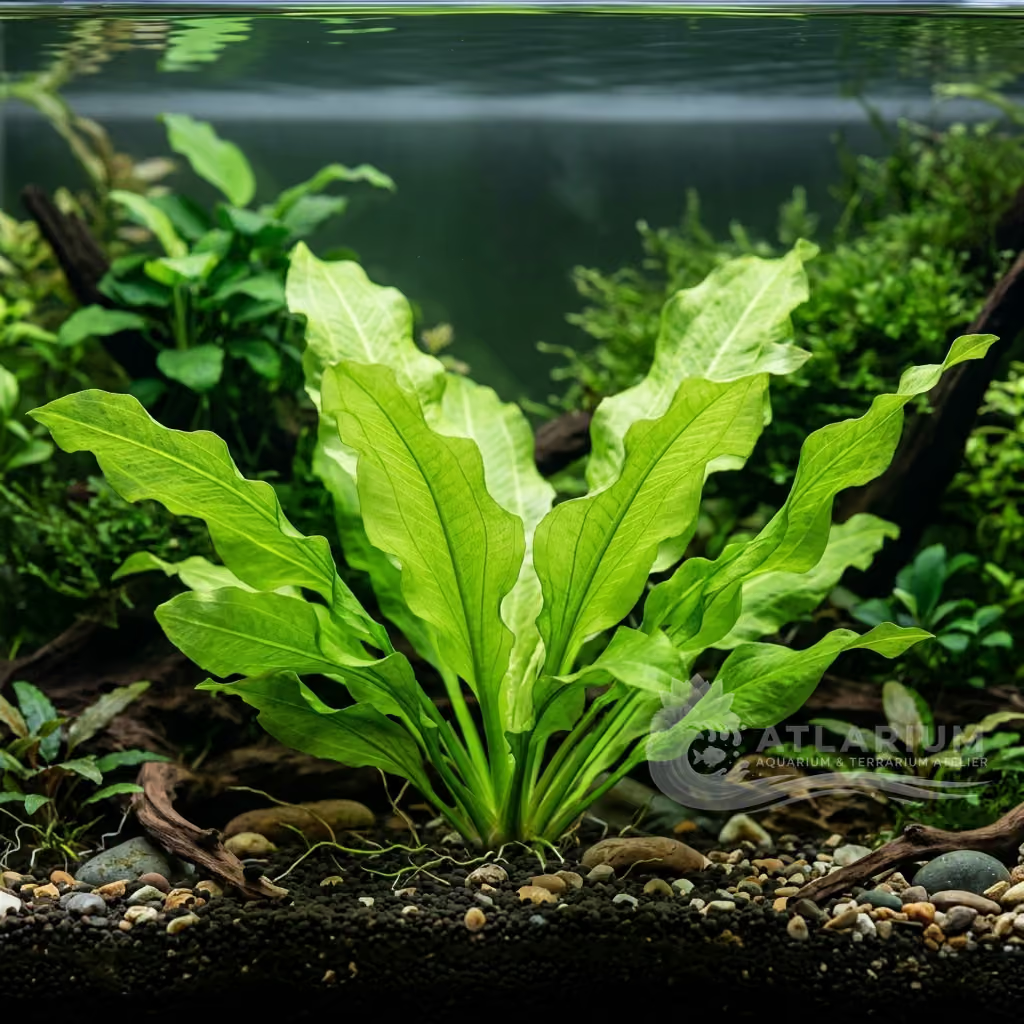
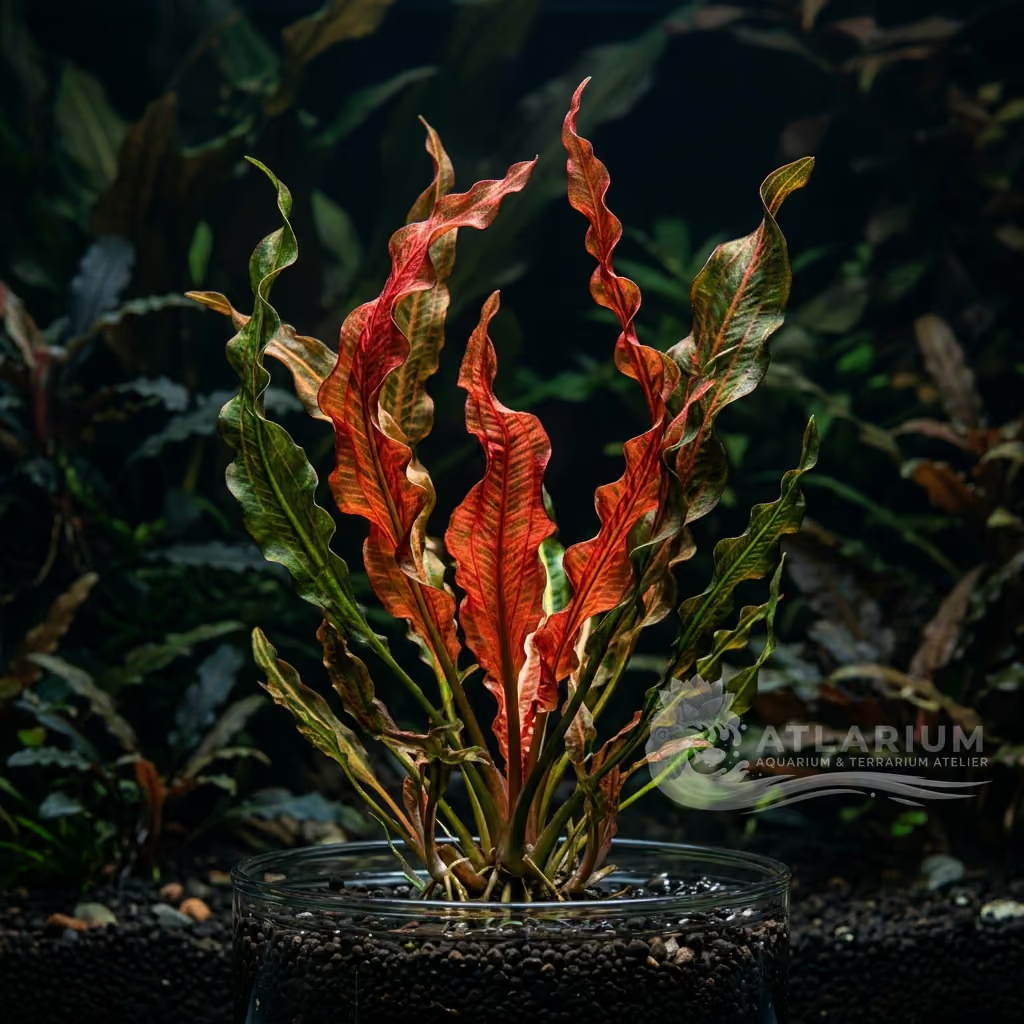
Physical Structure: The architectural structure of the "Digital Art" sword is intensely dominant, wildly sprawling, and heavily structural. It is a massive rosette plant completely lacking vertical stems. The foundation is a massive, incredibly thick, tuberous subterranean rhizome that deploys an aggressive, deep-reaching white root system. The leaves erupt directly from the crown on distinct, stiff petioles. The foliage is the defining structural feature: strictly broadly ovate to slightly elliptic, massive (capable of reaching 30-40 cm), and gently ruffled.
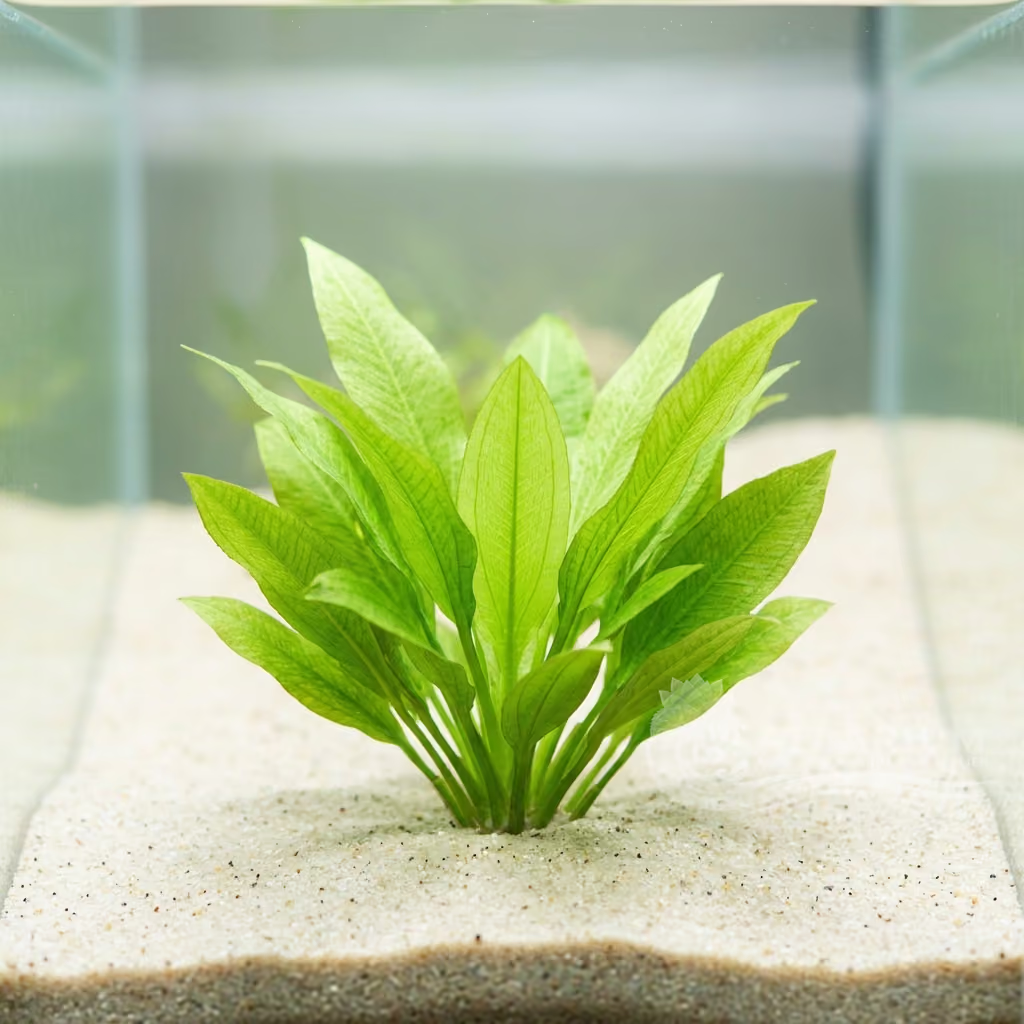
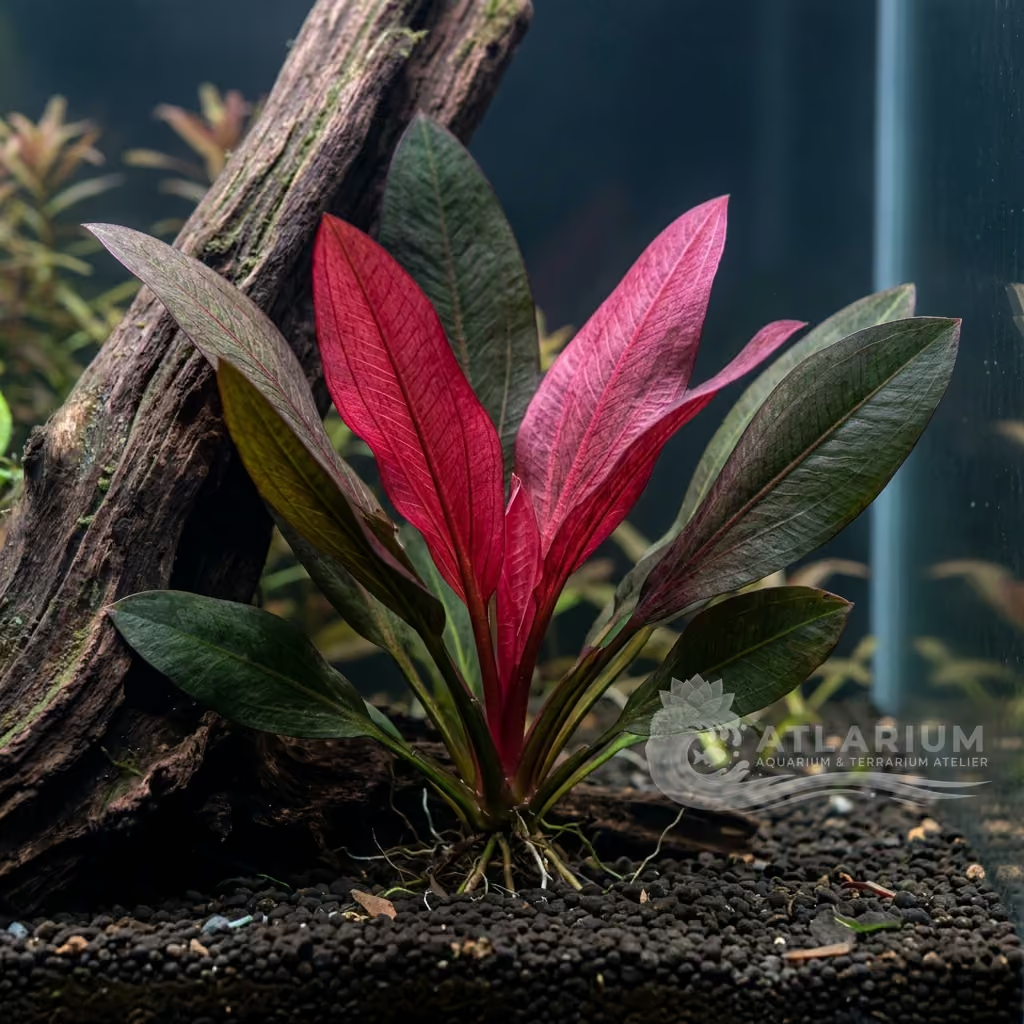
Color & Texture: The coloration is absolutely explosive, highly chaotic, and visually mesmerizing. Grown submerged under intense lighting, the massive upper leaf surface is a light, glowing apple-green canvas that is violently and heavily splattered, speckled, and "pixelated" with intense dark-red, burgundy, and muddy brown spots. This fragmented coloration gives it the "digital" appearance. The texture is intensely rigid, heavily leathery, and smooth, lacking any prominent dimples or hammering, feeling exactly like a thick piece of painted canvas.

Care, breeding and tankmates
Lighting & CO2: It is an incredibly demanding, energy-hungry hybrid that requires massive light to maintain its pattern. While it will technically survive in shaded environments, its spectacular genetics will completely fail; the red "pixelated" spots will vanish entirely, and the massive leaves will fade to a dull, solid muddy green. To unlock its sprawling rosette shape and force the violent contrast of its speckled pattern, blasting, high-intensity LED lighting is absolutely mandatory. Pressurized CO2 drastically accelerates its massive growth.
Nutrition & Substrate: As a colossal, intensely patterned Amazon Sword hybrid, "Digital Art" is a terrifyingly aggressive, obligate root feeder. Its massive root system strictly demands a very deep (minimum 7 cm / 3 inches), heavily nutrient-dense substrate. It absolutely demands premium aquasoil heavily enriched with iron and macro-nutrient root tabs directly beneath the massive tuber to fuel its intense red speckled pigmentation. If starved of root nutrients, the giant patterned leaves will quickly turn pale, turn violently yellow, and dissolve.
Water Chemistry: Originating from highly stabilized nursery conditions, it is practically invincible regarding standard water parameters. It thrives effortlessly in heated tropical aquariums (22-28°C) and is exceptionally adaptable, comfortably tolerating both soft, acidic blackwater and rock-hard, highly alkaline tap water (pH 6.0 - 8.0). The single most critical environmental requirement is absolute chemical stability. It drastically prefers stable, unchanging parameters over perfectly optimized ones. It demands strong water flow to clean its massive leaves.
Space Management & Placement: Due to its absolute monstrous size (capable of reaching 30-40 cm in height and diameter), massive ovate leaves, and visually chaotic speckled pattern, "Digital Art" is strictly a solitary, commanding centerpiece for large aquariums (minimum 200 liters). It MUST be planted singularly, completely isolated in the exact center midground or background. Because it grows as a massive, sprawling rosette, it will rapidly form an impenetrable patterned umbrella that violently shadows and chokes out any smaller plants placed nearby.
Pruning: Pruning is a simple, massive, and highly necessary procedure. Never attempt to trim the thick, broad speckled leaves in half; the cut edge will instantly turn black, rot, and destroy the aesthetic. To prune dead, yellowing, or excessively massive older leaves that are shadowing the tank, you must reach down to the absolute base of the massive rosette and cleanly slice the incredibly thick petiole directly at the crown. It rarely spreads via runners; instead, it slowly forms a massive, impenetrable core.
Risks & Diseases: The absolute greatest threat to the "Digital Art" sword is Green Spot Algae (GSA) and nutrient starvation. Because the massive, broad speckled leaves are long-lasting, they act as massive landing pads for devastating Green Spot Algae if phosphate levels drop or light is too intense without adequate CO2. Once GSA aggressively spots the massive leaves, it blends into the digital pattern, making it impossible to clean off and ruining the aesthetic. If root nutrients are exhausted, the plant will violently cannibalize itself.

Geographic origin and distribution
This highly specific botanical cultivar does not exist in nature. Echinodorus "Digital Art" is a very modern, breathtakingly unique commercial hybrid created specifically for the high-end aquarium trade. It was meticulously crossbred from wild South American Amazon Sword stock to produce a striking, pixelated coloration pattern unlike any traditional sword plant. In the aquarium, it behaves perfectly like a wildly resilient, deeply rooted, amphibious rosette plant perfectly adapted to submerged conditions.
Origin
Selective breeding and cultivarsExtra-Amazon South America

Plant profile
- Placement
- Midground
- Due to its medium size, this plant is best suited for the midground or background of the aquarium. It serves as an excellent focal point when given enough space to spread its leaves. Ensure it is not heavily shaded by other plants to promote optimal growth.
- Botanical form
- Rosette
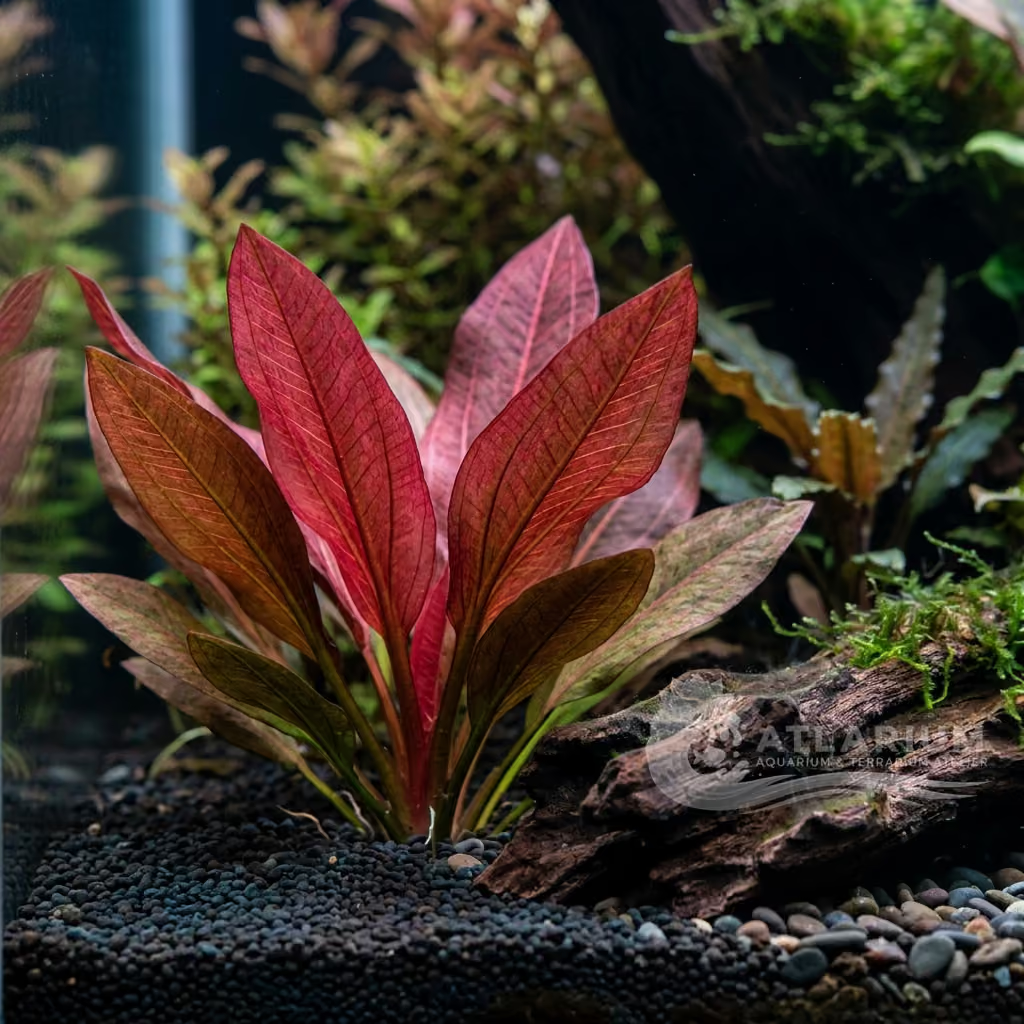
- It forms a classic rosette structure with sturdy leaves growing from a central crown. The foliage displays a striking green with pink/red patterns appearance that adds wonderful texture to the aquascape. Its root system is extensive and anchors the plant firmly in the substrate.
- Growth
- Fast
- The growth rate is generally moderate under standard aquarium conditions. With the addition of CO2 injection and high lighting, it will produce new leaves much faster. It steadily establishes itself over a few weeks after planting.
- Substrate
- High
- As a heavy root feeder, Echinodorus 'Digital Art' demands a deep, nutrient-rich substrate to support its extensive and robust root system. A minimum substrate depth of 5 to 7 centimeters is highly recommended to allow proper root anchoring and expansion. While it can survive in inert gravel or sand if heavily supplemented with root tabs, a dedicated aquasoil will provide the optimal conditions for vigorous growth and vibrant foliage. Ensuring continuous nutrient availability at the root zone is critical to prevent nutrient deficiencies.
- Column fertilization
- Recommended
- Liquid fertilizers provide a beneficial supplement of trace elements directly to the leaves. Regular dosing of a complete fertilizer helps maintain the fresh green with pink/red patterns appearance of the foliage. However, column feeding should be combined with root feeding for best results.
- Root fertilization
- None
- As a heavy root feeder, Echinodorus 'Digital Art' heavily relies on a fertile substrate. Inserting root tabs near the base every few months is crucial for its long-term health. A nutrient-rich aquasoil provides an ideal foundation for its expansive roots.
- Trimming
- Occasional
- Maintenance involves removing the oldest outer leaves by cutting them close to the base. This prevents the plant from becoming too bulky and directs energy into fresh inner growth. Regular pruning keeps the rosette looking tidy and vibrant.
- Propagation
- Rhizome division
- Propagation naturally occurs via adventitious plantlets that form on long flower stalks. Once the small plantlets develop their own roots and leaves, they can be safely detached. They should then be replanted directly into a nutrient-rich substrate.
- Sensitivity
- Moderate
- This species is generally very hardy and adapts well to a wide range of water parameters. It prefers moderate to high lighting to maintain its specific green with pink/red patterns hues. Sudden extreme changes in water chemistry should be avoided to prevent leaf melt.
- Layout role
- Midground, Background, accent
- Its medium structure makes it a perfect centerpiece or solitary accent in planted layouts. The green with pink/red patterns foliage provides a beautiful contrast against different textures and hardscape materials. It brings a natural, wild feel to both nature aquariums and biotopes.

Image gallery
Licensed images linked to the species or, when marked, to the closest representative taxon.

Related species
Recommendations grouped by close relatives, companion choices, and similar care.