Echinodorus Dschungelstar Nr. 2 'Kleiner Bär'
Echinodorus Dschungelstar Nr. 2 'Kleiner Bär'
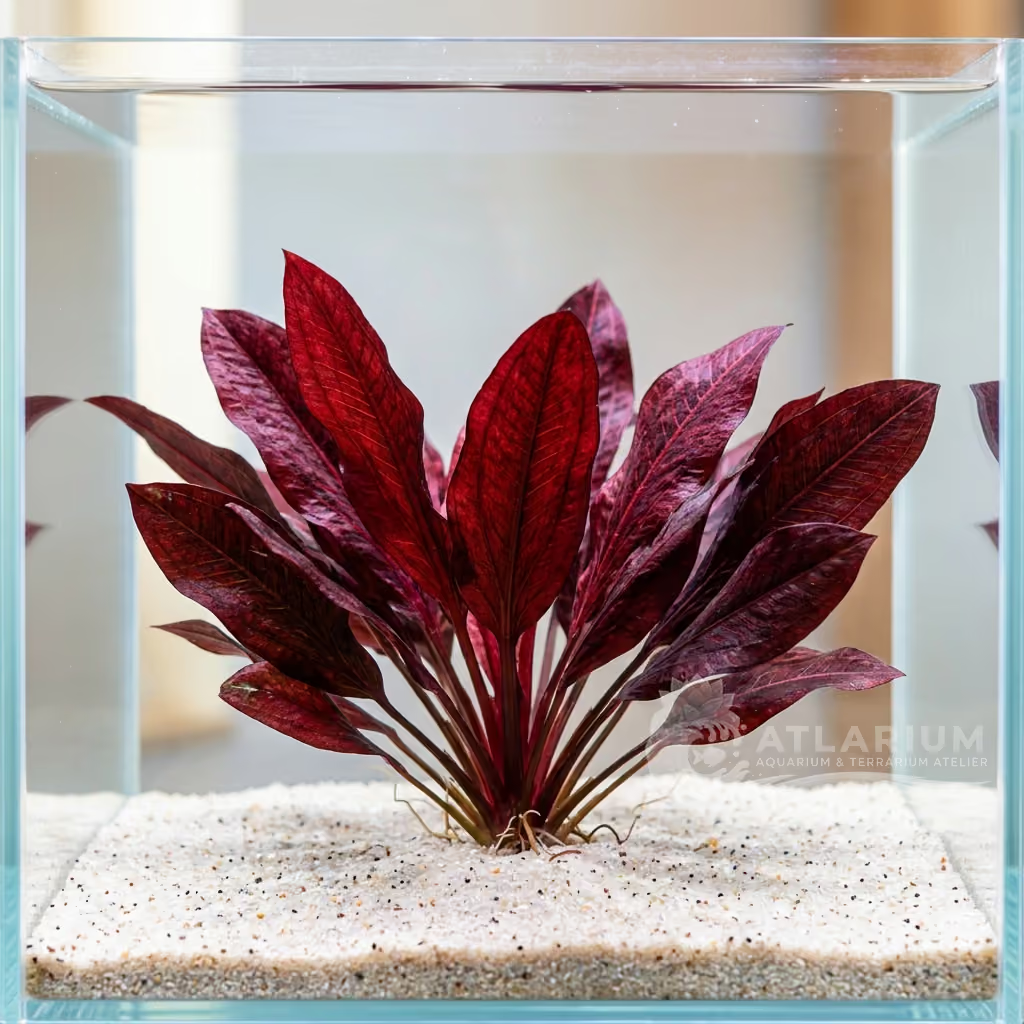
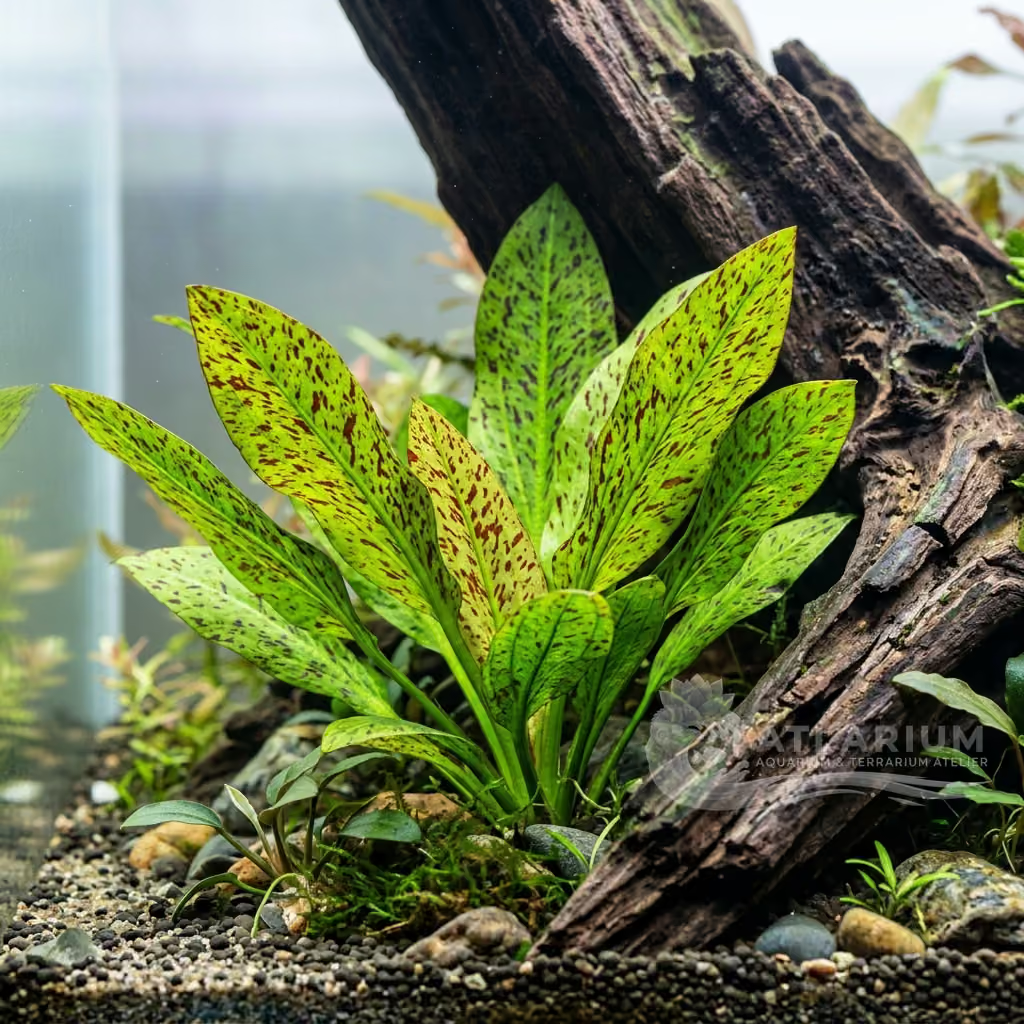
Echinodorus 'Kleiner Bär' (Little Bear) is a beautiful, highly sought-after dwarf hybrid that erupts with intense ruby-red new leaves, creating a robust focal point.
Water Temperature
10 - 30 °C
pH Value
5 - 7.5
Water type
Freshwater
Light
Medium to High
CO2
Low - High
Expected height
30 cm
Expected width
30 cm
GH
4 - 20 dGH
KH
0 - 21 dKH

Species description
Geographical Origin and Habitat: Echinodorus Dschungelstar Nr. 2 'Kleiner Bär' (commonly known as 'Little Bear') is a cultivated hybrid of horticultural origin bred in Germany by Tomas Kaliebe of the renowned aquatic plant farm Zoologica. It does not exist in the wild as a wild species, but its ancestral relatives belong to the Amazon River basin in South America. It was specifically selected for submerged cultivation in the aquarium, combining intense leaf
Color & Texture: s with a compact size suitable for tanks of various dimensions.
Taxonomy & Genetics: It belongs to the Alismataceae family, genus Echinodorus. It is a registered hybrid complex within the 'Dschungelstar' (Jungle Star) selection line. Genetically, it derives from selective crosses in which the wild components of Echinodorus uruguayensis and Echinodorus barthii provided the purple coloration and leaf shape. The stability of its cultivar ensures the maintenance of its dwarf habit and dark red color when kept under appropriate cultural conditions.
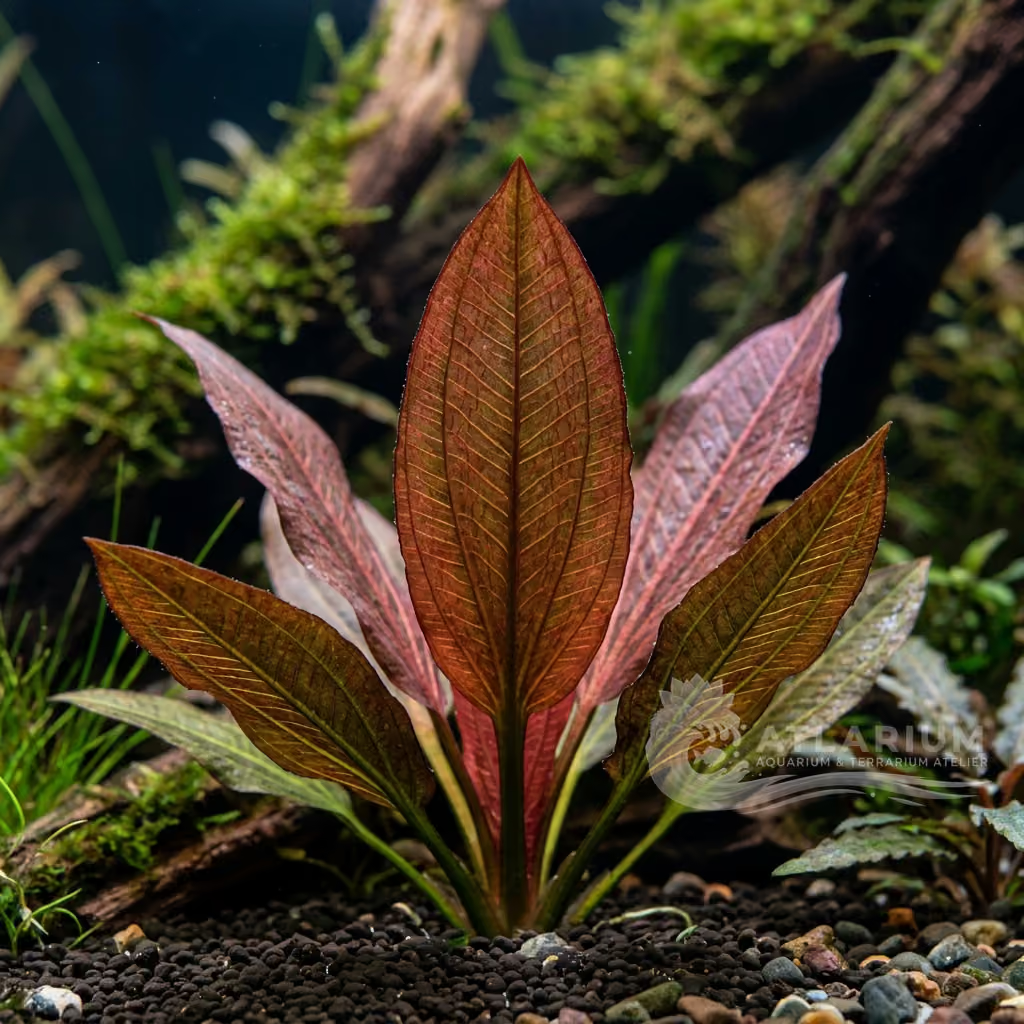
Physical Structure: It features a bushy and compact rosette structure, which rarely exceeds 30 cm in height and width. The submerged leaves are lanceolate or elliptic, supported by short, sturdy petioles arising from a knotty rhizome. It possesses a vigorous and dense root system, consisting of fleshy white roots that expand to absorb nutrients from the substrate and stabilize the plant.
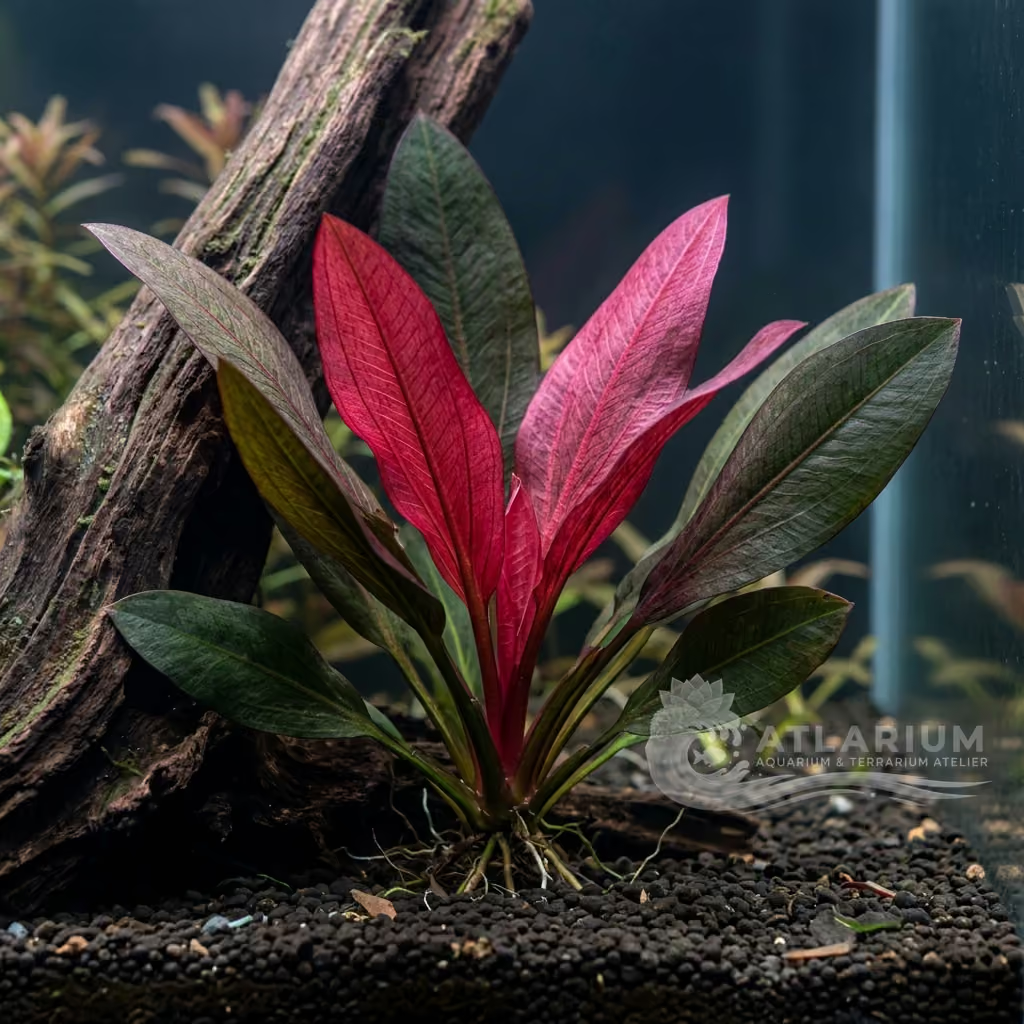
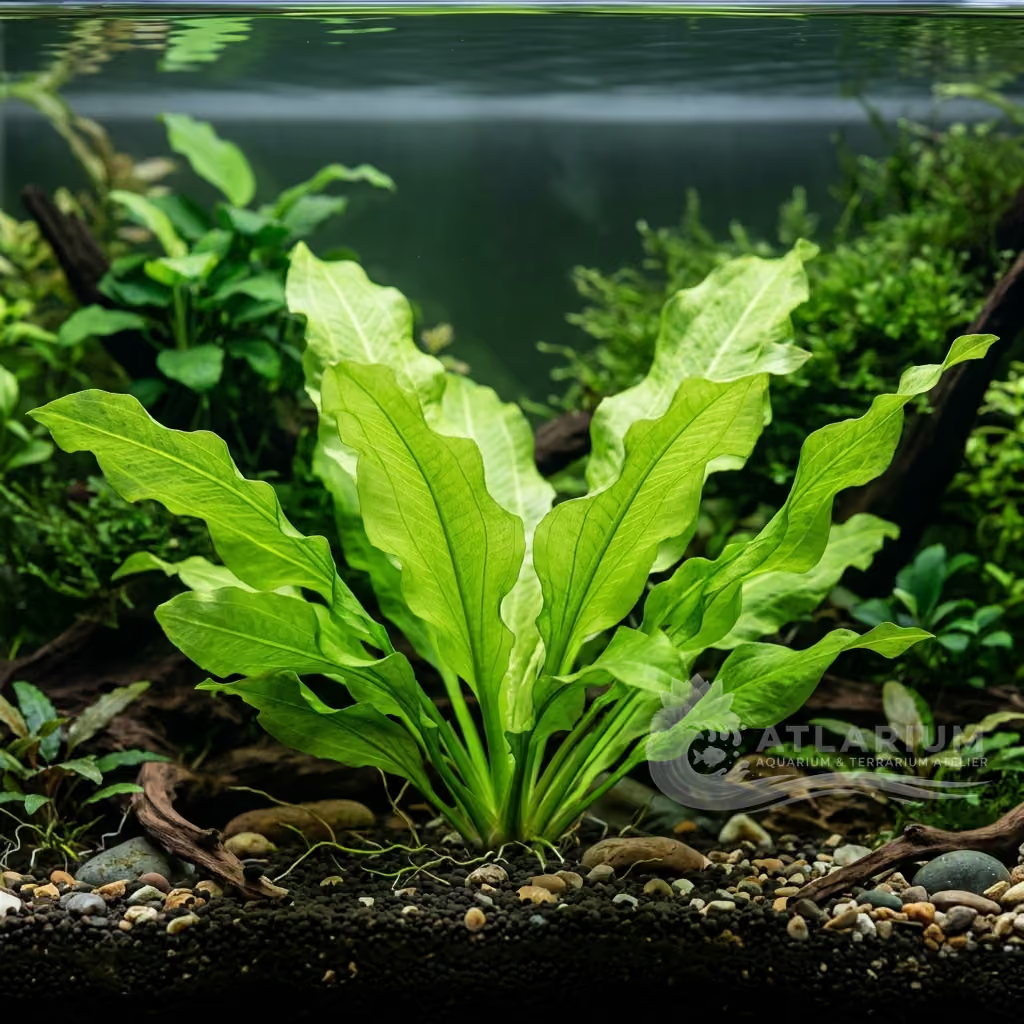
Color & Texture: The leaves display extraordinary color shades: young leaves emerging from the center of the rosette are a rust-red or intense wine-red color. Over time and as the leaf blade matures, the tones gradually turn toward a dark olive-green or bronze. The leaf texture is slightly leathery and waxy to the touch, with parallel veins (usually 3 to 5) that are well-marked, enhancing the color contrast.

Care, breeding and tankmates
Lighting & CO2: Requires moderate to high lighting to express its intense red coloration to the fullest. Under low light, the plant survives well, but the leaves tend to turn olive-green, losing the red tones and stretching the petioles. CO2 injection (15-25 mg/L) is highly recommended to promote robust growth and prevent stagnation.
Nutrition & Substrate: Requires a rich and deep substrate (at least 6 cm) due to its predominantly root-based nutrient uptake. The use of fertile aquasoil combined with the regular insertion of iron and trace element tablets near the base is recommended. Liquid column fertilization prevents chlorosis and helps keep the leaves healthy.
Water Chemistry: Very adaptable and tolerant, it thrives in water with pH between 5.0 and 7.5 and KH hardness from 0 to 21 dKH. The ideal temperature ranges between 10°C and 30°C, making it suitable even for unheated temperate aquariums. Chemical-physical stability encourages steady development.
Space Management & Placement: Thanks to its compact size of 30 cm, it is excellent as a solitary plant in the midground of medium to large aquariums, or in the background of nano-aquariums. Position it away from driftwood or rocks that could shade it, ensuring an optimal light cone to maintain the red coloration.
Pruning: Maintenance is moderate. Pruning consists of cutting older, deteriorated outer leaves, or those that have lost their original red color, close to the rhizome with sturdy scissors. This stimulates the plant to constantly produce new red center shoots.
Risks & Diseases: It is a hardy plant, but iron deficiency quickly manifests as translucent or chlorotic leaves. The young red leaves, being tender and rich in sugars, can be eaten by herbivorous fish (like Plecostomus) or plant-eating snails. Poor water circulation can encourage black beard algae on the leaf edges.

Geographic origin and distribution
Echinodorus Dschungelstar Nr. 2 'Kleiner Bär' (commonly known as 'Little Bear') is a cultivated hybrid of horticultural origin bred in Germany by Tomas Kaliebe of the renowned aquatic plant farm Zoologica. It does not exist in the wild as a wild species, but its ancestral relatives belong to the Amazon River basin in South America. It was specifically selected for submerged cultivation in the aquarium, combining intense leaf
Origin
Selective breeding and cultivarsAmazon, Orinoco, and Guianas

Plant profile
- Placement
- Midground
- Due to its compact size, this plant is best suited for the midground or background of the aquarium. It serves as an excellent focal point when given enough space to spread its leaves. Ensure it is not heavily shaded by other plants to promote optimal growth.
- Botanical form
- Rosette
- It forms a classic rosette structure with sturdy leaves growing from a central crown. The foliage displays a striking rust-red to burgundy appearance that adds wonderful texture to the aquascape. Its root system is extensive and anchors the plant firmly in the substrate.
- Growth
- Medium
- The growth rate is generally moderate under standard aquarium conditions. With the addition of CO2 injection and high lighting, it will produce new leaves much faster. It steadily establishes itself over a few weeks after planting.
- Substrate
- High
- As a heavy root feeder, Echinodorus Dschungelstar Nr. 2 'Kleiner Bär' demands a deep, nutrient-rich substrate to support its extensive and robust root system. A minimum substrate depth of 5 to 7 centimeters is highly recommended to allow proper root anchoring and expansion. While it can survive in inert gravel or sand if heavily supplemented with root tabs, a dedicated aquasoil will provide the optimal conditions for vigorous growth and vibrant foliage. Ensuring continuous nutrient availability at the root zone is critical to prevent nutrient deficiencies.
- Column fertilization
- Recommended
- Liquid fertilizers provide a beneficial supplement of trace elements directly to the leaves. Regular dosing of a complete fertilizer helps maintain the fresh rust-red to burgundy appearance of the foliage. However, column feeding should be combined with root feeding for best results.
- Root fertilization
- None
- As a heavy root feeder, Echinodorus Dschungelstar Nr. 2 'Kleiner Bär' heavily relies on a fertile substrate. Inserting root tabs near the base every few months is crucial for its long-term health. A nutrient-rich aquasoil provides an ideal foundation for its expansive roots.
- Trimming
- Occasional
- Maintenance involves removing the oldest outer leaves by cutting them close to the base. This prevents the plant from becoming too bulky and directs energy into fresh inner growth. Regular pruning keeps the rosette looking tidy and vibrant.
- Propagation
- Division
- Propagation naturally occurs via adventitious plantlets that form on long flower stalks. Once the small plantlets develop their own roots and leaves, they can be safely detached. They should then be replanted directly into a nutrient-rich substrate.
- Sensitivity
- Moderate
- This species is generally very hardy and adapts well to a wide range of water parameters. It prefers moderate to high lighting to maintain its specific rust-red to burgundy hues. Sudden extreme changes in water chemistry should be avoided to prevent leaf melt.
- Layout role
- Midground, Background, Nano, accent
- Its compact structure makes it a perfect centerpiece or solitary accent in planted layouts. The rust-red to burgundy foliage provides a beautiful contrast against different textures and hardscape materials. It brings a natural, wild feel to both nature aquariums and biotopes.

Image gallery
Licensed images linked to the species or, when marked, to the closest representative taxon.

Related species
Recommendations grouped by close relatives, companion choices, and similar care.