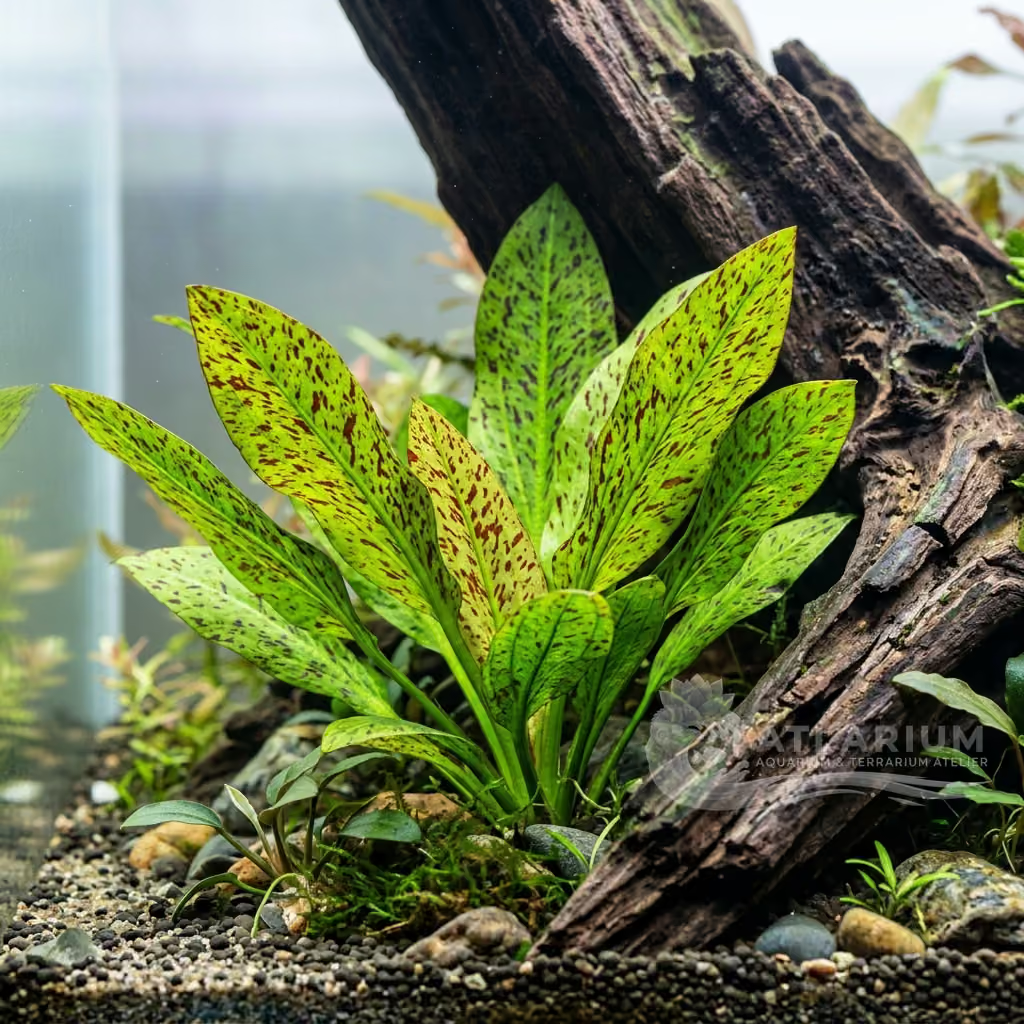
Echinodorus 'Rote Zora'
Echinodorus 'Rote Zora'
A striking red cultivar born from European hybridization. Requires very intense lighting and consistent CO2 injection to sustain its bright red hues and vigorous growth.
Water Temperature
15 - 30 °C
pH Value
5 - 7
Water type
Freshwater
Light
Medium to High
CO2
Low - High
KH
0 - 21 dKH

Species description
Geographical Origin and Habitat: This aquatic plant, scientifically known as Echinodorus 'Rote Zora', has its geographical origins established mainly in the controlled cultivation by European hybridizers. It has genetic origins linked to wild species of tropical South America. In its native lands, it faces periods of heavy seasonal variations, adapting perfectly to both submerged growth during wet months and emersed growth in dry periods. This natural behavior makes it extremely resilient and versatile when introduced into controlled environments such as home aquariums.
Taxonomy & Genetics: From a systematic point of view, it is an ornamental hybrid cultivar (family Alismataceae), selected specifically for its extraordinary red
Color & Texture: ations and compact growth habit. As a representative of this group, it shares many common biological traits but exhibits specific genetic peculiarities that influence its growth rate and fertilization needs. The genetic stability of cultivated strains is ensured in commercial nurseries through rigorous selection and vegetative propagation procedures to keep aesthetic qualities intact.
Physical Structure: Morphologically, the species features a medium-sized erect rosette with broad and slightly wavy leaves, arranged harmoniously around a compact central rhizome. This type of conformation allows it to occupy three-dimensional space efficiently, while offering natural shelter for small fish and invertebrates. The root system is proportional to the aerial development and plays a key role not only for anchorage but also for nutrient uptake.
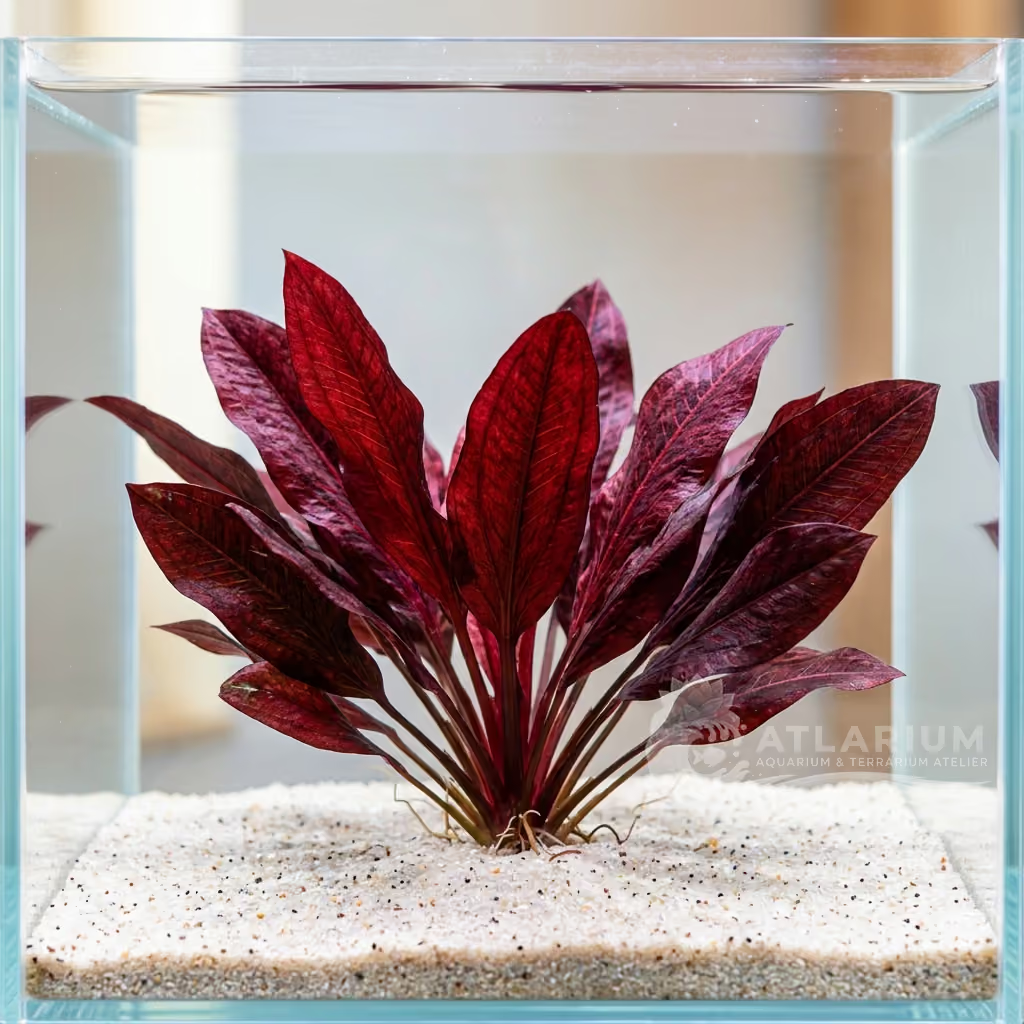
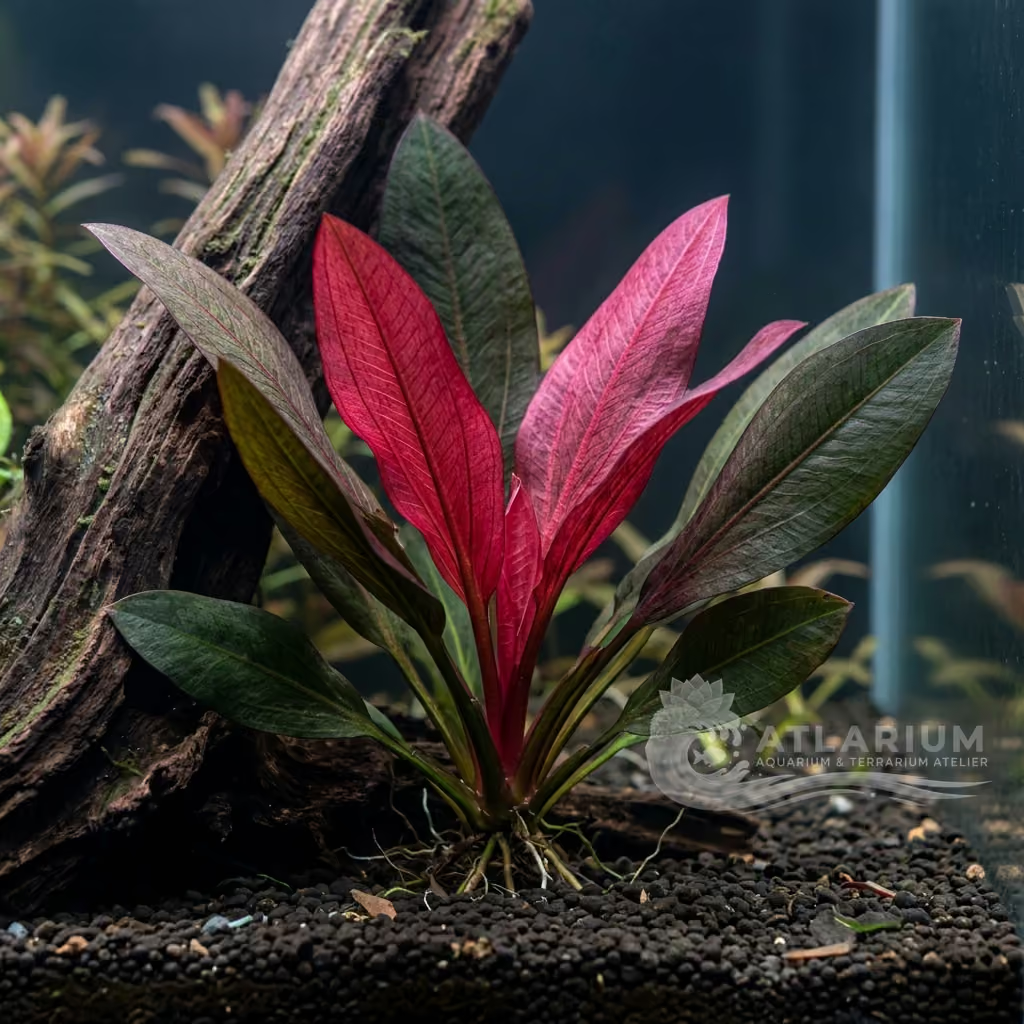
Color & Texture: The chromatic aspect is characterized by new leaves of a very bright ruby red or deep pink, which turns into a green-reddish olive with reddish veins as the leaf ages. This visual combination creates an excellent aesthetic impact under aquarium lights, allowing interesting contrast plays with surrounding plants. The leaf texture is designed to withstand the mechanical stress of running water.

Care, breeding and tankmates
Lighting & CO2: For optimal growth, the plant requires very intense light to maintain the bright red hues; constant CO2 injection is recommended to promote coloration and density. Adequate lighting stimulates photosynthesis and prevents the loss of lower leaves, while carbon dioxide supports faster and more vigorous development of the leaf blade.
Nutrition & Substrate: Nutrition must be curated by providing a fertile substrate and regular root fertilization with iron-based tabs, essential for the synthesis of red pigments. The presence of nutrients in the substrate promotes root development and prevents decay phenomena due to the lack of essential micronutrients.
Water Chemistry: Regarding water chemistry, the plant prefers values between 15°C and 30°C, pH between 5.0 and 7.0, and a water carbonate hardness (KH) up to 21 dKH. It is important to keep the parameters stable and carry out regular water changes to avoid sudden osmotic shifts that could damage plant tissues.
Space Management & Placement: Layout planning should foresee the midground of the aquarium as a focal point, where the red coloration contrasts beautifully with green or light background plants. Correct positioning allows the plant to receive uniform light over the entire surface and ensures good water circulation between the leaves.
Pruning: Routine maintenance requires periodic removal of older or decayed leaves by cutting them at the base, which stimulates the development of new red leaves. This practice prevents decaying old leaves from compromising water quality and constantly stimulates the rejuvenation of the specimen.
Risks & Diseases: Among the main risks is color loss (leaves turn green) under insufficient light conditions and the appearance of leaf chlorosis due to lack of iron. Constantly monitoring the plant allows timely intervention with adjustments to fertilization or lighting management before damage becomes irreversible.

Geographic origin and distribution
This aquatic plant, scientifically known as Echinodorus 'Rote Zora', has its geographical origins established mainly in the controlled cultivation by European hybridizers. It has genetic origins linked to wild species of tropical South America. In its native lands, it faces periods of heavy seasonal variations, adapting perfectly to both submerged growth during wet months and emersed growth in dry periods. This natural behavior makes it extremely resilient and versatile when introduced into controlled environments such as home aquariums.
Origin
Selective breeding and cultivarsAmazon, Orinoco, and Guianas

Plant profile
- Placement
- Midground
- Best utilized as a striking background plant in medium to large aquariums. Its large size and dark, reddish leaves create a powerful visual impact. It should be planted where it will not shade smaller, light-demanding foreground plants.
- Botanical form
- Rosette
- Forms a large, robust rosette with broad, slightly wavy leaves that exhibit a mix of deep red, brown, and green. The plant has a strong crown and an extensive, powerful root system required to anchor its large size.
- Growth
- Medium
- Generally moderate, but growth speed and color intensity are heavily dependent on light and CO2 availability. High-tech environments will result in faster growth and much deeper coloration. In low-light setups, growth is slow and colors fade.
- Substrate
- High
- Demands a deeply packed, highly nutritious substrate system. Aqua soils are the best choice, providing an ideal environment for its large roots. Inert substrates are not recommended unless heavily and continuously fortified with root fertilizers.
- Column fertilization
- Recommended
- While it does absorb some nutrients from the water column, it is largely secondary. Liquid iron supplements can be used to help intensify the red colors. However, primary nutrition must come from the substrate.
- Root fertilization
- Required
- Extremely reliant on root-based nutrition. The regular use of high-quality, iron-rich root tabs is mandatory for the long-term success and coloration of this plant. The roots will aggressively seek out nutrients in the substrate.
- Trimming
- Occasional
- Trimming Echinodorus 'Rote Zora' is straightforward; simply cut older, damaged, or overly large outer leaves as close to the crown as possible. Do not cut the leaves in half, as the remaining stalk will rot. Regular pruning encourages the plant to produce fresh, brightly colored new growth.
- Propagation
- Division
- Propagates primarily through the formation of adventitious plantlets on long flower stalks. These young plants can be removed and replanted once they have developed a sufficient root system. It is a reliable method for generating new specimens.
- Sensitivity
- Moderate
- Echinodorus 'Rote Zora' is generally quite hardy and adaptable to a range of water parameters. It is not particularly sensitive to most common aquarium medications or liquid carbon products. However, sudden extreme changes in water chemistry should still be avoided to prevent melting.
- Layout role
- Midground, accent
- In an aquascape, Echinodorus 'Rote Zora' serves as a magnificent centerpiece or structural background plant. Its red foliage provides excellent contrast against green stem plants and hardscape materials. It brings a natural, robust texture that anchors the overall design.

Related species
Recommendations grouped by close relatives, companion choices, and similar care.