Echinodorus uruguayensis
Aquarius uruguayensis
A gorgeous plant native to southern South America, found in fast-flowing rivers. Demands moderate to high lighting and CO2 injection to maintain dense foliage.
Water Temperature
4 - 30 °C
pH Value
5 - 8
Water type
Freshwater
Light
Medium - High
CO2
Low
Expected height
70 cm
Expected width
50 cm
GH
0 - 20 dGH
KH
0 - 21 dKH

Species description
Geographical Origin and Habitat: Echinodorus uruguayensis is native to the southern regions of South America, particularly Uruguay, southern Brazil, and northeastern Argentina. It populates cool, fast to moderately flowing rivers and streams, rooting deeply in sandy or pebbly beds. It is a predominantly submerged species that tolerates very low water temperatures during the austral winter, a unique adaptation among large plants of the genus Echinodorus.
Taxonomy & Genetics: It belongs to the Alismataceae family, genus Echinodorus. It is a highly polymorphic species with several geographical varieties described in the past as distinct species (e.g., E. horizontalis, E. osiris, E. uruguayensis var. minor). Genetically, it exhibits high variability, which translates into different leaf
Color & Texture: s and widths depending on the local ecotype, while maintaining the characteristic translucency of the leaf cells.
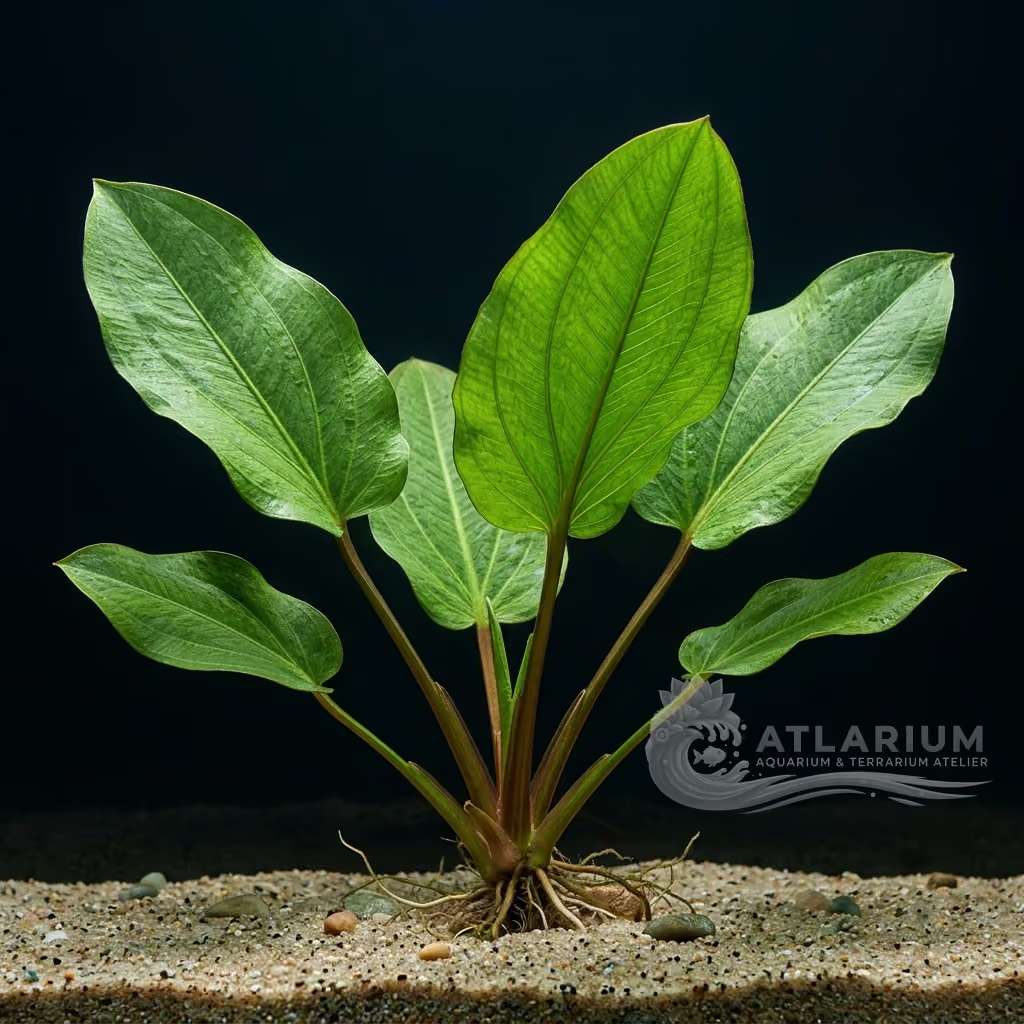
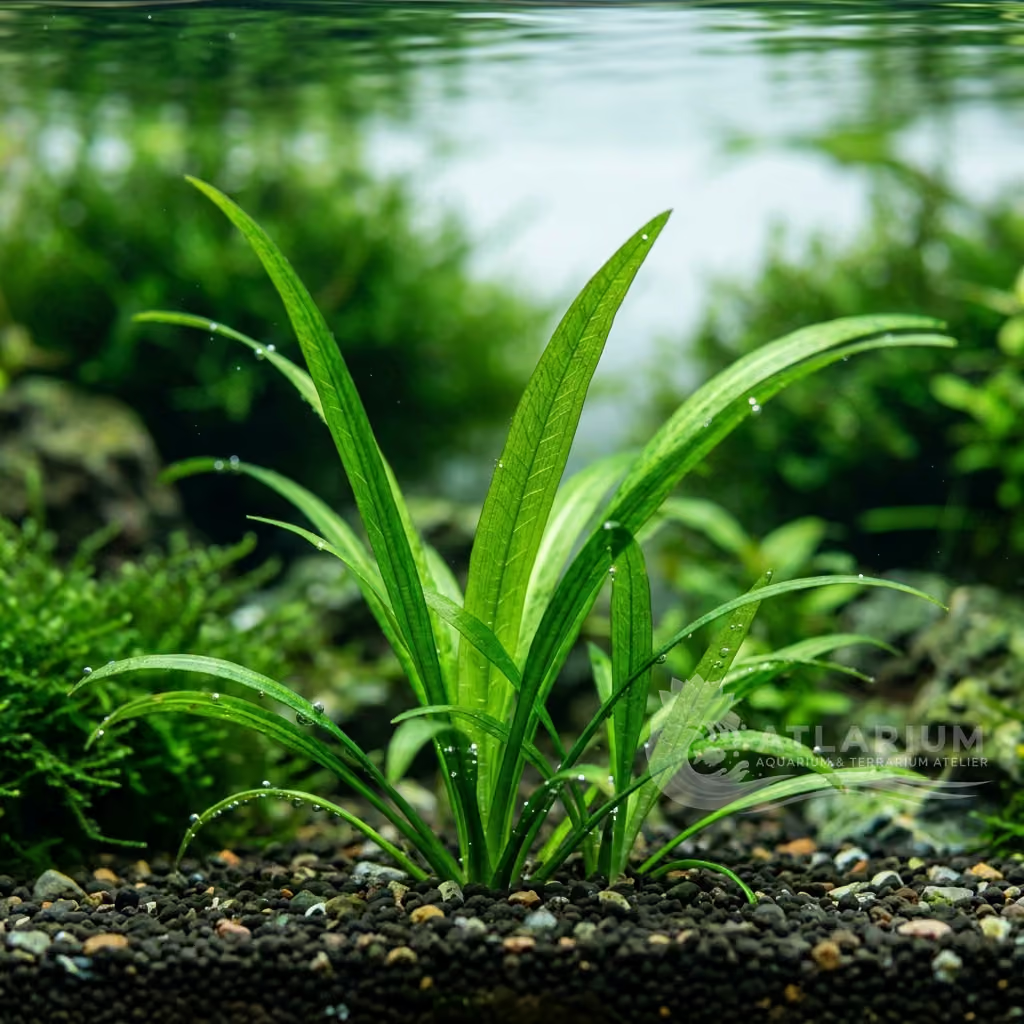
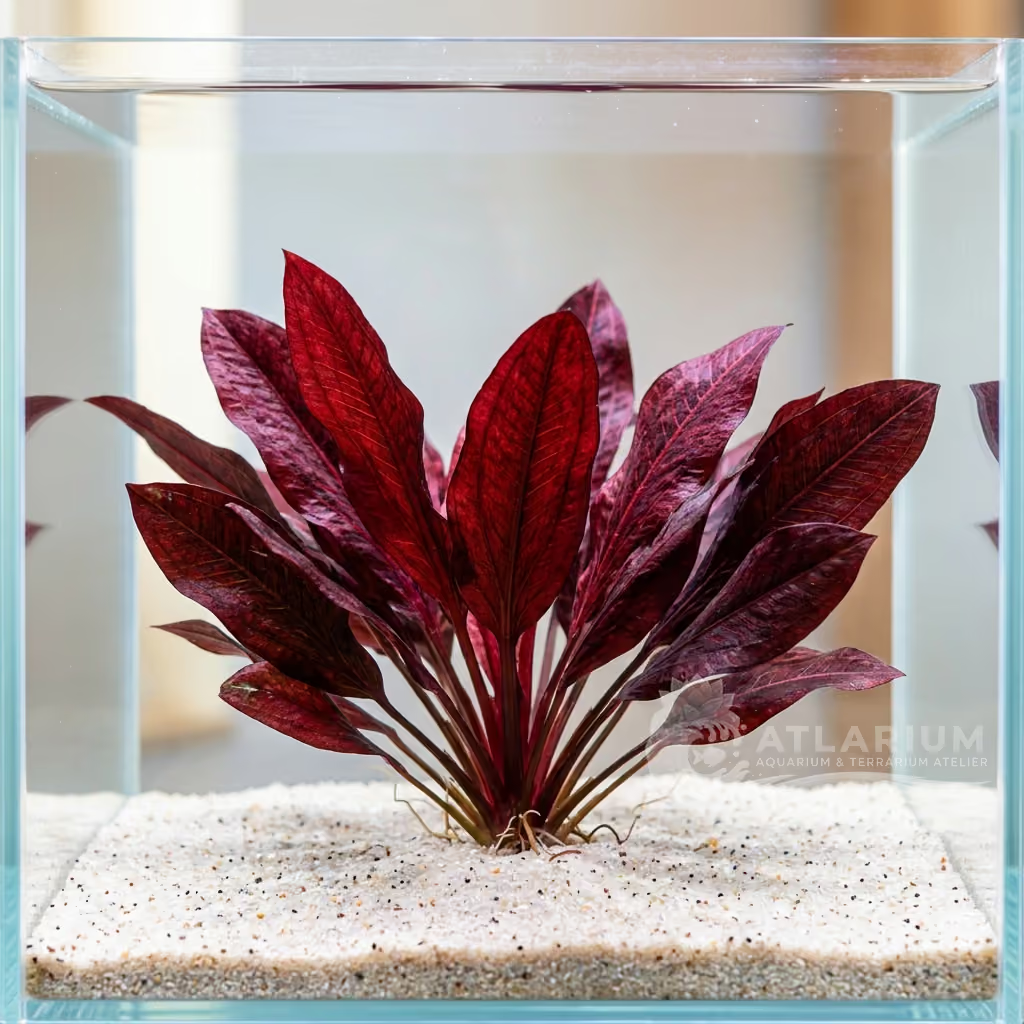
Physical Structure: It exhibits a massive and dense rosette growth habit, which can reach 70 cm in height and 50 cm in width under optimal conditions. The submerged leaves are long, narrow, and ribbon-like, with short petioles arranged around a massive, creeping, woody rhizome. The root system is exceptionally developed, with fleshy, tough roots that penetrate deep into the substrate to ensure stability against river currents.
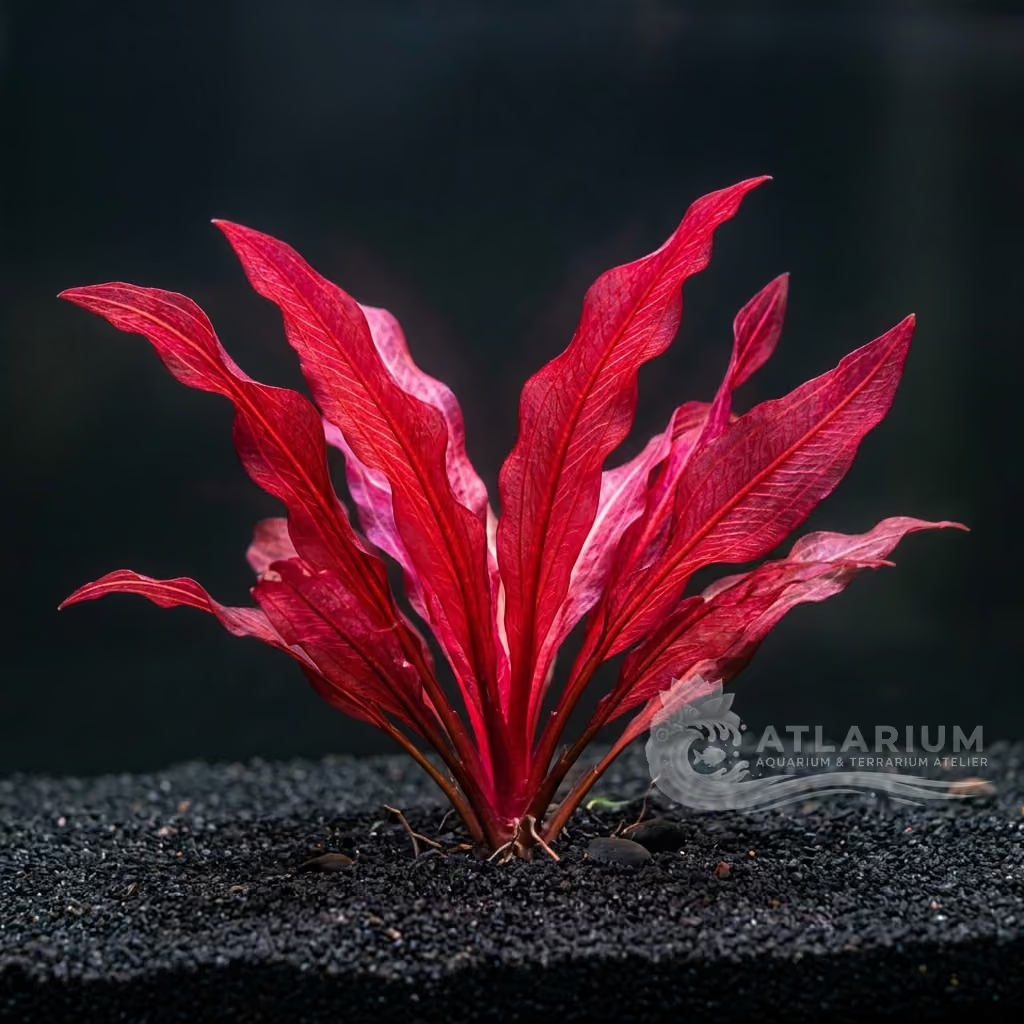
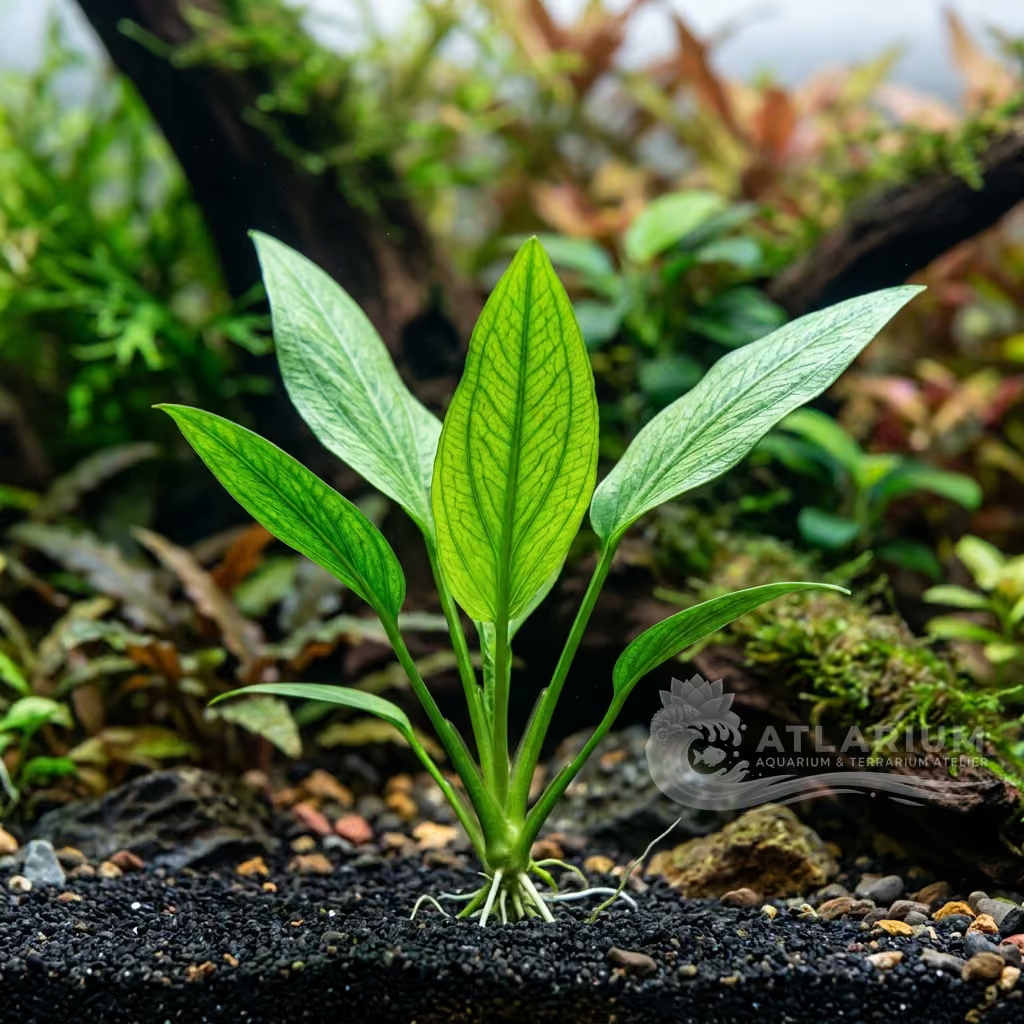
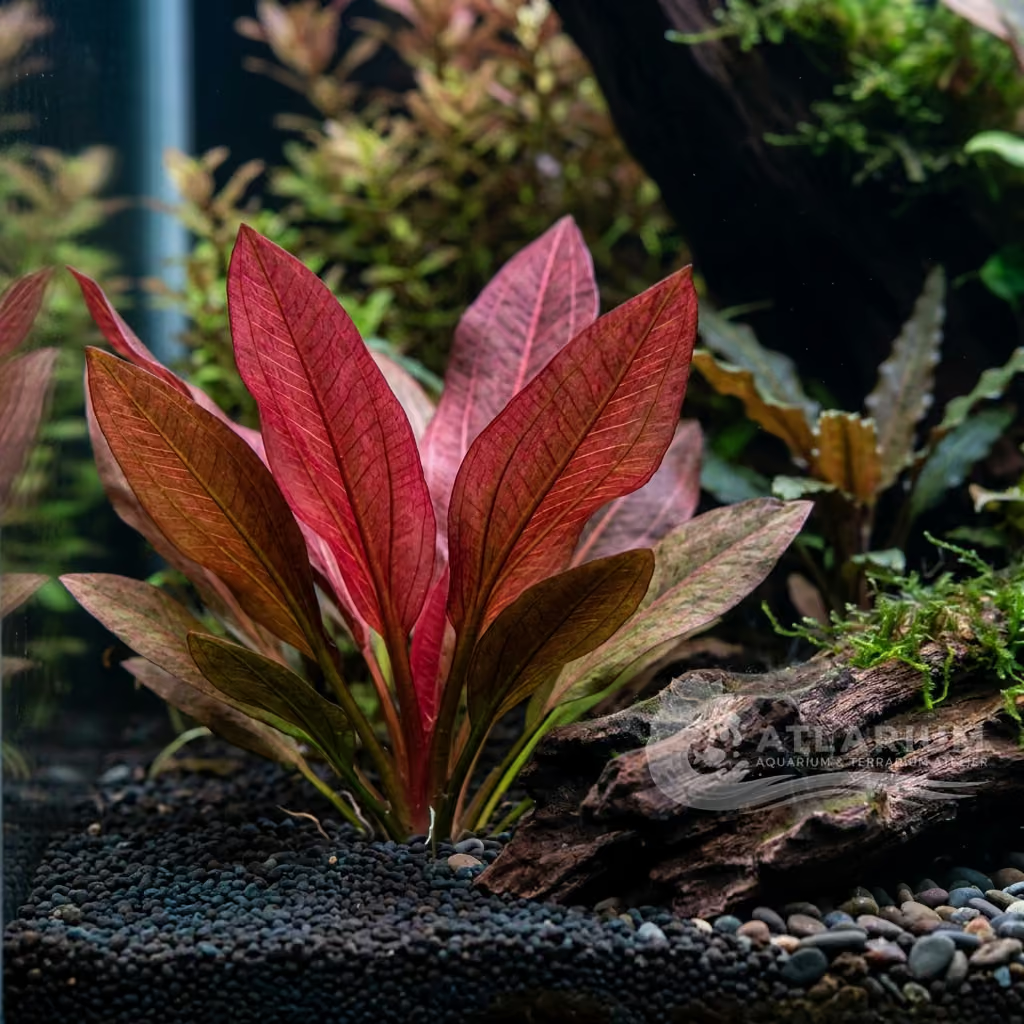
Color & Texture: The leaves display spectacular color shades ranging from olive green to translucent dark green, with younger leaves sometimes assuming reddish or bronze hues under intense lighting. The leaf texture is soft and elastic, with dark longitudinal veins and translucent transverse lines forming a reticulated pattern visible against the light, making the leaf blade unique and highly decorative.

Care, breeding and tankmates
Lighting & CO2: Requires moderate to high lighting to develop attractive coloration and maintain foliage density. CO2 injection (15-25 mg/L) is highly recommended to promote vigorous growth, prevent the decay of older leaves, and stimulate the production of new leaves from the rhizome.
Nutrition & Substrate: It is a demanding plant in terms of root nutrition. It requires a fertile, deep substrate (at least 8 cm) enriched with organic nutrients or iron and trace element tablets inserted regularly near the base. It also responds well to balanced liquid fertilization in the column.
Water Chemistry: Extraordinarily tolerant of water chemistry, it tolerates KH values from 0 to 21 dKH and pH from acidic to alkaline (5.0-8.0). It is extremely cold-resistant, tolerating water temperatures between 4°C and 30°C, making it suitable for cold-water aquariums or outdoor ponds during mild months.
Space Management & Placement: Due to its monumental size, it must be placed in the background of large, tall aquariums. It should be planted in an area with good water circulation to prevent debris from settling among its dense leaves and to allow the fronds to sway gently.
Pruning: Maintenance consists of periodically removing older or damaged leaves by cutting them at the base of the rhizome with long scissors. This stimulates the growth of new leaves and prevents organic debris accumulation on the bottom.
Risks & Diseases: While hardy, it is susceptible to iron chlorosis if the substrate is depleted of nutrients. Furthermore, the large, soft leaves can be easy targets for herbivorous fish or snails. Insufficient water circulation can promote black beard algae on the leaf margins.

Geographic origin and distribution
Echinodorus uruguayensis is native to the southern regions of South America, particularly Uruguay, southern Brazil, and northeastern Argentina. It populates cool, fast to moderately flowing rivers and streams, rooting deeply in sandy or pebbly beds. It is a predominantly submerged species that tolerates very low water temperatures during the austral winter, a unique adaptation among large plants of the genus Echinodorus.
Origin
Extra-Amazon South America

Plant profile
- Placement
- Background
- Its long, flowing, strap-like leaves make it a perfect background plant, especially in areas with moderate to high water movement. It looks exceptionally graceful as the leaves sway in the current. Because the leaves tend to stay narrow, it does not shade surrounding plants as heavily as other large Echinodorus.
- Botanical form
- Rosette
- It forms a tight rosette producing numerous long, narrow, ribbon-like leaves that are somewhat translucent. Depending on the variant and lighting, the leaves can be bright apple green to dark brownish-red. The leaves tend to arch elegantly, adding a sweeping sense of motion to the aquascape.
- Growth
- Medium
- It has a relatively slow to moderate growth rate, taking time to establish and reach its full, impressive size. Adding CO2 and strong lighting can increase the growth rate slightly, but it remains a steady, deliberate grower. This slow growth makes it very easy to manage without frequent pruning.
- Substrate
- High
- A mature, nutrient-rich substrate provides the best environment for its strong root system. It thrives in aquasoils or fine gravel enriched with root tabs. A deep substrate is necessary as the roots will spread extensively over time, securely anchoring the plant in strong flow.
- Column fertilization
- Recommended
- Liquid fertilization is beneficial for providing the readily available trace elements that maintain the leaves' translucent beauty. A light, regular dose of a comprehensive liquid fertilizer ensures the foliage remains unblemished. It absorbs nutrients well from the water column due to the thinness of its leaves.
- Root fertilization
- None
- Like all swords, it greatly benefits from targeted root fertilization. Placing root tabs around the base every three to four months ensures it has access to essential macronutrients. This promotes the growth of more numerous, longer, and healthier leaves over its lifespan.
- Trimming
- Occasional
- Trimming should consist of removing the oldest, outermost leaves as they begin to yellow or gather algae. Always cut these leaves as close to the crown as possible to maintain a clean rosette. It generally requires very little maintenance compared to fast-growing stem plants.
- Propagation
- Cuttings
- It reproduces by developing inflorescences that carry small adventitious plantlets. However, it tends to produce runners less frequently than other common sword plants. When runners do appear and plantlets develop roots, they can be carefully snipped off and replanted.
- Sensitivity
- Moderate
- It is a robust plant that can adapt to a wide range of water parameters, though it often appreciates slightly cooler water. It is not particularly sensitive, but its long leaves can become a site for algae growth if flow is poor. Herbivorous fish usually leave it alone.
- Layout role
- Background
- It provides a highly graceful, sweeping aesthetic that softens the hard edges of rocks or driftwood in the background. The ribbon-like leaves create a wonderful sense of flow and movement in the aquarium. It serves as an excellent backdrop for smaller, contrasting midground species.

Image gallery
Licensed images linked to the species or, when marked, to the closest representative taxon.

Related species
Recommendations grouped by close relatives, companion choices, and similar care.