Sagittaria subulata "Needle"
Sagittaria subulata
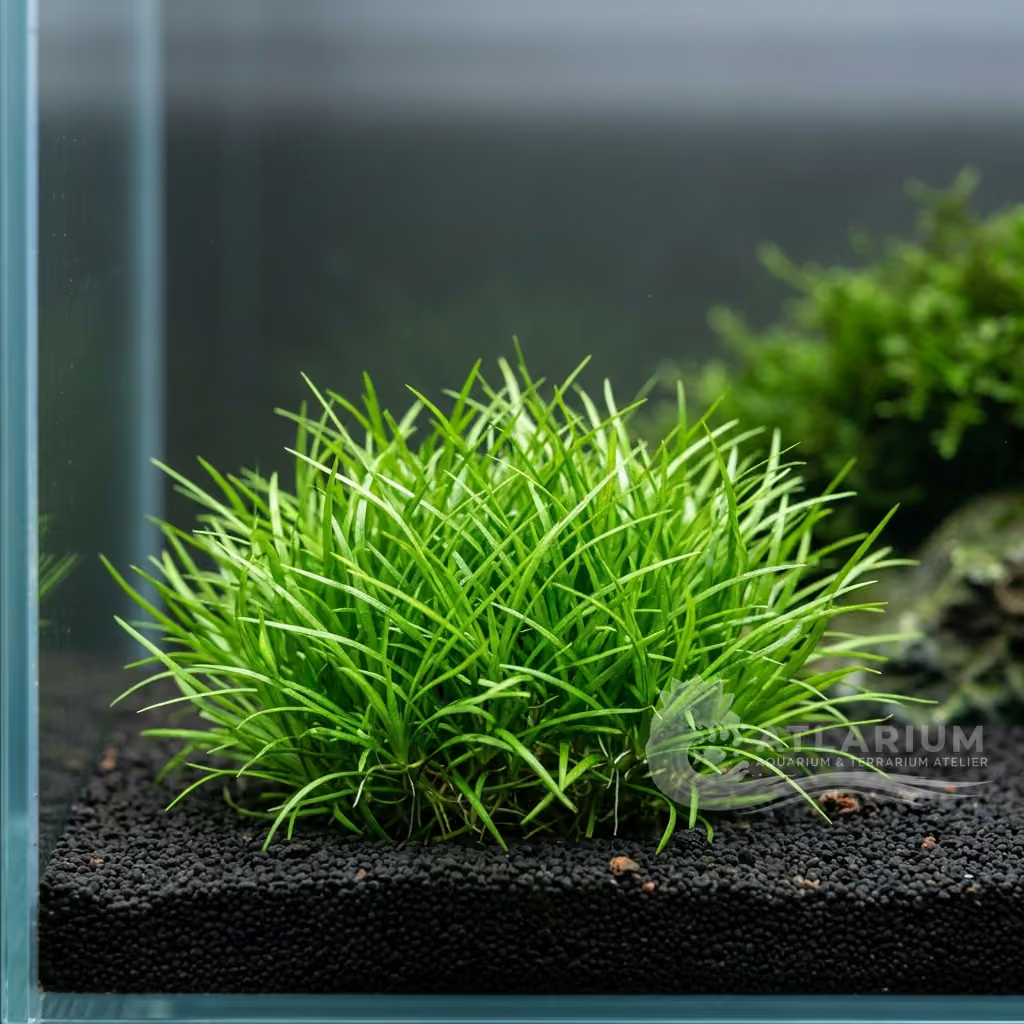
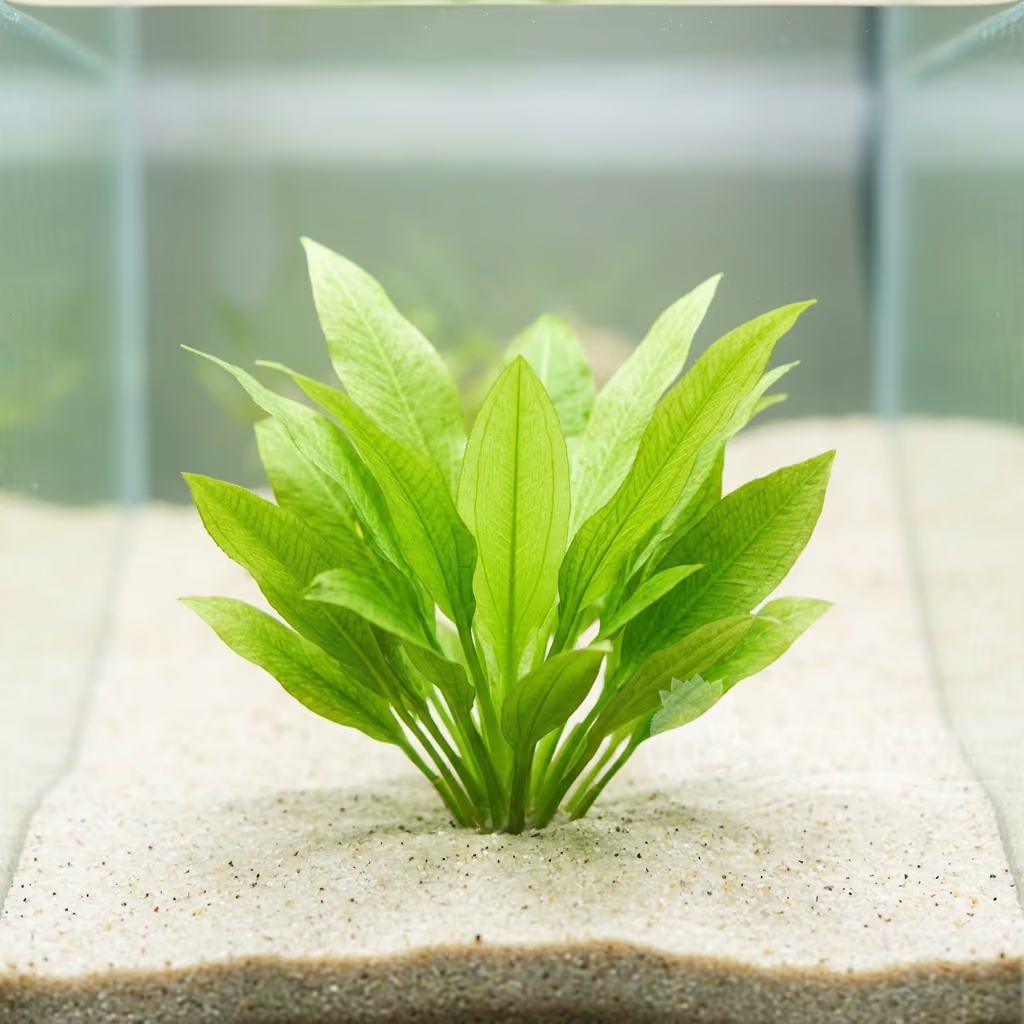
Sagittaria subulata "Needle" is a popular foreground plant, forming a dense, grassy carpet with its slender, vibrant green leaves. Its medium growth rate makes it a manageable yet effective choice for creating lush aquascapes.
Water Temperature
4 - 30 °C
pH Value
5 - 8
Water type
Freshwater
Light
Medium to High
CO2
High
Expected height
30 cm
Expected width
10 cm
KH
2 - 21 dKH

Species description
Geographical Origin and Habitat: Sagittaria subulata "Needle" is a cultivar of the species Sagittaria subulata, which is naturally distributed across a vast range in North and South America. In its native habitats, this aquatic plant thrives in shallow, slow-moving waters such as margins of lakes, ponds, rivers, and ditches. It is typically found rooted in soft, muddy substrates, often forming dense submerged colonies under varying light conditions, though it prefers brighter spots. The "Needle" variety has been selectively bred for its particularly thin, linear leaf form, enhancing its aesthetic appeal for aquascaping.
Taxonomy & Genetics: Belonging to the Alismataceae family, Sagittaria subulata is a monocotyledonous aquatic plant known for its versatility. The "Needle" designation refers to a specific cultivated form characterized by exceptionally narrow and upright leaves, a trait that differentiates it from the broader-leaved forms of the species. This specific morphology is maintained through vegetative propagation, ensuring genetic consistency within the cultivated stock. While genetically identical to its species, the "Needle" variety has been selected for these refined aesthetic qualities, making it a distinctive choice in the aquascaping hobby.
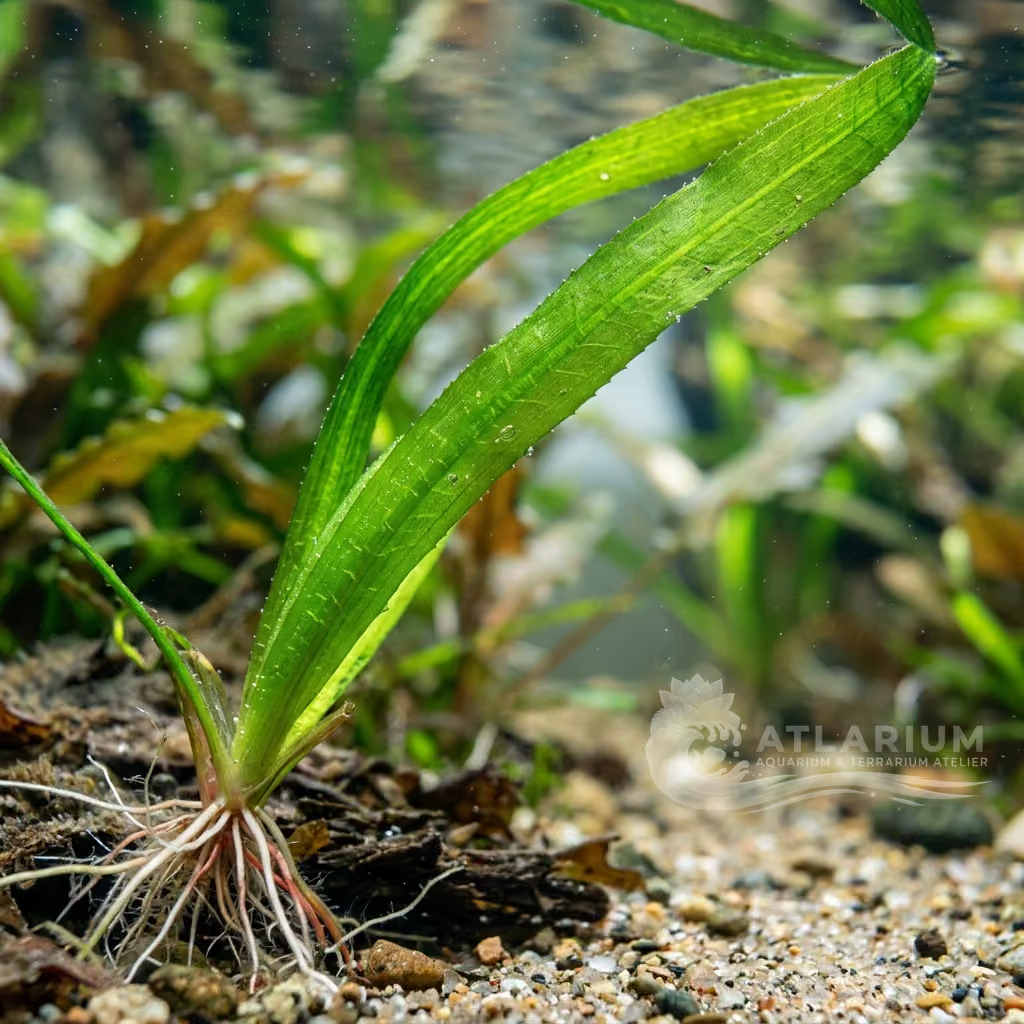
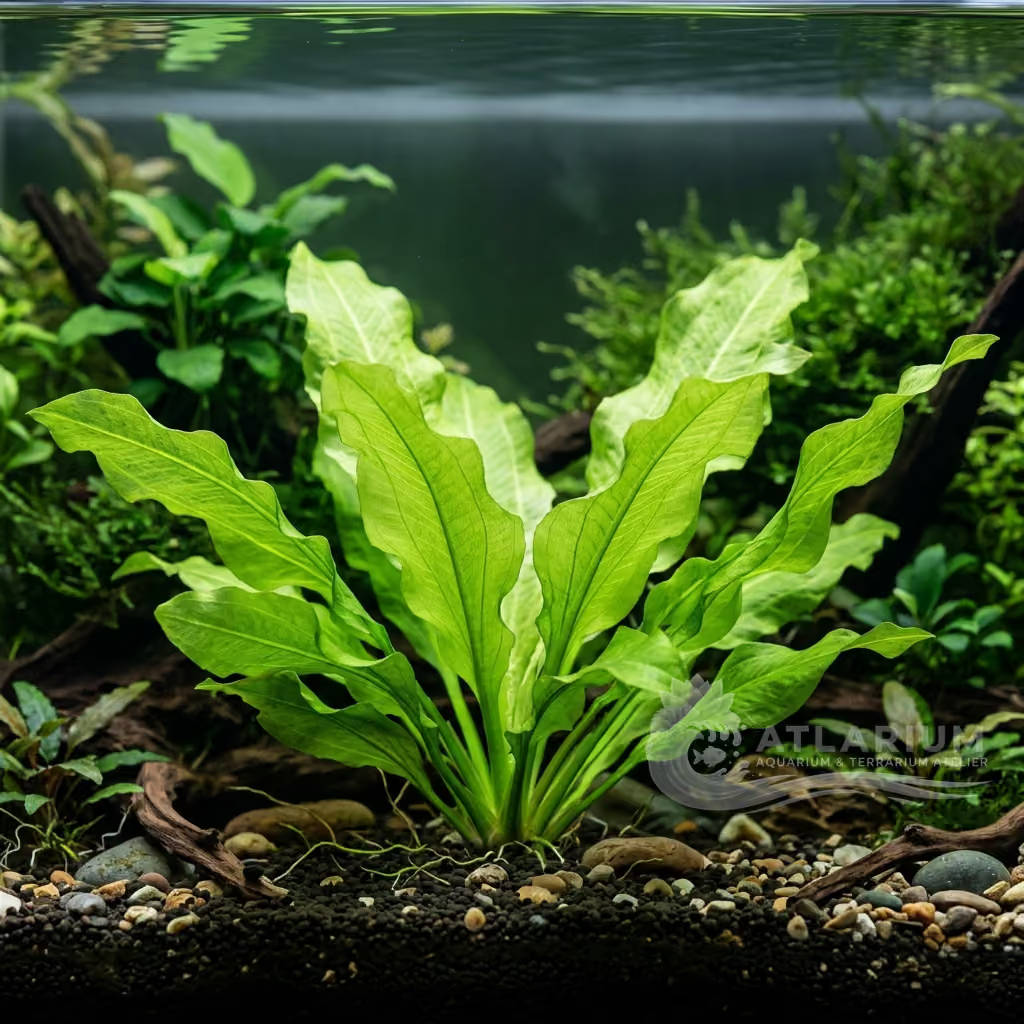
Physical Structure: Sagittaria subulata "Needle" is characterized by its slender, strap-like leaves that typically grow between 5-15 cm in height in optimal conditions, though they can reach up to 30 cm in lower light. These linear leaves emerge from a central rhizome and form dense rosettes, which in turn spread horizontally via runners or stolons. The plant develops a robust root system that anchors it firmly into the substrate, allowing it to draw nutrients effectively. Under very strong light, it tends to stay more compact, forming a dense, grassy carpet on the aquarium floor.
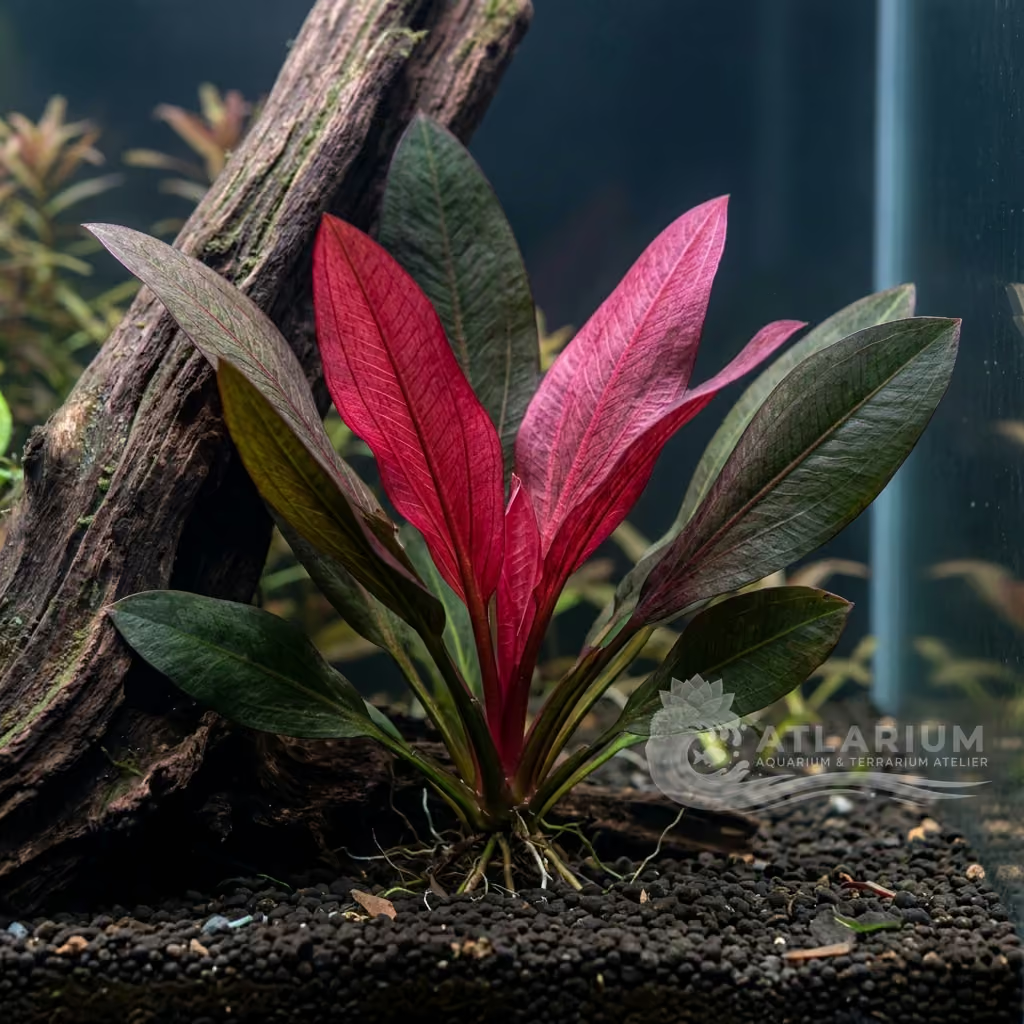
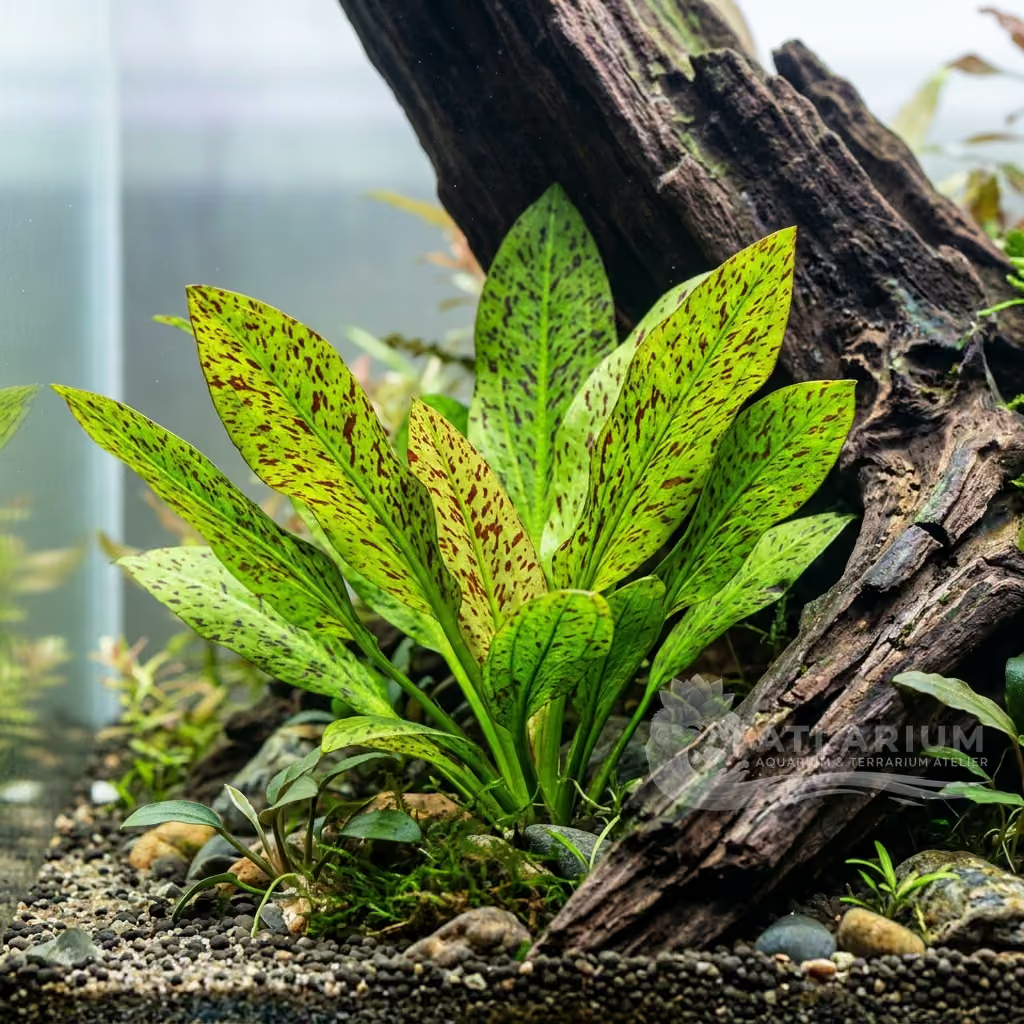
Color & Texture: The foliage of Sagittaria subulata "Needle" presents a vibrant, fresh green hue that contributes significantly to the natural aesthetic of an aquascape. The leaves are smooth to the touch, lacking any significant hairiness or serration along their edges, giving them a delicate yet clean appearance. When healthy, their texture is firm and resilient, standing upright in the water column and contributing to a lush, uniform foreground. This consistent coloration and fine texture make it an excellent choice for creating a soft, natural looking carpet effect.

Care, breeding and tankmates
Lighting & CO2: Sagittaria subulata "Needle" requires medium to high lighting to thrive and maintain its compact, needle-like form. Under insufficient light, the leaves tend to stretch vertically, becoming leggy and losing their characteristic dense appearance. While CO2 injection is not strictly mandatory for its survival, providing supplemental CO2 will significantly enhance its growth rate, promote denser foliage, and encourage a more vigorous spreading via runners. A photoperiod of 8-10 hours per day with moderate to intense light (e.g., 50-80 PAR at the substrate) is ideal for optimal results.
Nutrition & Substrate: This plant is a root feeder, meaning it benefits greatly from a nutrient-rich substrate. Using an aquascaping soil or a fortified gravel substrate enriched with iron and other trace elements will promote robust root development and overall plant health. While root tabs can be beneficial for long-term nutrient replenishment, a good quality substrate typically provides sufficient initial nutrients. Liquid fertilization, particularly with potassium and micronutrients, can supplement the substrate's offerings and support healthy leaf growth, especially in tanks with dense planting or high light.
Water Chemistry: Sagittaria subulata "Needle" demonstrates a wide adaptability to various water parameters, making it a resilient choice for many aquariums. It tolerates water temperatures ranging from a cool 4.0 C to a warm 30.0 C, though optimal growth typically occurs within the 20-26 C range. The plant is comfortable in a pH range of 5.0 to 8.0, accommodating both soft, acidic conditions and harder, alkaline environments. A general hardness (KH) between 2.0 and 21.0 also highlights its flexibility, indicating it can thrive in a broad spectrum of water hardness.
Space Management & Placement: As a classic foreground plant, Sagittaria subulata "Needle" is best placed at the very front of the aquarium, where its short, grassy growth can create a natural carpeting effect. Due to its propagation via runners, it will spread horizontally, eventually forming a dense mat. When planting, individual plantlets should be spaced a few centimeters apart to allow for initial growth and expansion. Careful consideration should be given to its mature spread to prevent it from encroaching on other foreground plants or obscuring the view of the substrate.
Pruning: Regular pruning is essential to maintain the desired carpet effect and prevent overcrowding. When Sagittaria subulata "Needle" sends out runners, new plantlets will emerge, leading to increased density. To manage this, runners can be gently trimmed and replanted elsewhere or discarded. Older, longer leaves that may start to yellow or detract from the carpet's uniformity should be individually snipped at their base. This selective pruning encourages the plant to produce new, vibrant growth and maintain a neat appearance.
Risks & Diseases: Sagittaria subulata "Needle" is generally a hardy plant, but it can be susceptible to common aquatic plant issues if conditions are not met. Nutrient deficiencies, particularly iron or potassium, can lead to yellowing or stunted growth. Excessive algae growth can smother the plant, especially if light and nutrient balance are not well-managed. Poor water circulation or accumulation of detritus around the plants can also lead to melting or decline, emphasizing the importance of consistent tank maintenance and appropriate water flow.

Geographic origin and distribution
Sagittaria subulata "Needle" is a cultivar of the species Sagittaria subulata, which is naturally distributed across a vast range in North and South America. In its native habitats, this aquatic plant thrives in shallow, slow-moving waters such as margins of lakes, ponds, rivers, and ditches. It is typically found rooted in soft, muddy substrates, often forming dense submerged colonies under varying light conditions, though it prefers brighter spots. The "Needle" variety has been selectively bred for its particularly thin, linear leaf form, enhancing its aesthetic appeal for aquascaping.
Origin
North AmericaExtra-Amazon South AmericaSelective breeding and cultivars

Plant profile
- Placement
- Foreground
- With its exceptionally fine, hair-like leaves, it is best utilized in the foreground to create a delicate, grassy carpet. It is particularly well-suited for nano aquariums where its tiny scale makes the tank look much larger. It can also be mixed with other low-growing plants to add texture and variety to the foreground.
- Botanical form
- Rosette
- This specific variant is characterized by incredibly narrow, needle-like leaves that are much thinner than standard S. subulata. The delicate foliage grows in small rosettes and usually stays quite short, maintaining a strict grass-like appearance. Its fine texture provides a beautiful contrast against rocks, driftwood, and broader-leaved plants.
- Growth
- Medium
- The growth rate is moderate to fast, rapidly accelerating when provided with good root nutrition. It continuously produces runners and will eventually form a very dense, intertwined mat across the substrate. Regular thinning is required to prevent it from piling up on itself and rotting at the base.
- Substrate
- High
- Like other Sagittaria variants, it heavily relies on its root system and thrives in a nutrient-rich substrate. Aqua soils or mineralized dirt provide the best environment for it to rapidly send out runners. It can be grown in sand or gravel, provided that root tabs are used to supplement the inert material.
- Column fertilization
- Recommended
- Column dosing is generally unnecessary if the plant is rooted in a rich substrate. However, in entirely inert setups, a light weekly dosing of a complete liquid fertilizer is recommended. This ensures that the plant does not exhaust the small amount of nutrients naturally produced by fish waste.
- Root fertilization
- None
- Root feeding is highly recommended and is the primary method for ensuring the health and rapid spread of this variant. Inserting small pieces of root tabs among the carpet will dramatically boost growth and runner production. This localized feeding keeps the nutrients away from algae in the water column.
- Trimming
- Occasional
- Pruning is minimal and mainly involves managing its spread. Snip runners that encroach on areas where they are not wanted. Remove any yellowing or dead outer leaves at the base to maintain a tidy appearance.
- Propagation
- Runners
- Propagation is incredibly easy and occurs naturally through the production of horizontal runners. Small clones will sprout at regular intervals along these runners, quickly expanding the carpet. To propagate manually, cut the runner between two rosettes and transplant the daughter plant.
- Sensitivity
- Moderate
- A hardy and resilient variant that tolerates a wide range of water parameters. It is less prone to sudden die-offs and adapts easily to new environments. A great choice for aquarists looking for a fine-textured foreground plant that is easy to care for.
- Layout role
- group, Foreground, Midground, Nano
- Excellent for creating a very fine, lawn-like effect in the foreground. Its delicate appearance contrasts nicely with broader-leaved plants and coarse hardscape. It provides a natural, soft transition from the front glass to the midground.

Related species
Recommendations grouped by close relatives, companion choices, and similar care.