Echinodorus 'Roter Oktober'
Echinodorus 'Roter Oktober'
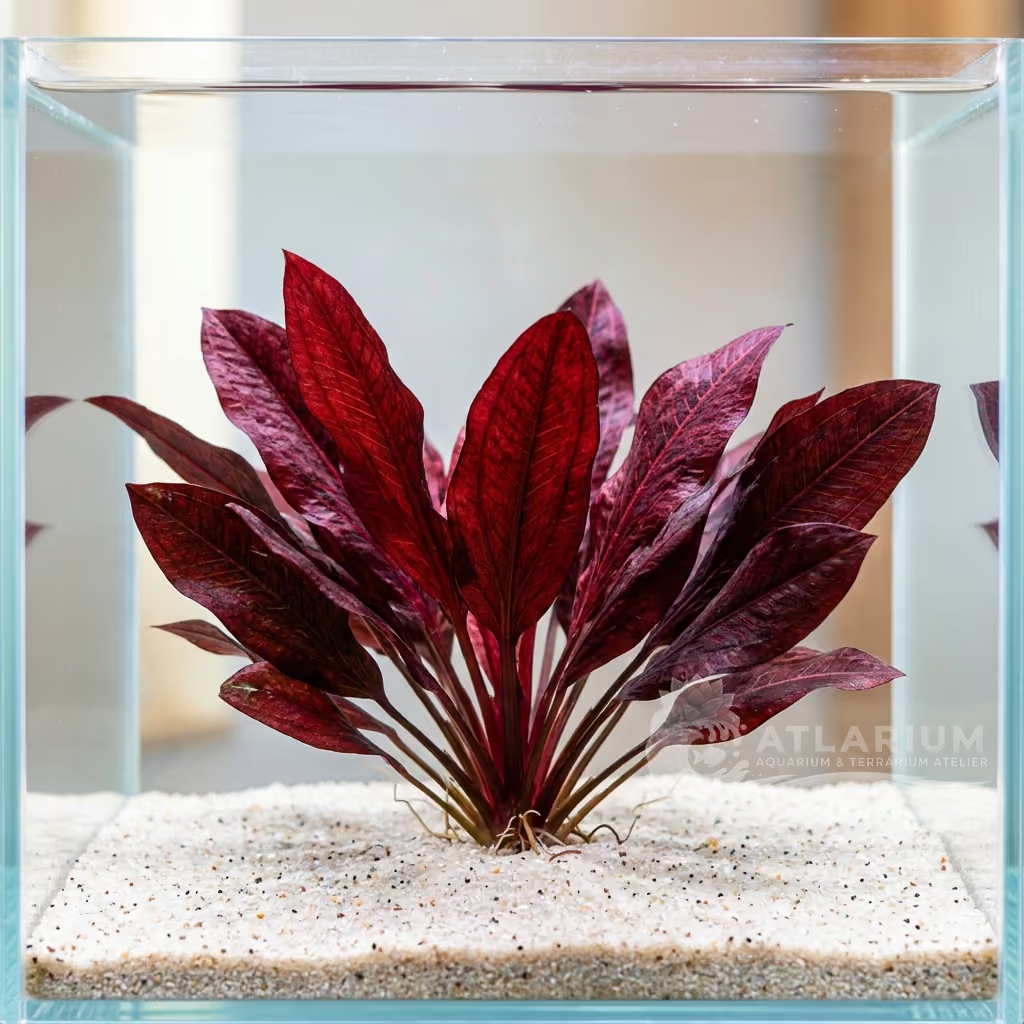
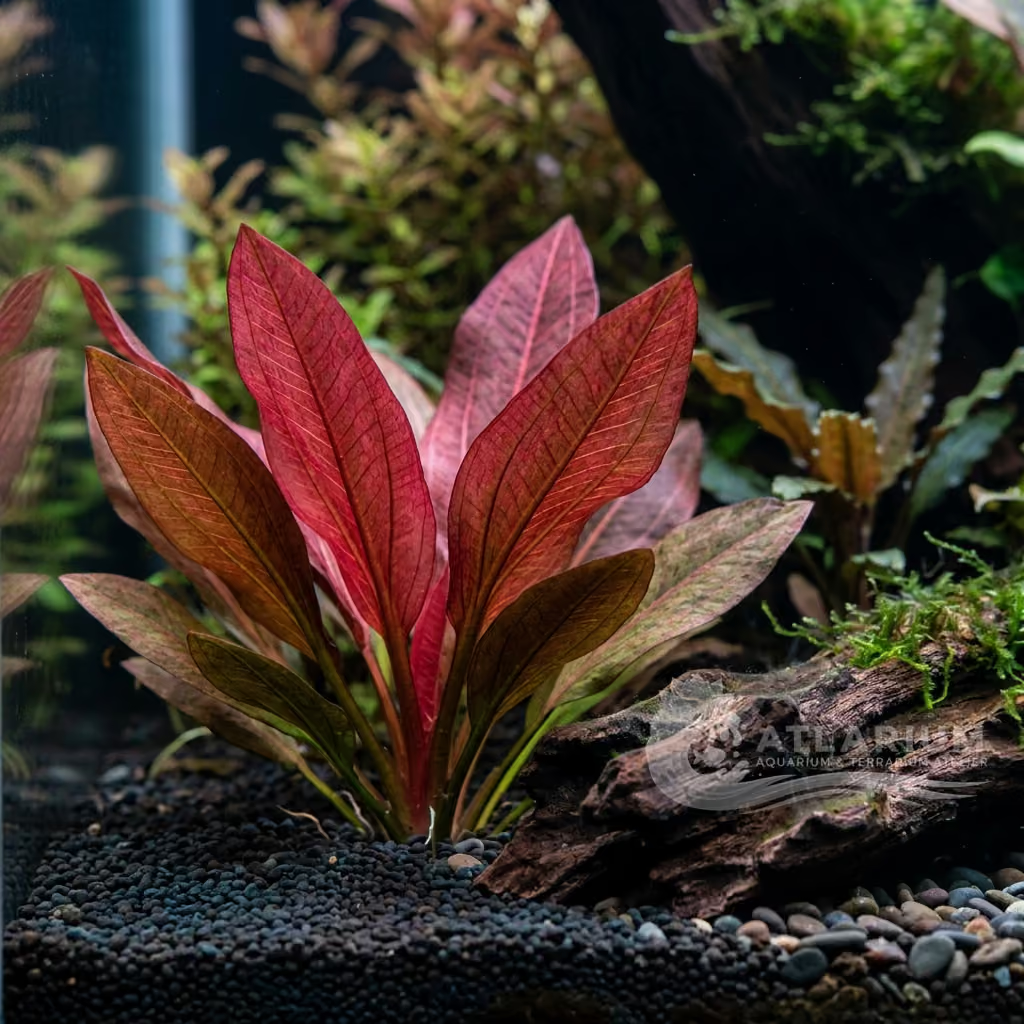
Echinodorus 'Roter Oktober' is an eye-catching hybrid rosette plant featuring deep red leaves and a medium growth rate, ideal as a midground focal point.
Water Temperature
15 - 30 °C
pH Value
5 - 7
Water type
Freshwater
Light
Medium to High
CO2
Low - High
Expected height
35 cm
KH
0 - 21 dKH

Species description
Geographical Origin and Habitat: This exceptional horticultural variety, named 'Roter Oktober' (Red October), is a cultivated hybrid developed in Europe, particularly in Germany. It does not exist in the wild. The genus Echinodorus has its evolutionary roots in the wetlands, marshes, and riverine areas of Central and South America. This selection was created to stabilize a compact growth habit combined with an intense and long-lasting red
Color & Texture: ation of young leaves, suitable for submerged cultivation in the aquarium.
Taxonomy & Genetics: It belongs to the family Alismataceae. It is a complex hybrid whose genetic lines include species known for their strong red pigmentation. The genetics of 'Roter Oktober' have been selected to maintain its characteristic red color even under non-extreme lighting levels, distinguishing it from other hybrids that easily turn green. To preserve these properties, it is propagated exclusively vegetatively.
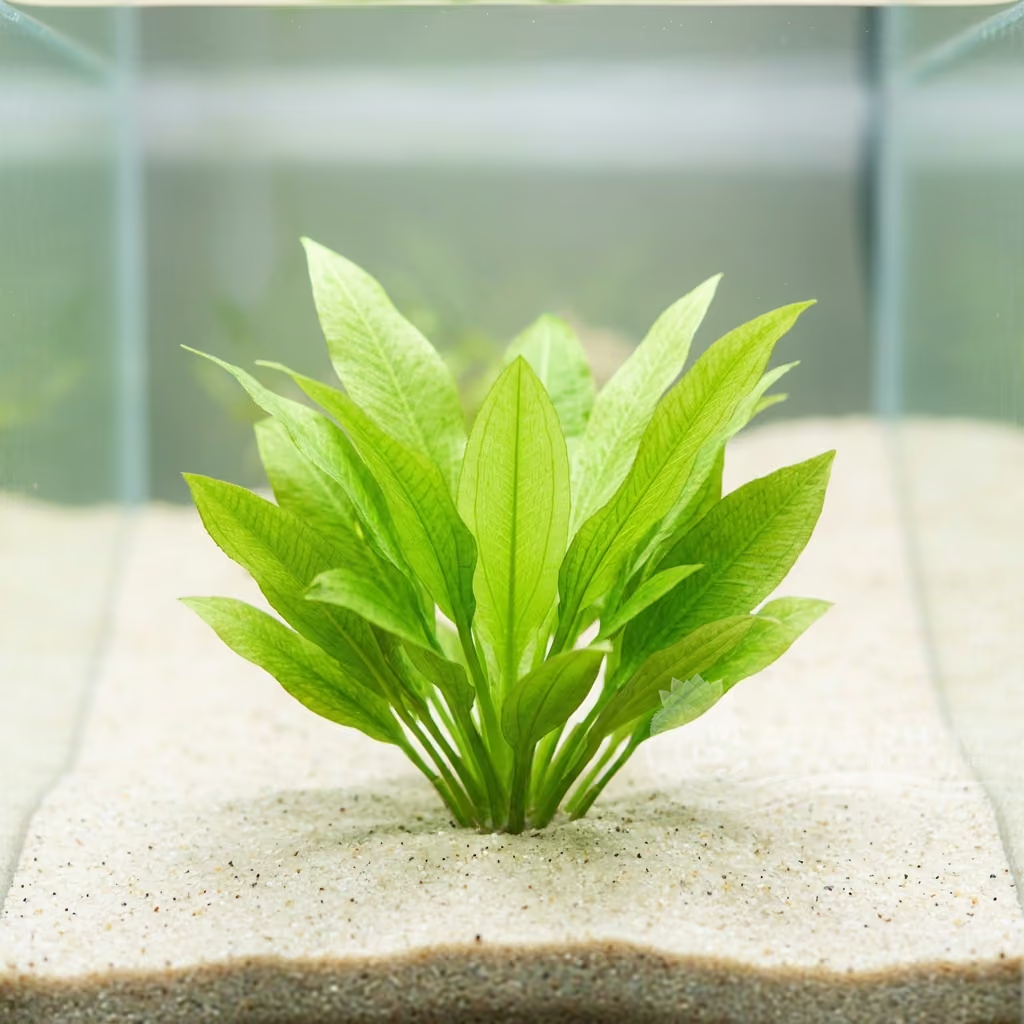
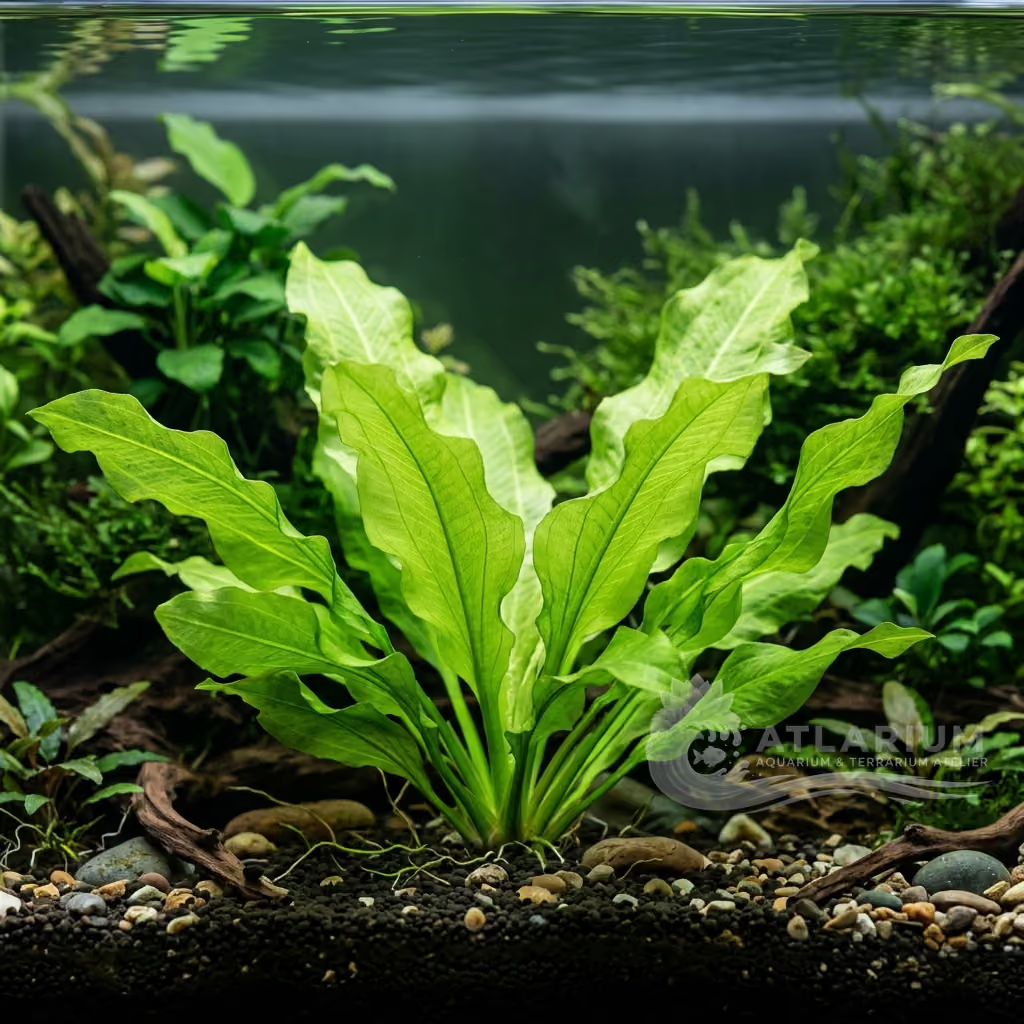
Physical Structure: It forms a compact and erect rosette of medium size, with a typical submerged height of 20-35 cm. The leaves have a lanceolate or narrowly oval shape, supported by short and robust petioles that contribute to giving the plant a dense and bushy appearance. Under the substrate level, it develops a vigorous root system with fleshy roots that expand to absorb necessary nutrients.
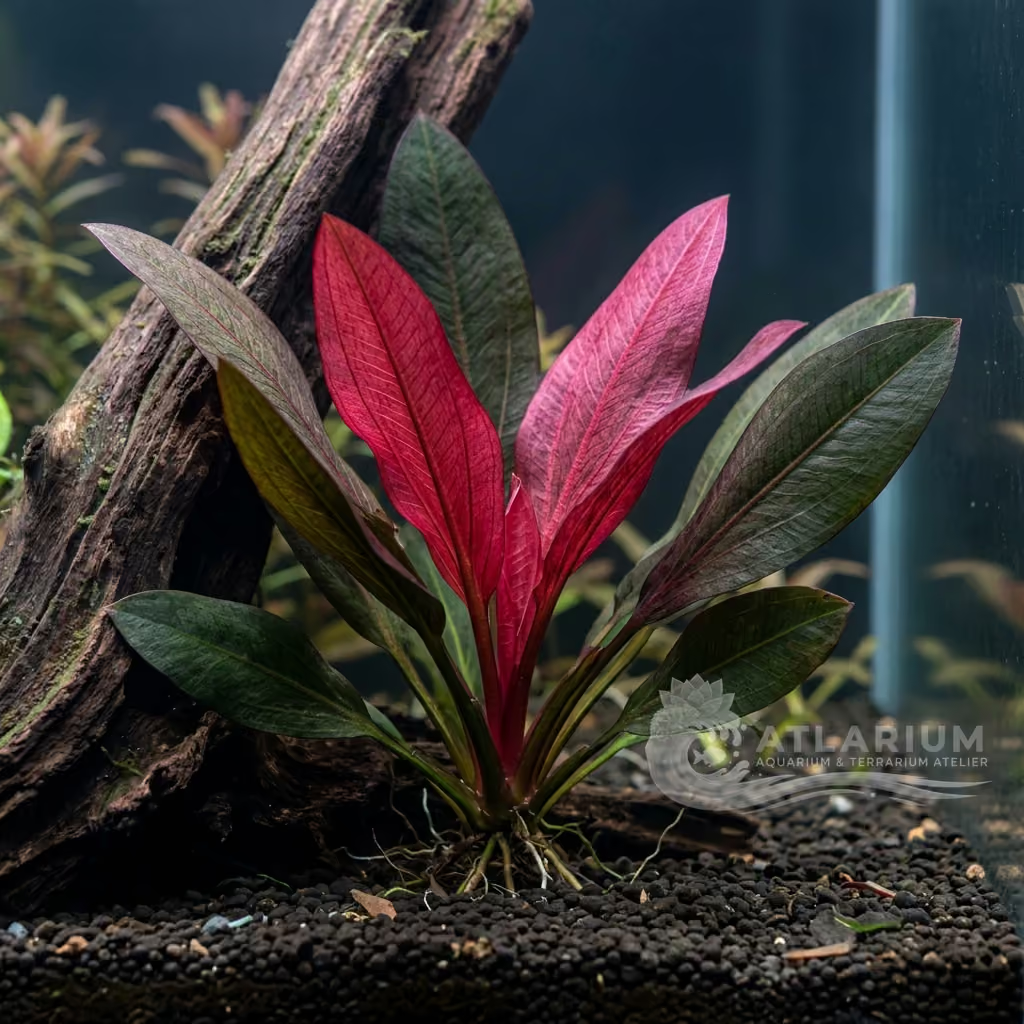
Color & Texture: The name of the cultivar reflects its main visual feature: new leaves emerge from the center of the rosette with an extremely intense and deep ruby-red or blood-red color. Unlike other red hybrids, mature leaves maintain a reddish-brown or dark olive-green hue for a long time before turning completely green. The leaf blades have a robust texture and well-defined longitudinal veins that enhance the geometric structure of the plant.

Care, breeding and tankmates
Lighting & CO2: Prefers medium to high lighting. Although genetics help maintain red tones, intense light makes the coloration extraordinarily vibrant and stimulates the plant to produce shorter and denser leaves. CO2 injection is recommended to accelerate growth and improve the overall health of the plant, favoring a compact habit.
Nutrition & Substrate: It is a demanding plant from a nutritional point of view, particularly at the root level. Requires a fertile substrate, preferably clayey or enriched with iron. Regular insertion of fertilizer tabs under the rosette is recommended to prevent substrate depletion. Liquid fertilization provides useful micronutrients but does not replace root nourishment.
Water Chemistry: Tolerates a wide spectrum of values, with ideal temperatures ranging between 15°C and 30°C. Adapts to acidic or neutral pH (5.0 - 7.0) and water hardness (KH) from very low to medium. It is a robust plant that responds positively to regular partial water changes that keep the water clear and free of organic excesses.
Space Management & Placement: Its optimal position is in the midground of the aquarium. The intense red coloration creates an exceptional visual focal point (solitary plant) that attracts the viewer's attention. It is important to space it sufficiently from neighboring plants to allow the rosette to expand without shading dwarf species.
Pruning: Maintenance consists of cutting the oldest, damaged, or yellowed outer leaves near the base of the rhizome with sharp scissors. This promotes water circulation at the base and stimulates the plant to constantly produce new red leaves from the center of the rosette. Also remove any flower stalks if you want to concentrate energy on leaf growth.
Risks & Diseases: It is subject to iron chlorosis in case of iron deficiency, which manifests as faded or transparent new leaves. The thick, moderately growing leaves can be colonized by brush algae or green spot algae if there are nutrient imbalances or fluctuations in CO2 levels in the aquarium.

Geographic origin and distribution
This exceptional horticultural variety, named 'Roter Oktober' (Red October), is a cultivated hybrid developed in Europe, particularly in Germany. It does not exist in the wild. The genus Echinodorus has its evolutionary roots in the wetlands, marshes, and riverine areas of Central and South America. This selection was created to stabilize a compact growth habit combined with an intense and long-lasting red
Origin
Selective breeding and cultivarsExtra-Amazon South AmericaCentral America and Caribbean

Plant profile
- Placement
- Midground
- An excellent choice for a dramatic midground focal point in large aquariums or a background plant in smaller setups. Its dark coloration provides stark contrast against lighter green plants. Ensure it receives unobstructed light for best colors.
- Botanical form
- Rosette
- Forms a beautiful, somewhat compact rosette with leaves that showcase deep red and burgundy tones. The leaves are generally lanceolate to elliptical with noticeable venation. It develops a sturdy root system that anchors firmly into the substrate.
- Growth
- Medium
- Exhibits a moderate growth rate when conditions are optimal, including high light and CO2 injection. Under these conditions, it will continually produce intensely colored new leaves. Under lower light, the growth rate is slower and the red coloration diminishes.
- Substrate
- High
- Prefers a soft, porous, and highly nutritious substrate. Aqua soil is the optimal choice, allowing the roots to spread and feed efficiently. If an inert substrate is used, it must be heavily supplemented with high-quality root tabs.
- Column fertilization
- Recommended
- Liquid fertilizers are beneficial for providing a constant supply of micronutrients and trace elements. Potassium is often dosed in the water column to supplement root feeding. However, the plant's primary nutrient intake occurs via the roots.
- Root fertilization
- Recommended
- Root feeding is absolutely essential for the health and vibrancy of this cultivar. Regular insertion of iron-rich root tabs is necessary, even if using a nutrient-rich soil, as the plant is a heavy feeder.
- Trimming
- Occasional
- Trimming Echinodorus 'Roter Oktober' is straightforward; simply cut older, damaged, or overly large outer leaves as close to the crown as possible. Do not cut the leaves in half, as the remaining stalk will rot. Regular pruning encourages the plant to produce fresh, brightly colored new growth.
- Propagation
- Division
- Primarily propagates through the formation of plantlets on inflorescences. These small plants can be safely removed and replanted once they have a few leaves and roots of their own.
- Sensitivity
- Moderate
- Echinodorus 'Roter Oktober' is generally quite hardy and adaptable to a range of water parameters. It is not particularly sensitive to most common aquarium medications or liquid carbon products. However, sudden extreme changes in water chemistry should still be avoided to prevent melting.
- Layout role
- Midground, accent
- In an aquascape, Echinodorus 'Roter Oktober' serves as a magnificent centerpiece or structural background plant. Its dark red foliage provides excellent contrast against green stem plants and hardscape materials. It brings a natural, robust texture that anchors the overall design.

Related species
Recommendations grouped by close relatives, companion choices, and similar care.