Echinodorus 'Roter Pirat'
Echinodorus 'Roter Pirat'
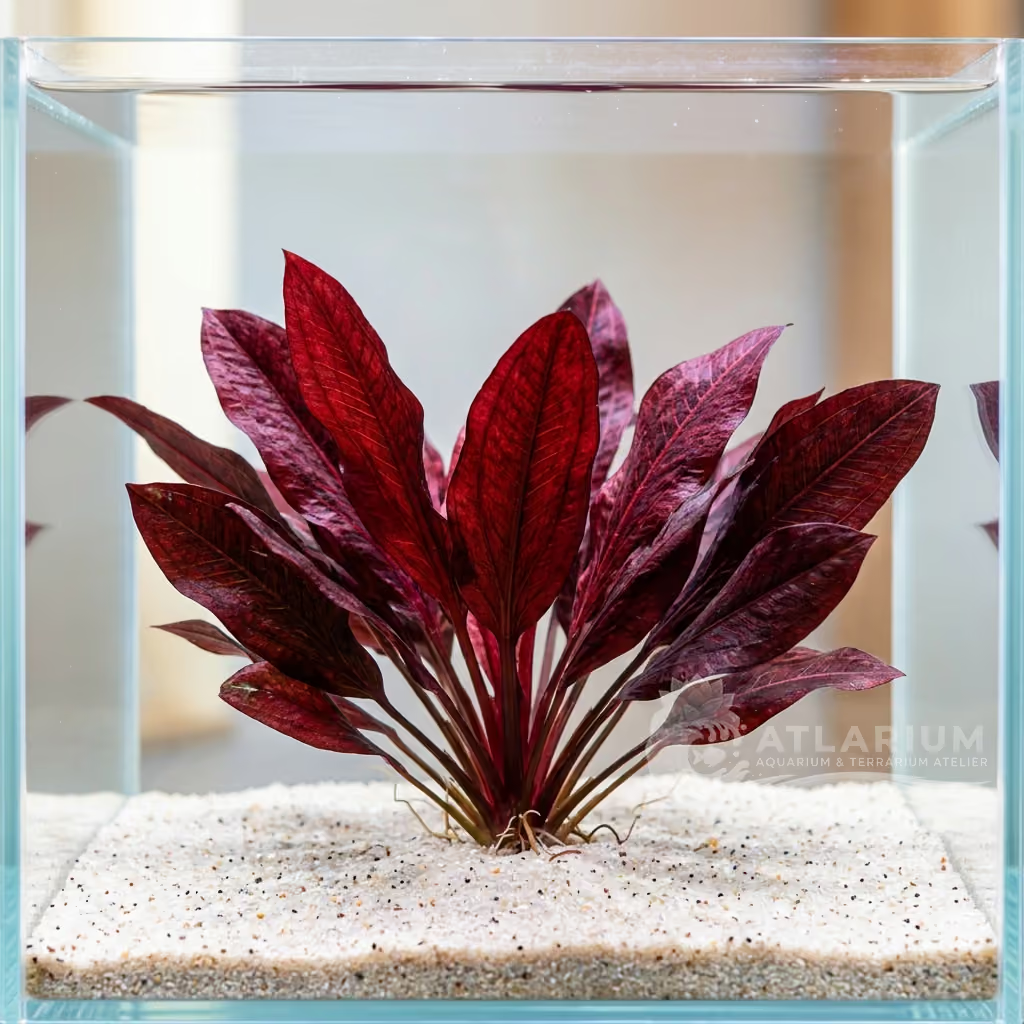
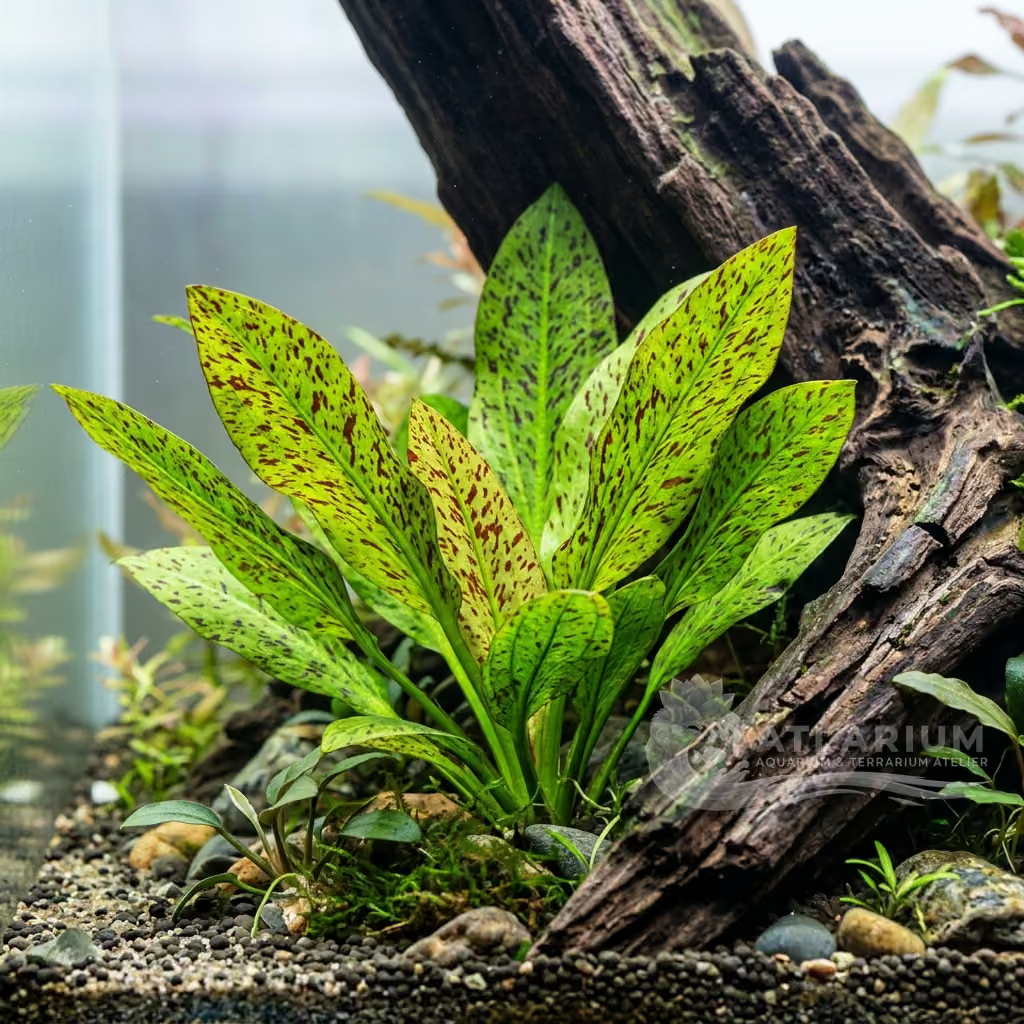
Echinodorus 'Roter Pirat' is a compact and highly decorative hybrid rosette plant featuring variegated dark red and green leaves, ideal for the midground.
Water Temperature
15 - 30 °C
pH Value
5 - 7
Water type
Freshwater
Light
Medium to High
CO2
Low - High
Expected height
25 cm
KH
0 - 21 dKH

Species description
Geographical Origin and Habitat: Echinodorus 'Roter Pirat' (Red Pirate) is a cultivated horticultural hybrid, originally developed in German plant nurseries. This variety does not exist in the wild and is the result of careful crossings aimed at obtaining intensely spotted leaves and compact dimensions. The genus Echinodorus, to which it belongs, is native to the Americas, where it inhabits marshes and submerged riverbanks. 'Roter Pirat' adapts well to submerged cultivation, maintaining a compact and elegant habit.
Taxonomy & Genetics: It belongs to the family Alismataceae and is a selected cultivated hybrid. Its complex genetics contain characters from South American species known for producing red pigments and variegated patterns. This variety has been stabilized to produce new leaves marbled with large dark spots on a red background, which are preserved well even as the leaf ages. Propagation occurs via vegetative division or tissue culture.
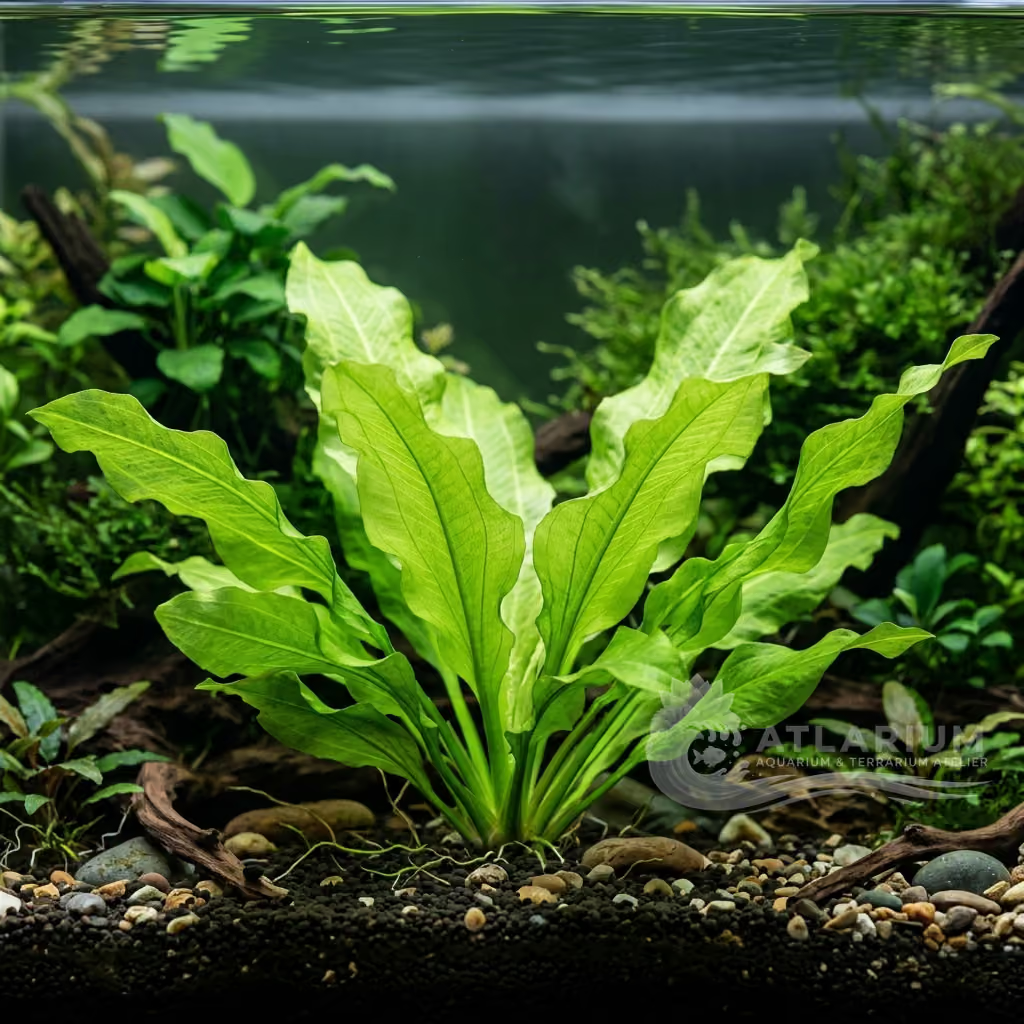
Physical Structure: It forms a dense rosette of contained size for the genus, reaching a height between 15 and 25 cm. Submerged leaves are supported by short petioles, with widely lanceolate or ovate leaf blades. The plant develops radially, forming a symmetrical and elegant clump. The root system is strong and branched, typical of the genus, anchoring firmly to the bottom.
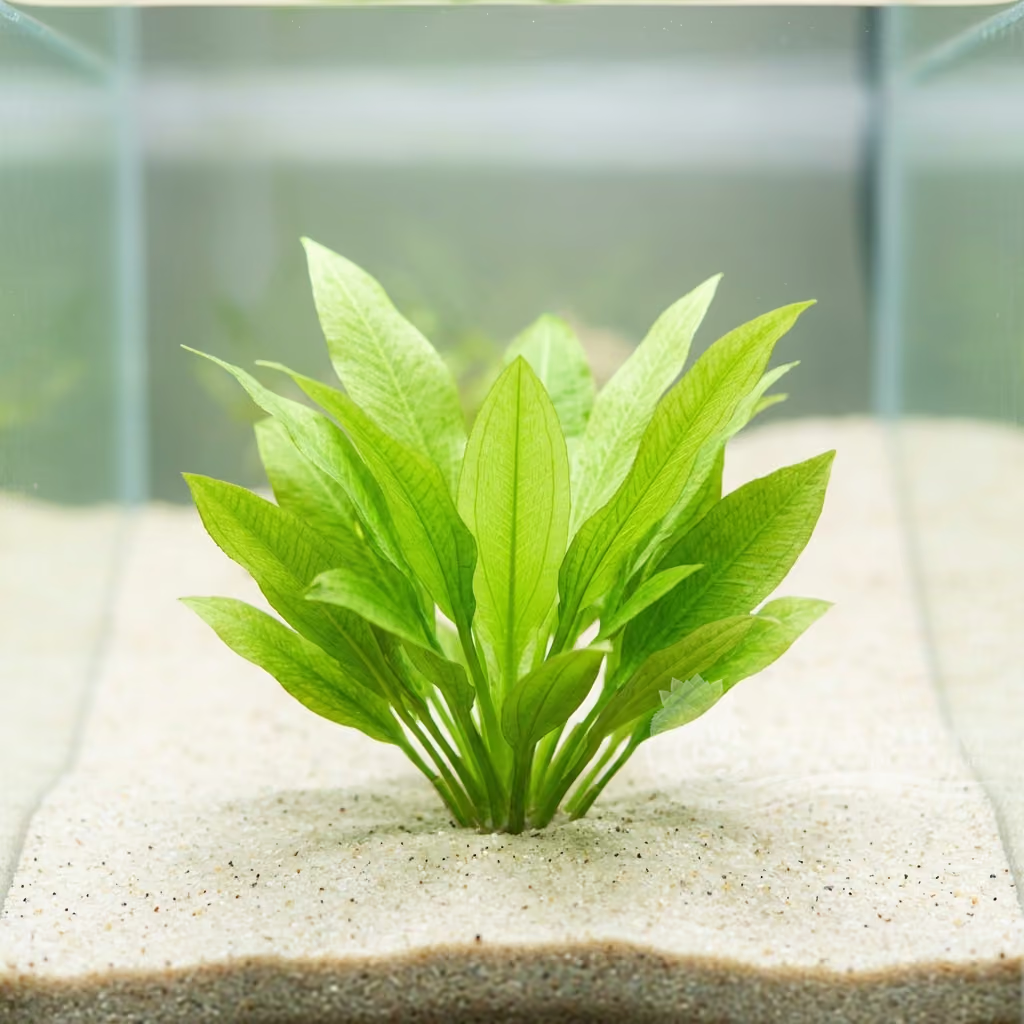
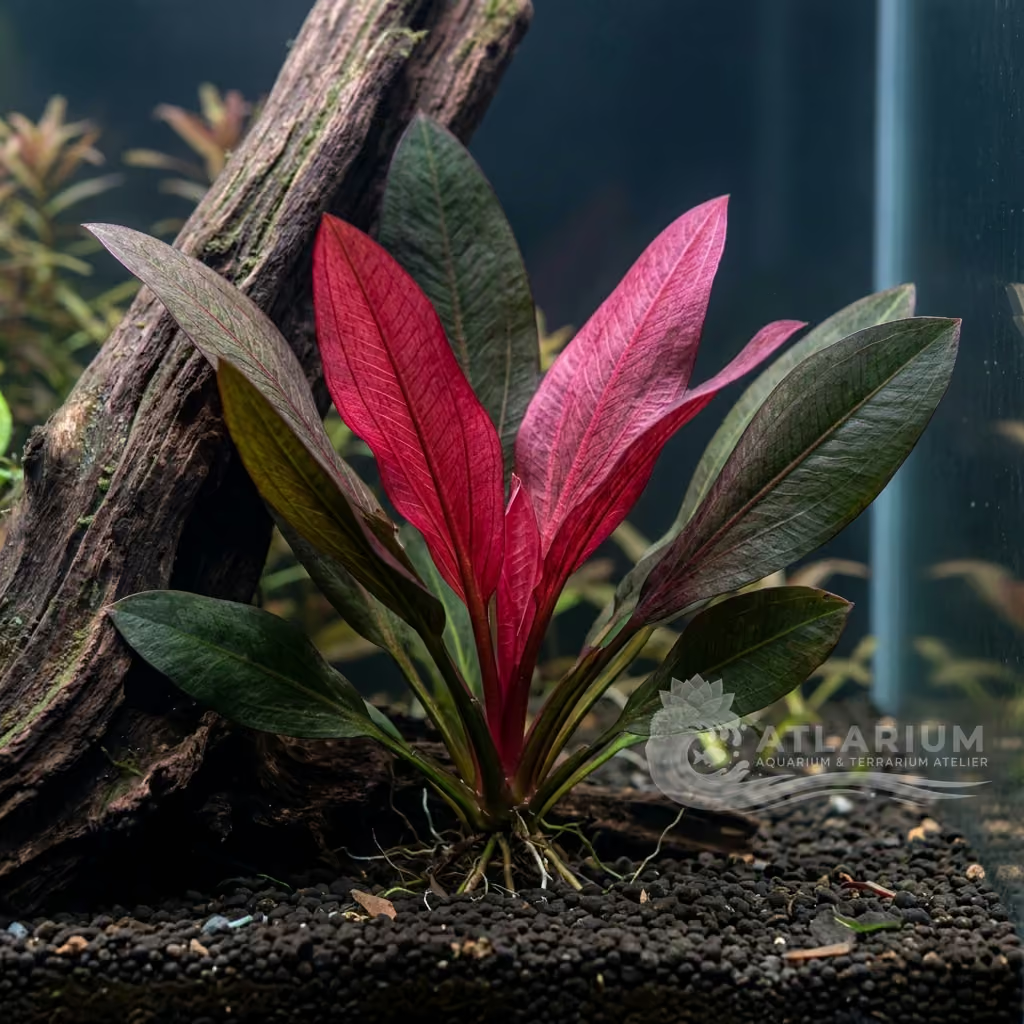
Color & Texture: New leaves developing from the center show a splendid dark red, almost burgundy shade, entirely sprinkled with prominent black or dark reddish-brown spots that create a unique variegated effect. Upon maturation, the background color shifts to olive green or dark green, but the dark spots remain visible for a long time, giving the plant a very characteristic tiger-like appearance. The leaf blades are slightly wavy along the margins.

Care, breeding and tankmates
Lighting & CO2: Requires medium to high lighting. To maximize the color contrast between the background red and the dark spots, it is essential to provide intense light. CO2 injection supports the healthy development of the rosette and the production of compact leaves, preventing disproportionate stretching of the petioles towards the surface.
Nutrition & Substrate: Needs a fine and highly fertile substrate. Fertilizer tabs rich in iron and micronutrients should be placed under the roots of the plant regularly (every 3-4 months). The plant absorbs most of its nutrients from the substrate, and a nutritional deficiency is immediately noticed with faded new leaves lacking intense variegation.
Water Chemistry: Adapts to temperatures between 15°C and 30°C. Prefers waters with a slightly acidic or neutral pH (5.0 - 7.0) and carbon hardness (KH) from very low to medium. Benefits from good water movement and regular changes to keep levels of organic nitrates and phosphates low.
Space Management & Placement: Its perfect placement is in the midground of the aquarium. Being a compact but visually complex plant due to its variegation, it is ideal as a single focal point or in small groups of 2-3 specimens. It should be positioned leaving enough space so that it is not shaded by overlying stem plants.
Pruning: Pruning consists exclusively of removing the oldest outer leaves that decay or lose color contrast. Leaves should be removed by cutting them near the rhizome with sharp scissors. This promotes aeration of the clump and stimulates the production of new marbled red shoots from the center.
Risks & Diseases: It is a robust plant, but suffers from chlorosis due to lack of iron. Additionally, young leaves are tender and can be damaged by herbivorous fish or large freshwater snails. Imbalances in nutrients combined with strong light can promote the appearance of algae on older leaves.

Geographic origin and distribution
Echinodorus 'Roter Pirat' (Red Pirate) is a cultivated horticultural hybrid, originally developed in German plant nurseries. This variety does not exist in the wild and is the result of careful crossings aimed at obtaining intensely spotted leaves and compact dimensions. The genus Echinodorus, to which it belongs, is native to the Americas, where it inhabits marshes and submerged riverbanks. 'Roter Pirat' adapts well to submerged cultivation, maintaining a compact and elegant habit.
Origin
Selective breeding and cultivarsExtra-Amazon South AmericaCentral America and Caribbean

Plant profile
- Placement
- Midground
- Due to its moderate to large size, it is an excellent choice for the midground in large aquariums or the background in smaller setups. It stands out beautifully when placed against green background plants or hardscape.
- Botanical form
- Rosette
- Exhibits a classic rosette growth pattern with broad leaves emerging from a single crown. The foliage often displays striking reddish to bronze hues. It develops an extensive and powerful root mass.
- Growth
- Medium
- Generally grows at a medium pace, though this can vary based on light intensity and nutrient availability. CO2 injection and strong lighting will push it to grow faster and more compact. It remains relatively stable once established.
- Substrate
- High
- Prefers a loose, porous, and nutrient-rich substrate that allows its large root system to expand easily. Aqua soils or clay-based substrates are ideal choices. If using inert substrates, heavy supplementation with root tabs is absolutely essential.
- Column fertilization
- Recommended
- Liquid fertilization can be used sparingly to supplement micronutrients in the water column. However, it should not replace the primary method of root feeding. Potassium can be dosed in the water column to prevent pinholes.
- Root fertilization
- Required
- Heavy root feeding is the key to successfully cultivating this plant. It extracts the vast majority of its required nutrients directly from the substrate. Insert high-quality root tabs deep into the substrate regularly.
- Trimming
- Occasional
- Trimming Echinodorus 'Roter Pirat' is straightforward; simply cut older, damaged, or overly large outer leaves as close to the crown as possible. Do not cut the leaves in half, as the remaining stalk will rot. Regular pruning encourages the plant to produce fresh, brightly colored new growth.
- Propagation
- Division
- Commonly reproduces by sending out runners or flower stalks that bear numerous plantlets. Once these plantlets grow a few leaves and a visible root system, they can be carefully snipped off and replanted.
- Sensitivity
- Moderate
- Echinodorus 'Roter Pirat' is generally quite hardy and adaptable to a range of water parameters. It is not particularly sensitive to most common aquarium medications or liquid carbon products. However, sudden extreme changes in water chemistry should still be avoided to prevent melting.
- Layout role
- Midground, accent
- In an aquascape, Echinodorus 'Roter Pirat' serves as a magnificent centerpiece or structural background plant. Its red foliage provides excellent contrast against green stem plants and hardscape materials. It brings a natural, robust texture that anchors the overall design.

Related species
Recommendations grouped by close relatives, companion choices, and similar care.