
Encyclopaedia
Echinodorus horizontalis
Aquarius horizontalis
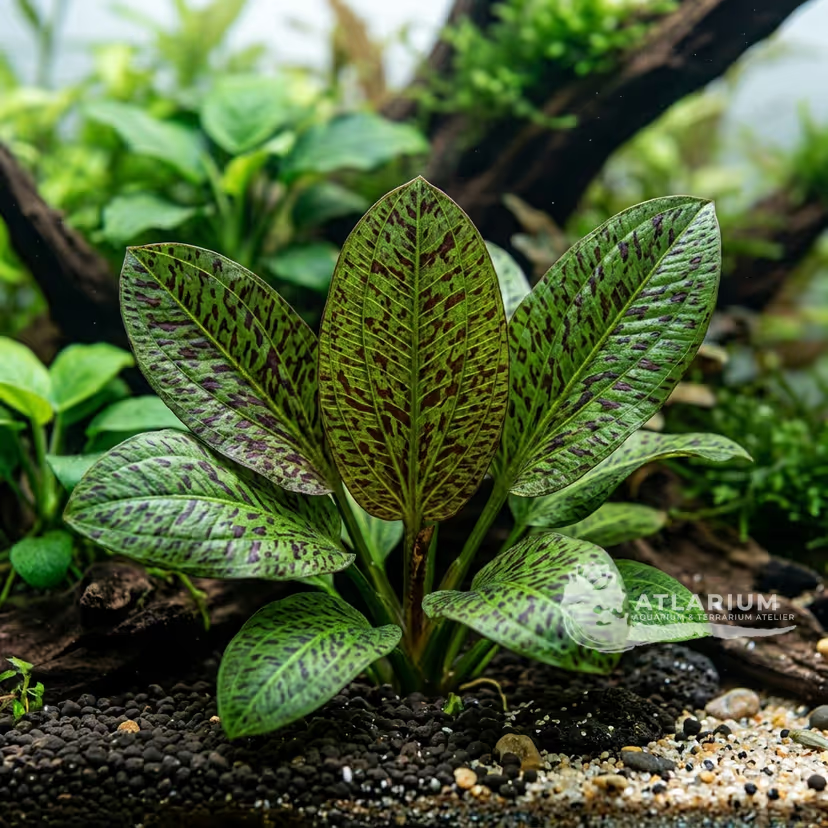
Echinodorus horizontalis is a legendary wild-type sword featuring incredibly unique leaves that grow horizontally to the substrate, creating a commanding low canopy.
Share
Check out Echinodorus horizontalis on Atlarium
20 - 28 °C
6 - 8
Freshwater
Medium
Low
30 cm
50 cm
4 - 20 dGH
2 - 15 dKH
Species description
Care, breeding and tankmates
Geographic Origin and Distribution
Origin
Plant profile
- Placement
- Midground
- Botanical form
- Rosette
- Growth
- Slow
- Substrate
- High
- Column fertilization
- Recommended
- Root fertilization
- Required
- Trimming
- Regular
- Propagation
- Rhizome division, Seeds
- Sensitivity
- LOW
- Layout role
- accent, Midground
Image gallery
Licensed images linked to the species or, when marked, to the closest representative taxon.
Related species
Recommendations grouped by close relatives, companion choices, and similar care.
Variants and close relatives
Same atlas type, nearby scientific identity, genus, or family.
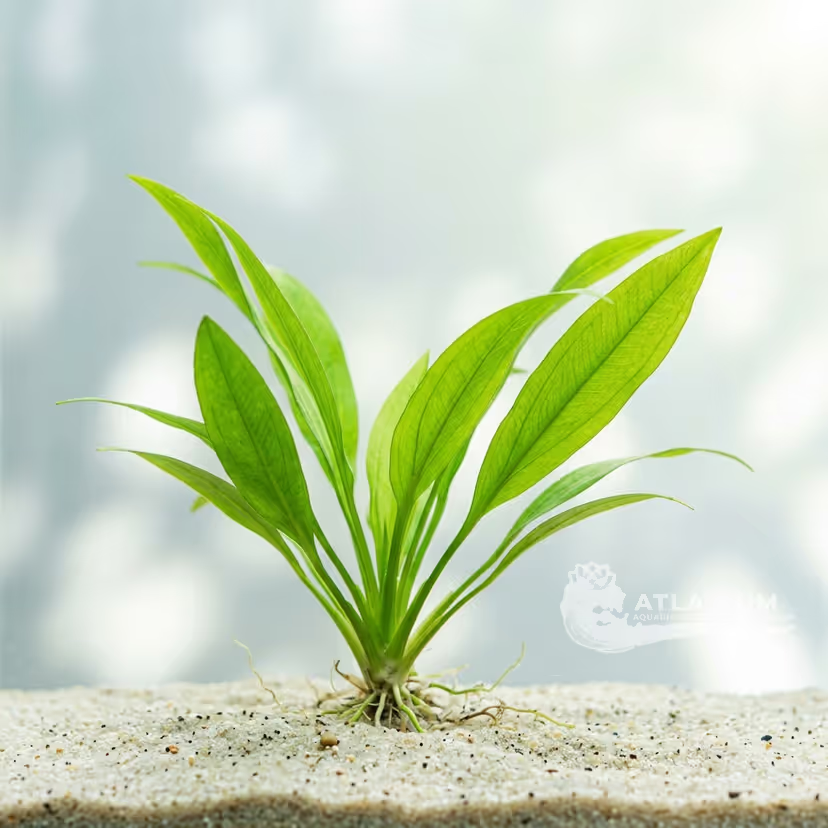
Echinodorus grisebachii 'Amazonicus'
Echinodorus grisebachii 'Amazonicus'
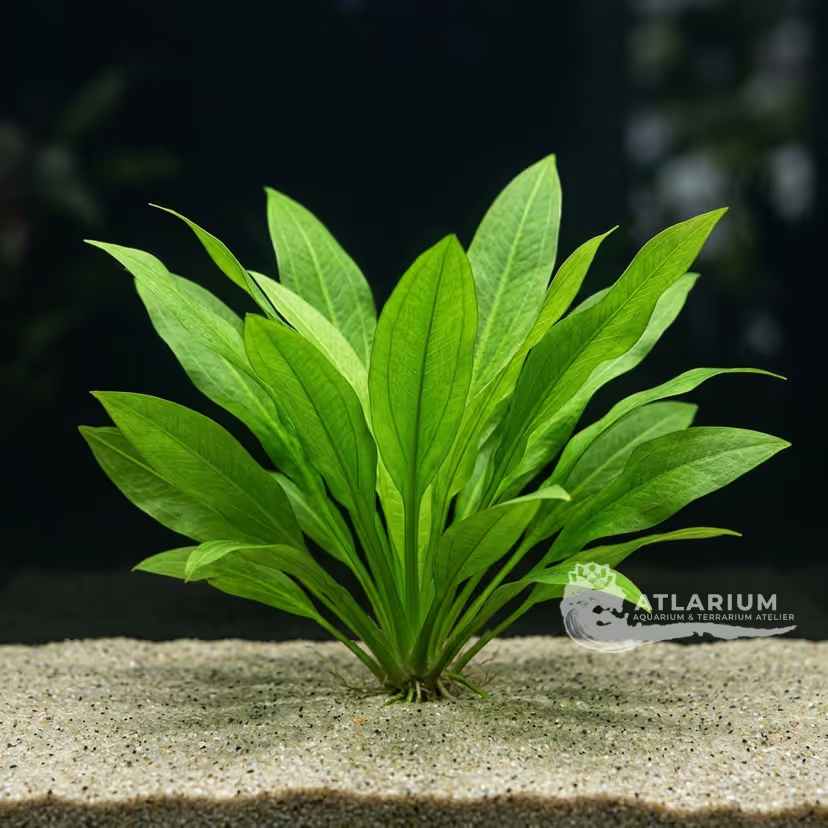
Echinodorus grisebachii 'Bleherae'
Echinodorus grisebachii 'Bleherae'

Echinodorus grisebachii 'Parviflorus'
Echinodorus grisebachii 'Parviflorus'

Echinodorus major
Aquarius major
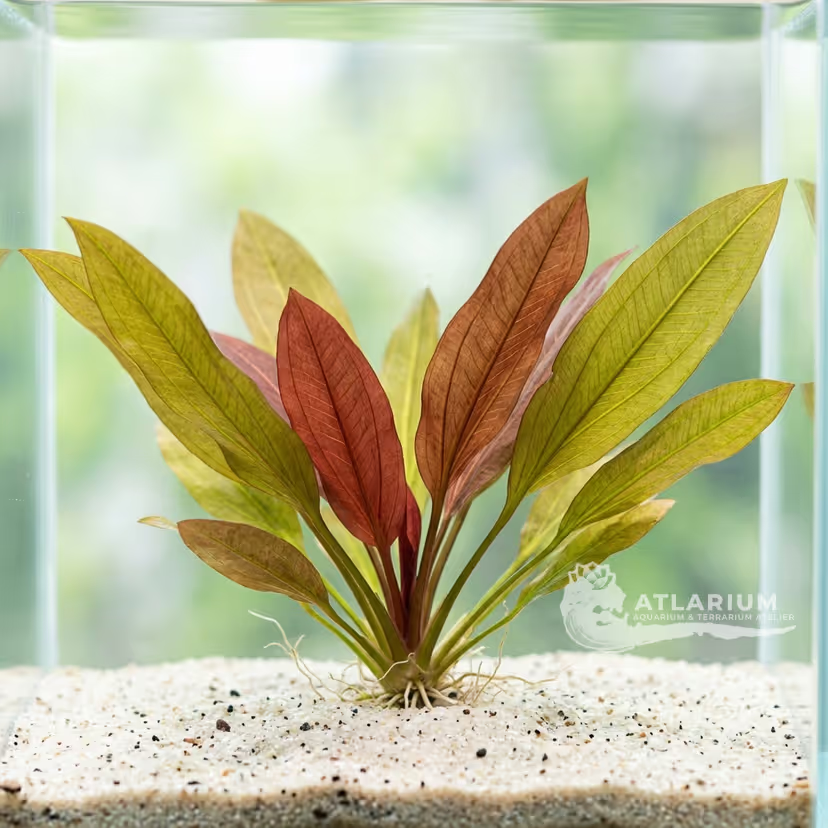
Echinodorus osiris
Aquarius uruguayensis

Echinodorus palifolius
Aquarius palifolius
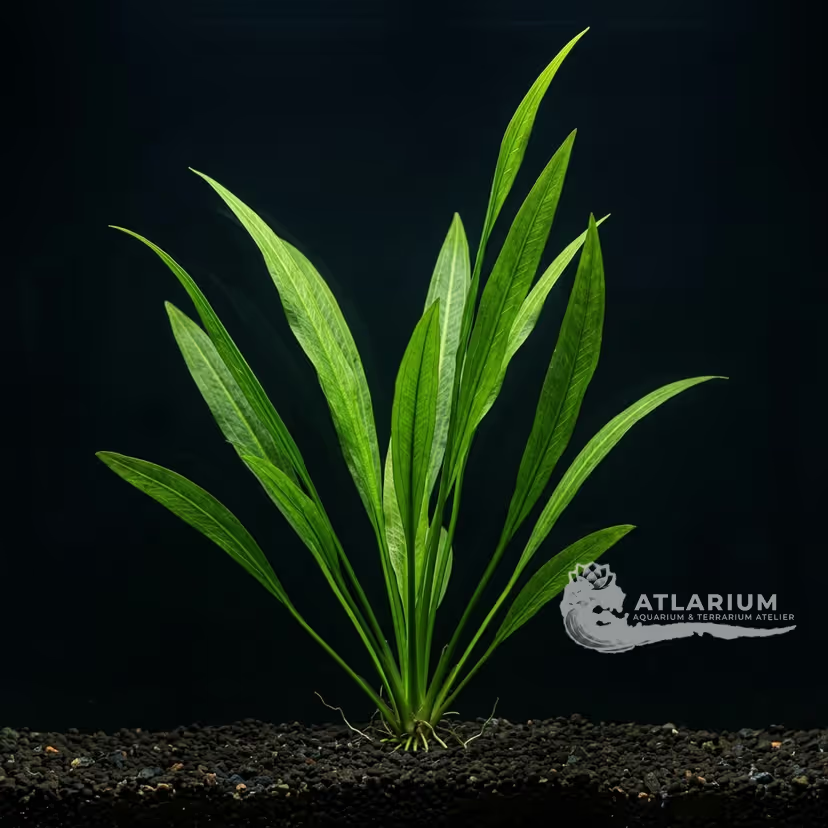
Echinodorus paniculatus
Aquarius paniculatus

Echinodorus grandiflorus
Aquarius grandiflorus
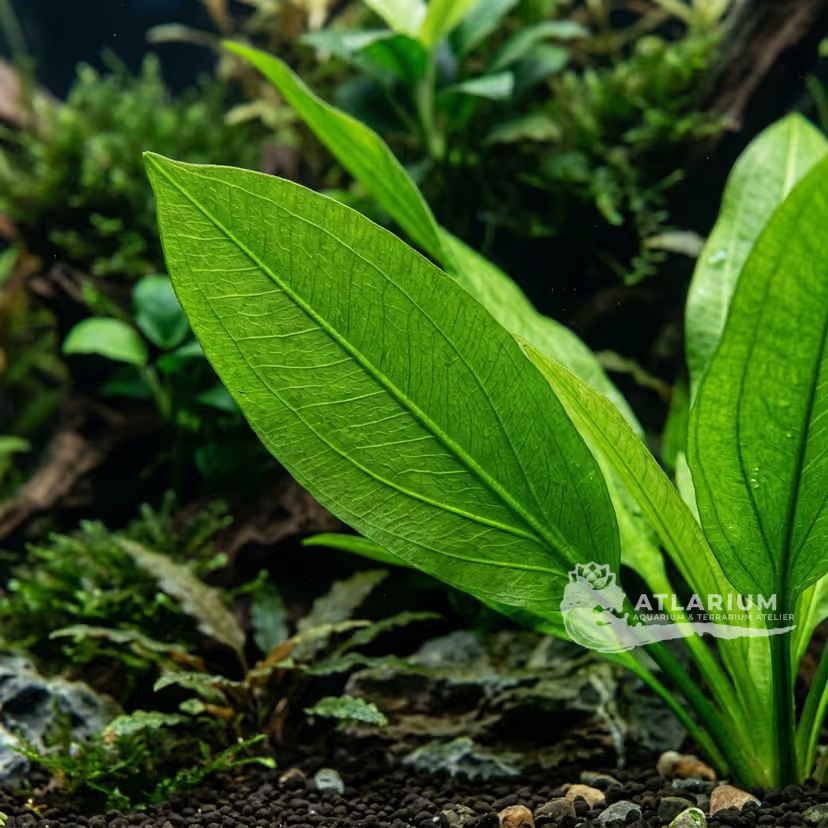
Large-leaf Sword
Aquarius macrophyllus
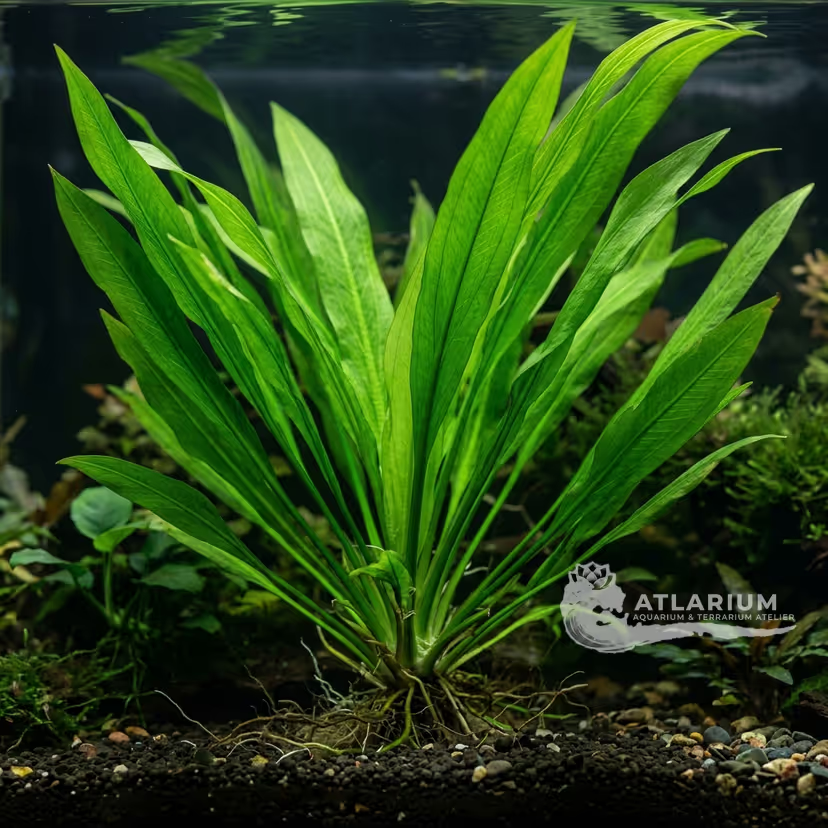
Amazon Sword
Aquarius grisebachii

Echinodorus cordifolius ''ovalis''
Echinodorus cordifolius ''ovalis''

Echinodorus subalatus
Aquarius subulatus

Echinodorus cordifolius
Aquarius cordifolius

Echinodorus cordifolius 'Tropica Marble Queen'
Echinodorus cordifolius 'Tropica Marble Queen'

Echinodorus decumbens
Aquarius decumbens

Echinodorus 'Altlandsberg'
Echinodorus 'Altlandsberg'
Recommended companions
Compatible cards from coherent ecosystems with matching parameters.
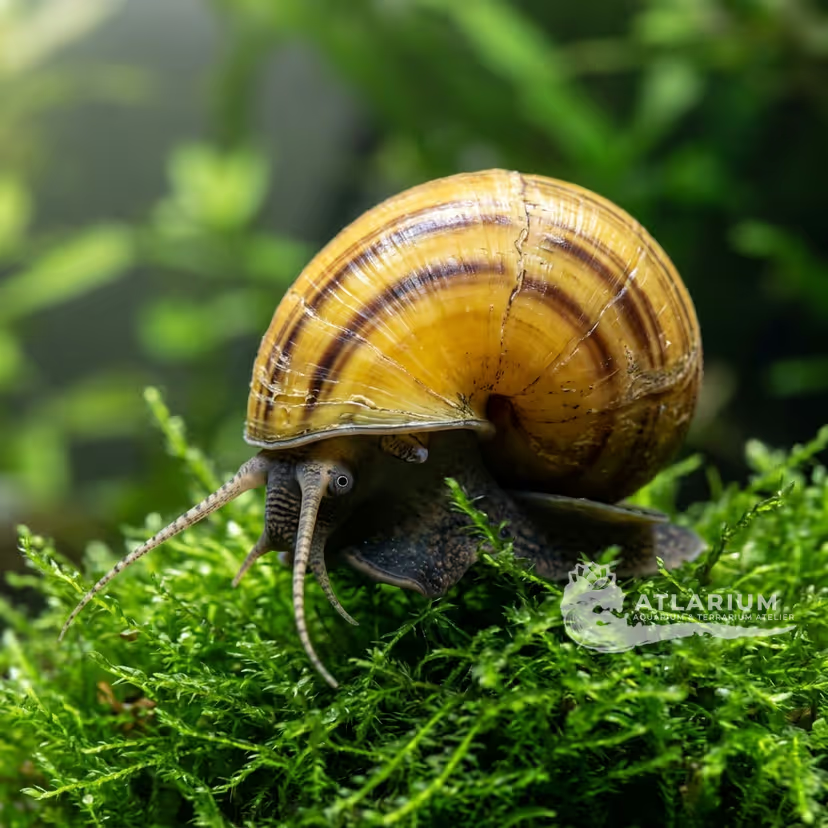
Channelled apple snail
Pomacea canaliculata

Giant ramshorn snail
Marisa cornuarietis

Mystery apple snail
Pomacea diffusa

Zebra apple snail
Asolene spixii

Olive nerite snail
Vitta usnea

Bronze cory
Corydoras aeneus

Orange dwarf crayfish (CPO)
Cambarellus patzcuarensis "Orange"
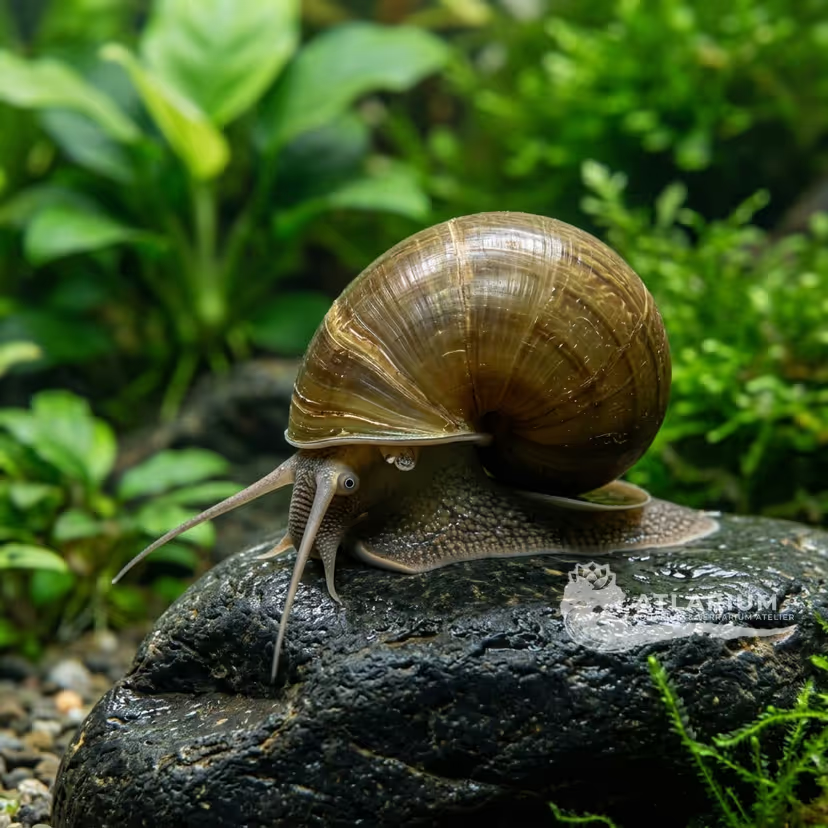
Asian apple snail
Pila ampullacea

Bladder snail
Physella acuta

Chinese mystery snail
Cipangopaludina chinensis

Ear pond snail
Radix auricularia

European river snail
Viviparus viviparus

Florida apple snail
Pomacea paludosa

Great pond snail
Lymnaea stagnalis

Great ramshorn snail
Planorbarius corneus

Hercules snail
Brotia herculea
Similar care
Cards with similar requirements, difficulty, habitat, and husbandry profile.
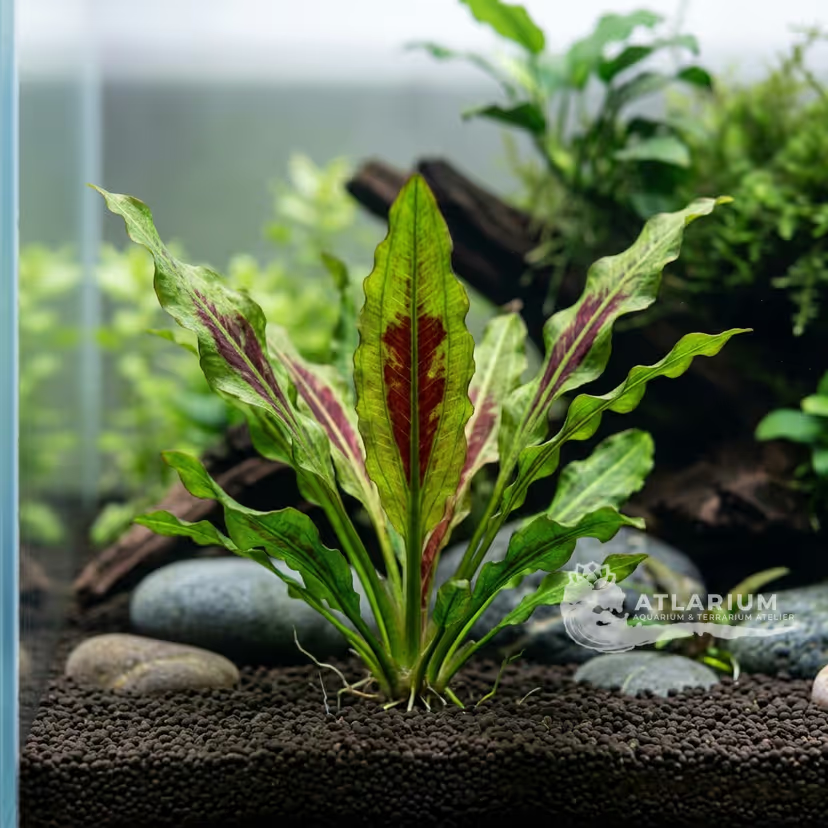
Echinodorus 'Devil's Eye'
Echinodorus 'Devil's Eye'

Echinodorus 'Dark Beauty'
Echinodorus 'Dark Beauty'

Echinodorus 'Digital Art'
Echinodorus 'Digital Art'

Echinodorus 'Dschungelstar' Nr. 1
Echinodorus 'Dschungelstar' Nr. 1

Echinodorus 'Apart'
Echinodorus 'Apart'

Echinodorus 'Aseng'
Echinodorus 'Aseng'

Echinodorus 'Bambi'
Echinodorus 'Bambi'

Echinodorus inpai
Echinodorus inpai
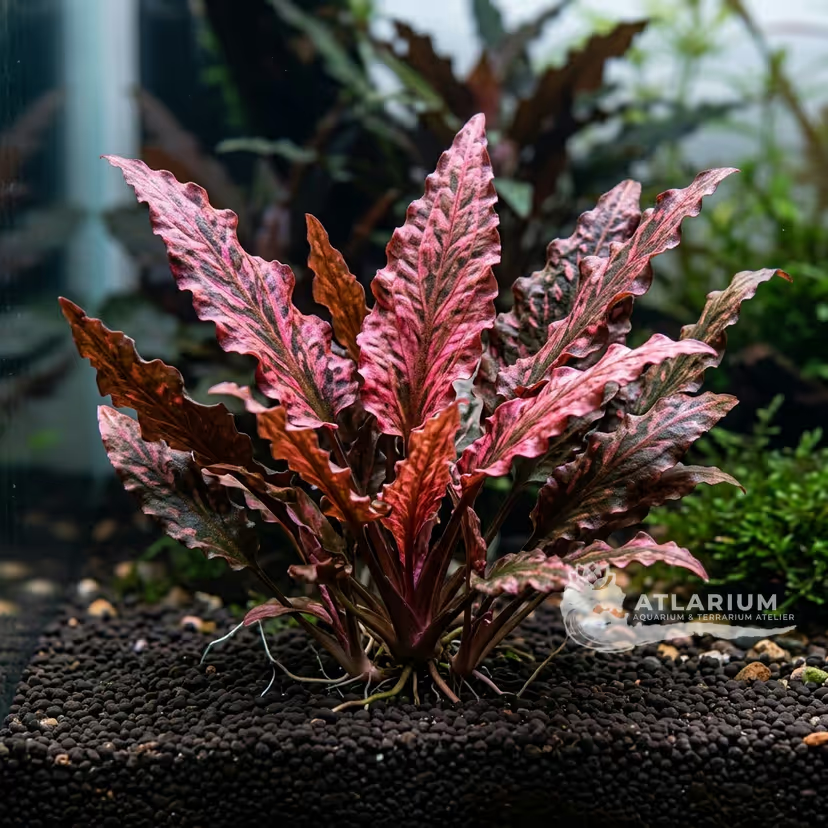
Cryptocoryne beckettii "Petchii Pink"
Cryptocoryne beckettii "Petchii Pink"

Echinodorus andrieuxii
Echinodorus andrieuxii

Echinodorus angustifolius
Echinodorus angustifolius
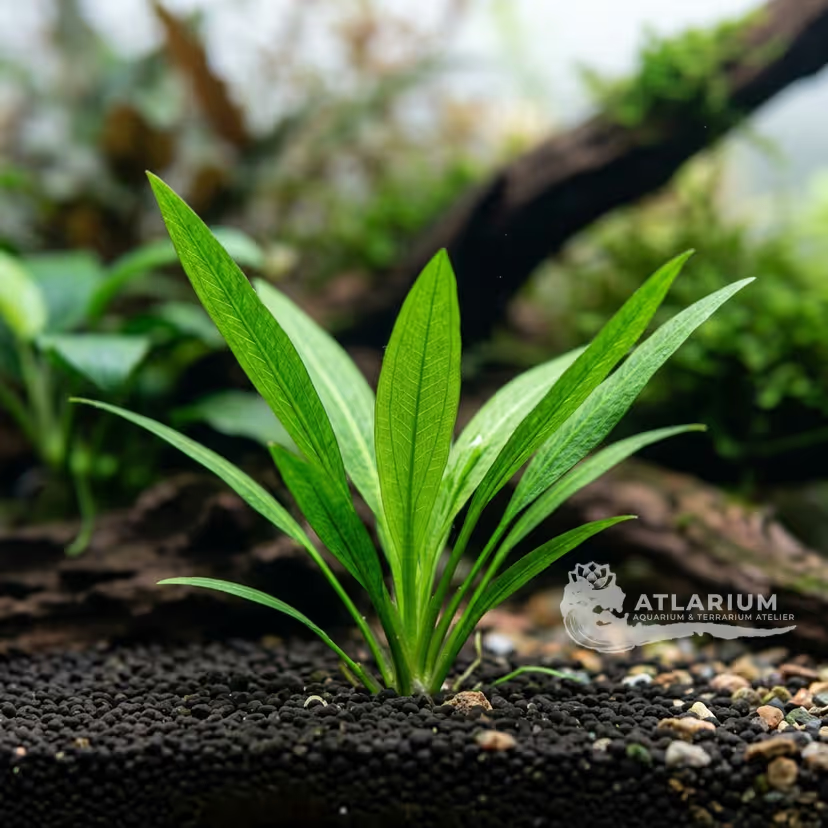
Echinodorus tenellus
Echinodorus tenellus

Echinodorus argentinensis
Echinodorus argentinensis

Echinodorus rigidifolius
Echinodorus rigidifolius

Echinodorus martii
Echinodorus martii
Echinodorus schlueteri 'Leopard'
Echinodorus schlueteri 'Leopard'