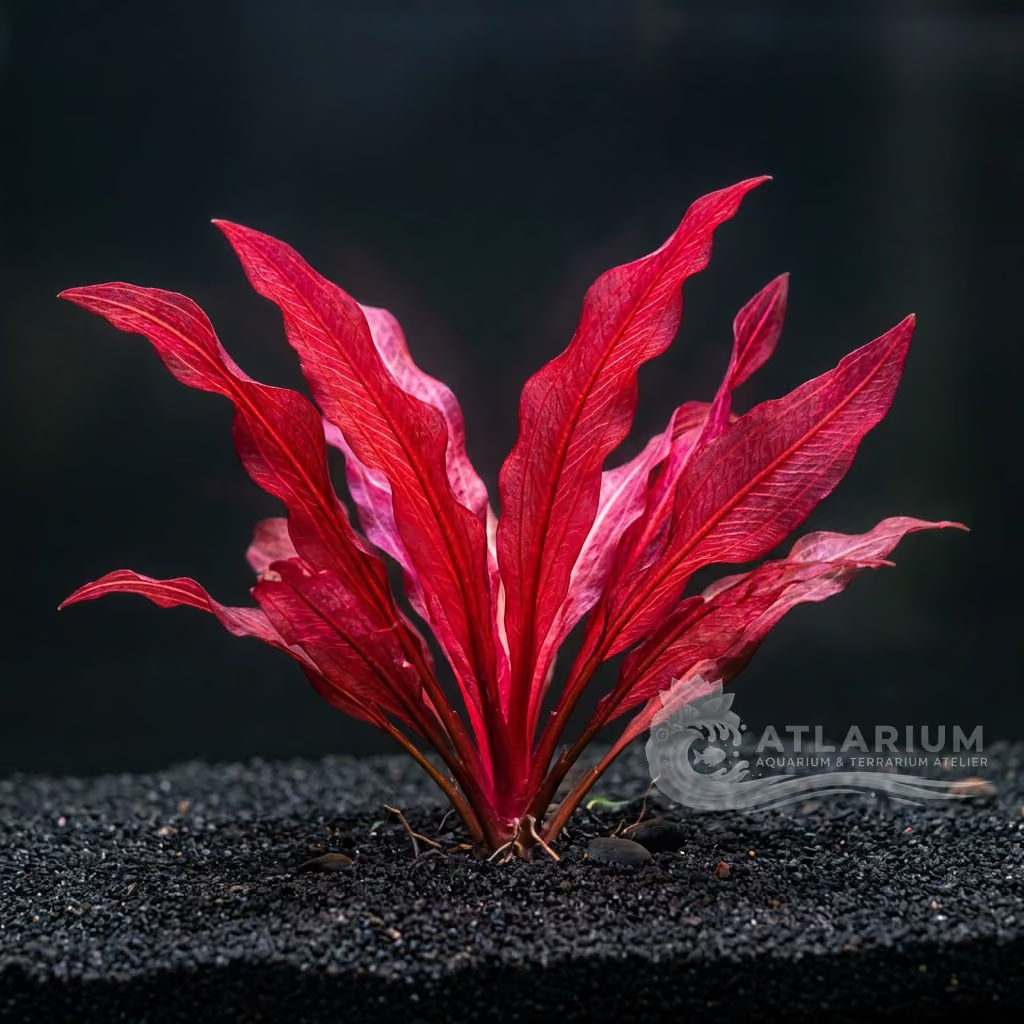
Echinodorus rigidifolius
Aquarius palifolius
Echinodorus rigidifolius is an imposing rosette plant with exceptionally rigid, leathery leaves, ideal for the background or midground of large aquariums.
Water Temperature
22 - 28 °C
pH Value
6 - 7.5
Water type
Freshwater
Light
Medium - High
CO2
Medium - High
Expected height
40 cm
Expected width
30 cm
KH
3 - 15 dKH

Species description
Geographical Origin and Habitat: This botanical species is native to South America, with populations concentrated mainly in the river basins of Brazil. Its natural habitat includes wetlands, margins of slow-moving rivers, inland lagoons, and plains subject to seasonal flooding. In these environments, the plant is adapted to an amphibious lifestyle, tolerating long periods of complete submersion during the rainy season and adapting its leaf structure to the aerial environment during dry periods.
Taxonomy & Genetics: It belongs to the family Alismataceae and is a pure and distinct species within the large genus Echinodorus. Its main genetic characteristic is the production of very thick cellular tissues that provide mechanical rigidity to the leaves, an evolutionary feature developed to resist the force of water currents and grazing by aquatic or terrestrial herbivores. Its reproduction in the aquarium is primarily vegetative, preserving the original traits of the species.
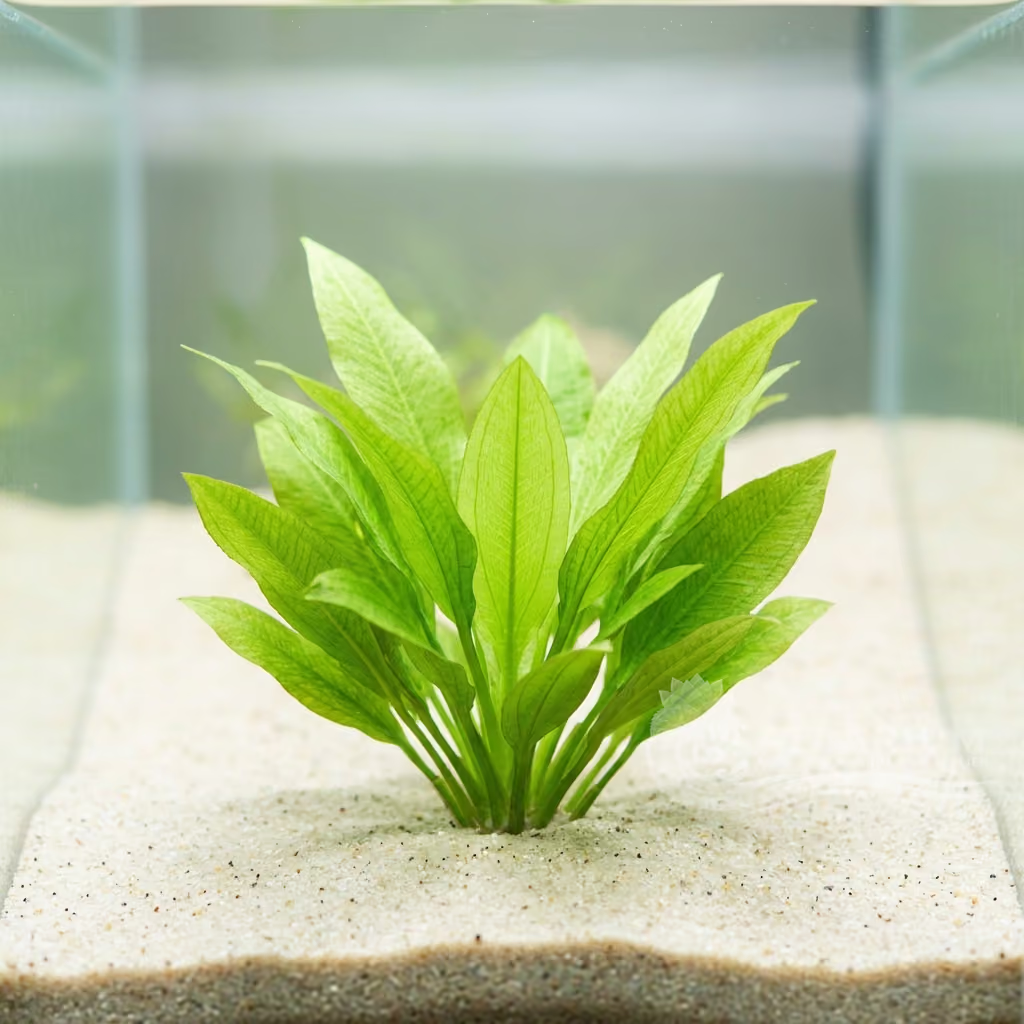
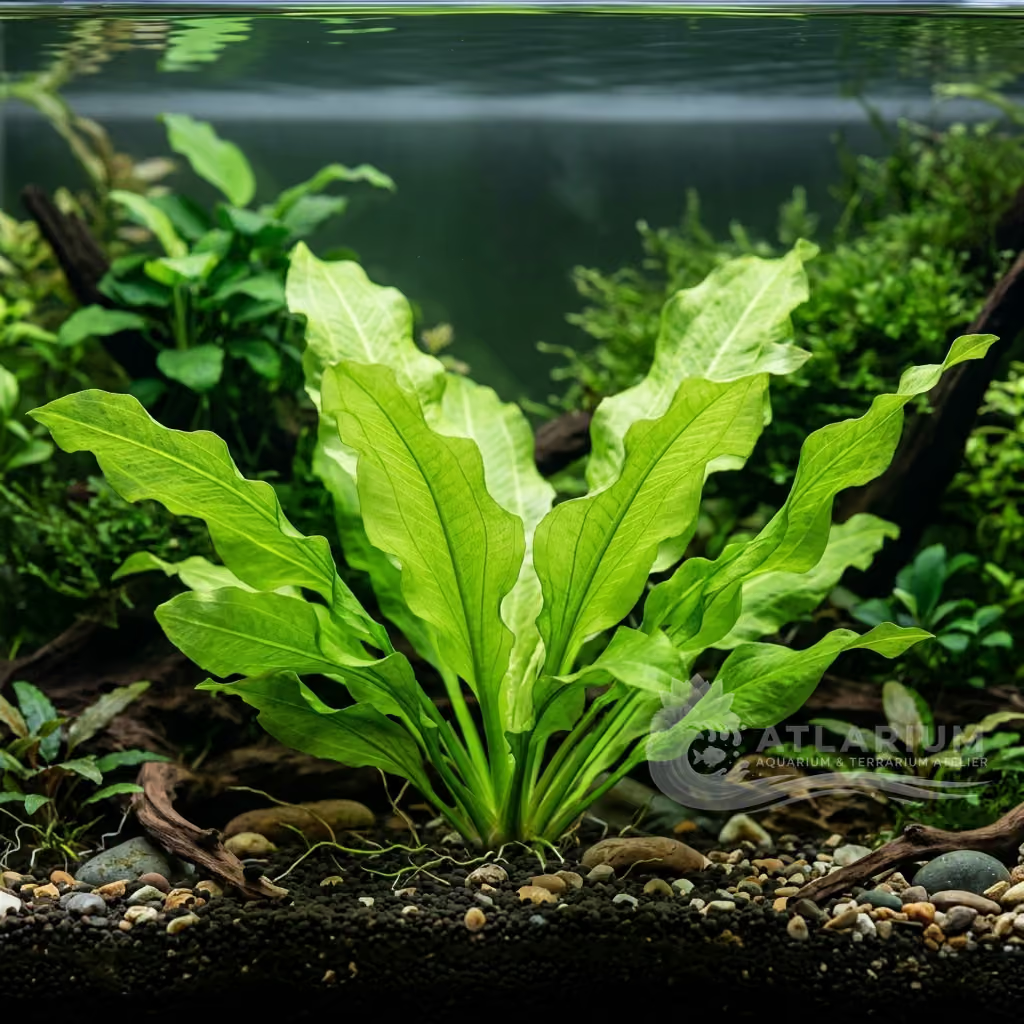
Physical Structure: It forms an erect and robust rosette, characterized by a horizontal or vertical creeping rhizome from which the leaves originate. Under the water surface, it can reach considerable sizes, with a height ranging from 30 to 50 cm. The leaves are supported by exceptionally rigid and thick, almost woody petioles that keep the leaf blade upright. The roots are equally massive, forming a dense and deep network in the substrate.
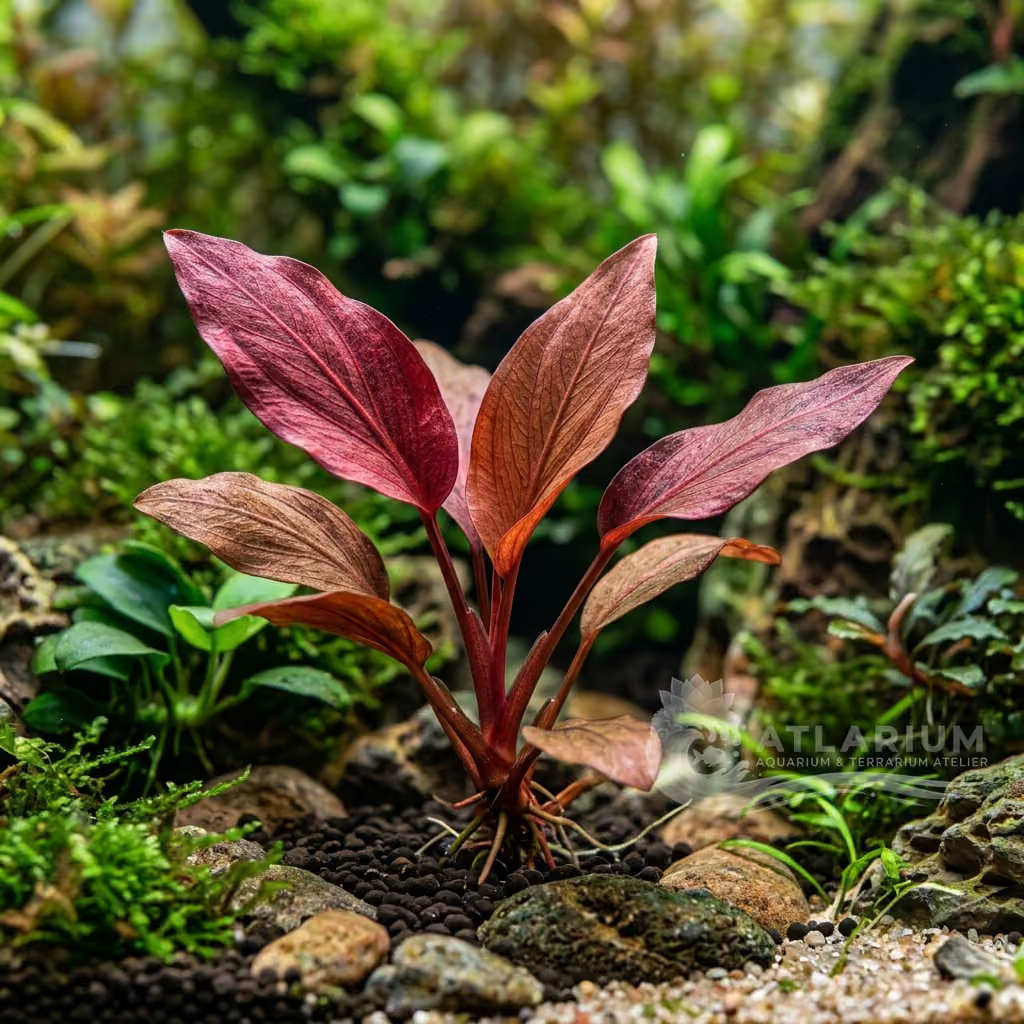
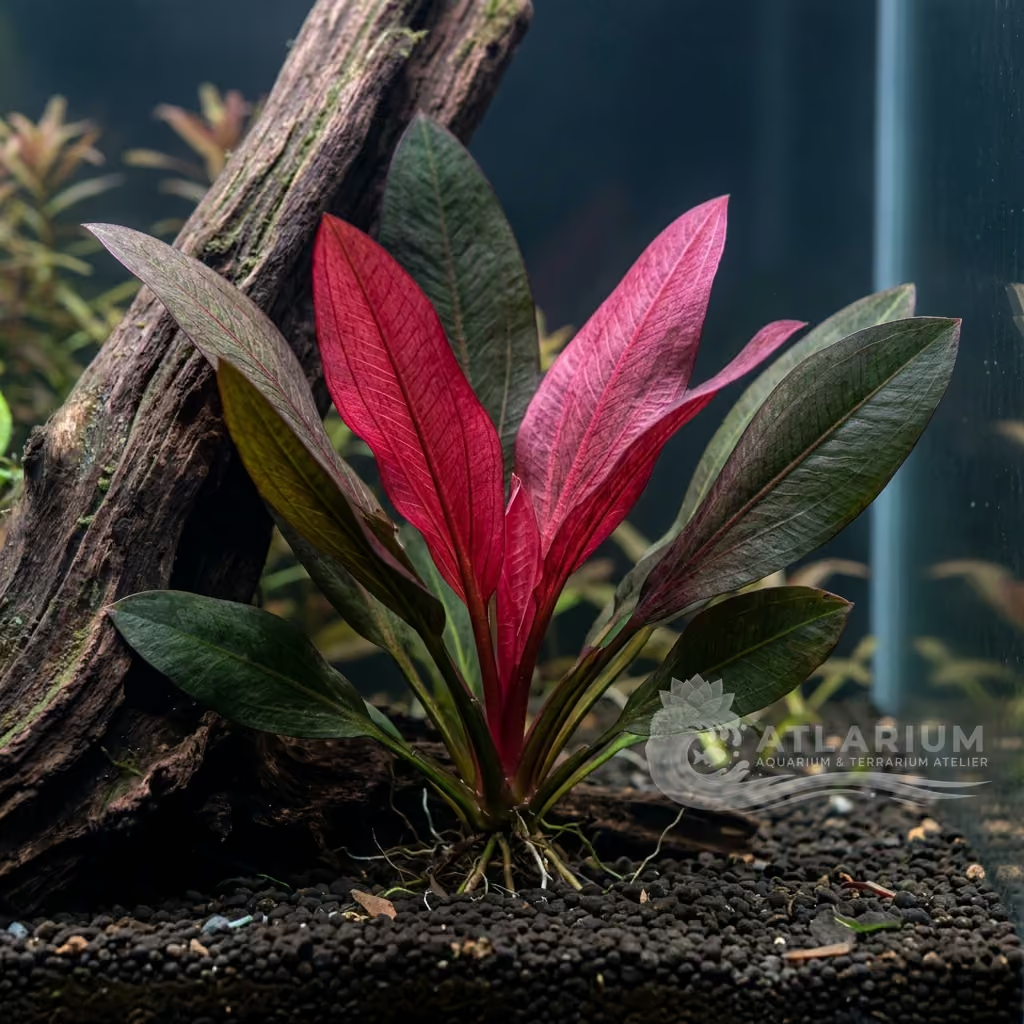
Color & Texture: Submerged foliage displays a dark olive green or deep forest green color, sometimes with coppery hues on the new central leaves. The most striking feature is the texture: the leaves are extremely leathery, hard, almost cartilaginous (hence the name rigidifolius). The leaf structure features thick and very prominent longitudinal veins, raised on the lower surface, which create a highly decorative furrowed and geometric structure.

Care, breeding and tankmates
Lighting & CO2: Requires moderate to high intensity lighting to support the metabolism of such a large plant. Intense light prevents excessive elongation of the petioles. Carbon dioxide (CO2) injection is not strictly necessary but supports the plant in producing thick leaves and accelerates the otherwise rather slow growth rate.
Nutrition & Substrate: Needs a deep and highly fertile substrate, preferably rich in clay and iron. It is essential to periodically fertilize the substrate with nutrient tabs near the root system, as the plant draws most of its nourishment from the soil. Liquid fertilization of the
Water Chemistry: Adapts to pH values between 6.0 and 7.8, preferring neutral or slightly acidic waters. It tolerates water hardness from soft to moderately hard (KH 3-15 dKH). The ideal water temperature should be within the range of 18°C to 28°C, with regular partial water changes to keep pollutant levels low.
Space Management & Placement: Its optimal placement is in the background or midground of large aquariums. Given its size and leaf rigidity, it requires plenty of open space around it. It should not be positioned too close to other light-demanding plants, as its imposing rosette can create large shaded areas.
Pruning: Pruning consists of removing older, damaged, or yellowed leaves located on the outside of the rosette. The rigid leaves must be cut near the base of the rhizome with strong, sharp scissors, taking care not to pull, which could damage the rhizome or partially uproot the plant.
Risks & Diseases: While extremely robust and nearly immune to herbivorous fish attacks due to its leaf texture, it can suffer from iron chlorosis if the substrate is depleted, showing faded or semi-translucent new leaves. Additionally, due to its slow growth, old leaves can be subject to colonization by black brush algae (BBA) in the presence of CO2 fluctuations.

Geographic origin and distribution
This botanical species is native to South America, with populations concentrated mainly in the river basins of Brazil. Its natural habitat includes wetlands, margins of slow-moving rivers, inland lagoons, and plains subject to seasonal flooding. In these environments, the plant is adapted to an amphibious lifestyle, tolerating long periods of complete submersion during the rainy season and adapting its leaf structure to the aerial environment during dry periods.
Origin
Amazon, Orinoco, and Guianas

Plant profile
- Placement
- Midground
- Due to its tall, upright growth habit, it is strictly a background plant, often used to hide aquarium equipment. It is best suited for tall, large aquariums where its rigid leaves can reach the surface. It provides excellent structure and verticality to the aquascape.
- Botanical form
- Rosette
- Forms a tall, imposing rosette with very stiff, upright, and leathery leaves. The leaves are typically elongated and lanceolate, with prominent longitudinal veins. It develops a massive and deep-reaching root system.
- Growth
- Medium
- Generally exhibits a moderate growth rate, producing new, stiff leaves from the central crown. Growth is faster and more robust in high-tech setups with CO2 and strong lighting. It is a very hardy and long-lived plant once established.
- Substrate
- High
- Requires a deep and nutrient-rich substrate to accommodate its large and powerful root system. Soil-based substrates or those heavily supplemented with root tabs are best. The substrate must be deep enough to provide a secure anchor for this tall plant.
- Column fertilization
- Recommended
- Can absorb some nutrients from the water column, making liquid dosing a helpful supplement. Dosing potassium and trace elements can benefit the overall health of the plant. However, it is primarily a root feeder like most Echinodorus.
- Root fertilization
- Required
- Extremely dependent on root-level nutrition for its substantial biomass and rigid structure. Deeply placed, comprehensive root tabs are necessary to sustain this large plant long-term. A nutrient-poor substrate will quickly lead to stunted growth.
- Trimming
- Occasional
- Trimming Echinodorus rigidifolius is straightforward; simply cut older, damaged, or overly large outer leaves as close to the crown as possible. Do not cut the leaves in half, as the remaining stalk will rot. Regular pruning encourages the plant to produce fresh, brightly colored new growth.
- Propagation
- Division
- Propagates by producing plantlets on long flower stalks, which sometimes grow above the water surface. Once the plantlets develop roots, they can be separated and replanted. It may also occasionally be propagated by dividing a very mature rhizome.
- Sensitivity
- Moderate
- Echinodorus rigidifolius is generally quite hardy and adaptable to a range of water parameters. It is not particularly sensitive to most common aquarium medications or liquid carbon products. However, sudden extreme changes in water chemistry should still be avoided to prevent melting.
- Layout role
- Background, Midground
- In an aquascape, Echinodorus rigidifolius serves as a magnificent centerpiece or structural background plant. Its green foliage provides excellent contrast against green stem plants and hardscape materials. It brings a natural, robust texture that anchors the overall design.

Related species
Recommendations grouped by close relatives, companion choices, and similar care.