Echinodorus martii
Aquarius subalatus
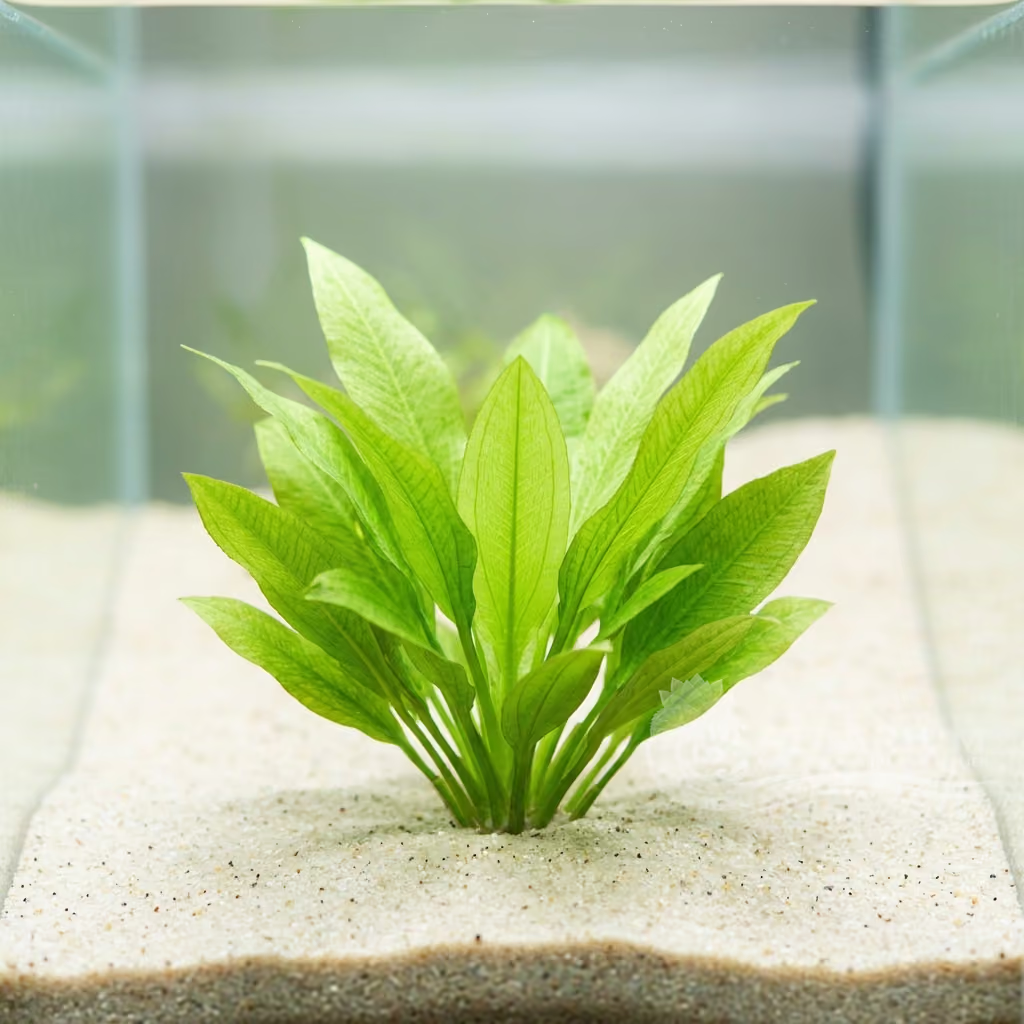
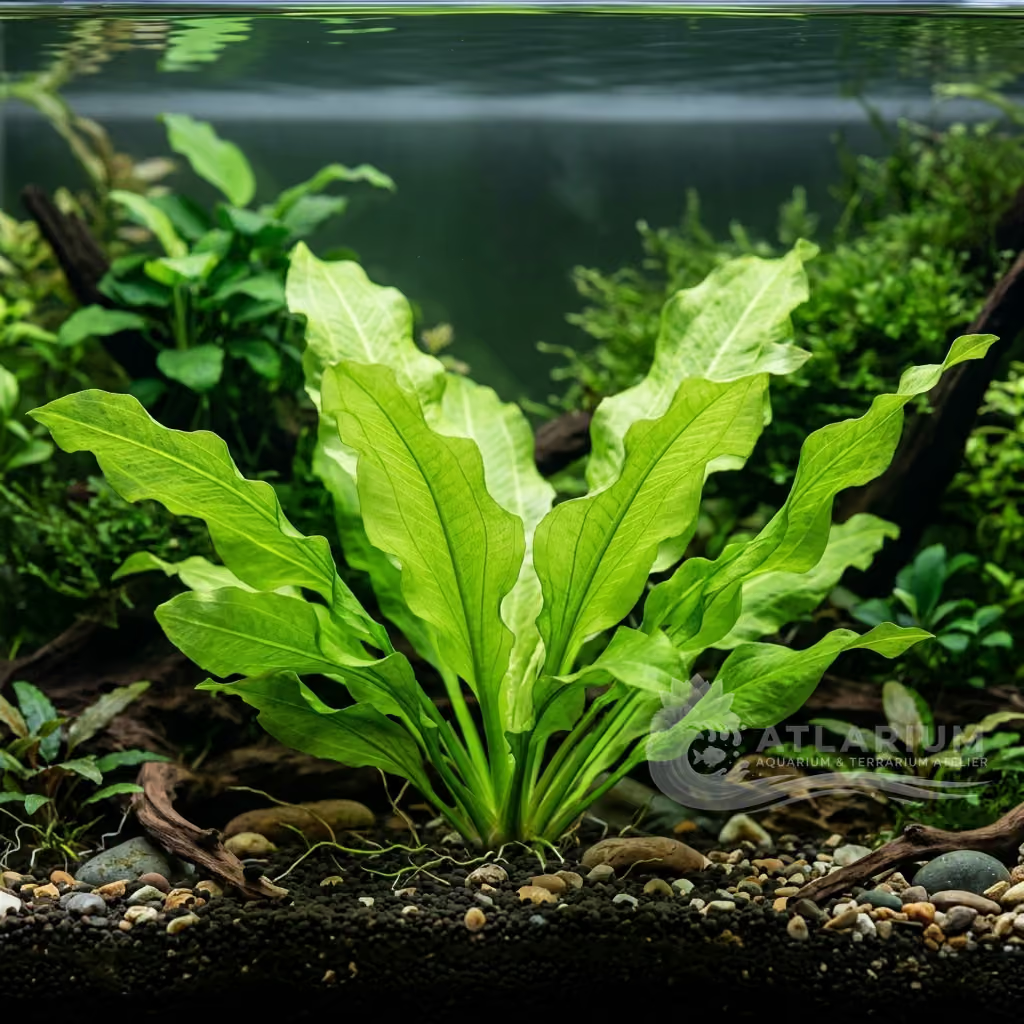
Echinodorus martii is a majestic rosette plant characterized by long light green leaves with highly ruffled margins, ideal as a background focal point.
Water Temperature
22 - 28 °C
pH Value
6 - 7.5
Water type
Freshwater
Light
Medium - High
CO2
Medium - High
Expected height
50 cm
KH
2 - 12 dKH

Species description
Geographical Origin and Habitat: Native to eastern Brazil, this species lives in streams with moderate to rapid flow, firmly rooted in sandy or pebbly bottoms. It is accustomed to constant water currents that keep the leaves clean of sediment and promote gas exchange in tropical aquatic environments.
Taxonomy & Genetics: Also described as Echinodorus major, it belongs to the family Alismataceae. Its genetics are stable, giving rise to a very characteristic wavy leaf morphology that clearly distinguishes it from other species in the genus. It is a robust plant that is little affected by spontaneous mutations.
Physical Structure: Forms a large, upright rosette that can easily reach a height of 30-50 cm in the aquarium. The leaves are long, narrow, and show a flexible curvature. The most obvious feature is the pronounced waviness (ruffling) of the leaf margins, giving the plant a curly appearance.
Color & Texture: The leaves have a bright, yellowish-light green coloration that is translucent. The texture is crisp and robust but translucent at the same time, with light parallel veins running along the entire length of the leaf, emphasizing the wavy pattern of the edges.

Care, breeding and tankmates
Lighting & CO2: Requires medium-high lighting. Under intense light, the leaves maintain their characteristic yellowish-green color and the edges remain tightly wavy. CO2 injection is recommended to support the growth rate and maintain the plant in health.
Nutrition & Substrate: Being a heavy root feeder, it needs a deep and highly fertile substrate. The use of fertilizer tabs based on iron and potassium to be inserted near the root system is essential. Nutrient deficiencies lead to thin, pale, and less wavy leaves.
Water Chemistry: Prefers stable temperatures between 20°C and 28°C. The ideal pH is between 6.0 and 7.5, with medium-low water hardness (KH 2-12 dKH). It requires good water circulation to simulate its river habitat of origin.
Space Management & Placement: Should be placed in the background or center of the aquarium as a solitary plant. Given its wide, upright shape, it needs plenty of surrounding space to prevent leaves from shading lower species or rubbing against hardscape.
Pruning: Pruning consists of removing older outer leaves that have lost luster or show minor damage, cutting them close to the plant's collar. If it produces submerged flower stalks, the adventitious plantlets born on them can be removed and replanted.
Risks & Diseases: It is subject to iron and potassium deficiency, visible as leaf yellowing or pinholes. The thick, wavy leaves can collect organic debris if the water flow is insufficient, promoting the settlement of black beard algae along the ruffled edges.

Geographic origin and distribution
Native to eastern Brazil, this species lives in streams with moderate to rapid flow, firmly rooted in sandy or pebbly bottoms. It is accustomed to constant water currents that keep the leaves clean of sediment and promote gas exchange in tropical aquatic environments.
Origin
Amazon, Orinoco, and Guianas

Plant profile
- Placement
- Midground
- Due to its significant size, it is best placed as a focal point in the background or background corners of a large aquarium. Its broad, expansive leaves need plenty of unobstructed space to unfurl properly. Avoid placing smaller, light-demanding plants directly beneath its substantial canopy.
- Botanical form
- Rosette
- Characterized by beautiful, long, pale-green leaves with distinctly ruffled or undulating margins. The plant forms a dense rosette that naturally arches outward, creating an impressive architectural shape. It is a quintessential sword plant known for its elegance and sweeping leaf structure.
- Growth
- Medium
- It has a moderate to fast growth rate, continually producing new leaves from its central rosette once established. Growth speed is heavily influenced by the availability of nutrients and the intensity of the lighting. Under ideal conditions, it can quickly become one of the largest plants in the tank.
- Substrate
- High
- Echinodorus martii relies heavily on a nutrient-packed substrate to develop its characteristic elongated, ruffled leaves. A minimum substrate depth of 6-8 cm is needed to secure its dense root system and provide adequate access to buried nutrients. This species feeds almost exclusively through its roots, demanding a continuous supply of iron, potassium, and trace elements from the substrate. Fortifying the planting area with root tabs will promote vigorous growth and prevent the lower leaves from deteriorating.
- Column fertilization
- Recommended
- While primarily absorbing nutrients through its roots, it does appreciate supplemental liquid fertilizers containing potassium and trace elements. This helps to prevent yellowing or pinholes in older leaves. However, liquid fertilization should always be secondary to solid root feeding methods.
- Root fertilization
- Required
- A rich soil-based substrate or the regular insertion of root tabs is absolutely critical for this species. It develops a massive root system that rapidly depletes the surrounding substrate of essential minerals. Deep root fertilization ensures the development of large, healthy, and perfectly formed foliage.
- Trimming
- Occasional
- Maintenance involves routinely trimming away older, outer leaves that begin to yellow or degrade. Leaves should be cut as close to the base of the rosette as possible to prevent rotting stems. Regular pruning not only improves aesthetics but also directs the plant's energy towards new central growth.
- Propagation
- Division
- Propagates naturally by sending out long adventitious shoots or runners that bear miniature daughter plants. These plantlets can be separated and replanted once they have developed a few leaves and a healthy root system of their own. It rarely produces seeds in a typical submerged aquarium setting.
- Sensitivity
- Moderate
- Generally very robust and adaptable, tolerating a wide range of water parameters without issues. It is, however, sensitive to iron deficiency, which quickly manifests as pale or translucent new leaves. It can also be targeted by plecos or other herbivorous fish due to its broad leaf surfaces.
- Layout role
- Background, accent
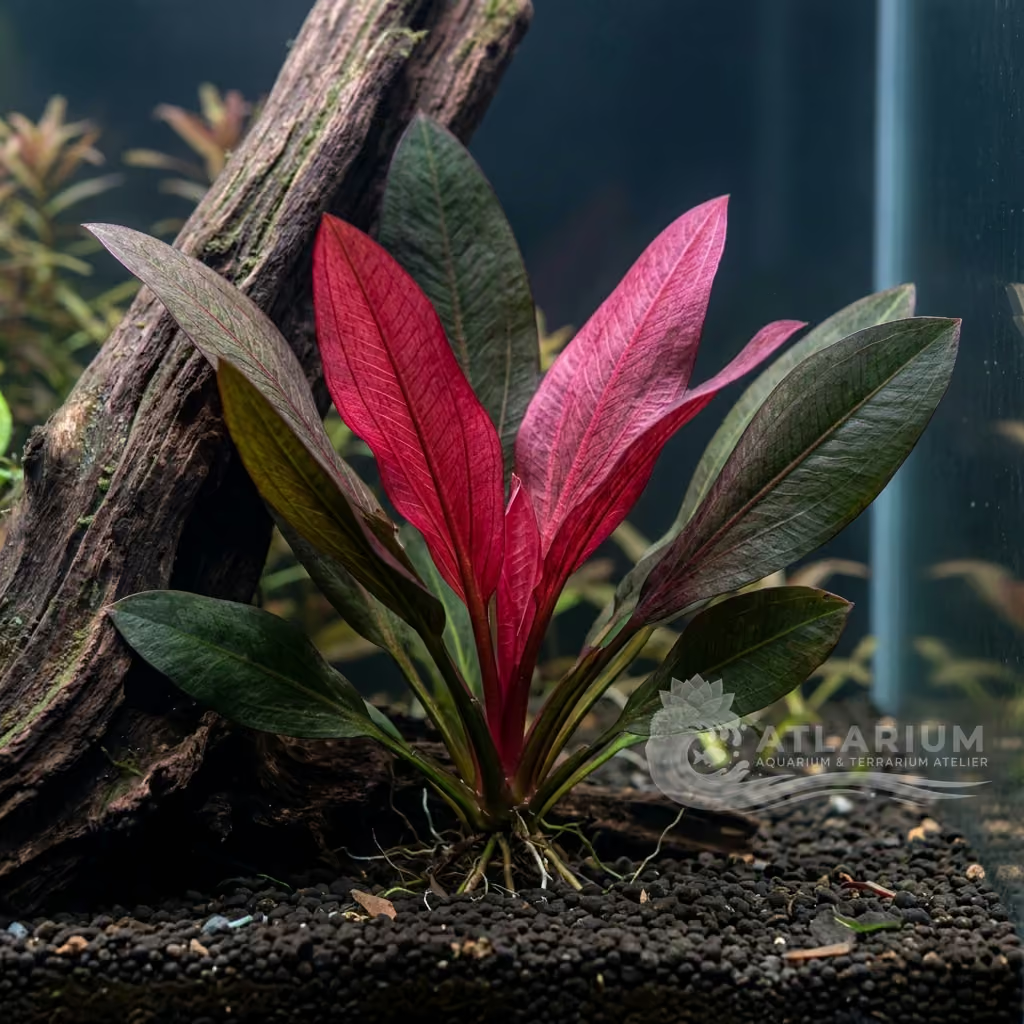
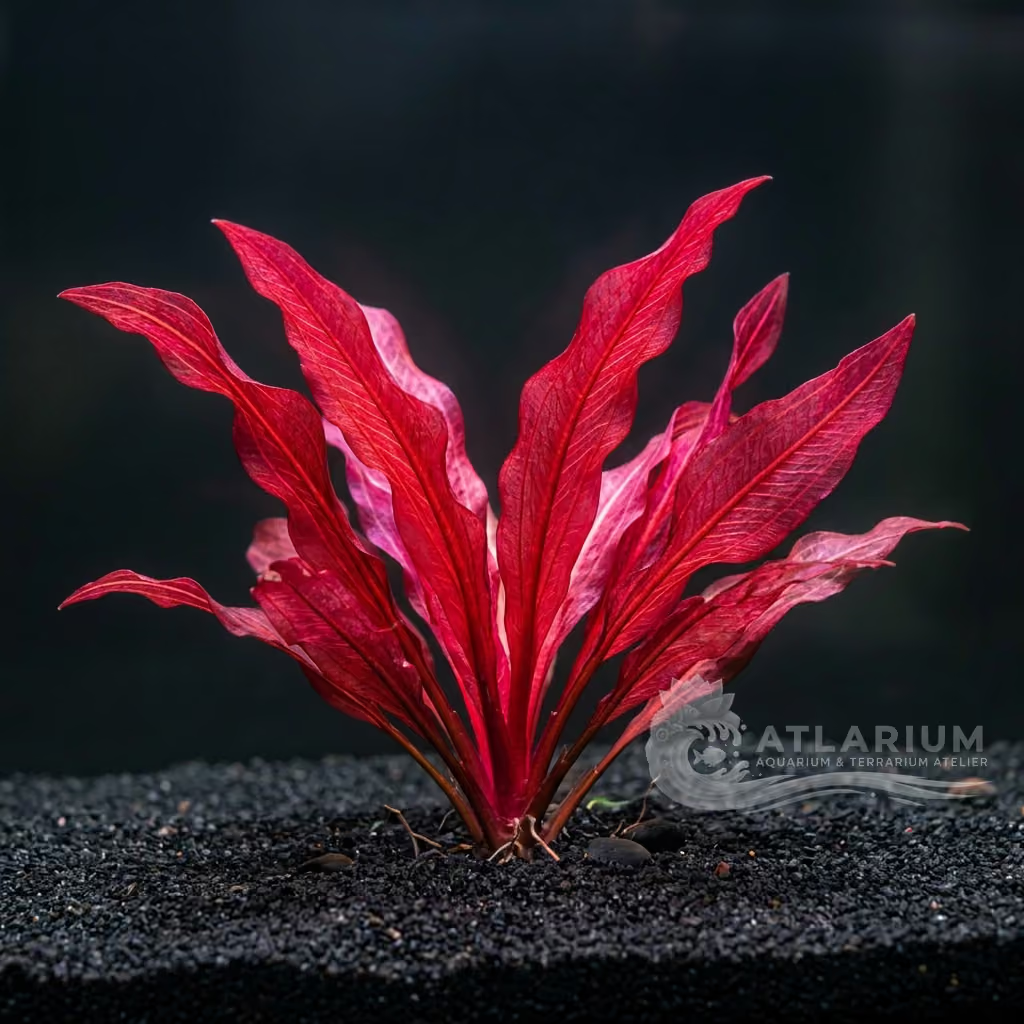
- Serves as an excellent, classic centerpiece in South American biotope tanks or traditional nature aquariums. Its ruffled texture and light green hue provide a striking contrast against dark wood hardscape or red-leaved plants. It reliably anchors the background composition with its substantial visual weight.

Related species
Recommendations grouped by close relatives, companion choices, and similar care.