Echinodorus portoalegrensis
Echinodorus portoalegrensis
A rare botanical jewel from southern Brazil with deeply dark green, leathery leaves. This slow-growing species prefers moderate lighting and stable, cool water.
Water Temperature
8 - 27 °C
pH Value
5 - 7
Water type
Freshwater
Light
Medium to High
CO2
Low - High
Expected height
15 cm
Expected width
30 cm
KH
0 - 7 dKH

Species description
Geographical Origin and Habitat: This aquatic plant, scientifically known as Echinodorus portoalegrensis, has its geographical origins established mainly in the region surrounding Porto Alegre in southern Brazil, where it lives in cool and fast rivers, anchoring tenaciously to rocky and sandy beds. In its native lands, it faces periods of heavy seasonal variations, adapting perfectly to both submerged growth during wet months and emersed growth in dry periods. This natural behavior makes it extremely resilient and versatile when introduced into controlled environments such as home aquariums.
Taxonomy & Genetics: From a systematic point of view, it is a pure and very rare species of the family Alismataceae, considered a true botanical jewel among elite aquatic plant collectors. As a representative of this group, it shares many common biological traits but exhibits specific genetic peculiarities that influence its growth rate and fertilization needs. The genetic stability of cultivated strains is ensured in commercial nurseries through rigorous selection and vegetative propagation procedures to keep aesthetic qualities intact.
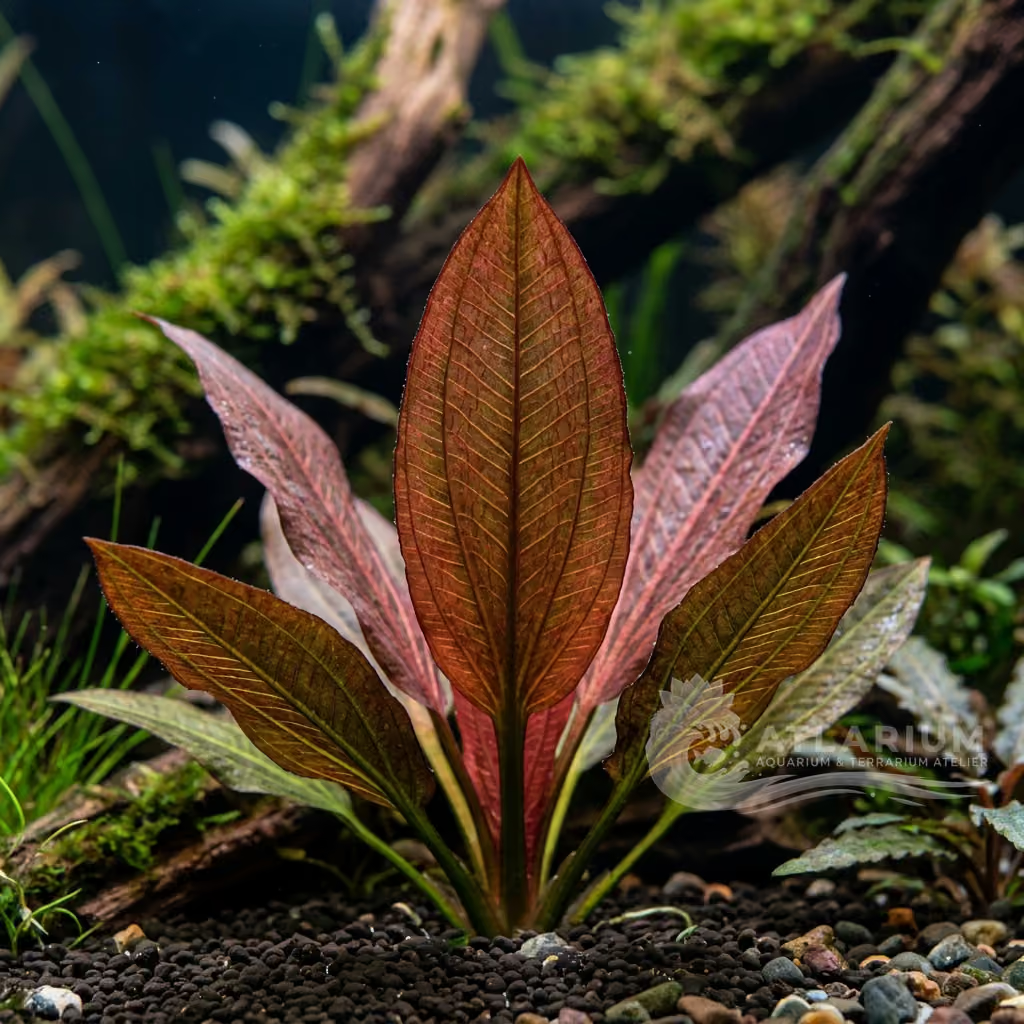
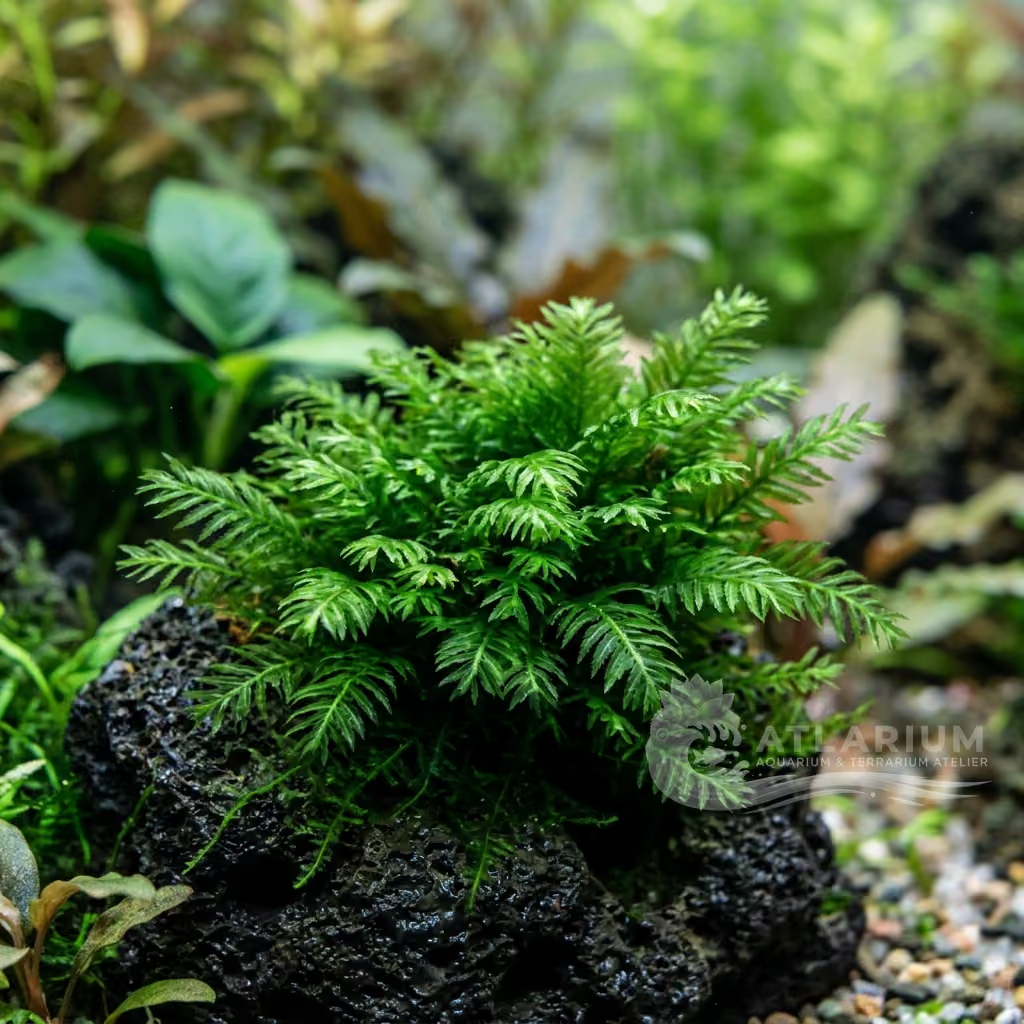
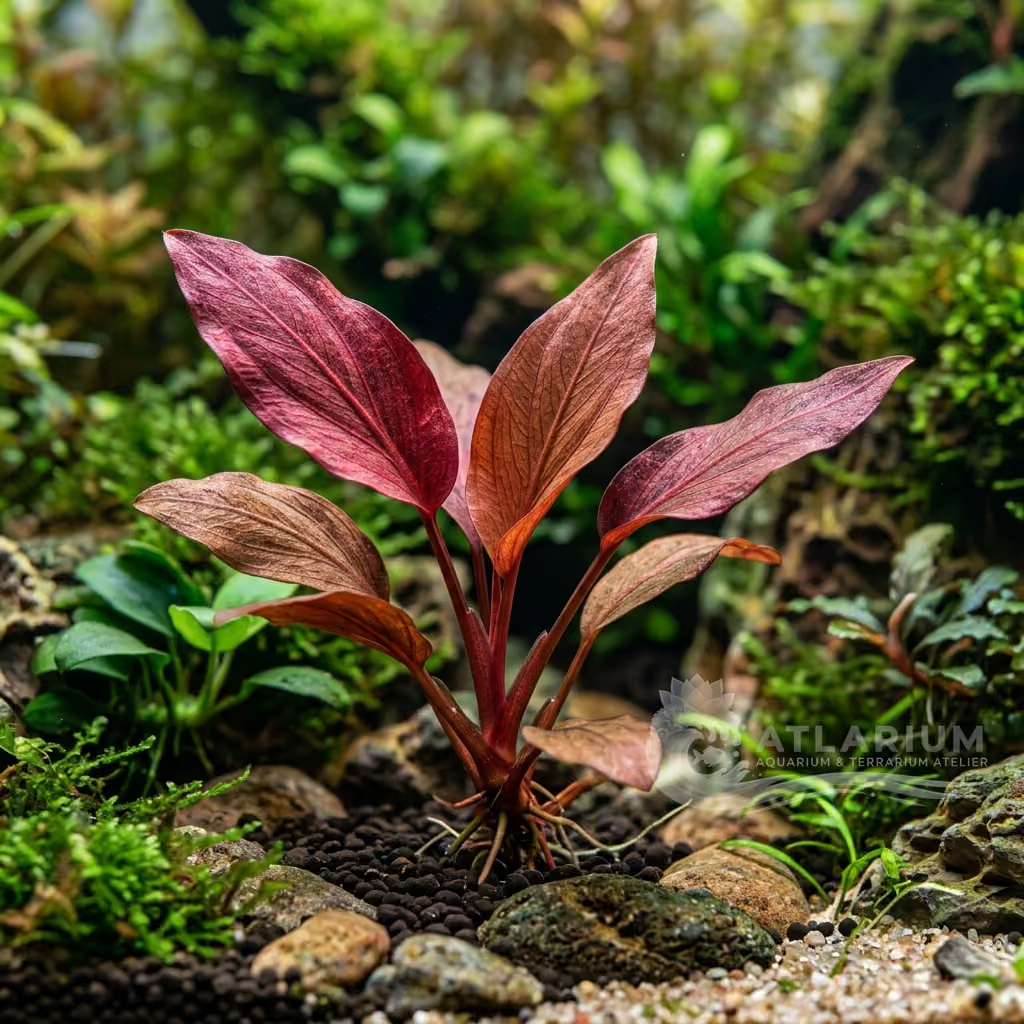
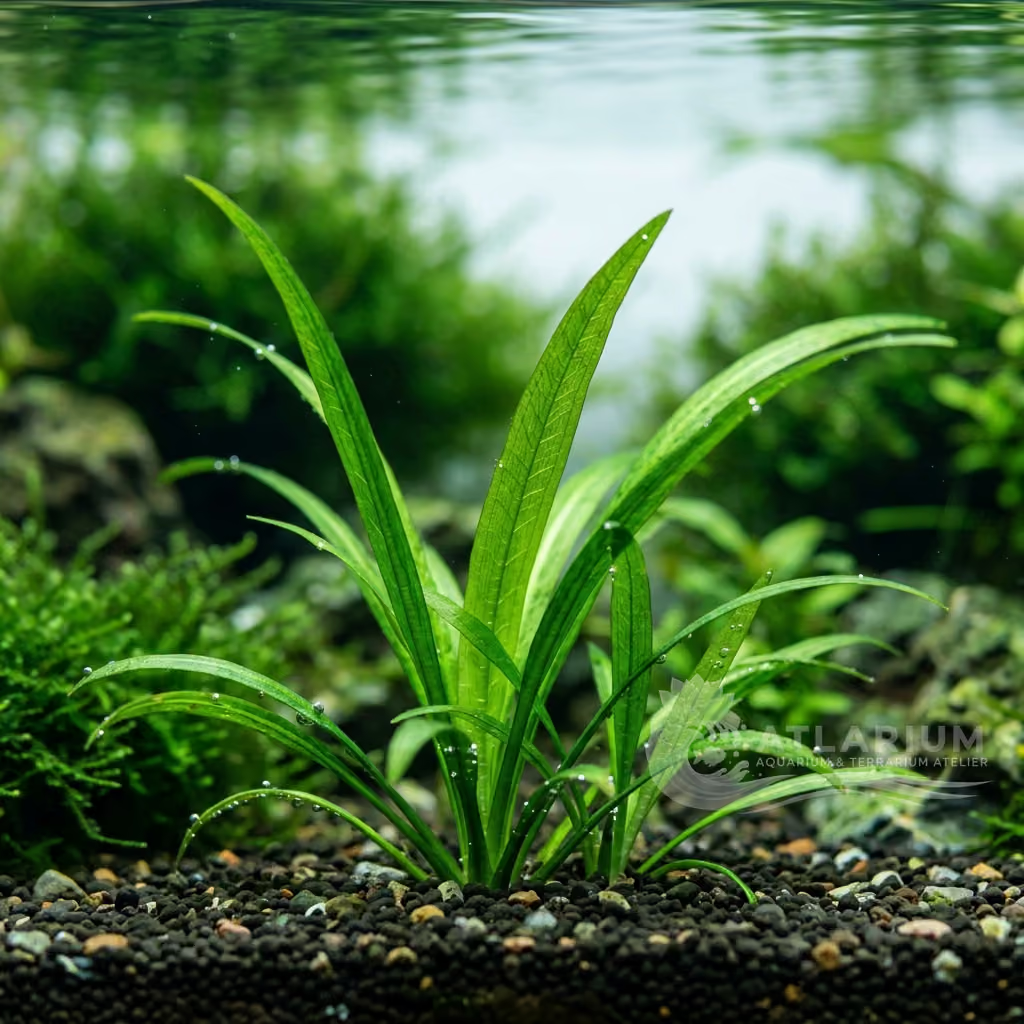
Physical Structure: Morphologically, the species features an extremely compact and upright leaf rosette, about 10-15 cm high, characterized by short, rigid, and strongly downward-curved leaves. This type of conformation allows it to occupy three-dimensional space efficiently, while offering natural shelter for small fish and invertebrates. The root system is proportional to the aerial development and plays a key role not only for anchorage but also for nutrient uptake.
Color & Texture: The chromatic aspect is characterized by a deep and matte dark green, almost black, which reflects very little light and gives the plant a leathery and structured appearance. This visual combination creates an excellent aesthetic impact under aquarium lights, allowing interesting contrast plays with surrounding plants. The leaf texture is designed to withstand the mechanical stress of running water.

Care, breeding and tankmates
Lighting & CO2: For optimal growth, the plant requires moderate lighting; due to its exceptionally slow growth, CO2 addition is recommended to support photosynthesis without causing algae. Adequate lighting stimulates photosynthesis and prevents the loss of lower leaves, while carbon dioxide supports faster and more vigorous development of the leaf blade.
Nutrition & Substrate: Nutrition must be curated by providing a fertile substrate based on clay or enriched with iron. It does not tolerate movement which damages its fragile and slow-growing roots. The presence of nutrients in the substrate promotes root development and prevents decay phenomena due to the lack of essential micronutrients.
Water Chemistry: Regarding water chemistry, the plant prefers cool temperatures between 8°C and 27°C, stable pH between 5.0 and 7.0, and a very low carbonate hardness (KH from 0 to 7 dKH). It is important to keep the parameters stable and carry out regular water changes to avoid sudden osmotic shifts that could damage plant tissues.
Space Management & Placement: Layout planning should foresee the foreground or midground of the aquarium, positioned in a clearly visible spot where it cannot be covered or shaded by faster-growing plants. Correct positioning allows the plant to receive uniform light over the entire surface and ensures good water circulation between the leaves.
Pruning: Routine maintenance requires minimal interventions; pruning consists only of the occasional removal of damaged leaves, an operation performed very few times a year. This practice prevents decaying old leaves from compromising water quality and constantly stimulates the rejuvenation of the specimen.
Risks & Diseases: Among the main risks is root decay if moved frequently and the accumulation of green spot algae on the leathery leaves that persist for a long time. Constantly monitoring the plant allows timely intervention with adjustments to fertilization or lighting management before damage becomes irreversible.

Geographic origin and distribution
This aquatic plant, scientifically known as Echinodorus portoalegrensis, has its geographical origins established mainly in the region surrounding Porto Alegre in southern Brazil, where it lives in cool and fast rivers, anchoring tenaciously to rocky and sandy beds. In its native lands, it faces periods of heavy seasonal variations, adapting perfectly to both submerged growth during wet months and emersed growth in dry periods. This natural behavior makes it extremely resilient and versatile when introduced into controlled environments such as home aquariums.
Origin
Extra-Amazon South America

Plant profile
- Placement
- Foreground
- Given its slow growth and incredibly robust, almost rigid leaves, E. portoalegrensis is an excellent midground to background plant, depending on the tank size. It provides a very distinct, dark green structural element. It should be placed where it will not be shaded by faster-growing plants, as it needs adequate light to thrive.
- Botanical form
- Rosette
- This species is characterized by a very stiff, upright rosette form. The leaves are distinctively dark green, often with brownish undertones, and are incredibly tough and leathery to the touch. The leaf shape is generally lanceolate, and the overall plant has a very rigid, architectural appearance compared to softer-leaved sword plants.
- Growth
- Slow
- The growth rate is exceptionally slow, even under optimal conditions with high light and CO2. It produces new leaves very infrequently, making it one of the slowest growing Echinodorus species. This characteristic makes it extremely low maintenance, as it rarely needs pruning and will maintain its size and shape for a very long time.
- Substrate
- High
- This species forms a very strong, thick root system that requires a nutrient-rich, deep substrate. A quality aquarium soil or a gravel substrate thoroughly enriched with root tabs is ideal. The substrate must provide a stable anchor and a long-term reservoir of nutrients, as the plant relies almost entirely on root feeding due to its slow metabolism.
- Column fertilization
- Recommended
- While not strictly necessary given its slow metabolism and primary reliance on root feeding, light supplemental column fertilization can be beneficial. Occasional dosing of a comprehensive liquid fertilizer ensures that trace elements are available to support leaf health and color, especially in tanks with a low bioload.
- Root fertilization
- Required
- Root fertilization is the absolute key to cultivating E. portoalegrensis. Infrequent but consistent application of high-quality root tabs placed deep into the substrate near its thick roots is necessary. This provides the long-term, slow-release nutrition that aligns perfectly with the plant's sluggish growth rate.
- Trimming
- Occasional
- Trimming is a rare event for this species due to its glacial growth rate. Only damaged or severely algae-infested leaves should be removed, cutting the stiff petiole as close to the rosette base as possible. Because the leaves last for a very long time, it is crucial to keep the aquarium environment clean to prevent algae buildup on them. Healthy older leaves should be left intact to support the plant's energy needs.
- Propagation
- Division
- Propagation is very difficult and rare in the home aquarium due to its incredibly slow growth. It rarely produces runners or flowering stalks. The only practical method is the careful division of a very old, mature rhizome, which can take years to develop sufficiently for splitting.
- Sensitivity
- Moderate
- The incredibly stiff leaves are virtually immune to typical mechanical damage and herbivory. However, its extremely slow growth makes it highly susceptible to slow-growing algae like Black Beard Algae (BBA) or Green Spot Algae (GSA) on its older leaves. Maintaining stable CO2 and clean water is vital to protect the foliage. It tolerates hard water well but dislikes frequent uprooting, taking a long time to re-establish.
- Layout role
- Midground, Foreground, group
- It acts as a dark, structural anchor in the midground, providing a sense of age and permanence to the aquascape. Its rigid, architectural form contrasts beautifully with soft, swaying stem plants or delicate foreground carpets. It is perfect as a solitary specimen plant to draw the eye without overwhelming the layout. The dark coloration also helps to create a sense of depth when placed against lighter background plants.

Related species
Recommendations grouped by close relatives, companion choices, and similar care.