Echinodorus parviflorus (E. "peruensis")
Echinodorus parviflorus (E. "peruensis")
Echinodorus parviflorus (E. 'peruensis') is a compact dark-leaved rosette plant ideal for the midground, featuring medium growth and ease of cultivation.
Water Temperature
22 - 28 °C
pH Value
6 - 7.5
Water type
Freshwater
Light
Medium - High
CO2
Medium - High
Expected height
15 cm
Expected width
10 cm
KH
3 - 10 dKH

Species description
Geographical Origin and Habitat: This plant, also known commercially as Echinodorus 'peruensis', is native to South America, particularly the Amazonian regions of Peru and Bolivia. It inhabits shallow freshwater environments, marshes, flooded plains, and the shaded banks of rivers and canals. It is adapted to live both submerged and emersed, though in the aquarium hobby it is predominantly cultivated in its submerged form, where it best expresses the compactness of its foliage and its signature dark tones.
Taxonomy & Genetics: It belongs to the family Alismataceae. The name Echinodorus parviflorus has generated taxonomic debates in the past, and the label E. 'peruensis' is frequently used in the aquarium trade to distinguish this specific geographic variant, characterized by broader and darker leaves than the type form. With stable genetics, it is a pure botanical species adapted over millennia to the seasonal fluctuations of water levels in its native habitats.
Physical Structure: It develops a compact-upright rosette, which under submerged conditions generally reaches a height of 15-20 cm, making it one of the smallest and most manageable Amazon sword plants. The leaves are lanceolate, with short petioles that keep the rosette extremely dense and elegant. The roots are thick and whitish, capable of penetrating deeply into the substrate to absorb the nutrients necessary for the plant's sustenance.
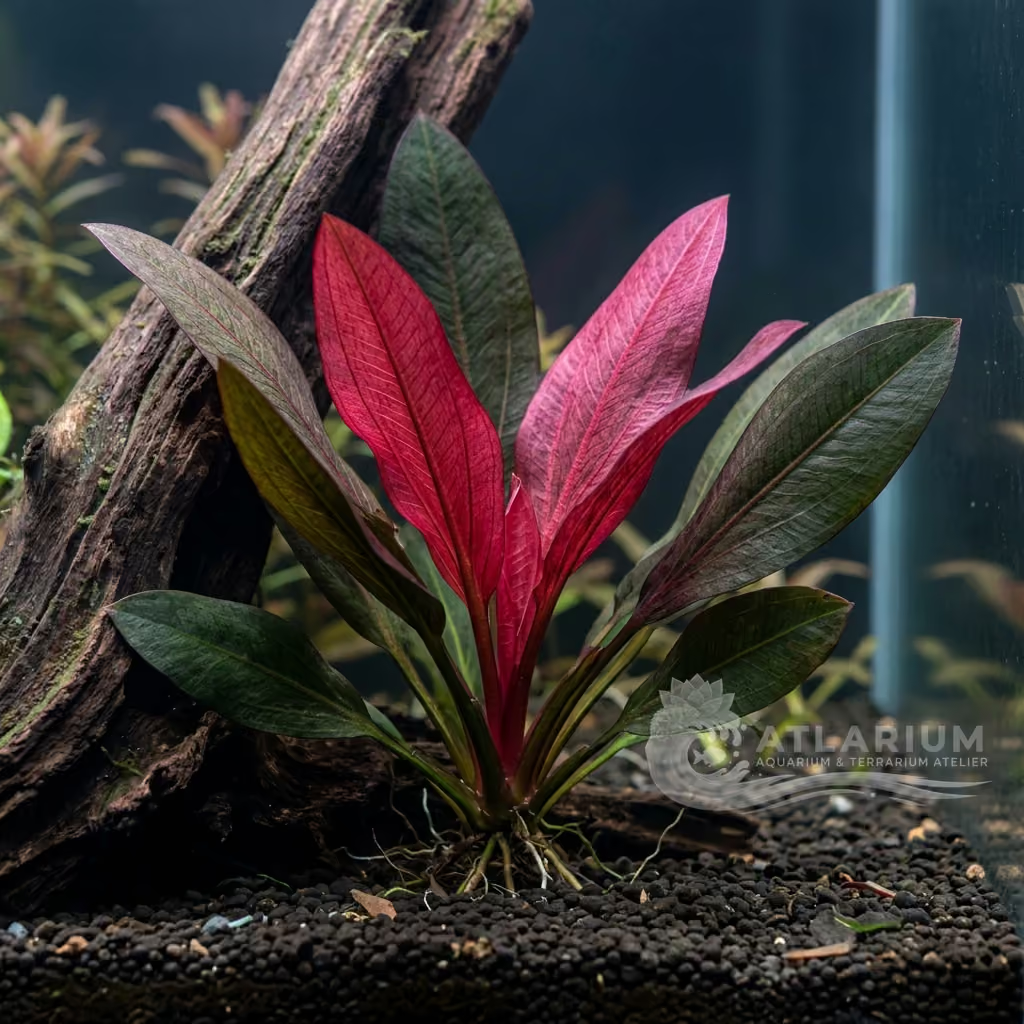
Color & Texture: Submerged leaves are distinguished by a deep dark green color, which under optimal lighting and iron-rich fertilization can take on blackish or brownish-green hues, especially on the younger leaves. The leaf texture is leathery but flexible, with a matte surface and slightly recessed parallel longitudinal veins (3 to 5) that create a delicate striated texture to the touch and sight.

Care, breeding and tankmates
Lighting & CO2: Requires moderate to medium-high lighting. It does not need extreme light to grow, but good light intensity promotes a compact habit and intensifies the dark tones of the leaves. CO2 is highly recommended to promote steady, vigorous growth, but the plant is capable of adapting to low-tech setups without artificial injection.
Nutrition & Substrate: Being a plant with a strong root system, it benefits enormously from a rich and porous substrate. It is recommended to place fertilizer tabs rich in iron and trace elements directly under its roots every 3-4 months.
Water Chemistry: Prefers temperatures between 20°C and 28°C. It adapts to pH values from slightly acidic to neutral (6.0 - 7.5) and water hardness from soft to medium (KH 3-10 dKH). It is a robust plant that tolerates modest variations in parameters, as long as they are not sudden.
Space Management & Placement: Its natural placement is in the midground of the aquarium, where the dark green coloration creates an excellent chromatic contrast with light green or red plants. Thanks to its compact development, it can also be placed in medium or small aquariums (excluding nano tanks), placing it in spots where it receives sufficient light without being shaded by taller species.
Pruning: Pruning is simple and consists of removing the older or damaged leaves at the periphery of the rosette. The cut should be made near the base of the rhizome using appropriate aquascaping scissors. This operation stimulates leaf replacement from the center of the rosette and prevents the accumulation of organic debris at the base of the plant.
Risks & Diseases: The main risk is iron chlorosis, which manifests as yellowing and loss of texture in young leaves, easily resolved with root fertilizers. The thick, slow-growing leaves can be prone to brush algae (BBA) attacks in the presence of CO2 fluctuations or phosphate and nitrate imbalances in the water.

Geographic origin and distribution
This plant, also known commercially as Echinodorus 'peruensis', is native to South America, particularly the Amazonian regions of Peru and Bolivia. It inhabits shallow freshwater environments, marshes, flooded plains, and the shaded banks of rivers and canals. It is adapted to live both submerged and emersed, though in the aquarium hobby it is predominantly cultivated in its submerged form, where it best expresses the compactness of its foliage and its signature dark tones.
Origin
Amazon, Orinoco, and Guianas

Plant profile
- Placement
- Midground
- Its moderate size makes Echinodorus parviflorus highly versatile in aquascaping. It functions excellently as a midground plant in large aquariums, providing a dense, bushy texture. In smaller setups, it can serve as an attractive background or centerpiece plant. Its neat growth habit ensures it doesn't easily overgrow and shade neighboring flora.
- Botanical form
- Rosette
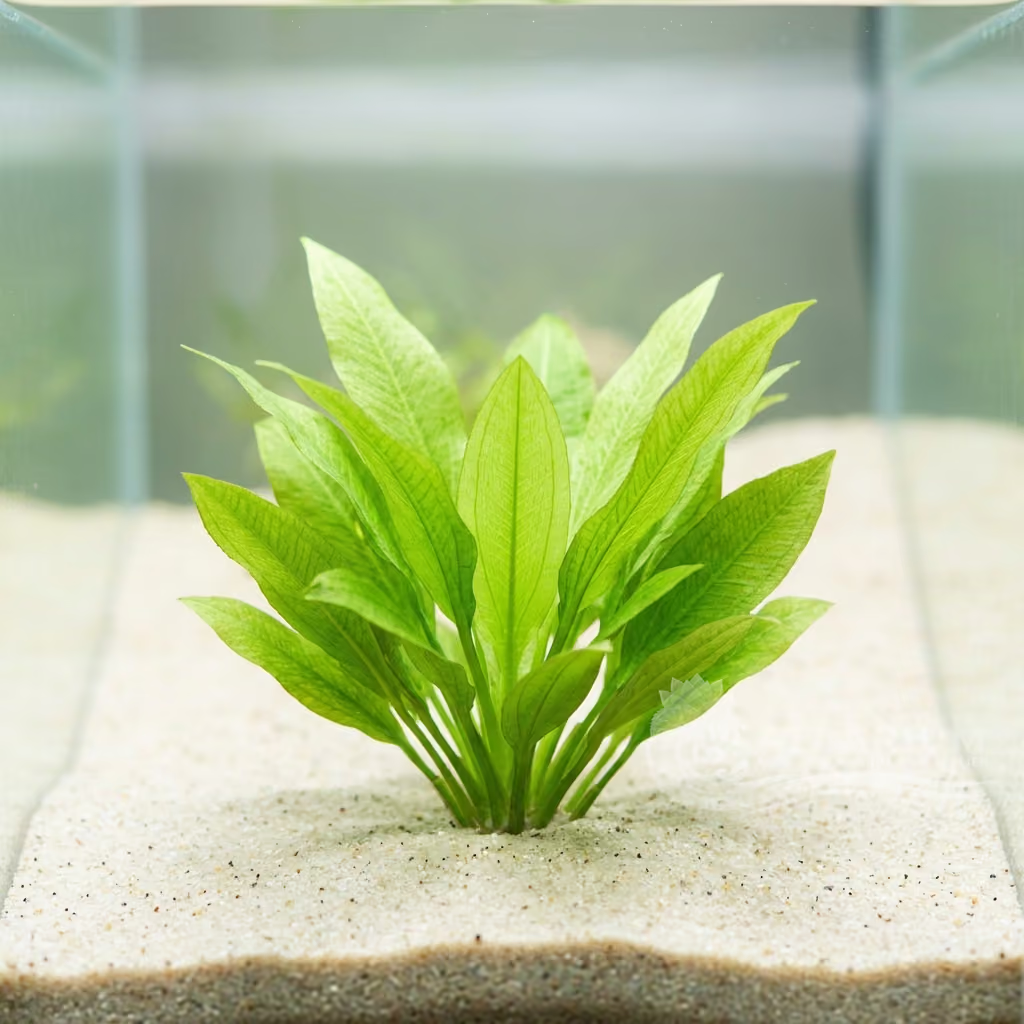
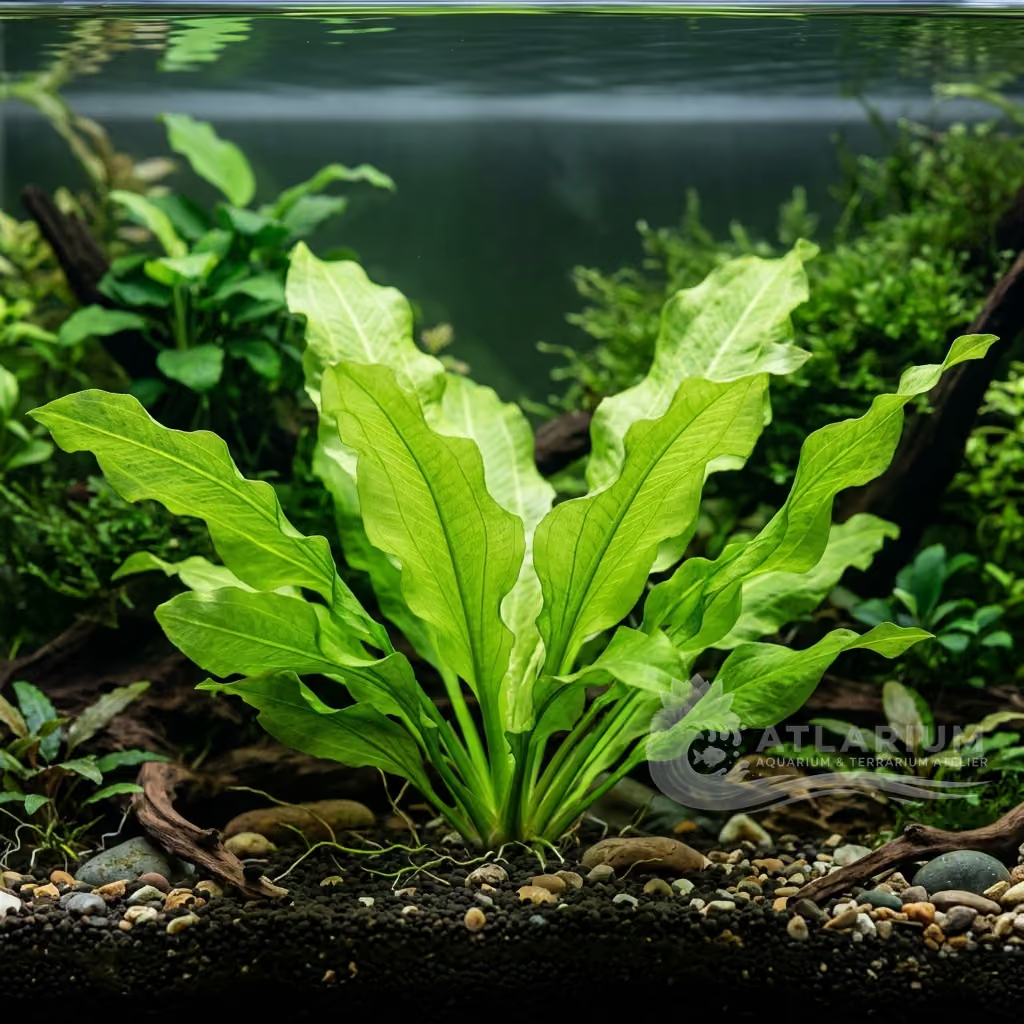
- This plant features a classic rosette form with elongated, lanceolate to somewhat ovate leaves. The foliage is typically a vibrant, clear green, often with slightly undulated margins and visible veining. It maintains a relatively compact and bushy profile compared to larger Amazon Sword varieties, making it very appealing for detailed layouts.
- Growth
- Medium
- The growth rate is generally moderate and steady. Under optimal conditions (good lighting, CO2, and rich substrate), it produces new leaves consistently. In low-tech environments, it adapts well, growing more slowly but maintaining a healthy appearance with minimal maintenance. Pruning older outer leaves encourages fresh central growth.
- Substrate
- High
- This species thrives in a nutrient-rich substrate, which is vital for its strong root system. A high-quality planted aquarium soil or a gravel bed heavily supplemented with root tabs provides an ideal foundation. The substrate should be deep enough to allow for extensive root development, which directly correlates with the overall health and size of the plant.
- Column fertilization
- Recommended
- Supplemental liquid column fertilization is beneficial, particularly in mature tanks. Dosing a balanced fertilizer provides readily available micronutrients and trace elements, supporting vibrant leaf coloration and overall vitality. This complements the primary nutrient uptake from the substrate.
- Root fertilization
- Required
- Root feeding is the primary method of nutrient acquisition for this plant. The regular insertion of nutrient-dense root tabs into the substrate near the root mass is highly recommended. This targeted approach ensures a steady supply of essential macronutrients, supporting vigorous root and foliar growth.
- Trimming
- Occasional
- Trimming should be done by carefully cutting the older, outer leaves as close to the base of the rosette as possible. Avoid cutting the leaves mid-way, as the remaining stem will simply decay and foul the water. Removing damaged or algae-covered leaves encourages the plant to redirect energy into producing fresh, healthy growth. Frequent pruning is generally not required due to its moderate growth rate.
- Propagation
- Division
- Propagation is readily achieved via adventitious plantlets that form along runners produced by the mother plant. Once these plantlets develop sufficient roots and leaves, they can be carefully detached and replanted. Division of a mature rhizome is also possible but runners are the most common and easiest method.
- Sensitivity
- Moderate
- Echinodorus parviflorus is exceptionally hardy and tolerates a wide range of water parameters without issue. It is relatively resistant to common algae types if nutrient balance is maintained. However, it can be sensitive to extreme soft water or severe nutrient depletion, which may cause leaf melting. Sudden drastic changes in lighting can temporarily halt growth, but it recovers quickly.
- Layout role
- Midground
- It plays a vital role as a strong structural focal point in classic Nature Aquarium or Dutch-style layouts. The broad, dark green leaves contrast beautifully with fine-leaved stem plants or light green foreground carpets. It anchors the midground beautifully, drawing the eye and providing a sense of scale. The dense rosette also provides excellent hiding spots for shy fish and invertebrates.

Related species
Recommendations grouped by close relatives, companion choices, and similar care.