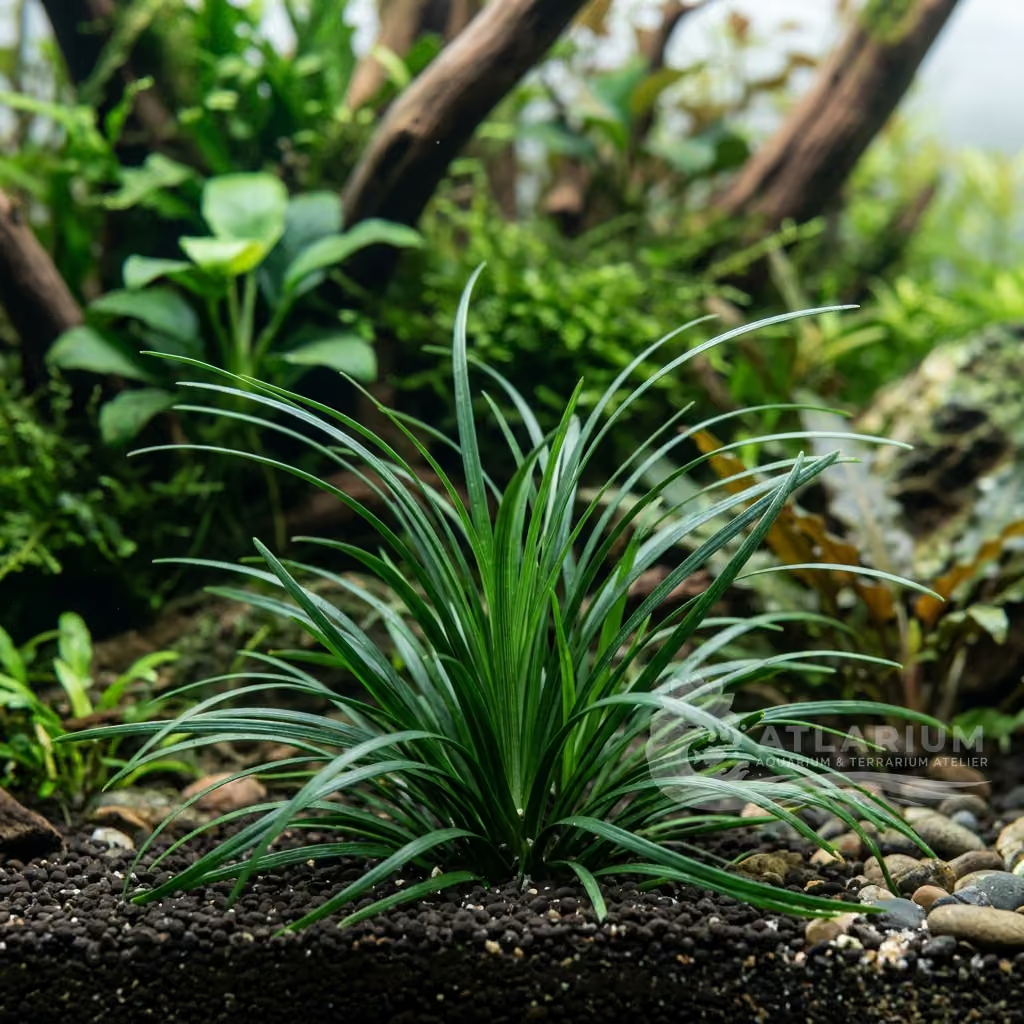
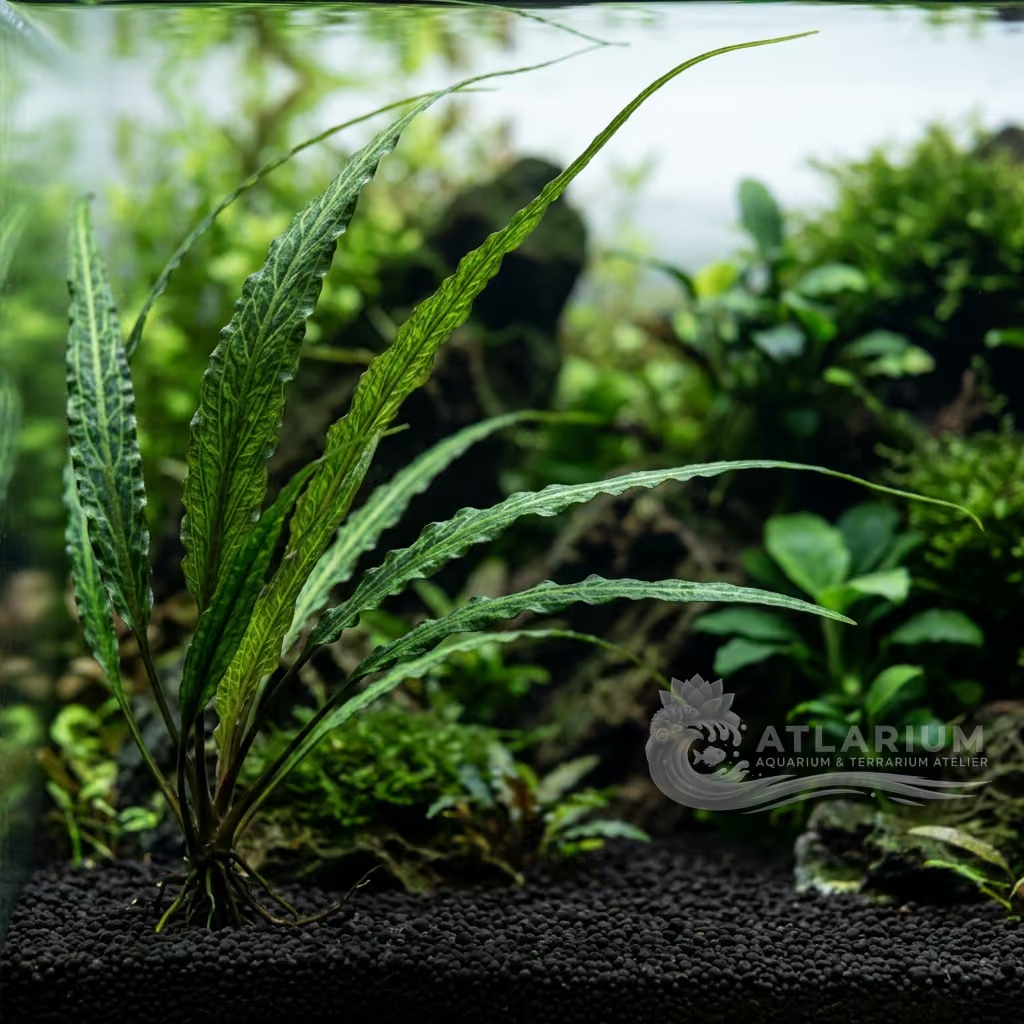
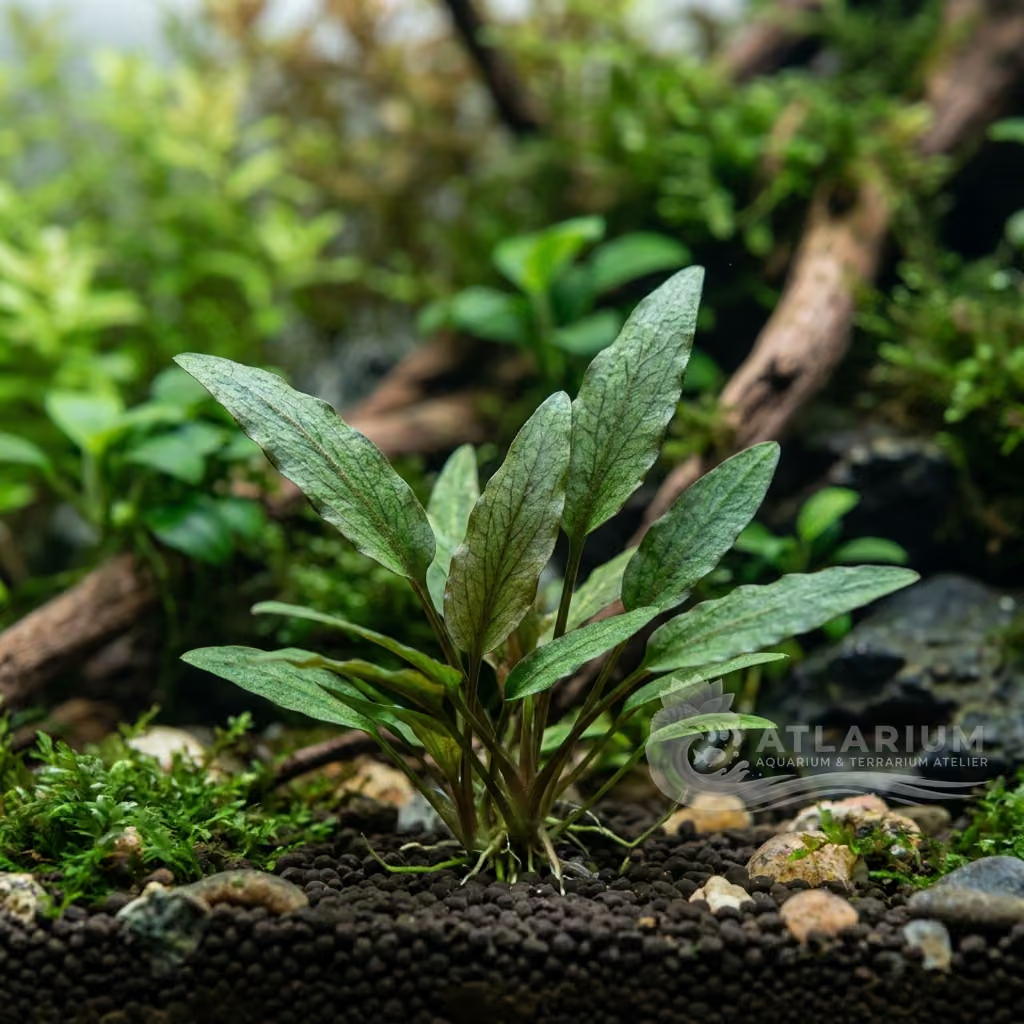
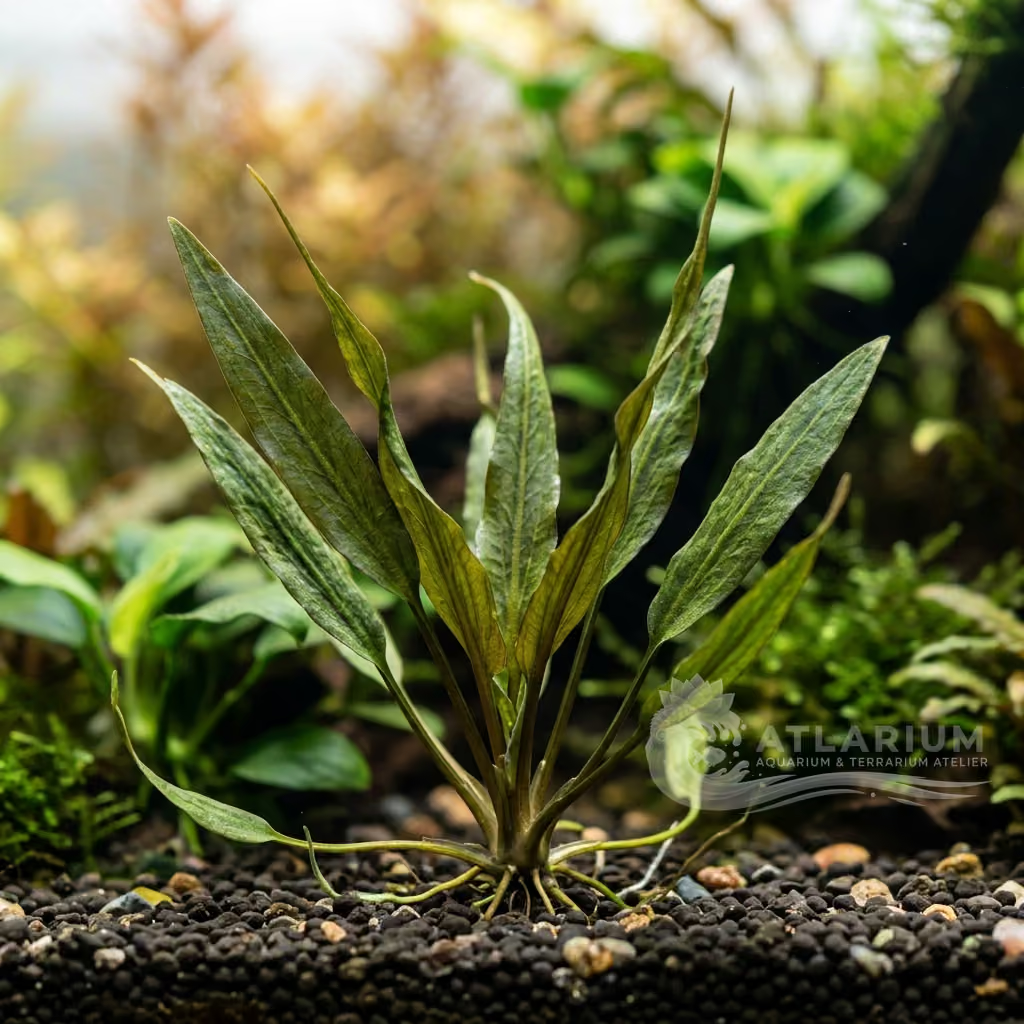
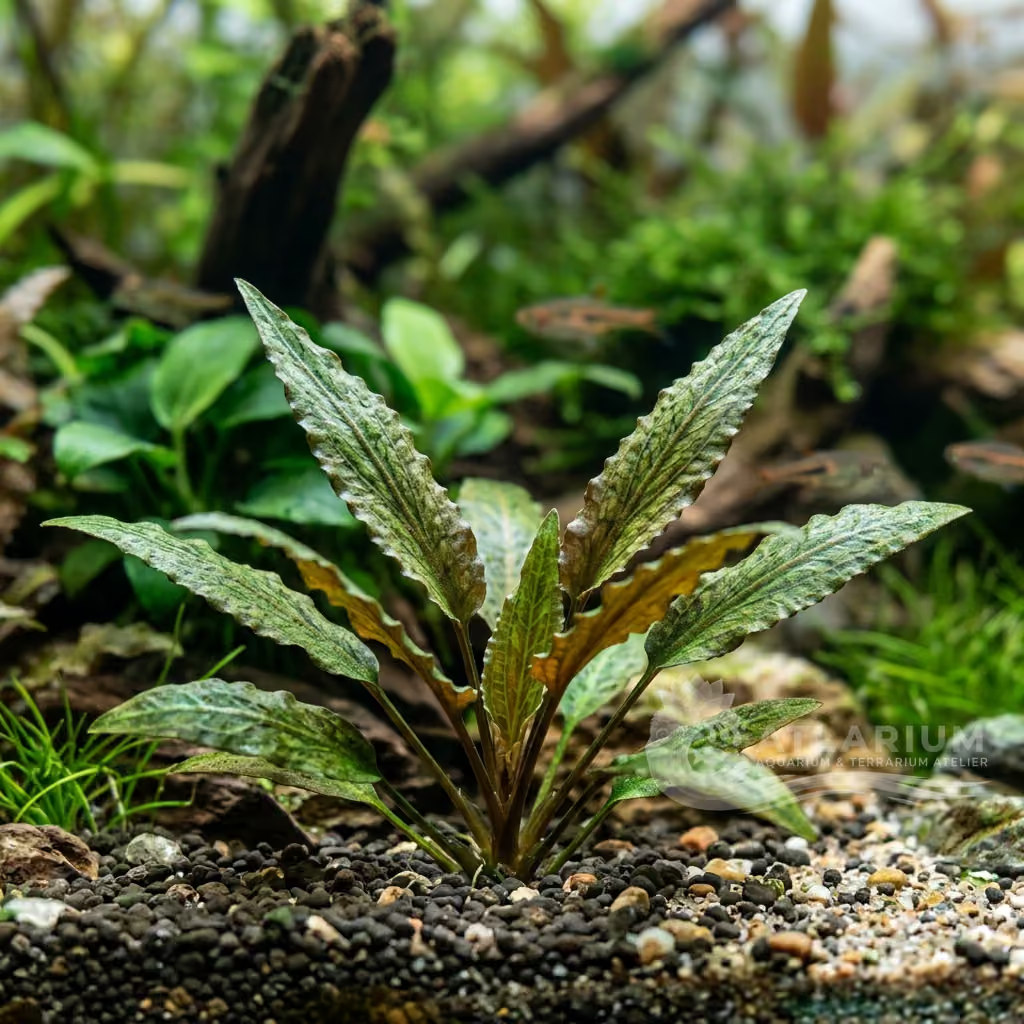
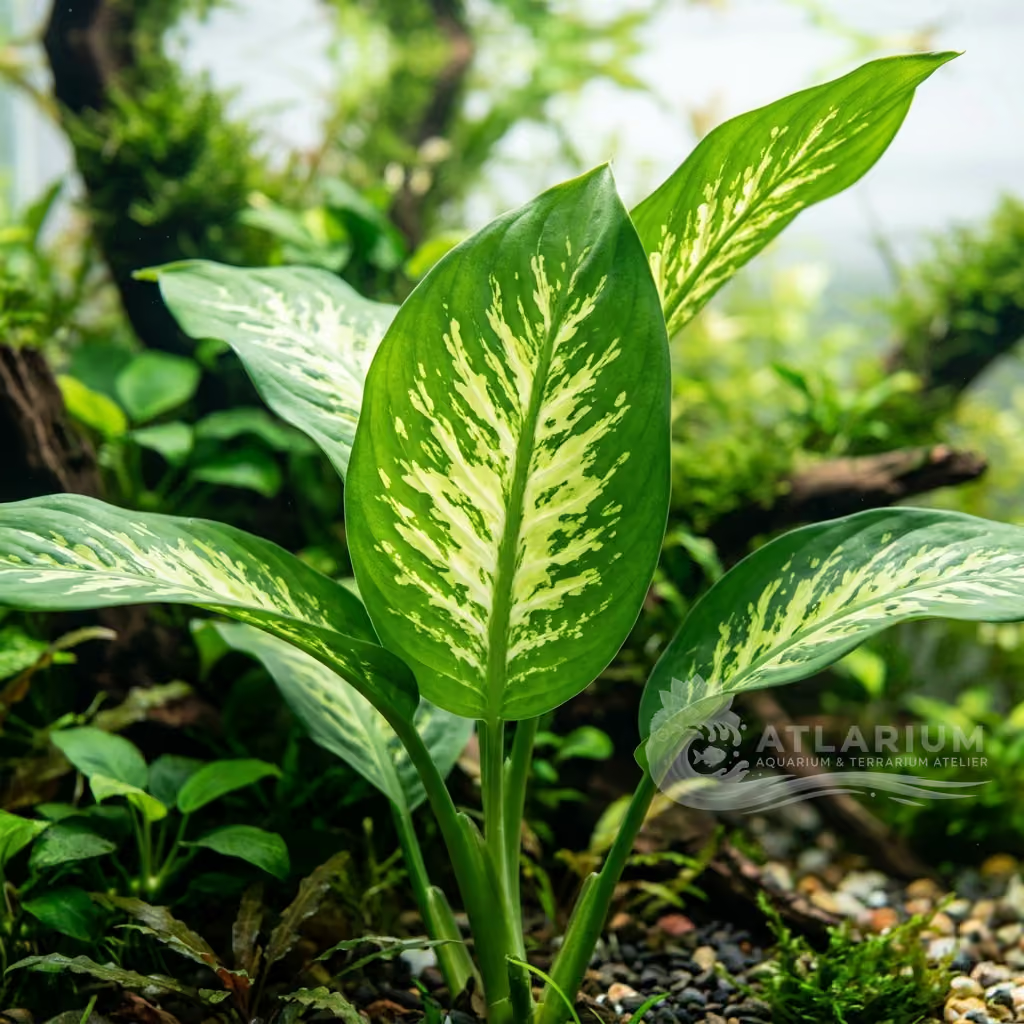
Chlorophytum bichetii
Chlorophytum laxum
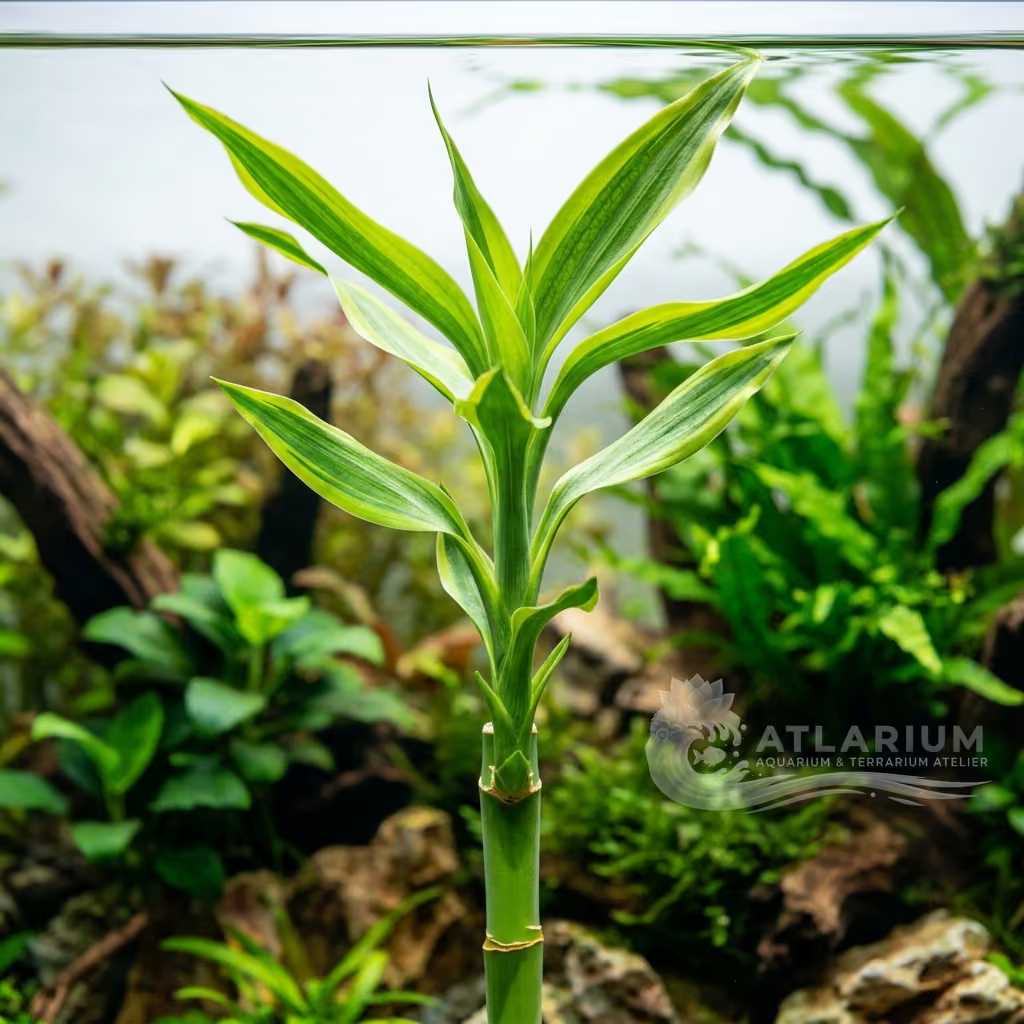
Native to West African riparian zones, this emersed plant sports bright, white-variegated green leaves. It requires medium to high light and constantly wet roots, perfectly suited for paludariums.
Water Temperature
18 - 28 °C
pH Value
6 - 7.5
Water type
Freshwater
Light
Medium - High
CO2
Medium - High
Expected height
15 cm
Expected width
15 cm
KH
2 - 10 dKH

Species description
Geographical Origin and Habitat: This plant is native to tropical West Africa. It grows in damp, riparian environments along the edges of streams, rain forests, and swampy areas, where its roots remain constantly wet in mud or shallow water while the foliage develops in the open air.
Taxonomy & Genetics: Belongs to the Asparagaceae family and the genus Chlorophytum. Commonly known as the dwarf variegated spider plant, it shares the genetics of many houseplant species within the same genus but specifically adapts to high-humidity marsh conditions.
Physical Structure: Grows forming a dense, compact rosette of fan-like leaves. It does not produce vertical stems, instead having a basal rhizome from which thick, fleshy, tuberous roots emerge, capable of storing water and nutrients.
Color & Texture: The leaves feature beautiful longitudinal variegation: the leaf center is bright green, while the margins are decorated with creamy white or yellowish stripes. The leaf texture is rigid, leathery, and elastic, typical of emersed marsh or terrestrial plants.

Care, breeding and tankmates
Lighting & CO2: Requires medium to high lighting to maintain the bright variegation of the leaves. Under weak light, the plant tends to lose its white leaf coloring. Since it is grown in emersed form, it draws CO2 from the atmosphere, making
Water Chemistry: CO2 injection useless.
Nutrition & Substrate: Requires a highly nutrient-rich substrate. The fleshy roots prefer damp sandy soil or well-fertilized aquasoil. The presence of nutrients at the root level is essential to support its slow growth.
Water Chemistry: Since only the roots are submerged, water chemistry mainly affects nutrient absorption. It prefers a pH range of 6.0 to 7.5 and temperatures from 18 to 28°C.
Space Management & Placement: Must never be fully submerged. The ideal placement is in paludariums, ripariums, or closed terrariums, with roots immersed in water or wet substrate and foliage emersed. If fully submerged, it decays and dies within a few weeks.
Pruning: Pruning is limited to removing damaged or yellowing outer leaves, cutting them close to the base of the rosette to keep the clump tidy.
Risks & Diseases: The primary risk is drowning caused by full submersion of the foliage. Additionally, if air humidity is too low, leaf tips can dry out and turn brown. Roots can rot if kept in stagnant water lacking oxygen.

Geographic origin and distribution
This plant is native to tropical West Africa. It grows in damp, riparian environments along the edges of streams, rain forests, and swampy areas, where its roots remain constantly wet in mud or shallow water while the foliage develops in the open air.
Origin
Africa and Madagascar

Plant profile
- Placement
- Midground
- It should only be placed in the emersed section of a paludarium, a riparium planter, or a traditional terrarium. The roots can occasionally tolerate being partially submerged in highly oxygenated water, but the crown and leaves must remain dry. It looks fantastic as a grassy, variegated accent plant emerging from the water's edge in an open-top setup.
- Botanical form
- Rosette
- This plant forms dense, grassy clumps of long, arching, strap-like leaves. The foliage is beautifully variegated with bright green centers and striking white or cream-colored margins. It occasionally produces small, star-shaped white flowers on long, arching stalks when mature and healthy.
- Growth
- Medium
- When grown emersed under bright, indirect light, it exhibits a moderate to fast growth rate, quickly producing new grassy shoots. If forced to grow fully submerged, its growth rate will immediately stall, and the plant will slowly deteriorate over a few weeks or months. It is very resilient as long as its terrestrial nature is respected.
- Substrate
- High
- Because it is not a true aquatic plant, it absolutely must not be planted completely submerged in an aquarium substrate. It requires a well-draining, airy terrestrial potting mix or a moist, humic soil in a paludarium setup above the water line. The roots need oxygen to survive; waterlogged, anaerobic conditions will rapidly cause severe root rot.
- Column fertilization
- Recommended
- Water column fertilization is completely irrelevant and useless for this plant if it is grown fully submerged, as it cannot survive those conditions. If grown with only its roots dangling in the water (riparium style), it can extract nitrates and phosphates from the water column. However, it still prefers extracting nutrients from a rich soil medium.
- Root fertilization
- None
- Root fertilization is the primary and most effective way to feed this species. Providing a nutrient-rich potting soil or inserting high-quality terrestrial fertilizer spikes near the root zone will ensure vigorous growth. Regular repotting or soil replenishment is recommended to prevent nutrient depletion over time.
- Trimming
- Occasional
- Maintenance involves removing any dead, yellowing, or browning leaves near the base of the rosette to prevent fungal issues. If grown submerged by mistake, decaying leaves must be removed immediately to prevent ammonia spikes. For healthy emersed plants, trimming is minimal and mostly for aesthetic purposes.
- Propagation
- Division
- Propagation is very easy and is accomplished through simple crown division. Carefully unearth the plant, gently pull the thick root mass apart to separate the individual pups or offshoots, and replant them in fresh soil. It may also produce 'spiderettes' on long stalks, which can be snipped off and rooted.
- Sensitivity
- Moderate
- The most critical sensitivity of Chlorophytum bichetii is its absolute intolerance to being fully submerged for prolonged periods. It requires high humidity to thrive but will suffer from rot if the crown is kept too wet. It is not overly sensitive to temperature or water parameters as long as it is grown in the air.
- Layout role
- paludarium, riparium
- In an aquatic layout, its role is strictly limited to the emersed or marginal zones of paludariums and ripariums. It provides excellent vertical structure and bright, contrasting foliage above the water line. It should never be used as a background or midground plant in a traditional submerged aquascape.

Related species
Recommendations grouped by close relatives, companion choices, and similar care.