Cryptocoryne beckettii "Petchii"
Cryptocoryne beckettii
A specialized, narrow-leaved variant of C. beckettii from Sri Lanka. Exhibiting stunning olive-brown to bronze hues under good light, it remains an incredibly forgiving and resilient plant for any setup.
Water Temperature
20 - 28 °C
pH Value
6 - 8
Water type
Freshwater
Light
Low
CO2
Low
Expected height
15 cm
Expected width
15 cm
GH
4 - 20 dGH
KH
1 - 18 dKH

Species description
Geographical Origin and Habitat: Endemic to the deeply shaded, fast-flowing tropical streams and river margins of southwestern Sri Lanka. Cryptocoryne beckettii "Petchii" is a highly specialized, naturally occurring variant of the standard C. beckettii. Like its parent species, it is a profoundly resilient amphibious survivor, perfectly adapted to thrive completely submerged in rushing jungle streams or entirely emersed on muddy, saturated riverbanks. It evolved to form dense, low-lying colonies that carpet the riverbed, resisting strong monsoonal currents.
Taxonomy & Genetics: Scientifically classified within the Araceae family, "Petchii" is taxonomically prized as a highly stabilized, distinct morphological variant. In the past, it was erroneously classified as a completely separate species (Cryptocoryne petchii), but modern genetic sequencing has confirmed it is a direct cultivar of C. beckettii. Its genetics dictate a significantly smaller, more compact growth habit, narrower leaves, and a much higher propensity to produce striking bronze and reddish-brown pigmentation compared to the standard wild-type.
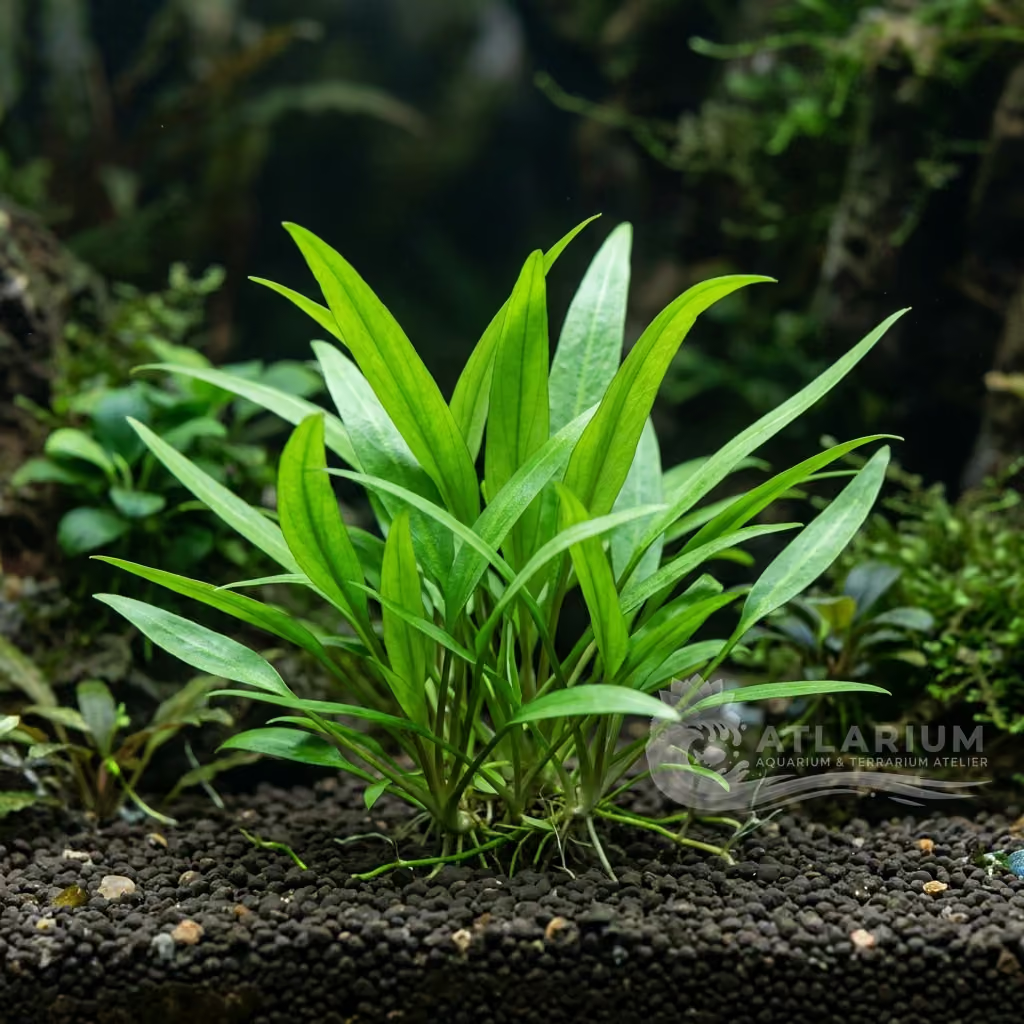
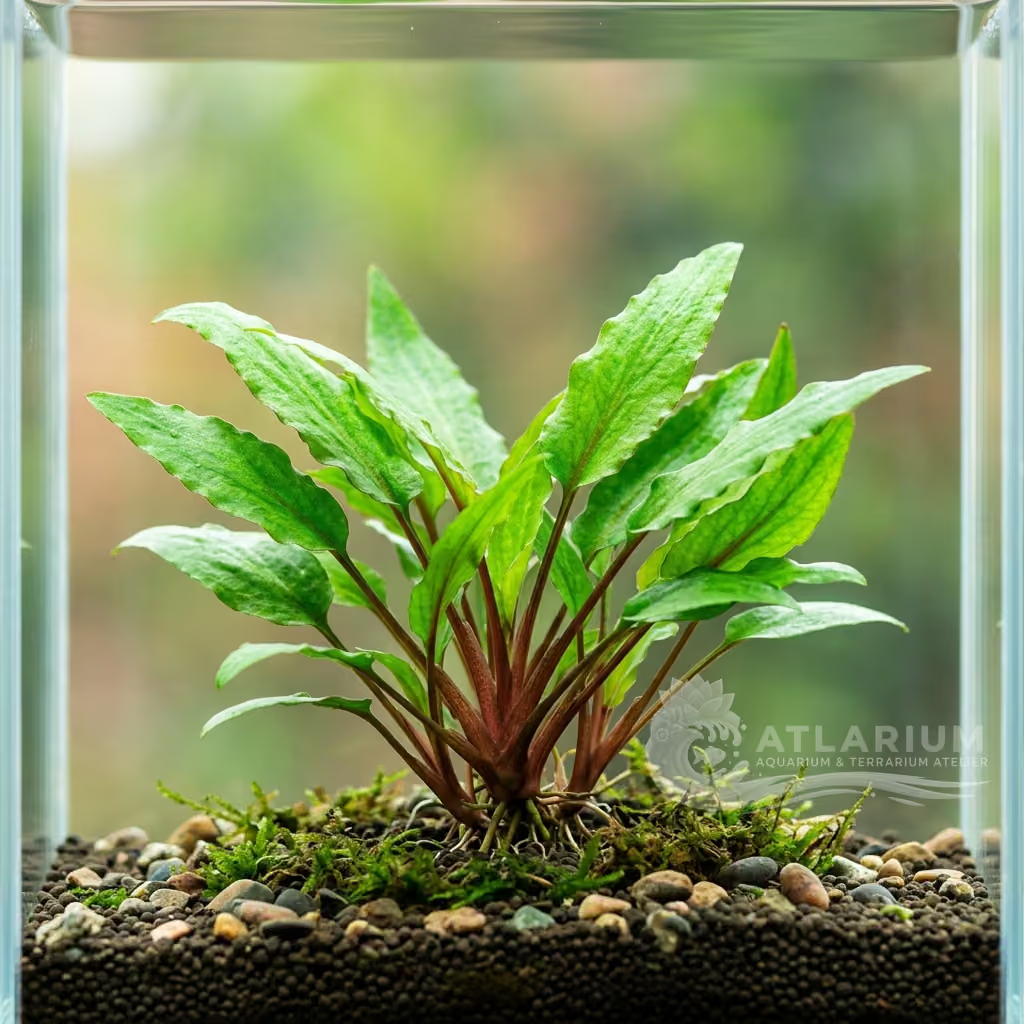
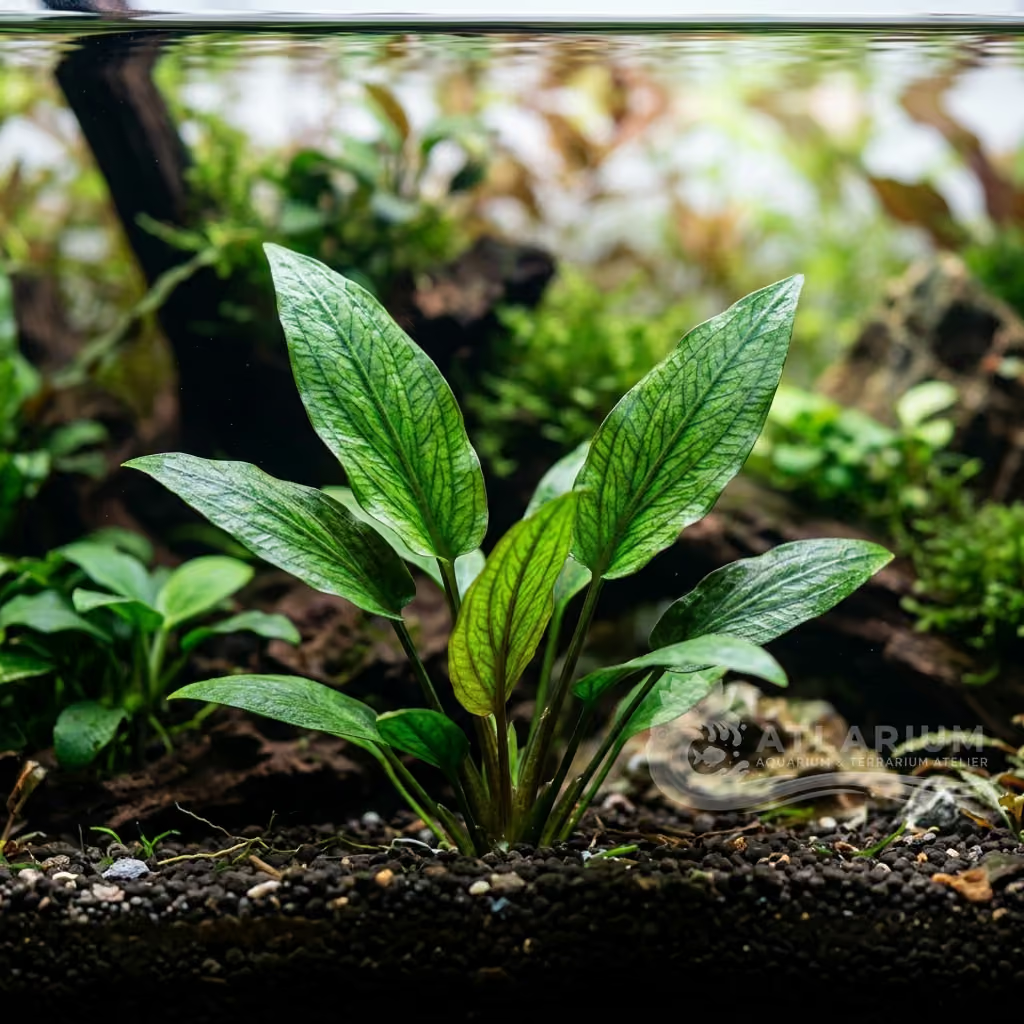
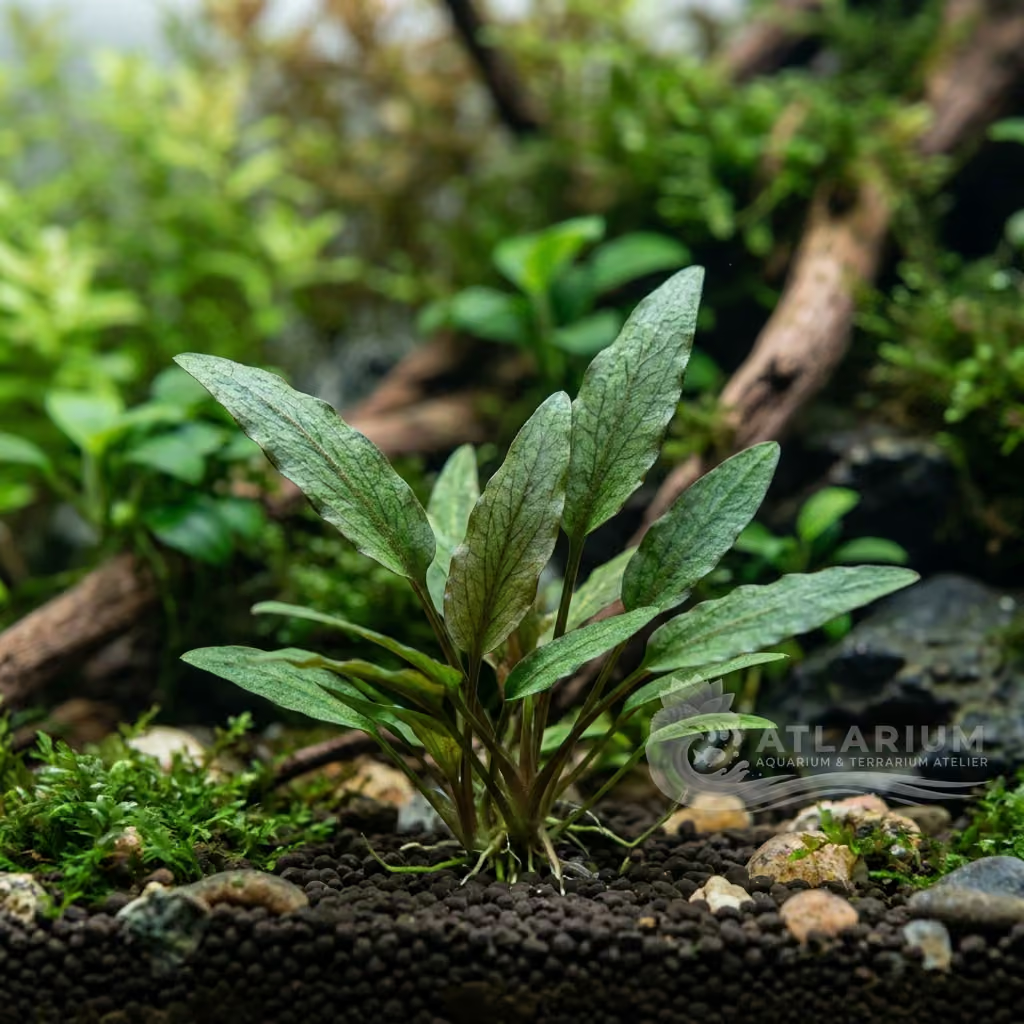
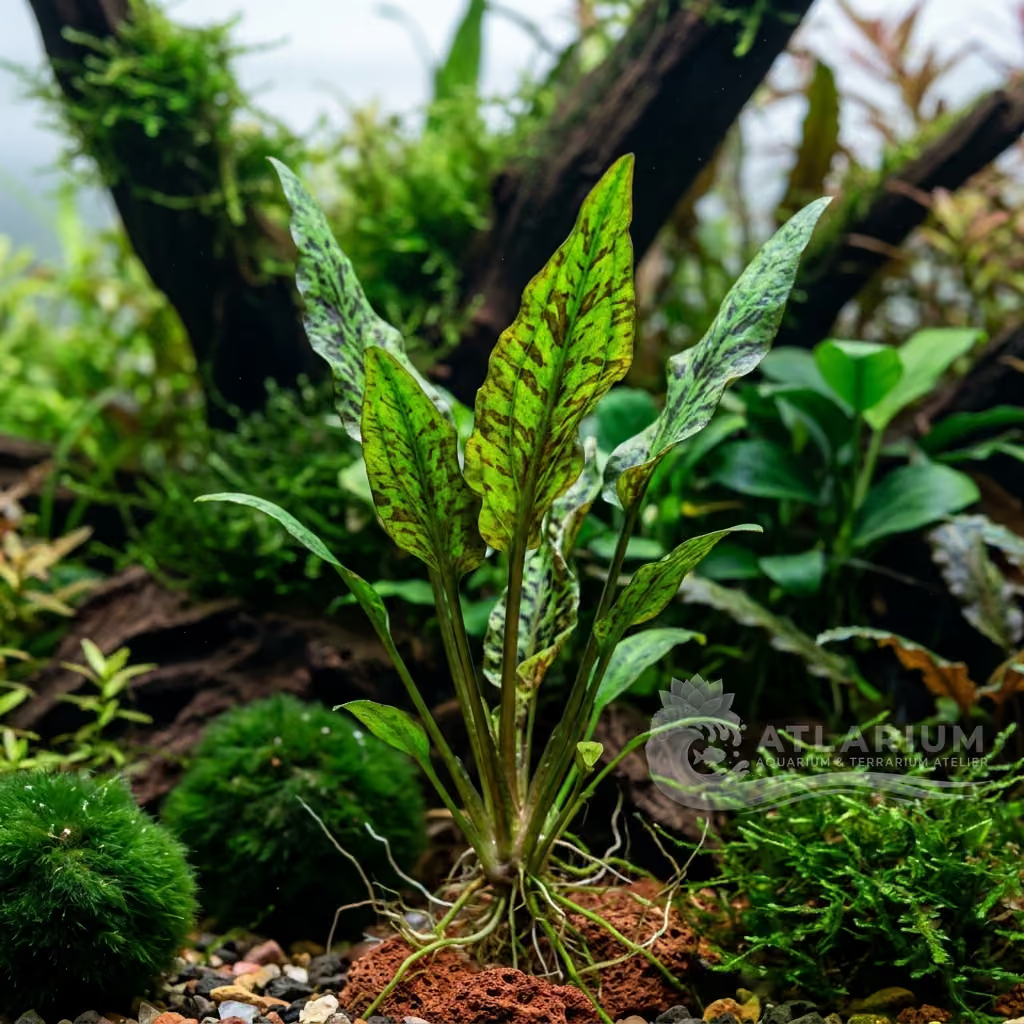
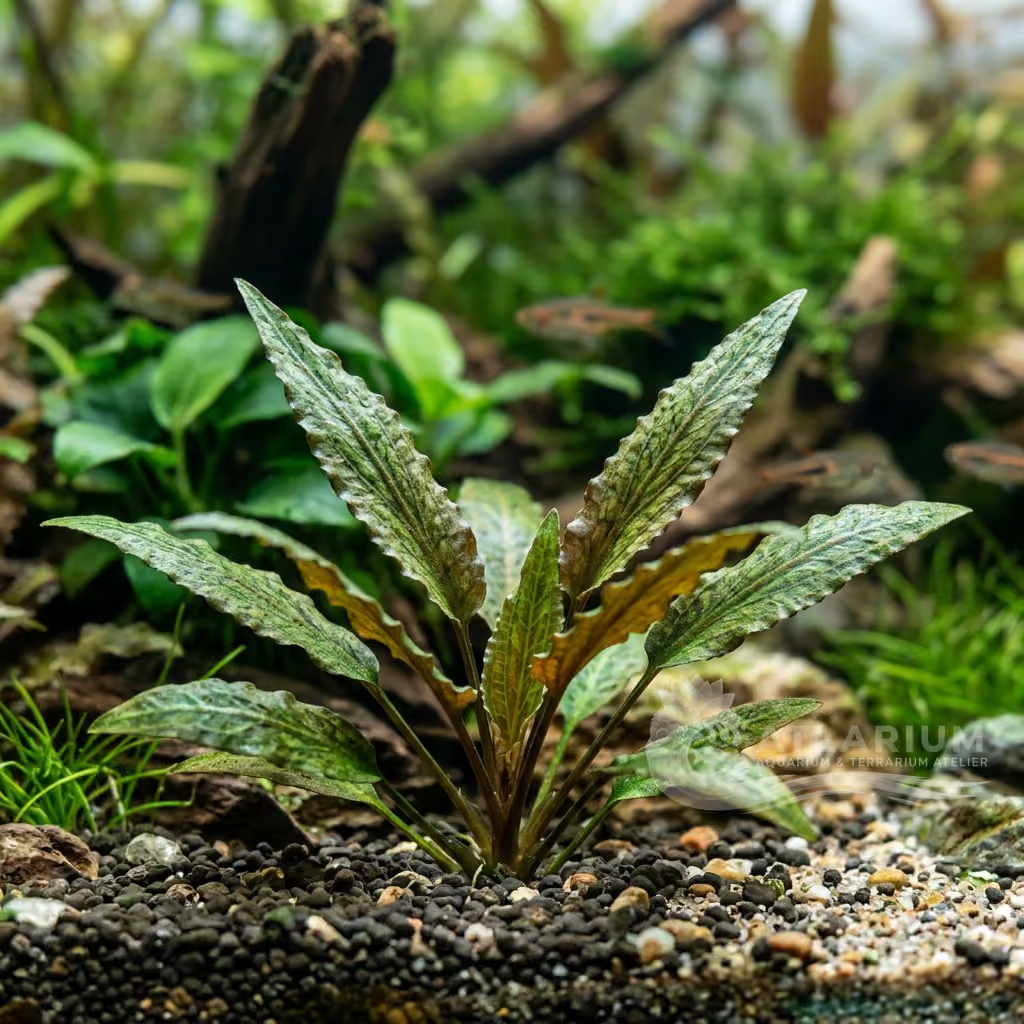
Physical Structure: The architectural structure of "Petchii" is defined by a tight, compact, and extremely dense central rosette. It completely lacks vertical stems. The foundation is a fleshy underground rhizome that deploys an aggressive, deep-reaching white root system. The leaves emerge directly from the rhizome on distinct, relatively short petioles. The defining feature is its foliage: the leaves are much smaller (typically only 10-15 cm in length), strictly narrowly lanceolate, and feature beautifully crinkled, intensely wavy margins.
Color & Texture: The coloration is highly sought after and spectacularly moody. Grown submerged under good lighting, the upper leaf surface shifts from a dark olive-green to a brilliant, glowing bronze or deep reddish-brown. The underside of the leaves frequently displays a stunning, highly visible pale violet or magenta tint. The texture of the leaves is relatively smooth but features a distinctly rippled, heavily wavy edge. The plant forms a classic, tightly organized rosette shape, acting as a stunning, dark-colored foreground or midground bush.

Care, breeding and tankmates
Lighting & CO2: It is an incredibly forgiving, adaptable plant that is highly recommended for beginners. It will effortlessly survive in deeply shaded, low-tech aquariums, though its leaves will revert to a solid, muddy green and stretch upward. To unlock its spectacularly compact rosette shape and its highly prized glowing bronze and reddish-brown coloration, medium LED lighting is recommended. Pressurized CO2 is completely unnecessary for survival, but its addition drastically accelerates the plant's spread and intensifies its dark colors.
Nutrition & Substrate: Like all classic Cryptocorynes, "Petchii" is an absolute, obligate root feeder. Its aggressive root system strictly demands a mature, nutrient-dense substrate (minimum 5 cm / 2 inches deep). It strongly prefers high-quality aquasoil or a mature gravel bed heavily enriched with premium, iron-rich root tabs directly beneath the rhizome. If planted in sterile, inert gravel without supplementation, it will quickly stunt, turn yellow, and melt away. It absorbs virtually zero nutrition directly from the water column.
Water Chemistry: Originating from the tropical streams of Sri Lanka, it is virtually invincible regarding standard water parameters. It thrives effortlessly in heated tropical aquariums (22-26°C) and is highly adaptable, tolerating both soft, slightly acidic blackwater and moderately hard, slightly alkaline tap water (pH 6.0 - 7.8). The single most critical environmental requirement is absolute stability. It drastically prefers stable, unchanging parameters over perfectly optimized ones. It also prefers moderate water flow to keep its wavy leaves clean.
Space Management & Placement: Due to its deliberately smaller size (10-15 cm height), deeply compact habit, and stunning bronze coloration, "Petchii" is the ultimate, premium foreground or midground transition plant. It is meticulously used to create tight, dark, highly textured clusters directly behind low-lying carpeting plants, or tightly wedged around the base of central Seiryu stone. Because it spreads relentlessly via subterranean runners, it will eventually form a stunning, interconnected, impenetrable bronze thicket that looks deeply natural.
Pruning: Pruning is a simple, delicate procedure. Never attempt to trim a leaf in half; the cut edge will instantly rot. To prune dead, melting, or heavily shaded older leaves, you must reach down to the absolute base of the rosette and cleanly snap or slice the petiole directly at the gravel line. To manage its relentless, creeping spread, you must physically dig into the substrate and cleanly sever the thick subterranean runner connecting the baby plant to the mother rhizome, then carefully uproot the clone.
Risks & Diseases: The absolute greatest threat to the "Petchii" variant is the infamous "Crypt Melt." This plant is highly sensitive to sudden environmental instability. A rapid change in pH, a massive water change with cold water, or forcefully uprooting the established plant will trigger a violent biological panic, causing all the bronze leaves to dissolve into a slimy mush within 24 hours. However, the thick underground rhizome is nearly indestructible; if the leaves melt, do not disturb the roots, and it will completely regrow.

Geographic origin and distribution
Endemic to the deeply shaded, fast-flowing tropical streams and river margins of southwestern Sri Lanka. Cryptocoryne beckettii "Petchii" is a highly specialized, naturally occurring variant of the standard C. beckettii. Like its parent species, it is a profoundly resilient amphibious survivor, perfectly adapted to thrive completely submerged in rushing jungle streams or entirely emersed on muddy, saturated riverbanks. It evolved to form dense, low-lying colonies that carpet the riverbed, resisting strong monsoonal currents.
Origin
North AmericaSouth and Southeast Asia

Plant profile
- Placement
- Midground
- Its compact size and fluted leaf margins make it a fantastic choice for the foreground or midground. Planting it in dense, small groups creates a beautifully textured, low-lying bush that contrasts sharply with bright green carpet plants. It handles low light very well, making it an excellent choice for shaded areas beneath large hardscape elements. It is small enough to be used effectively in nano aquariums as a focal point.
- Botanical form
- Rosette
- This rosette plant features somewhat narrower and slightly more fluted or ruffled leaf margins compared to the standard C. beckettii. The foliage exhibits a complex, earthy coloration, often blending olive green, brown, and subtle purplish hues. It remains very compact, with short stems keeping the leaves close to the substrate. The overall appearance is highly decorative, offering a delicate texture despite its tough constitution.
- Growth
- Medium
- The growth rate is characteristically slow but dependable once it has fully acclimated to the tank's conditions. It demands patience from the aquarist, as it may take several weeks to begin showing new growth after planting. Because it grows slowly and remains compact, it requires almost zero pruning or maintenance. Consistent substrate fertilization is the only real way to gently accelerate its runner production.
- Substrate
- High
- A fertile, deep substrate is crucial for this plant to develop its strong root system and produce runners. Aquasoil or a mature gravel bed loaded with nutrient tabs provides the perfect slow-release feeding ground. Like all Cryptocorynes, its roots are sensitive to disturbance; constant uprooting will stunt its growth and trigger leaf loss. Ensure the substrate is deep enough to allow its extensive root network to spread unimpeded.
- Column fertilization
- Recommended
- Water column feeding is largely secondary, as it pulls the vast majority of its needs from its roots. A light, weekly dose of a comprehensive liquid fertilizer is enough to prevent any trace element deficiencies in the water. Overdosing the water column is counterproductive and will likely only result in algae settling on its slow-growing leaves. Focus on stability and clean water rather than aggressive liquid dosing.
- Root fertilization
- None
- Aggressive root fertilization is the key to maintaining the health and color of C. beckettii 'Petchii'. Pushing high-quality, iron-rich root tabs deep into the substrate near its crown will dramatically improve its vitality. These tabs should be replaced every few months to ensure the plant never experiences a nutrient drop. A well-fed root system allows the plant to resist melting and actively produce new daughter plants.
- Trimming
- Occasional
- Trimming requirements are minimal. Simply use curved scissors to prune away any individual leaves that are decaying or heavily infested with algae, cutting as close to the rosette base as possible. Because it grows slowly, avoid large-scale pruning to ensure the plant retains enough foliage for photosynthesis.
- Propagation
- Rhizome division, Runners
- Propagation happens completely naturally via subterranean runners that extend from the main plant. Miniature rosettes will eventually break the surface of the substrate a short distance away. Once these daughter plants have established several leaves and their own root systems, the connecting runner can be snipped. The new plant can then be moved, but it should be done gently to avoid disturbing the surrounding roots.
- Sensitivity
- Moderate
- It is susceptible to 'Crypt melt' when subjected to significant environmental shifts, particularly changes in temperature, pH, or light intensity. Stability is crucial. Should melting occur, leave the healthy root stock buried, and it will very likely sprout fresh leaves acclimated to the new conditions.
- Layout role
- Midground, Foreground
- It excels as a transition plant, seamlessly blending the low foreground with the taller midground structures. The dark bronze and reddish tones provide a beautiful, subtle contrast against bright green carpeting plants. Its compact, wavy texture adds excellent natural detail to the edges of hardscape.

Image gallery
Licensed images linked to the species or, when marked, to the closest representative taxon.

Related species
Recommendations grouped by close relatives, companion choices, and similar care.