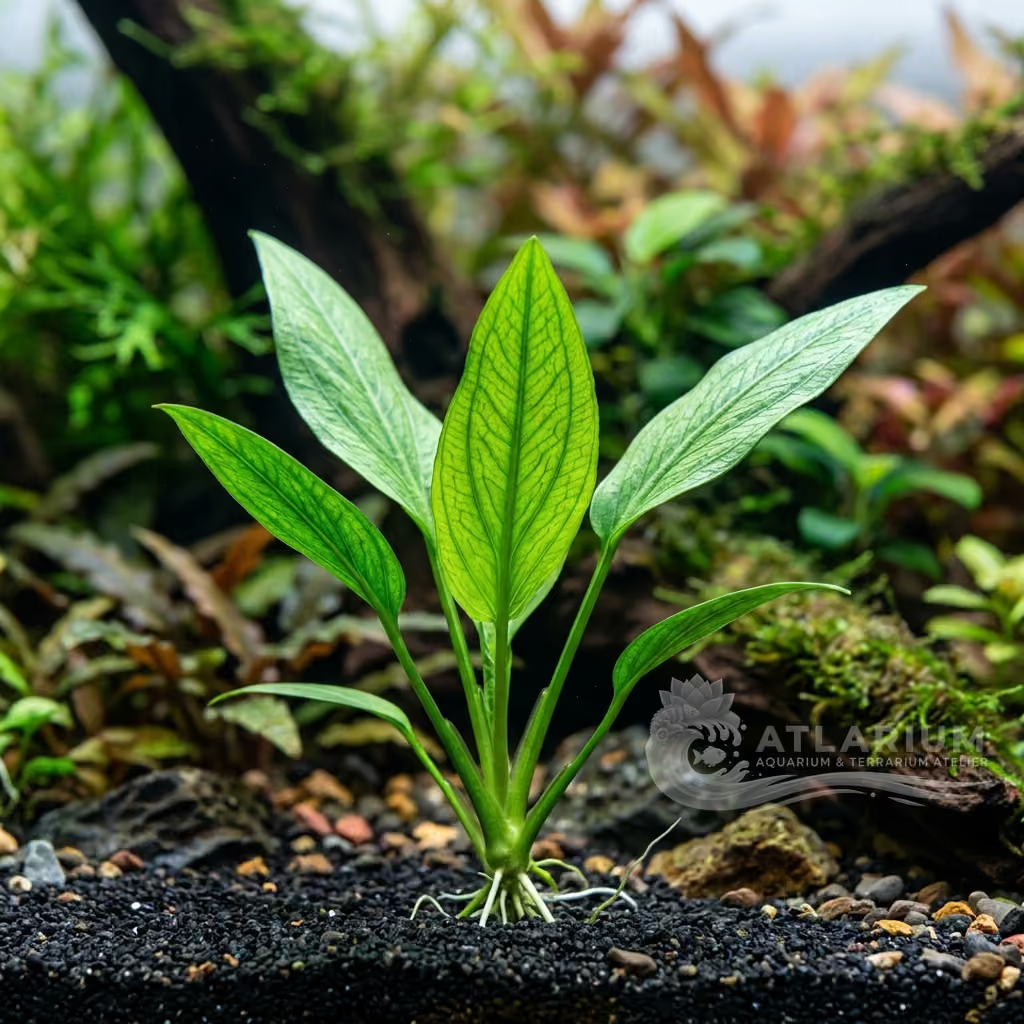
Cryptocoryne keei
Cryptocoryne keei
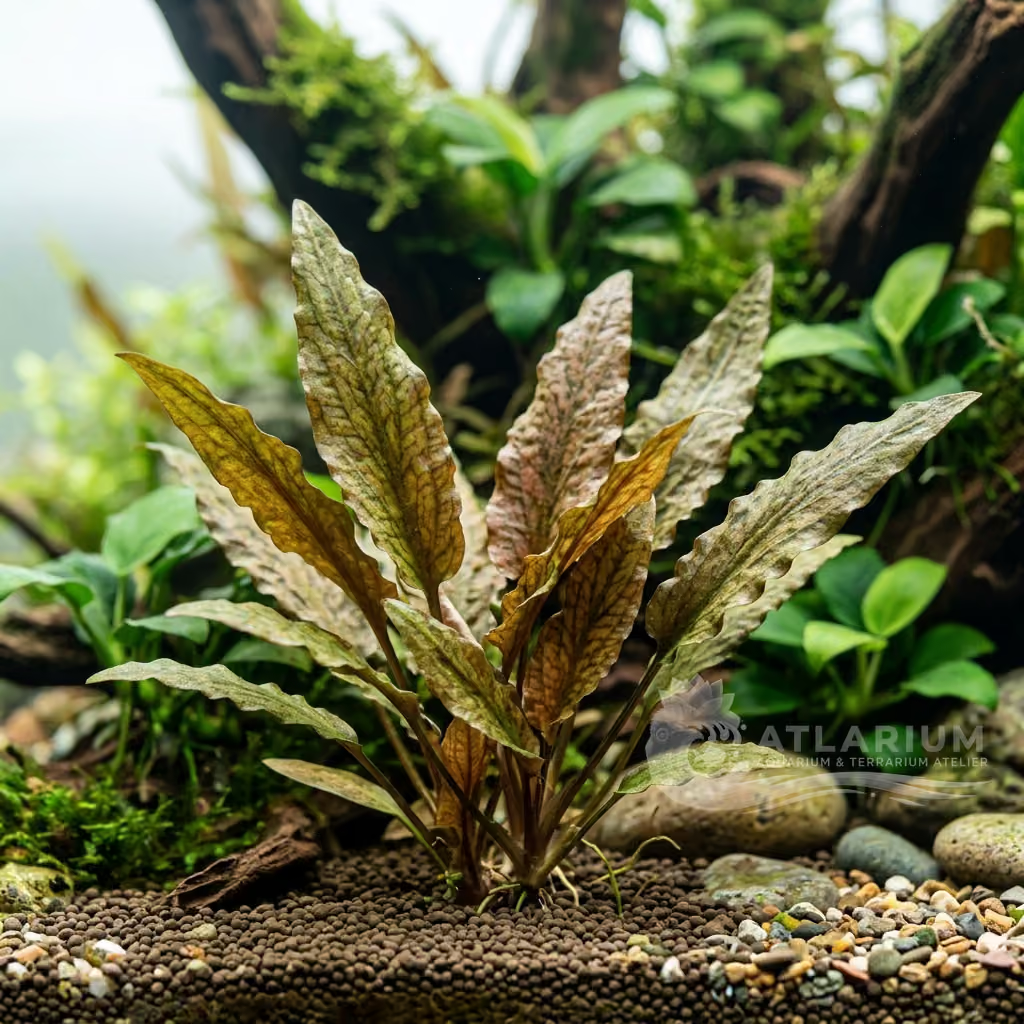
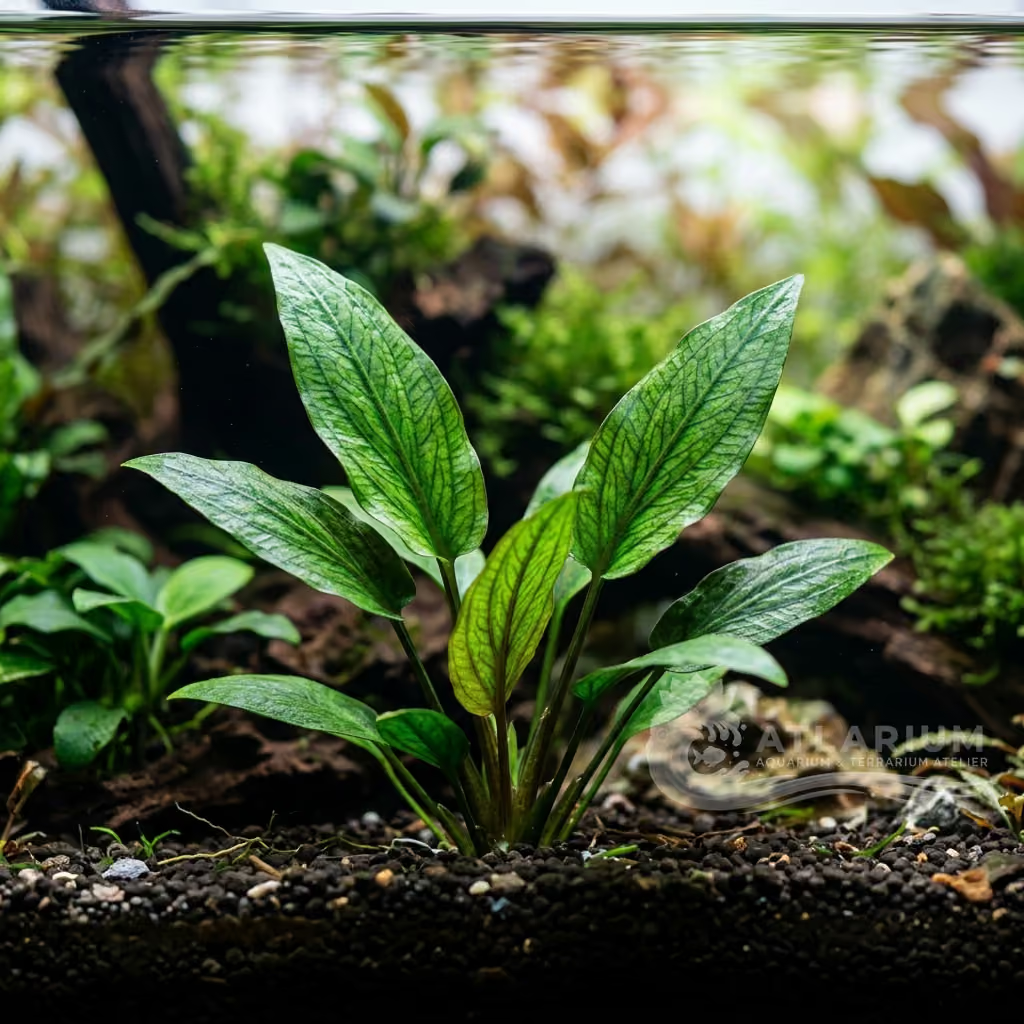
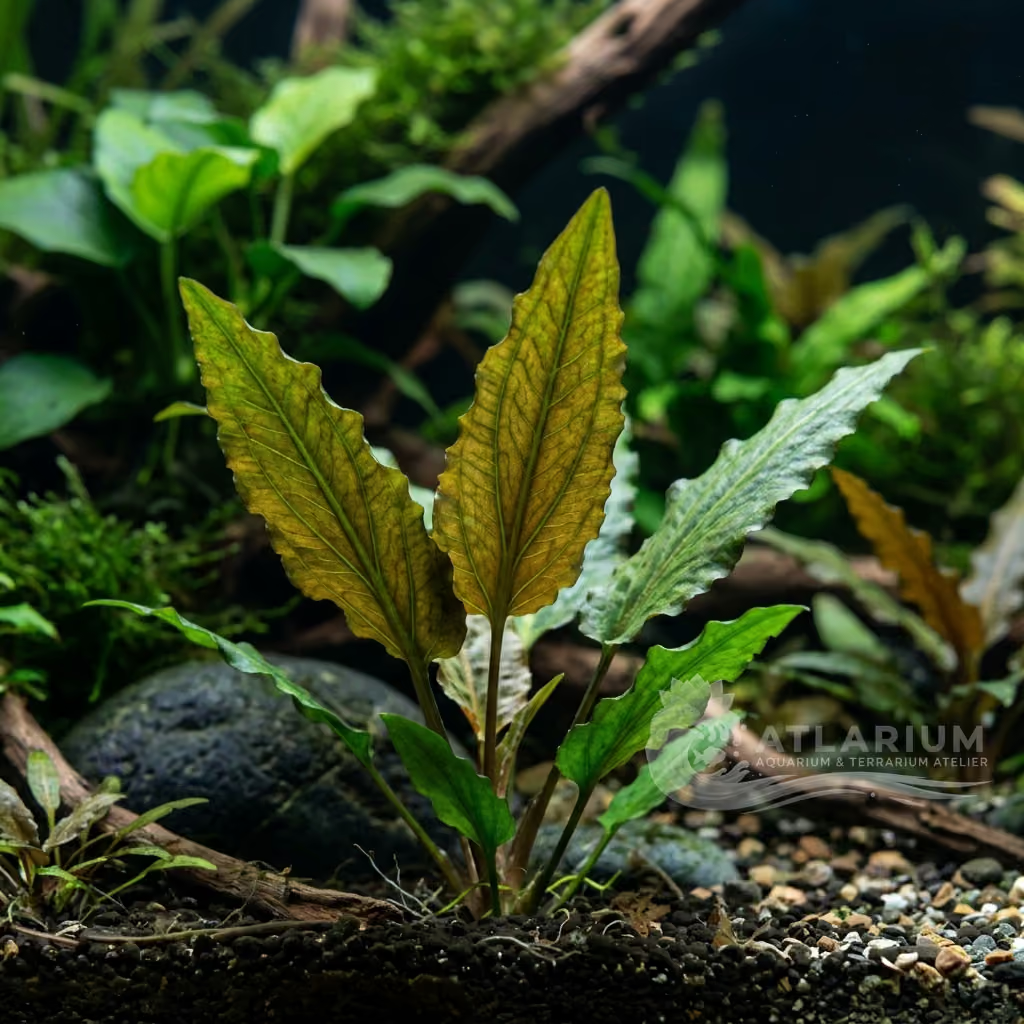
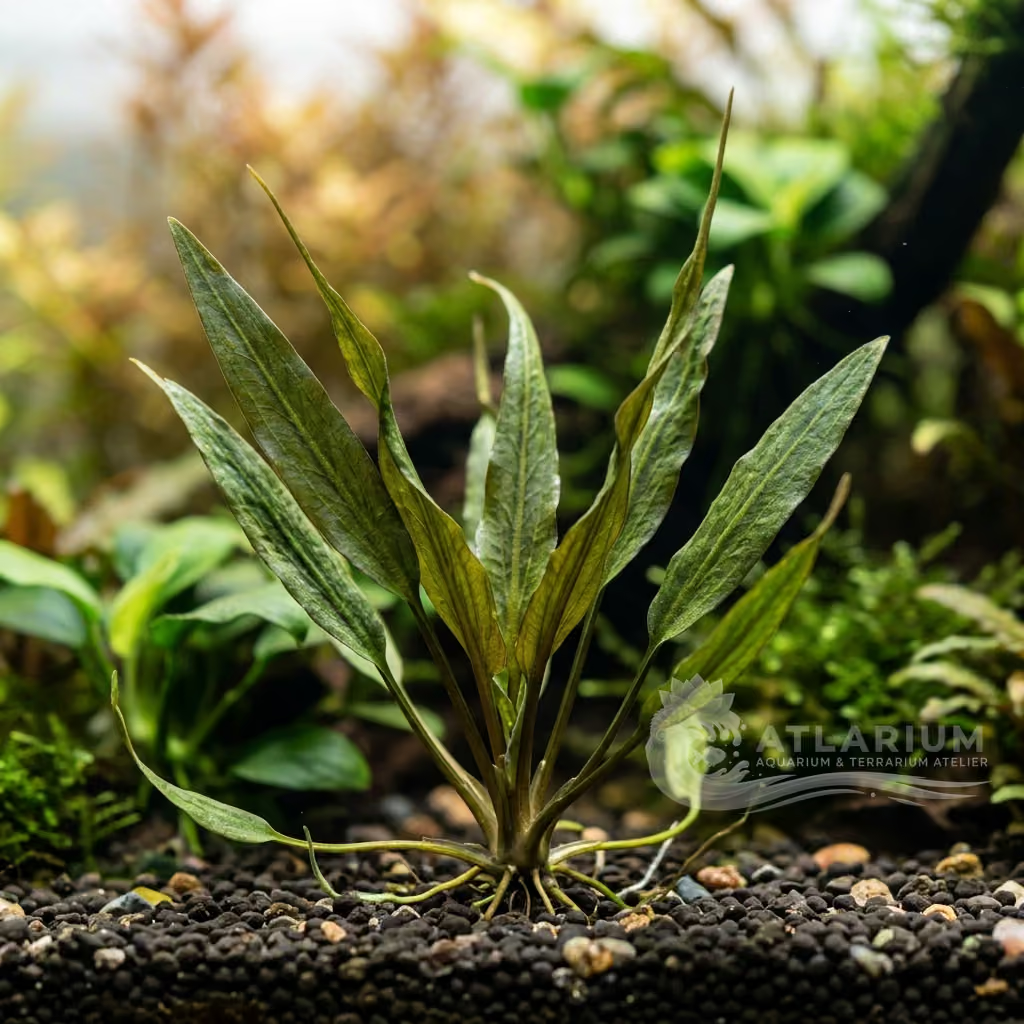
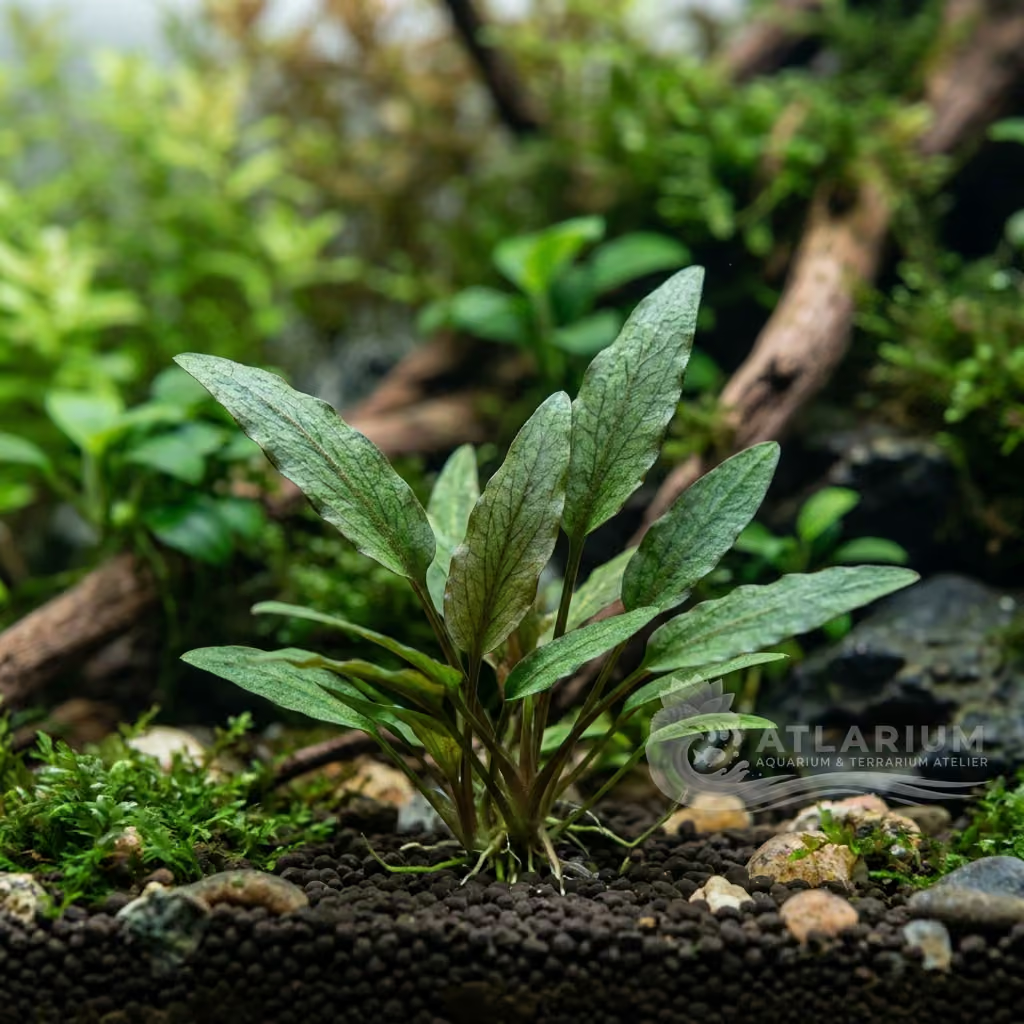
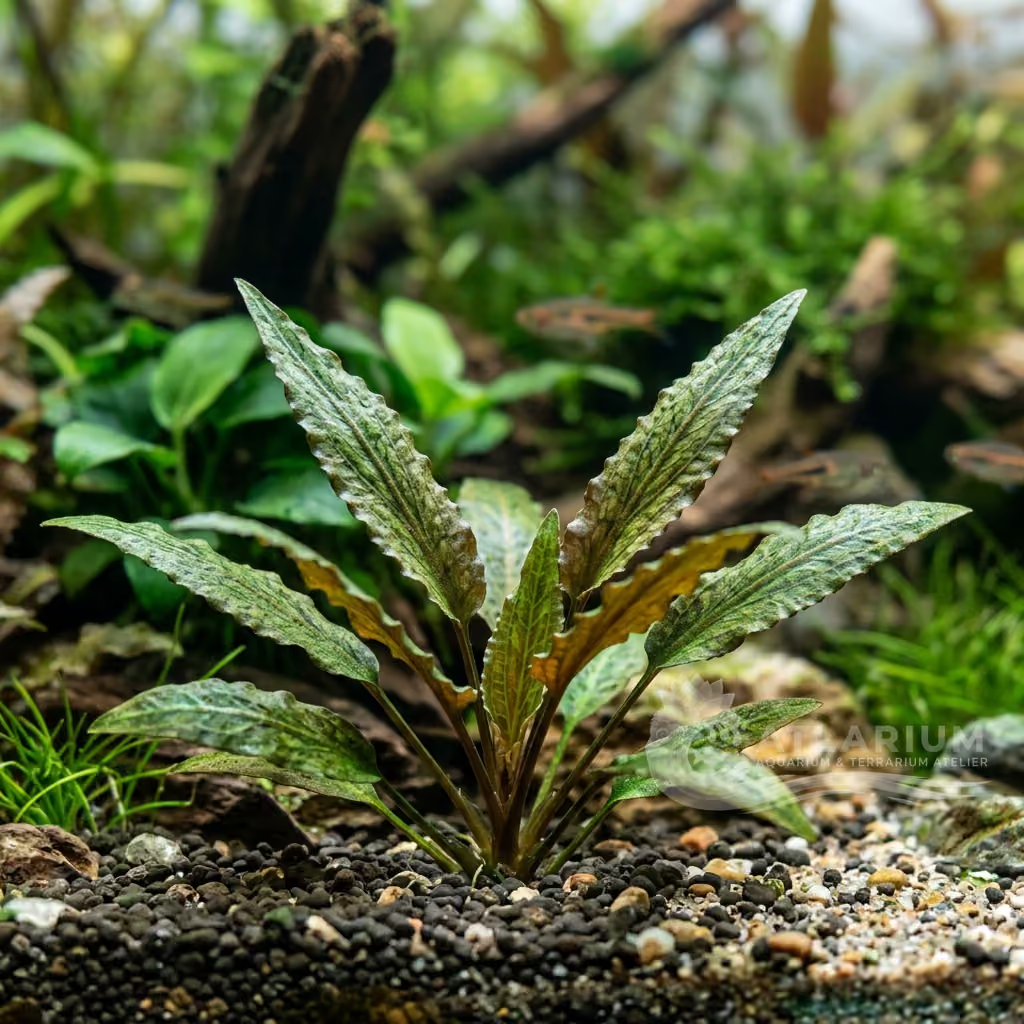
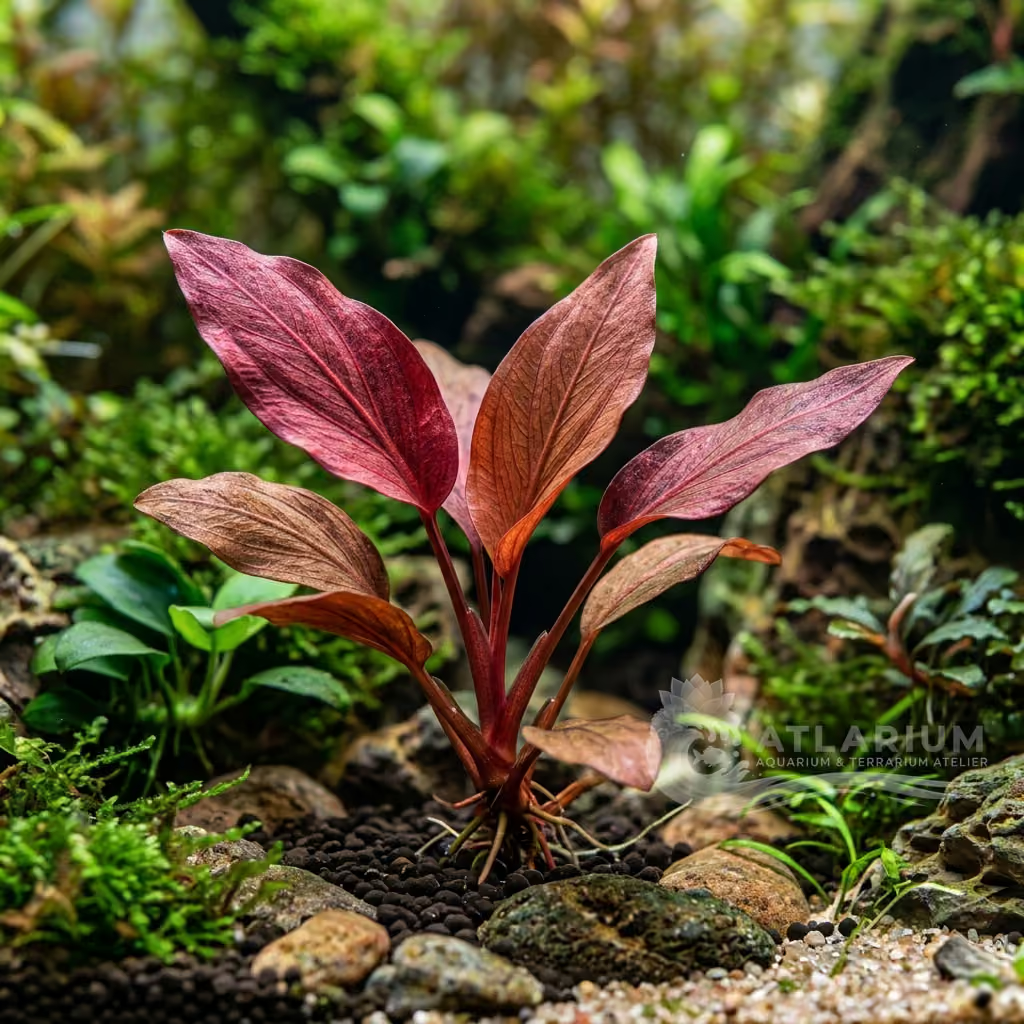
Cryptocoryne keei: a stunning collector's plant with exceptionally puckered, brownish-green leaves. A perfect midground focal point. Light: Low to high.
Water Temperature
18 - 30 °C
pH Value
5 - 7.5
Water type
Freshwater
Light
Low to High
CO2
Low - High
Expected height
20 cm
Expected width
15 cm
KH
2 - 12 dKH

Species description
Geographical Origin and Habitat: Cryptocoryne keei is endemic to Sarawak, a region in northwestern Borneo (Malaysia). It grows exclusively in the beds of small forest rivers and hilly streams, often anchored in substrates of gravel, clay, and calcareous sand. This species lives in areas with strong water currents, remaining submerged for most of the year under the shade of the rainforest canopy.
Taxonomy & Genetics: It belongs to the Araceae family, genus Cryptocoryne. It was named 'keei' in honor of plant collector Henry Kee. Genetically, it shows a stable structure specialized for rheophilic environments, with genes that produce a heavy leaf bullation, helping the plant reduce resistance to current flow while maximizing gas exchange efficiency.
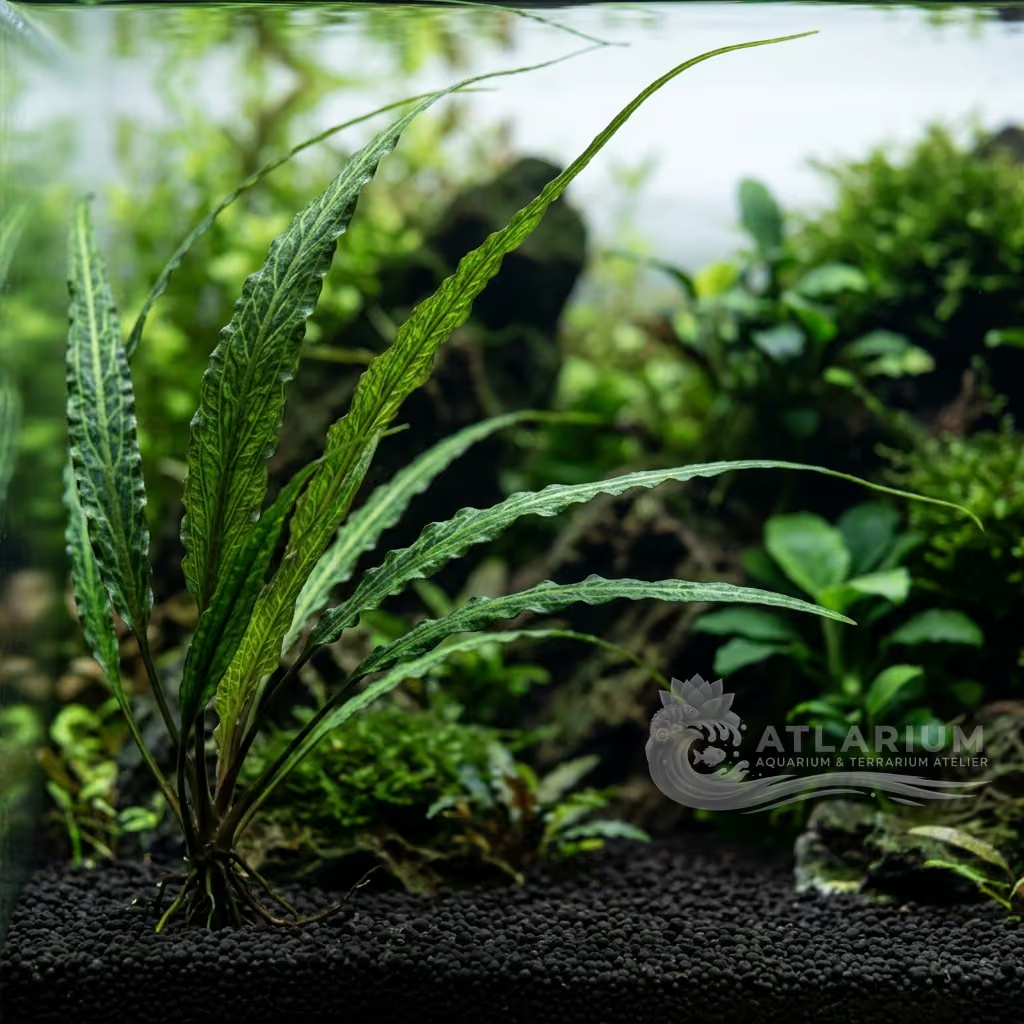
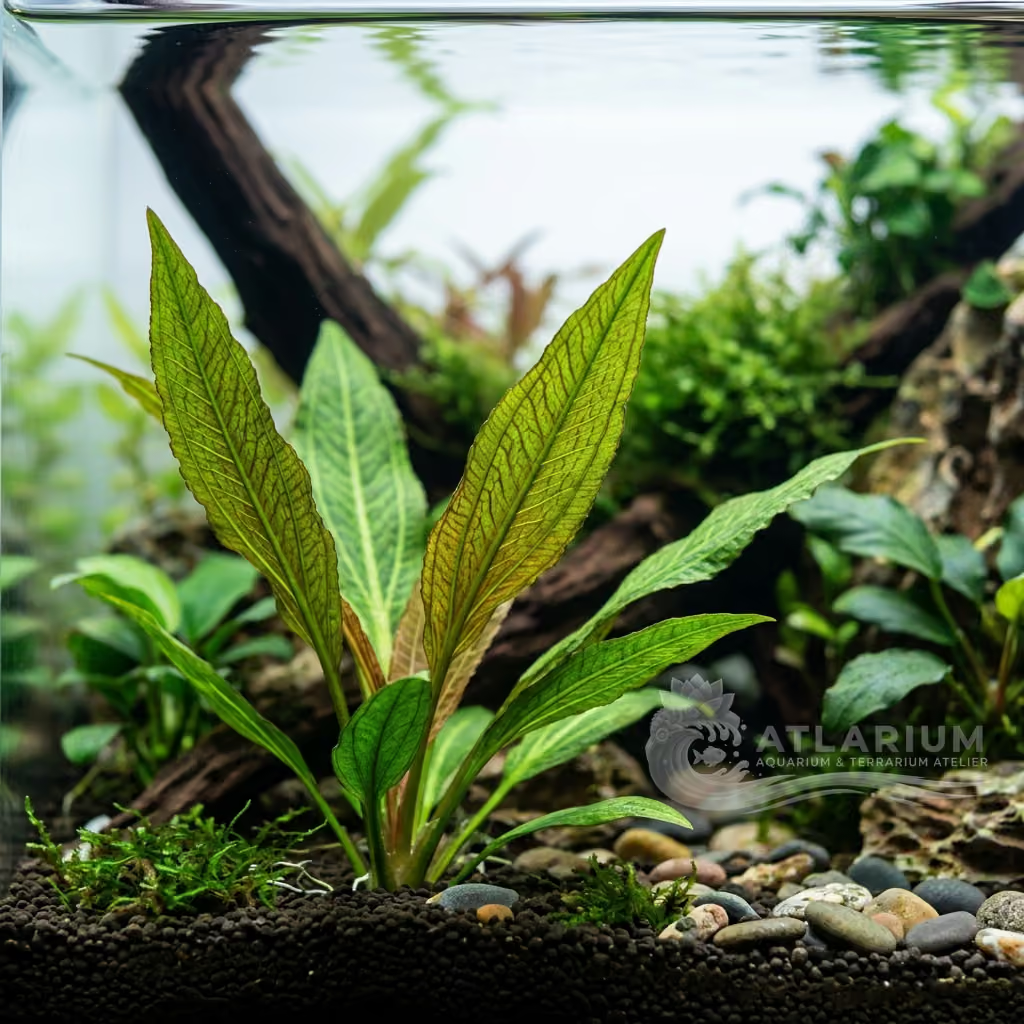
Physical Structure: It develops a low and wide rosette reaching a height of 15-20 cm. The leaves are lanceolate, supported by short petioles that are upright or spread out on the substrate. The rhizome is sturdy and produces horizontal runners. The root system is extremely branched and strong, capable of penetrating between rocks to ensure anchorage.
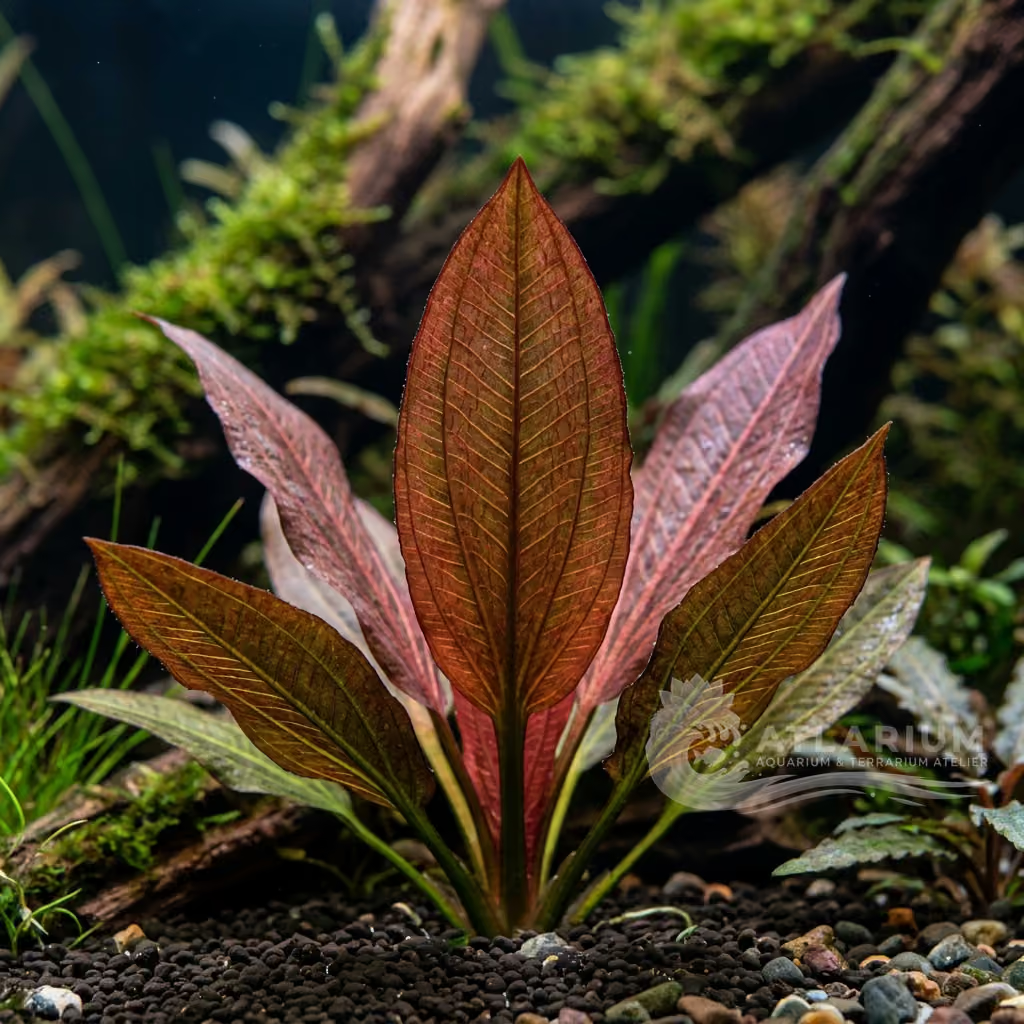
Color & Texture: It is considered one of the most beautiful Cryptocorynes due to its exceptional leaf texture, which features a deep and marked bullation (puckering) over the entire surface. The color varies from olive-green to coppery brown or bronze on the upper side, with contrasting dark veins, while the underside shows light green or metallic reddish tones.

Care, breeding and tankmates
Lighting & CO2: Highly adaptable to lighting, growing well under both low and high light. Under high light, the rosette flattens onto the substrate and takes on intense coppery tones with pronounced bullation. CO2 is not strictly necessary but significantly supports more regular and robust growth.
Nutrition & Substrate: It requires a fertile substrate rich in iron and trace elements. Being a heavy root feeder, it is essential to regularly insert root tabs into the soil near the roots. Nutrient deficiencies manifest as leaf thinning and the loss of the puckered texture.
Water Chemistry: Unlike many acidophilic Bornean Cryptocorynes, it prefers soft to moderately hard water (KH 2-12 dKH) with a neutral or slightly alkaline pH (5.0-7.5). It requires clean and well-oxygenated water, with regular changes to prevent organic waste buildup. The temperature can vary between 18°C and 30°C.
Space Management & Placement: Thanks to its low and wide growth habit, it is excellent for the midground or foreground of medium-sized aquariums. It should be positioned in a highly visible area where the magnificent leaf texture can be appreciated, possibly paired with smooth-leaved plants or fine mosses.
Pruning: Pruning consists only of removing old or decaying outer leaves that begin to rot. Cuts should be made close to the base of the rosette with sharp scissors to avoid infections in the rhizome.
Risks & Diseases: It is moderately sensitive to Cryptocoryne melt. It tends to melt if introduced into new, unstable tanks or during sudden pH swings. It is highly recommended not to move the plant once rooted, as transplanting halts growth for several months.

Geographic origin and distribution
Cryptocoryne keei is endemic to Sarawak, a region in northwestern Borneo (Malaysia). It grows exclusively in the beds of small forest rivers and hilly streams, often anchored in substrates of gravel, clay, and calcareous sand. This species lives in areas with strong water currents, remaining submerged for most of the year under the shade of the rainforest canopy.
Origin
South and Southeast Asia

Plant profile
- Placement
- Midground
- It is best positioned as a prominent midground specimen where its striking texture can be fully appreciated. It thrives in areas of the aquarium with excellent water circulation, which helps keep its deeply hammered leaves clean from algae and detritus. Ensure it receives moderate lighting without being overshadowed by larger, faster-growing plants.
- Botanical form
- Rosette
- This species is famous for its intensely bullate (hammered) leaves that are somewhat stiff and leathery. The foliage coloration is highly variable, ranging from olive green to a deep, striking reddish-brown or bronze depending on the lighting and iron availability. The leaves are typically broader and more oval-shaped than those of C. hudoroi.
- Growth
- Medium
- C. keei is notoriously slow-growing, especially during the initial months after planting. It requires immense patience, often sitting dormant for weeks before cautiously producing a single new leaf. Even under optimal conditions with CO2 injection, it will never grow rapidly, but will instead slowly build a sturdy, compact rosette.
- Substrate
- High
- As a demanding species native to fast-flowing streams, Cryptocoryne keei must be planted in a deeply enriched substrate to anchor securely and thrive. A nutrient-dense aqua soil or a mineralized soil base ensures its robust roots receive the high levels of nutrients required for its bullate leaves. The substrate depth should be at least 2.5 to 3 inches (6-8 cm) to hold the plant steadily against the current it naturally prefers. In an inert substrate setup, placing root fertilizers precisely beneath the root zone is crucial for survival.
- Column fertilization
- Recommended
- Liquid fertilization should be minimal and focused strictly on trace elements and small amounts of iron. Heavy water column fertilization is discouraged, as the plant grows too slowly to compete with algae that may exploit the excess nutrients. Maintaining pristine, well-filtered water is far more beneficial than heavy dosing.
- Root fertilization
- Recommended
- A mature, high-quality aquasoil is the absolute best medium for cultivating C. keei. The substrate must provide a continuous supply of macronutrients to fuel the slow but energy-intensive production of its thick leaves. Frequent use of nutrient-dense root capsules is highly recommended if the aquasoil is old or depleted.
- Trimming
- Occasional
- Pruning is almost never required and should only be performed to remove leaves that are completely dead or actively melting. When trimming is necessary, use a sharp blade to cut the petiole as close to the rhizome as possible. Never trim healthy leaves, as the plant cannot afford the energy loss.
- Propagation
- Runners
- Propagation is exceedingly slow and occurs through the production of basal runners deep within the substrate. A daughter plant may take a year to develop enough to be separated from the mother rosette. Due to its slow growth and challenging nature, it remains relatively rare and highly prized in the hobby.
- Sensitivity
- Moderate
- It is considered one of the more challenging Cryptocoryne species to maintain submersed, being highly sensitive to environmental fluctuations. 'Crypt melt' is a common and severe reaction to sudden changes in pH, temperature, or lighting. Utmost stability and mature, biologically stable water are absolute requirements for its long-term survival.
- Layout role
- midground focal point
- As a midground focal point, it provides unparalleled texture and depth to the aquascape with its deeply hammered, bronze leaves. It pairs beautifully with fine-leaved foreground plants like Eleocharis or Micranthemum, creating a stark visual contrast. It is a true collector's plant that elevates the aesthetic of any serious planted aquarium.

Related species
Recommendations grouped by close relatives, companion choices, and similar care.