Cryptocoryne walkeri "lutea"
Cryptocoryne walkeri
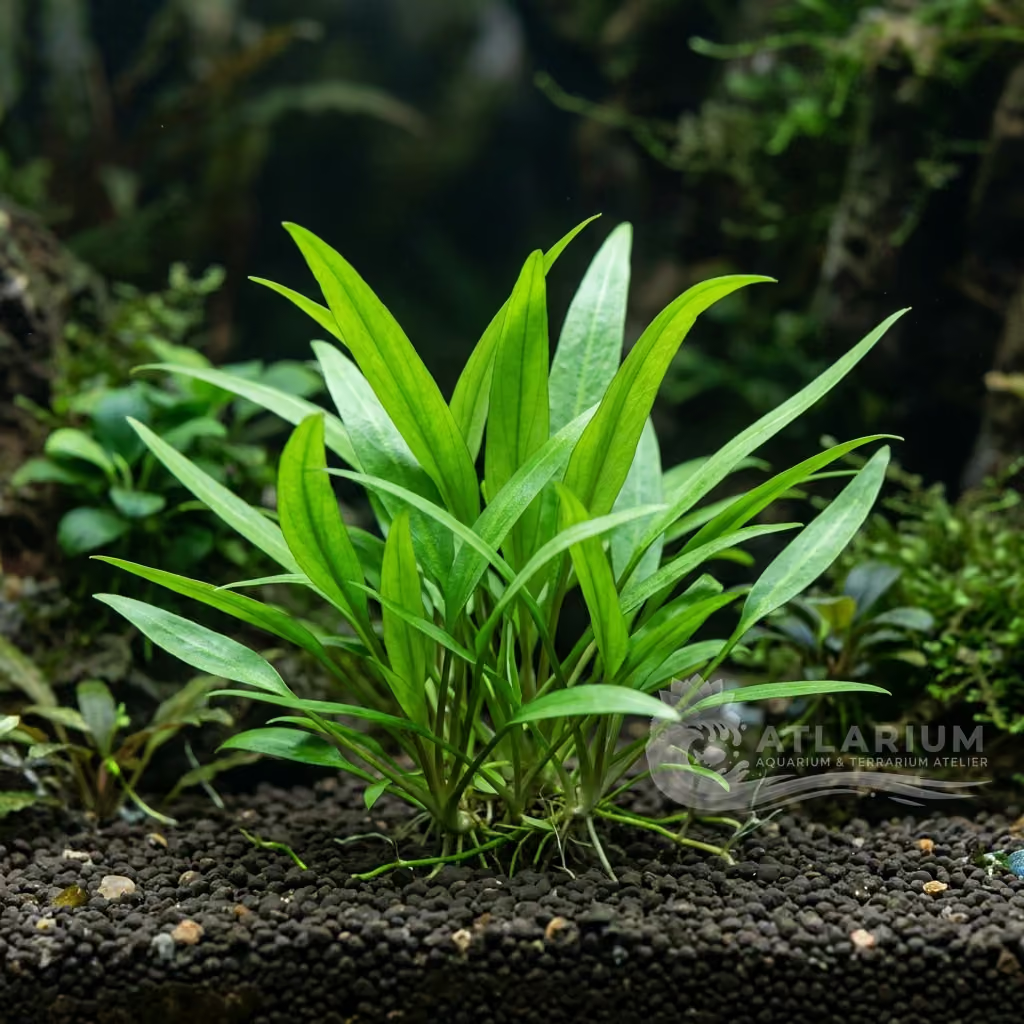
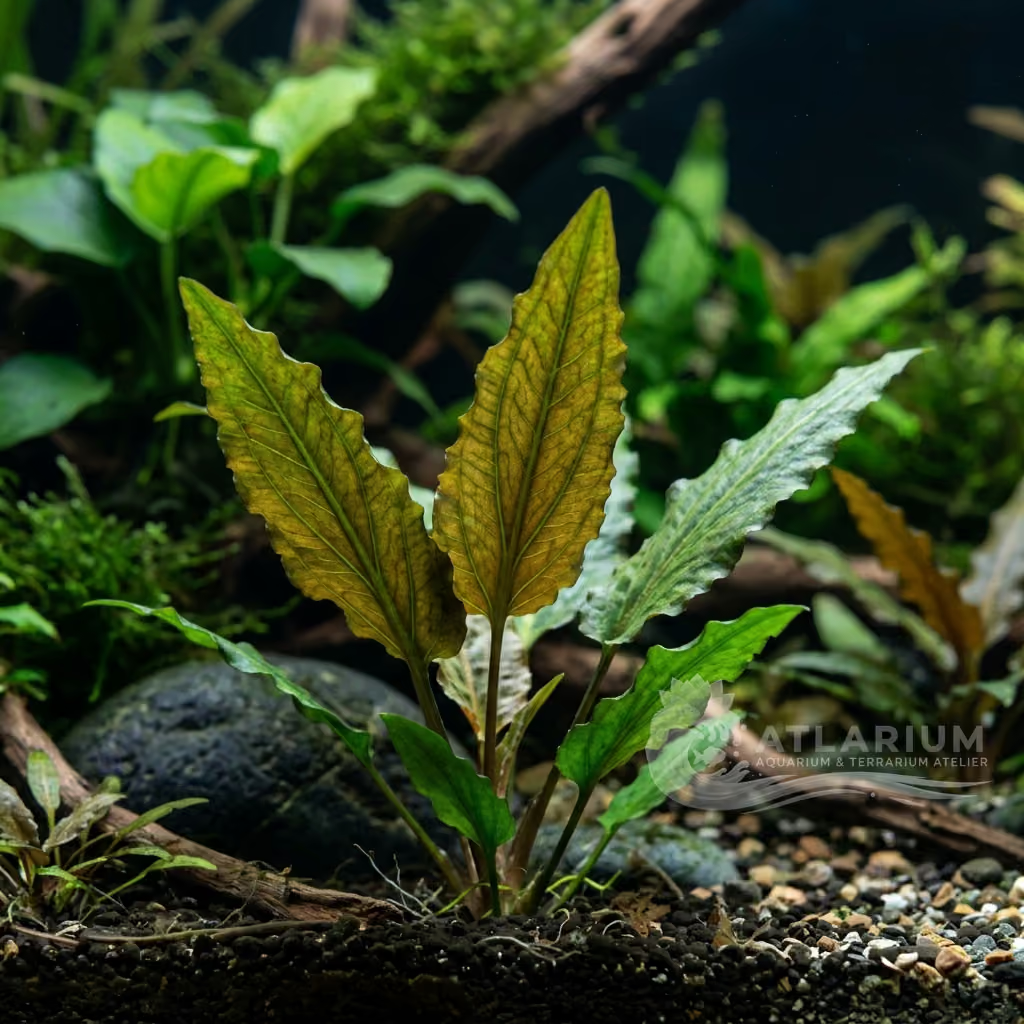
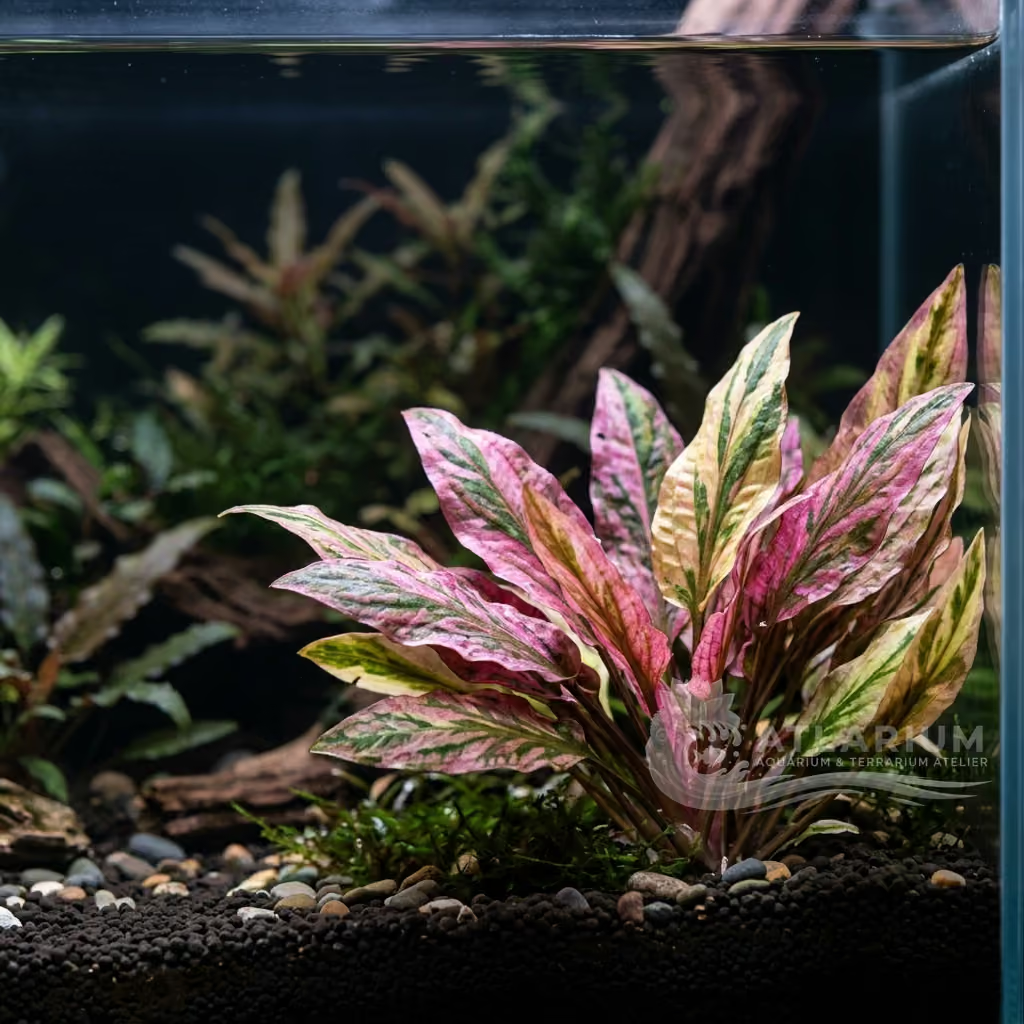
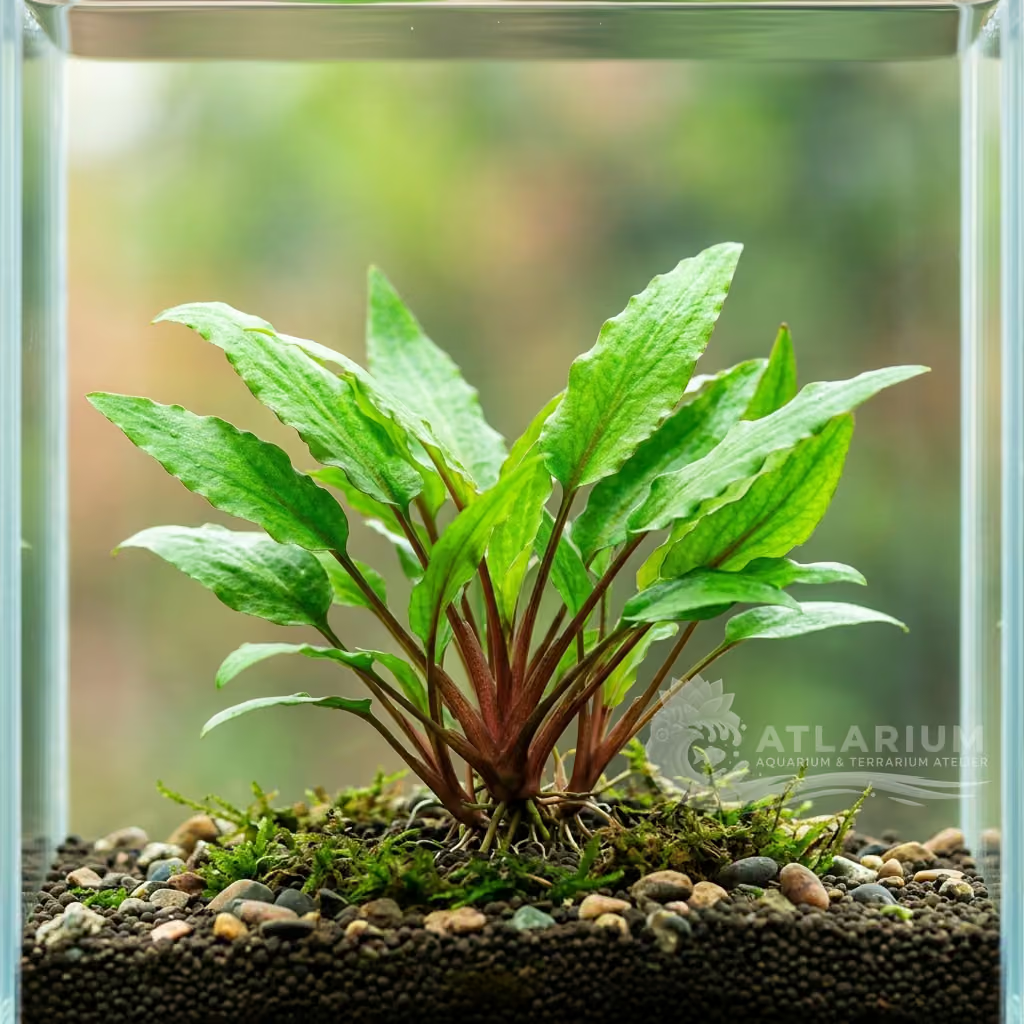
Cryptocoryne walkeri "lutea" is a remarkably adaptable Araceae. With its smooth, elegant olive-green to bronze leaves, this beginner-friendly plant flourishes as a vibrant, low-maintenance midground bush.
Water Temperature
20 - 28 °C
pH Value
6 - 8
Water type
Freshwater
Light
Low
CO2
Low
Expected height
15 cm
Expected width
15 cm
GH
4 - 20 dGH
KH
1 - 18 dKH

Species description
Geographical Origin and Habitat: Endemic strictly to the pristine, deeply shaded, fast-flowing tropical streams and heavily forested river margins of the central highlands of Sri Lanka. Cryptocoryne walkeri "lutea" is an incredibly tough, highly adaptable aquatic rosette plant. It thrives as a deeply rooted amphibious survivor, evolving to forcefully drive its thick, woody rhizome deep into dense, rocky gravel and heavy mud. It is perfectly adapted to withstand violent, rushing currents during the monsoonal flood season without bending or snapping.
Taxonomy & Genetics: Scientifically classified within the Araceae family, "lutea" is a highly prized botanical variant within the Cryptocoryne walkeri complex. Taxonomically, it derives its specific name ("lutea", meaning yellow) from the distinct yellow coloring of its spathe (flower). Historically, it was frequently sold as a separate species, but genetic analysis has firmly placed it as a variant of C. walkeri. Genetically, it dictates a rigid, upright rosette form that completely suppresses the brownish-red pigments found in the standard species.
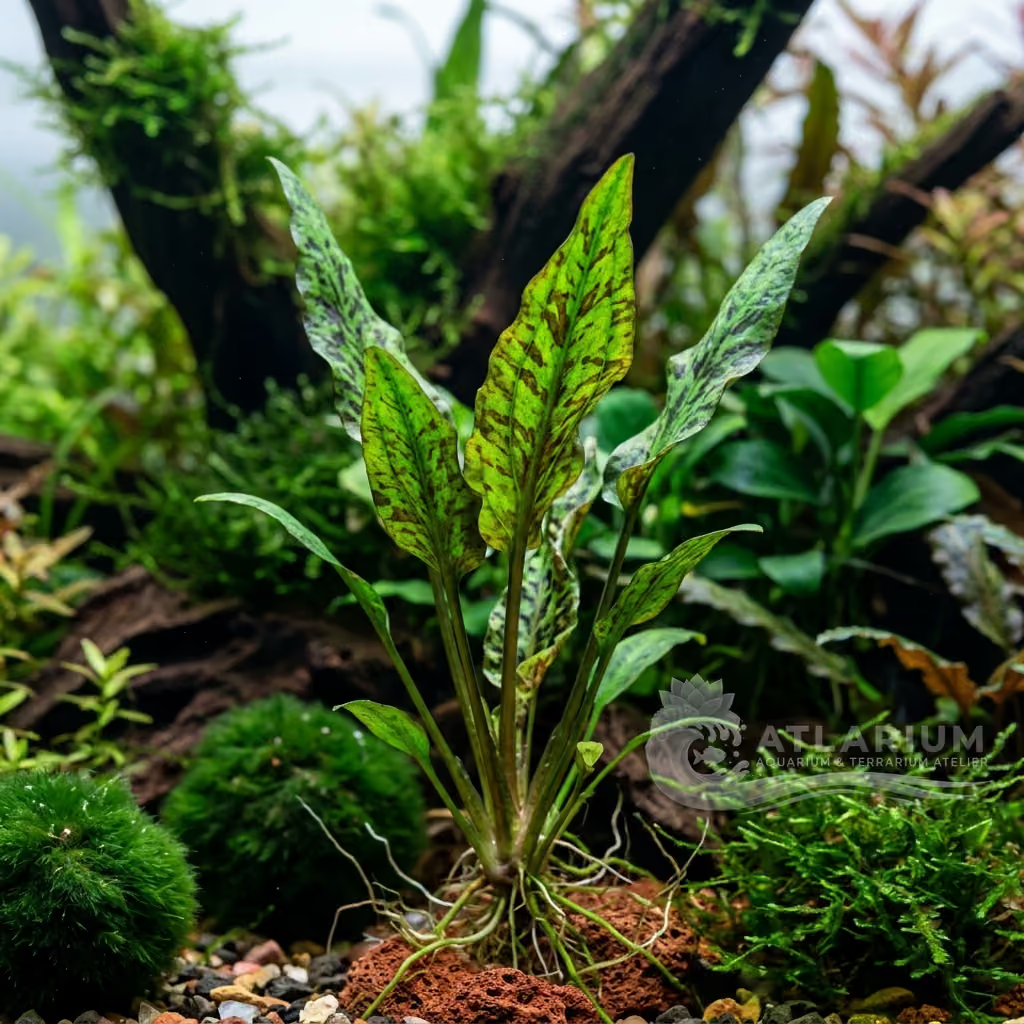
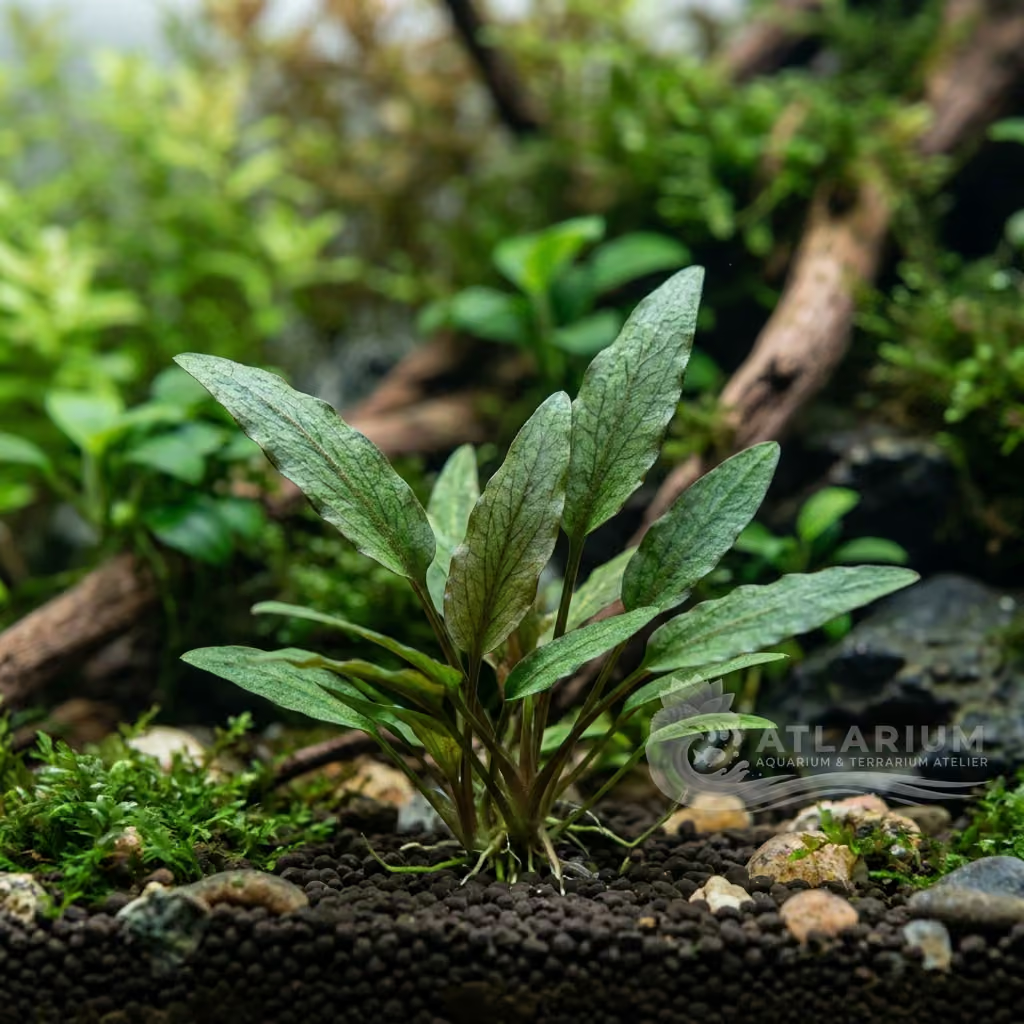
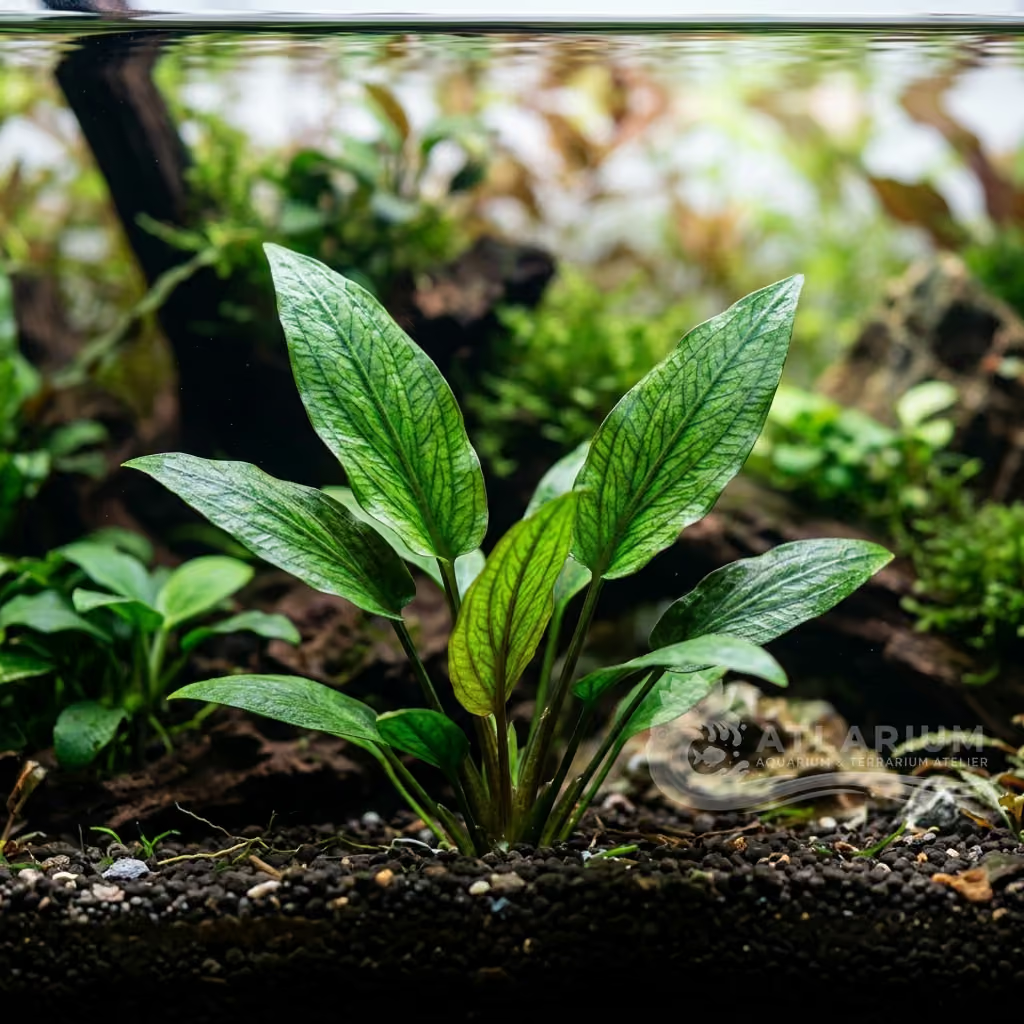
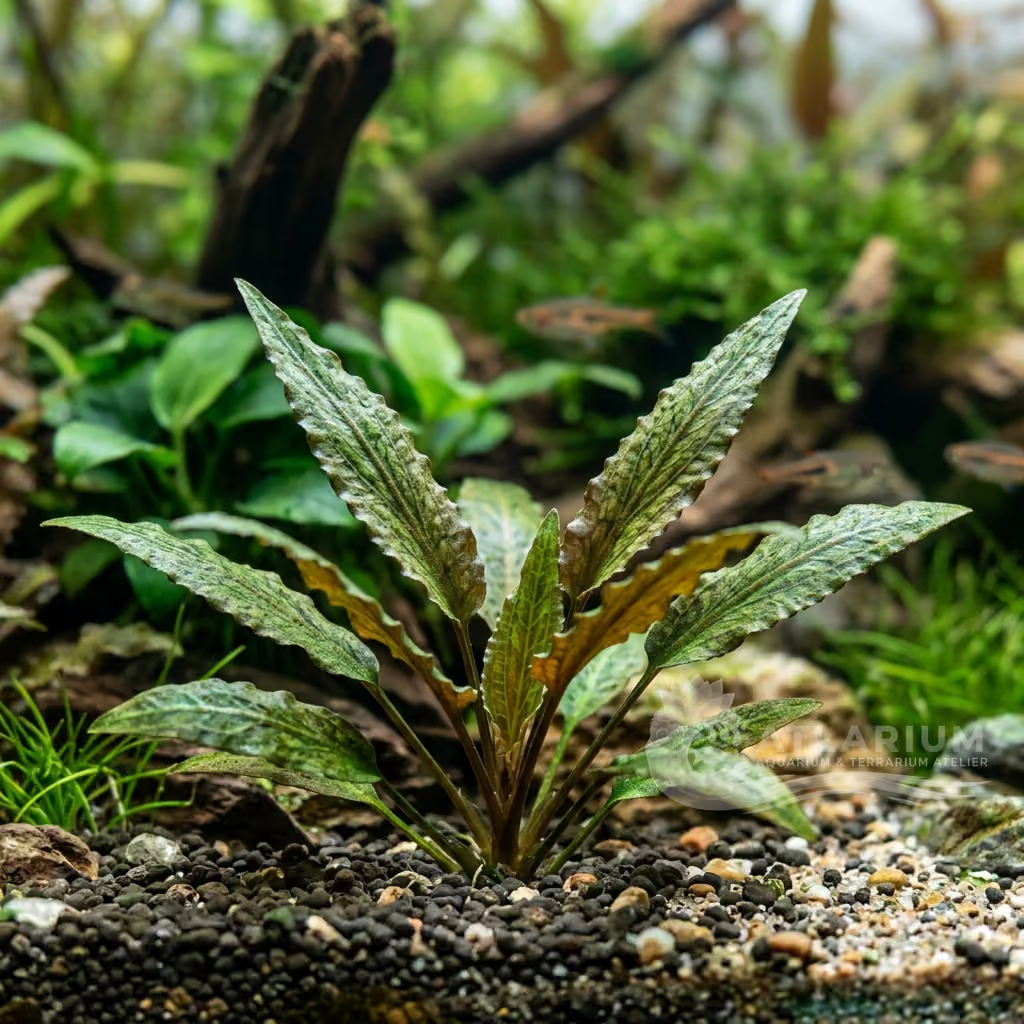
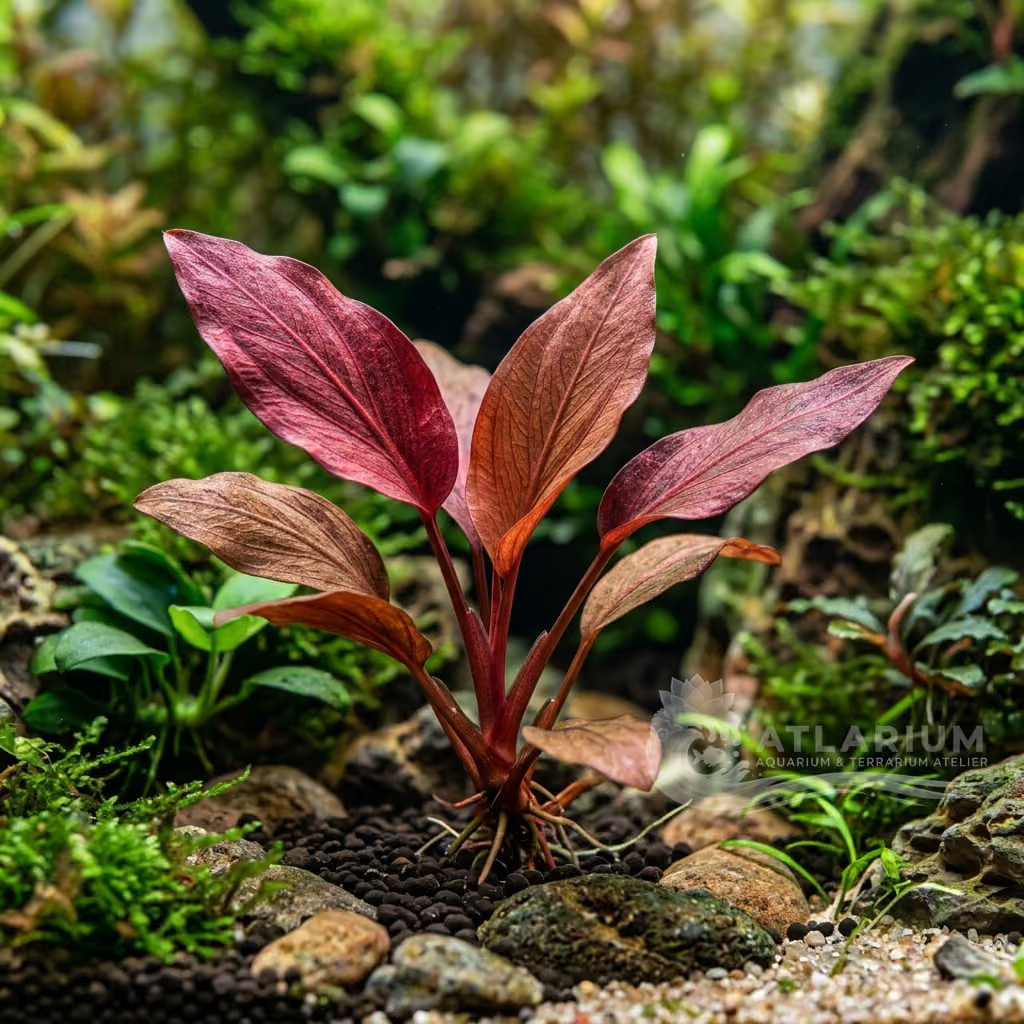
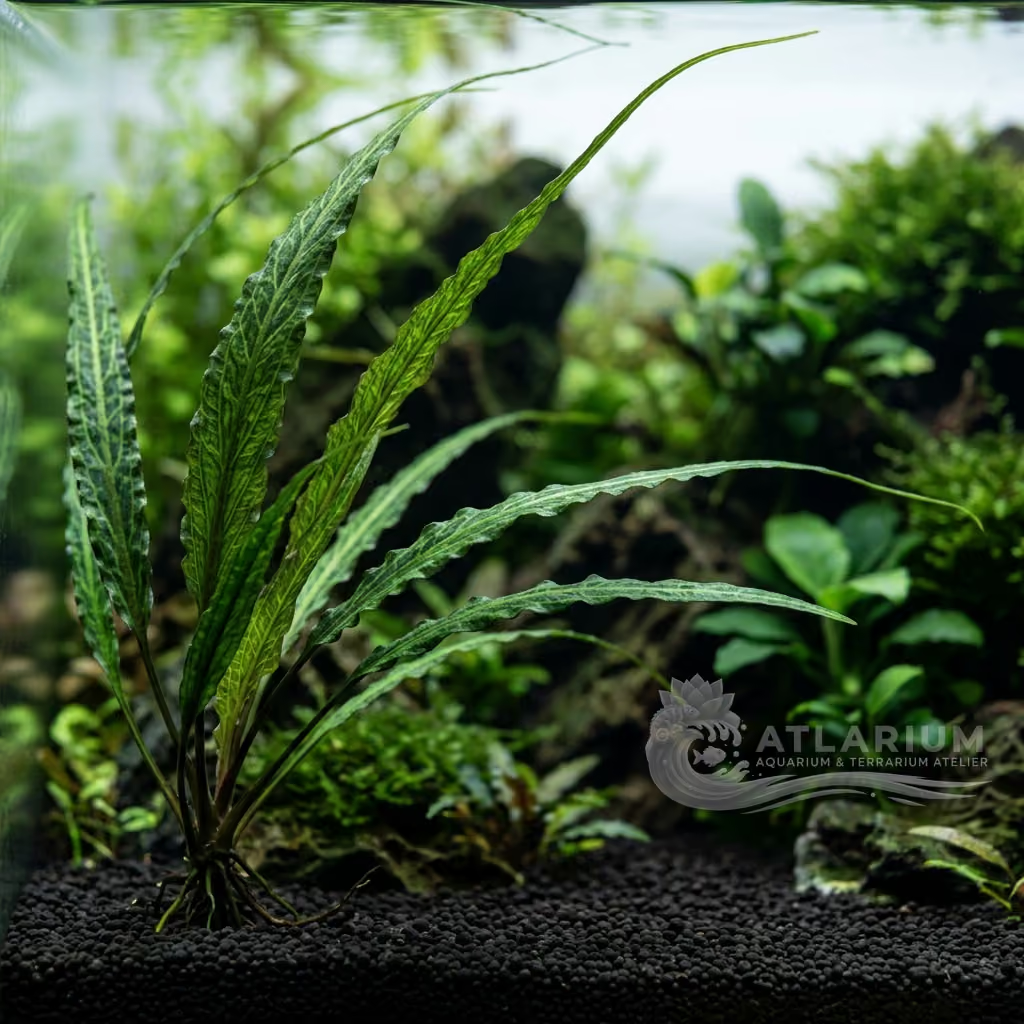
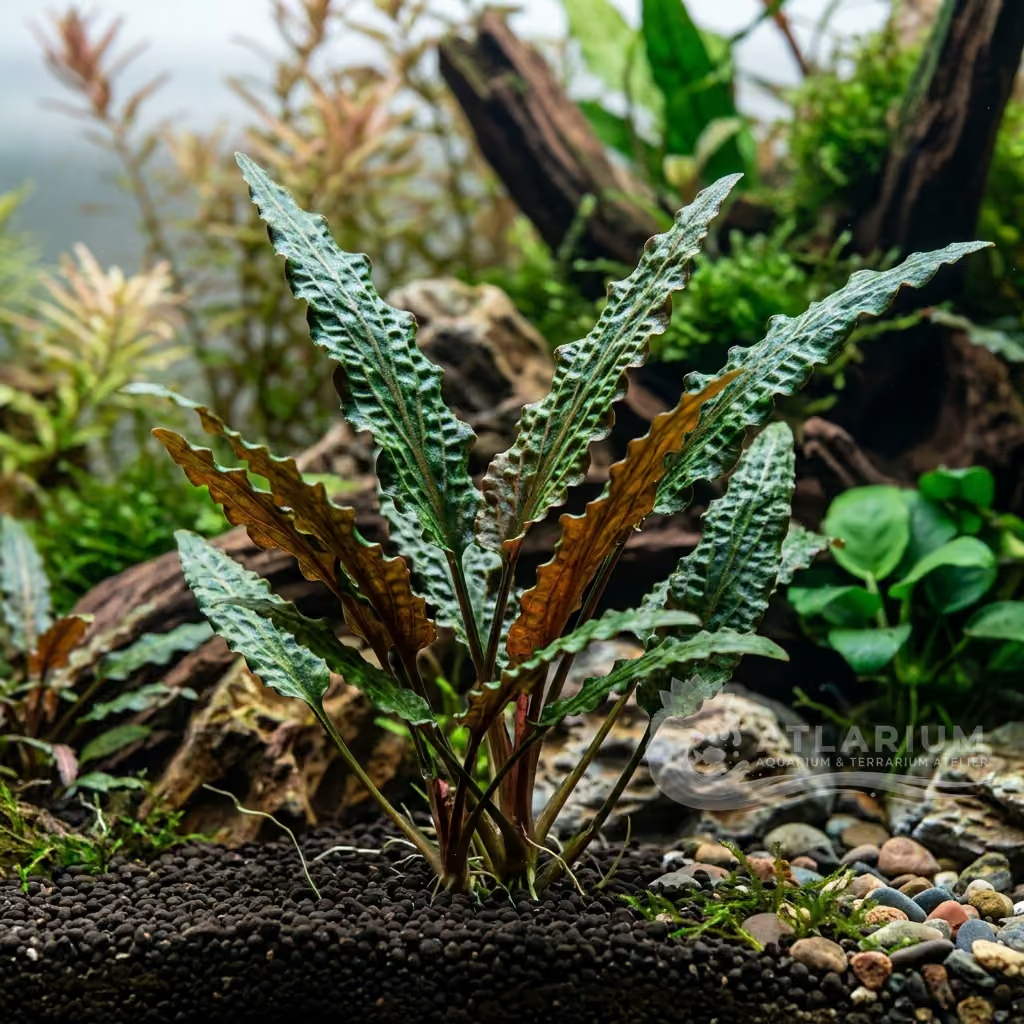
Physical Structure: The architectural structure of C. walkeri "lutea" is defined by an incredibly stiff, perfectly organized, and highly compact central rosette. It completely lacks vertical stems. The foundation is a thick, woody underground rhizome that deploys an aggressive white root system deep into the substrate. The leaves emerge directly from the crown on distinct, extremely rigid petioles that stand bolt upright. The foliage is strictly lanceolate, medium-sized (10-15 cm), and completely stiff, resembling heavily grooved spearheads.
Color & Texture: The coloration is distinctly pure, elegant, and perfectly uniform. Grown submerged under standard lighting, the rigid upper leaf surface is a solid, brilliant apple-green to mid-green. Crucially, it completely lacks the biological mechanism to produce any red, brown, or bronze pigments, remaining pure green even under intense light. The texture is notoriously rigid, intensely leathery, and completely unbending. The leaf surface is completely flat but heavily grooved with stiff, prominent central and lateral veins.

Care, breeding and tankmates
Lighting & CO2: It is an incredibly forgiving, slow-growing, shade-loving plant that serves as a perfect staple for beginner, low-tech aquariums. It effortlessly survives and slowly grows massive in deeply shaded environments, maintaining its stiff, upright structure. To force the plant to grow tightly compact and accelerate its painfully slow growth rate, medium LED lighting is recommended. Pressurized CO2 is completely unnecessary for its survival, but its addition drastically speeds up metabolism and thickens the rigid leaves.
Nutrition & Substrate: As a classic Sri Lankan Cryptocoryne, C. walkeri "lutea" is an absolute, obligate root feeder. Its aggressive, deep-reaching root system strongly demands a mature, heavily nutrient-dense substrate (minimum 5 cm / 2 inches deep). It heavily prefers high-quality aquasoil or a mature gravel bed heavily enriched with premium, iron-rich root tabs directly beneath the thick rhizome. If planted in sterile, inert gravel without heavy root supplementation, it will quickly stunt, turn violently yellow, and melt.
Water Chemistry: Originating from the tropical streams of Sri Lanka, it is virtually invincible regarding standard water parameters. It thrives effortlessly in heated tropical aquariums (22-26°C) and is highly adaptable, comfortably tolerating both soft, slightly acidic blackwater and moderately hard, alkaline tap water (pH 6.0 - 7.8). The single most critical environmental requirement is absolute chemical stability. It drastically prefers stable, unchanging parameters over perfectly optimized ones. It prefers moderate water flow to keep its stiff leaves clean.
Space Management & Placement: Due to its deliberately compact size (10-15 cm height), deeply rigid, upright habit, and brilliant pure-green coloration, C. walkeri "lutea" is an elite, highly structural midground transition plant. It should be meticulously planted in tight clusters directly in the center of the aquascape or wedged forcefully around the base of central driftwood. Because it grows slowly and spreads via subterranean runners, it will eventually form a stunning, completely rigid, bright-green bush that brings immense visual discipline.
Pruning: Pruning is a simple, surgical procedure due to its slow growth. Never attempt to trim a rigid leaf in half; the cut edge will instantly turn black, rot, and destroy the elegant aesthetic. To prune dead, melting, or heavily shaded older leaves, you must reach down to the absolute base of the rosette and cleanly snap or slice the stiff petiole directly at the gravel line. To manage its relentless, creeping spread, physically dig into the substrate and cleanly sever the thick subterranean runner connecting the clone.
Risks & Diseases: The absolute greatest threat to C. walkeri "lutea" is the infamous "Crypt Melt." This species is highly sensitive to sudden environmental instability. A rapid change in pH, a massive water change with cold water, or forcefully uprooting the established plant will trigger a violent biological panic, causing all the rigid green leaves to dissolve into a slimy mush within 24 hours. However, the thick, woody underground rhizome is completely indestructible; if the leaves melt, do not remove the roots, and it will regrow.

Geographic origin and distribution
Endemic strictly to the pristine, deeply shaded, fast-flowing tropical streams and heavily forested river margins of the central highlands of Sri Lanka. Cryptocoryne walkeri "lutea" is an incredibly tough, highly adaptable aquatic rosette plant. It thrives as a deeply rooted amphibious survivor, evolving to forcefully drive its thick, woody rhizome deep into dense, rocky gravel and heavy mud. It is perfectly adapted to withstand violent, rushing currents during the monsoonal flood season without bending or snapping.
Origin
South and Southeast Asia

Plant profile
- Placement
- Midground
- It serves as a fantastic midground plant, forming neat, bushy groupings over time. Its bright green coloration and classic leaf shape provide excellent contrast against darker hardscape and red plants. It is versatile enough to be used in almost any style of aquascaping.
- Botanical form
- Rosette
- The leaves are lanceolate, slightly rippled at the margins, and present a very fresh, bright green appearance. The stems are somewhat flexible, allowing the plant to sway gently in moderate currents. It forms a dense rosette that is highly visually appealing.
- Growth
- Slow
- It grows at a moderate pace, somewhat faster than other walkeri variants. It establishes its root system relatively quickly after planting and soon begins producing new foliage. It is highly robust and bounces back quickly from any initial transplant melting.
- Substrate
- High
- It is not particularly fussy about the substrate and will grow well in plain gravel or sand, provided there is some nutrient accumulation. However, adding root tabs or using an active soil will drastically improve its growth rate and vitality. A deep substrate allows its extensive roots to anchor firmly.
- Column fertilization
- Recommended
- A standard, infrequent dosing of a comprehensive liquid fertilizer is usually enough to keep this plant happy. It efficiently scavenges available nutrients from the water column. Excessive fertilization without CO2 can lead to algae issues, so moderate dosing is advised.
- Root fertilization
- None
- While it can survive without it, root fertilization promotes a much denser and more vigorous plant. Pushing a comprehensive root tab near its base every few months is highly recommended. The robust roots will utilize the localized nutrients to produce larger, healthier leaves.
- Trimming
- Occasional
- Only trim dying, damaged, or heavily algae-covered leaves by cutting them as close to the crown as possible. Avoid cutting healthy leaves midway, as they will simply rot away from the cut point. Minimal pruning is needed due to its slow growth.
- Propagation
- Rhizome division, Runners
- It propagates readily by sending out runners in all directions beneath the substrate. This allows it to form large, connected colonies over time. New plantlets can be easily separated from the mother plant once they have established a few leaves and roots.
- Sensitivity
- Moderate
- Susceptible to Crypt melt if parameters shift rapidly, especially temperature or lighting intensity. It may lose leaves when newly introduced to a tank but usually recovers once acclimatized. Stable water conditions are key to preventing sudden leaf loss.
- Layout role
- Midground, Foreground
- Acts as a strong structural element that can help define spaces in the planted aquarium. Its distinct appearance makes it a popular choice for Nature Aquarium styles. It adds depth and texture without requiring constant maintenance.

Image gallery
Licensed images linked to the species or, when marked, to the closest representative taxon.

Related species
Recommendations grouped by close relatives, companion choices, and similar care.