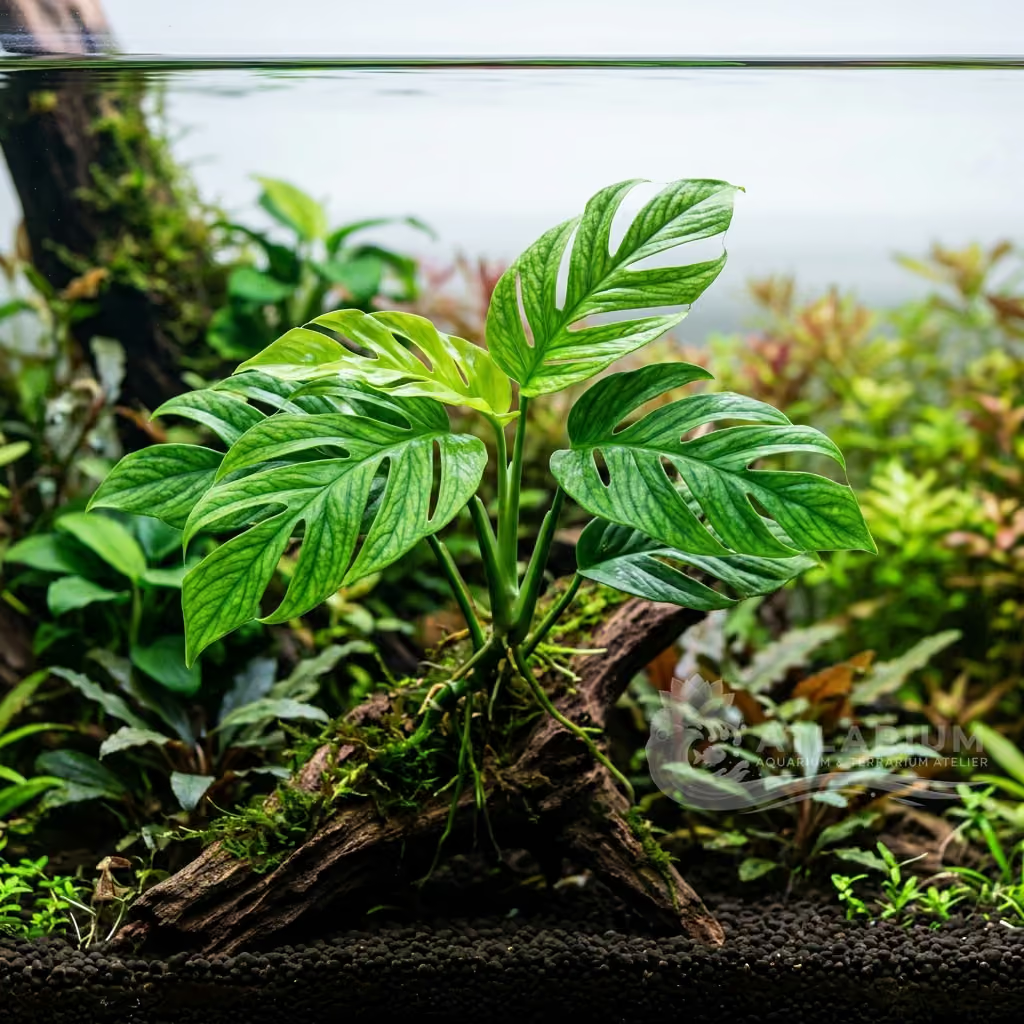
Lagenandra thwaitesii
Lagenandra thwaitesii
A beautiful, slow-growing Sri Lankan plant with distinctive lanceolate leaves featuring silver or white margins. It is relatively undemanding but prefers shade to prevent algae on its leaves.
Water Temperature
12 - 28 °C
pH Value
6 - 7.5
Water type
Freshwater
Light
Medium - High
CO2
Low - High
Expected height
25 cm
Expected width
20 cm
GH
4 - 15 dGH
KH
0 - 14 dKH

Species description
Geographical Origin and Habitat: This magnificent species is endemic to Sri Lanka, where it grows mainly in the southern and western regions of the island. Its natural habitat is represented by the shaded and muddy shores of slow-flowing forest streams and rivers. It often grows in emersed form on wet mud or among rocks on the bank, being submerged only during the monsoon season, which gives it a strong tolerance to both emersed and submerged conditions.
Taxonomy & Genetics: Belongs to the Araceae family and is closely related to the genus Cryptocoryne. It is named after the botanist George Henry Kendrick Thwaites. From a genetic and morphological point of view, it stands out for its robust leaf structure and rosette habit that develops from a very thick creeping rhizome. The species has kept its unique characteristics stable without the creation of artificial cultivars.
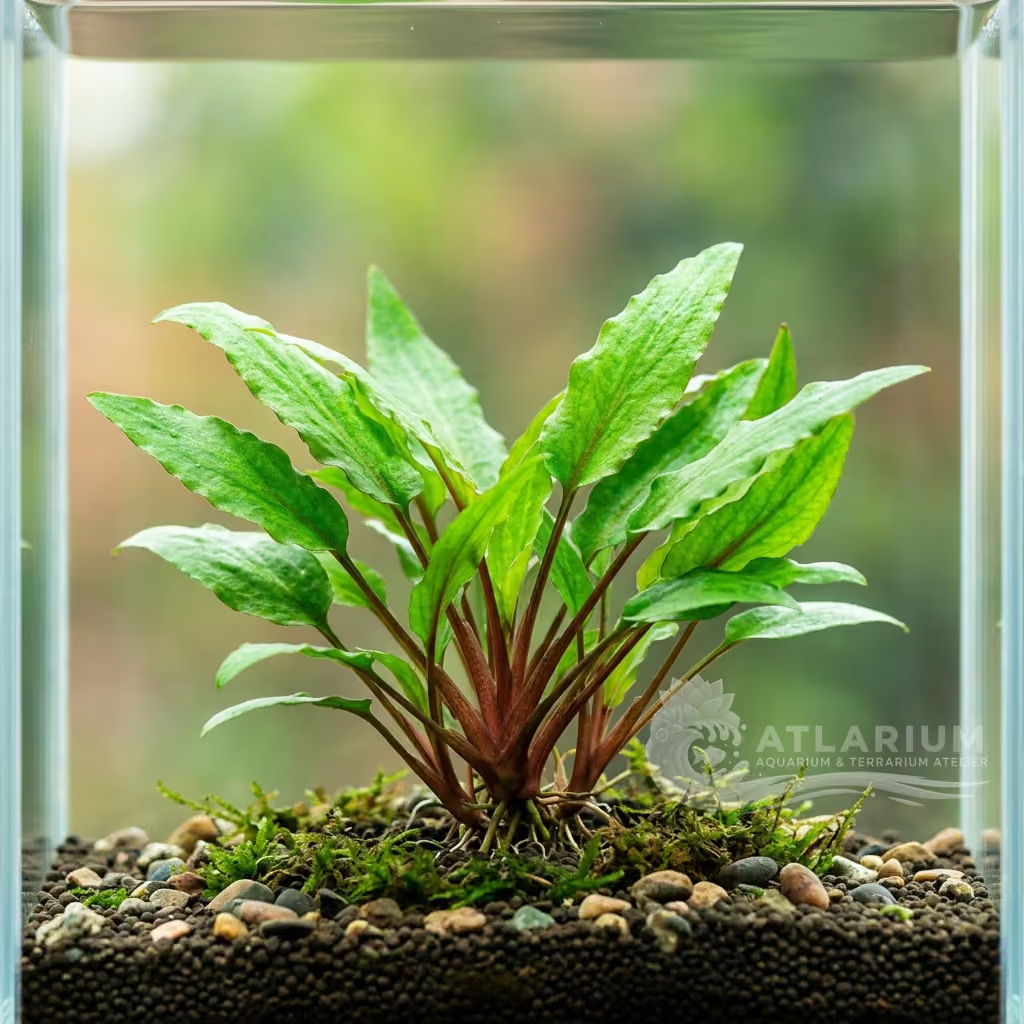
Physical Structure: It features a rosette growth emerging from a robust and fleshy rhizome. The leaves are large, lanceolate or elliptical, with wavy and upright margins. The overall height in the aquarium is usually between 15 and 25 centimeters. The root system is extremely developed and deep, anchoring the plant firmly even in the presence of moderate water currents.
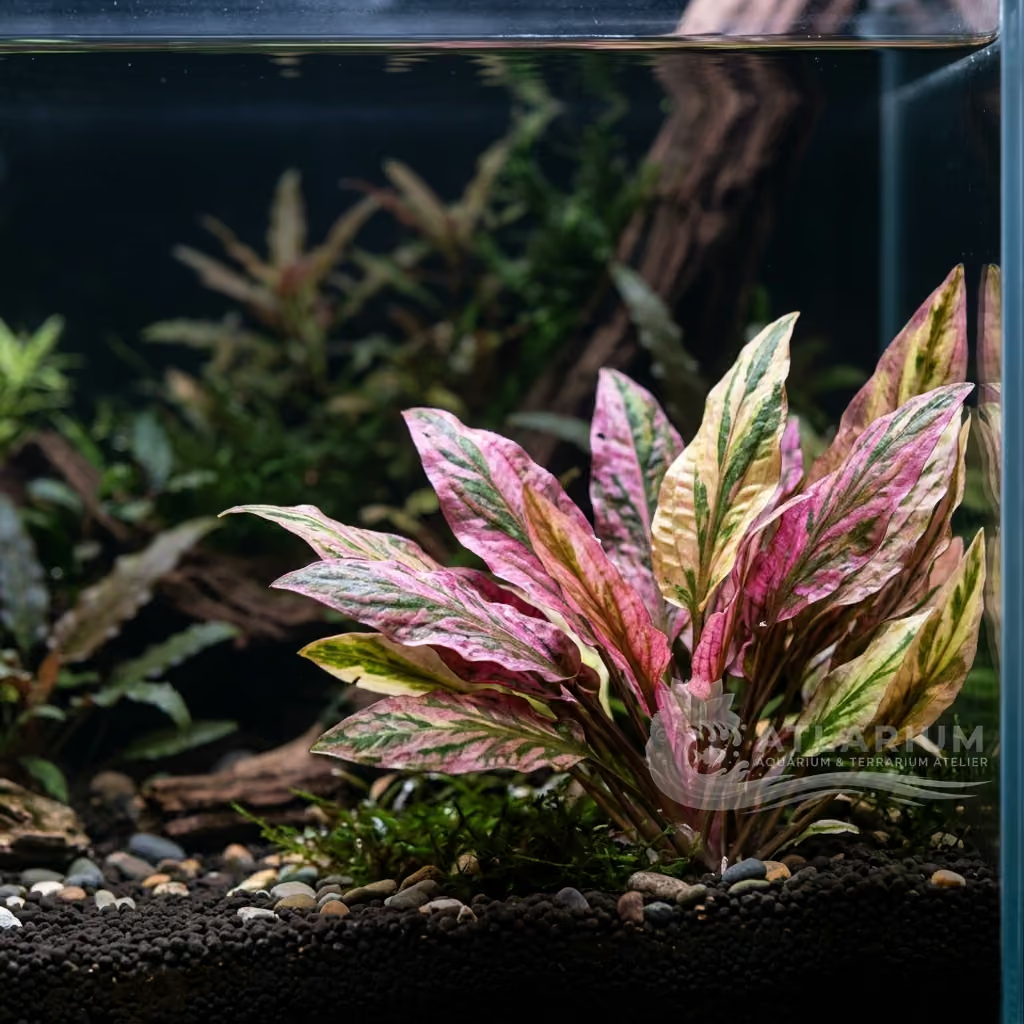
Color & Texture: The coloration of this plant is among the most spectacular of the entire genus. The leaves present a dark olive green or bronze-brown base coloration, embellished with a very sharp and bright silvery or white-silvery margin that runs along the entire perimeter of the leaf. The texture is leathery, thick, and rough, offering an extraordinary structural and color contrast inside the aquarium.

Care, breeding and tankmates
Lighting & CO2: Prefers moderate to intense lighting. Although it can tolerate shaded areas due to its forest origins, moderate-intense light stimulates a more pronounced bronze coloration and a better definition of the silver border. CO2 supplementation is not mandatory, but it accelerates its otherwise glacial growth.
Nutrition & Substrate: As with Cryptocoryne, a nutrient-rich substrate (fertile soil or root tabs) is essential to feed the massive root system. The plant absorbs many nutrients from the bottom, but also benefits from regular liquid fertilization in the
Water Chemistry: Adapts to pH levels between 6.0 and 7.5, preferring soft to moderately hard water. The ideal carbon hardness (KH) is between 2 and 10 dKH, although it tolerates ranges up to 14 dKH. The ideal temperature is between 12°C and 28°C; it tolerates cool temperatures well but fears hot stagnation lacking oxygenation.
Space Management & Placement: Its perfect placement is in the midground of the aquarium or in the foreground of very large tanks. Due to its extremely slow growth, it must be positioned in a permanent spot, as it suffers negatively from frequent transplants, which can cause rhizome rot.
Pruning: Pruning is limited to removing older or damaged outer leaves by cutting them near the base of the rhizome with sharp scissors. It does not require frequent cuts due to the reduced growth rate. It can be propagated by carefully dividing the rhizome into portions provided with at least a few leaves and roots.
Risks & Diseases: The main risk is the so-called 'Cryptocoryne melt' (sudden leaf rot), which can occur in case of strong shifts in water values or lighting type. In addition, if the rhizome is buried too deeply under the substrate, it risks rotting quickly; the rhizome must remain partially visible on the surface of the bottom.

Geographic origin and distribution
This magnificent species is endemic to Sri Lanka, where it grows mainly in the southern and western regions of the island. Its natural habitat is represented by the shaded and muddy shores of slow-flowing forest streams and rivers. It often grows in emersed form on wet mud or among rocks on the bank, being submerged only during the monsoon season, which gives it a strong tolerance to both emersed and submerged conditions.
Origin
South and Southeast Asia

Plant profile
- Placement
- Midground
- It is an excellent choice for the midground, where its unique leaf patterns can be fully appreciated. It looks best when planted in small groups or as a solitary accent plant surrounded by lower-growing foreground species. It can also be used effectively to break up the texture of large rock or wood formations.
- Botanical form
- Rosette
- It features highly distinctive, elongated lanceolate leaves with a dark green base color. The most striking feature is the silvery-white margin or speckled pattern that runs along the edges of the leaves. The leaves emerge from a thick, creeping rhizome that firmly anchors the plant.
- Growth
- Very slow
- This plant has a notoriously slow growth rate, producing new leaves only occasionally. Due to its slow metabolism, it demands very little maintenance and rarely requires pruning. However, patience is needed as it can take months for a small plant to grow into an impressive specimen.
- Substrate
- High
- Lagenandra thwaitesii requires a fertile and well-structured substrate, ideally a rich aqua soil, to properly support its distinctive, elongated leaves with ruffled edges. The root system is quite extensive and heavily relies on substrate-bound nutrients to maintain the plant's health and coloration. For best results, the rhizome must rest unburied on the substrate surface, while the roots are given a generous depth of soil to secure the plant and access essential elements.
- Column fertilization
- Recommended
- While it depends heavily on substrate nutrients, column fertilization helps maintain the overall health of the leaves. Regular dosing of trace elements ensures that the new leaves develop their characteristic silver markings fully. It readily absorbs necessary minerals from the water to supplement its root feeding.
- Root fertilization
- Required
- A nutrient-rich substrate is absolutely essential for Lagenandra thwaitesii to thrive. It develops a substantial root system that draws the majority of its macronutrients from the soil. The use of high-quality aquasoil or frequent application of root tabs will result in much larger and more vividly patterned leaves.
- Trimming
- Occasional
- Maintenance is minimal and generally involves only the removal of old or damaged leaves. Use sharp scissors to snip the petiole close to the main rhizome without causing injury to the rhizome body. Avoid moving or uprooting the plant frequently, as it dislikes having its roots disturbed.
- Propagation
- Division
- Propagation is done by dividing the mature rhizome, similar to Anubias or Cryptocoryne species. Carefully cut the rhizome into pieces, ensuring each section has a healthy root system and at least 3-4 leaves. Plant the new sections with the rhizome slightly above the substrate to prevent it from rotting.
- Sensitivity
- HIGH
- It can be prone to Cryptocoryne-like melt if water parameters or lighting conditions change abruptly. Providing a stable, established aquarium environment is key to long-term success. It prefers moderate lighting; intense light without adequate CO2 can lead to algae growth on its slow-growing leaves.
- Layout role
- Midground, Background
- Its primary role is serving as a highly decorative midground accent plant. The unique silvery leaf margins offer a stunning contrast to solid green or red plants in the aquascape. It is highly valued for adding a touch of elegance and rarity to both Nature Aquarium and Dutch-style layouts.

Related species
Recommendations grouped by close relatives, companion choices, and similar care.