Anubias barteri var. caladiifolia
Anubias barteri var. caladiifolia
Colossal West African epiphyte with huge heart-shaped leaves. Strictly requires low light and no CO2 to prevent severe, damaging algae colonization.
Water Temperature
12 - 30 °C
pH Value
5 - 8
Water type
Freshwater
Light
Da bassa ad alta
CO2
Low
Expected height
40 cm
Expected width
40 cm
GH
4 - 20 dGH
KH
0 - 15 dKH

Species description
Geographical Origin and Habitat: Anubias barteri var. caladiifolia was originally isolated and discovered in a highly specific, densely shaded jungle stream in West Africa. It is an extreme, highly specialized rheophyte, meaning it evolved over millennia to completely anchor its massive, woody root system around huge submerged boulders and sunken tree trunks to survive brutal, torrential seasonal floodwaters. The thick, overarching jungle canopy ensures that the plant is permanently protected from direct sunlight, receiving only weak, scattered rays that penetrate the foliage above.
Taxonomy & Genetics: This is an exceptionally rare, highly prized, and genuinely gigantic naturally occurring variant of the Anubias barteri complex. The distinct botanical name "caladiifolia" was granted because its massive, deeply grooved, and explicitly heart-shaped leaves bear an astonishingly striking resemblance to the massive foliage of the terrestrial genus Caladium. Due to its sheer size and unique leaf structure, it is highly sought after by elite aquascape collectors and is rarely found in standard fish stores.
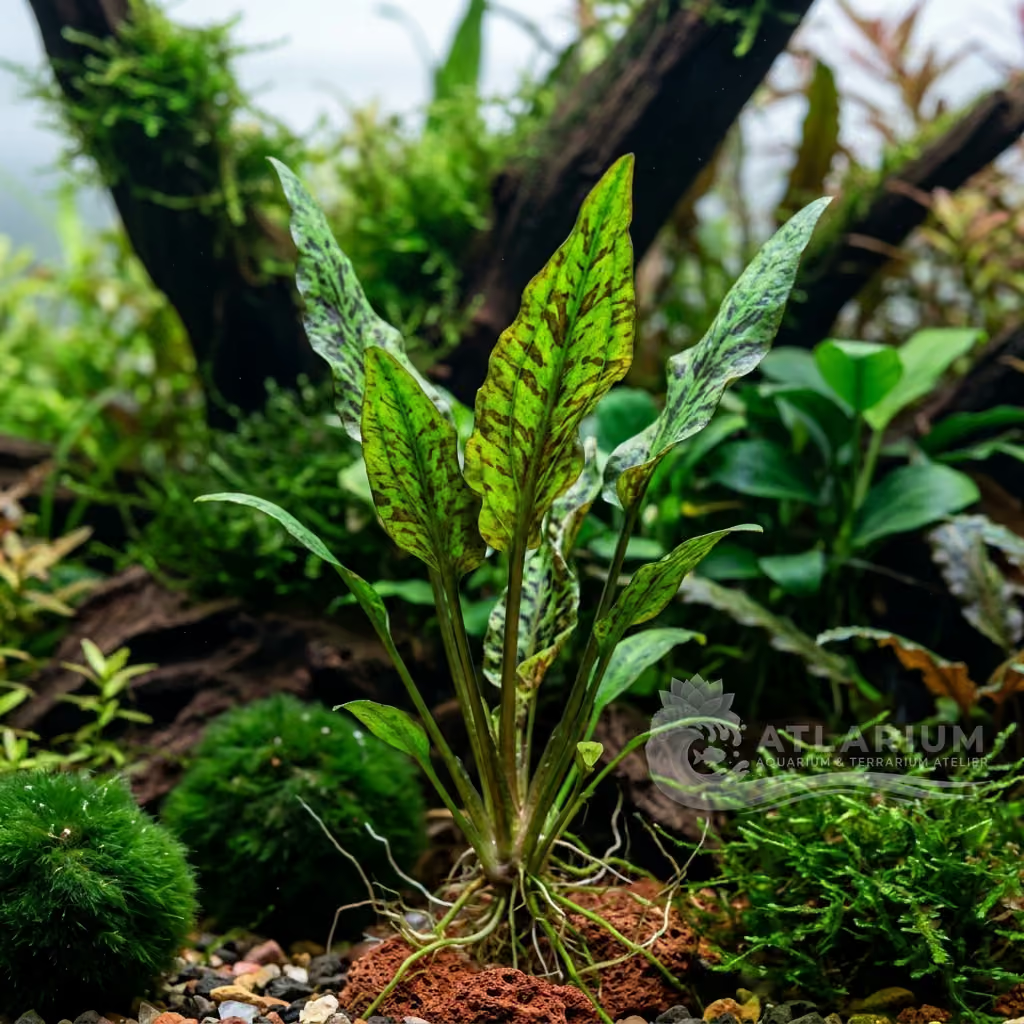
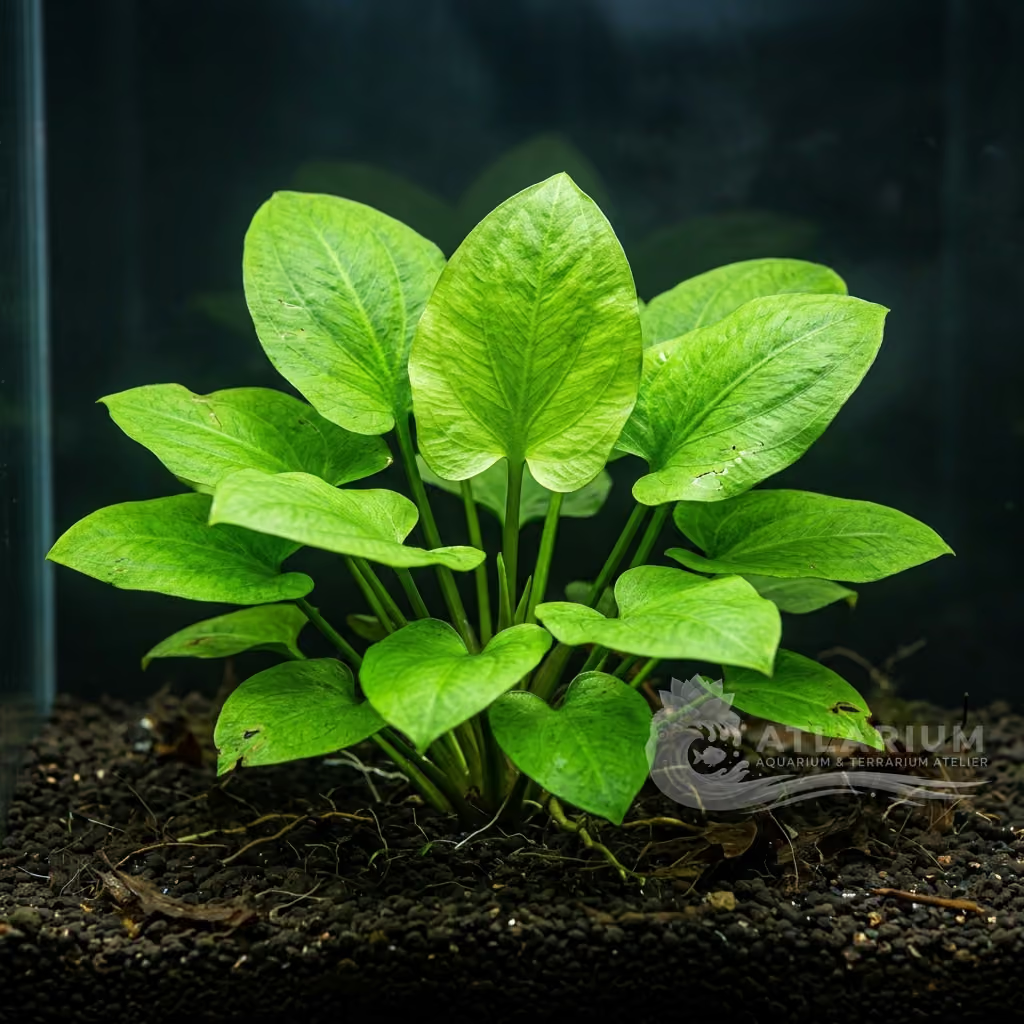
Physical Structure: The physical architecture of this plant is stunningly massive and imposing. It produces a colossal, incredibly tough, creeping horizontal rhizome. The extremely thick, rigid stems grow remarkably long and upright, supporting gigantic, deeply cordate (heart-shaped) leaves that flare out dramatically at the base. These massive leaves can effortlessly eclipse 25 cm (10 inches) in length alone, making it one of the largest epiphytes available in the global hobby.
Color & Texture: The leaves are a highly vibrant, completely opaque dark emerald green, with the thick underlying veins creating a beautiful ribbed pattern across the surface. The texture is legendary among aquarists: the leaves are exceptionally thick, ridged, and profoundly leathery, feeling like stiff cardboard. This armor-like cellular structure makes them virtually indestructible and completely immune to grazing by heavy herbivorous fish.

Care, breeding and tankmates
Lighting & CO2: It is strictly an obligate low-light epiphyte. It requires absolutely no CO2 injection to survive and thrive. Exposing this colossal, incredibly slow-growing plant to intense LED lighting or direct sun is a fatal error; because the plant cannot absorb the light energy fast enough, the excess light will instantly smother the massive leaves in thick, unbreakable crusts of aggressive Black Beard Algae (BBA) and Green Spot Algae (GSA). It must be kept deep in the shadows of the aquarium.
Nutrition & Substrate: This titan feeds exclusively from the water column. The colossal, creeping rhizome MUST NOT be buried under the substrate (sand, gravel, or soil) under any circumstances, or the entire plant will rapidly melt into a toxic mush and die. It requires standard, comprehensive liquid fertilization dosed directly into the water column to supply its massive leaves with essential trace minerals like iron and potassium.
Water Chemistry: It is an unkillable, prehistoric titan. It thrives effortlessly in standard tropical temperatures (22-28°C) but completely ignores wild, chaotic fluctuations in pH or extreme water hardness. It can survive in soft, highly acidic blackwater biotopes just as easily as it thrives in the liquid rock of an African Cichlid setup. It is perfectly suited for harsh conditions and beginner aquariums where water parameters may swing wildly.
Space Management & Placement: Because of its truly gigantic, sprawling size and massive height, it must be utilized exclusively as a dominant midground or background centerpiece in large aquariums. The massive rhizome must be aggressively superglued, or tied down with heavy stainless-steel wire or thick zip ties, to a massive piece of heavy driftwood or a very large boulder. It is completely unsuitable for nano tanks, as a single leaf can cover the entire surface area.
Pruning: Pruning is incredibly rare and almost unnecessary. To artificially propagate the plant, use heavy, sharp pruning shears to cut the massive, woody rhizome completely in half, ensuring both sections have healthy roots. To maintain the visual purity of the display, cut any ancient, yellowing, or heavily algae-covered leaves directly at the base of the incredibly thick stem, as close to the rhizome as physically possible.
Risks & Diseases: Its incredibly slow, glacial growth rate and massive, broad leaf surface area make it the absolute perfect, unavoidable host for Black Beard Algae (BBA) and Green Spot Algae (GSA). You MUST keep it deeply shaded by taller stem plants or overhanging hardscape, and maintain pristine water quality to prevent the leaves from being permanently ruined.

Geographic origin and distribution
Anubias barteri var. caladiifolia was originally isolated and discovered in a highly specific, densely shaded jungle stream in West Africa. It is an extreme, highly specialized rheophyte, meaning it evolved over millennia to completely anchor its massive, woody root system around huge submerged boulders and sunken tree trunks to survive brutal, torrential seasonal floodwaters. The thick, overarching jungle canopy ensures that the plant is permanently protected from direct sunlight, receiving only weak, scattered rays that penetrate the foliage above.
Origin
Africa and Madagascar

Plant profile
- Placement
- Background
- This species works exceptionally well in the midground to background of the aquarium, depending on the overall tank size. It should ideally be attached to hardscape materials such as driftwood or rocks using thread or aquarium-safe glue. If planted in the substrate, it is absolutely critical to keep the rhizome exposed above the soil to prevent it from rotting.
- Botanical form
- Epiphyte, Stem
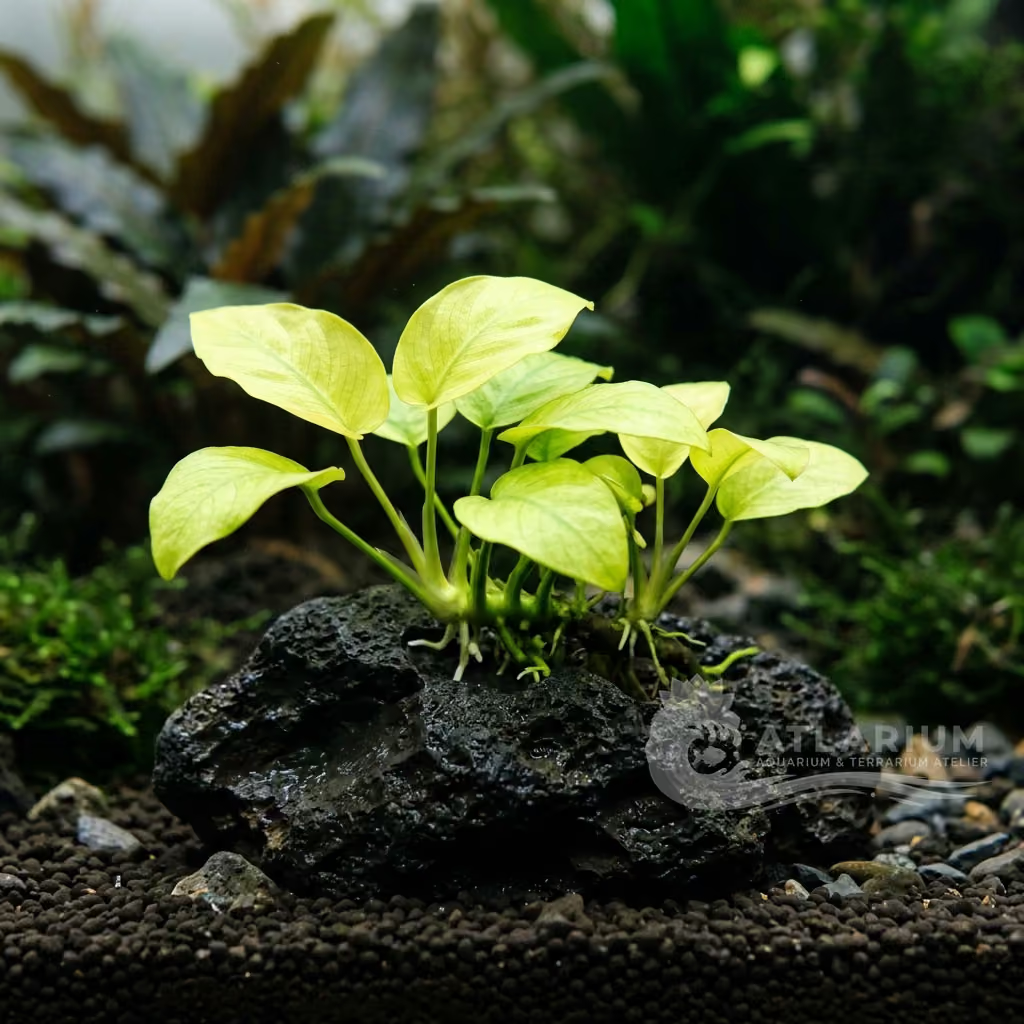
- Anubias barteri var. caladiifolia features very large, striking heart-shaped leaves that stand out in any planted aquarium. The leaves grow from a thick, creeping rhizome that anchors the plant to various surfaces. Its sturdy, leathery foliage is highly resilient, making it a great option for aquariums with herbivorous fish.
- Growth
- Slow
- Like most Anubias species, Anubias barteri var. caladiifolia exhibits a slow growth rate. You can expect it to produce only one or two new leaves per month under standard aquarium conditions. Providing slightly higher carbon dioxide levels and optimal fertilization can marginally speed up this process, but it remains a slow grower. This slow pace makes it an excellent choice for low-maintenance setups.
- Substrate
- None
- Due to its unique heart-shaped foliage and epiphytic nature, Anubias barteri var. caladiifolia flourishes when cultivated on solid structures rather than in the ground. The key to its substrate requirements is avoidance: the thick, primary rhizome must never be buried beneath sand, gravel, or soil. It produces thick, wiry roots designed to crawl over and firmly grasp uneven surfaces like driftwood branches, drawing nourishment solely from the water column. Any underlying substrate is purely aesthetic for this species, as it relies on liquid nutrients and ambient organic waste to fuel its slow but robust growth.
- Column fertilization
- Recommended
- Liquid fertilization in the water column is the primary and most effective method for feeding Anubias barteri var. caladiifolia. A comprehensive liquid fertilizer applied weekly or bi-weekly will provide all the necessary trace elements and macronutrients. Since it is a slow grower, lean dosing is highly recommended to avoid excess nutrients accumulating in the water.
- Root fertilization
- None
- Root tabs or nutrient-rich substrates are generally unnecessary for Anubias barteri var. caladiifolia. Because it is an epiphyte that prefers to be attached to hardscape, its roots primarily serve an anchoring function rather than a nutrient-absorbing one. Even if planted in the substrate, the plant relies more heavily on water column fertilization than root feeding.
- Trimming
- Occasional
- Trimming is rarely required due to its very slow growth rate. When pruning is necessary, simply cut the leaves as close to the rhizome as possible using sharp aquascaping scissors. Always remove any yellowing, damaged, or algae-covered leaves to maintain the plant's aesthetic appeal and overall health.
- Propagation
- Rhizome division
- Propagating Anubias barteri var. caladiifolia is a simple and straightforward process. You simply cut the main rhizome into two or more pieces, ensuring each new section has at least three to four healthy leaves attached. These new sections can then be tied or glued to new pieces of hardscape, where they will eventually develop into full plants.
- Sensitivity
- Moderate
- This plant is incredibly hardy and tolerates a wide range of water parameters and temperatures. However, its slow-growing, broad leaves are particularly susceptible to spot algae and black beard algae if light intensity is too high. It is recommended to place it in shaded areas of the aquarium to mitigate this risk.
- Layout role
- Epiphyte, Background
- Its unique leaf shape makes it an excellent bold centerpiece. It is often used to bridge the gap between different aquascaping elements or provide shelter for small fish and shrimp. The rich green foliage provides a strong visual anchor and adds a sense of maturity to the aquascape.

Image gallery
Licensed images linked to the species or, when marked, to the closest representative taxon.

Related species
Recommendations grouped by close relatives, companion choices, and similar care.