Aponogeton 'Lanka'
Aponogeton 'Lanka'
Hybridized commercial bulb plant cultivar. Fast-growing powerhouse needing high-intensity lighting to maintain its exceptionally thick, robust stems.
Water Temperature
15 - 30 °C
pH Value
5 - 7
Water type
Freshwater
Light
Da media ad alta
CO2
Medium
Expected height
70 cm
Expected width
40 cm
GH
4 - 20 dGH
KH
0 - 21 dKH

Species description
Geographical Origin and Habitat: This specific botanical marvel does not naturally exist as a wild, distinct species in any river basin. It is a highly specialized, genetically hybridized commercial cultivar intentionally bred for the high-end aquatic plant trade. However, its undeniable genetic parentage traces directly back to the seasonal ponds, flooded marshes, and dynamic, monsoonal river systems of Sri Lanka (hence the trade name "Lanka"). It inherited all of the profound geophytic (bulb-based) survival adaptations of its wild Sri Lankan ancestors, allowing it to explode with life during wet seasons and endure dormancy during extreme droughts.
Taxonomy & Genetics: Taxonomically, it is classified as a hybrid, most likely resulting from the crossbreeding of Aponogeton crispus and other robust Aponogeton variants native to Sri Lanka or Southeast Asia. In the commercial aquarium trade, pure strains of wild Aponogeton are exceedingly rare, and hybrids like "Lanka" have been carefully developed to combine the most desirable traits of multiple species: extreme hardiness, blistering growth rates, resistance to bulb rot, and uniquely spectacular leaf morphology that is more robust than a standard A. crispus.
Physical Structure: The foundational architecture is a dense, starchy, incredibly durable subterranean bulb. From the crown of this bulb, an explosive, towering rosette of intensely rigid stems shoots straight up toward the light. These stems support truly massive, highly elongated, sword-like leaves that effortlessly stretch 30 to 50 cm (12-20 inches) vertically. The physical structure of "Lanka" is noticeably thicker, wider, and visually heavier than the delicate, hair-thin structure of a pure A. crispus, giving it a much more dominant presence in the aquascape.
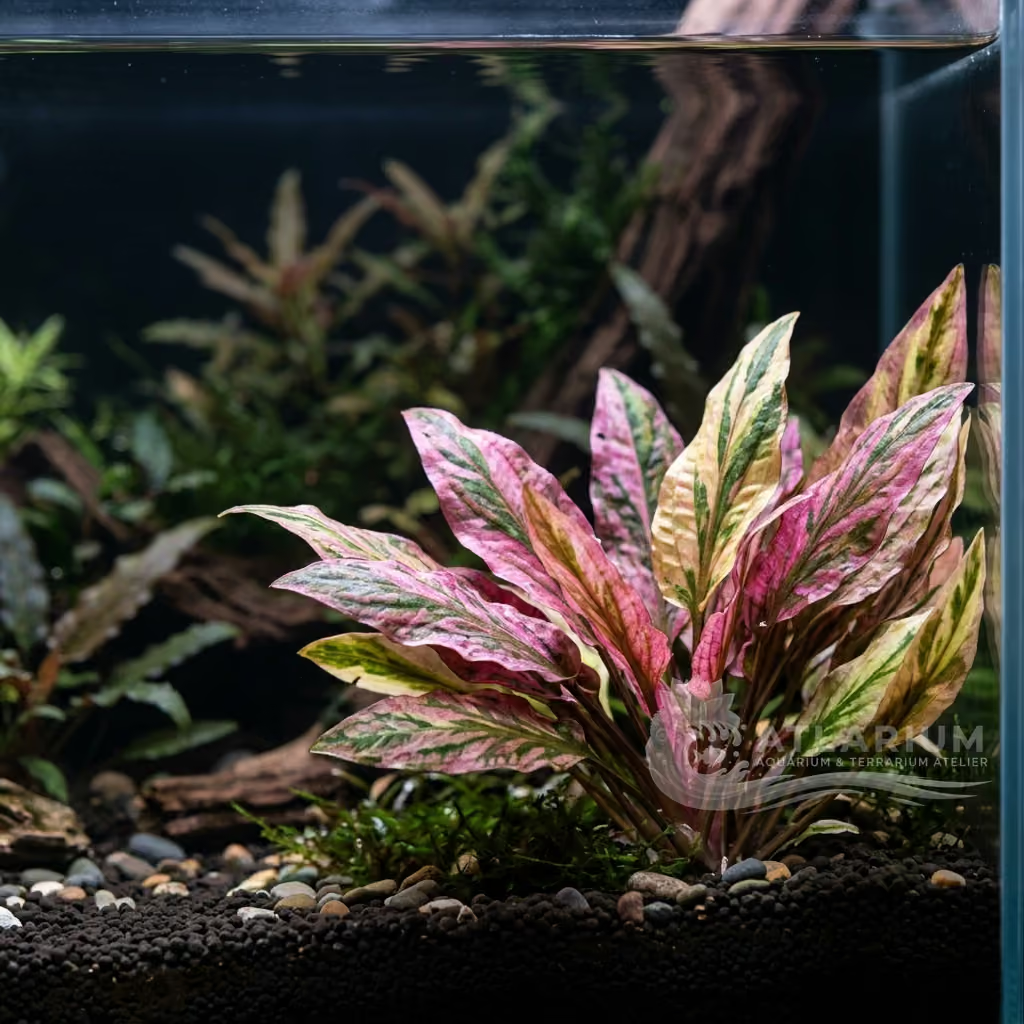
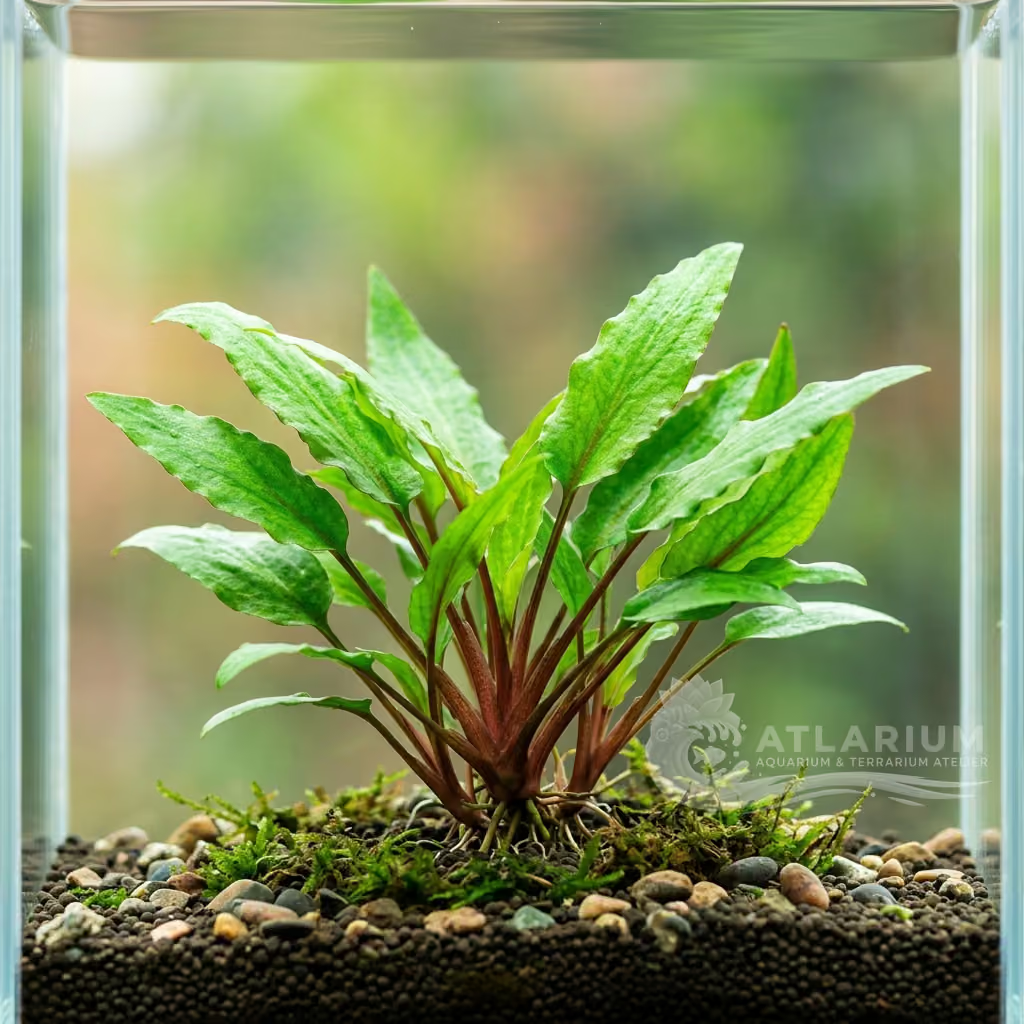
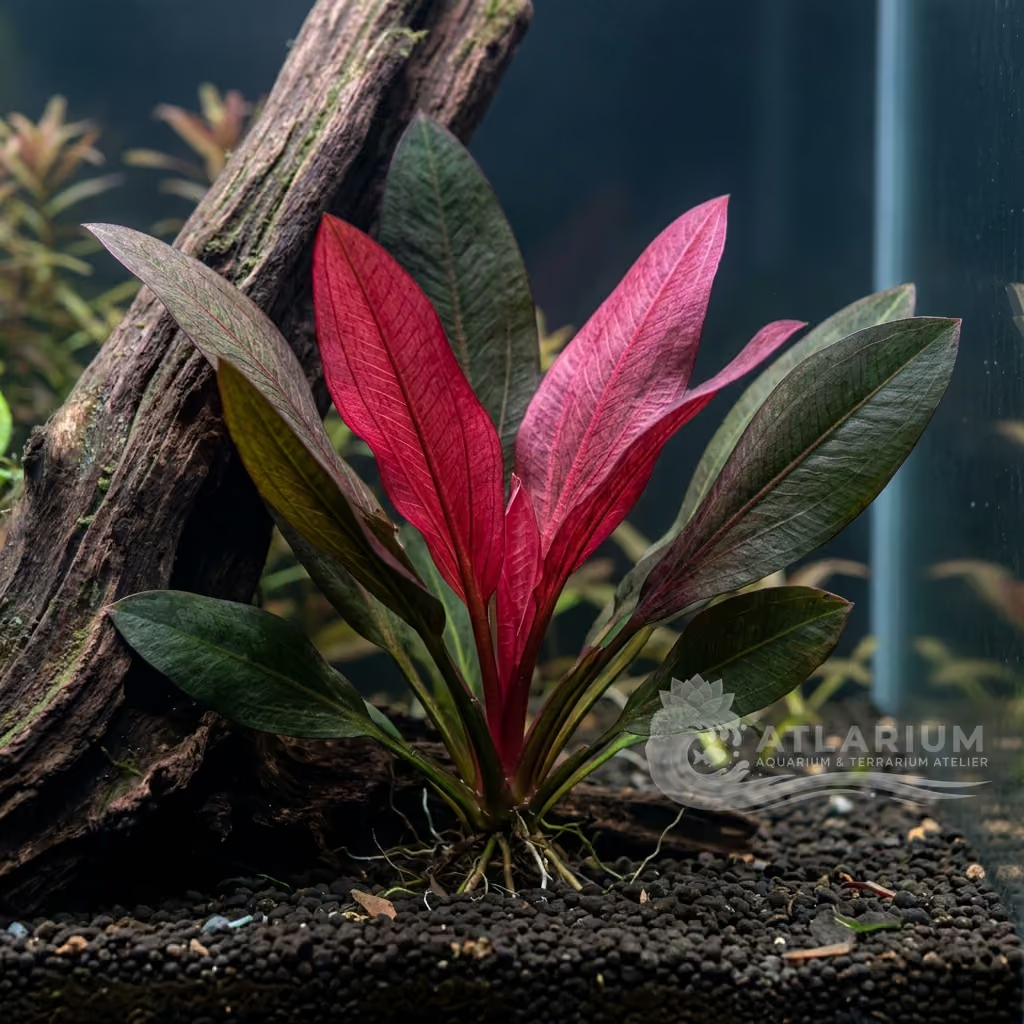
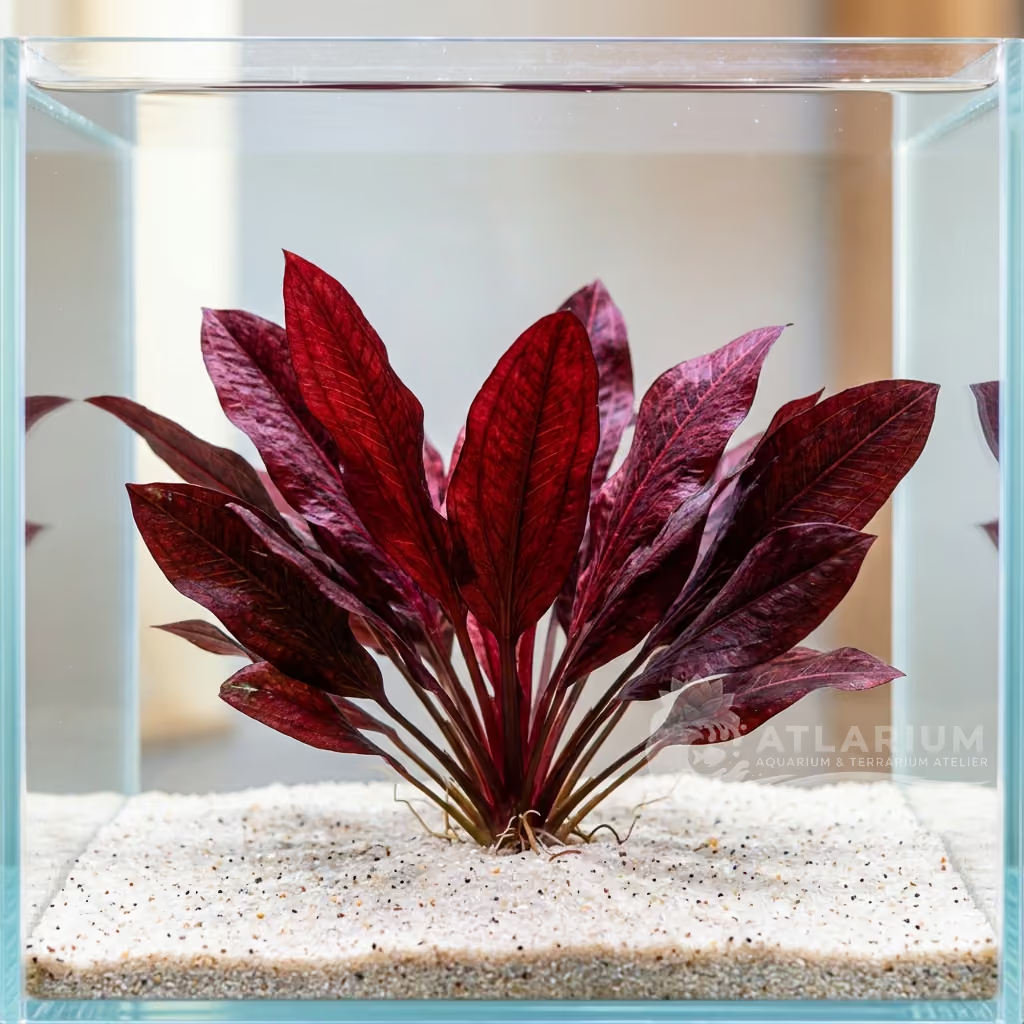
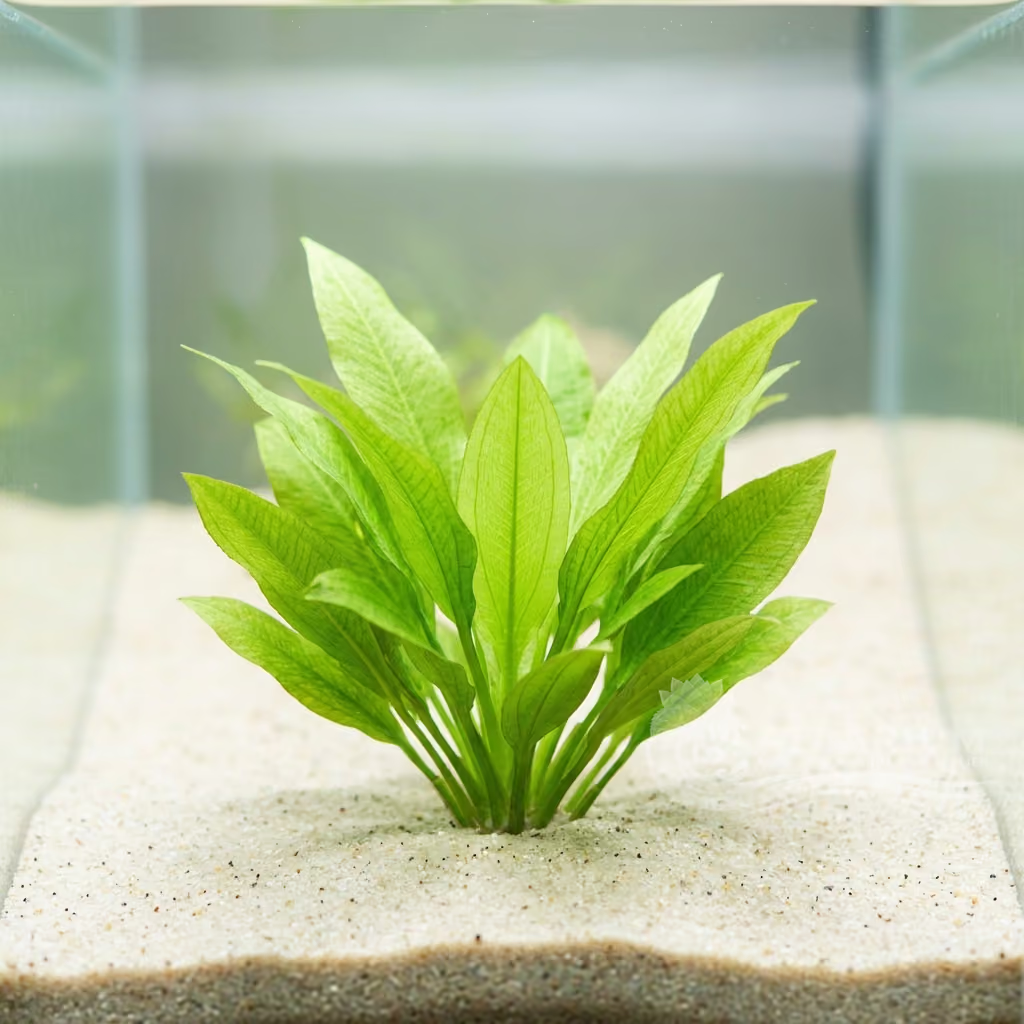
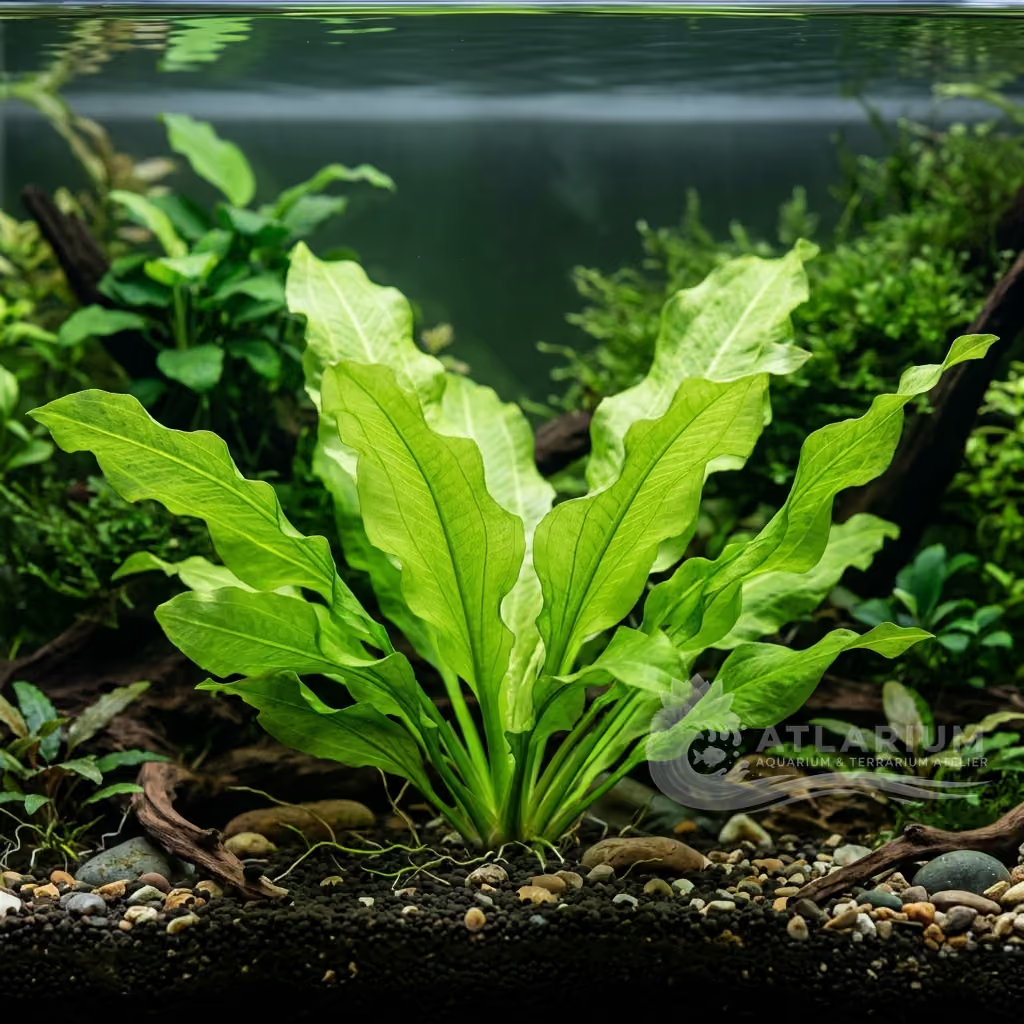
Color & Texture: The magnificent, sword-shaped leaves are universally colored a highly vibrant, glowing, almost neon light-green. The defining visual characteristic is its intense marginal texture: the edges of the broad leaves are phenomenally ruffled, heavily crimped, and crinkled, creating a striking corkscrew or wavy ribbon effect that captures the water current beautifully. While the leaves retain the classic Aponogeton translucence, the cellular structure of "Lanka" is notably tougher and less prone to tearing or melting than its wild ancestors.

Care, breeding and tankmates
Lighting & CO2: It is a high-octane, incredibly fast-growing powerhouse that demands medium to extremely high-intensity lighting. Under weak light, the massive stems will become weak, spindly, and pale, and the bulb will slowly starve. To sustain its blistering growth rate and force the production of its massive, heavily ruffled leaves, pressurized CO2 injection is highly recommended, though it can survive in low-tech setups if deeply rooted in nutrient soil. High energy input guarantees a towering, majestic display.
Nutrition & Substrate: Like all giant Aponogetons, it is an aggressive, monstrous root feeder. The subterranean bulb absolutely MUST be planted in a very deep, incredibly rich, nutrient-dense substrate. A premium aquasoil heavily spiked with iron and comprehensive root tabs is mandatory. A sterile, inert gravel bed will cause the plant to exhaust its bulb reserves and die within months. The thick roots will aggressively colonize the entire substrate bed, anchoring the massive plant and stealing nutrients from neighbors.
Water Chemistry: Because it is a commercial hybrid derived from robust Sri Lankan genetics, it is phenomenally resilient and adaptable to a wide range of water parameters. It thrives effortlessly in standard tropical temperatures (24-28°C) and completely ignores fluctuations in pH or moderate water hardness. It easily adapts to standard tap water, making it far superior and much easier to cultivate for beginners than the notoriously difficult, delicate pure wild species imported from Madagascar.
Space Management & Placement: Due to its colossal vertical height and expansive, fountain-like leaf rosette, it must be utilized exclusively as a dominant background centerpiece in large aquariums (55+ gallons). A single mature "Lanka" bulb will completely dominate the visual space and cast massive shadows, completely eclipsing any small foreground plants placed beneath it. It must be planted deeply in the background, allowing its massive ruffled leaves to stretch toward the surface and bend gracefully in the water flow.
Pruning: Its blistering growth rate necessitates brutal, frequent pruning. Use long aquascaping scissors to cleanly sever the oldest, tallest, or algae-damaged leaves as close to the crown of the bulb as physically possible. Never cut a leaf blade in half. If the plant produces a long, floating flower stalk, you MUST cut it off immediately; producing flowers requires massive amounts of energy and will drastically shrink the bulb and prematurely trigger dormancy.
Risks & Diseases: The absolute greatest risk is "Bulb Rot" caused by burying the crown of the bulb entirely beneath anaerobic, compacted sand. Like its ancestors, it retains the biological programming for dormancy. If the plant suddenly stops growing, loses its vibrancy, and drops all its massive leaves after several months of explosive growth, it is NOT dead. The bulb MUST be removed, rested in cool, dark, damp sand for 2 months, and then replanted to restart its lifecycle.

Geographic origin and distribution
This specific botanical marvel does not naturally exist as a wild, distinct species in any river basin. It is a highly specialized, genetically hybridized commercial cultivar intentionally bred for the high-end aquatic plant trade. However, its undeniable genetic parentage traces directly back to the seasonal ponds, flooded marshes, and dynamic, monsoonal river systems of Sri Lanka (hence the trade name "Lanka"). It inherited all of the profound geophytic (bulb-based) survival adaptations of its wild Sri Lankan ancestors, allowing it to explode with life during wet seasons and endure dormancy during extreme droughts.
Origin
Selective breeding and cultivarsSouth and Southeast Asia

Plant profile
- Placement
- Background
- This plant is ideal for the background, where its long leaves can create a flowing curtain effect. The bulb must be planted carefully, leaving the top exposed to the water column. It thrives in areas with moderate water flow, which helps keep its leaves free of debris.
- Botanical form
- Rosette
- It produces long, ribbon-like leaves with gently ruffled edges that gracefully sway in the current. The bright green color is refreshing and highly attractive in planted displays. It maintains a sleek, vertical profile, making it less bulky than some other Aponogeton species.
- Growth
- Fast
- It grows relatively quickly when provided with optimal lighting and CO2 supplementation. You can expect a steady emergence of new leaves from the central crown. Its fast growth makes it useful for outcompeting algae in established, well-balanced aquariums.
- Substrate
- High
- To sustain its elegant leaves, Aponogeton 'Lanka' requires a heavily enriched, fine-to-medium grained substrate. The tuber should be planted carefully so the crown is just at the surface, in a soil bed deep enough (around 5-7 cm) to accommodate expanding roots. Active aqua soils or gravel heavily supplemented with nutrient capsules are ideal to meet its high mineral uptake. Consistent root feeding prevents the leaves from developing holes and keeps the bulb energized for continuous growth.
- Column fertilization
- Recommended
- Liquid fertilizers are highly effective at delivering micronutrients directly to the expansive leaves. A weekly dose of comprehensive fertilizer ensures the plant doesn't lack essential trace elements. Iron supplementation can help maintain the vibrant, healthy green of its thin foliage.
- Root fertilization
- Required
- Substrate fertilization is highly recommended to build a strong root foundation and sustain rapid growth. Placing root capsules near the bulb will significantly increase the size and number of leaves produced. A nutrient-rich soil prevents premature exhaustion of the bulb's reserves.
- Trimming
- Occasional
- Maintenance is simple: just snip off any outer leaves that are yellowing or decaying. Always cut the petiole as close to the bulb as possible without nicking the crown. Regular removal of old growth stimulates the plant to produce fresh, healthy leaves.
- Propagation
- Division
- Propagation is typically done via seeds produced from its aerial flowers. Attempting to split the bulb usually results in the loss of the plant. Growing from seeds requires patience and specific shallow-water conditions to succeed.
- Sensitivity
- Moderate
- It is susceptible to melting if introduced to an aquarium with drastically different water parameters. The bulb must not be buried completely, as it is prone to rot in anaerobic conditions. It is generally hardy once acclimated but still requires a seasonal resting period.
- Layout role
- Midground, Background
- Aponogeton 'Lanka' provides beautiful vertical lines and a sense of motion to the background. Its flowing nature softens hardscape structures and adds a tranquil feel to the aquascape. It pairs exceptionally well with shorter midground plants that do not obscure its elegant base.

Image gallery
Licensed images linked to the species or, when marked, to the closest representative taxon.

Related species
Recommendations grouped by close relatives, companion choices, and similar care.